散文(马兹蒙)
مضمون
散文(马兹蒙)
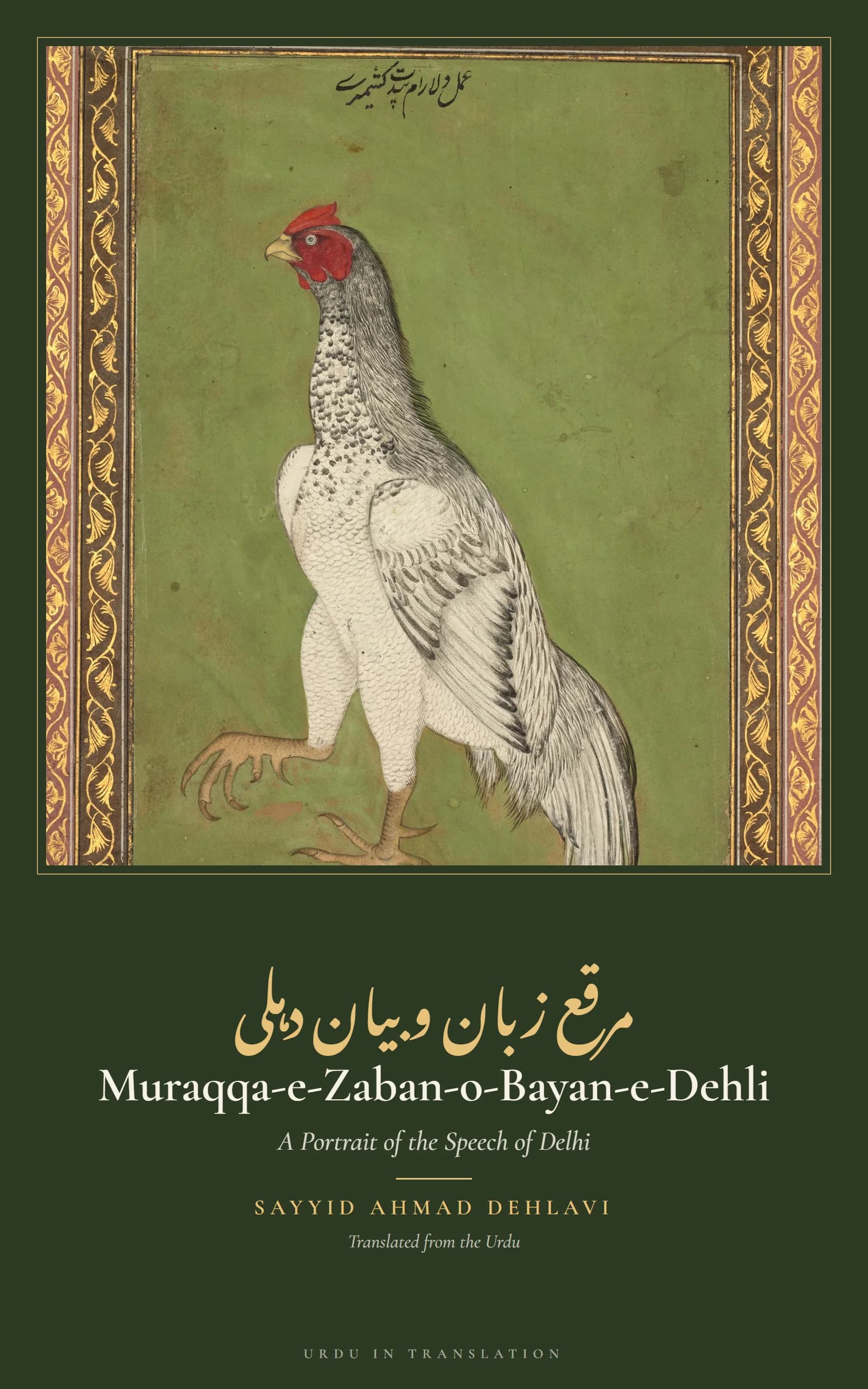
前两章免费Muraqqa-e-Zaban-o-Bayan-e-Dehli (A Portrait of the Language and Speech of Delhi)
رسالہ نذر آصف یعنی مرقع زبان و بیان دہلی
Sayyid Ahmad Dehlavi
How did the begums of the Red Fort talk, and how did the women of the city answer them? What did Delhi's fruit-sellers cry in the streets, and how did the last Mughal princes fight their quails, fly their pigeons and kites, and hold their festival courts? Written in 1915–16 by Sayyid Ahmad Dehlavi, compiler of the Farhang-e-Asafiya dictionary, this short book sets out the Urdu of Delhi before 1857, with long lists of women's idioms, and surrounds it with vivid scenes and anecdotes of old Delhi and the court of Bahadur Shah Zafar, ending with letters of praise from Akbar Allahabadi, Maulvi Abdul Haq and others. Complete Urdu text from Wikisource with a facing English translation, introduction and glossary. Cite as: Sayyid Ahmad Dehlavi, Muraqqa-e-Zaban-o-Bayan-e-Dehli, tr. urduintranslation.com (2026), https://www.urduintranslation.com/works/muraqqa-e-zaban-o-bayan-e-dehli. The first two chapters are free to read.
14 章English更多语言即将推出
散文(马兹蒙)
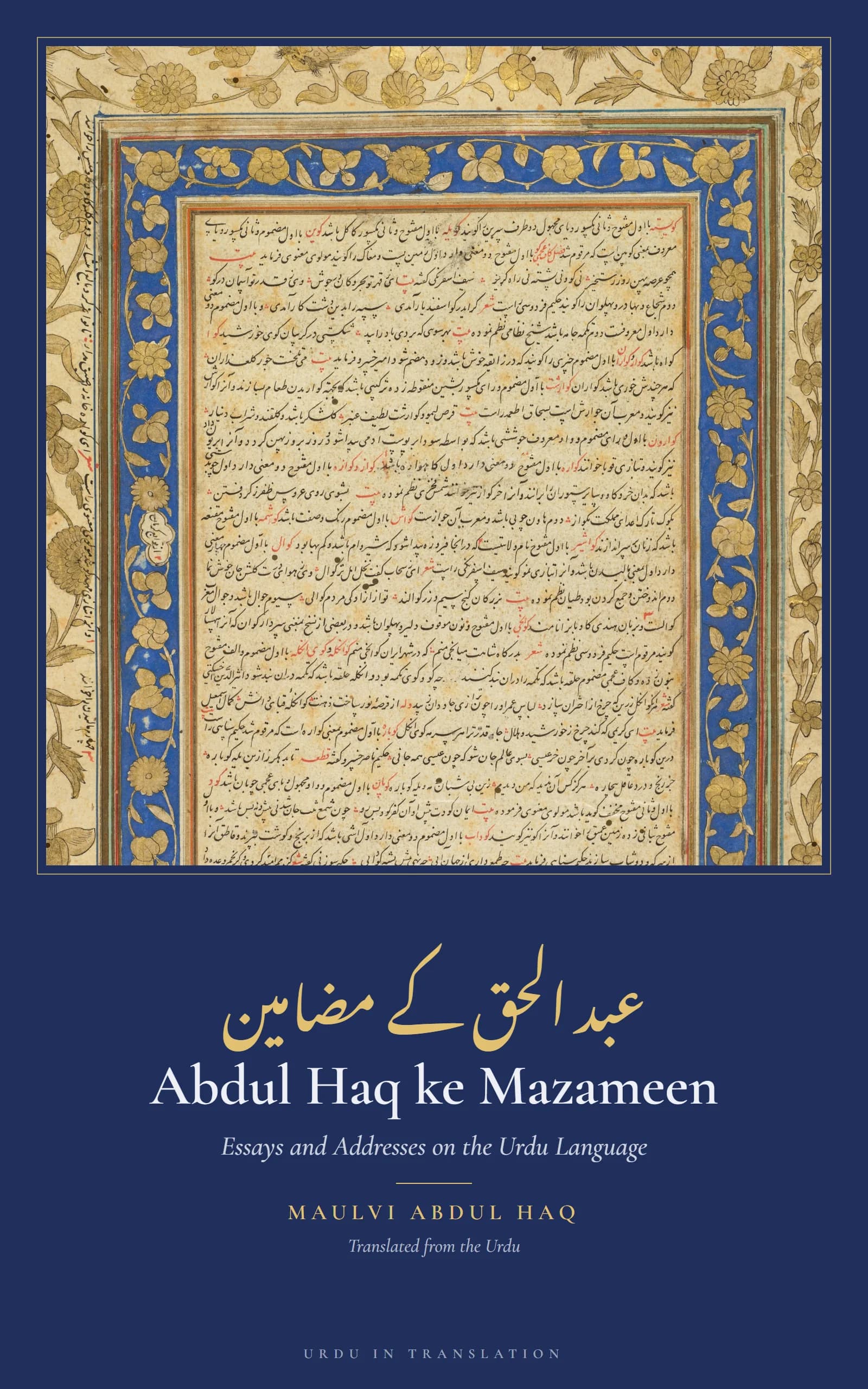
前两章免费Abdul Haq ke Mazameen (Essays and Addresses of Maulvi Abdul Haq)
عبد الحق کے مضامین
Maulvi Abdul Haq
Part of the complete work; completion in progress. All sixteen essays and addresses by Maulvi Abdul Haq (1870-1961), the "Baba-e-Urdu", Secretary of the Anjuman Taraqqi-e-Urdu, that are found on Urdu Wikisource. Written mostly between 1934 and 1941, when the Hindi-Urdu question had grown bitter, they ask what "Hindustani" really means, defend Urdu as a mixed language made by Hindus and Muslims together, answer Gandhi and the editor of Vishal Bharat, trace the history of Urdu from Fort William College and Delhi College to the Osmania University, and call its champions to less talk and more work, in addresses given at Aligarh, Allahabad, Baroda, Karachi, Lahore, Nagpur and Patna. With his celebrated preface to his selection from Mir, a short piece on the good book, and the address he wrote for the first meeting of the Progressive Writers at Lucknow. Complete Urdu text of each piece with a facing paragraph-by-paragraph English translation, introduction and glossary. Cite as: Maulvi Abdul Haq, Abdul Haq ke Mazameen, tr. urduintranslation.com (2026), https://www.urduintranslation.com/works/abdul-haq-ke-mazameen. The first two chapters are free to read.
18 章English更多语言即将推出
散文(马兹蒙)
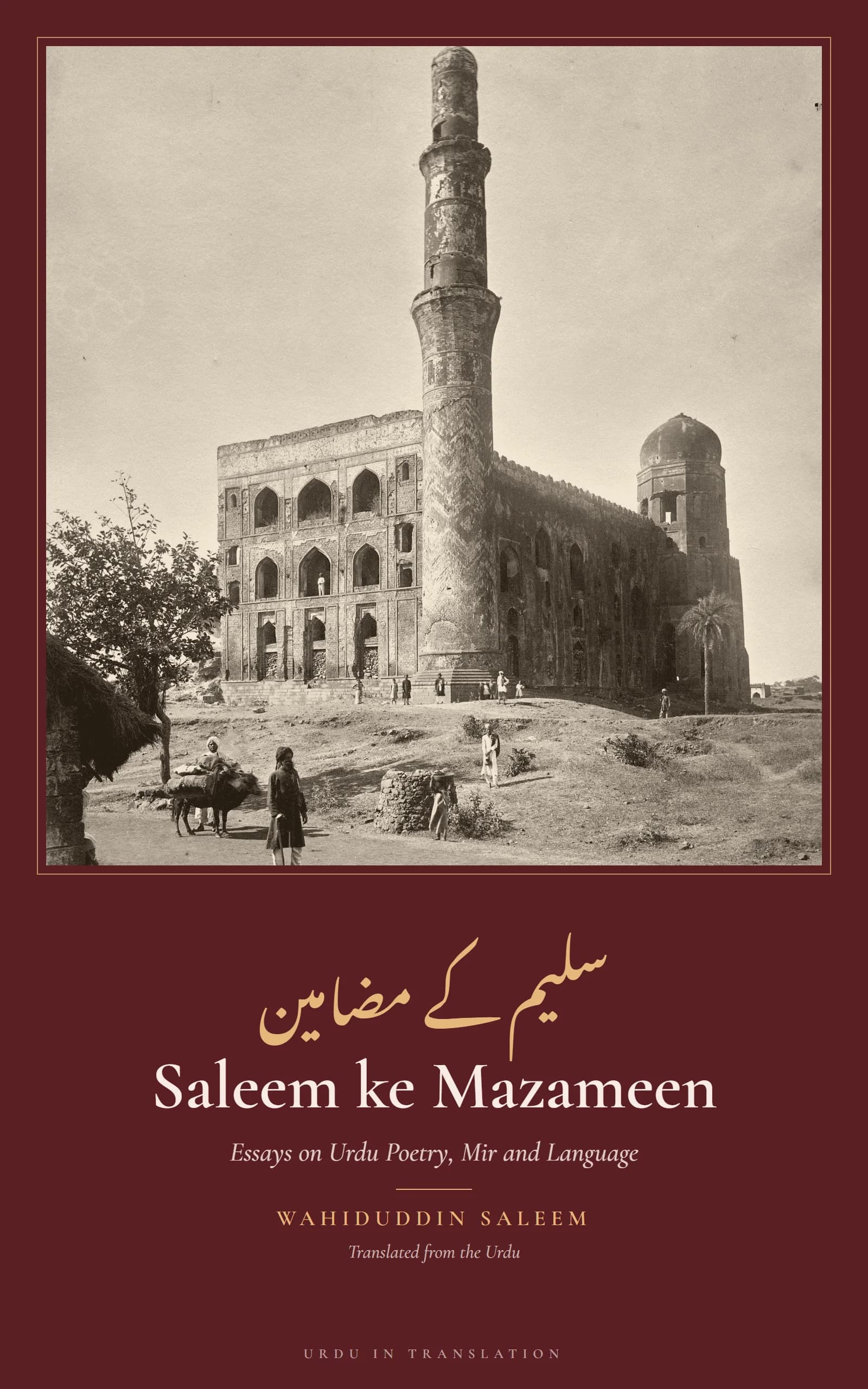
前两章免费Saleem ke Mazameen (Essays of Wahiduddin Saleem)
سلیم کے مضامین
Wahiduddin Saleem
Essays and poems by Wahiduddin Saleem of Panipat (1869-1927), critic, journalist and professor of Urdu at Osmania University. "The Study of Urdu Poetry" surveys Urdu verse from Wali to Iqbal and argues that in the ghazal the rhyme comes before the idea; "True Poetry" calls for verse that serves morals; two essays study the language of Mir's Delhi and the proud, patient Mir of the ghazals; another introduces the European debate on how man first began to speak, from Locke to Max Muller; "The Champions of Hindi and Their Fallacy" is his 1900 case for Urdu in the Nagari controversy; and a light essay defends women's love of adornment. With six of his poems, among them "A Call to Revolution" and "In the Words of Beauty". Complete Urdu text with a facing paragraph-by-paragraph English translation, introduction and glossary. Cite as: Wahiduddin Saleem, Saleem ke Mazameen, tr. urduintranslation.com (2026), https://www.urduintranslation.com/works/saleem-ke-mazameen. The first two chapters are free to read.
10 章English更多语言即将推出
散文(马兹蒙)
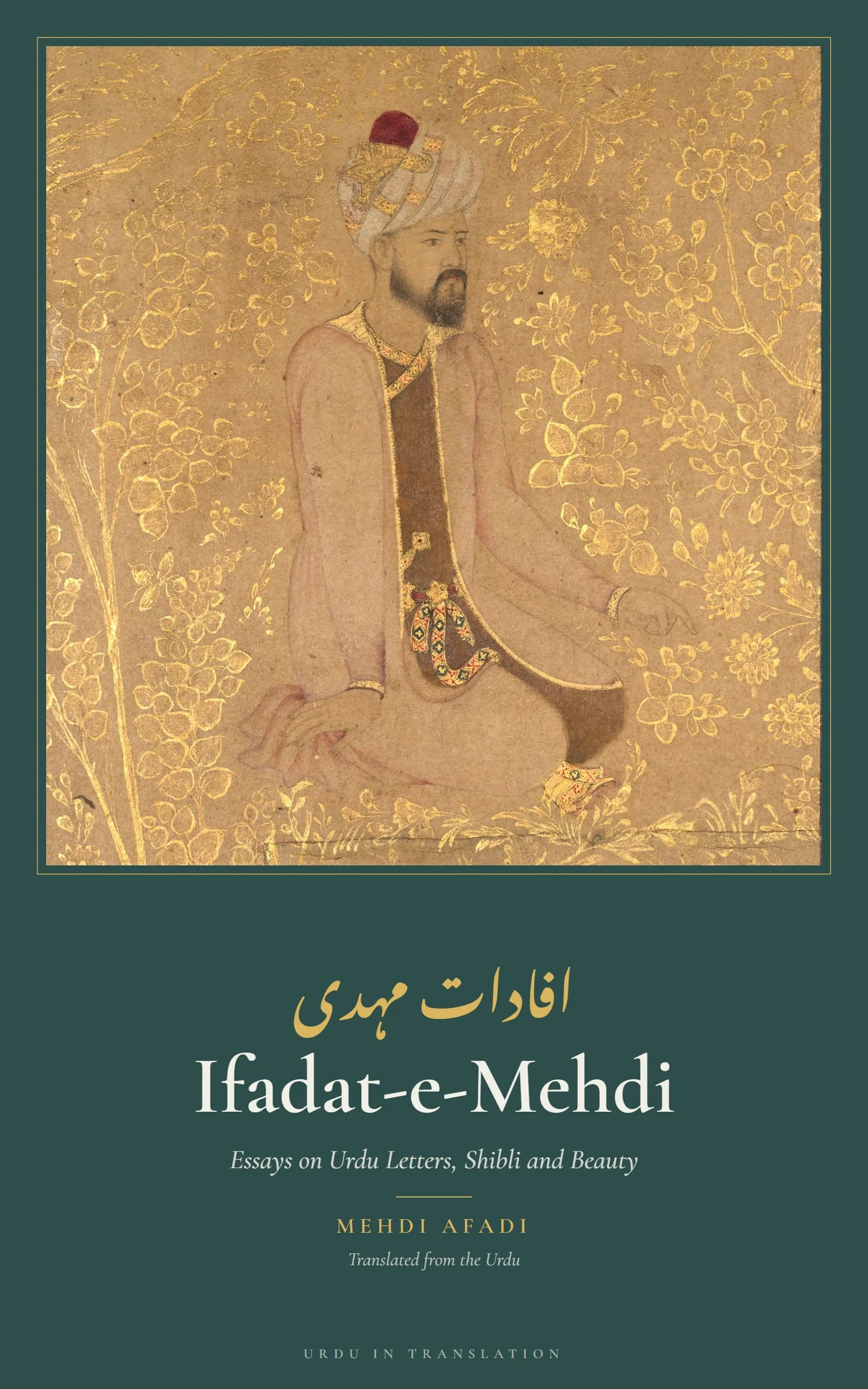
前两章免费Ifadat-e-Mehdi (Essays of Mehdi Afadi)
افادات مہدی
Mehdi Afadi
All thirteen essays of Mehdi Afadi (died 1921) given on Urdu Wikisource: one of the most admired stylists of early twentieth-century Urdu prose. Here is "The Five Elements of Urdu Literature", the famous essay that named Sir Syed, Azad, Nazir Ahmad, Hali and Shibli as the five makers of modern Urdu prose, and its sad sequel, "The Last Breath of Urdu Literature"; a cluster of essays on Shibli Nomani, his histories, his theology, his history of Persian poetry and his journal Al-Nadwa; "The Rivalry of Hali and Shibli", a sly study of the two great friends and critics; fierce replies to critics of Shibli and of Mehdi's own writing; a tribute to the fine books of the Nami Press; an open letter defending Sayyid Ali Bilgrami's translation Tamaddun-e-Arab; a romantic portrait of the ideal woman; and a survey of Greek ideas of beauty and love. Complete Urdu text of each essay with a facing paragraph-by-paragraph English translation, introduction and glossary. Printed editions of Ifadat-e-Mehdi may contain further pieces not on Wikisource. Cite as: Mehdi Afadi, Ifadat-e-Mehdi, tr. urduintranslation.com (2026), https://www.urduintranslation.com/works/ifadat-e-mehdi. The first two chapters are free to read.
15 章English更多语言即将推出
散文(马兹蒙)
前两章免费Firaq ki Dilli (Firaq's Delhi)
فراق کی دلی
Nasir Nazir Firaq Dehlavi
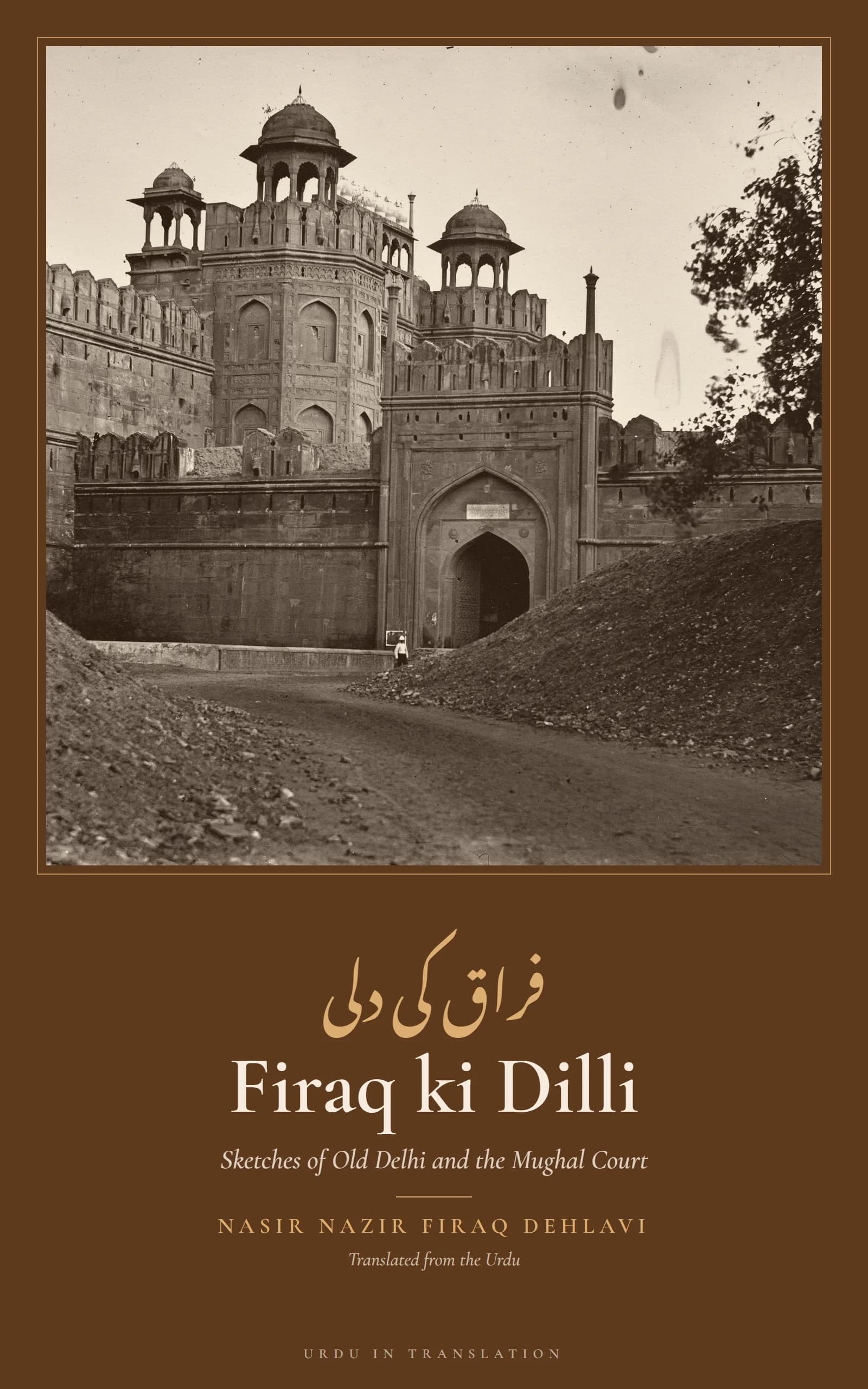
Eight prose pieces on old Delhi by Nasir Nazir Firaq Dehlavi (died 1933), the pupil of Muhammad Husain Azad who spent his life recording the vanished world of the Mughal court and the walled city. A Sufi saint's blessing on Timur leads to the building of Shah Jahan's new city; a young wife writes to her sister about a Delhi wedding in the women's own idiom; court storytellers trade jokes before Bahadur Shah; a king's favourite dancing girl meets her match in a clever minister; a forgotten fakir by the moat of the Red Fort prophesies its fall; a governor under Aurangzeb wins favour with a single Persian couplet; a morning walk in 1925 turns into a lament for the bounty of the old court; and a poor goldsmith's family wastes three wishes granted by a hermit. Complete Urdu text with a facing English translation, introduction and glossary. Cite as: Nasir Nazir Firaq Dehlavi, Firaq ki Dilli, tr. urduintranslation.com (2026), https://www.urduintranslation.com/works/firaq-ki-dilli. The first two chapters are free to read.
10 章English更多语言即将推出
散文(马兹蒙)
前两章免费Shibli ke Mazameen (Essays and Poems: Sir Syed and Urdu Literature, Zeb-un-Nisa, and Others)
شبلی کے مضامین
Shibli Nomani
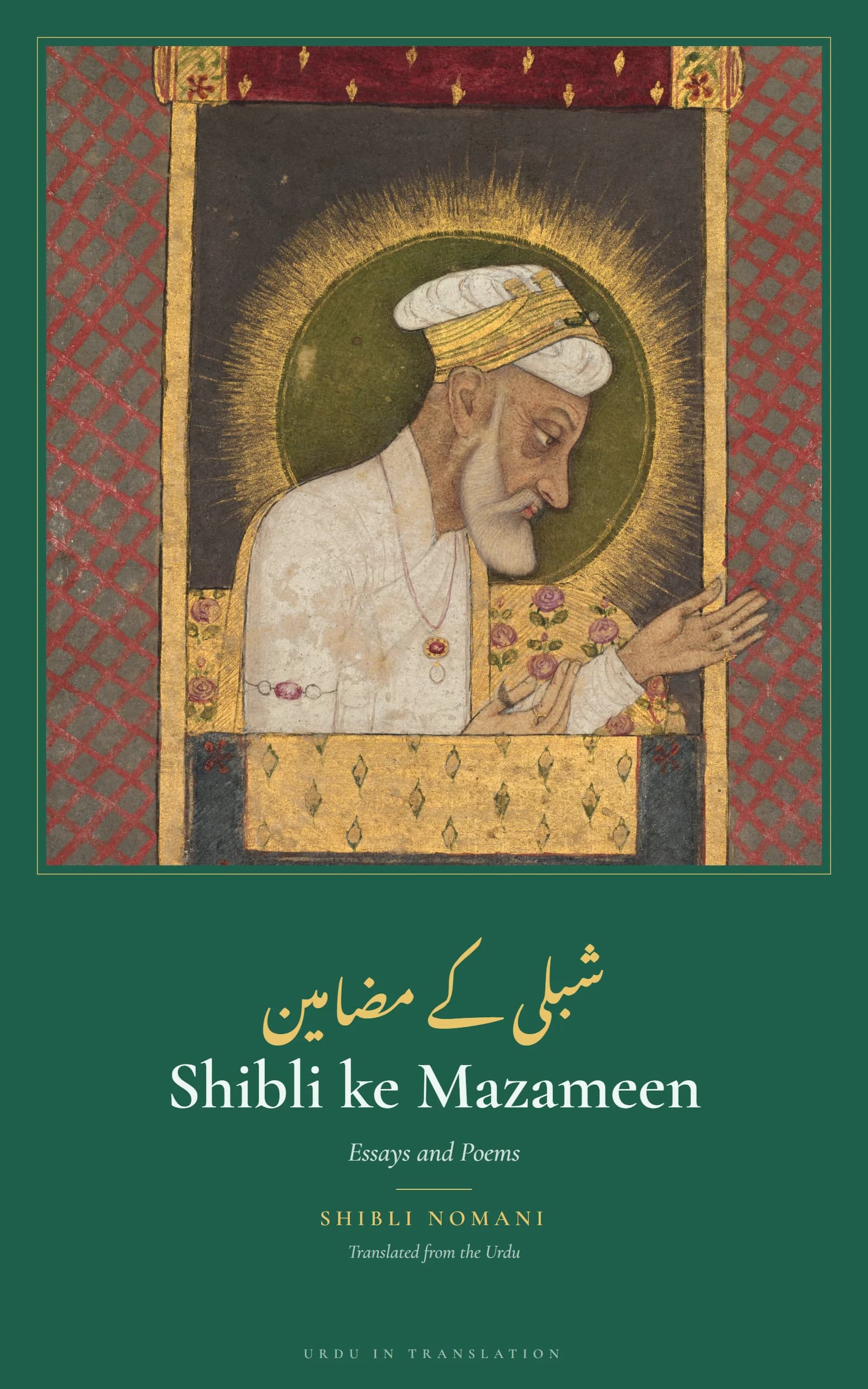
Four essays and five poems by Shibli Nomani (1857-1914), historian, critic and founder of the Nadwa at Lucknow. "Sir Syed and Urdu Literature", written on Sir Syed's death in 1898, traces modern Urdu prose from the ornate Asar-us-Sanadid through Ghalib's letters to Tahzib-ul-Akhlaq. "Zeb-un-Nisa" rescues Aurangzeb's scholarly daughter from bazaar scandal with the evidence of the Persian chronicles, and tells of her library, her poets and a notebook dropped in a pool. Shibli also answers a reader's complaint about bad Urdu, explains the Sufi teaching that beauty in things is borrowed light, and in verse tells of Jahangir ready to execute Nur Jahan, of Umar answering a critic, and of the Kanpur mosque arrests of 1913. Complete Urdu text from Wikisource with a facing English translation, introduction and glossary. Cite as: Shibli Nomani, Shibli ke Mazameen, tr. urduintranslation.com (2026), https://www.urduintranslation.com/works/shibli-ke-mazameen. The first two chapters are free to read.
7 章English更多语言即将推出
散文(马兹蒙)
前两章免费Azad ke Lecture (Lectures: A Journey Through Iran, On Urdu and English Prose, On Poetry)
آزاد کے لکچر
Muhammad Husain Azad
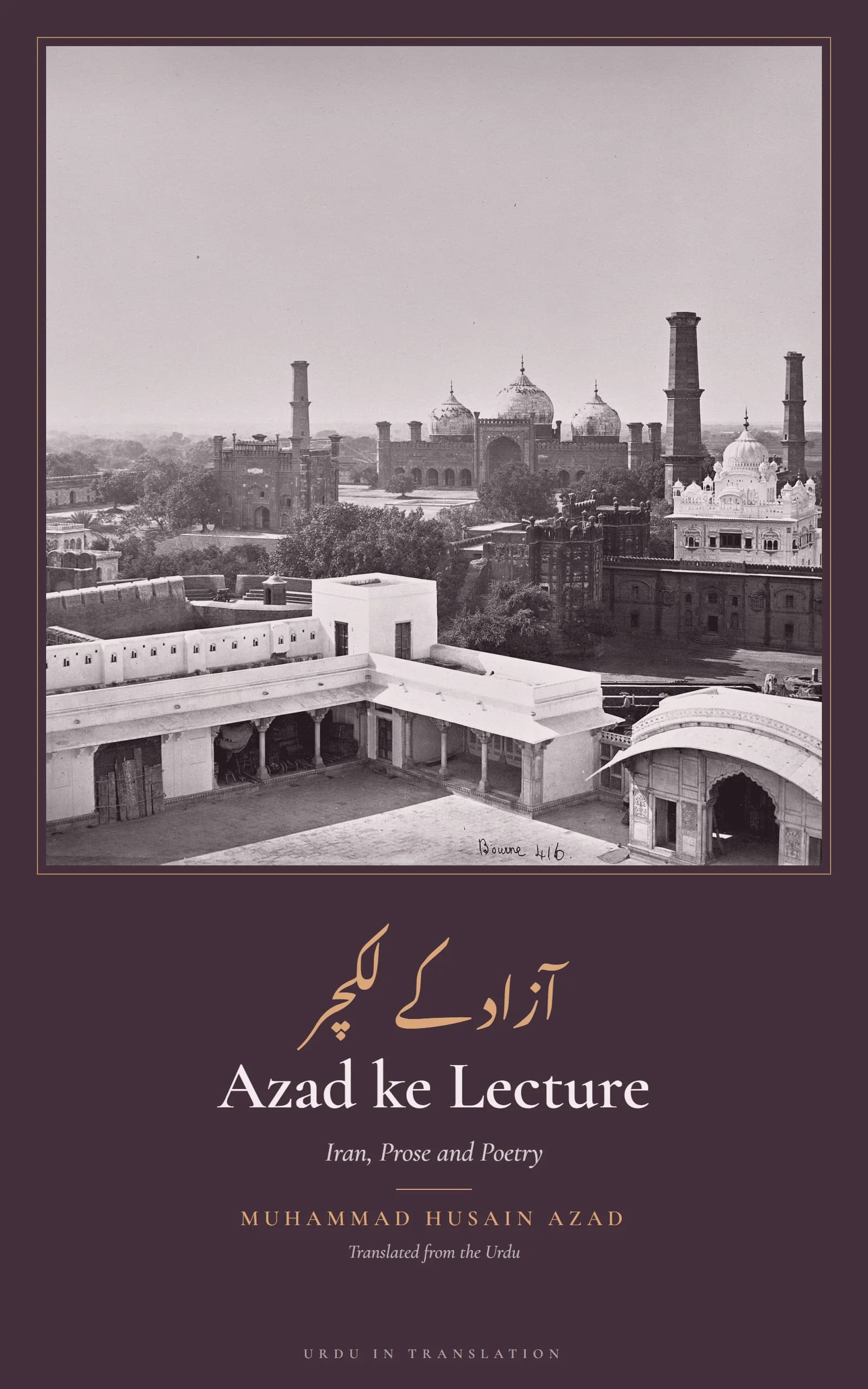
Three lectures by Muhammad Husain Azad (1830-1910), the Delhi-born scholar of Lahore who wrote Aab-e-Hayat. In "A Journey Through Iran" he tells a Lahore audience of his journey in search of books and words for a Persian dictionary: by steamer to Bushehr, by caravan to Shiraz, Isfahan and Tehran, where princes and ministers sat with him over dictionaries, then on to Mashhad and home through Herat and Kandahar, questioned at every step and riding into Quetta on a cartload of books. "Some Thoughts on Urdu and English Prose" argues that young Urdu must grow through learning and take new plants from the English garden. "On Poetry and Measured Speech" (1868), an address to the Anjuman-e-Punjab, praises poetry as the speech that moves the heart. Complete Urdu text from Wikisource with a facing English translation, introduction and glossary. Cite as: Muhammad Husain Azad, Azad ke Lecture, tr. urduintranslation.com (2026), https://www.urduintranslation.com/works/azad-ke-lecture. The first two chapters are free to read.
5 章English更多语言即将推出
散文(马兹蒙)
前两章免费Sharar ke Mazameen (Essays: Delhi That Was, The Gallants of Europe, The Garden of Desire)
شرر کے مضامین
Abdul Halim Sharar
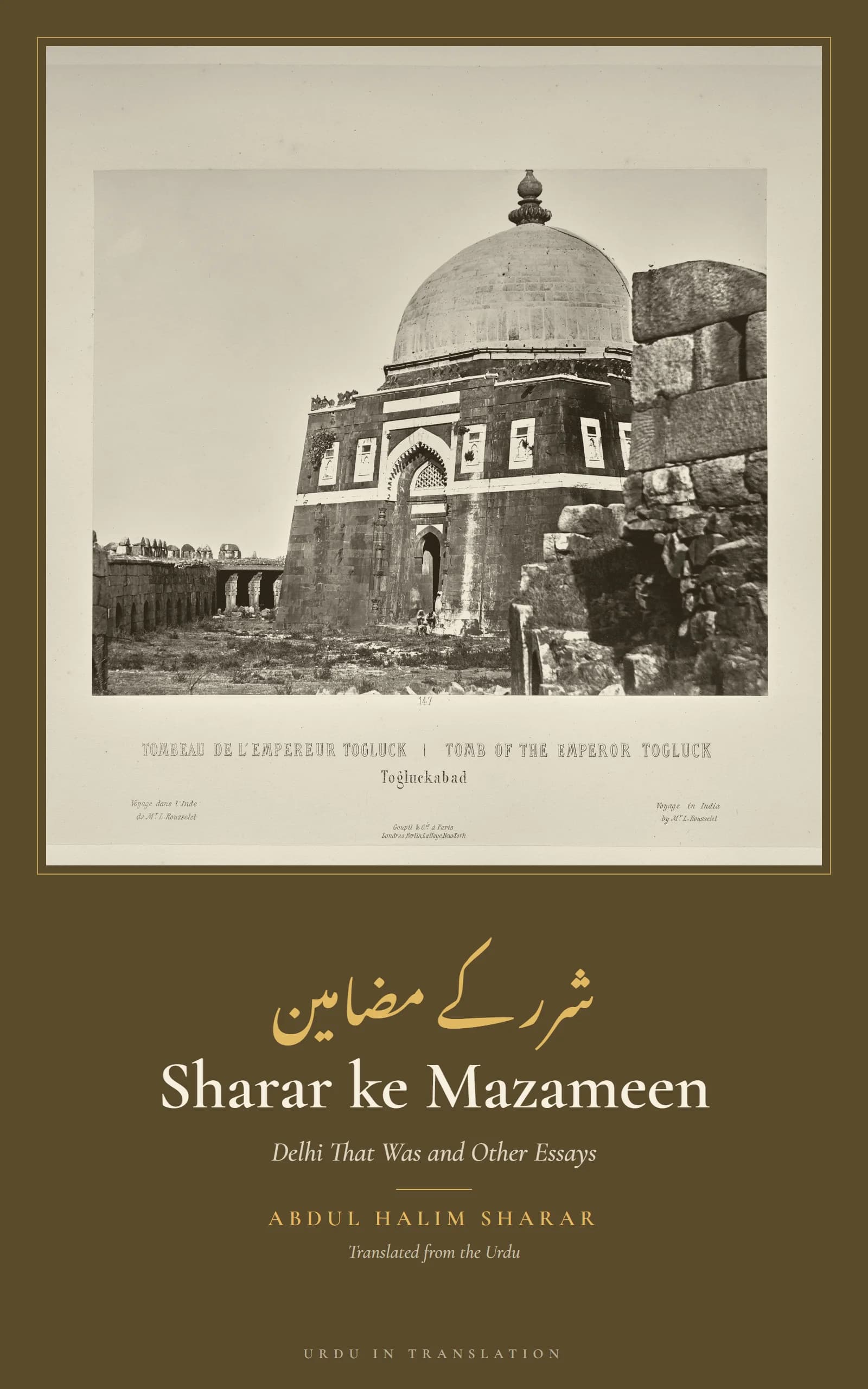
Three essays by Abdul Halim Sharar (1860-1926) of Lucknow, from his magazine Dilgudaz. In "Delhi That Was" he retells the Moroccan traveller Ibn Battuta's account of Delhi under Sultan Muhammad Tughluq: its four cities, the Qutb Minar and the great tanks, the gates of the palace, the Hall of a Thousand Pillars, the ranks of the court and the Eid procession. "The Gallants of Europe" (1914) is a history of the Knights Templars, from their founding to guard pilgrims to Jerusalem to their arrest, torture and burning under Philip IV of France, read through the eyes of an Indian Muslim. "The Garden of Desire" is a short allegory on hope that always stays one step away. Complete Urdu text from Wikisource with a facing English translation, introduction and glossary. Cite as: Abdul Halim Sharar, Sharar ke Mazameen, tr. urduintranslation.com (2026), https://www.urduintranslation.com/works/sharar-ke-mazameen. The first two chapters are free to read.
5 章English更多语言即将推出
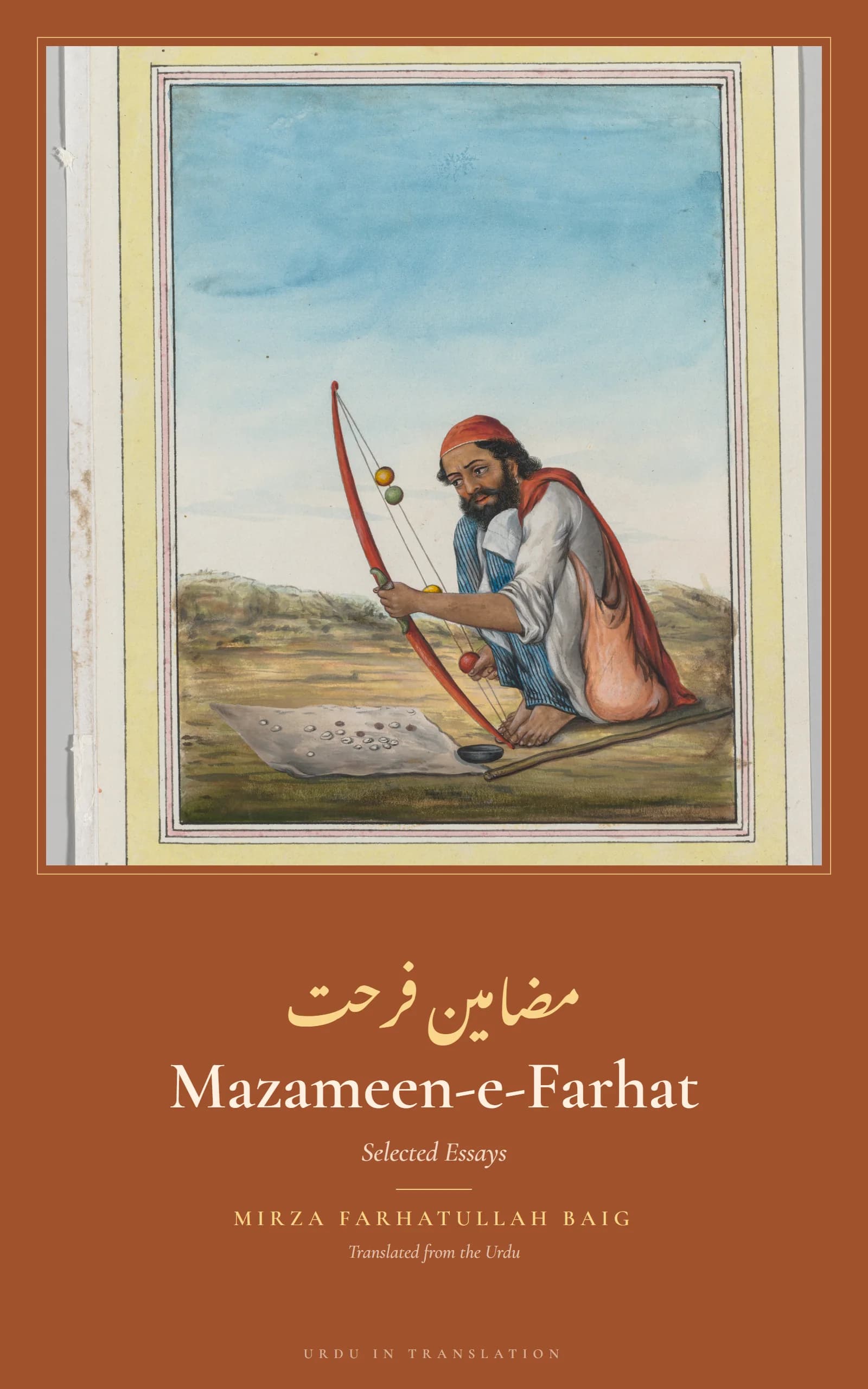
散文(马兹蒙)
前两章免费Mazameen-e-Farhat: Intikhab (Selected Essays of Mirza Farhatullah Baig)
مضامین فرحت: انتخاب
Mirza Farhatullah Baig
Eight essays by Mirza Farhatullah Baig (1883-1947), the Delhi humorist who served the Nizam in Hyderabad and wrote all his life in the speech of old Delhi. A grieving friend writes from a village where every newcomer falls in love, a place no railway guide can find; a foundling tells how he was brought up to be beaten; a literary editor drowns in contributors; husband and wife fight their monthly battle over the salary; a candidate writes to the papers about the miseries of the examination hall; and an uncle tells how his twelve-year-old niece was married off and fell mortally ill. In "New Delhi" an old gentleman on the steps of the Jama Masjid mourns the city of his youth, its courtesans, fairs, street cries and language; and in "Carrying Out a Will" Baig keeps a laughing promise to write the life of the scholar Wahiduddin Salim after his death. Complete Urdu text from Wikisource with a facing English translation, introduction and glossary. Cite as: Mirza Farhatullah Baig, Mazameen-e-Farhat: Intikhab, tr. urduintranslation.com (2026), https://www.urduintranslation.com/works/farhatullah-baig-ke-mazameen. The first two chapters are free to read.
10 章English更多语言即将推出
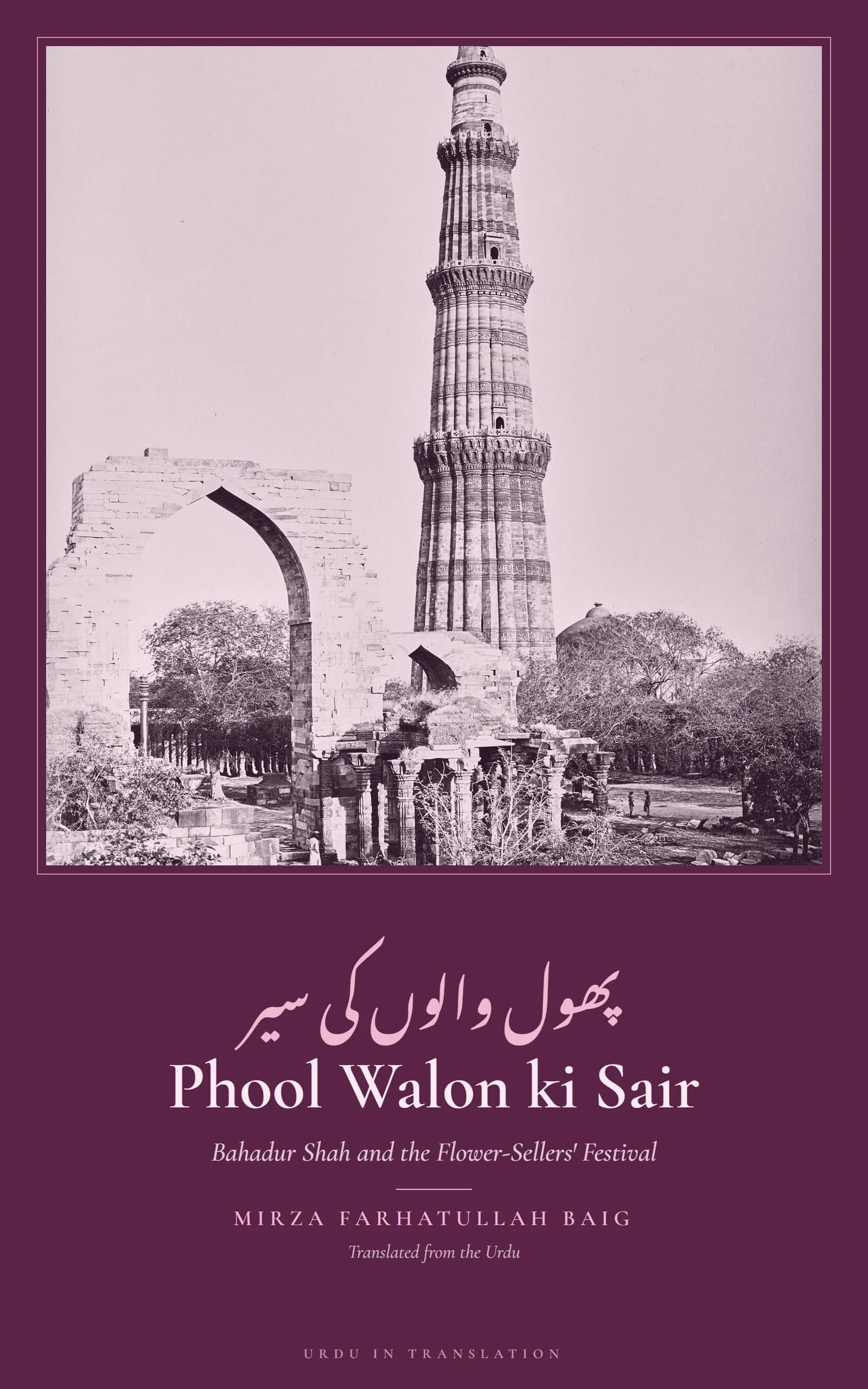
散文(马兹蒙)
前两章免费Bahadur Shah aur Phool Walon ki Sair (Bahadur Shah and the Flower-Sellers' Festival)
بہادر شاہ اور پھول والوں کی سیر
Mirza Farhatullah Baig
Mehrauli, 1848: the last great year, before misfortune overtook him, of Bahadur Shah, the last Mughal emperor, and of the Phool Walon ki Sair, the Flower-Sellers' Festival, in which Hindus and Muslims of Delhi carried fans of flowers to a Sufi shrine and a Hindu temple and the King refused to favour either. Mirza Farhatullah Baig (1883-1947), author of Dehli ki Akhri Shama, brings it back to life from the memories of old women who were there: a city flooded by the monsoon, the night procession of the royal women guarded by armed Turkish, Kalmuck, African and Georgian women, princesses swinging and singing in the mango grove at the Jharna as cakes fry beneath the trees, wrestlers and water-carriers in the procession of the fan, and a naval battle of fireworks on the Shamsi Tank. With the author's sixty-three notes, a small encyclopaedia of the vanished life of the Red Fort. Complete Urdu text with a facing English translation, introduction and glossary. Cite as: Mirza Farhatullah Baig, Bahadur Shah aur Phool Walon ki Sair, tr. urduintranslation.com (2026), https://www.urduintranslation.com/works/phool-walon-ki-sair. The first two chapters are free to read.
8 章English更多语言即将推出
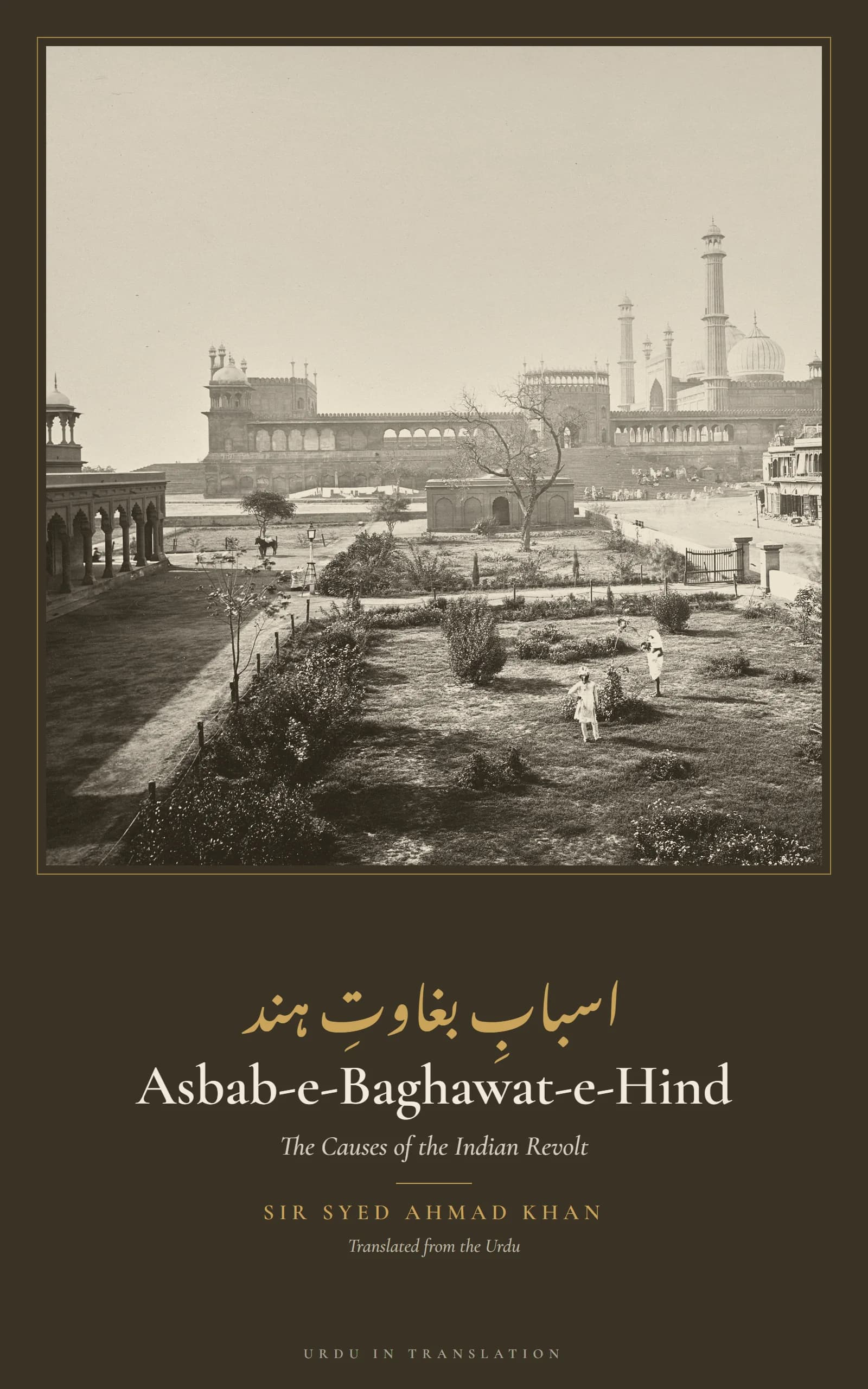
散文(马兹蒙) · 1859
前两章免费Asbab-e-Baghawat-e-Hind (The Causes of the Indian Revolt)
اسباب بغاوت ہند
赛义德·艾哈迈德·汗爵士 · 关于History
Written in 1858, while the ashes of 1857 were still warm, this short treatise by Syed Ahmad Khan (1817–1898), a judicial officer of the East India Company who had stood by the British at Bijnor in 1857, told the British government what almost nobody else dared: that the Revolt was not a Muslim conspiracy or a plot of the Mughal court, but the result of a government that kept Indians out of its councils and so never knew, or was told, what its subjects felt. He traces five consequences: popular fear for religion, unsuitable laws and revenue settlements, ignorance of the people's poverty and grievances, the neglect of courtesy and trust, and the mismanagement of the army. He had five hundred copies printed and sent almost all of them to Parliament and the government in England; it is a founding text of modern Indian Muslim political thought and a core reading in courses on 1857, colonialism and South Asian history. Complete Urdu text from the Lahore edition of Munshi Fazluddin, Qaumi Kutub Khana (undated, after 1898), with the Persian proclamation of the Lieutenant-Governor printed as its appendix, a facing English translation, introduction, notes and glossary. Cite as: Sir Syed Ahmad Khan, Asbab-e-Baghawat-e-Hind, tr. urduintranslation.com (2026), https://www.urduintranslation.com/works/asbab-e-baghawat-e-hind. The first chapter is free to read.
10 章English更多语言即将推出
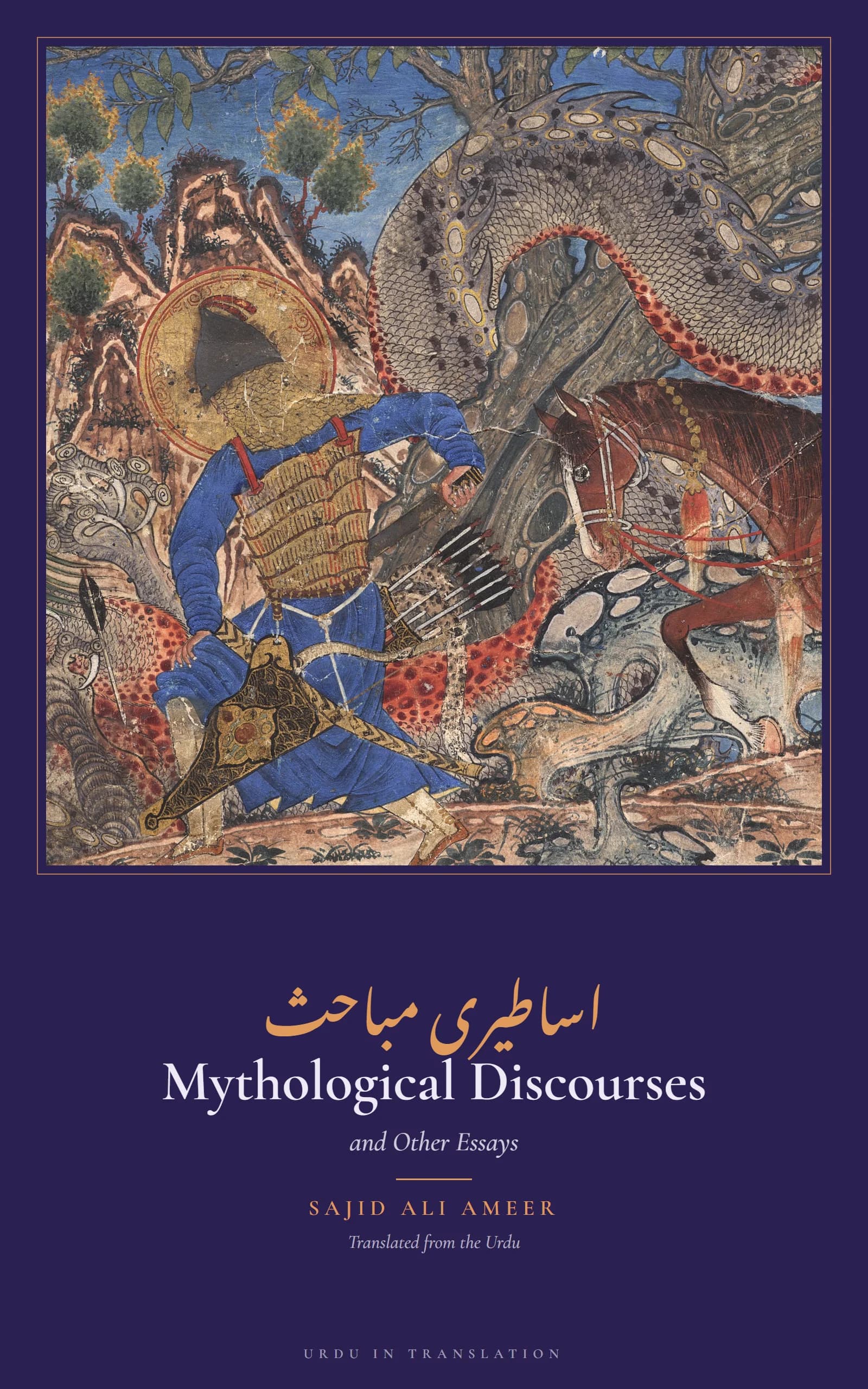
散文(马兹蒙)
前两章免费神话论集及其他文章
اساطیری مباحث اور دوسرے مضامین
萨吉德·阿里·阿米尔
巴基斯坦青年评论家萨吉德·阿里·阿米尔的第一部著作(费萨拉巴德 Ikai 出版社,2026 年)。在研究性文章中,他比较乌尔都语经典文本的不同版本,追问何为风格,并追溯从吠陀、《摩诃婆罗多》到希腊和闪米特传说的神话如何贯穿现代乌尔都语纳兹姆;在细读中,他剖析拉菲克·桑德尔维和伊克提达尔·贾韦德的两首当代“神话”诗;在较短的评介中,他评论新的诗歌、批评与小说,从阿比德·胡尔希德的加扎勒到巴诺·古德西娅的《秃鹫王》以及加菲尔·沙赫扎德和伊贾兹·罗尚的小说,最后谈到伊克巴尔那本被遗忘的经济学著作。经作者许可在此发表。乌尔都语原文配对照译文;作者序言和第一篇文章可免费阅读。
18 章EnglishFrançais更多语言即将推出
散文(马兹蒙) · 1870–1897
前两章免费《道德修养》文选
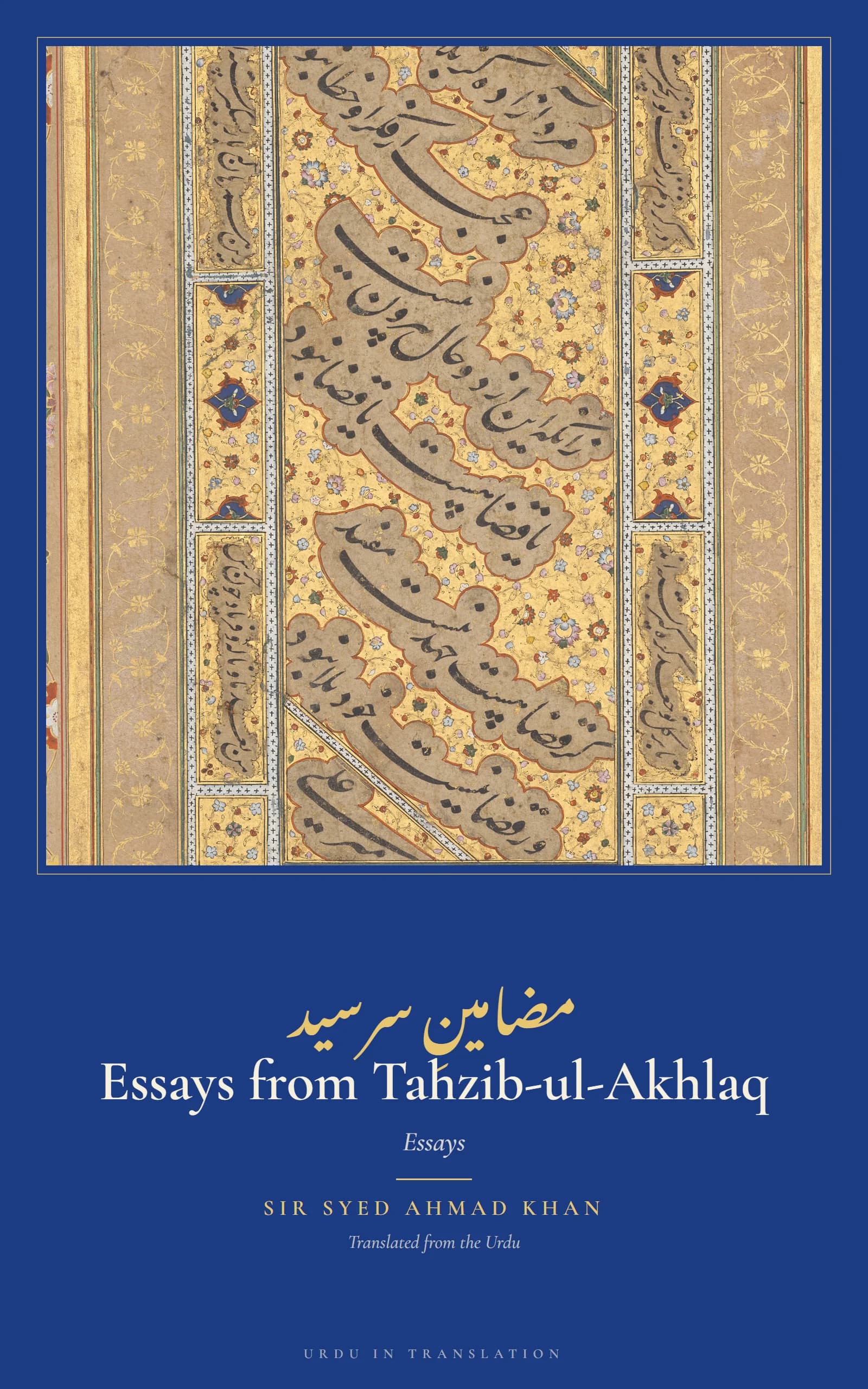
مضامینِ سرسید: تہذیب الاخلاق سے
赛义德·艾哈迈德·汗爵士
1870年,赛义德·艾哈迈德·汗爵士从英国归来,创办了《道德修养》杂志。这份刊物开启了阿里格尔运动,也为乌尔都语带来了现代散文。本书收录他在这份刊物上发表的文章:论习俗与偏见,论阿谀与伪善,论懒惰与争辩,论妇女的权利与儿童的教养,论希望、往昔与人生的蜃景,还有寓言《亚当的经历》。这些文章平实、急切,时常妙趣横生,是一个人在1857年之后努力唤醒一个战败社群的声音。乌尔都语原文与英译对照;前两篇可免费阅读。
29 章EnglishEspañolFrançaisالعربية中文Русский