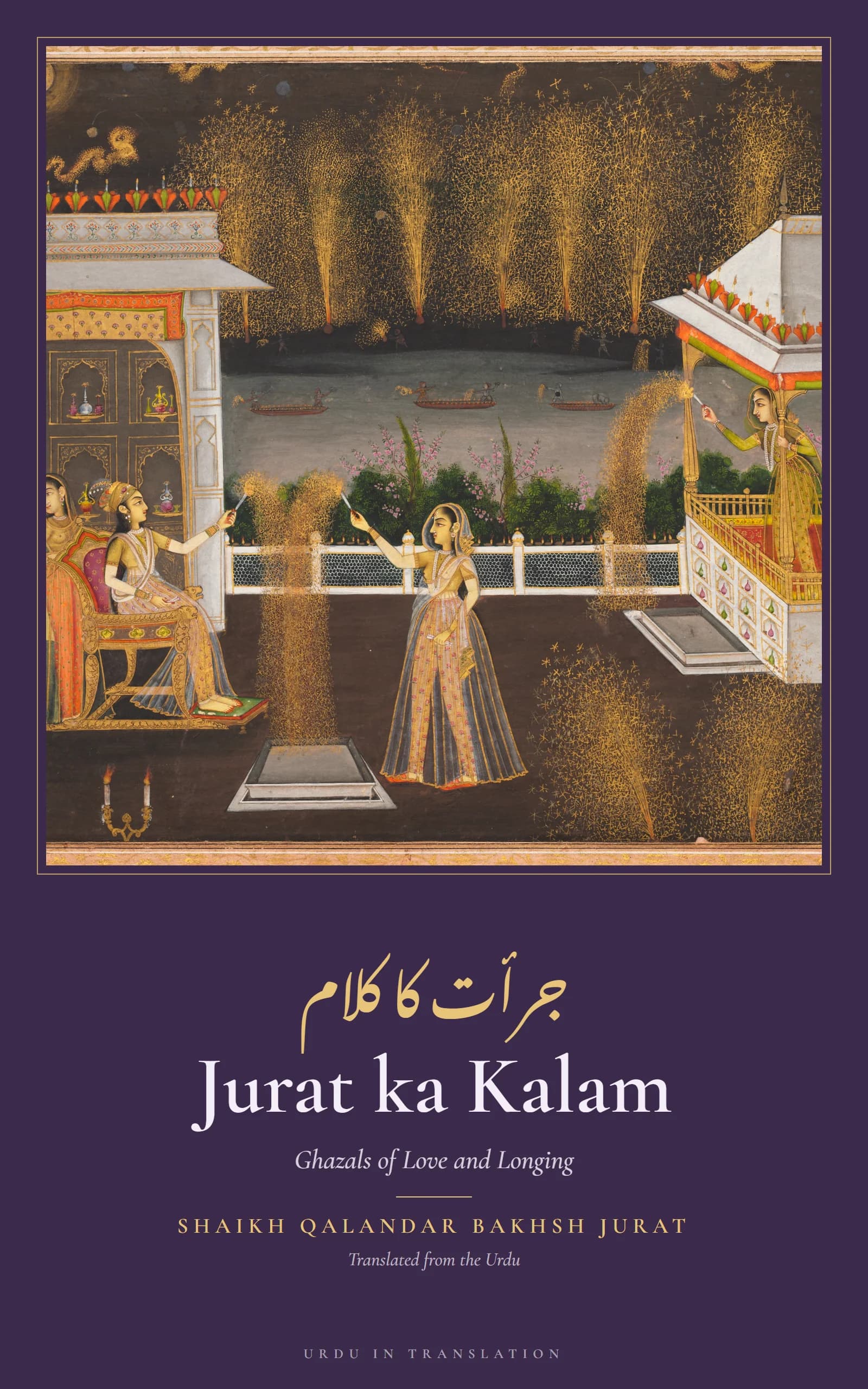
加扎勒(抒情诗)
前两章免费Jurat ka Kalam (Poems of Jurat)
جرأت کا کلام
Shaikh Qalandar Bakhsh Jurat
Eighty ghazals by Shaikh Qalandar Bakhsh Jurat (d. 1810), the poet of Mir's generation: all his poems on Urdu Wikisource. Ghazals of love as it is lived, of meetings, quarrels, messages and making up, many built from the lovers' own talk, with wordplay on his pen name ("courage"), a garden in the rains, and his challenge to those who think the ghazal ended with Mir. Urdu text with a new, line-by-line English translation, notes, an introduction and a glossary. Cite as: Shaikh Qalandar Bakhsh Jurat, Jurat ka Kalam, tr. urduintranslation.com (2026), https://www.urduintranslation.com/works/jurat-ka-kalam. The first two chapters are free to read.
4 章English更多语言即将推出
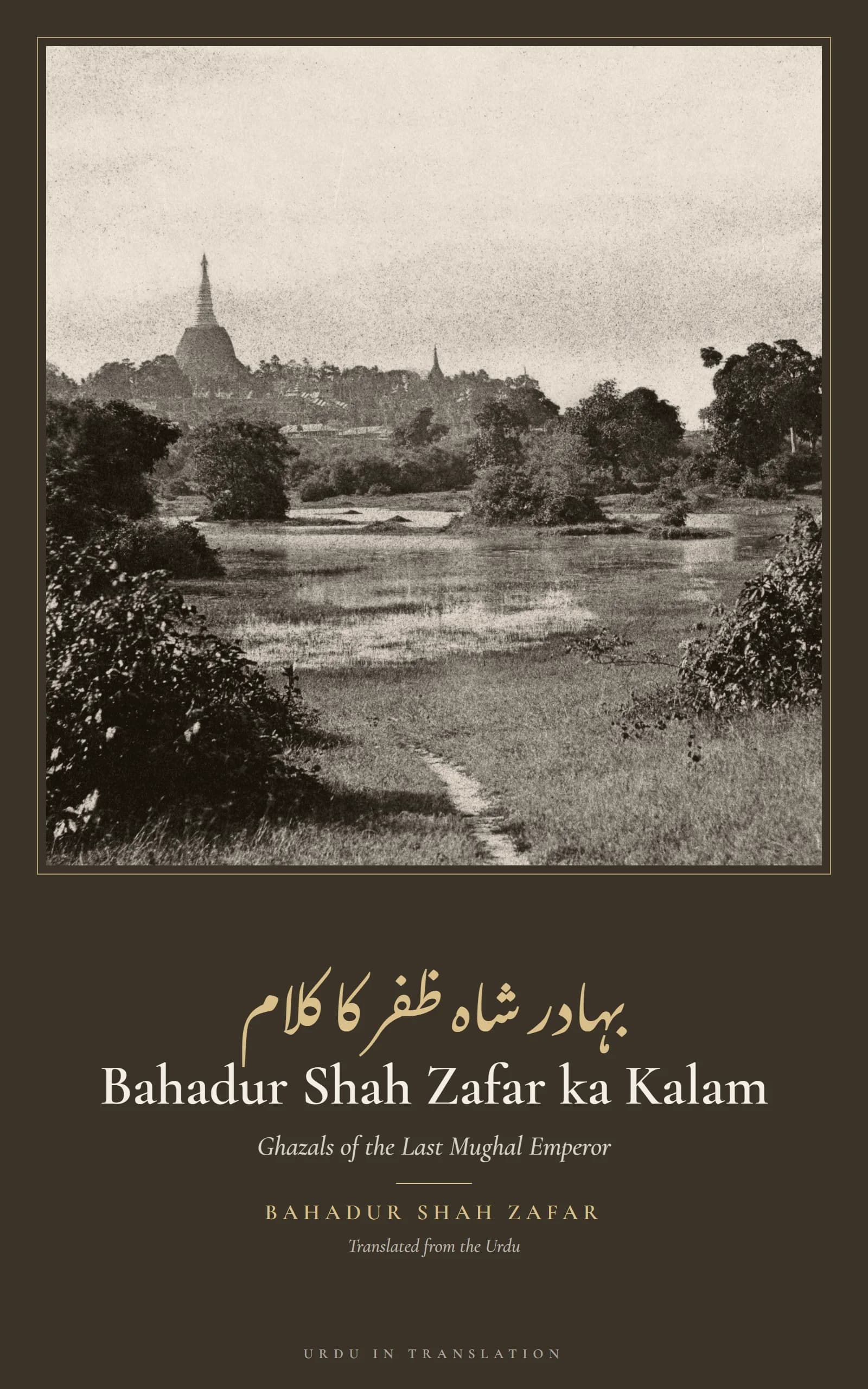
加扎勒(抒情诗)
前两章免费Bahadur Shah Zafar ka Kalam (Poems of Bahadur Shah Zafar)
بہادر شاہ ظفر کا کلام
Bahadur Shah Zafar
Fifty-two ghazals by Bahadur Shah Zafar (d. 1862), the last Mughal emperor of Delhi: all his poems on Urdu Wikisource. Ghazals of love in the Delhi manner, of Sufi faith and the setting aside of the crown, of change and loss, with long runs of wordplay, and the famous "My heart finds no peace in this ruined land". Urdu text with a new, line-by-line English translation, notes, an introduction and a glossary. Cite as: Bahadur Shah Zafar, Bahadur Shah Zafar ka Kalam, tr. urduintranslation.com (2026), https://www.urduintranslation.com/works/bahadur-shah-zafar-ka-kalam. The first two chapters are free to read.
4 章English更多语言即将推出
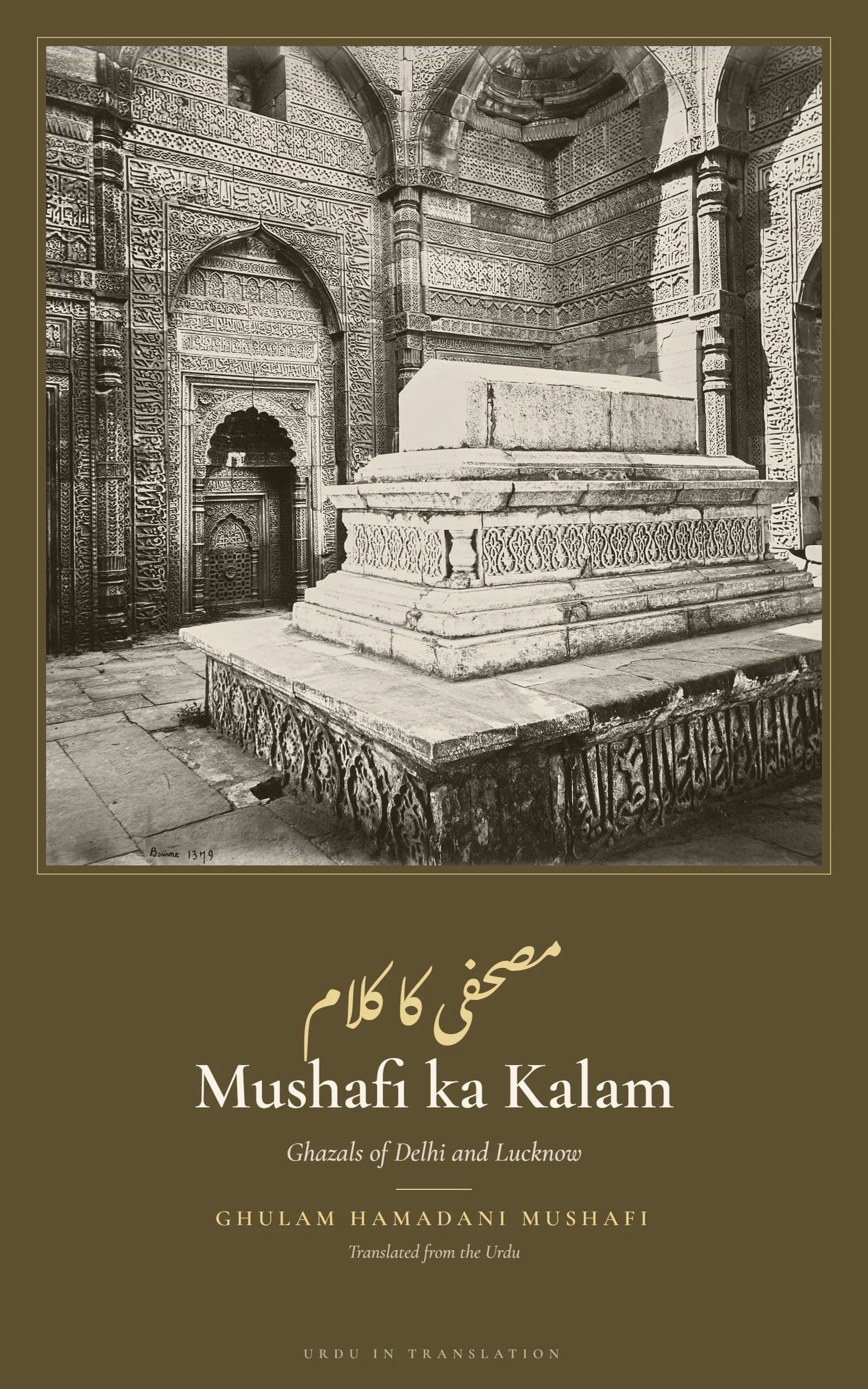
加扎勒(抒情诗)
前两章免费Mushafi ka Kalam (Poems of Mushafi)
مصحفی کا کلام
Ghulam Hamadani Mushafi
Two hundred and sixty-seven ghazals by Ghulam Hamadani Mushafi (d. 1824), the master of the Urdu ghazal who followed Mir and Sauda: all his poems on Urdu Wikisource. Ghazals of love, wit and craft, of the tavern and the Shaikh, of ruined Delhi and of Lucknow, with poems on Basant, henna and moonlight, and his boasts against Mir and Sauda. Urdu text with a new, line-by-line English translation, notes, an introduction and a glossary. Cite as: Ghulam Hamadani Mushafi, Mushafi ka Kalam, tr. urduintranslation.com (2026), https://www.urduintranslation.com/works/mushafi-ka-kalam. The first two chapters are free to read.
8 章English更多语言即将推出
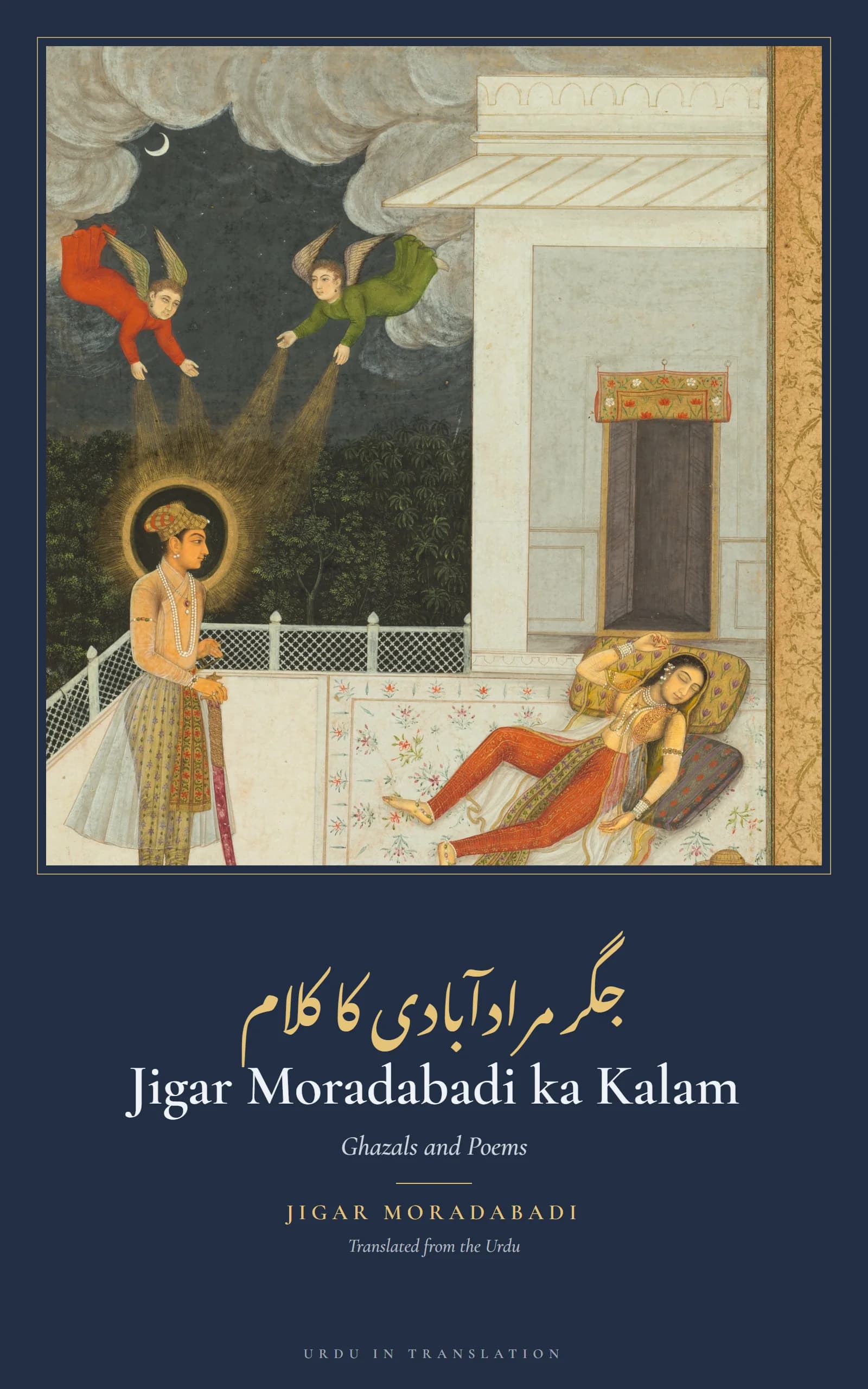
加扎勒(抒情诗)
前两章免费Jigar Moradabadi ka Kalam (Poems of Jigar Moradabadi)
جگر مرادآبادی کا کلام
Jigar Moradabadi
Eighty-nine poems by Jigar Moradabadi (d. 1960), one of the best-loved voices of the twentieth-century ghazal: all his poems on Urdu Wikisource. Ghazals of love's "river of fire", of wine, the Saqi and Hafiz, with a naat, and poems on the Bengal famine and in memory of Gandhiji. Urdu text with a new, line-by-line English translation, notes, an introduction and a glossary. Cite as: Jigar Moradabadi, Jigar Moradabadi ka Kalam, tr. urduintranslation.com (2026), https://www.urduintranslation.com/works/jigar-moradabadi-ka-kalam. The first two chapters are free to read.
5 章English更多语言即将推出
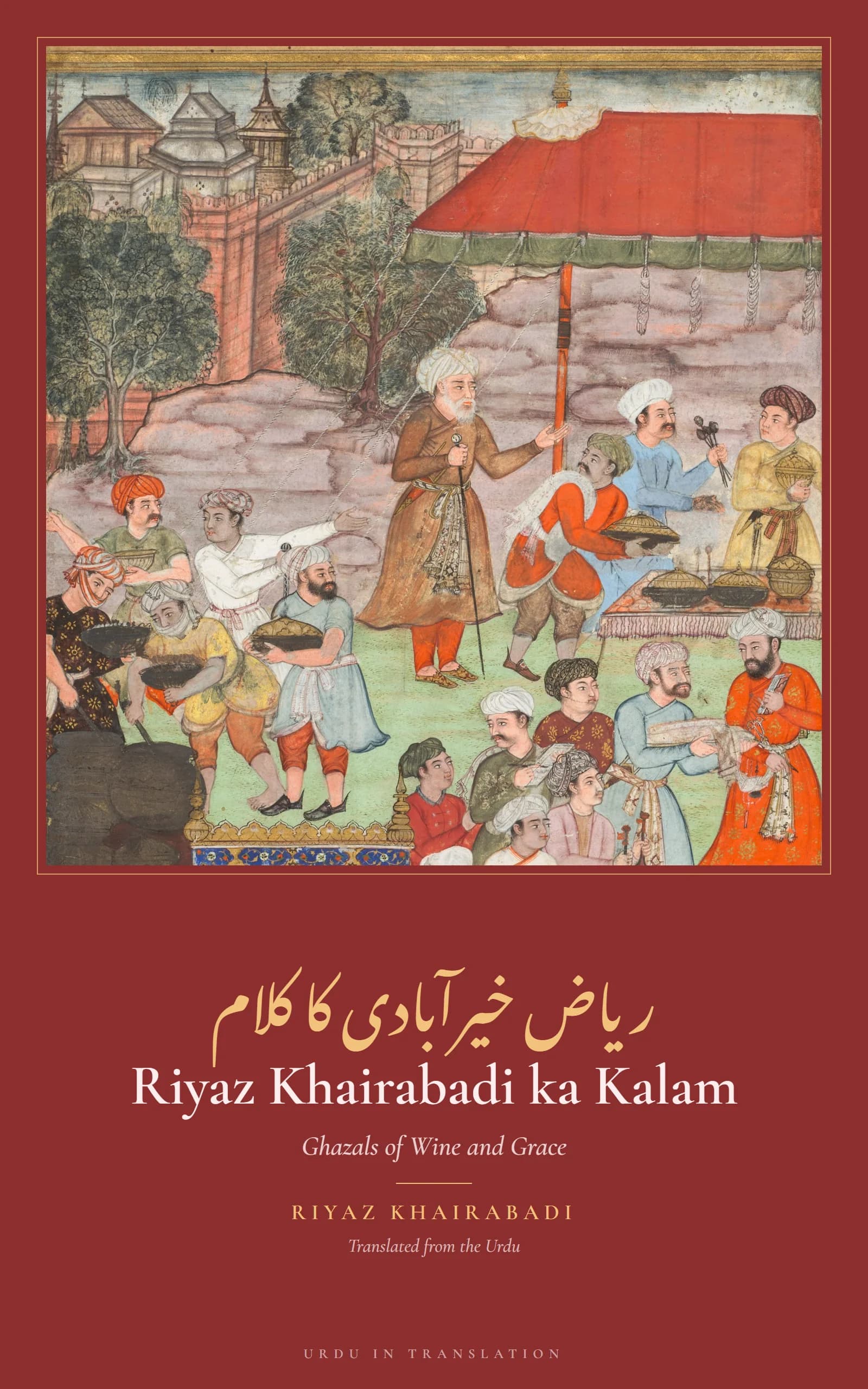
加扎勒(抒情诗)
前两章免费Riyaz Khairabadi ka Kalam (Poems of Riyaz Khairabadi)
ریاض خیرآبادی کا کلام
Riyaz Khairabadi
One hundred and thirty-three ghazals by Riyaz Khairabadi (d. 1934), the poet of wine: all his poems on Urdu Wikisource. Ghazals of the tavern, the Saqi and the caught-out preacher, of Sufi wine and the Day of Resurrection, with laments for a friend and a longing for Medina. Urdu text with a new, line-by-line English translation, notes, an introduction and a glossary. Cite as: Riyaz Khairabadi, Riyaz Khairabadi ka Kalam, tr. urduintranslation.com (2026), https://www.urduintranslation.com/works/riyaz-khairabadi-ka-kalam. The first two chapters are free to read.
7 章English更多语言即将推出
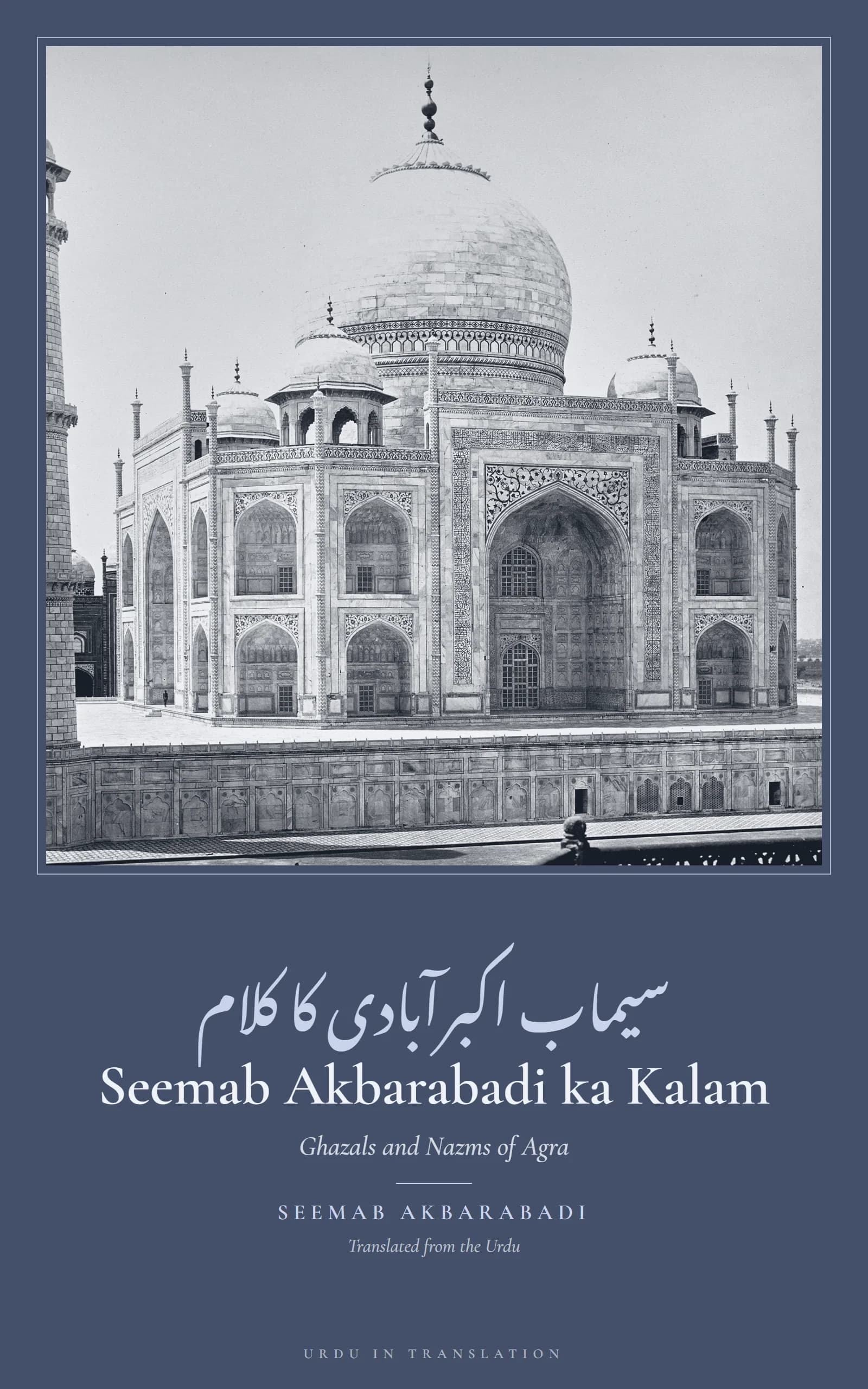
加扎勒(抒情诗)
前两章免费Seemab Akbarabadi ka Kalam (Poems of Seemab Akbarabadi)
سیماب اکبرآبادی کا کلام
Seemab Akbarabadi
Sixty ghazals and twelve nazms by Seemab Akbarabadi of Agra (d. 1951), pupil of Daagh: all his poems on Urdu Wikisource. Ghazals that turn the classical images toward the search for the self, and poems on the rains, a firefly, a mother's lullaby, the homeland, Krishna, Gautam Buddha, Holi and the labourer. Urdu text with a new, line-by-line English translation, notes, an introduction and a glossary. Cite as: Seemab Akbarabadi, Seemab Akbarabadi ka Kalam, tr. urduintranslation.com (2026), https://www.urduintranslation.com/works/seemab-akbarabadi-ka-kalam. The first two chapters are free to read.
6 章English更多语言即将推出
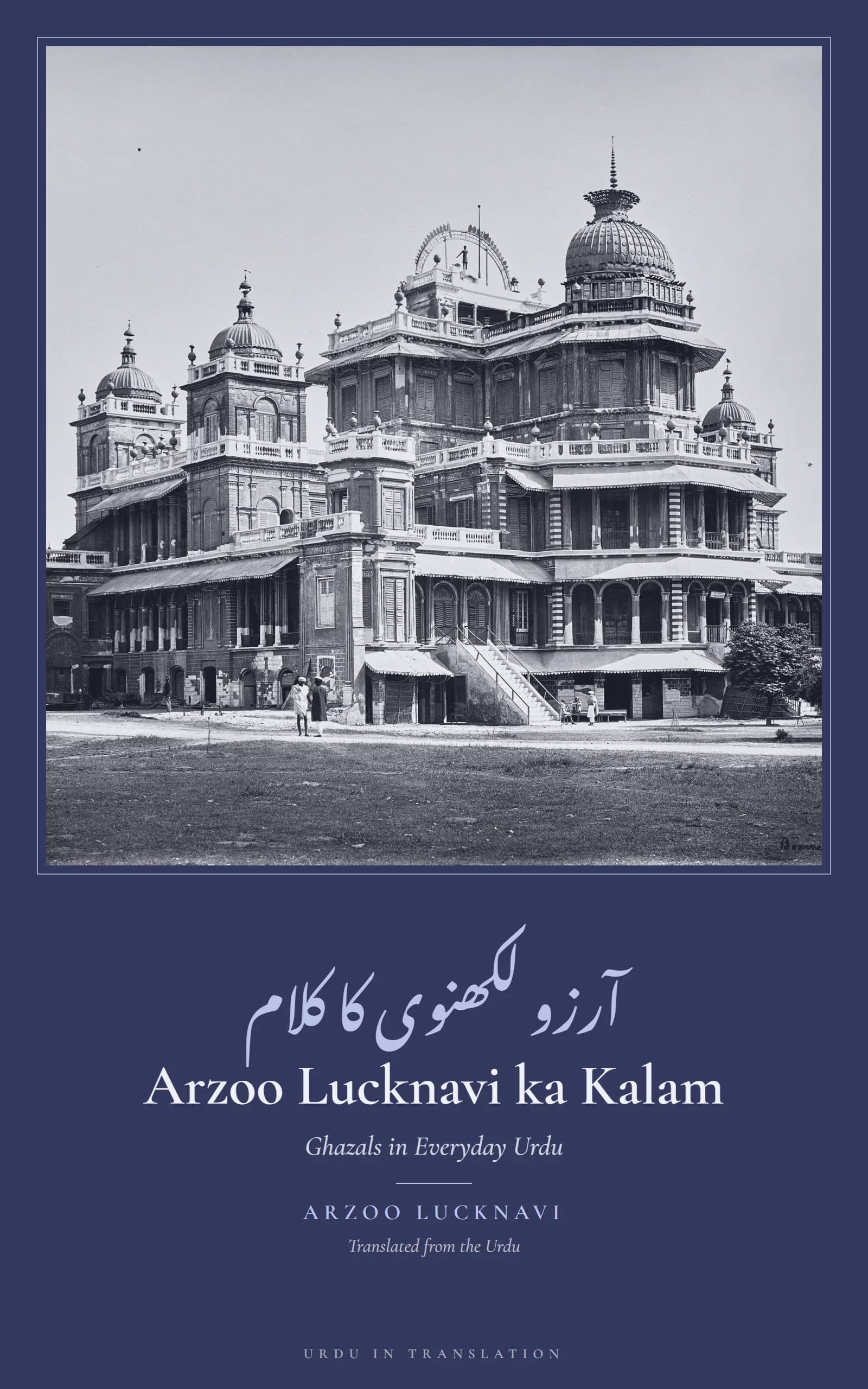
加扎勒(抒情诗)
前两章免费Arzoo Lucknavi ka Kalam (Poems of Arzoo Lucknavi)
آرزو لکھنوی کا کلام
Arzoo Lucknavi
Sixty-three ghazals, a naat, a national song and five quatrains by Arzoo Lucknavi (d. 1951), pupil of Jalal Lucknavi, who carried the Lucknow ghazal into the twentieth century in a plain, spoken Urdu: all his poems on Urdu Wikisource. Urdu text with a new, line-by-line English translation, notes on wordplay and allusions, an introduction and a glossary. Cite as: Arzoo Lucknavi, Arzoo Lucknavi ka Kalam, tr. urduintranslation.com (2026), https://www.urduintranslation.com/works/arzoo-lucknavi-ka-kalam. The first two chapters are free to read.
6 章English更多语言即将推出
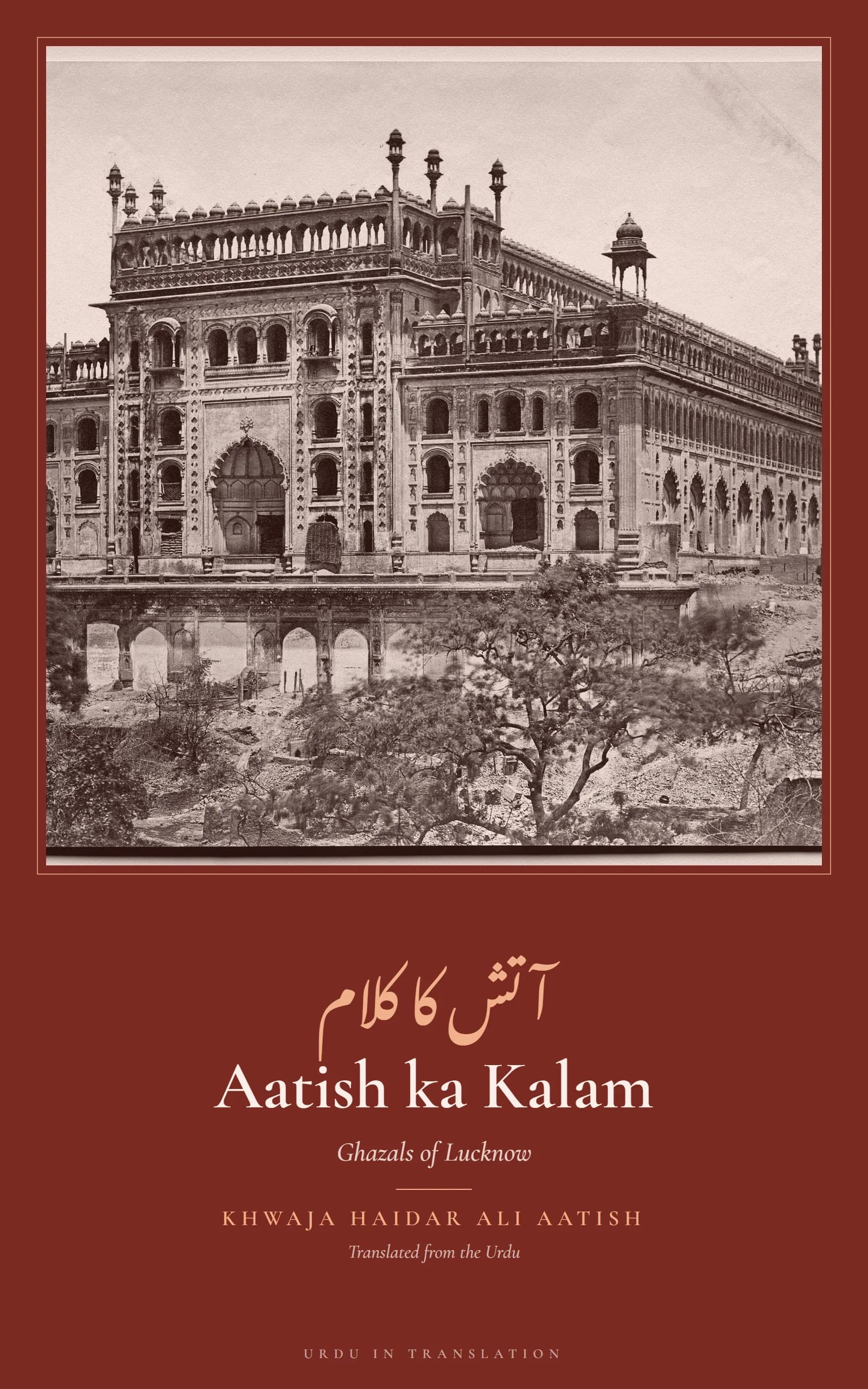
加扎勒(抒情诗)
前两章免费Aatish ka Kalam (Poems of Aatish)
آتش کا کلام
Haidar Ali Aatish
One hundred and two ghazals and two groups of verses by Khwaja Haidar Ali Aatish of Lucknow (d. 1847), pupil of Mushafi and one of the two great masters of the Lucknow ghazal: all his poems on Urdu Wikisource. Rich in wordplay and bold reversals of the old stories, and proud in its poverty, his verse plays constantly on his pen name, "fire". Urdu text with a new, line-by-line English translation, notes on puns and allusions, an introduction and a glossary. Cite as: Haidar Ali Aatish, Aatish ka Kalam, tr. urduintranslation.com (2026), https://www.urduintranslation.com/works/aatish-ka-kalam. The first two chapters are free to read.
6 章English更多语言即将推出
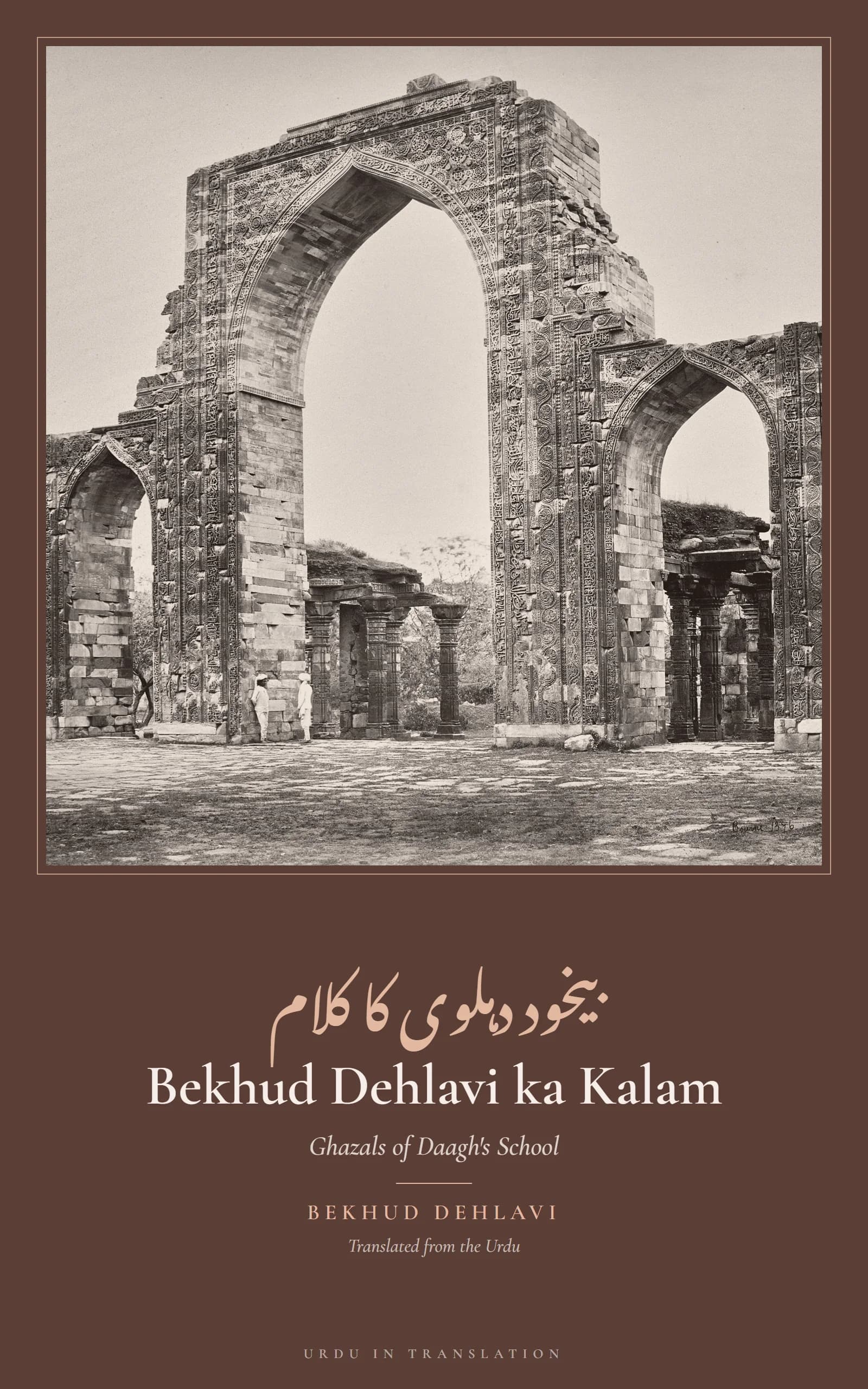
加扎勒(抒情诗)
前两章免费Bekhud Dehlavi ka Kalam (Poems of Bekhud Dehlavi)
بیخود دہلوی کا کلام
Bekhud Dehlavi
Fifty-eight ghazals and a naat by Bekhud Dehlavi (d. 1955), pupil and heir of Daagh: all his poems on Urdu Wikisource. In plain, idiomatic Delhi speech they carry the teasing exchanges of lover and beloved into the twentieth century: "She is sulking, yet the teasing goes on: now a message comes, now betel." Complete Urdu text with a facing line-by-line English translation, introduction and glossary. Cite as: Bekhud Dehlavi, Bekhud Dehlavi ka Kalam, tr. urduintranslation.com (2026), https://www.urduintranslation.com/works/bekhud-dehlavi-ka-kalam. The first two chapters are free to read.
5 章English更多语言即将推出
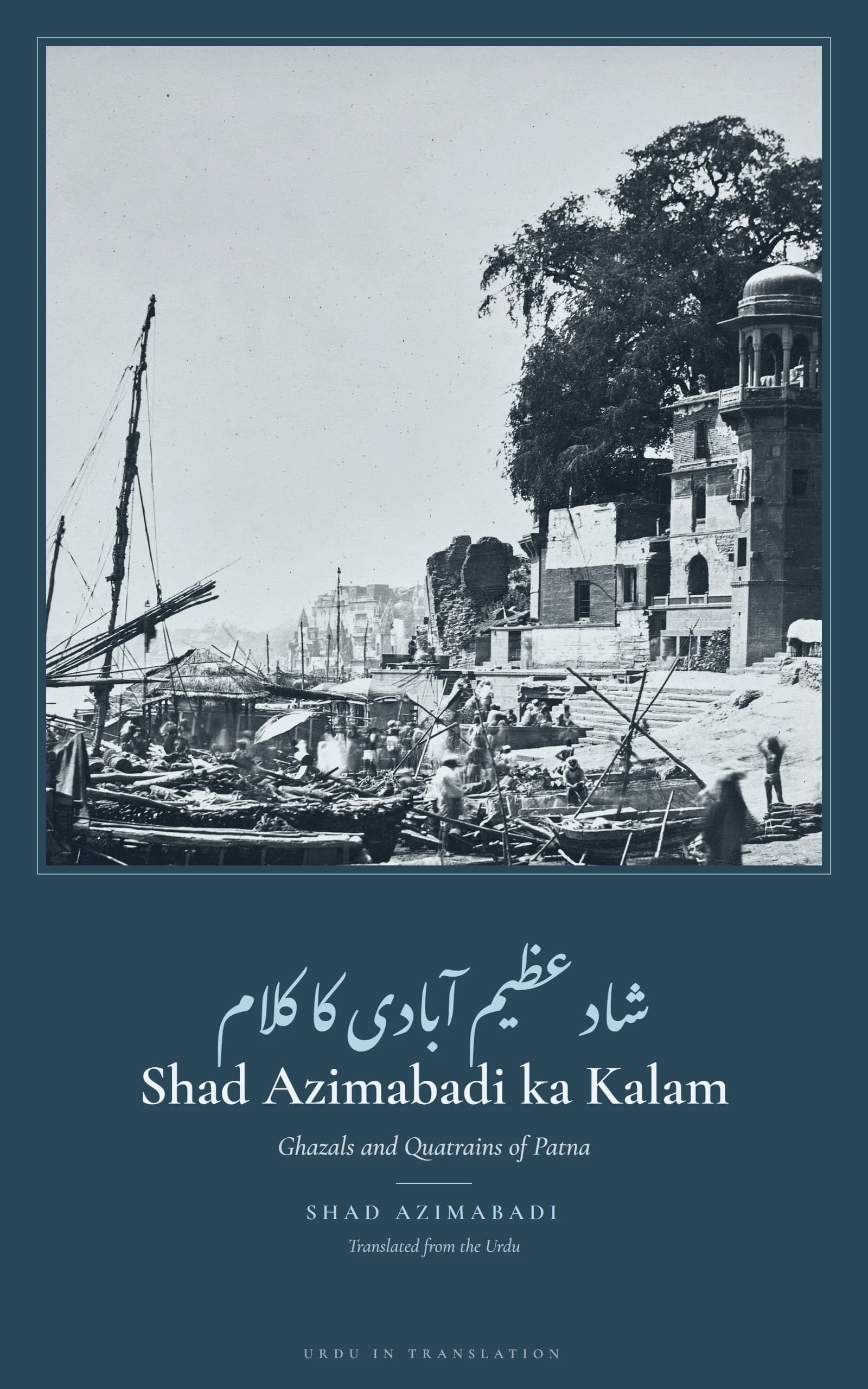
加扎勒(抒情诗)
前两章免费Shad Azimabadi ka Kalam (Poems of Shad Azimabadi)
شاد عظیم آبادی کا کلام
Shad Azimabadi
Fifty-five ghazals and twenty-four quatrains by Shad Azimabadi of Patna (d. 1927), the leading Urdu poet of Bihar in his day: all his poems on Urdu Wikisource. Grave and inward in tone, they mourn Anees, praise Sir Syed's college at Aligarh, mock half-educated editors, and call the reader to wake before it is too late: "Wake, traveller, it is not night." Complete Urdu text with a facing line-by-line English translation, introduction and glossary. Cite as: Shad Azimabadi, Shad Azimabadi ka Kalam, tr. urduintranslation.com (2026), https://www.urduintranslation.com/works/shad-azimabadi-ka-kalam. The first two chapters are free to read.
6 章English更多语言即将推出
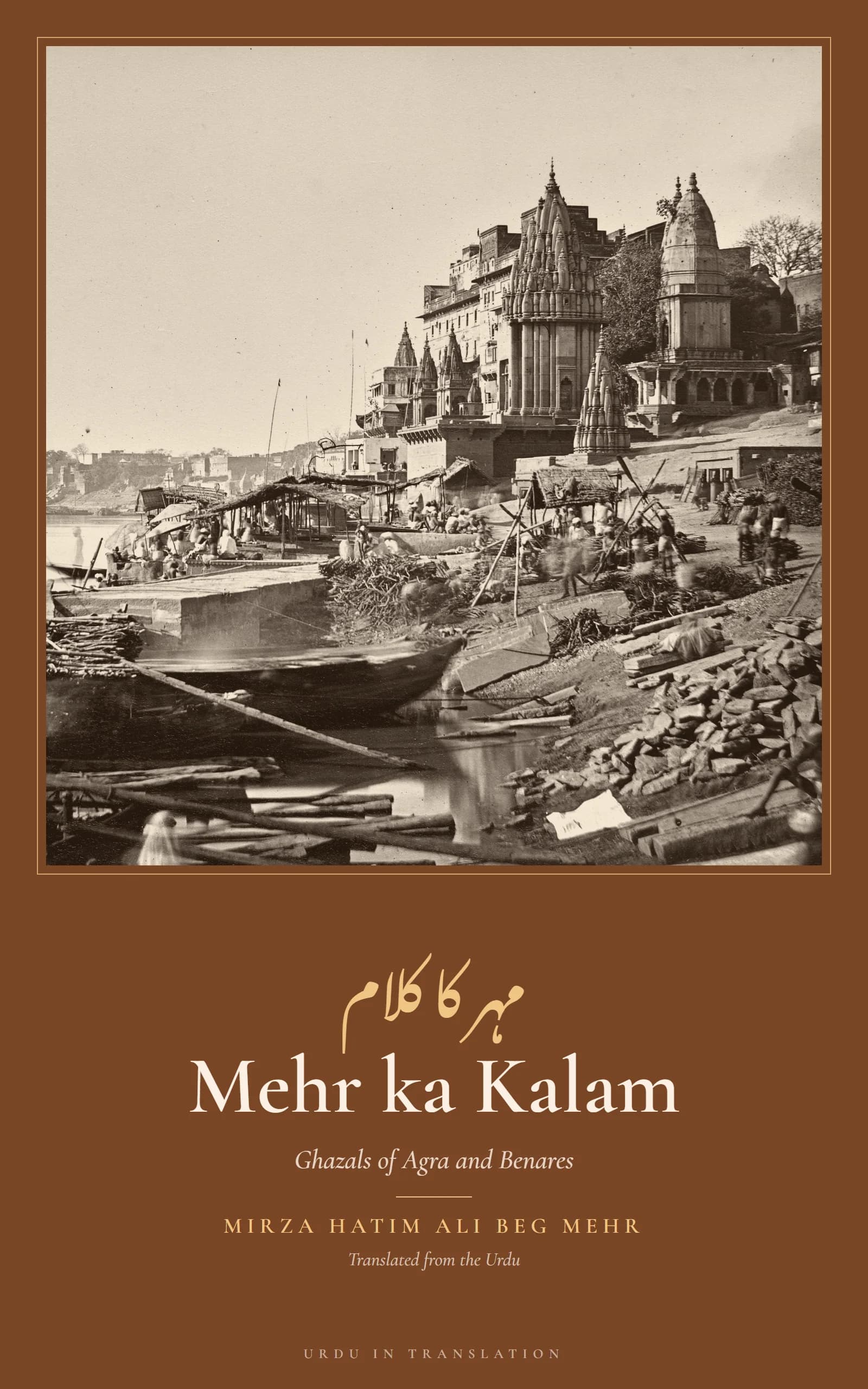
加扎勒(抒情诗)
前两章免费Mehr ka Kalam (Poems of Mehr)
مہر کا کلام
Mirza Hatim Ali Beg Mehr
Forty-seven ghazals by Mirza Hatim Ali Beg Mehr (d. 1879), the friend and correspondent of Ghalib: all his poems on Urdu Wikisource. Witty and ingenious in the mid-nineteenth-century manner, they include a ghazal written wholly in undotted letters, one with a Persian refrain, a ghazal on Holi, and a lament for Benares, the city he left and longed for: "Ever since fate parted me from Benares, only 'Alas, Benares!' stays on my tongue." Complete Urdu text with a facing line-by-line English translation, introduction and glossary. Cite as: Mirza Hatim Ali Beg Mehr, Mehr ka Kalam, tr. urduintranslation.com (2026), https://www.urduintranslation.com/works/mehr-ka-kalam. The first two chapters are free to read.
5 章English更多语言即将推出
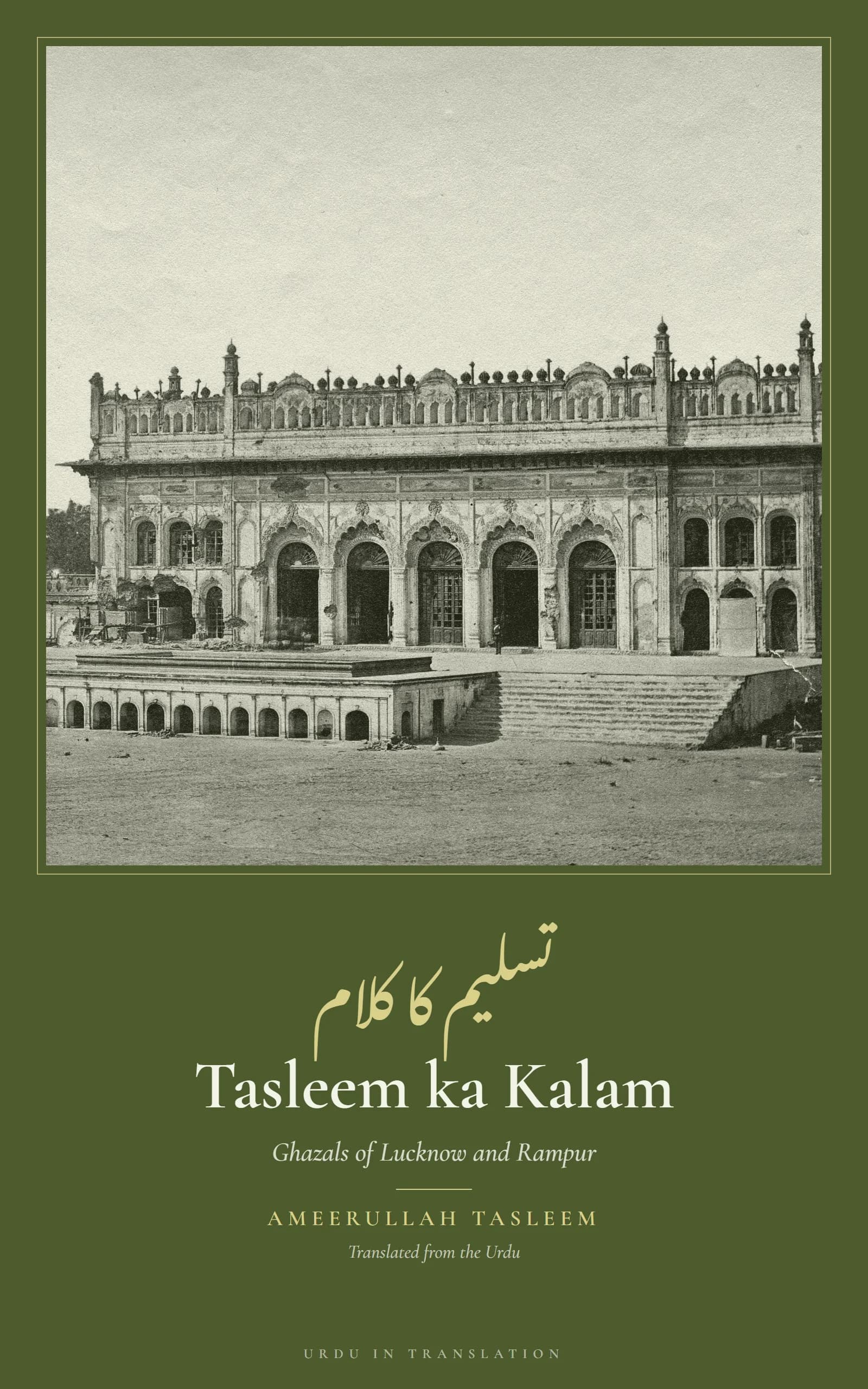
加扎勒(抒情诗)
前两章免费Tasleem ka Kalam (Poems of Tasleem)
تسلیم کا کلام
Ameerullah Tasleem
Sixteen ghazals by Ameerullah Tasleem of Lucknow (d. 1911), pupil of Naseem Dehlavi and teacher of Hasrat Mohani, who carried the line of Momin into the twentieth century: all his poems on Urdu Wikisource. Short, neat and witty in the Lucknow manner, they include a long mockery of the preacher, every couplet ending with "preacher", and a quieter note of faith: "Do not linger in the world; go on beyond the world." Complete Urdu text with a facing line-by-line English translation, introduction and glossary. Cite as: Ameerullah Tasleem, Tasleem ka Kalam, tr. urduintranslation.com (2026), https://www.urduintranslation.com/works/tasleem-ka-kalam. The first two chapters are free to read.
4 章English更多语言即将推出
加扎勒(抒情诗)
前两章免费Majrooh ka Kalam (Poems of Majrooh)
مجروح کا کلام
Mir Mehdi Majrooh
Twenty-six poems by Mir Mehdi Majrooh of Delhi (d. 1903), Ghalib's favourite pupil and the "Mir Mehdi" of his famous letters: nineteen ghazals, six quatrains and a fragment, all his poems on Urdu Wikisource. Among them are two laments for Delhi after 1857, one ending every couplet with "never" and one praying that Ghalib be kept safe, "for in his name alone a trace of Delhi now remains", beside quick, idiomatic ghazals in the Delhi manner. Complete Urdu text with a facing line-by-line English translation, introduction and glossary. Cite as: Mir Mehdi Majrooh, Majrooh ka Kalam, tr. urduintranslation.com (2026), https://www.urduintranslation.com/works/majrooh-ka-kalam. The first two chapters are free to read.
5 章English更多语言即将推出
加扎勒(抒情诗)
前两章免费Shefta ka Kalam (Poems of Shefta)
شیفتہ کا کلام
Mustafa Khan Shefta
Ninety-seven poems by Nawab Mustafa Khan Shefta of Delhi (1809–1869), pupil of Momin, friend of Ghalib, mentor of Hali and the sternest critic of his age: ninety-five ghazals, a naat and a fragment on his own diwan, all his poems on Urdu Wikisource. Polished, ironic and conversational, they argue with the beloved, the messenger and the rival through refrains such as "when were you not", "for nothing" and "all night long", and include the famous couplet on the tales of love: "we do embellish them, to adorn the story". Complete Urdu text with a facing line-by-line English translation, introduction and glossary. Cite as: Mustafa Khan Shefta, Shefta ka Kalam, tr. urduintranslation.com (2026), https://www.urduintranslation.com/works/shefta-ka-kalam. The first two chapters are free to read.
5 章English更多语言即将推出
加扎勒(抒情诗)
前两章免费Aasi Ghazipuri ka Kalam (Poems of Aasi Ghazipuri)
آسی غازی پوری کا کلام
Aasi Ghazipuri
Eighteen ghazals by Shah Abdul Aleem Aasi Ghazipuri (d. 1917), Sufi master of Ghazipur, whose pen name means "the sinner": all his poems on Urdu Wikisource. In the classical Lucknow manner, the tavern, the cupbearer and the cruel beloved carry a Sufi meaning: God's glory in everything, and the passing away of the self before union. Beside them are poems to Medina and to Ali, and ghazals of plain earthly longing. Complete Urdu text with a facing line-by-line English translation, introduction and glossary. Cite as: Aasi Ghazipuri, Aasi Ghazipuri ka Kalam, tr. urduintranslation.com (2026), https://www.urduintranslation.com/works/aasi-ghazipuri-ka-kalam. The first two chapters are free to read.
4 章English更多语言即将推出
加扎勒(抒情诗)
前两章免费Ameer Minai ka Kalam (Poems of Ameer Minai)
امیر مینائی کا کلام
Ameer Minai
Forty-seven poems by Ameer Ahmad Ameer Minai (1829–1900), court poet of Lucknow and Rampur, lexicographer and friendly rival of Dagh: forty-three ghazals and four naats in praise of the Prophet, all his poems on Urdu Wikisource. Among them is his most famous ghazal, "The veil keeps slipping from her face, slowly, slowly", with refrains such as "we too are", "the answer" and "mashallah" turned with Lucknow wit and an easy, conversational touch. Complete Urdu text with a facing line-by-line English translation, introduction and glossary. Cite as: Ameer Minai, Ameer Minai ka Kalam, tr. urduintranslation.com (2026), https://www.urduintranslation.com/works/ameer-minai-ka-kalam. The first two chapters are free to read.
4 章English更多语言即将推出
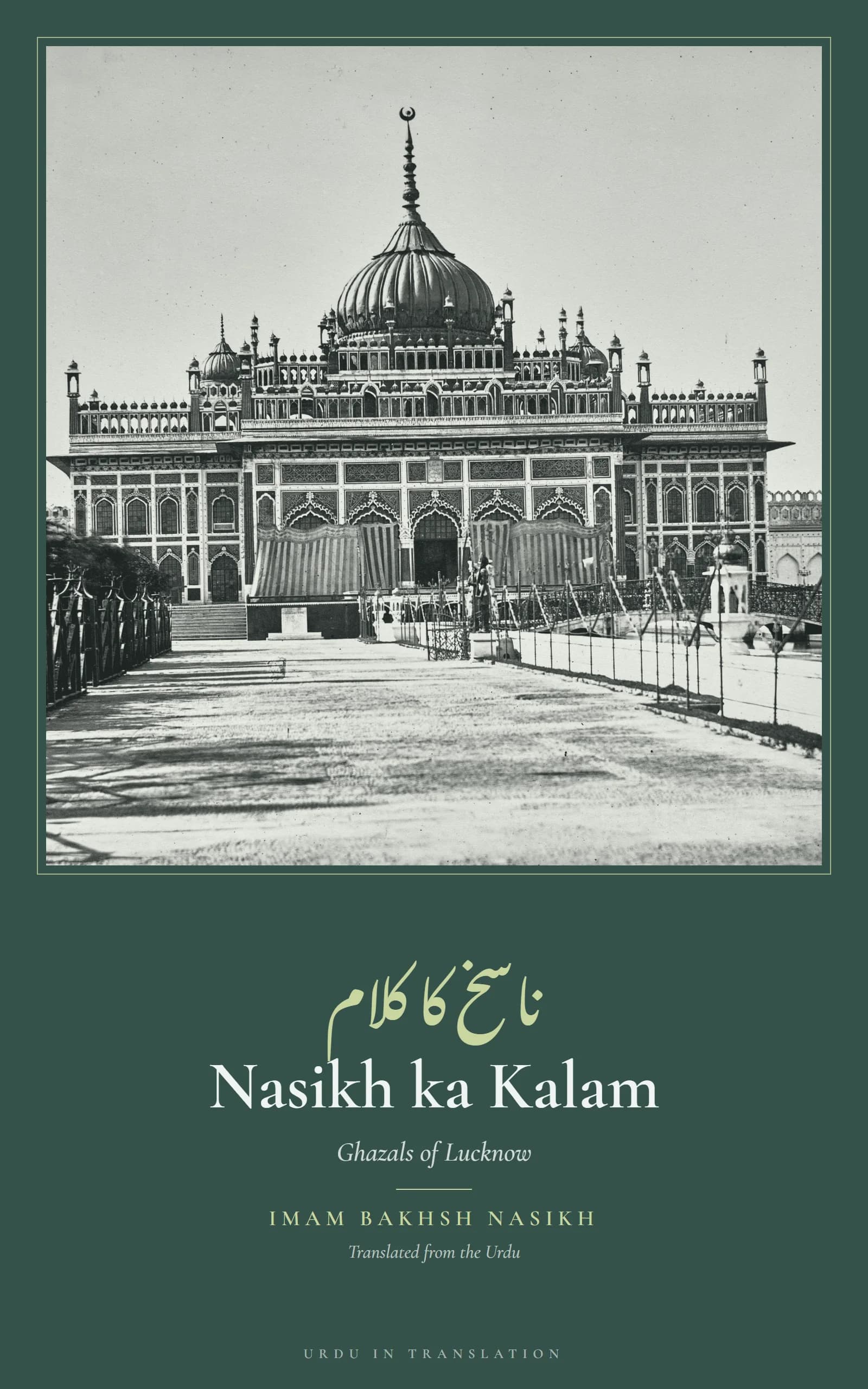
加扎勒(抒情诗)
前两章免费Nasikh ka Kalam (Poems of Nasikh)
ناسخ کا کلام
Imam Bakhsh Nasikh
Forty-two ghazals by Shaikh Imam Bakhsh Nasikh of Lucknow (d. 1838), the reformer of the Urdu language and rival of Atish, whose school shaped the witty, ingenious Lucknow manner: all his poems on Urdu Wikisource. Refrains such as "paper", "colour", "gait", "of its own accord" and "in the veil of" are worked through every turn; beside the beloved's tresses stand a Holi ghazal, his return from exile to a whitewashed Lucknow, and couplets in praise of the Prophet and of Ali. Complete Urdu text with a facing line-by-line English translation, introduction and glossary. Cite as: Imam Bakhsh Nasikh, Nasikh ka Kalam, tr. urduintranslation.com (2026), https://www.urduintranslation.com/works/nasikh-ka-kalam. The first two chapters are free to read.
4 章English更多语言即将推出
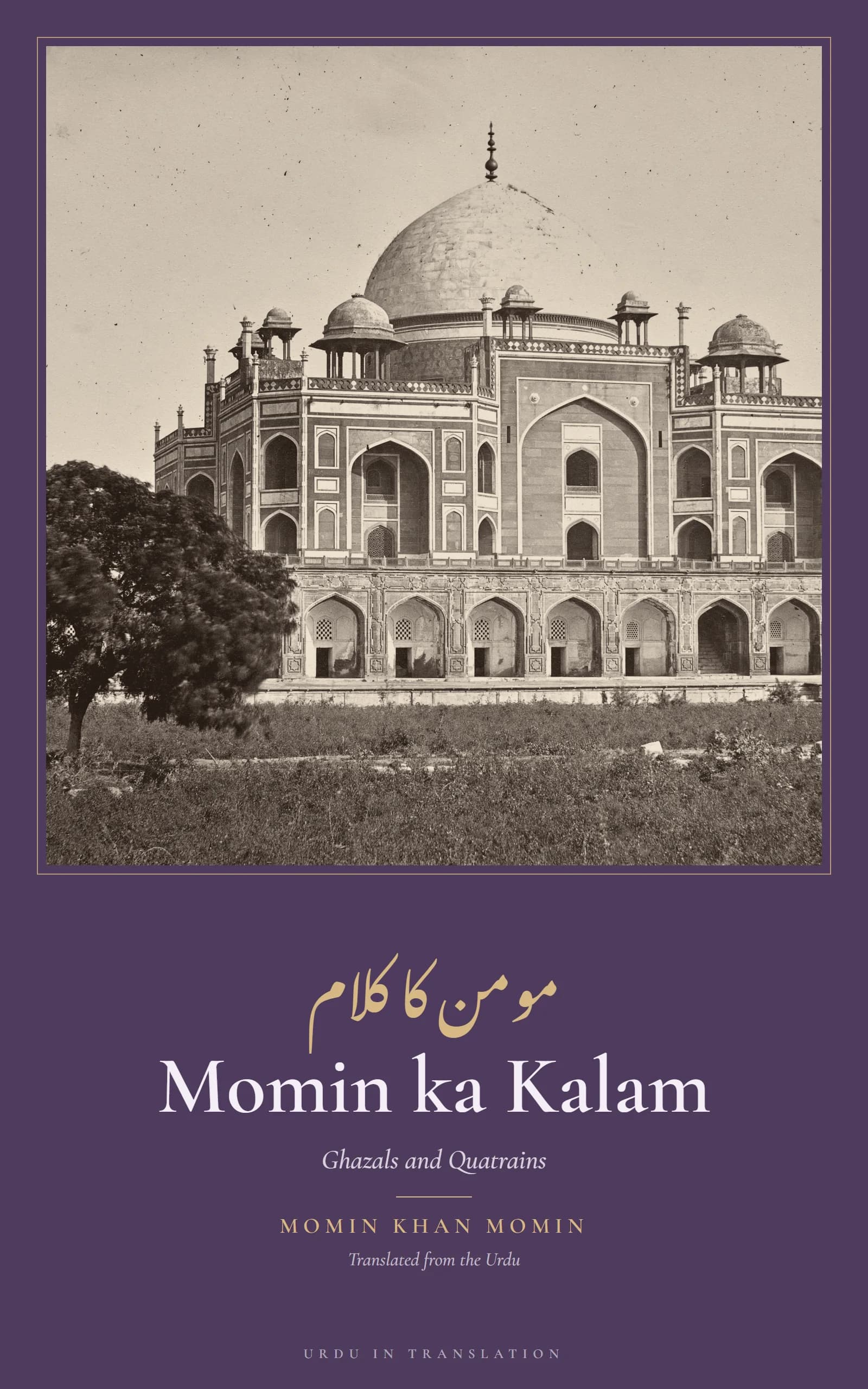
加扎勒(抒情诗)
前两章免费Momin ka Kalam (Poems of Momin)
مومن کا کلام
Momin Khan Momin
Fifty-six poems by Hakim Momin Khan Momin (1800-1851), the Delhi physician-poet who was the contemporary and rival of Ghalib and Zauq: fifty-two ghazals and four quatrains, all his poems on Urdu Wikisource. Oblique, compressed and full of double meanings, they play out the drama of lover, beloved and rival, and keep turning on the poet's pen name, "believer", torn between the Kaaba and the idols. Includes the couplet for which Ghalib is said to have offered his whole diwan, and the famous ghazal "The pact there was between us, perhaps you remember it, perhaps you do not." Complete Urdu text with a facing line-by-line English translation, introduction and glossary. Cite as: Momin Khan Momin, Momin ka Kalam, tr. urduintranslation.com (2026), https://www.urduintranslation.com/works/momin-ka-kalam. The first two chapters are free to read.
5 章English更多语言即将推出
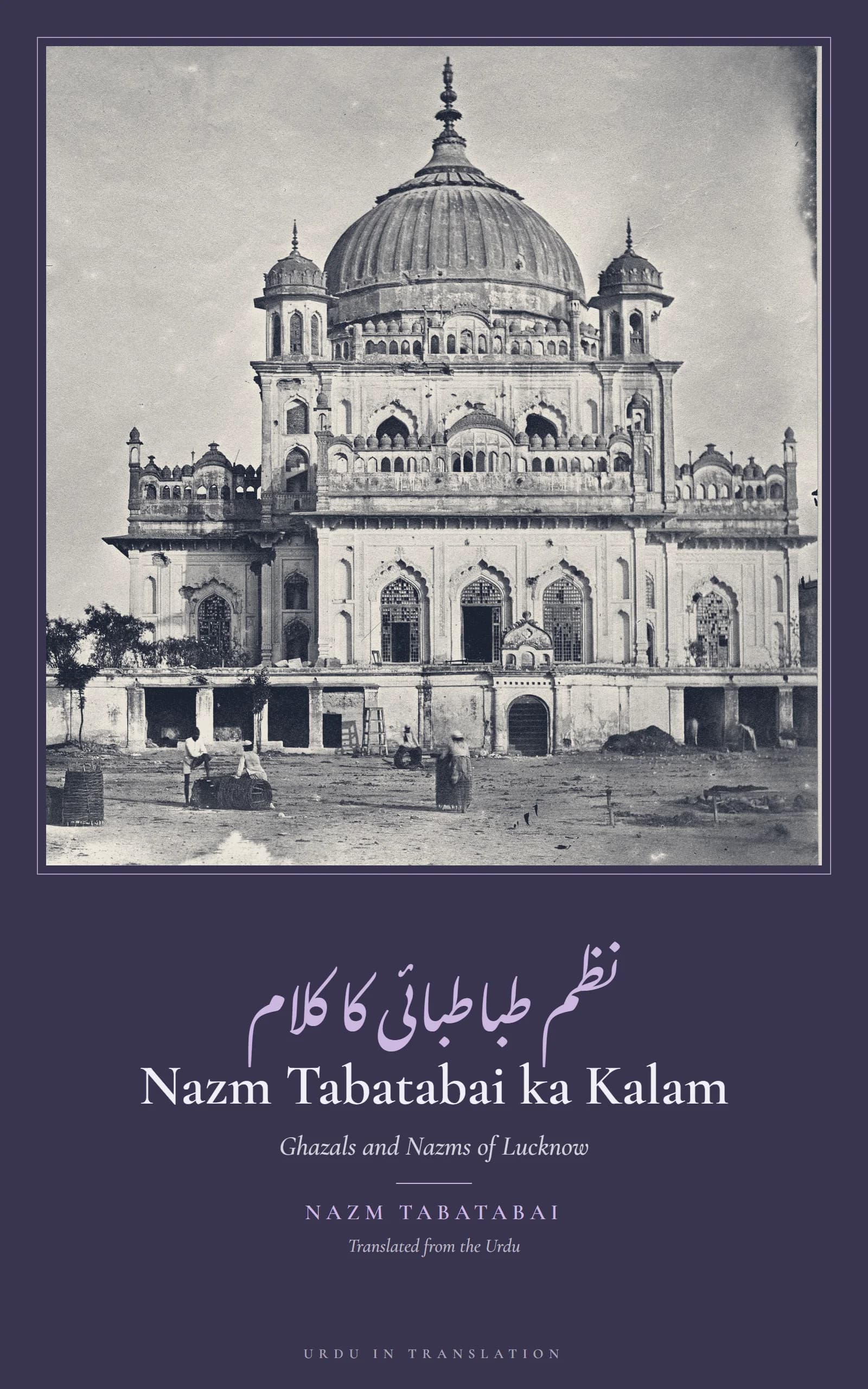
加扎勒(抒情诗)
前两章免费Nazm Tabatabai ka Kalam (Poems of Nazm Tabatabai)
نظم طباطبائی کا کلام
Nazm Tabatabai
Thirty poems by Syed Ali Haidar Nazm Tabatabai (1852-1933), the Lucknow-born poet and scholar who grew up at the exiled court of Wajid Ali Shah in Matiya Burj and taught in Hyderabad, best known for his commentary on Ghalib and for rendering Gray's Elegy into Urdu. Twenty-five ghazals in the learned Lucknow manner, among them his lament for vanished Lucknow, and five nazms: "The Surge of Roses", a spring scene; "Joining a Gathering"; a satirical saqi-nama on drinking among the English-educated; a passage on the first revelation; and the opening stanza of "The Graves of the Strangers", his Gray's Elegy. Complete Urdu text with a facing line-by-line English translation, introduction and glossary. Cite as: Nazm Tabatabai, Nazm Tabatabai ka Kalam, tr. urduintranslation.com (2026), https://www.urduintranslation.com/works/nazm-tabatabai-ka-kalam. The first two chapters are free to read.
5 章English更多语言即将推出
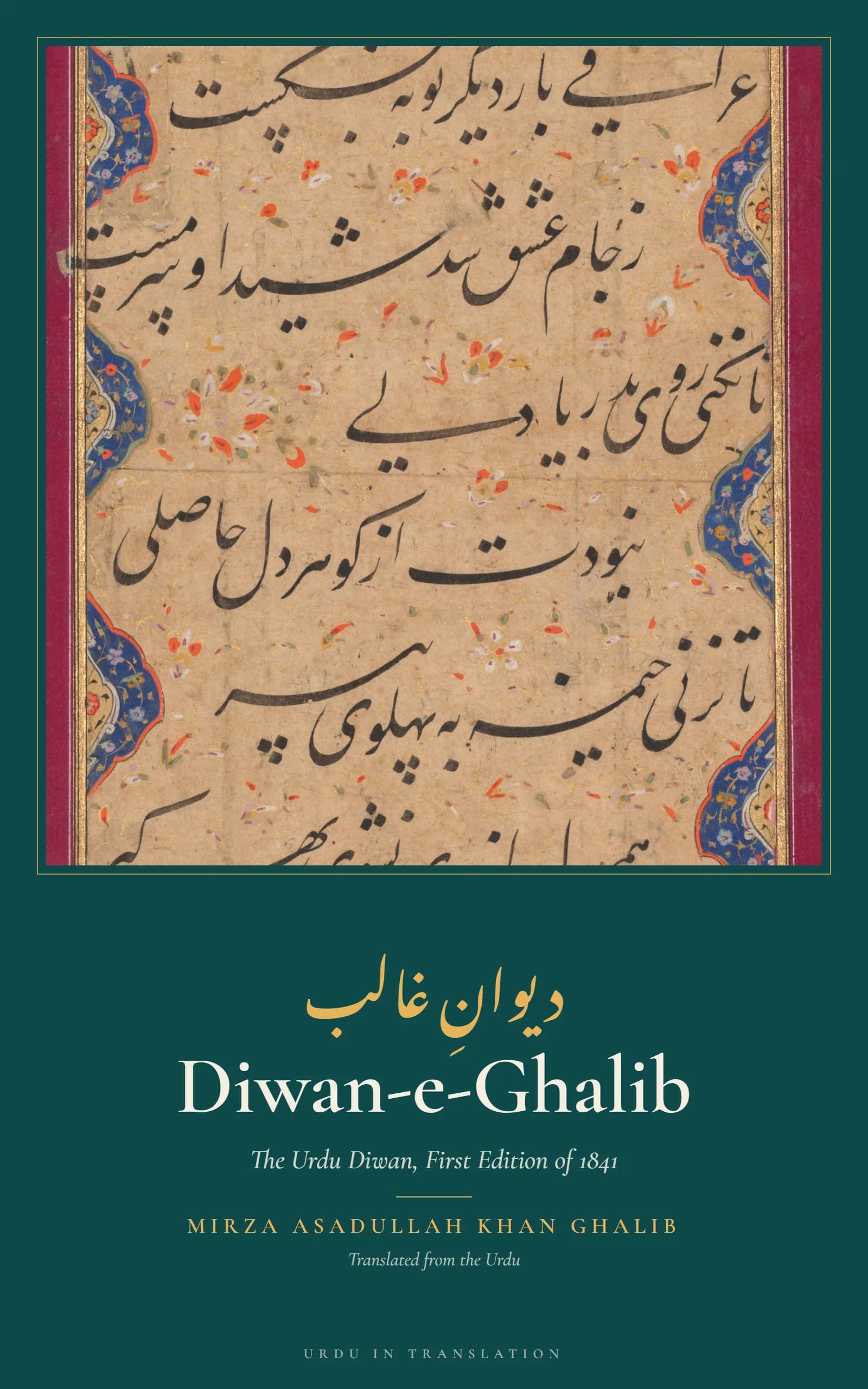
加扎勒(抒情诗) · 1841
前两章免费迦利布诗集(1841年初版)
دیوانِ غالب
米尔扎·阿萨杜拉·汗·迦利布
迦利布亲自首次出版的乌尔都语诗集,依1841年10月在德里印行的版本:全部格扎勒按拉迪夫(叠韵结尾词)从阿利夫到耶的顺序排列,随后是两首赞美阿里的卡西达(颂诗)、卡塔(短诗)和鲁拜(四行诗),总共约一千一百联。这里是迦利布自己挑选早期乌尔都语诗作中哪些应当留存,他许多最著名的对句已在其中:“这画像在向谁顽皮的笔申诉?”“一声叹息要一生才能见效”“水滴的欢乐,在于消失于河中”。他在1841年之后写的格扎勒,如《一千个欲望》,是后来的版本才收入的,不在此本之中。乌尔都语原文转录自印度数字图书馆所藏1841年刊本的扫描件,并对照标准文本校订;对面是逐联对照的忠实英文译文,并附有简短注释,解释读者可能不熟悉的人名与意象。前两章可免费阅读。
9 章EnglishEspañolFrançaisالعربية中文Русский
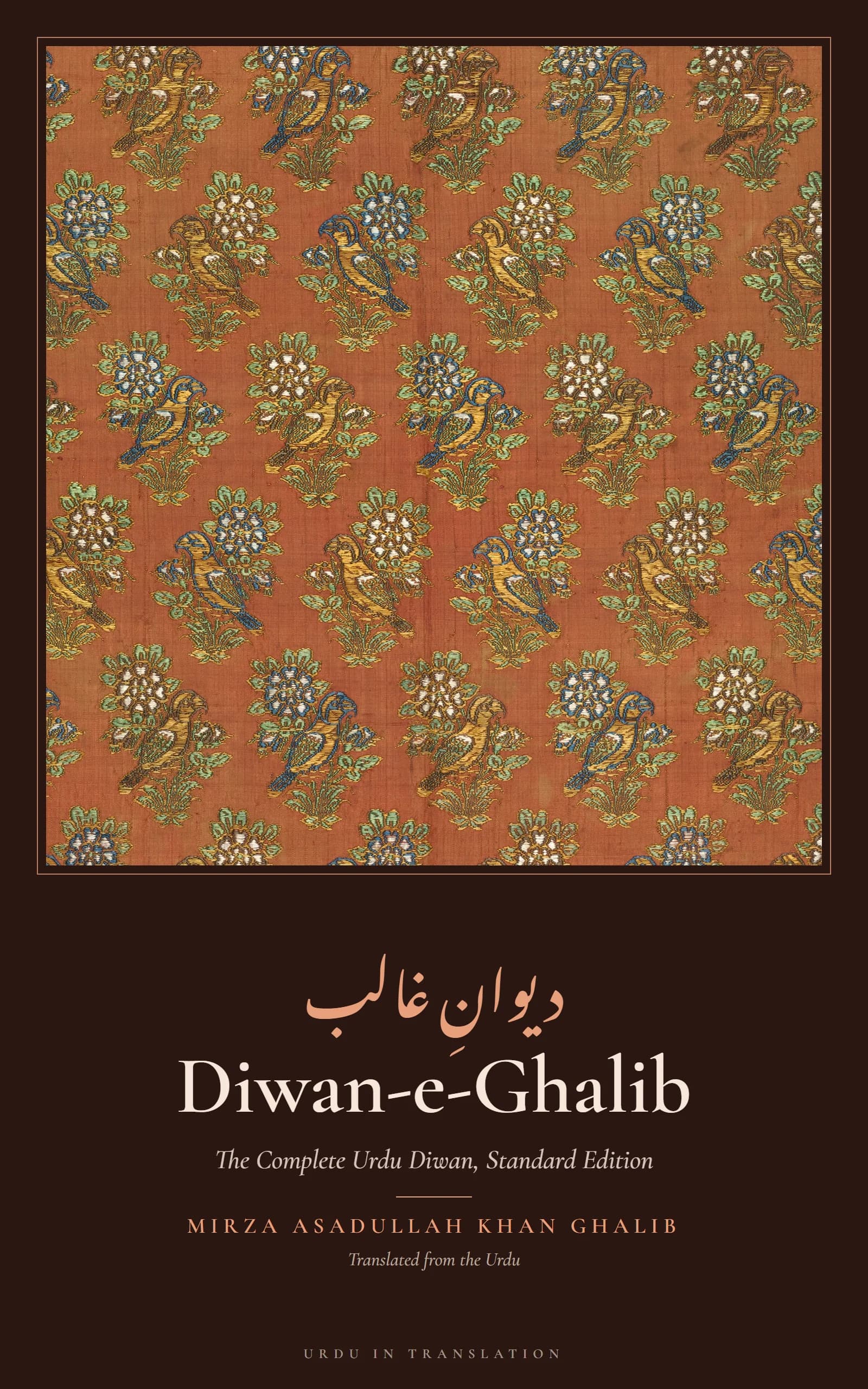
加扎勒(抒情诗) · 1841–1863
前两章免费《迦利布诗选》:米尔扎·迦利布加扎勒六十首
دیوانِ غالب (متداول نسخہ)
米尔扎·阿萨杜拉·汗·迦利布
米尔扎·阿萨杜拉·汗·迦利布(1797–1869)把乌尔都语加扎勒写到了最具探问精神的境界。他经历了德里莫卧儿宫廷的最后岁月,曾为巴哈杜尔·沙·扎法尔担任宫廷诗人,目睹这座城市在 1857 年破碎,并把债务、失宠与亲人的离世化为既机智又悲伤、追问真主、欲望与自我的对句:“千般心愿,每一个都值得为之而死”“这只是一颗心,不是石头也不是砖”“愚痴的心啊,你究竟怎么了?”这部六十首加扎勒的选集依照巴基斯坦高等教育委员会乌尔都语本科课程及诗集原有顺序编排。乌尔都语原文配逐联对照译文;前十首加扎勒可免费阅读。
16 章English更多语言即将推出
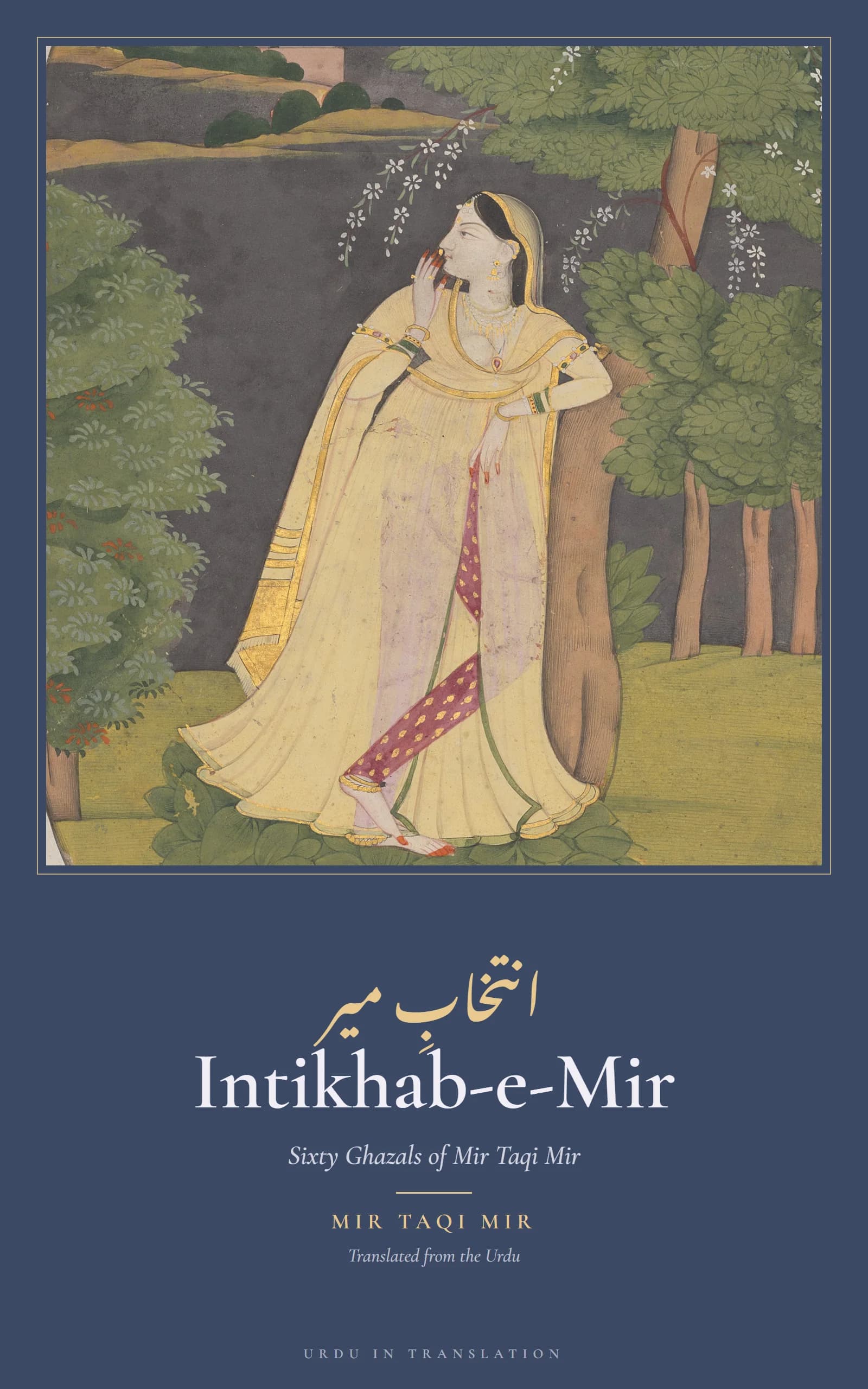
加扎勒(抒情诗) · 1811
前两章免费《米尔诗选》:米尔·塔基·米尔加扎勒六十首
انتخابِ میر
米尔·塔基·米尔
米尔·塔基·米尔(1723—1810)是连迦利布都为之折服的诗人:“迦利布啊,你并非唯一的乌尔都诗艺大师;人们说,从前还有一位米尔。”他亲历了纳迪尔沙和艾哈迈德沙·阿卜达里对德里的洗劫,失去了庇护人、家园和城市,并从这片废墟中写出了乌尔都语最平易、最刺心的加扎勒:爱是无药可医的病,心是被夷平的城,诗人是在门前唱一声便离去的托钵僧。这六十首加扎勒的选本依照巴基斯坦高等教育委员会的乌尔都语课程。乌尔都语原文与译文逐联对照;前十首免费阅读。
6 章EnglishEspañolFrançaisالعربية中文Русский