What Is an Afsana? The Urdu Short Story and Its Masters
افسانہ
Updated
The afsana (افسانہ) is the Urdu short story, and it is one of the richest bodies of short fiction in any language. In a few decades of the twentieth century it went from moral tales to stories of startling frankness about sex, violence, poverty and the partition of India.
On this site the afsana shelf includes Khwaja Hasan Nizami's sketches of 1857, Tears of the Begums and Writings of 1857.
Beginnings
The modern Urdu short story is usually dated to Premchand, whose first collection, Soz-e-Watan, appeared in 1907 and was seized by the British. His stories of village and small-town life, such as Kafan (The Shroud) and Shatranj ke Khiladi (The Chess Players), set the realist course of the form.
In 1932 a group of young writers published Angarey (Embers), a collection whose attacks on religious and social hypocrisy caused an outcry and was banned. Its spirit led to the Progressive Writers' Association of 1936.
The great story writers
Saadat Hasan Manto (1912–1955) wrote the most famous stories of Partition, such as Toba Tek Singh, Khol Do and Thanda Gosht, and was tried several times for obscenity.
Ismat Chughtai (1915–1991) wrote with wit and daring about women's lives; her story Lihaaf (The Quilt) led to an obscenity trial in Lahore.
Rajinder Singh Bedi, Krishan Chander, Ghulam Abbas, Ahmad Nadeem Qasmi, Qurratulain Hyder and Intizar Husain carried the form through the twentieth century, each with an unmistakable voice.
Before the afsana
Read it here
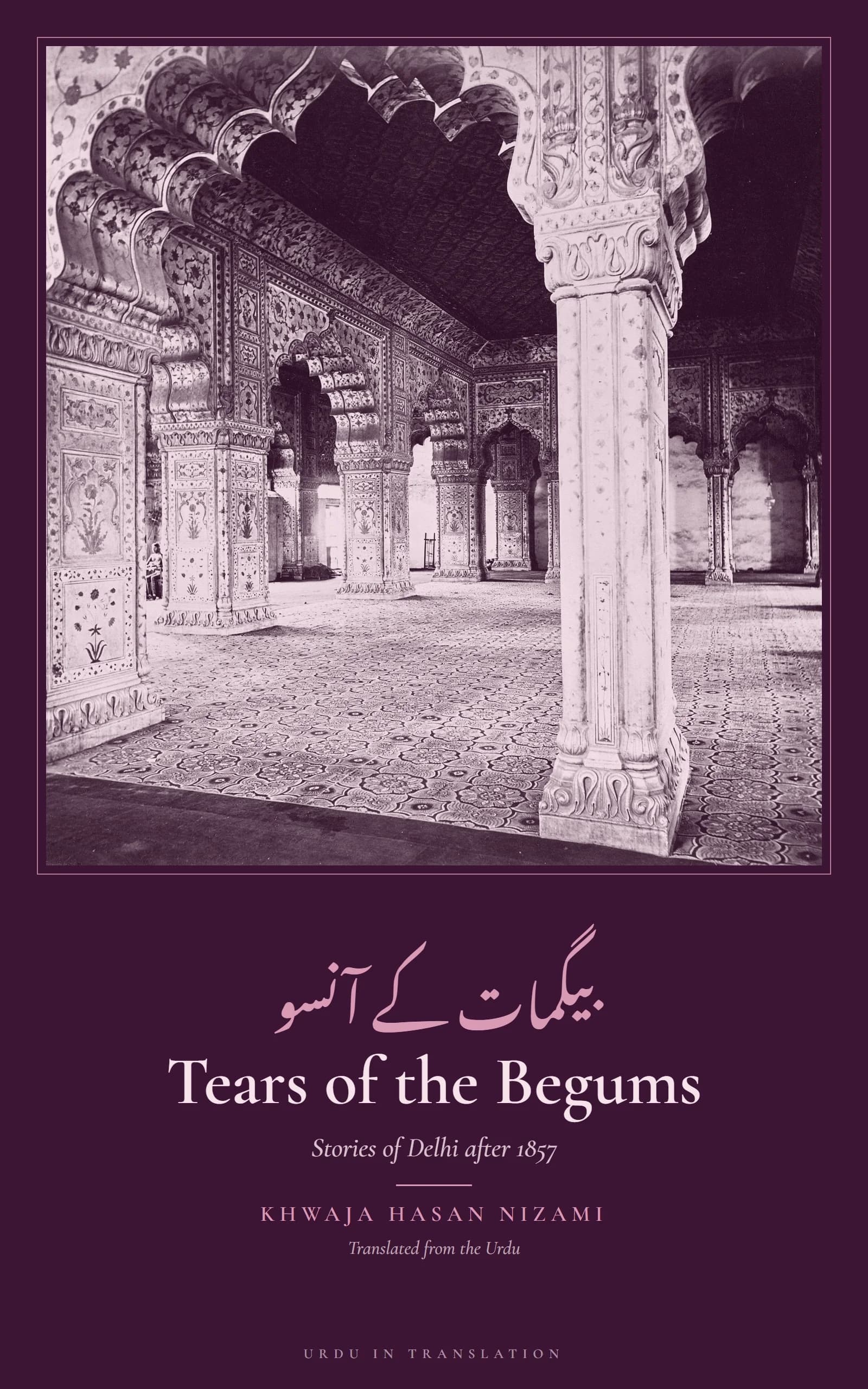
Afsana · 1922
First two chapters freeTears of the Begums
بیگمات کے آنسو
Khwaja Hasan Nizami
Tales of the Mutiny of 1857. Khwaja Hasan Nizami gathered the last princes and princesses of the Mughal house, turned out of the Red Fort into a Delhi in flames, and let them tell what became of them: a prince who serves as a hotel butler, princesses begging in the bazaars, a daughter of Bahadur Shah. Reissued in many editions in the author's lifetime, this is Urdu prose at its most tender. Translated here in full, with the author's 1930 afterword; the preface and the first story are free to read.
19 chaptersEnglishEspañolFrançaisالعربية中文Русский
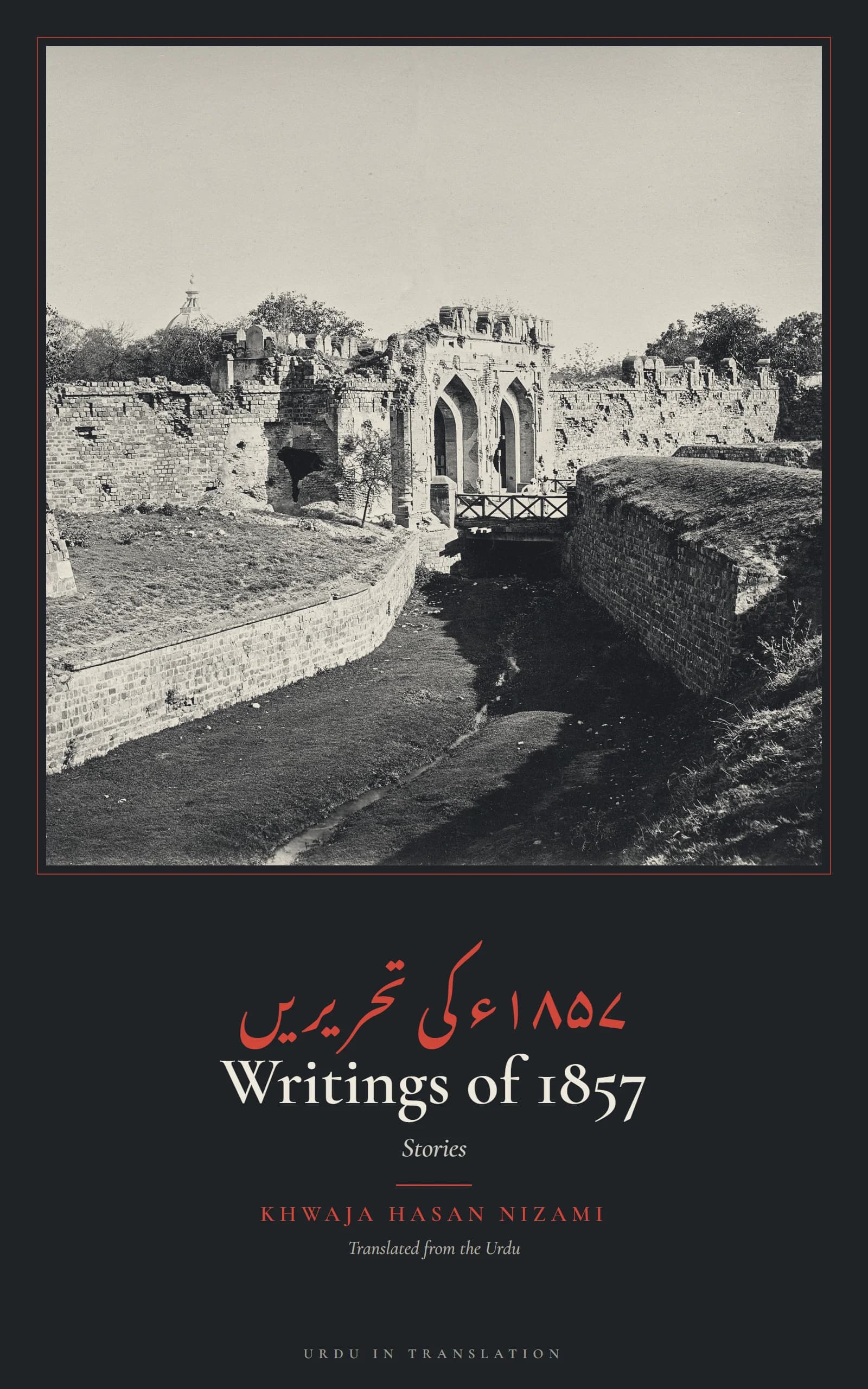
Afsana
First two chapters freeWritings of 1857
۱۸۵۷ء کی تحریریں
Khwaja Hasan Nizami
The companion to Tears of the Begums: eleven further pieces by Khwaja Hasan Nizami on the fall of Mughal Delhi that were never gathered into the famous book. The dervish Emperor Bahadur Shah handing over his relics on the night he left the Fort; a letter of blessing written in his voice to the Prince of Wales; a deaf prince who hauls bricks on a barrow and faces a magistrate; a pir who cuts grass for a living; a prince who sweeps a newspaper office; two princes in jail; the fight of the woman in green. Translated in full; the first two pieces are free to read.
11 chaptersEnglishEspañolFrançaisالعربية中文Русский
Questions and answers
What is an afsana?
The Urdu word for a short story. As a literary genre it means the modern Urdu short story, which began in the early twentieth century.
Who is the greatest Urdu short story writer?
Saadat Hasan Manto is the most famous, with Premchand, Ismat Chughtai, Rajinder Singh Bedi and Qurratulain Hyder close behind.
What was Angarey?
A collection of Urdu short stories published in 1932 by four young writers. Its frank criticism of religion and society caused a scandal and it was banned.
More guides
- Munshi Premchand: Life, Works and Where to Start · The life and books of the writer who brought the Indian village into fiction.
- What Is a Dastan? Urdu Romance, Magic and Storytelling · The long tales of wonder that Urdu storytellers performed for centuries.
- Tears of the Begums (Begamat ke Aansoo): Stories of 1857 · What became of the last Mughal princes and princesses after Delhi fell in 1857.