Classic Urdu Novels to Read in English Translation
Updated
The Urdu novel was born in the second half of the nineteenth century, after the upheaval of 1857, and within seventy years it had produced books that rank with the best of world fiction. Here are the classics in the order they were written. Every book below can be read on this site in the original Urdu with a facing English translation, and the first two chapters of each are free.
Before the novel: Bagh-o-Bahar (1803)
Not a novel but a dastan, a cycle of romances: Mir Amman's tale of a childless king and four wandering dervishes. Its clear Delhi prose prepared the ground for Urdu fiction. Read our guide or start reading.
Taubat-un-Nasuh, Deputy Nazir Ahmad (1874)
Often called the first Urdu novel. After surviving an epidemic and a terrifying dream of judgement, Nasuh, a Delhi householder, resolves to reform himself and his grown-up children, and meets fierce resistance from his worldly son Kalim. Didactic in purpose, but full of real family drama and humour. Read Taubat-un-Nasuh.
Ibn-ul-Waqt, Deputy Nazir Ahmad (1888)
The title means "son of the moment": a man who changes with the times. A Delhi gentleman who shelters an English officer in 1857 is rewarded, adopts English dress and manners wholesale, and finds himself at home in neither world. A sharp satire on imitation and reform. Read Ibn-ul-Waqt.
Umrao Jan Ada, Mirza Hadi Ruswa (1899)
The masterpiece of the early Urdu novel: a Lucknow courtesan's life told in her own voice. Read our guide or start reading.
Gaban, Munshi Premchand (1931)
A young clerk embezzles to keep up appearances and flees to Calcutta, where the police turn him into a false witness. Read our guide or start reading.
Godaan, Munshi Premchand (1936)
The farmer Hori's lifelong wish for a cow, and the society that defeats him. The summit of Hindustani realism. Read our guide or start reading.
How to read them
Read it here
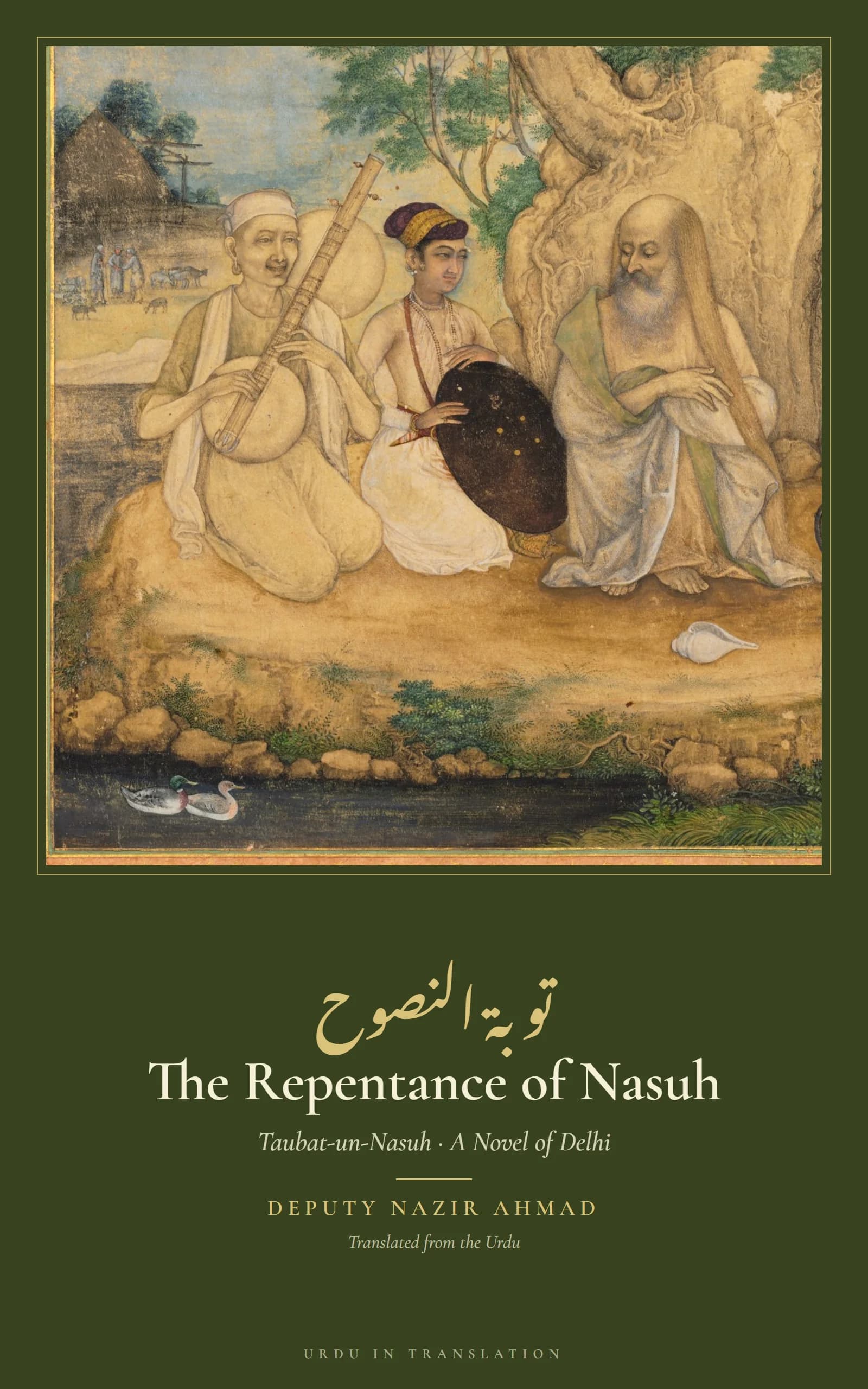
Novel · 1874
First two chapters freeThe Repentance of Nasuh (Taubat-un-Nasuh)
توبۃ النصوح
Deputy Nazir Ahmad
Nazir Ahmad's novel of 1874. In a Delhi cholera epidemic Nasuh, a respectable, comfortable, careless Muslim gentleman, falls ill and in a fever dream sees his dead father on trial before God. He wakes a changed man and resolves to reform his household; but his wife Fahmida is willing, his younger children follow, and his grown-up eldest son Kalim, a dandy, a poet and a wit, will have none of it. A domestic drama of fathers and sons, faith and fashion, from the author of Ibn-ul-Waqt and Mirat-ul-Arus, and one of the founding works of the Urdu novel. Urdu text with a facing English translation; the first two chapters are free to read.
12 chaptersEnglishEspañolFrançaisالعربية中文Русский
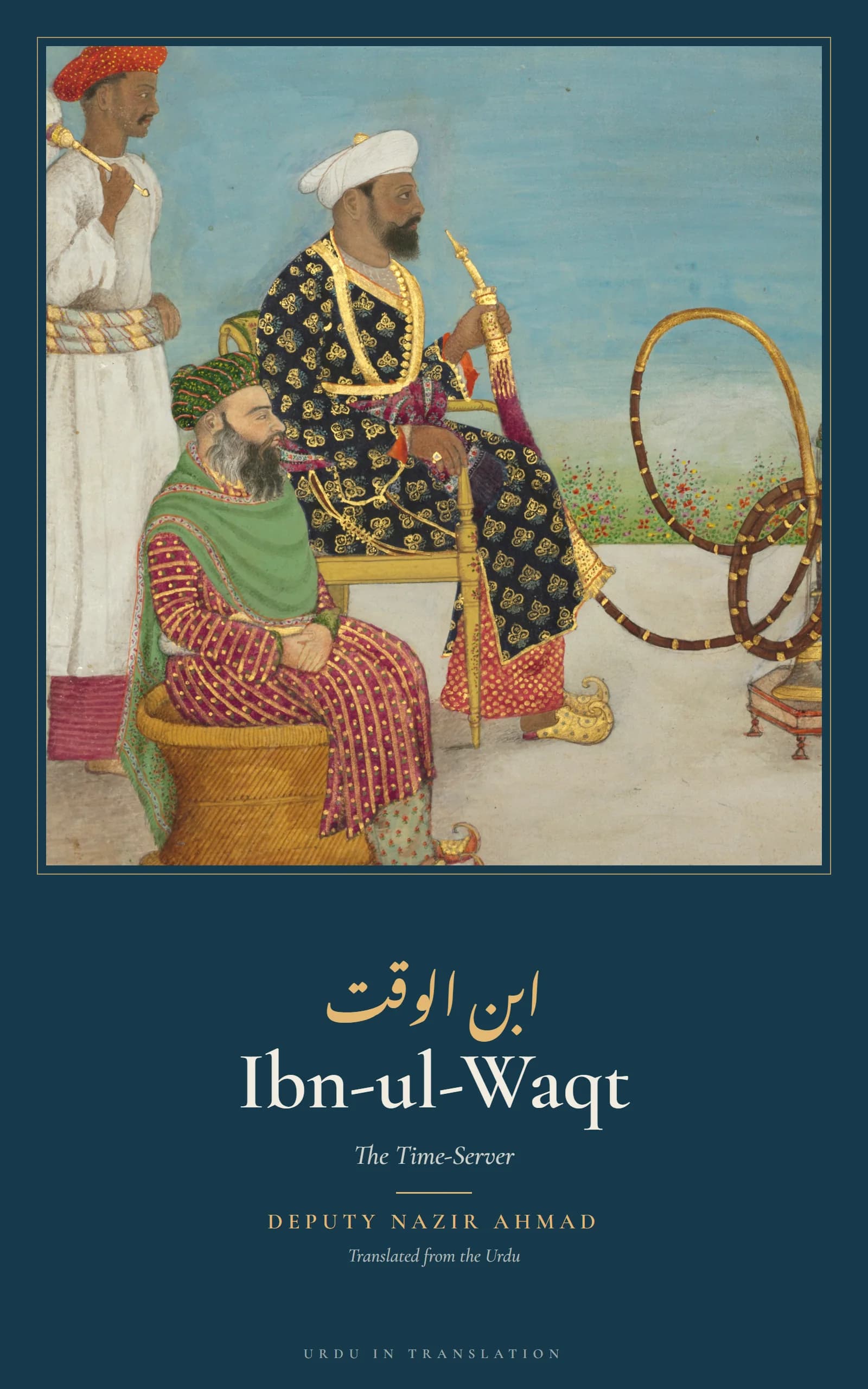
Novel · 1888
First two chapters freeIbn-ul-Waqt (The Time-Server)
ابن الوقت
Deputy Nazir Ahmad
Nazir Ahmad's comic novel of 1888. During the uprising of 1857 Ibn-ul-Waqt, steward to a Mughal princess and a scholar of Arabic and Persian, hides a wounded Englishman, Mr Noble. When Delhi falls, his reward is a place in English society, and he throws himself into it: a bungalow, a table with knives and forks, a hat, a dog and a new conviction that the rulers are better than the ruled in every way. His cousin Hujjat-ul-Islam is sent to bring him back to his senses. Written in the age of Sir Syed, this is the first great Urdu satire of colonial mimicry, and still very funny. Urdu text with a facing English translation; the first two chapters are free to read.
28 chaptersEnglishEspañolFrançaisالعربية中文Русский
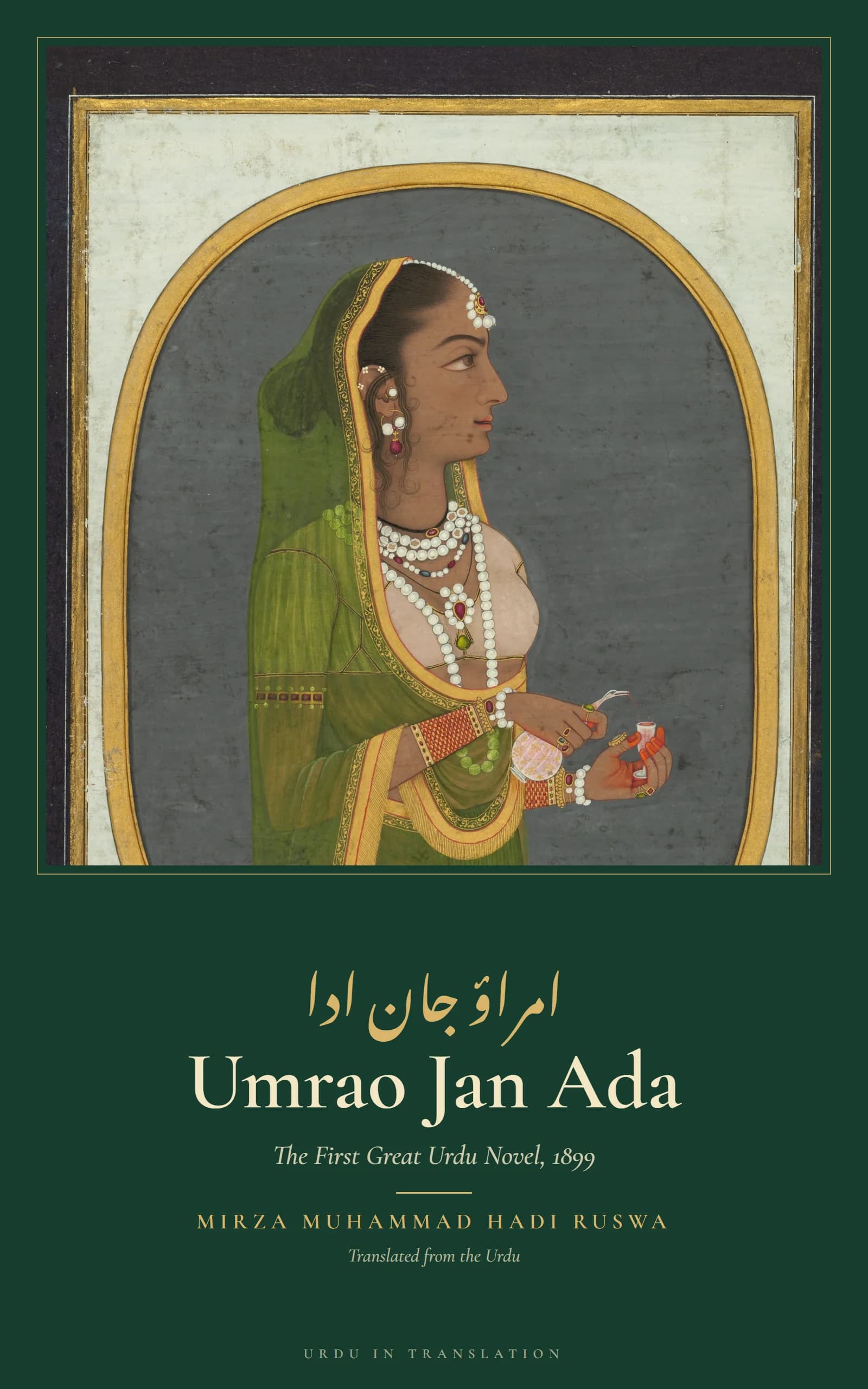
Novel · 1899
First two chapters freeUmrao Jan Ada
امراؤ جان ادا
Mirza Muhammad Hadi Ruswa
Mirza Hadi Ruswa's novel of 1899, the most celebrated of all Urdu novels. Kidnapped as a child from her home in Faizabad and sold to a courtesan's house in Lucknow, Amiran grows up to become Umrao Jan, singer, dancer and poet, under the pen-name Ada. Late in life, at a gathering of poets, she is persuaded to tell her story to Ruswa: her training, her lovers and patrons, the bandit Faiz Ali, the upheaval of 1857, and her return to the town she was stolen from. A portrait of the vanished culture of nineteenth-century Lucknow, told in its own voice. Urdu text with a facing English translation; the first two chapters are free to read.
20 chaptersEnglishEspañolFrançaisالعربية中文Русский
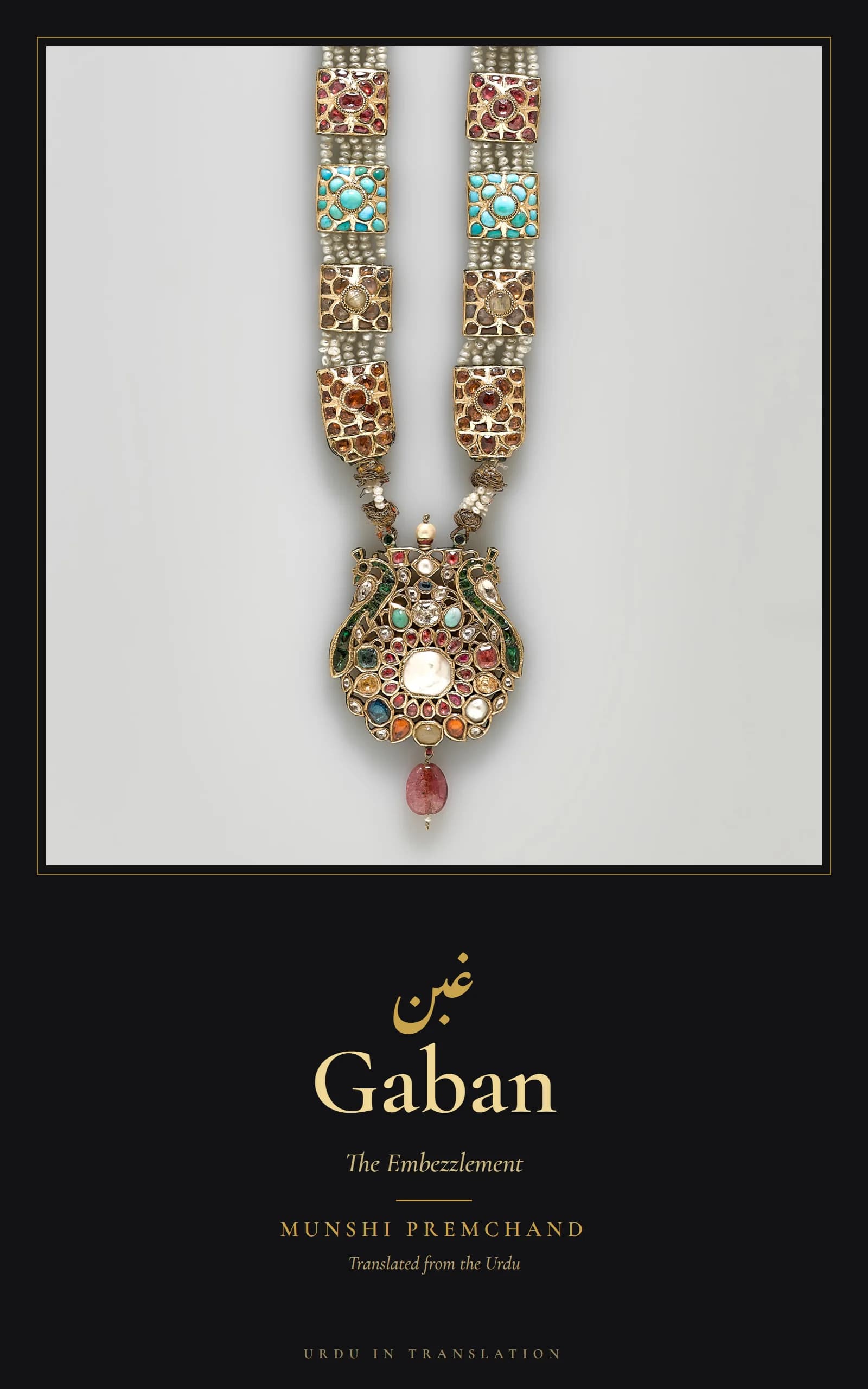
Novel · 1931
First two chapters freeGaban (The Embezzlement)
غبن
Munshi Premchand
Premchand's novel of 1931. Jalpa, a village girl, grows up wanting one thing: a chandan-haar, the gold necklace she saw in a pedlar's box at the swing. Her husband Ramanath, a clerk in the Allahabad municipal office with a weakness for show, borrows, lies and finally dips into the public money to keep her in ornaments. What follows is a story of debt, flight, police informers and a woman's slow discovery of her own strength. One of the great social novels of Urdu and Hindi. Urdu text with a facing English translation; the first two chapters are free to read.
52 chaptersEnglishEspañolFrançaisالعربية中文Русский
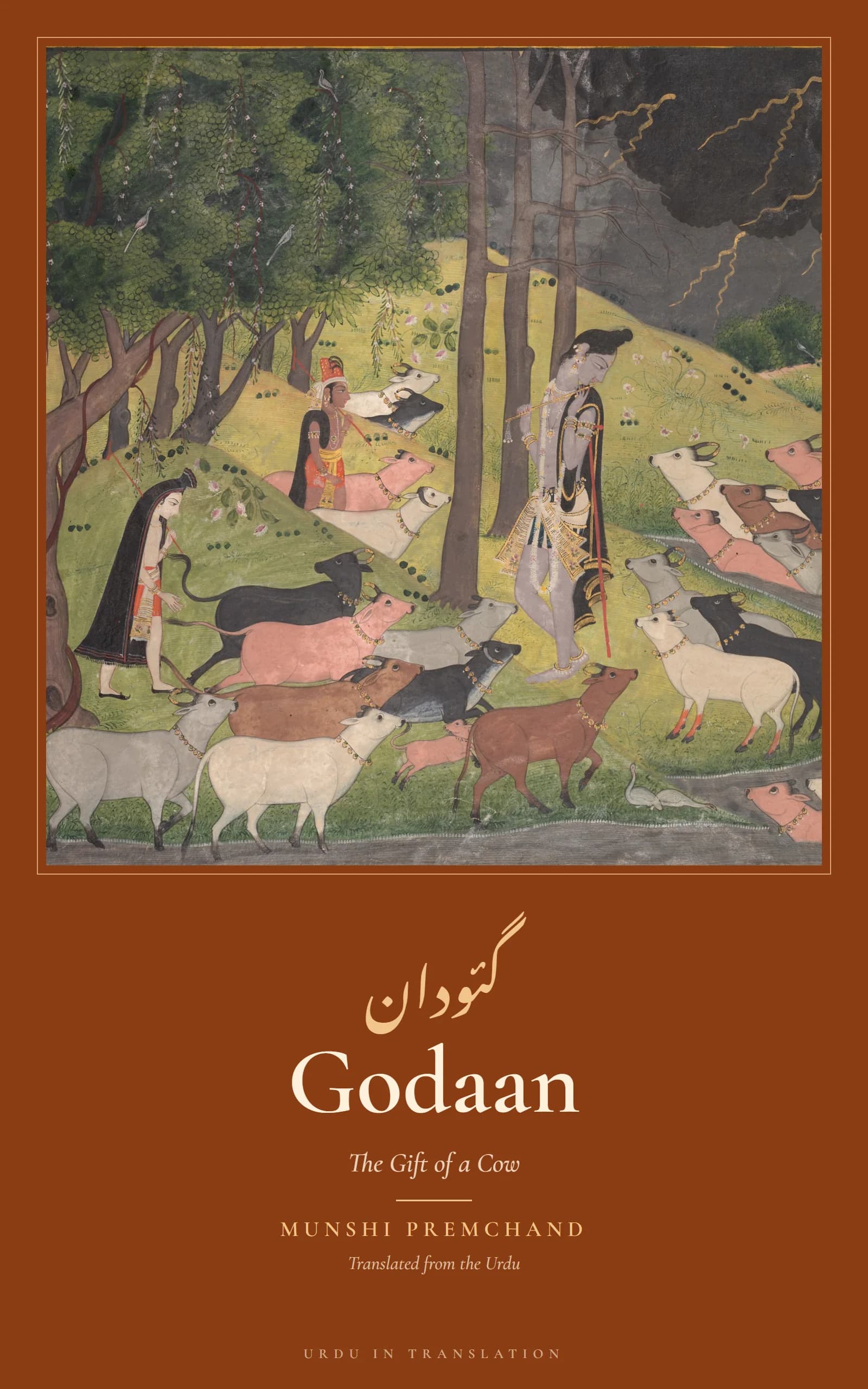
Novel · 1936
First two chapters freeGodaan (The Gift of a Cow)
گئودان
Munshi Premchand
Premchand's last completed novel (1936), and the greatest novel of Indian village life. Hori, a farmer with five bighas of land, a sharp-tongued, loyal wife named Dhaniya and a mountain of debts, wants only one thing: a cow tied at his door. Around his small hope Premchand builds a whole society: the landlord Rai Sahib with his theatricals and his worries, the moneylenders and priests of the village, and the city of Lucknow with its mill-owners, doctors, editors and philosophers. Tender, comic and unsparing, it is the classic of Hindustani realism. Urdu text with a facing English translation; the first two chapters are free to read.
36 chaptersEnglishEspañolFrançaisالعربية中文Русский
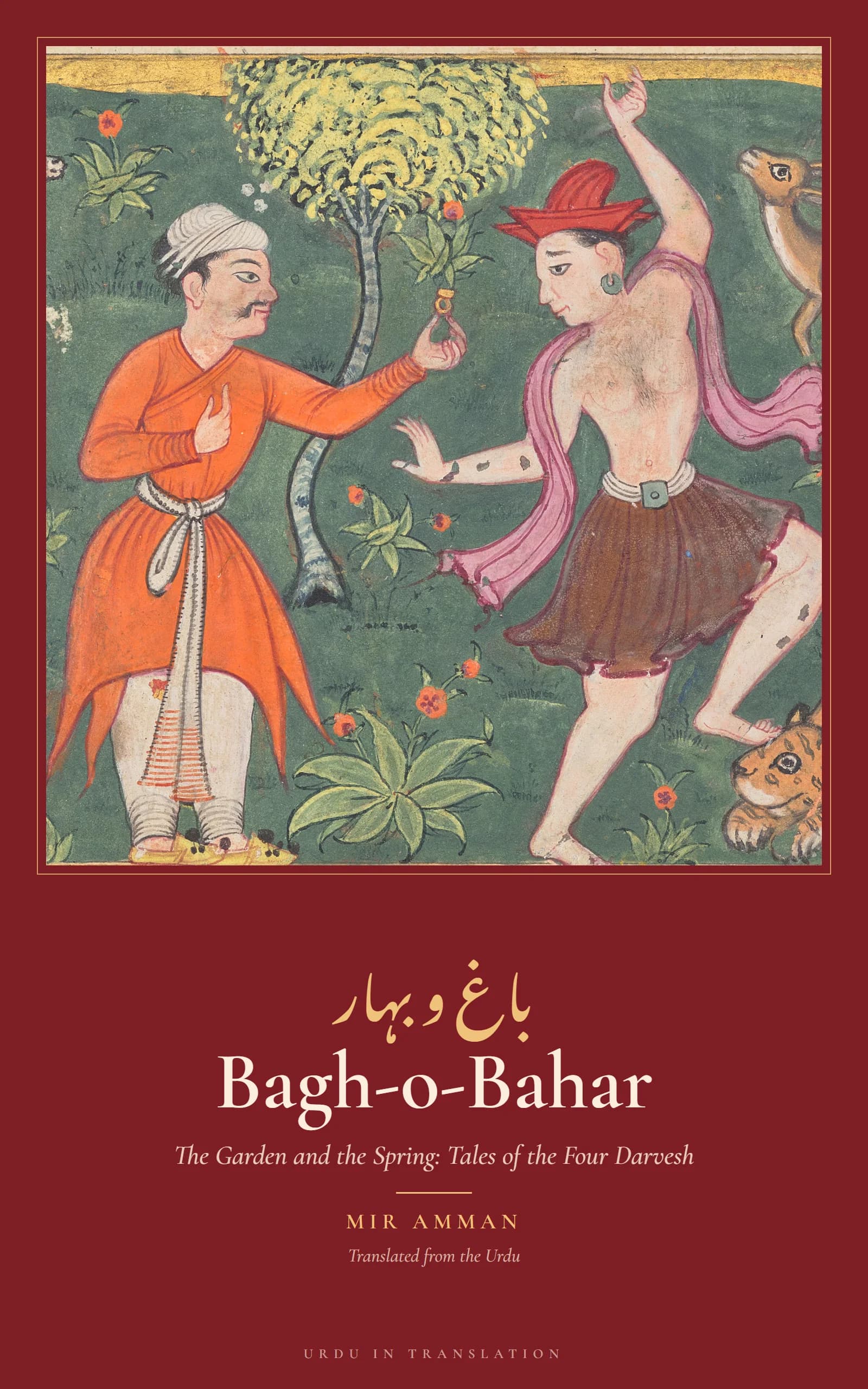
Dastan · 1804
First two chapters freeBagh-o-Bahar (The Garden and the Spring): Tales of the Four Darvesh
باغ و بہار
Mir Amman
The classic of Urdu prose, written in 1801 at Fort William College, Calcutta, for John Gilchrist. Mir Amman retold the Persian Tale of the Four Darvesh in the plain spoken Urdu of Delhi, and for two centuries the book has been where learners of the language begin. Azad Bakht, emperor of Constantinople, has no heir; wandering in disguise one stormy night among the tombs, he finds four darvesh, each a prince or a merchant's son ruined by love, and listens to their stories: the merchant of Yemen and the wounded princess in the chest, the prince of Persia and the sorrowing lady of Basra, the prince of Ajam who follows a black deer, the prince of China and his wicked uncle. Within them nest the tales of Hatim Tai and of the emperor himself. Urdu text with a facing English translation; the first two chapters are free to read.
25 chaptersEnglishEspañolFrançaisالعربية中文Русский
Questions and answers
What is the first Urdu novel?
Deputy Nazir Ahmad's Mirat-ul-Arus (1869) and Taubat-un-Nasuh (1874) are usually named as the first Urdu novels.
What is the most famous Urdu novel?
Umrao Jan Ada by Mirza Hadi Ruswa (1899) is the most celebrated classic Urdu novel.
More guides
- Umrao Jan Ada: Summary, Characters and Themes · Ruswa's 1899 novel of a Lucknow courtesan, the most celebrated novel in Urdu.
- Godaan by Premchand: Summary, Characters and Themes · Premchand's last novel: a farmer, his wife and their hope of owning a cow.
- Munshi Premchand: Life, Works and Where to Start · The life and books of the writer who brought the Indian village into fiction.