Nazm
نظم
Nazm · 1905
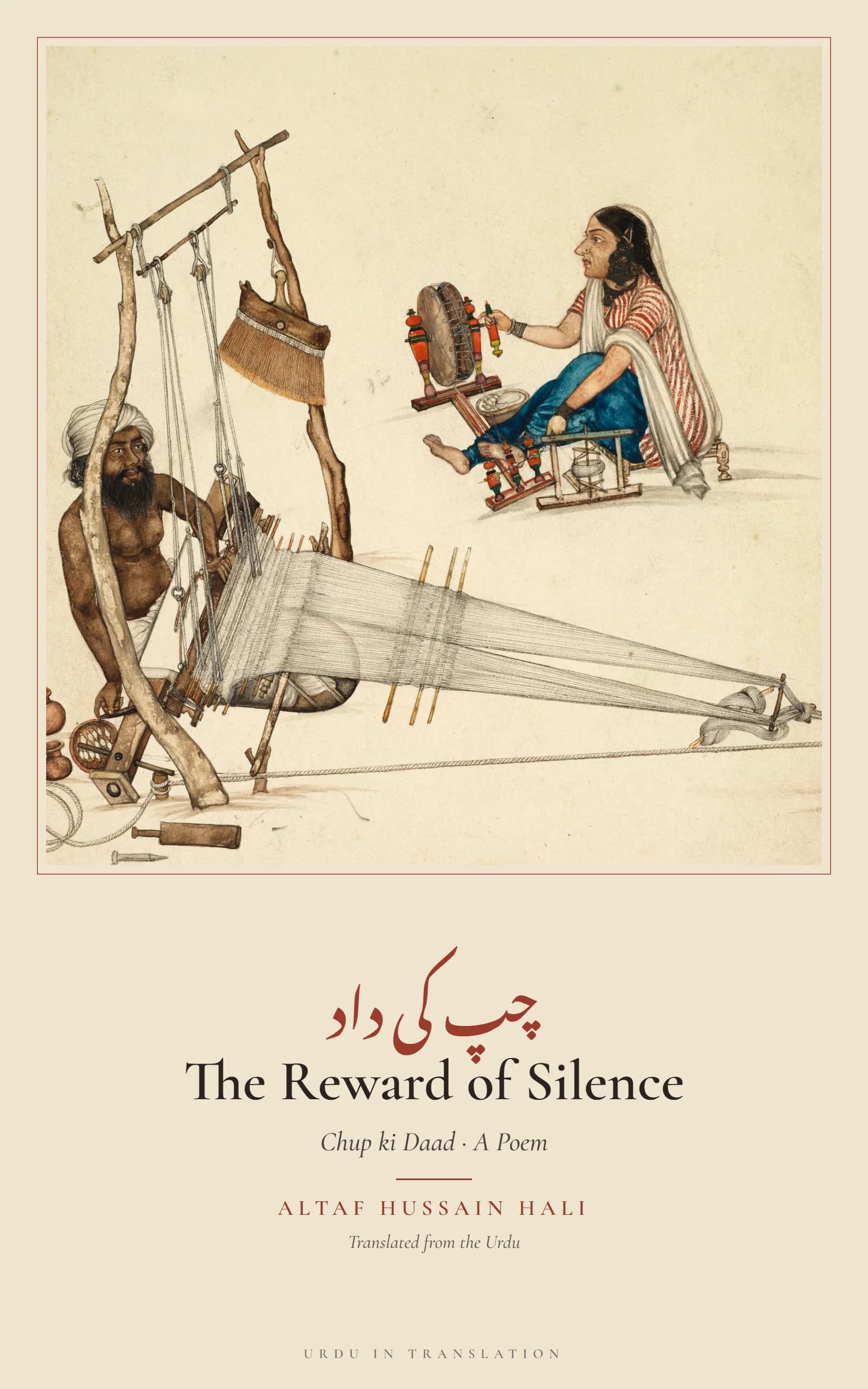
Dos primeros capítulos gratisLa recompensa del silencio
چپ کی داد
Altaf Hussain Hali
El poema de Hali de 1905 dirigido a las mujeres de la India: ocho estrofas sobre lo que las mujeres dan al mundo, lo que soportan en la casa del padre y en la del marido, los siglos de injusticia que se les obligó a sufrir en silencio y el amanecer de su derecho al saber. Escrito por el reformador que dio al urdu el Musaddas, sigue siendo la súplica más conmovedora en favor de la educación de la mujer en esa lengua. Texto urdu con traducción enfrentada; la nota sobre el poeta y la primera estrofa son de lectura libre.
9 capítulosEnglishEspañolFrançaisالعربية中文Русский
Nazm
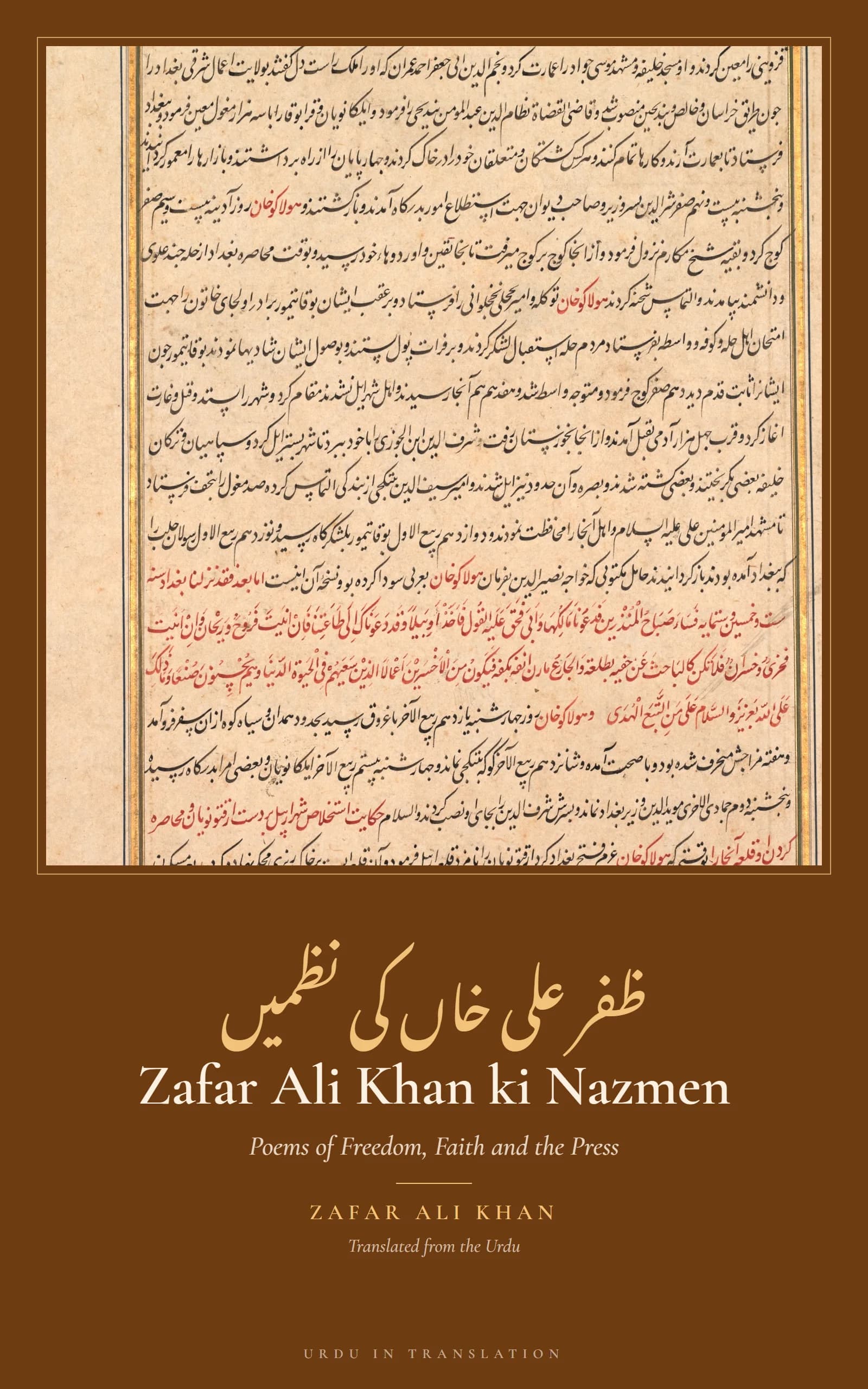
Dos primeros capítulos gratisZafar Ali Khan ki Nazmen (Poems of Zafar Ali Khan)
ظفر علی خاں کی نظمیں
Zafar Ali Khan
Sixteen poems by Maulana Zafar Ali Khan (1873-1956), editor of the Lahore newspaper Zamindar and the fighting poet of the Indian freedom movement, with "The Editor's Fate", a short comic play of 1913 about an Urdu editor ruined by the Press Act. Poems of India and freedom: "India", "Swaraj", "The Revolution of India", "Duty and Debt", Britain's "war with India", Cawnpore and Calcutta; and poems of faith, fellowship and letters: a hymn, praise of the Prophet and his four companions, two poems on Krishna, an address to the ghazal poets of the age, and a comic quarrel over a Punjabi word. Complete Urdu text with a facing line-by-line English translation, introduction and glossary. Cite as: Zafar Ali Khan, Zafar Ali Khan ki Nazmen, tr. urduintranslation.com (2026), https://www.urduintranslation.com/works/zafar-ali-khan-ki-nazmen. The first two chapters are free to read.
5 capítulosEnglishmás idiomas próximamente
Nazm
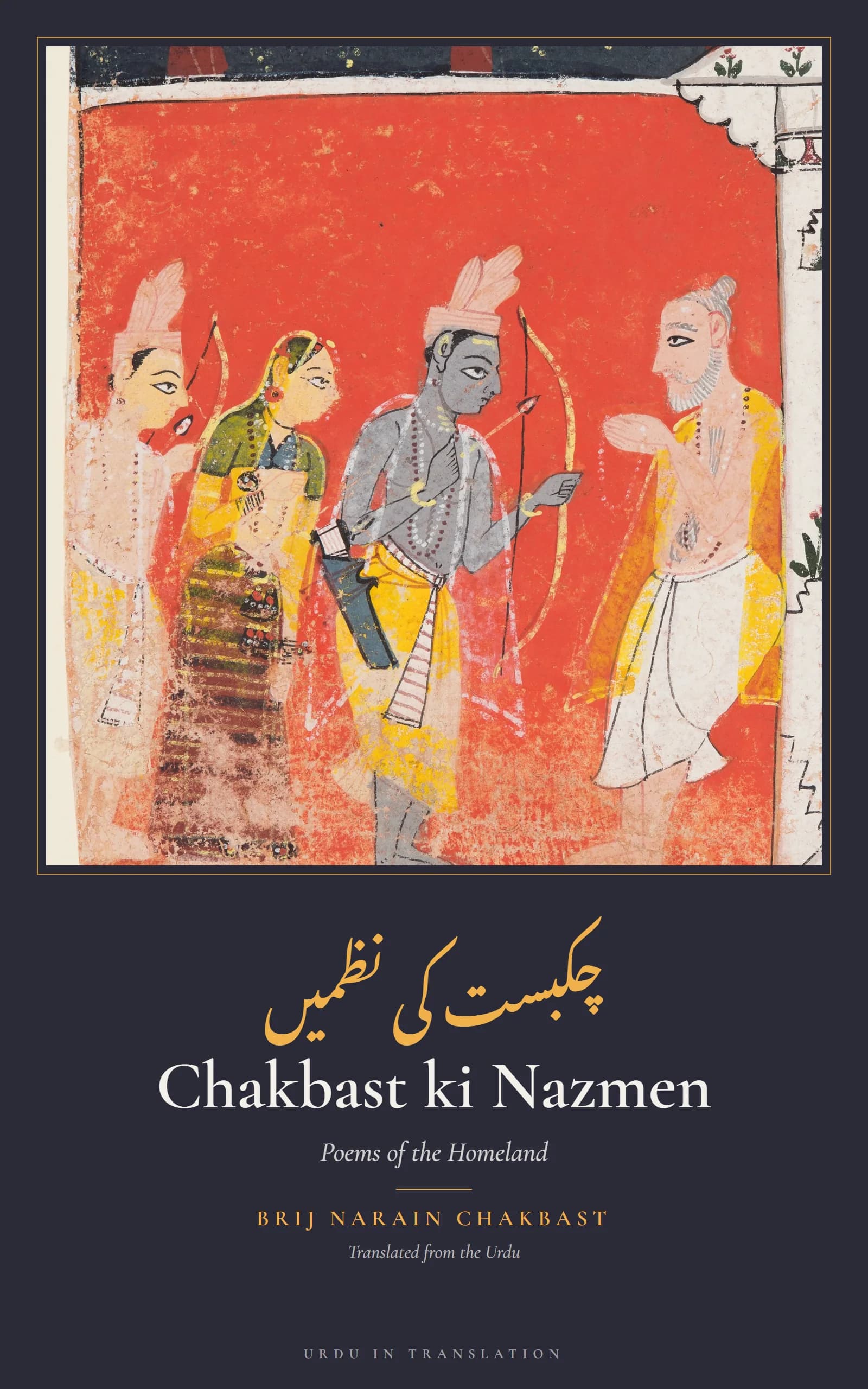
Dos primeros capítulos gratisChakbast ki Nazmen (Poems of Brij Narain Chakbast)
چکبست کی نظمیں
Brij Narain Chakbast
Twenty-four poems by Brij Narain Chakbast of Lucknow (1882-1926), the Kashmiri Pandit poet of Indian nationalism in Urdu. The nazms include "The Dust of Hind", a praise of India's past from Gautama to Akbar; "The Song of the Homeland", the Home Rule anthem with the refrain "we would not take even paradise in place of Home Rule"; "The Vedas"; his famous "A Scene from the Ramayana", in which the exiled Rama takes leave of his mother in the stanzas of the Lucknow marsiya; and his elegies on Tilak and Gokhale. With twelve ghazals. Complete Urdu text with a facing line-by-line English translation, introduction and glossary. Cite as: Brij Narain Chakbast, Chakbast ki Nazmen, tr. urduintranslation.com (2026), https://www.urduintranslation.com/works/chakbast-ki-nazmen. The first two chapters are free to read.
7 capítulosEnglishmás idiomas próximamente
Nazm
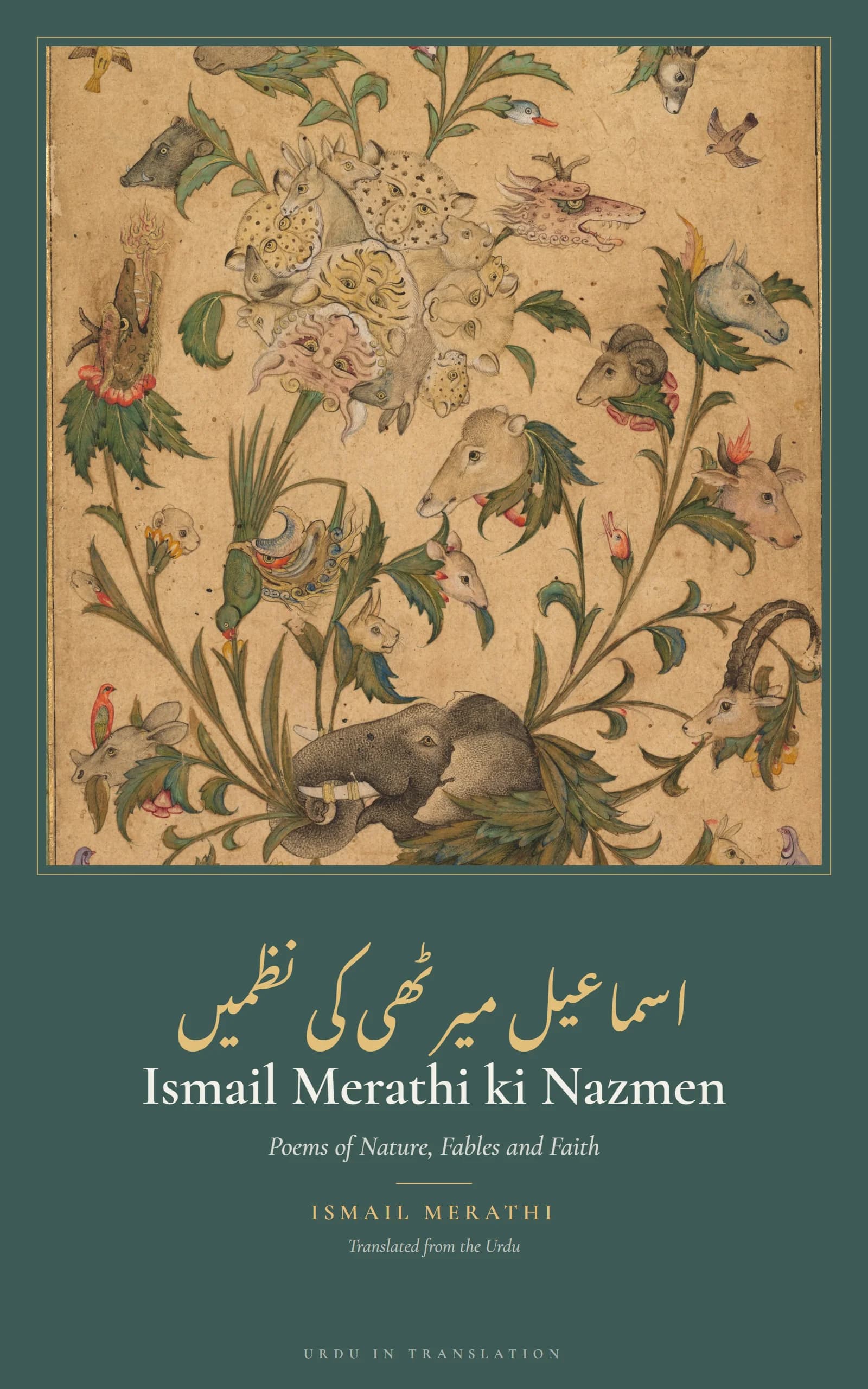
Dos primeros capítulos gratisIsmail Merathi ki Nazmen (Poems of Ismail Merathi)
اسماعیل میرٹھی کی نظمیں
Ismail Merathi
Poems by Muhammad Ismail Merathi (1844-1917), the schoolmaster-poet whose Urdu readers taught generations of children in India and Pakistan to read. Here are the classroom favourites, "Our Cow", "The Water Mill", "The Tortoise and the Hare", "The First Drop of Rain" and "Speak the Truth"; nature poems on sunset, the hot season and the monsoon; "The Sparrow's Chicks", one of the first Urdu poems in blank verse; a satire on Indians who aped the English; a meditation on the empty Mughal palace in the Agra Fort; and a selection of his Sufi quatrains and ghazals on the oneness of being and the state of his community. Complete Urdu text with a facing line-by-line English translation, introduction and glossary. Cite as: Ismail Merathi, Ismail Merathi ki Nazmen, tr. urduintranslation.com (2026), https://www.urduintranslation.com/works/ismail-merathi-ki-nazmen. The first two chapters are free to read.
7 capítulosEnglishmás idiomas próximamente
Nazm
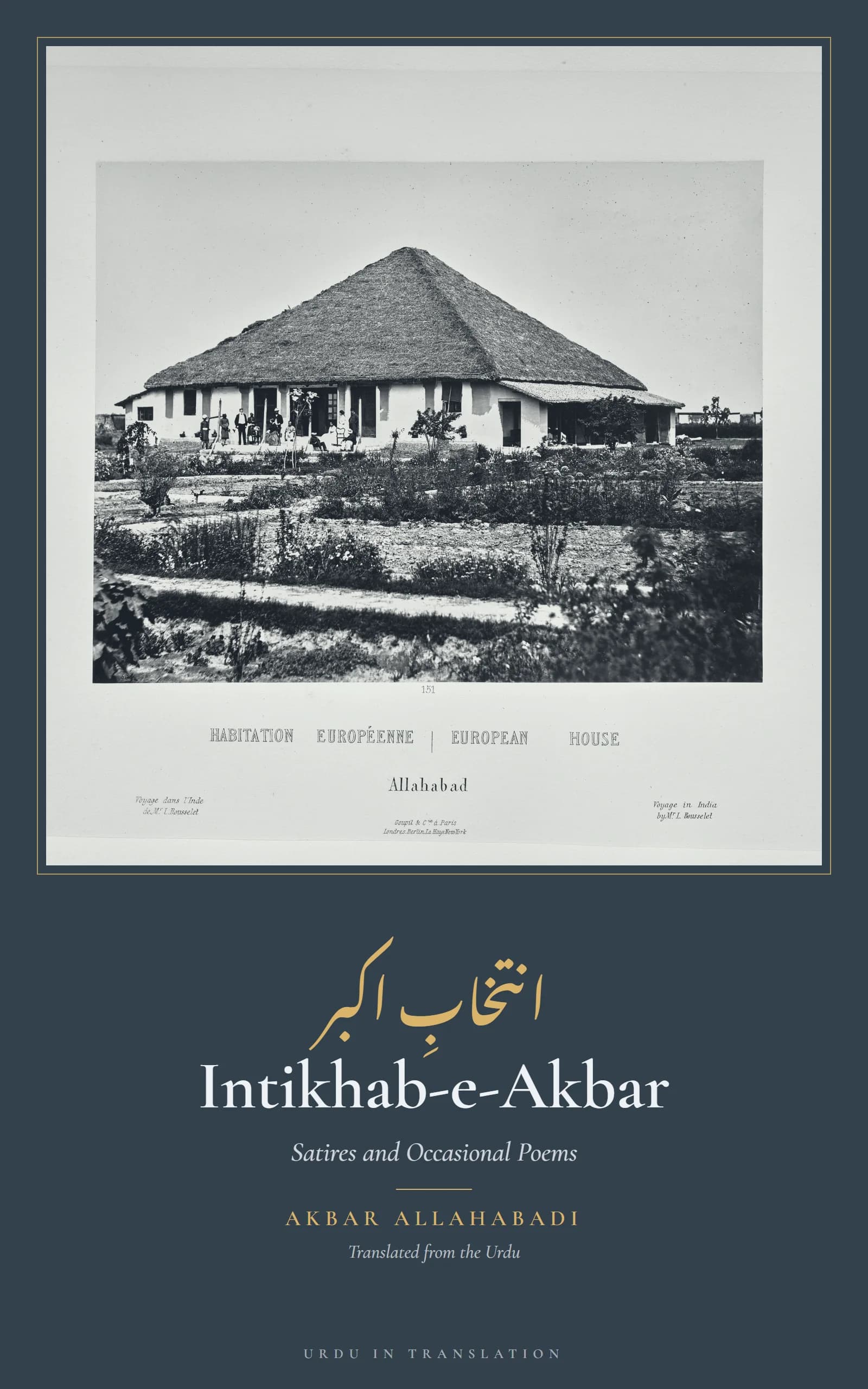
Dos primeros capítulos gratisIntikhab-e-Akbar: Satires and Occasional Poems
انتخابِ اکبر: پیش رو یعنی قطعات
Akbar Allahabadi · sobre Poetry
Akbar Allahabadi (1846–1921), judge, wit and the great comic poet of Urdu, wrote the sharpest verse commentary on India's meeting with the West: on the "New Light" of English education, English clothes and words, Sir Sayyid and the Aligarh college, Westernised young men and their English brides, purdah, the railway and the telegraph, and the Viceroy's durbars. This book gives the complete section "Pesh-rau" ("The Vanguard") of his collected poems, sixty pieces including "A Glimpse of the Delhi Durbar", "Lightning in the Church", the purdah poem of 1891, his answer to Southey's "Cataract of Lodore", "The Curzon Sabha" and the national poem written for Mohsin-ul-Mulk, with his parodies of Hafiz and Sa'di. Urdu text from Kulliyat-e-Akbar, Part One (4th ed., Standard Press, Allahabad, 1914), with a facing line-by-line English translation, notes on the puns and Persian quotations, an introduction and a glossary. A core text for courses on Urdu poetry and on colonialism and modernity in South Asia. Cite as: Akbar Allahabadi, Intikhab-e-Akbar: Pesh-rau, tr. urduintranslation.com (2026). The first chapter is free to read.
9 capítulosEnglishmás idiomas próximamente
Nazm
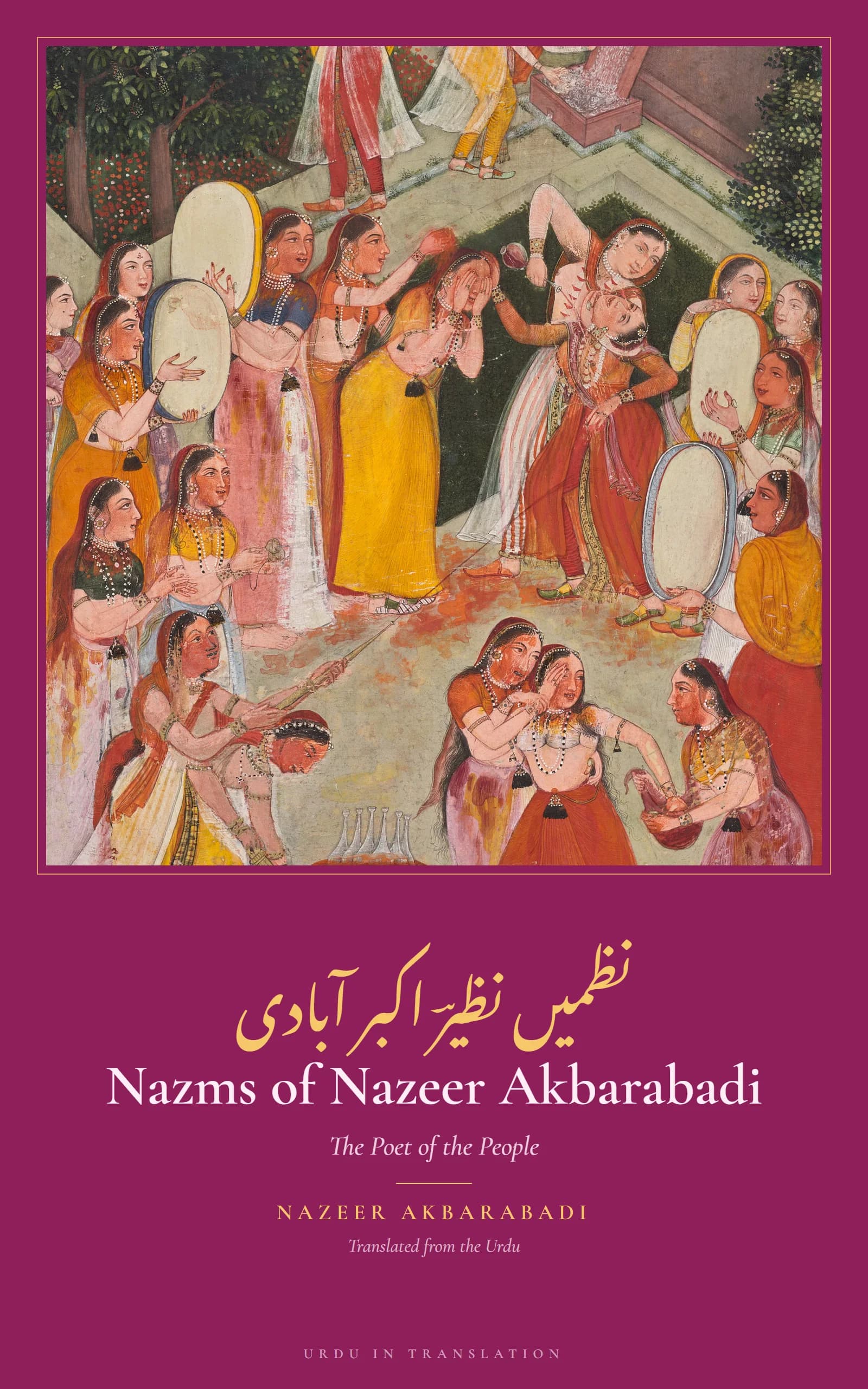
Dos primeros capítulos gratisNazms de Nazir Akbarabadi: el poeta del pueblo
نظمیں نظیرؔ اکبر آبادی
Nazeer Akbarabadi
Nazir Akbarabadi (h. 1735–1830), de Agra, no escribió para la corte sino para el bazar, y el bazar no ha dejado de cantarlo. Mientras sus contemporáneos pulían el gazal, él hizo largos poemas con estribillo de todo lo que sabía la calle: el mercader banjara cuya pompa se lleva la muerte, el pan, el dinero y la adulación, la pobreza que entierra a los muertos sin sudario, las lluvias y el invierno, y las fiestas de todas las religiones de la India: Holi, Diwali, Rakhi, Eid, Shab-e-Barat y Gurú Nanak. Esta selección de veintidós nazms sigue el curso de Urdu de la HEC. Se han omitido algunas estrofas procaces (cada omisión figura en las notas del libro). Texto urdu con traducción al lado, estrofa a estrofa; el primer capítulo es de lectura libre.
5 capítulosEnglishEspañolFrançaisالعربية中文Русский
Nazm · 1879
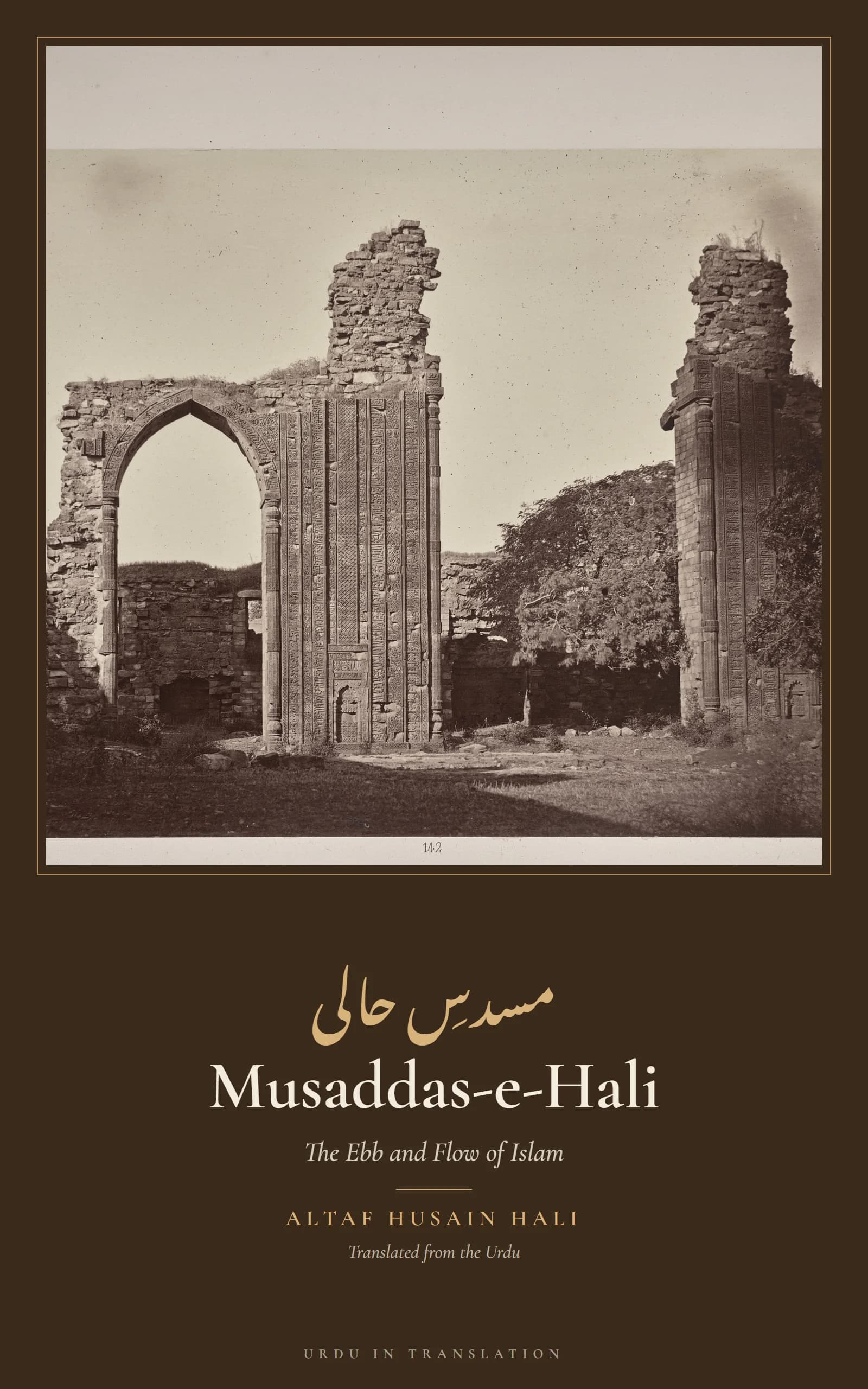
Dos primeros capítulos gratisMusaddas-e-Hali: El flujo y reflujo del islam
مسدسِ حالی: مد و جزرِ اسلام
Altaf Husain Hali
El poema que cambió la poesía urdu. En 1879, a instancias de Sir Syed Ahmad Khan, Altaf Husain Hali (1837–1914), de Panipat, dejó a un lado el gazal y escribió un largo poema en sencillas estrofas de seis versos sobre el ascenso y la caída de los musulmanes: la Arabia anterior al islam, la enseñanza del Profeta, los siglos de saber de Bagdad a Córdoba, y luego la decadencia, retratada sin piedad a partir de la India que veía a su alrededor, con sus nobles ociosos, sus clérigos pendencieros, sus poetas mendigos y sus hijos malogrados. Sir Syed dijo que era la única obra de su vida por la que esperaba ser juzgado. En 1886 Hali añadió el Zamima, un suplemento de esperanza: señales de despertar, la dignidad del trabajo, el poder del saber y la llamada a tirar cada uno de su propio carro. Esta edición ofrece ambos prefacios, el Musaddas, el Zamima y la petición final al Profeta, a partir de la litografía de la Taj Company (ejemplar de la Universidad de Toronto). Texto urdu con traducción al lado, estrofa a estrofa; el primer capítulo es de lectura libre.
19 capítulosEnglishEspañolFrançaisالعربية中文Русский
Nazm · 1924–1935
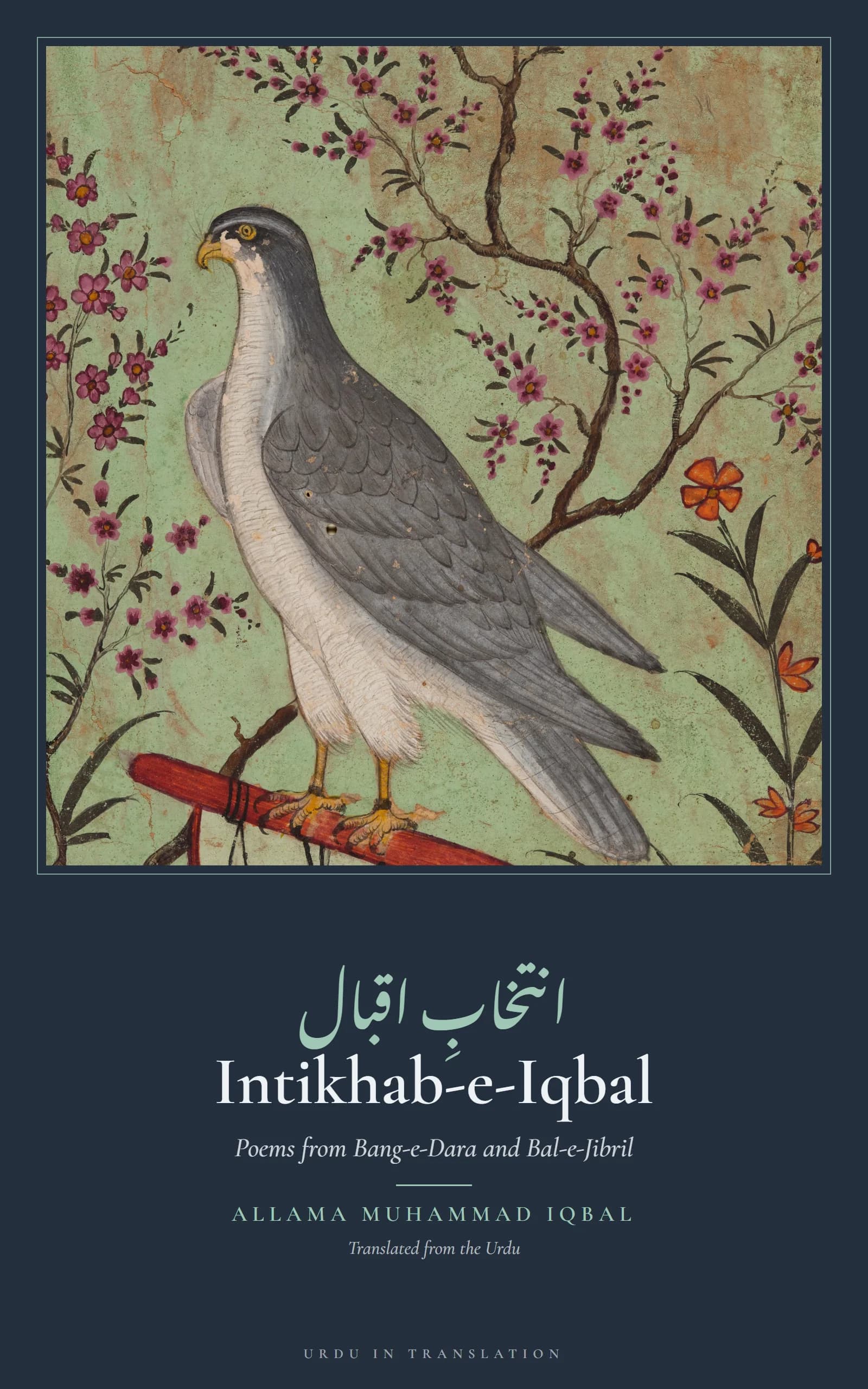
Dos primeros capítulos gratisIntikhab-e-Iqbal: poemas de Bang-e-Dara y Bal-e-Jibril
انتخابِ اقبال
Allama Muhammad Iqbal
Muhammad Iqbal (1877–1938), el poeta filósofo de Sialkot y Lahore, escribió las canciones que el sur de Asia sigue cantando, «Mejor que todo el mundo es nuestro Indostán», «Mi deseo llega a mis labios como una oración», y luego los poemas que discutieron con Dios y recibieron respuesta: Shikwa (La queja) y Jawab-e-Shikwa (La respuesta). Su libro urdu posterior, Bal-e-Jibril (El ala de Gabriel, 1935), vuelve el gazal y el nazm hacia la identidad propia (khudi), el amor y la acción, y se detiene en la mezquita de Córdoba para preguntar qué sobrevive al tiempo. Esta selección sigue el curso de Iqbal del grado de Urdu de la HEC: nazms y gazales tempranos de Bang-e-Dara (1924), la elegía a su madre, Shikwa, Jawab-e-Shikwa y Tulu-e-Islam, y después gazales y nazms de Bal-e-Jibril. Texto urdu con traducción al lado, verso a verso; el primer capítulo es de lectura libre.
7 capítulosEnglishEspañolFrançaisالعربية中文Русский