النظم
نظم
النظم · 1905
الفصلان الأولان مجانًاجزاء الصمت
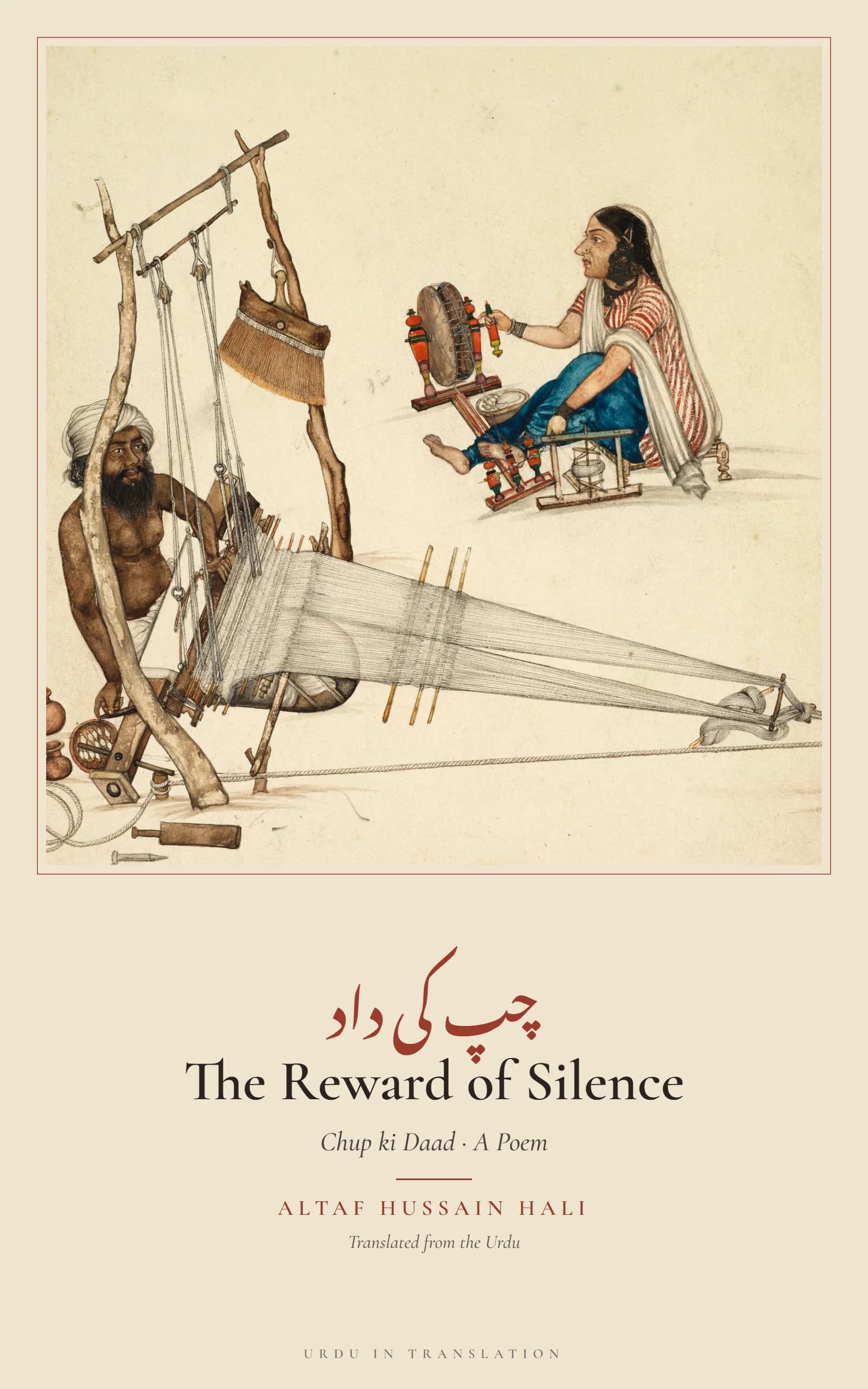
چپ کی داد
ألطاف حسين حالي
قصيدة حالي التي نظمها سنة ١٩٠٥ مخاطباً بها نساء الهند: ثمانية مقاطع عمّا تهبه المرأة للعالم، وما تحتمله في بيت أبيها وبيت زوجها، وعن عصور الظلم التي أُكرهت على احتمالها صامتة، وعن فجر حقّها في التعلّم. كتبها المصلح الذي أهدى الأردية «المسدّس»، ولا تزال أشدّ نداءٍ مؤثّر في تلك اللغة من أجل تعليم المرأة. النص الأردي مع ترجمة إنجليزية مقابلة؛ والتعريف بالشاعر والمقطع الأول متاحان للقراءة مجاناً.
9 فصولEnglishEspañolFrançaisالعربية中文Русский
النظم
الفصلان الأولان مجانًاZafar Ali Khan ki Nazmen (Poems of Zafar Ali Khan)
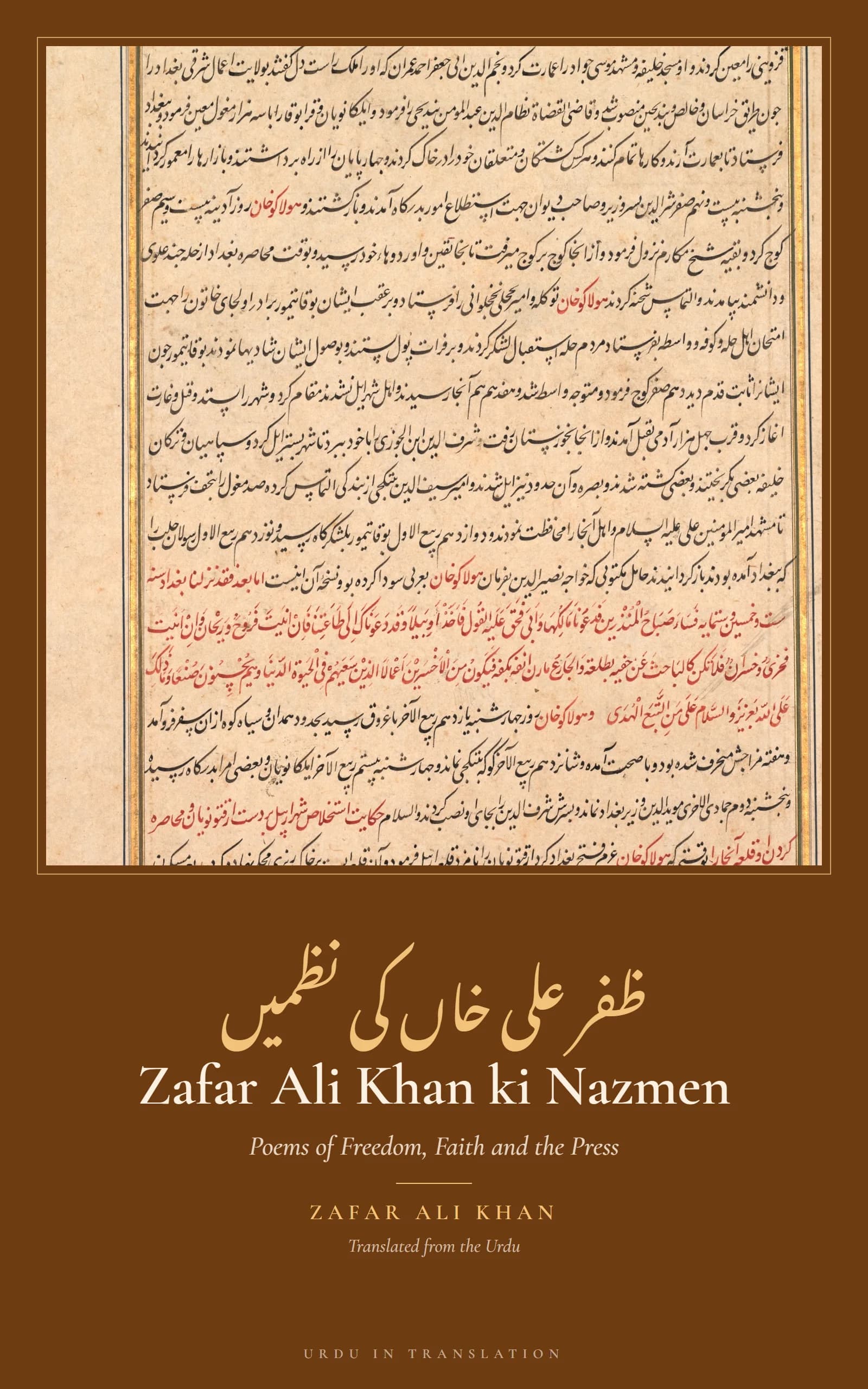
ظفر علی خاں کی نظمیں
Zafar Ali Khan
Sixteen poems by Maulana Zafar Ali Khan (1873-1956), editor of the Lahore newspaper Zamindar and the fighting poet of the Indian freedom movement, with "The Editor's Fate", a short comic play of 1913 about an Urdu editor ruined by the Press Act. Poems of India and freedom: "India", "Swaraj", "The Revolution of India", "Duty and Debt", Britain's "war with India", Cawnpore and Calcutta; and poems of faith, fellowship and letters: a hymn, praise of the Prophet and his four companions, two poems on Krishna, an address to the ghazal poets of the age, and a comic quarrel over a Punjabi word. Complete Urdu text with a facing line-by-line English translation, introduction and glossary. Cite as: Zafar Ali Khan, Zafar Ali Khan ki Nazmen, tr. urduintranslation.com (2026), https://www.urduintranslation.com/works/zafar-ali-khan-ki-nazmen. The first two chapters are free to read.
5 فصولEnglishلغات أخرى قريبًا
النظم
الفصلان الأولان مجانًاChakbast ki Nazmen (Poems of Brij Narain Chakbast)
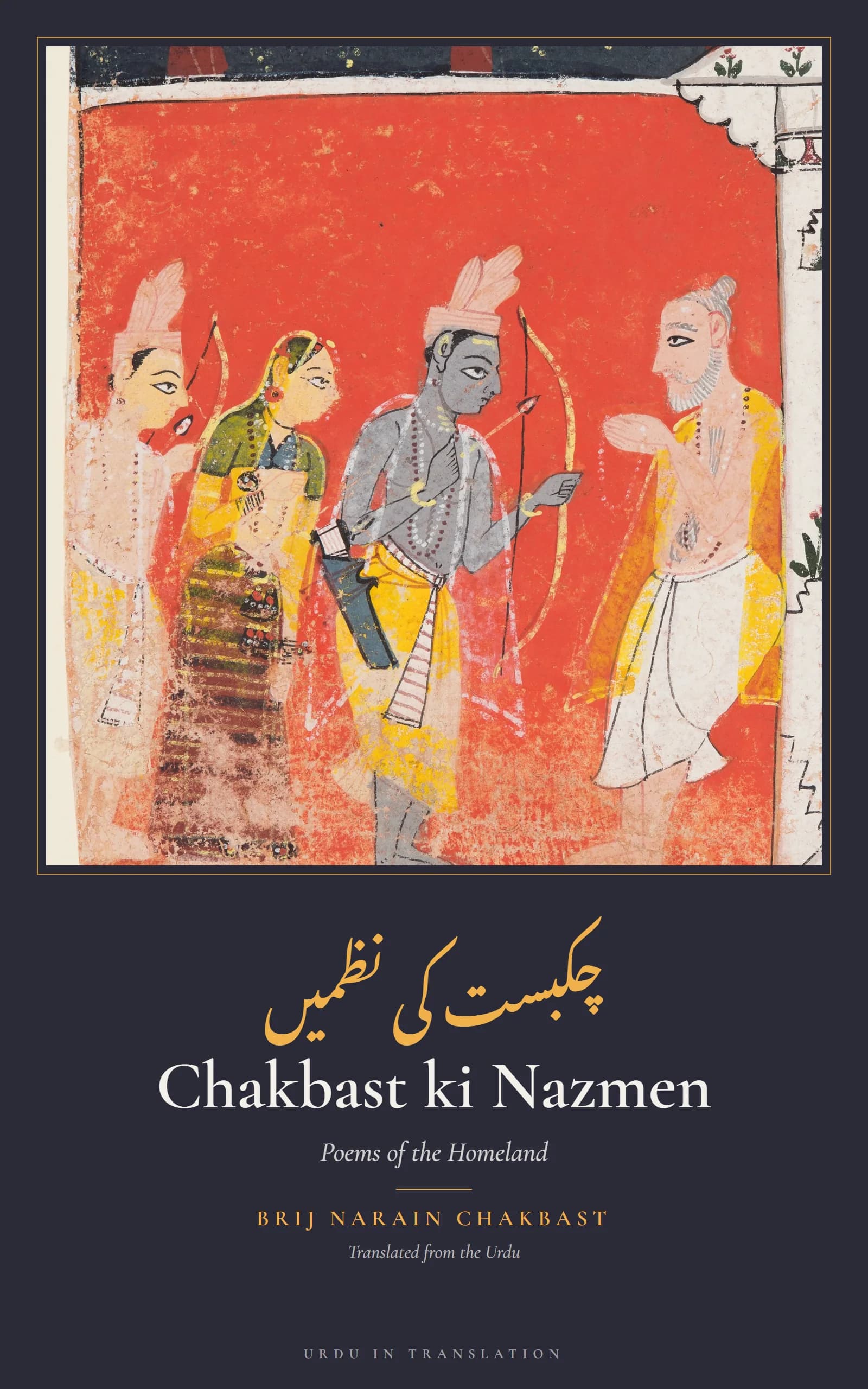
چکبست کی نظمیں
Brij Narain Chakbast
Twenty-four poems by Brij Narain Chakbast of Lucknow (1882-1926), the Kashmiri Pandit poet of Indian nationalism in Urdu. The nazms include "The Dust of Hind", a praise of India's past from Gautama to Akbar; "The Song of the Homeland", the Home Rule anthem with the refrain "we would not take even paradise in place of Home Rule"; "The Vedas"; his famous "A Scene from the Ramayana", in which the exiled Rama takes leave of his mother in the stanzas of the Lucknow marsiya; and his elegies on Tilak and Gokhale. With twelve ghazals. Complete Urdu text with a facing line-by-line English translation, introduction and glossary. Cite as: Brij Narain Chakbast, Chakbast ki Nazmen, tr. urduintranslation.com (2026), https://www.urduintranslation.com/works/chakbast-ki-nazmen. The first two chapters are free to read.
7 فصولEnglishلغات أخرى قريبًا
النظم
الفصلان الأولان مجانًاIsmail Merathi ki Nazmen (Poems of Ismail Merathi)
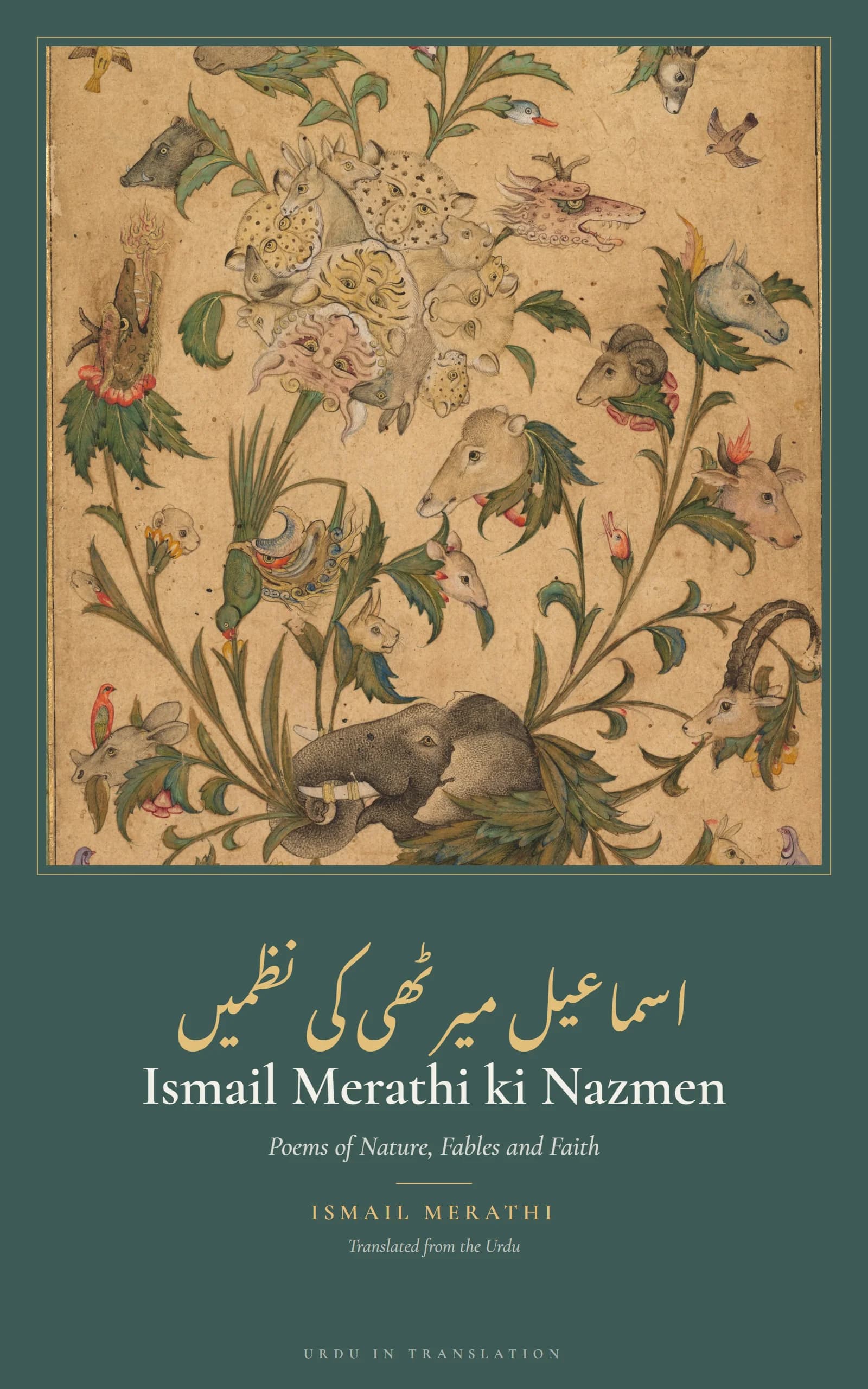
اسماعیل میرٹھی کی نظمیں
Ismail Merathi
Poems by Muhammad Ismail Merathi (1844-1917), the schoolmaster-poet whose Urdu readers taught generations of children in India and Pakistan to read. Here are the classroom favourites, "Our Cow", "The Water Mill", "The Tortoise and the Hare", "The First Drop of Rain" and "Speak the Truth"; nature poems on sunset, the hot season and the monsoon; "The Sparrow's Chicks", one of the first Urdu poems in blank verse; a satire on Indians who aped the English; a meditation on the empty Mughal palace in the Agra Fort; and a selection of his Sufi quatrains and ghazals on the oneness of being and the state of his community. Complete Urdu text with a facing line-by-line English translation, introduction and glossary. Cite as: Ismail Merathi, Ismail Merathi ki Nazmen, tr. urduintranslation.com (2026), https://www.urduintranslation.com/works/ismail-merathi-ki-nazmen. The first two chapters are free to read.
7 فصولEnglishلغات أخرى قريبًا
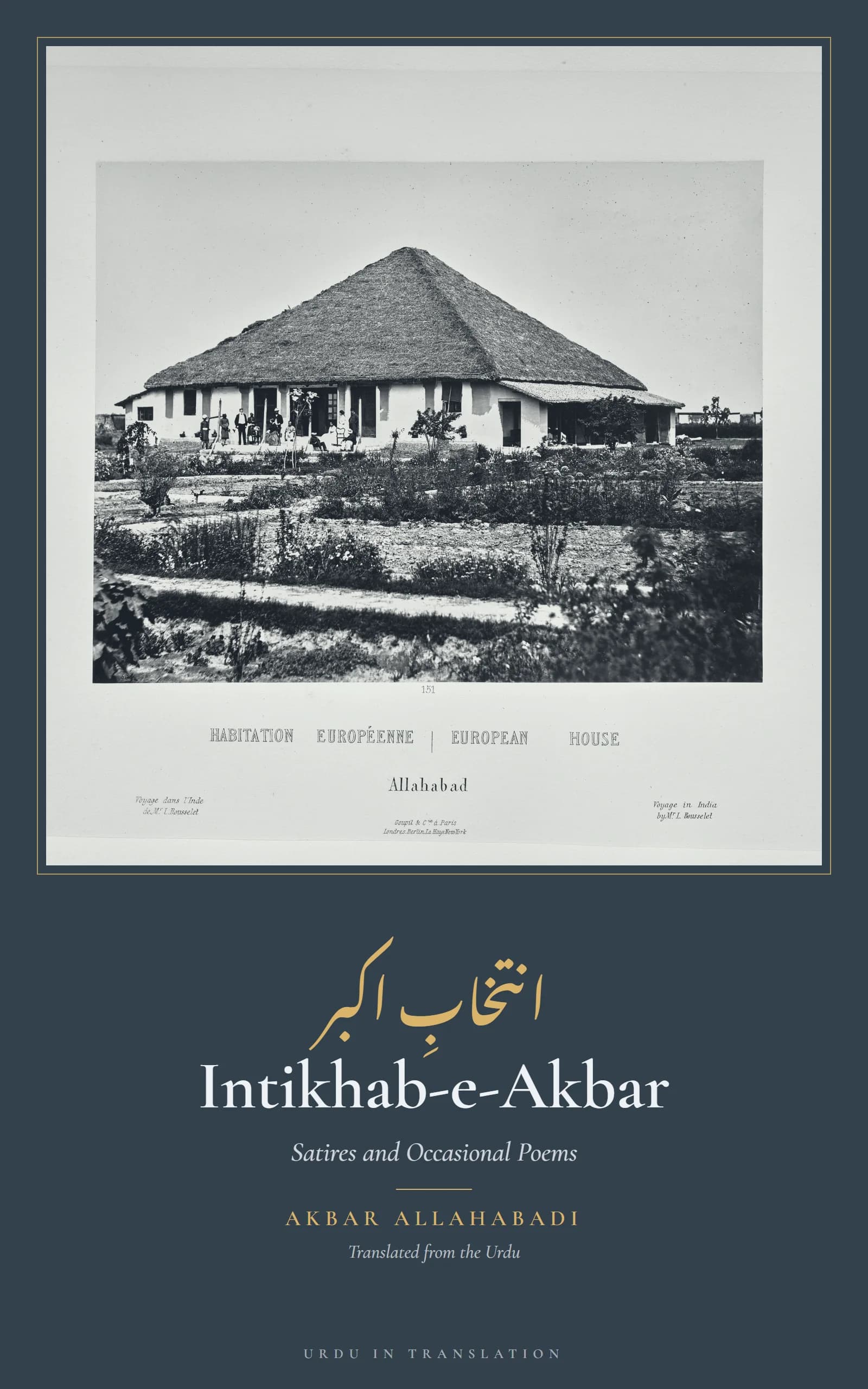
النظم
الفصلان الأولان مجانًاIntikhab-e-Akbar: Satires and Occasional Poems
انتخابِ اکبر: پیش رو یعنی قطعات
Akbar Allahabadi · عن Poetry
Akbar Allahabadi (1846–1921), judge, wit and the great comic poet of Urdu, wrote the sharpest verse commentary on India's meeting with the West: on the "New Light" of English education, English clothes and words, Sir Sayyid and the Aligarh college, Westernised young men and their English brides, purdah, the railway and the telegraph, and the Viceroy's durbars. This book gives the complete section "Pesh-rau" ("The Vanguard") of his collected poems, sixty pieces including "A Glimpse of the Delhi Durbar", "Lightning in the Church", the purdah poem of 1891, his answer to Southey's "Cataract of Lodore", "The Curzon Sabha" and the national poem written for Mohsin-ul-Mulk, with his parodies of Hafiz and Sa'di. Urdu text from Kulliyat-e-Akbar, Part One (4th ed., Standard Press, Allahabad, 1914), with a facing line-by-line English translation, notes on the puns and Persian quotations, an introduction and a glossary. A core text for courses on Urdu poetry and on colonialism and modernity in South Asia. Cite as: Akbar Allahabadi, Intikhab-e-Akbar: Pesh-rau, tr. urduintranslation.com (2026). The first chapter is free to read.
9 فصولEnglishلغات أخرى قريبًا
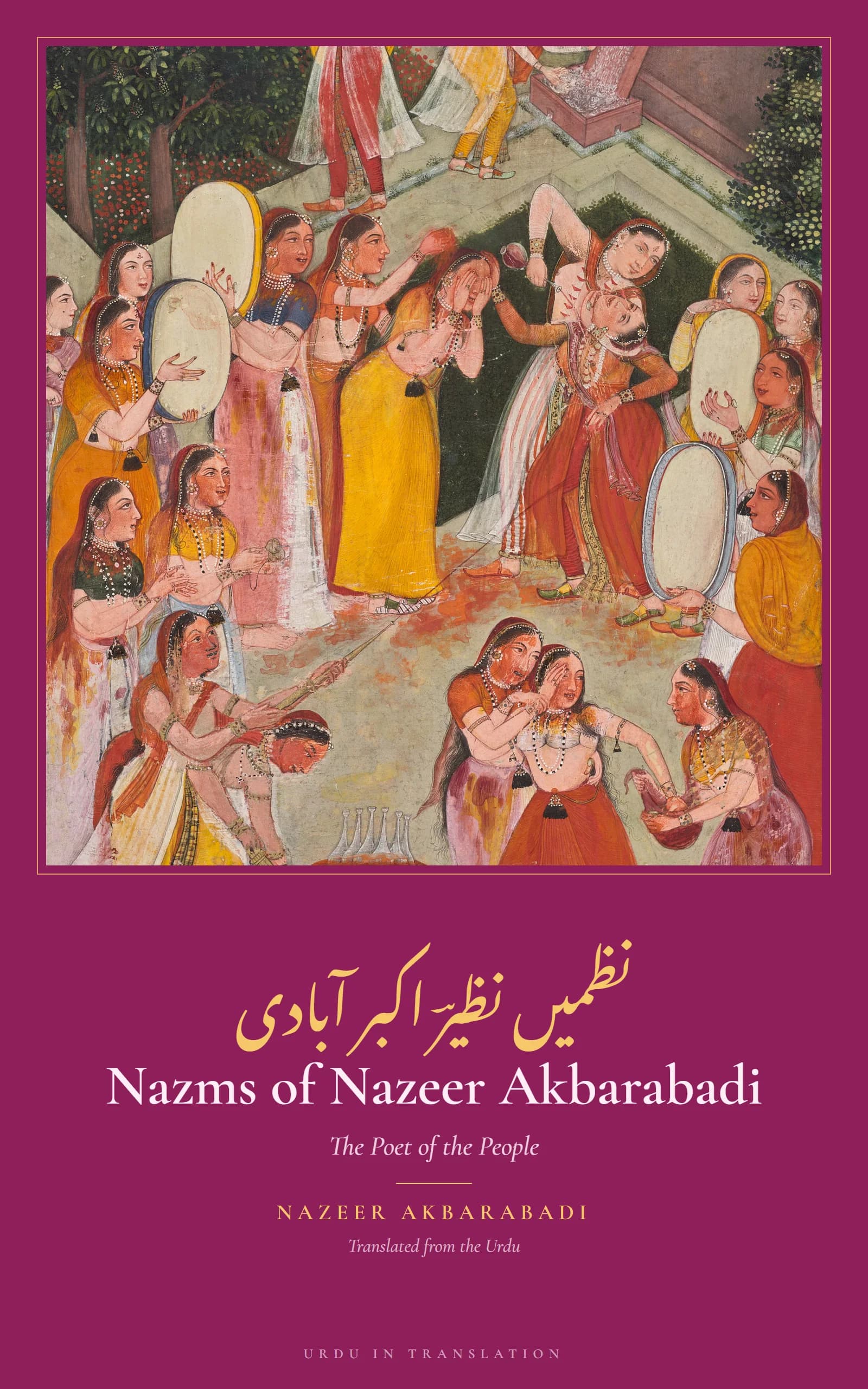
النظم
الفصلان الأولان مجانًامنظومات نظير أكبر آبادي: شاعر الشعب
نظمیں نظیرؔ اکبر آبادی
Nazeer Akbarabadi
كتب نظير أكبر آبادي (نحو ١٧٣٥–١٨٣٠) من آگرا لا للبلاط بل للسوق، ولم يكفّ السوق عن إنشاده منذ ذلك الحين. وبينما كان معاصروه يصقلون الغزل، صنع هو قصائد طويلة ذات لازمة من كلّ ما تعرفه الشوارع: التاجر البنجارا الذي يحمل الموت أبّهته، والخبز والمال والتملّق، والفقر الذي يدفن الموتى بلا كفن، والأمطار والشتاء، وأعياد كلّ الأديان في الهند: الهولي والديوالي والراكهي والعيد وليلة البراءة وگورو نانك. يتبع هذا الاختيار من اثنتين وعشرين منظومة منهج الأردية في هيئة التعليم العالي الباكستانية. وقد حُذفت بعض المقاطع الماجنة (وكلّ حذف مذكور في ملاحظات الكتاب). النص الأردي مع الترجمة إلى جانبه، مقطعاً مقطعاً؛ والفصل الأول متاح مجاناً.
5 فصولEnglishEspañolFrançaisالعربية中文Русский
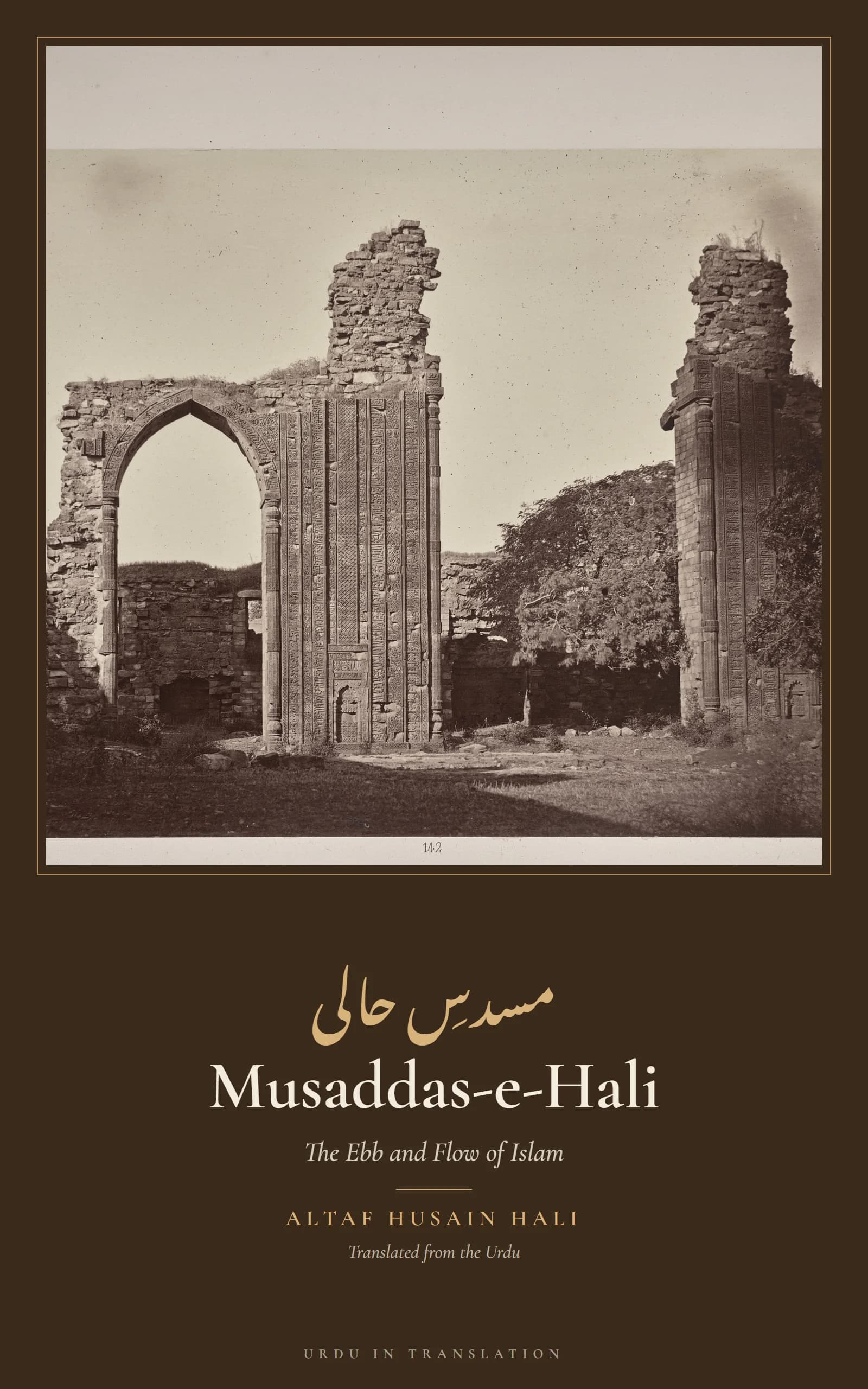
النظم · 1879
الفصلان الأولان مجانًامسدّس حالي: مدّ الإسلام وجزره
مسدسِ حالی: مد و جزرِ اسلام
Altaf Husain Hali
القصيدة التي غيّرت الشعر الأردي. في سنة ١٨٧٩، بإلحاح من السير سيّد أحمد خان، ترك الخواجة ألطاف حسين حالي (١٨٣٧–١٩١٤) من پانيپت (مدينة في شمال الهند) الغزل وكتب قصيدة طويلة في مقاطع بسيطة من ستّة أبيات عن صعود المسلمين وسقوطهم: العرب قبل الإسلام، وتعليم النبيّ، وقرون العلم من بغداد إلى قرطبة، ثمّ الانحطاط، مرسومًا بلا رحمة من الهند التي كان يراها حوله: أمراؤها الكسالى، وعلماؤها المتشاجرون، وشعراؤها المتسوّلون، وأبناؤها الضائعون. قال السير سيّد إنّها العمل الوحيد في حياته الذي يرجو أن يُحاسَب عليه. وفي سنة ١٨٨٦ أضاف حالي «الضميمة»، ملحقًا من الأمل: علامات اليقظة، وكرامة العمل، وقوّة العلم، والدعوة إلى أن يسوق كلّ واحد عربته بنفسه. تضمّ هذه الطبعة المقدّمتين والمسدّس والضميمة وعرض الحال الختامي إلى النبيّ، عن طبعة تاج كمپني الحجريّة (نسخة جامعة تورنتو). النصّ الأردي مع الترجمة إلى جانبه، مقطعًا مقطعًا؛ والفصل الأوّل متاح مجّانًا.
19 فصلًاEnglishEspañolFrançaisالعربية中文Русский
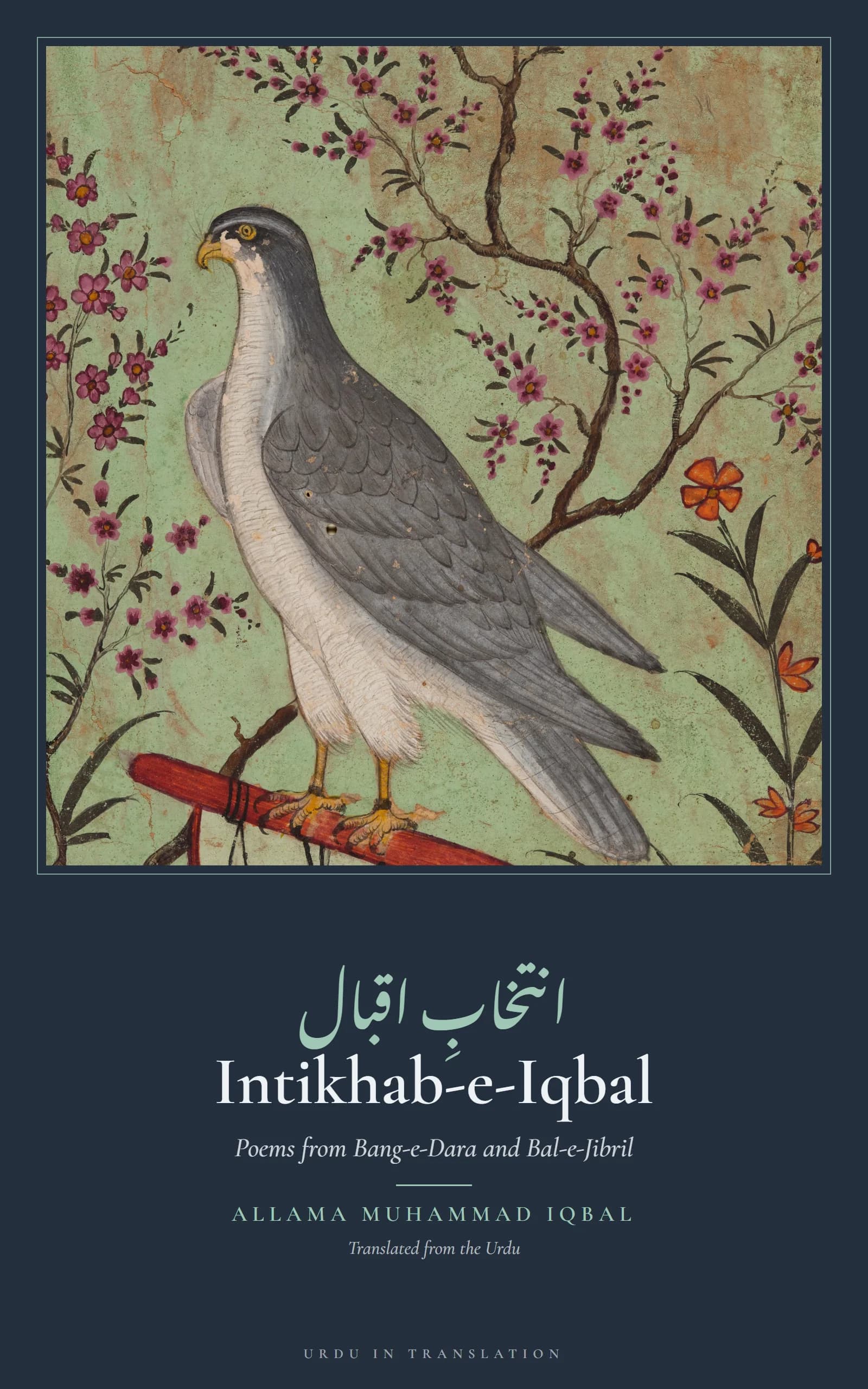
النظم · 1924–1935
الفصلان الأولان مجانًاانتخاب إقبال: قصائد من بانگ درا وبال جبريل
انتخابِ اقبال
Allama Muhammad Iqbal
محمد إقبال (١٨٧٧–١٩٣٨)، شاعر وفيلسوف سيالكوت ولاهور، كتب الأناشيد التي ما زالت شبه القارّة الهندية تنشدها، «خير من كلّ العالم هندُنا» و«تأتي أمنيتي إلى شفتيّ دعاءً»، ثمّ القصائد التي جادلت الله وتلقّت الجواب: «شكوى» و«جواب الشكوى». وكتابه الأرديّ اللاحق «بال جبريل» (جناح جبريل، ١٩٣٥) يوجّه الغزل والنظم نحو الخودي (الذات) والعشق والعمل، ويقف في مسجد قرطبة ليسأل ما الذي يبقى بعد الزمان. يتبع هذا الاختيار منهج إقبال في بكالوريوس الأردية بهيئة التعليم العالي الباكستانية: نظمات وغزليات مبكّرة من «بانگ درا» (صوت جرس القافلة، ١٩٢٤)، ومرثية والدته، و«شكوى» و«جواب الشكوى» و«طلوع الإسلام»، ثمّ غزليات ونظمات من «بال جبريل». النصّ الأردي مع الترجمة إلى جانبه، بيتاً بيتاً؛ والفصل الأوّل متاح مجاناً.
7 فصولEnglishEspañolFrançaisالعربية中文Русский