الداستان
داستان
الداستان · 1804
الفصلان الأولان مجانًاباغ و بهار (الحديقة والربيع): حكايات الدراويش الأربعة
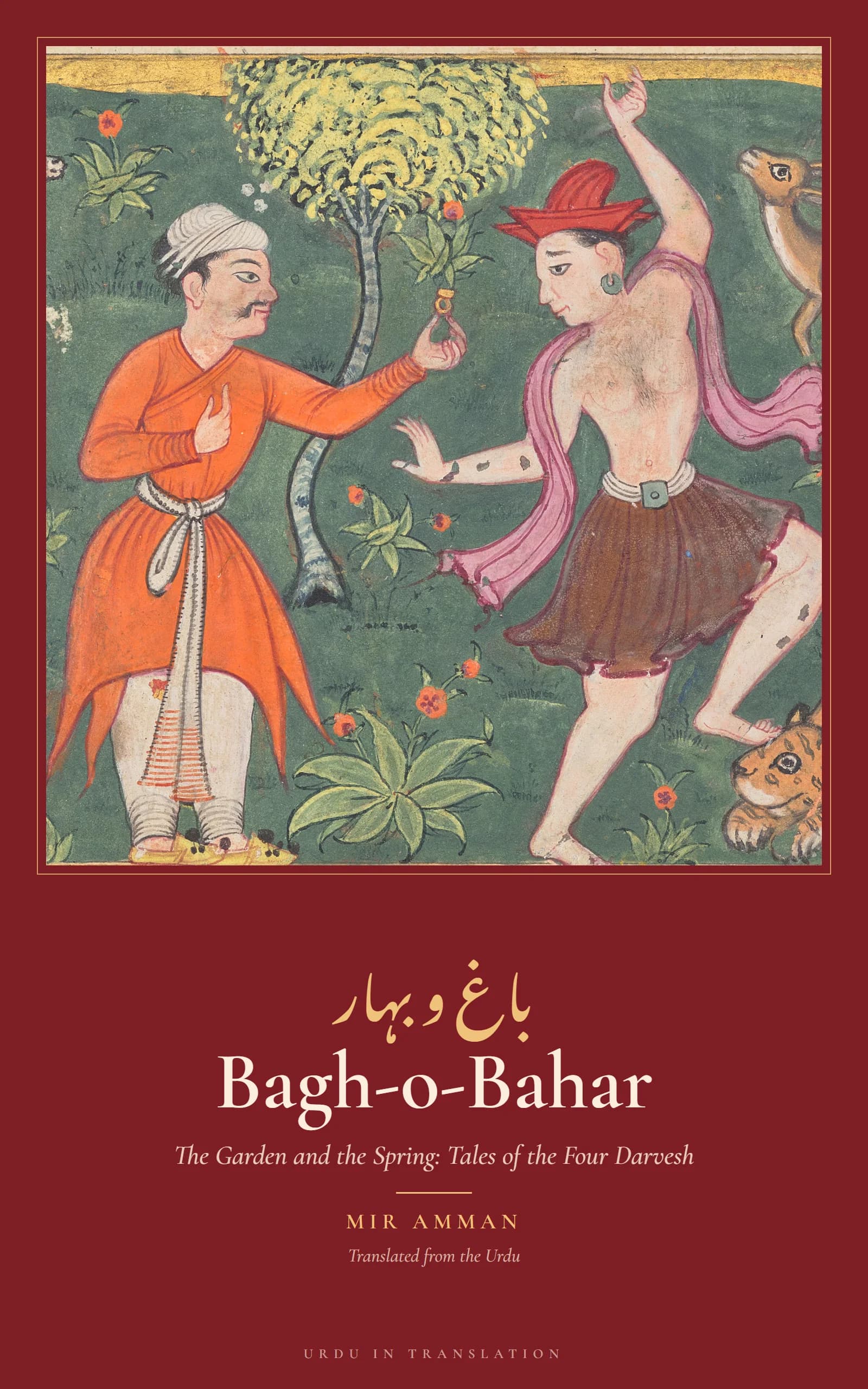
باغ و بہار
مير أمّن
كلاسيكية النثر الأردي، كُتبت سنة 1801 في كلية فورت وليم بكلكتا لجون غِلكرِست. أعاد مير أمّن رواية الحكاية الفارسية «قصة الدراويش الأربعة» بالأردية المحكية البسيطة في دلهي، ومنذ قرنين وهذا الكتاب هو أول ما يقرؤه متعلمو اللغة. آزاد بخت، إمبراطور القسطنطينية، لا وريث له؛ وفيما يطوف متنكراً في ليلة عاصفة بين القبور يجد أربعة دراويش، كلٌّ منهم أمير أو ابن تاجر أفقره الحب، فيصغي إلى حكاياتهم: تاجر اليمن والأميرة الجريحة في الصندوق، وأمير فارس والسيدة الحزينة في البصرة، وأمير العجم الذي يتبع غزالة سوداء، وأمير الصين وعمه الغادر. وتتداخل فيها حكايات حاتم الطائي والإمبراطور نفسه. النص الأردي مع الترجمة إلى جانبه؛ والفصلان الأولان متاحان للقراءة مجاناً.
25 فصلًاEnglishEspañolFrançaisالعربية中文Русский
الداستان
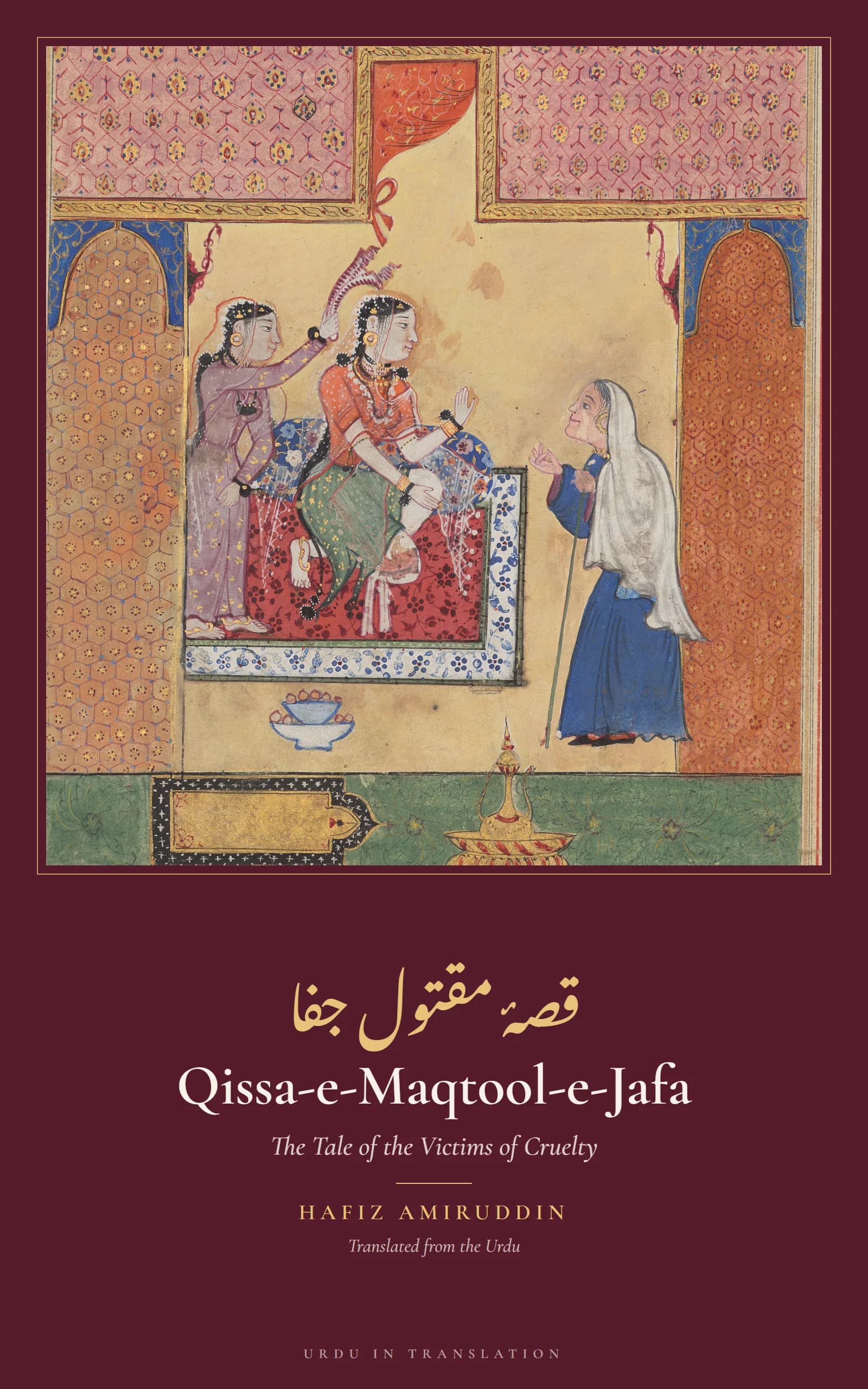
الفصلان الأولان مجانًاQissa-e-Maqtool-e-Jafa (The Tale of the Victims of Cruelty)
قصۂ مقتول جفا
Hafiz Amiruddin
Hafiz Muhammad Amiruddin Maani's Qissa-e-Maqtool-e-Jafa, also titled Fasana-e-Gham Amud, written in 1870 (1287 AH): a tragic Urdu dastan of a king, his four ministers and a jealous wager on a wife's chastity, with a procuress who takes her mother's form, a forged proof, a courtroom unmasking and a double death, ending with a verse portrait of the heroine and chronograms by the poet Qalaq and his circle. Complete Urdu text from Wikisource with a facing English translation, introduction and glossary. Cite as: Hafiz Amiruddin, Qissa-e-Maqtool-e-Jafa, tr. urduintranslation.com (2026), https://www.urduintranslation.com/works/qissa-e-maqtool-e-jafa. The first two chapters are free to read.
6 فصولEnglishلغات أخرى قريبًا
الداستان
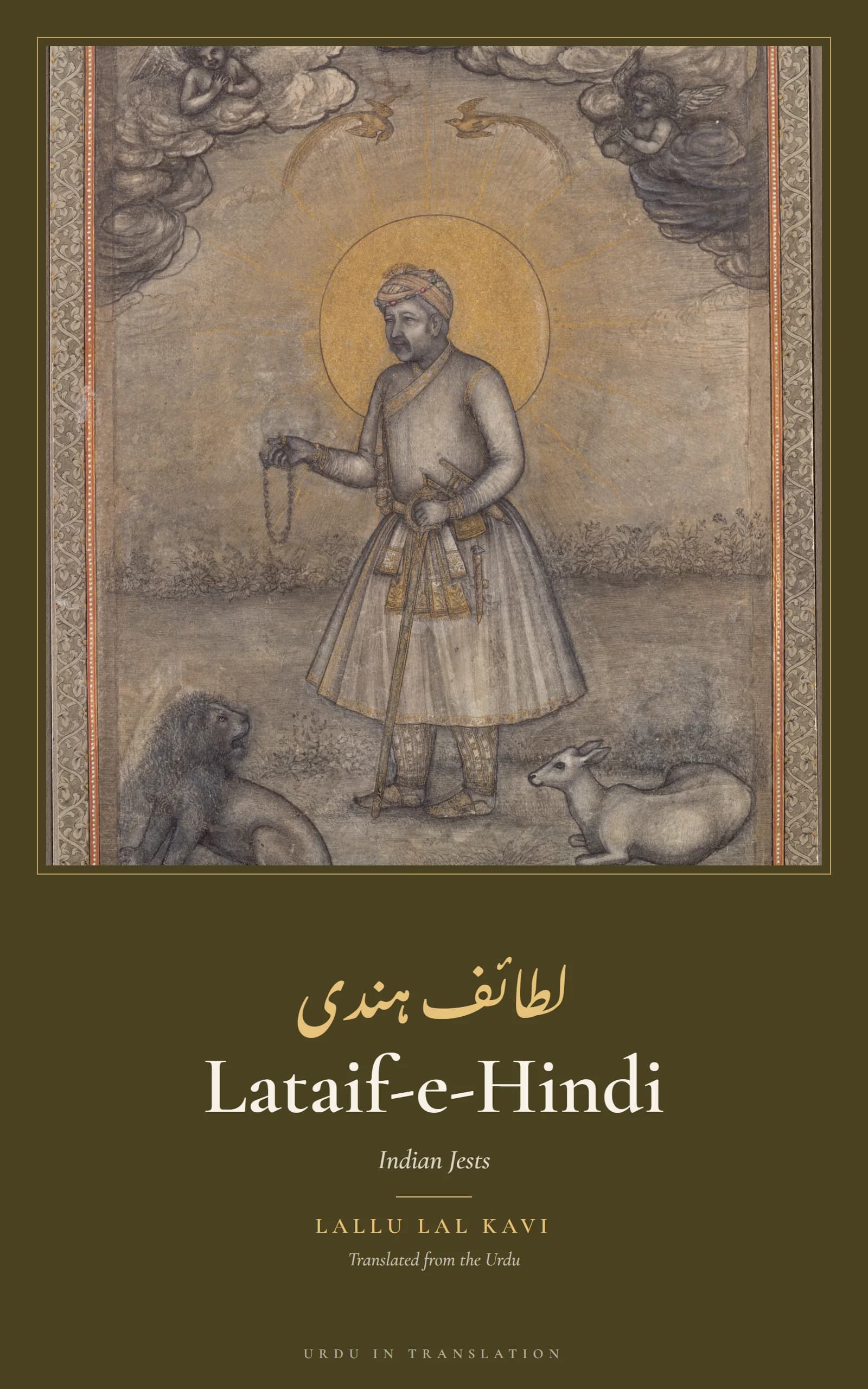
الفصلان الأولان مجانًاLataif-e-Hindi (Indian Jests)
لطائف ہندی
Lallu Lal Kavi
Lallu Lal Kavi's Lataif-e-Hindi, published in 1810 in Nagari and Persian script: one hundred short anecdotes and jests in lively Urdu prose with Hindi and Braj verses and proverbs, about Akbar and Birbal, Shah Jahan and Dara Shikoh, Sawai Jai Singh, the Chaubes of Mathura, the bankas of Delhi, opium eaters, misers, holy men and fools. Complete Urdu text from Wikisource with a facing English translation, introduction and glossary. Cite as: Lallu Lal Kavi, Lataif-e-Hindi, tr. urduintranslation.com (2026), https://www.urduintranslation.com/works/lataif-e-hindi. The first two chapters are free to read.
7 فصولEnglishلغات أخرى قريبًا
الداستان
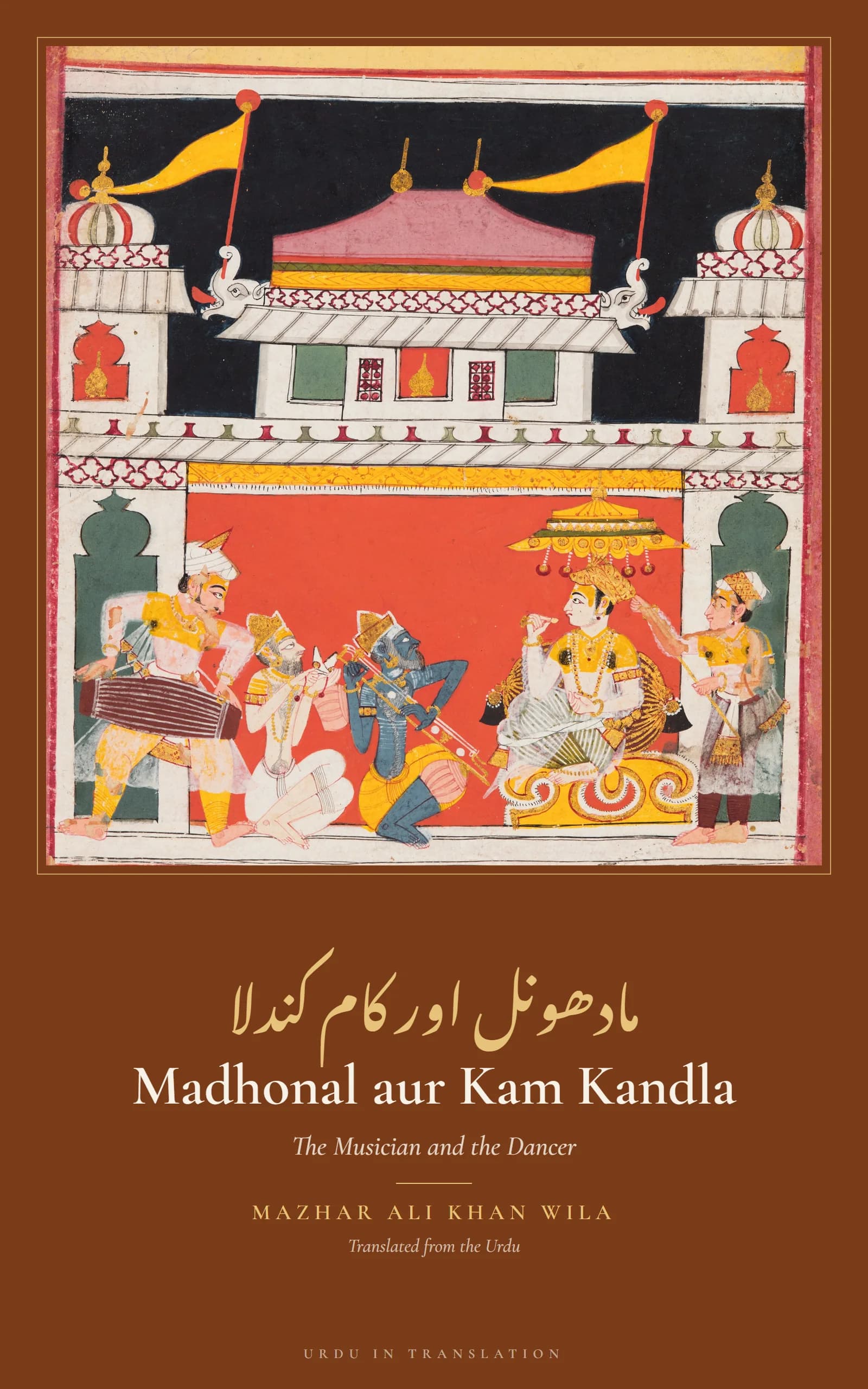
الفصلان الأولان مجانًاMadhonal and Kam Kandla
مادھونل اور کام کندلا
Mazhar Ali Khan Wila
Mazhar Ali Khan Wila's Urdu prose tale of Madhonal and Kam Kandla, written in 1801 at John Gilchrist's request from Moti Ram Kabishar's Braj version: the Brahmin musician Madho, banished from Puhpavati and Kamavati, his love for the dancer Kam Kandla, and how King Vikramajit of Ujjain tests their faith, brings them back from death with nectar and wins her by war. Complete Urdu text from Wikisource with a facing English translation, introduction and glossary. Cite as: Mazhar Ali Khan Wila, Madhonal and Kam Kandla, tr. urduintranslation.com (2026), https://www.urduintranslation.com/works/madhonal-aur-kam-kandla. The first two chapters are free to read.
9 فصولEnglishلغات أخرى قريبًا
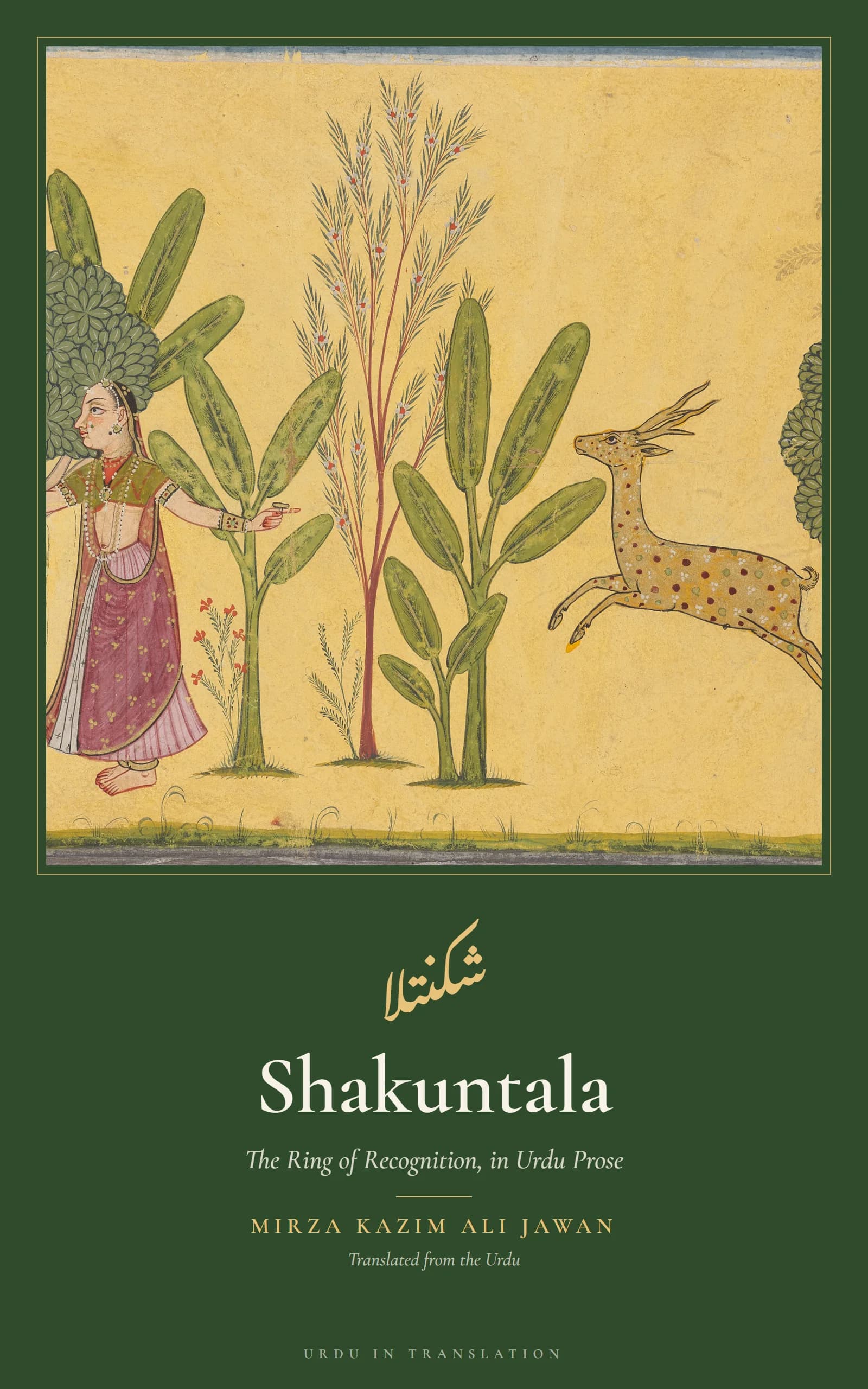
الداستان
الفصلان الأولان مجانًاShakuntala
سکنتلا
Mirza Kazim Ali Jawan
Mirza Kazim Ali Jawan's Urdu prose tale of Shakuntala, written in 1801 at Fort William College, Calcutta, for John Gilchrist, from a Braj version of Kalidasa's Sanskrit play: the fairy Menaka's daughter Shakuntala, raised by the sage Kanva, her forest marriage to King Dushyanta, the curse of Durvasa that makes the king forget her, the lost ring, and their reunion with their son Bharat. Complete Urdu text from Wikisource with a facing English translation, introduction and glossary. Cite as: Mirza Kazim Ali Jawan, Shakuntala, tr. urduintranslation.com (2026), https://www.urduintranslation.com/works/shakuntala. The first two chapters are free to read.
9 فصولEnglishلغات أخرى قريبًا
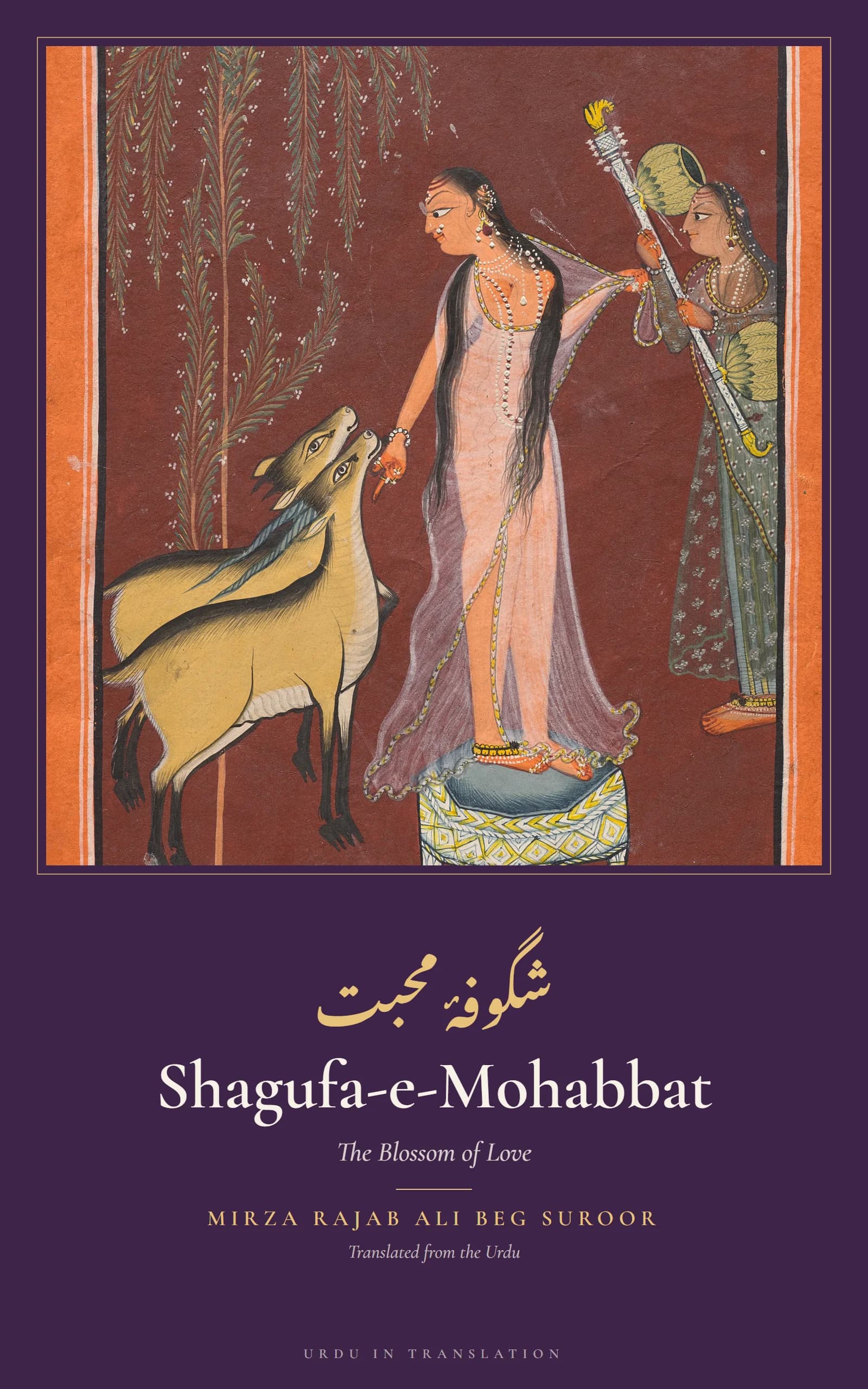
الداستان
الفصلان الأولان مجانًاShagufa-e-Mohabbat (The Blossom of Love)
شگوفۂ محبت
Mirza Rajab Ali Beg Suroor
Rajab Ali Beg Suroor's prose dastan, written in Lucknow in the reign of Wajid Ali Shah and printed in 1856 after the end of the kingdom of Oudh: King Azar Shah's quest for an heir, the madness of Queen Saman Rukh, and the tale told to cure her, of Prince Jahan Ara of Khurasan and the fairy princess Mehr Jamal, his trials as a pigeon and a deer, his wedding in Fairyland and his single combat with the prince of Firoz Koh. Complete Urdu text from Wikisource with a facing English translation, introduction and glossary. Cite as: Mirza Rajab Ali Beg Suroor, Shagufa-e-Mohabbat, tr. urduintranslation.com (2026), https://www.urduintranslation.com/works/shagufa-e-mohabbat. The first two chapters are free to read.
11 فصلًاEnglishلغات أخرى قريبًا
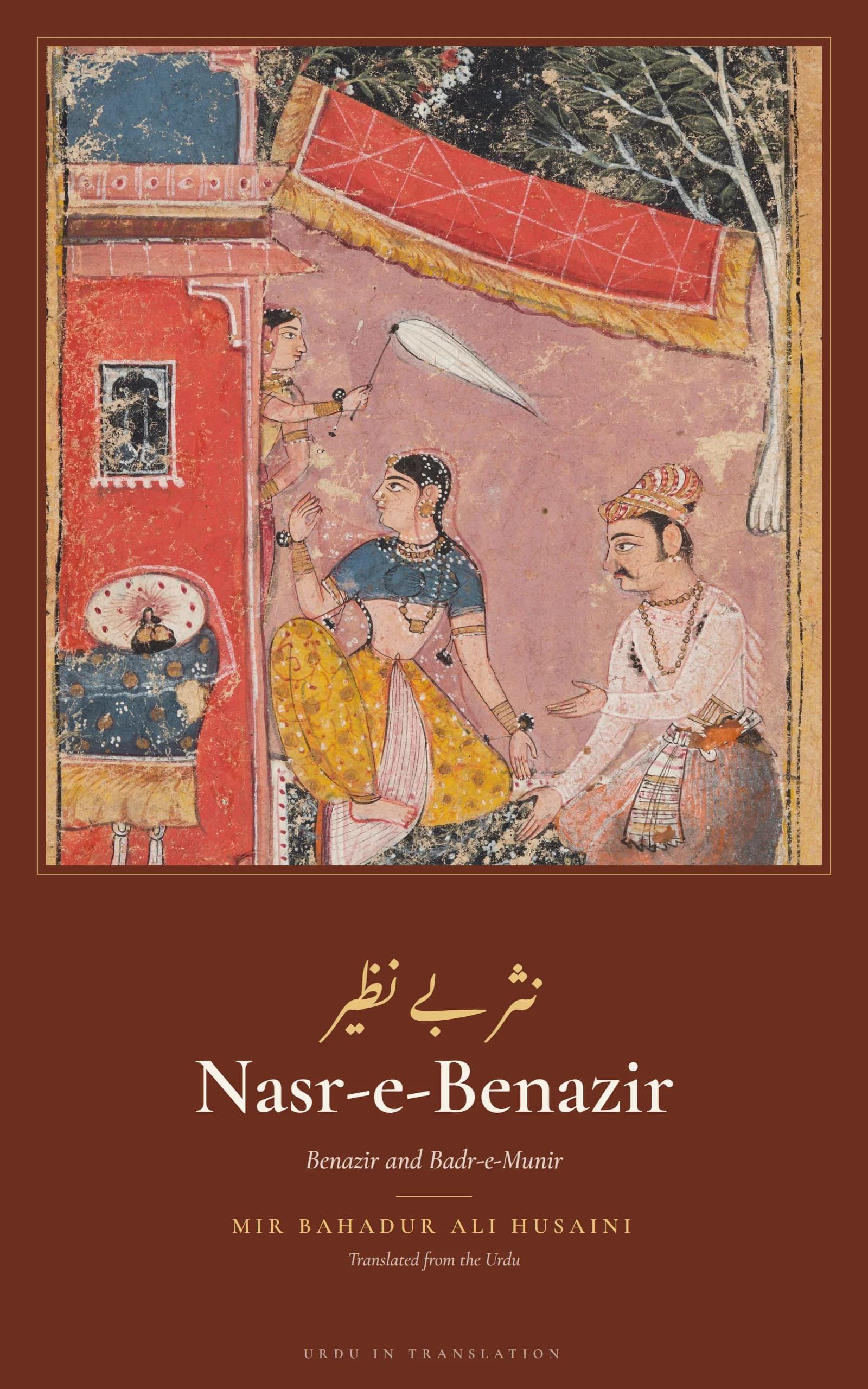
الداستان
الفصلان الأولان مجانًاNasr-e-Benazir (Benazir in Prose)
نثر بے نظیر
Mir Bahadur Ali Husaini
Mir Bahadur Ali Husaini's prose retelling, written at the College of Fort William in 1802 and printed in 1803, of Mir Hasan's famous masnavi Sihr-ul-Bayan: the fairy tale of Prince Benazir, carried off by the fairy Mah Rukh, his love for Princess Badr-e-Munir, his imprisonment in a well, and his rescue through Najm-un-Nisa, who goes out as a wandering jogan, and the jinn prince Firoz Shah. Complete Urdu text from Wikisource with a facing English translation, introduction and glossary. Cite as: Mir Bahadur Ali Husaini, Nasr-e-Benazir, tr. urduintranslation.com (2026), https://www.urduintranslation.com/works/nasr-e-benazir. The first two chapters are free to read.
14 فصلًاEnglishلغات أخرى قريبًا
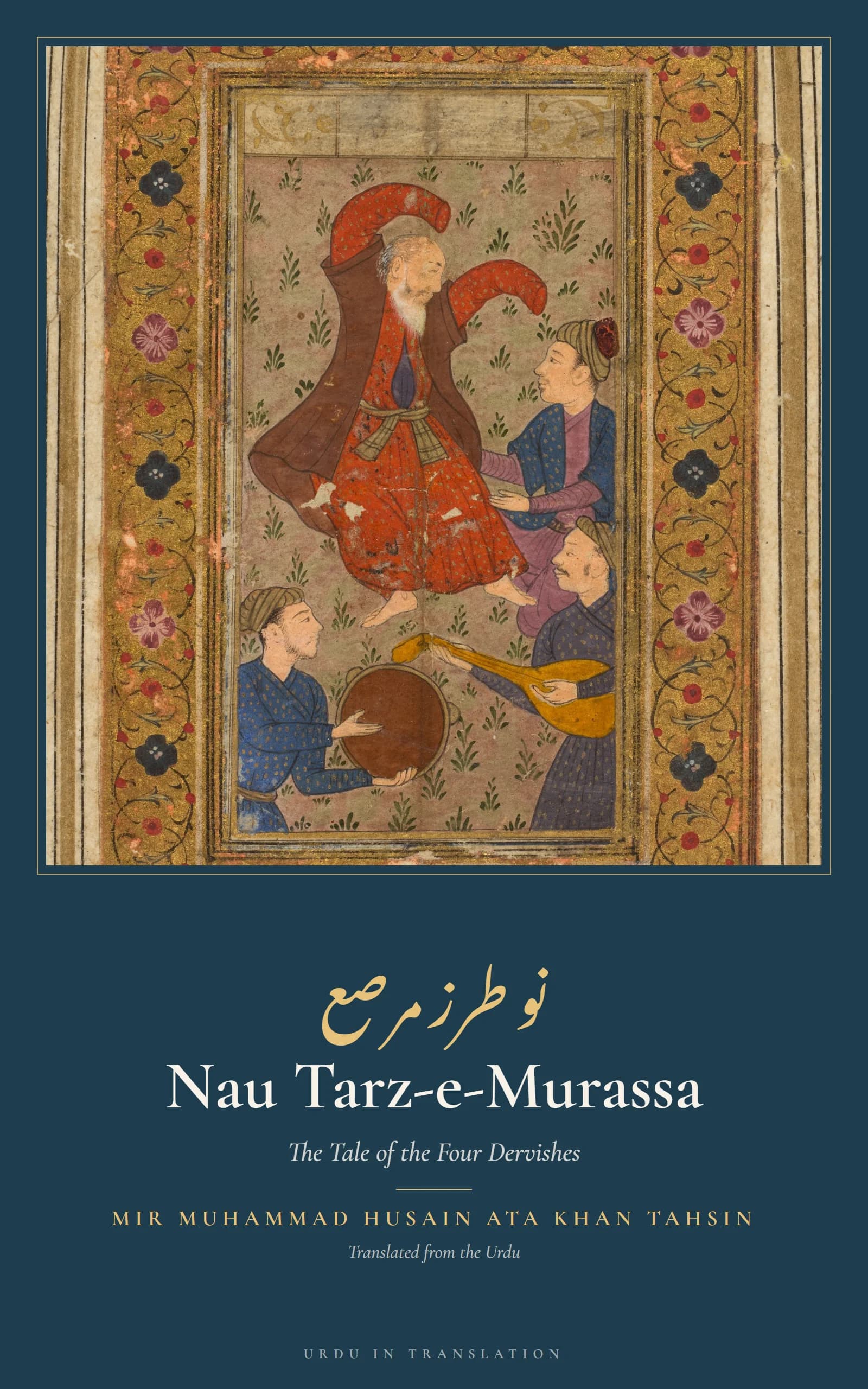
الداستان
الفصلان الأولان مجانًاNau Tarz-e-Murassa (The Tale of the Four Dervishes)
نو طرز مرصع
Mir Muhammad Husain Ata Khan Tahsin
Tahsin's eighteenth-century Urdu telling of the Tale of the Four Dervishes, in the ornate 'jewelled style': a childless king of Rum meets four dervishes in a graveyard, and each tells the adventure of love and loss that brought him there. One of the earliest works of literary Urdu prose in northern India, and the book Mir Amman retold as Bagh-o-Bahar. Complete Urdu text from Wikisource with a facing English translation, introduction and glossary. Cite as: Mir Muhammad Husain Ata Khan Tahsin, Nau Tarz-e-Murassa, tr. urduintranslation.com (2026), https://www.urduintranslation.com/works/nau-tarz-e-murassa. The first two chapters are free to read.
10 فصولEnglishلغات أخرى قريبًا
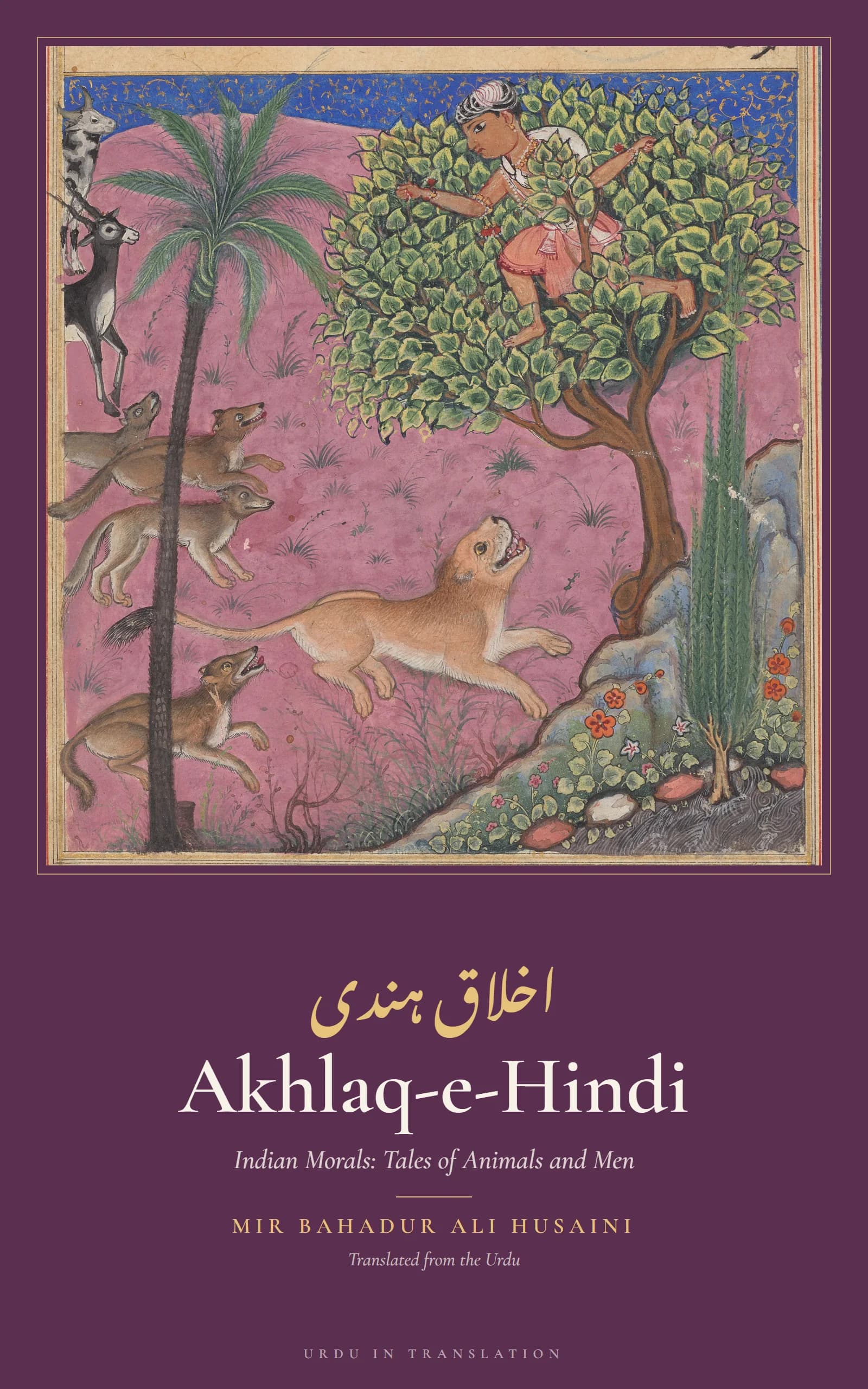
الداستان
الفصلان الأولان مجانًاAkhlaq-e-Hindi (Indian Morals)
اخلاق ہندی
Mir Bahadur Ali Husaini
A donkey in a tiger's skin who cannot resist singing, a crow who betrays the king who trusted him, a tortoise who opens his mouth at the wrong moment, and a loyal Rajput who gives everything for his master: these are some of the tales a wise Brahmin tells to teach the idle sons of a raja how the world works. Written in 1802 at Fort William College, Calcutta, for John Gilchrist, Mir Bahadur Ali Husaini's Akhlaq-e-Hindi puts the ancient Hitopadesha, by way of the Persian Mufarrih-ul-Qulub, into lively everyday Urdu, in four chapters on winning friends, breaking friendships, war and peace. Complete Urdu text from Wikisource with a facing English translation, introduction and glossary. Cite as: Mir Bahadur Ali Husaini, Akhlaq-e-Hindi, tr. urduintranslation.com (2026), https://www.urduintranslation.com/works/akhlaq-e-hindi. The first two chapters are free to read.
11 فصلًاEnglishلغات أخرى قريبًا
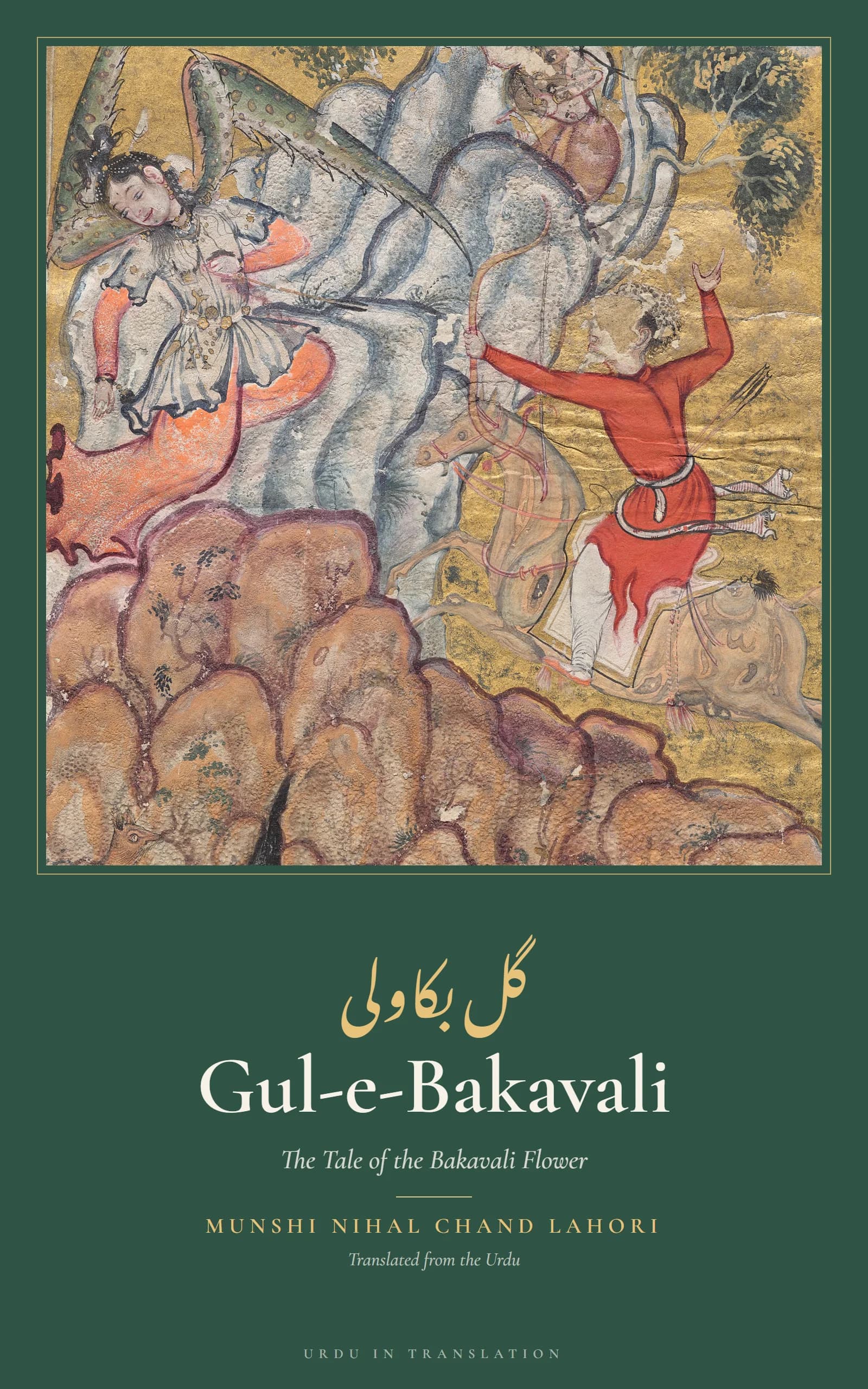
الداستان
الفصلان الأولان مجانًاGul-e-Bakavali (Mazhab-e-Ishq: The Tale of the Bakavali Flower)
مذہب عشق یعنی قصۂ گل بکاؤلی
Munshi Nihal Chand Lahori
Blinded at the sight of his newborn son, King Zain-ul-Muluk can be cured only by the magic bakavali flower from a fairy garden. His banished youngest son, Taj-ul-Muluk, wins it with the help of a she-dev, steals it from the sleeping fairy Bakavali, loses it to his brothers, and then loses and finds Bakavali herself through prison, enchantment, the court of Raja Indar, a curse that turns her half to stone, and her rebirth in a peasant's house. Written at Fort William College, Calcutta, in 1803 from a Persian original, Nihal Chand's Mazhab-e-Ishq is one of the founding works of Urdu prose and the source of Gulzar-e-Naseem. Complete Urdu text from Wikisource with a facing English translation, introduction and glossary. Cite as: Munshi Nihal Chand Lahori, Gul-e-Bakavali (Mazhab-e-Ishq), tr. urduintranslation.com (2026), https://www.urduintranslation.com/works/gul-e-bakavali. The first two chapters are free to read.
29 فصلًاEnglishلغات أخرى قريبًا
الداستان
الفصلان الأولان مجانًاZahaar
زہار
Iram Farooq (Arzo)
An Urdu supernatural fantasy narrative titled Zahaar, presented with a foreword by Iram Farooq. It follows Laiyara, a young woman in a village haunted by an unseen guardian named Zahaar, whose protective bond with her is tested by ancient shadows, rival spirit factions, and the revelation of her inheritance as a bearer of light. The story moves through confrontations with dark forces, a journey to mystical realms, and a conflict over destiny, identity, and sacrifice between Laiyara and Zahaar.
34 فصلًاEnglishلغات أخرى قريبًا
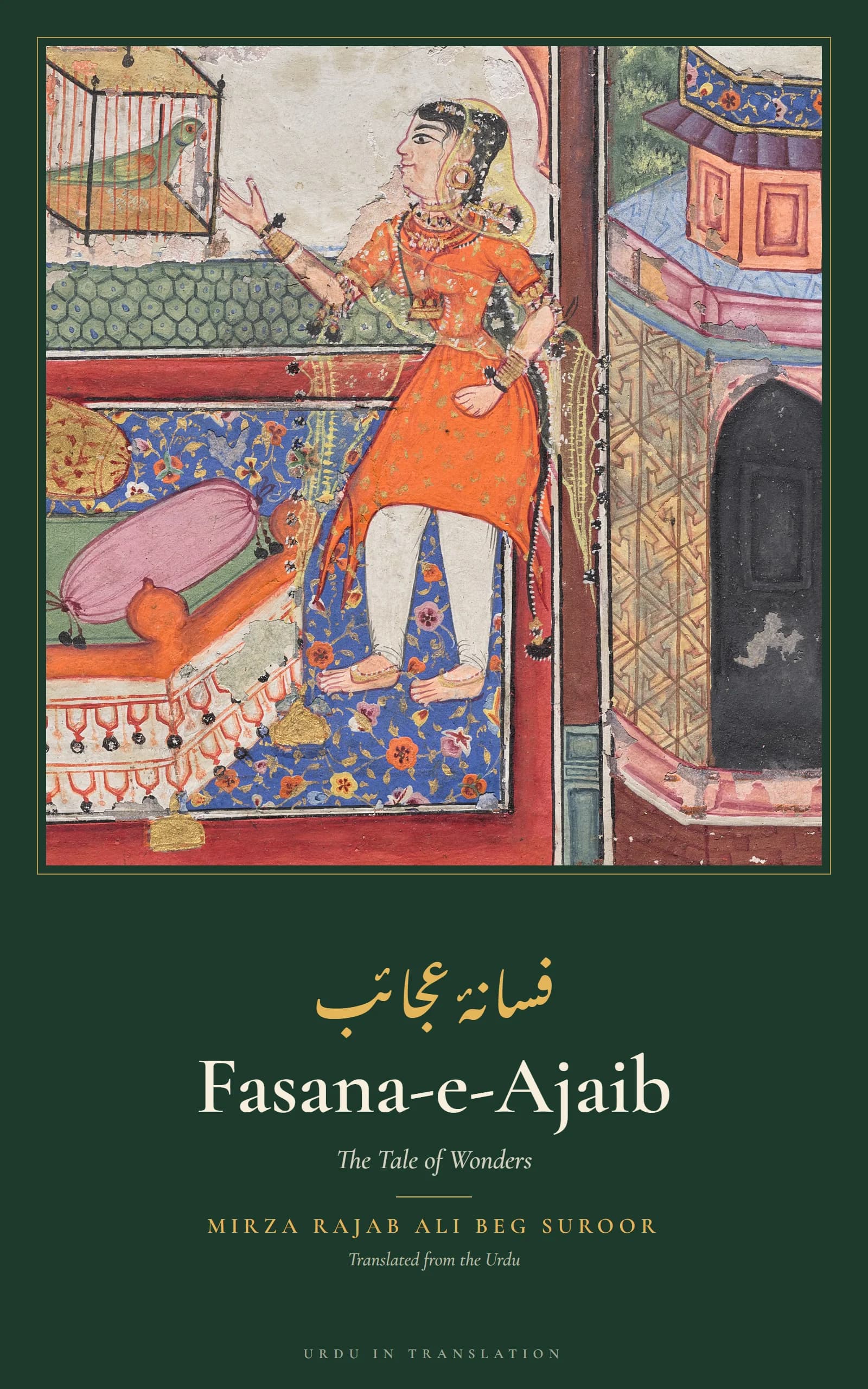
الداستان
الفصلان الأولان مجانًاFasana-e-Ajaib (The Tale of Wonders)
فسانۂ عجائب
Mirza Rajab Ali Beg Suroor
The great dastan of Lucknow, written by Mirza Rajab Ali Beg Suroor (1785–1867) in 1824, in exile at Cawnpore, and revised by him for the Benares edition of his old age: Lucknow's answer to Mir Amman's Bagh-o-Bahar, in rhymed, ornate prose studded with verse. Prince Jan-e-Alam of Khotan buys a talking parrot that tells him of Princess Anjuman Ara of the golden land of Zarnigar, and he sets out, unseen love in his heart, through enchanted deserts: a witch's garden, the fairy princess Mehr Nigar and her saintly father, a fortress of fire, a vizier's son who steals his body and leaves him a monkey, a shipwreck, a yogi on a mountain, demons, a white giant, and a frozen desert where a parrot's tale saves a marriage. Around the story Suroor sets a famous portrait of Lucknow in the days of its kings: its bakers and perfumers, poets and musicians, kite-fliers and courtesans. The complete text, nothing left out, with a facing English translation paragraph by paragraph; the first two chapters are free to read.
23 فصلًاEnglishلغات أخرى قريبًا
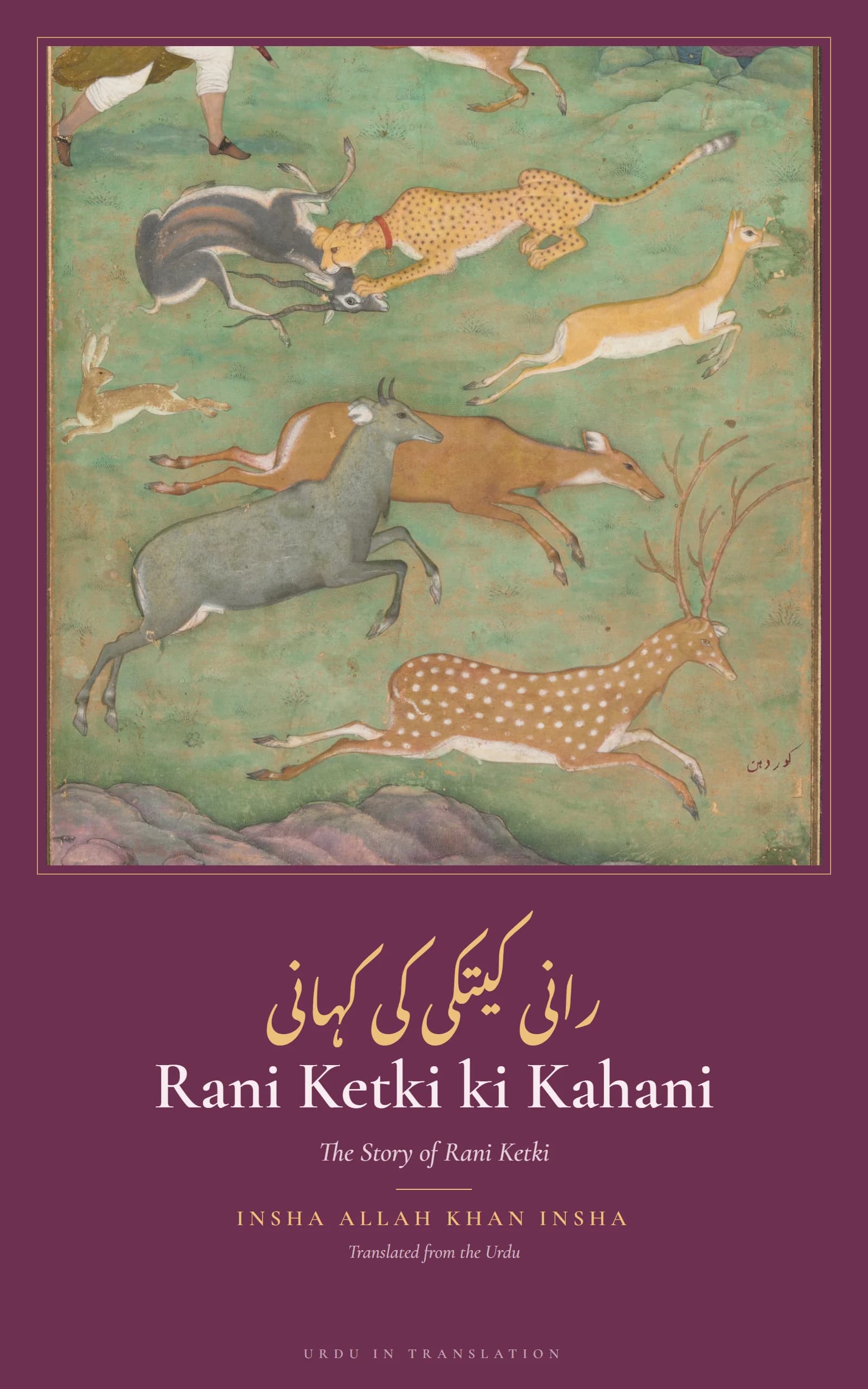
الداستان · c. 1803
الفصلان الأولان مجانًاRani Ketki ki Kahani (The Story of Rani Ketki)
رانی کیتکی کی کہانی
Insha Allah Khan Insha
Around 1803 the Lucknow wit Insha Allah Khan Insha (1756–1817) set himself a famous challenge: to tell a whole story in the plain speech of Hindustan without one Persian or Arabic word. The result is this short, playful romance, claimed by both Urdu and Hindi literary history and set in classical prose courses on both sides of the border. Prince Ude Bhan falls in love with Princess Ketki in a mango grove; her father refuses the match; a yogi turns the prince and his parents into deer; Ketki puts on the yogi's magic ash, becomes invisible and goes looking for him in the forests; and the god Indra restores them for one of the most extravagant weddings in the language. Complete Urdu text from the Anjuman Taraqqi-e-Urdu edition (Aurangabad, 1933, ed. Maulvi Abdul Haq; editor's matter omitted), with a facing English translation, introduction, note on the text and glossary. Cite as: Insha, Rani Ketki ki Kahani, tr. urduintranslation.com (2026). The first chapter is free to read.
8 فصولEnglishلغات أخرى قريبًا
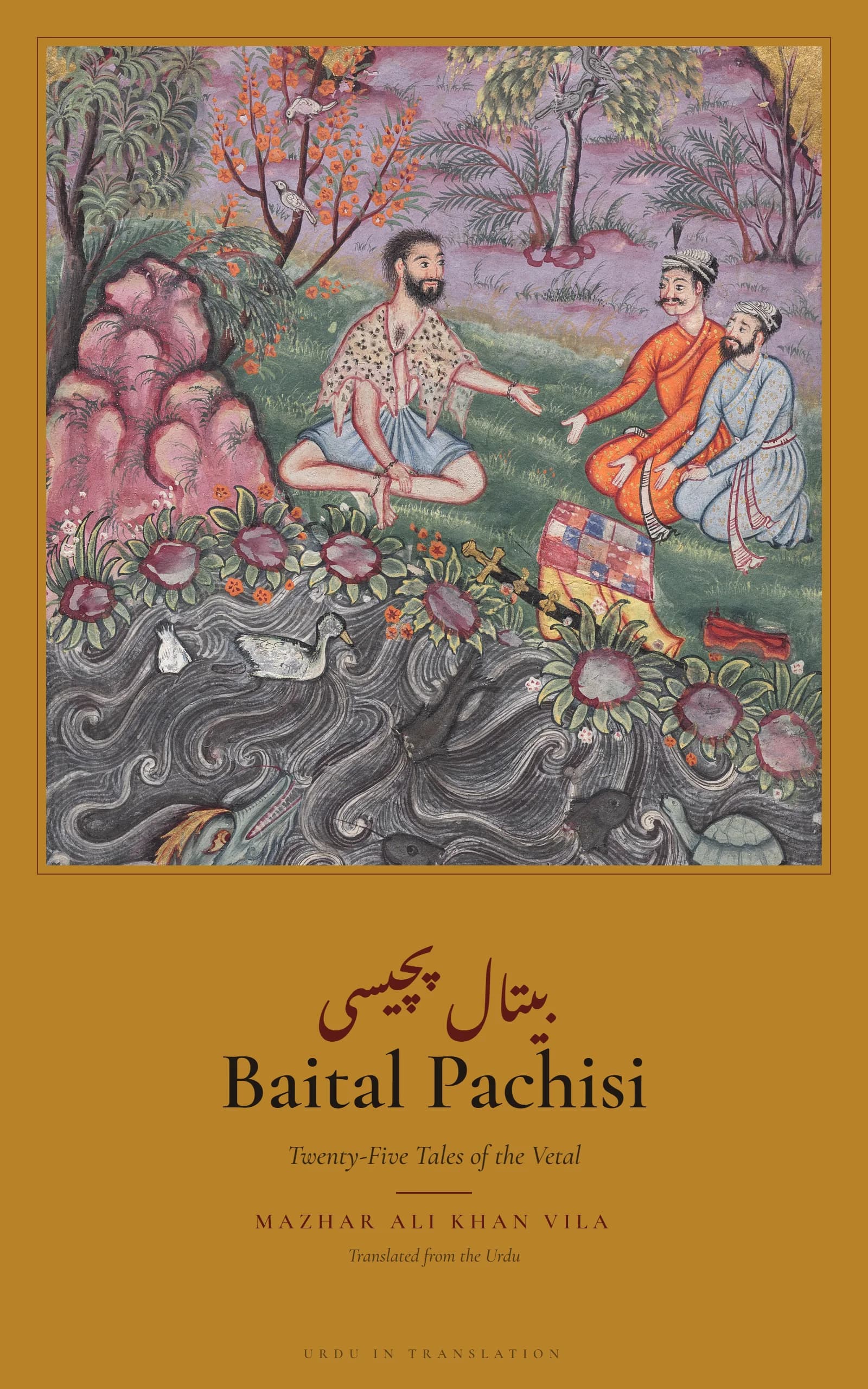
الداستان · 1805
الفصلان الأولان مجانًابيتال پچیسی: خمس وعشرون حكاية للبيتال
بیتال پچیسی
مظهر علي خان ولا
حكايات الفيتال الخمس والعشرون، رواها بالأردية مظهر علي خان ولا سنة 1803 في كلية فورت وليم بكلكتا. على الملك فكرماديتيا أن يحمل إلى يوغي ماكر جثة معلقة في شجرة، لكن الروح الساكنة فيها، البيتال، تحكي له في كل رحلة حكاية تختمها بلغز؛ فإن عرف الملك الجواب وسكت انفجر رأسه، وإن تكلم طارت الجثة عائدة إلى شجرتها. من كلاسيكيات النثر الأردي المبكر. نص أردي مع الترجمة؛ الفصلان الأولان متاحان مجانًا.
26 فصلًاEnglishEspañolFrançaisالعربية中文Русский