Mirza Hadi Ruswa: Life and Works of the Author of Umrao Jan Ada
مرزا محمد ہادی رسوا
Updated
Mirza Muhammad Hadi Ruswa (مرزا محمد ہادی رسوا, 1857–1931) is remembered for one book, Umrao Jan Ada, the most celebrated of all Urdu novels. But he was also a poet, a teacher and a man of wide scientific and philosophical learning.
Life
Ruswa was born in Lucknow and grew up in the city's cultivated society, the world his novel portrays. He studied Arabic and Persian in the traditional way and taught himself mathematics, chemistry, philosophy and English. He took the pen-name Ruswa, "disgraced" or "notorious", a typically ironic choice for a poet.
He taught for many years at Christian College in Lucknow. Late in life he moved to Hyderabad in the Deccan, where he worked on translating Western philosophy into Urdu, and he died there in 1931.
Works
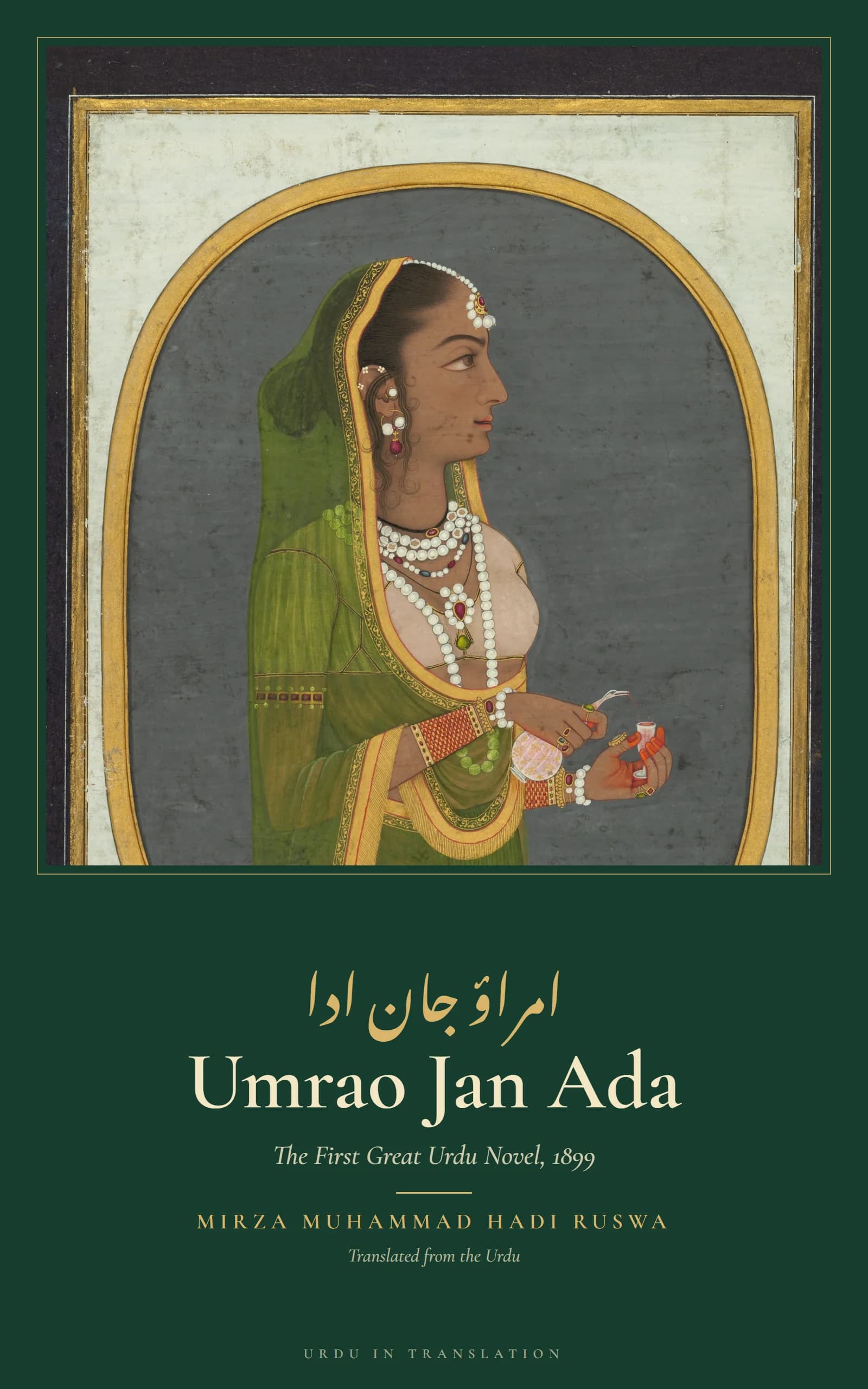
Umrao Jan Ada (1899): the life of a Lucknow courtesan told in her own voice, with Ruswa himself as listener. Read it here.
He also wrote the novels Zat-e-Sharif, Sharif Zada and Akhtari Begum, besides poetry and translations. None has matched the fame of Umrao Jan Ada.
Why he matters
Ruswa brought to the Urdu novel what it had lacked: a narrator with a mind of her own, a closely observed real city, and moral judgement left to the reader. He is the bridge between the didactic novels of Nazir Ahmad and the realism of Premchand. See the full list of classic Urdu novels in English.
Read it here
Questions and answers
Who wrote Umrao Jan Ada?
Mirza Muhammad Hadi Ruswa, a poet, novelist and scholar of Lucknow. The novel was published in 1899.
What does Ruswa mean?
Ruswa (رسوا) means disgraced or notorious. It was his takhallus, or pen-name, as a poet.
More guides
- Umrao Jan Ada: Summary, Characters and Themes · Ruswa's 1899 novel of a Lucknow courtesan, the most celebrated novel in Urdu.
- Classic Urdu Novels to Read in English Translation · From the first Urdu novel to Premchand: the classics, in order, with where to read them.