Khwaja Hasan Nizami: The Sufi Writer of Delhi
خواجہ حسن نظامی
Updated
Khwaja Hasan Nizami (خواجہ حسن نظامی, 1878–1955) was a Sufi of the shrine of Hazrat Nizamuddin Auliya in Delhi and one of the most prolific and popular Urdu prose writers of the twentieth century. He is best known for his stories of the Mughal family after 1857.
Life
Hasan Nizami was born in 1878 into a family attached to the Nizamuddin shrine and spent most of his life there. He travelled widely, in India and the Middle East, ran his own publishing house and newspapers, and wrote hundreds of books and booklets: on Sufism, on history, on daily life, and short sketches on every imaginable subject. His readers gave him the title Musawwir-e-Fitrat, "the painter of nature". He died in Delhi in 1955.
Writing about 1857
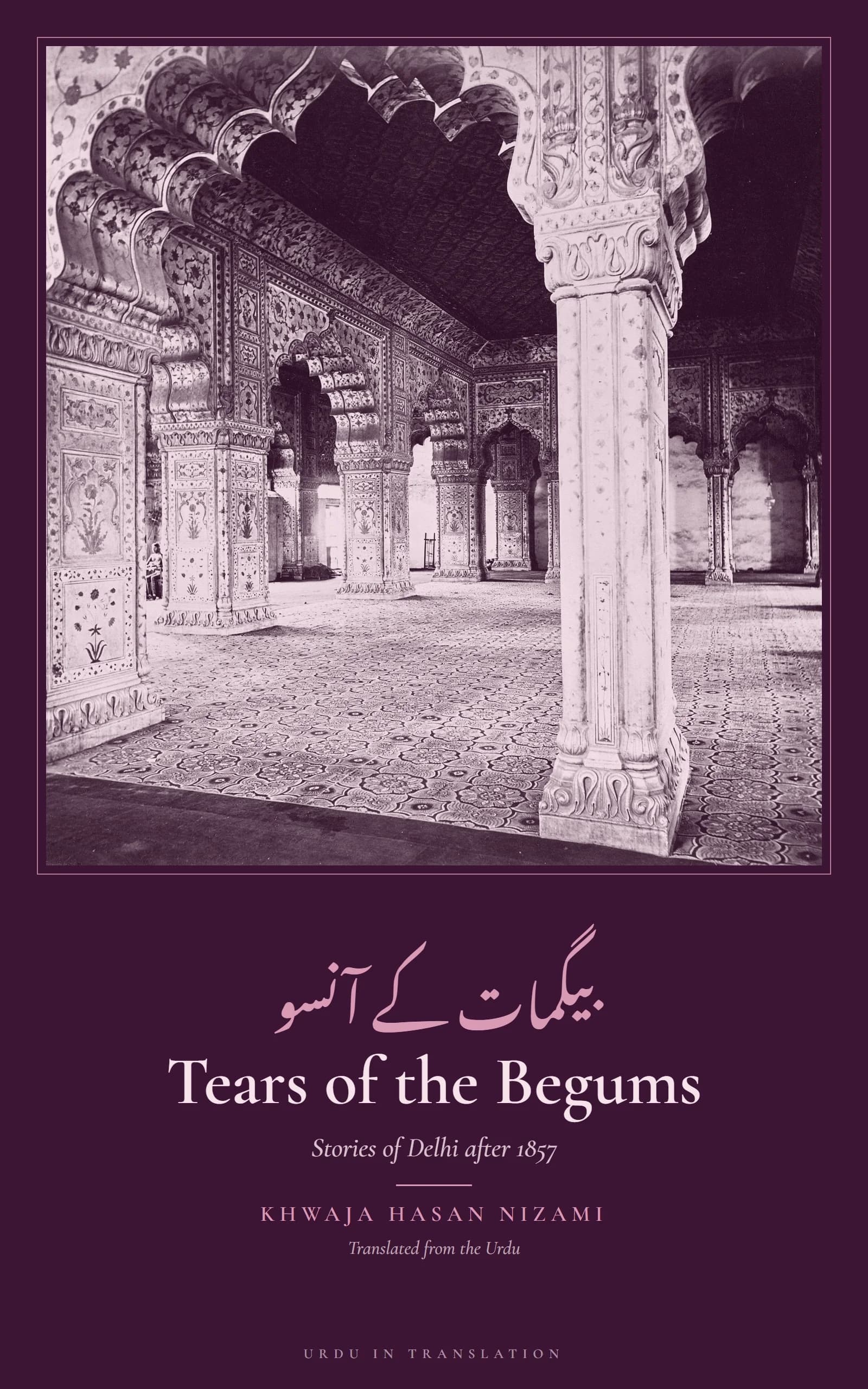
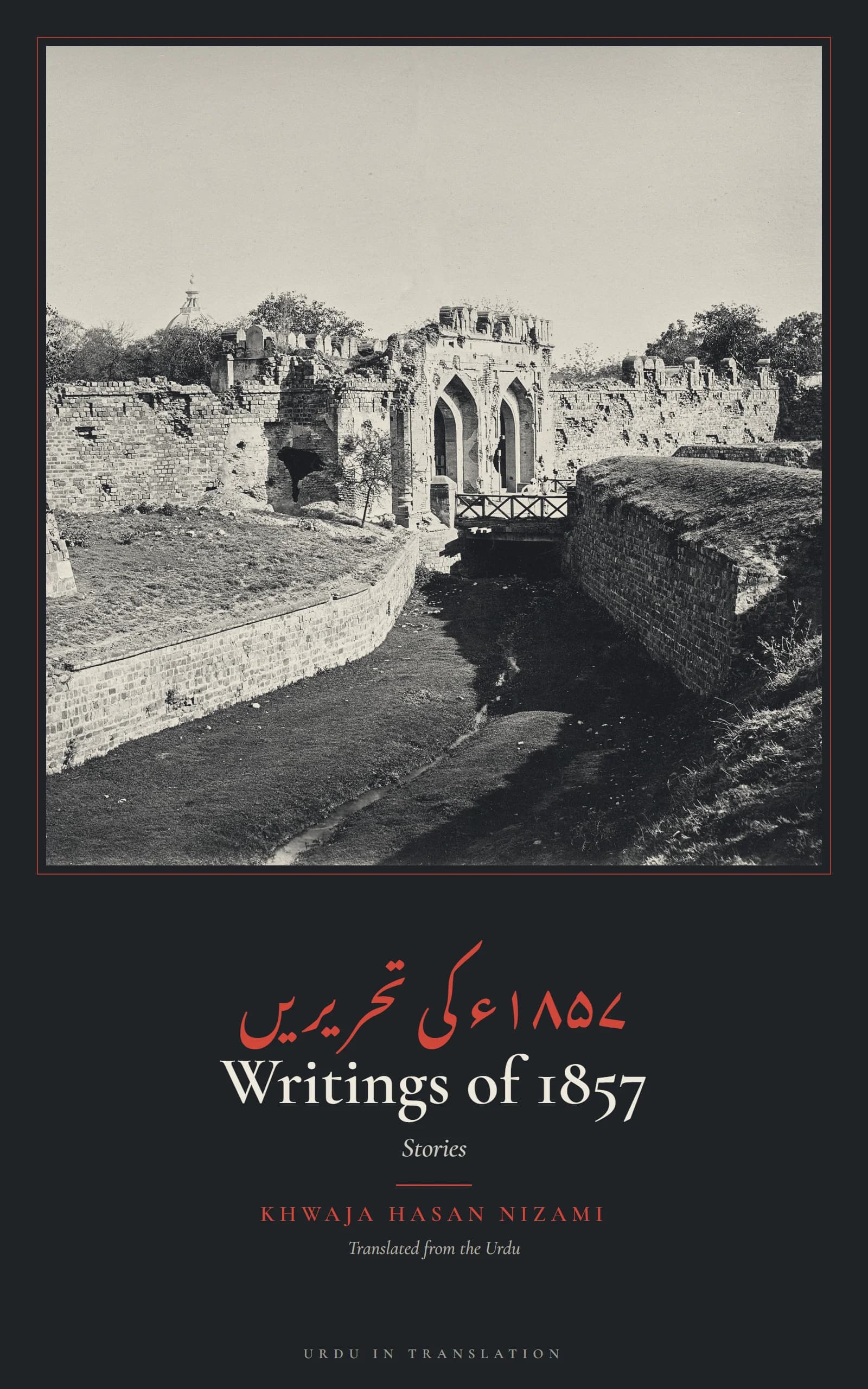
Living in Delhi among the descendants of the Mughal house, Hasan Nizami collected their memories of 1857 and its aftermath and turned them into short, intensely felt prose pieces. The best known are gathered in Tears of the Begums (Begamat ke Aansoo); eleven more are collected here as Writings of 1857.
Style
His Urdu is short-sentenced, musical and personal, the voice of a storyteller speaking to listeners rather than an essayist arguing with readers. It has made him one of the easiest classic Urdu prose writers for learners to enjoy. Try reading him on this site with the audio and facing translation.
Read it here
短篇小说(阿夫萨纳) · 1922
前两章免费贵妇们的眼泪
بیگمات کے آنسو
赫瓦贾·哈桑·尼扎米
1857年兵变的故事。霍加·哈桑·尼扎米寻访莫卧儿王朝最后的王子与公主们——他们被逐出红堡,抛进烈火中的德里——让他们亲口讲述自己的遭遇:一位当了旅馆管家的王子,在集市上乞讨的公主们,巴哈杜尔·沙的一个女儿。此书在作者生前一再重印,是乌尔都语散文中最温柔动人的篇章。此处全文译出,并附作者1930年的后记;序言与第一个故事可免费阅读。
19 章EnglishEspañolFrançaisالعربية中文Русский
短篇小说(阿夫萨纳)
前两章免费1857年纪事
۱۸۵۷ء کی تحریریں
赫瓦贾·哈桑·尼扎米
《贵妇们的眼泪》的姊妹篇:霍加·哈桑·尼扎米另外十一篇关于莫卧儿德里陷落的文字,从未收入那部名著。托钵僧皇帝巴哈杜尔·沙在离开红堡的那一夜交出圣物;一封以他的口吻写给威尔士亲王的祝福信;一位耳聋的王子推着板车运砖,站上治安法官的公堂;一位以割草为生的皮尔;一位在报馆扫地的王子;两位身陷囹圄的王子;绿衣女子的战斗。全文译出;前两篇可免费阅读。
11 章EnglishEspañolFrançaisالعربية中文Русский
Questions and answers
What is Khwaja Hasan Nizami famous for?
His prose writings, especially Begamat ke Aansoo (Tears of the Begums), stories of the Mughal family after 1857.
When did Khwaja Hasan Nizami live?
From 1878 to 1955, in Delhi.
More guides
- Tears of the Begums (Begamat ke Aansoo): Stories of 1857 · What became of the last Mughal princes and princesses after Delhi fell in 1857.
- Writings of 1857 by Khwaja Hasan Nizami: A Guide · Eleven more pieces on the fall of Mughal Delhi, never gathered into Tears of the Begums.