Altaf Hussain Hali: Poet, Critic and Reformer
الطاف حسین حالی
Updated
Maulana Altaf Hussain Hali (الطاف حسین حالی, 1837–1914) was a poet, biographer and the founder of modern Urdu literary criticism. A pupil of Ghalib and a close ally of Sir Syed Ahmad Khan, he turned Urdu poetry towards social purpose.
Life
Hali was born in Panipat in 1837. As a young man he ran away to Delhi to study, and there he came to know Ghalib, whose pupil and friend he became. After 1857 he worked for years as tutor and companion to the poet-nobleman Nawab Mustafa Khan Shefta, then in Lahore at the Punjab Government Book Depot, revising Urdu translations of English books, an experience that changed his ideas of what poetry could do. He later taught in Delhi and, with a stipend from the Nizam of Hyderabad, devoted himself to writing. He died in Panipat in 1914.
Major works
Musaddas-e-Madd-o-Jazr-e-Islam (1879), known simply as the Musaddas: a long poem on the rise and decline of Muslim civilisation, written at Sir Syed's urging, and one of the most influential poems in Urdu.
Muqaddama-e-Sher-o-Shairi (1893): the introduction to his collected poems, and the first systematic work of Urdu literary criticism.
Yadgar-e-Ghalib (1897): a memoir of Ghalib. Hayat-e-Javed (1901): the biography of Sir Syed.
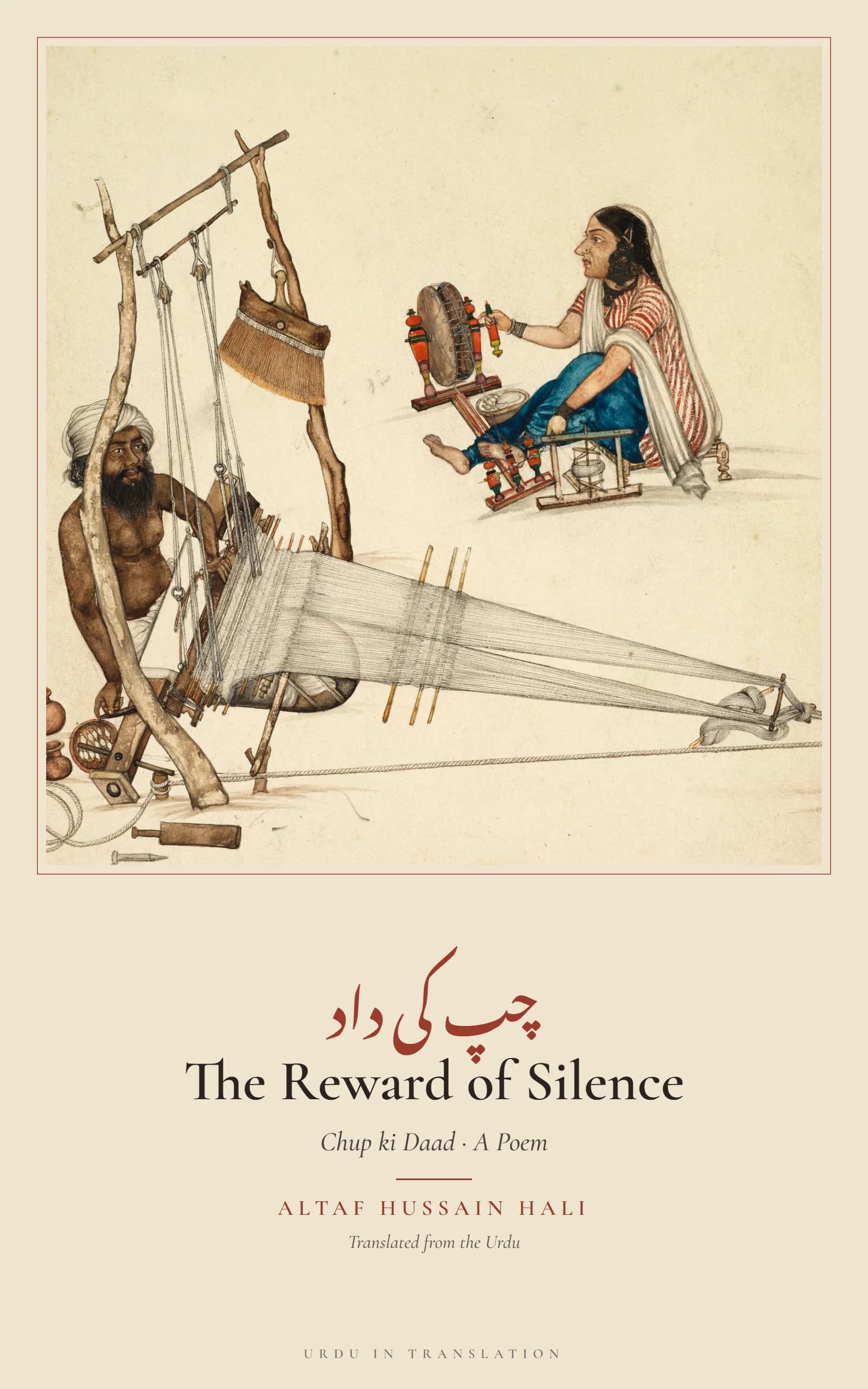
Majalis-un-Nissa (1874), Munajat-e-Bewa (1884) and Chup ki Daad (1905): his writings for women. See our guide to Chup ki Daad or read it here.
Why he matters
Hali argued that poetry should be natural, sincere and useful rather than ornamental, and he practised what he preached. Along with Sir Syed and Nazir Ahmad, he shaped the modern Urdu literature that grew out of the defeat of 1857.
Read it here
Questions and answers
What is Hali's Musaddas?
Musaddas-e-Madd-o-Jazr-e-Islam (1879), a long poem in six-line stanzas on the rise and decline of Islam, written at Sir Syed's request.
Was Hali Ghalib's student?
Yes. Hali was Ghalib's pupil and friend, and wrote Yadgar-e-Ghalib, a memoir of him.
More guides
- Chup ki Daad by Hali: The Poem on Women, Explained · Hali's 1905 poem honouring women's silent endurance and their right to learning.
- Sir Syed Ahmad Khan: Life, Works and the Aligarh Movement · The reformer who founded Aligarh and gave Urdu its modern prose.