Chup ki Daad by Hali: The Poem on Women, Explained
چپ کی داد
Updated
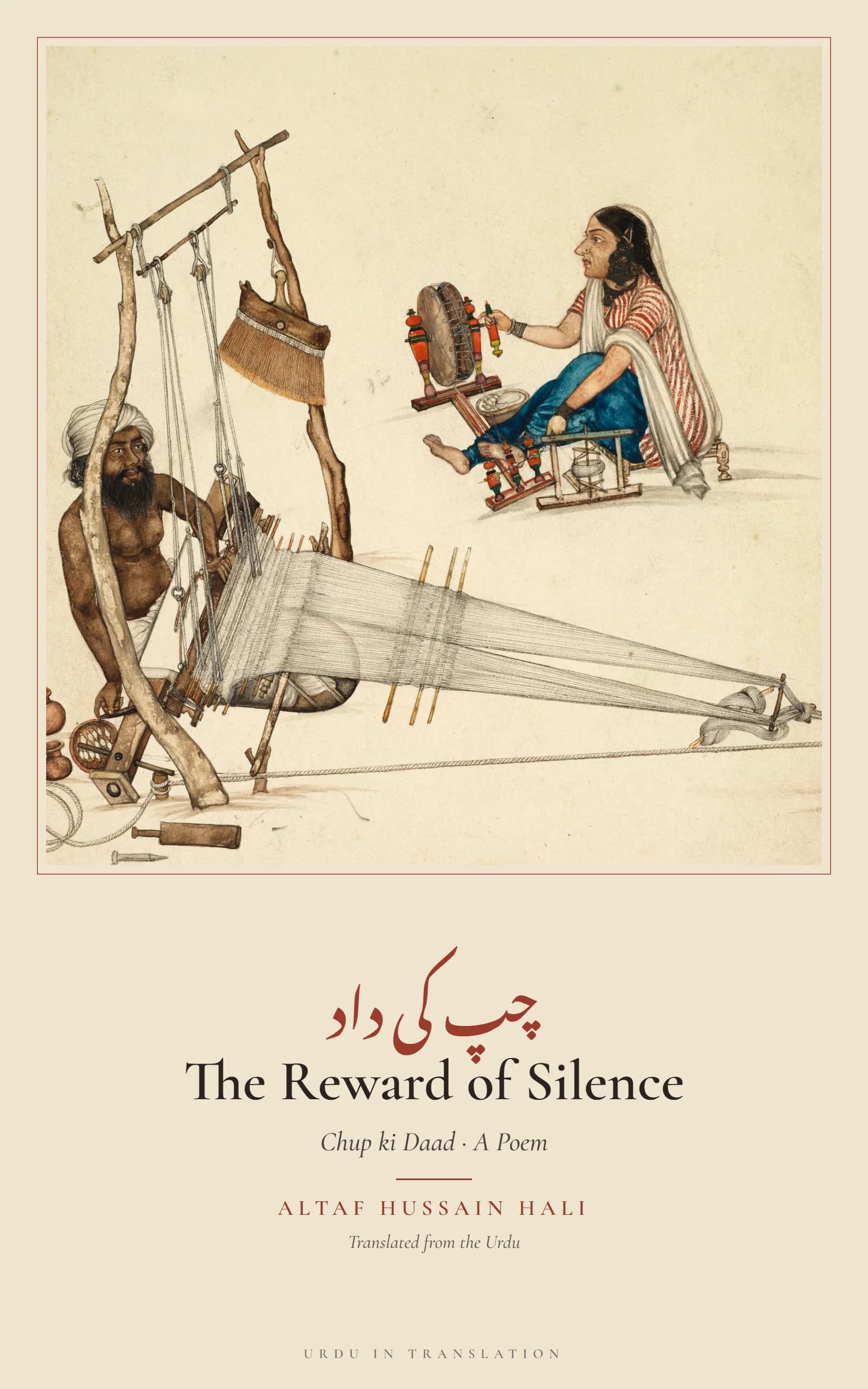
Chup ki Daad (چپ کی داد, The Reward of Silence) is a poem of 1905 by Altaf Hussain Hali, addressed directly to the women of India. In eight stanzas it praises what women give the world, recounts what they have suffered in silence, and greets the coming of their right to education. It remains the most moving plea for women's education in Urdu poetry.
You can read Chup ki Daad in Urdu with a facing English translation; the note on the poet and the first stanza are free.
What the title means
Daad is the praise a poet receives from listeners at a gathering, the "wah, wah!" that rewards a fine verse. Chup is silence. Hali's title means praise for silence: the recognition owed to women for everything they have borne without complaint, and which the world has never applauded.
The poem, stanza by stanza
The opening stanzas speak to women as mothers, sisters, daughters and wives, the source of comfort and of every man's upbringing. The middle stanzas turn to their suffering: the unequal treatment of daughters, the burdens of the husband's house, the lot of widows, the long ages in which injustice was accepted as custom. In the closing stanzas the tone changes to hope, as Hali sees the dawn of an age in which women too will have their share of knowledge.
The language is plain and direct, with the measured music of Hali's reformist verse rather than the ornament of the classical ghazal.
Context
Hali had argued for women's education for thirty years before this poem, in his prose book Majalis-un-Nissa (1874) and in Munajat-e-Bewa, the lament of a widow. Chup ki Daad is the summing up of that lifelong cause. Learn more in our guide to Altaf Hussain Hali, and see the essay The Rights of Women by his friend Sir Syed.
Read it here
Questions and answers
Who wrote Chup ki Daad?
Maulana Altaf Hussain Hali (1837–1914), the poet and critic best known for the Musaddas.
What is Chup ki Daad about?
It honours the silent endurance of women, describes the injustice they have suffered, and calls for their education.
When was Chup ki Daad written?
In 1905.
More guides
- Altaf Hussain Hali: Poet, Critic and Reformer · Ghalib's pupil, Sir Syed's ally, and the founder of modern Urdu criticism.
- Sir Syed's Essays from Tahzib-ul-Akhlaq: A Guide · The essays that launched the Aligarh movement and gave Urdu its modern prose.