Roman
ناول
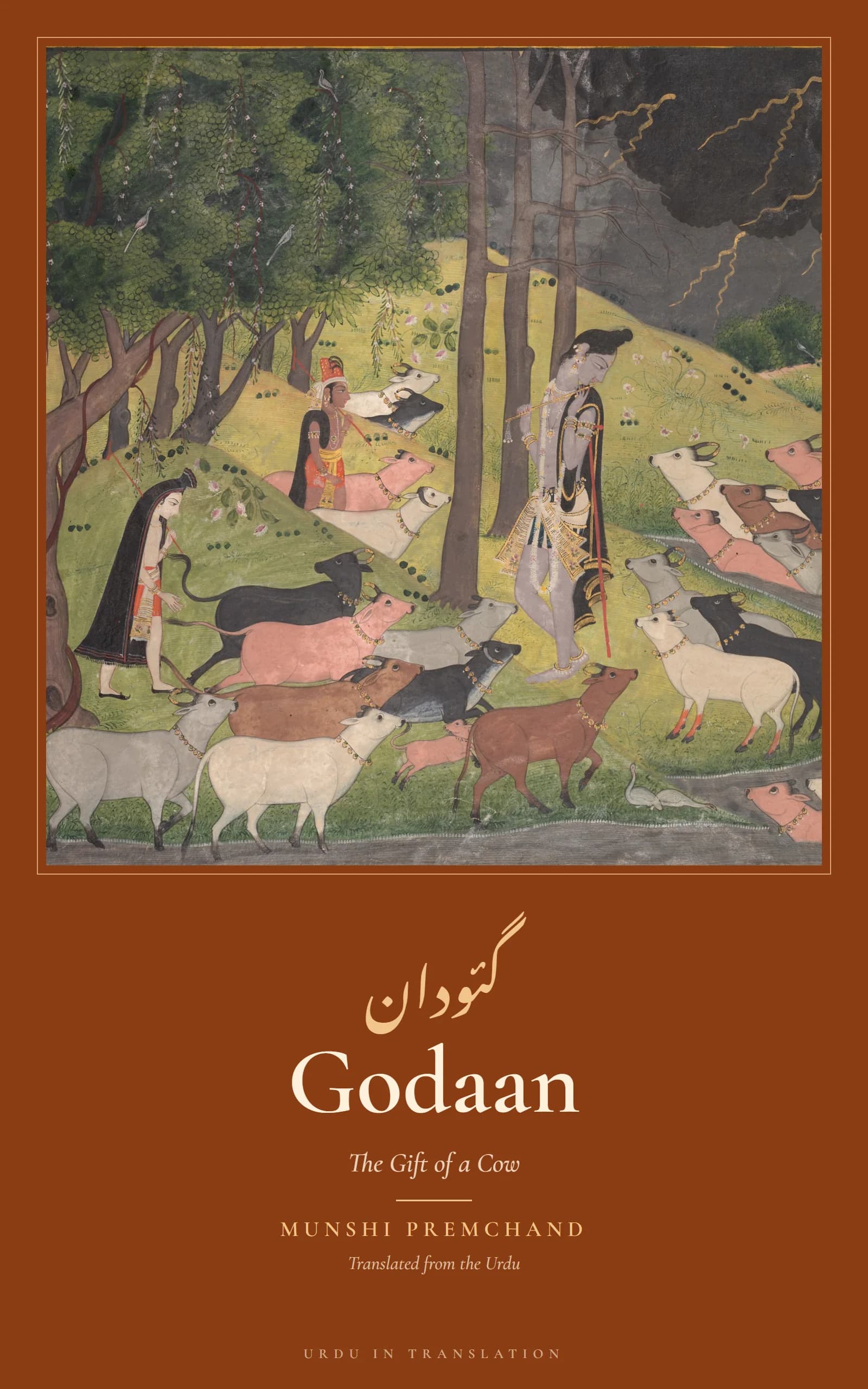
Roman · 1936
Deux premiers chapitres gratuitsGodaan (Le Don d'une vache)
گئودان
Munshi Premchand
Le dernier roman achevé de Premchand (1936), et le plus grand roman de la vie villageoise indienne. Hori, paysan possédant cinq bighas de terre, une épouse fidèle à la langue acérée nommée Dhaniya et une montagne de dettes, ne désire qu'une chose : une vache attachée à sa porte. Autour de ce modeste espoir, Premchand bâtit toute une société : le zamindar Rai Sahib avec son théâtre et ses soucis, les prêteurs et les prêtres du village, et la ville de Lucknow avec ses industriels, ses médecins, ses journalistes et ses philosophes. Tendre, comique et impitoyable, c'est le classique du réalisme hindoustani. Texte ourdou avec traduction anglaise en regard ; les deux premiers chapitres sont en lecture libre.
36 chapitresEnglishEspañolFrançaisالعربية中文Русский
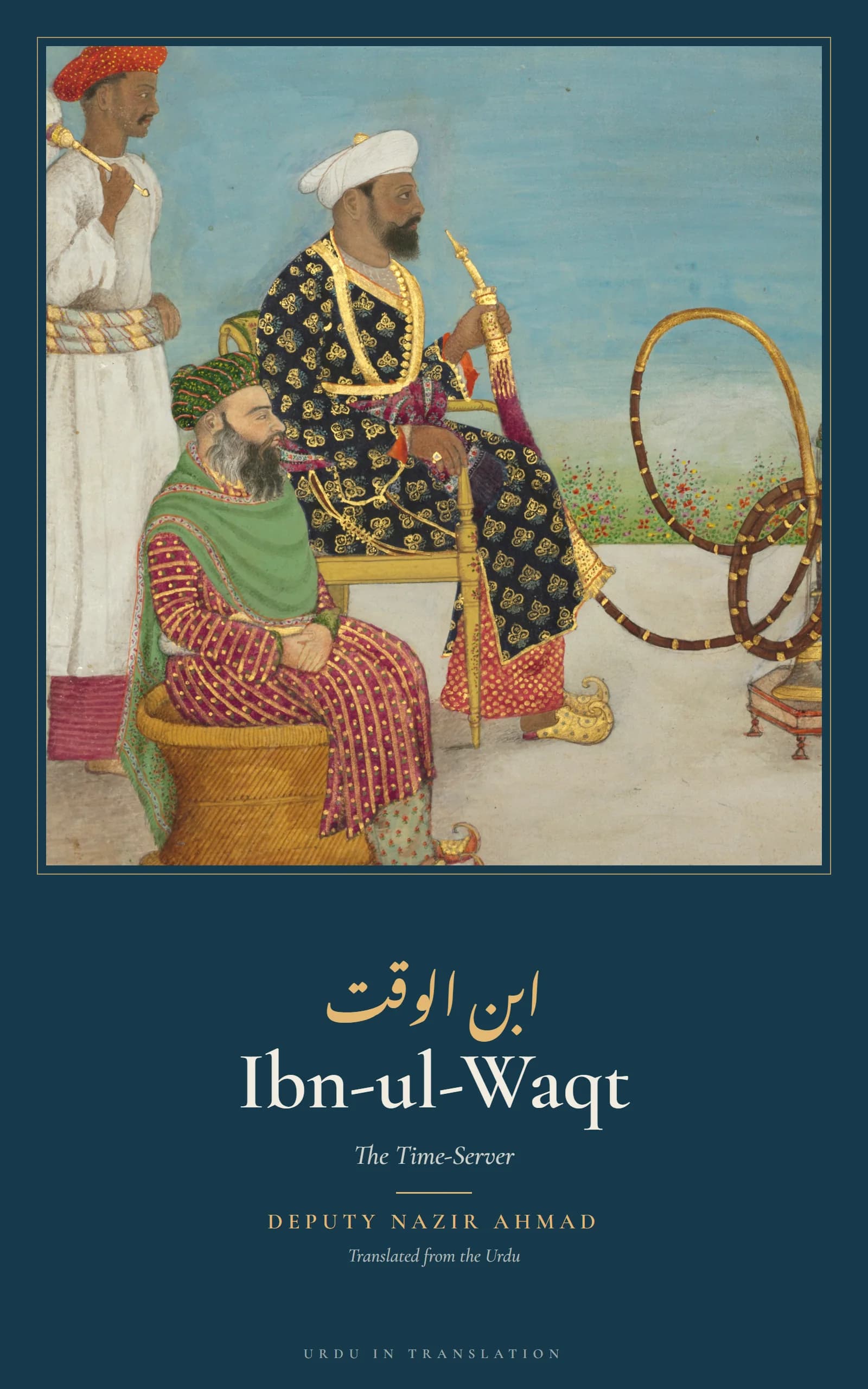
Roman · 1888
Deux premiers chapitres gratuitsIbn-ul-Waqt (L'Opportuniste)
ابن الوقت
Deputy Nazir Ahmad
Le roman comique de Nazir Ahmad, paru en 1888. Pendant le soulèvement de 1857, Ibn-ul-Waqt, intendant d'une princesse moghole et lettré versé dans l'arabe et le persan, cache un Anglais blessé, Mr Noble. Quand Delhi tombe, sa récompense est une place dans la société anglaise, et il s'y jette tout entier : un bungalow, une table avec couteaux et fourchettes, un chapeau, un chien, et la conviction nouvelle que les gouvernants valent mieux que les gouvernés en toute chose. Son cousin Hujjat-ul-Islam est envoyé pour le ramener à la raison. Écrit à l'époque de Sir Syed, c'est la première grande satire ourdoue du mimétisme colonial, et elle reste très drôle. Texte ourdou avec traduction en regard ; les deux premiers chapitres sont en lecture libre.
28 chapitresEnglishEspañolFrançaisالعربية中文Русский
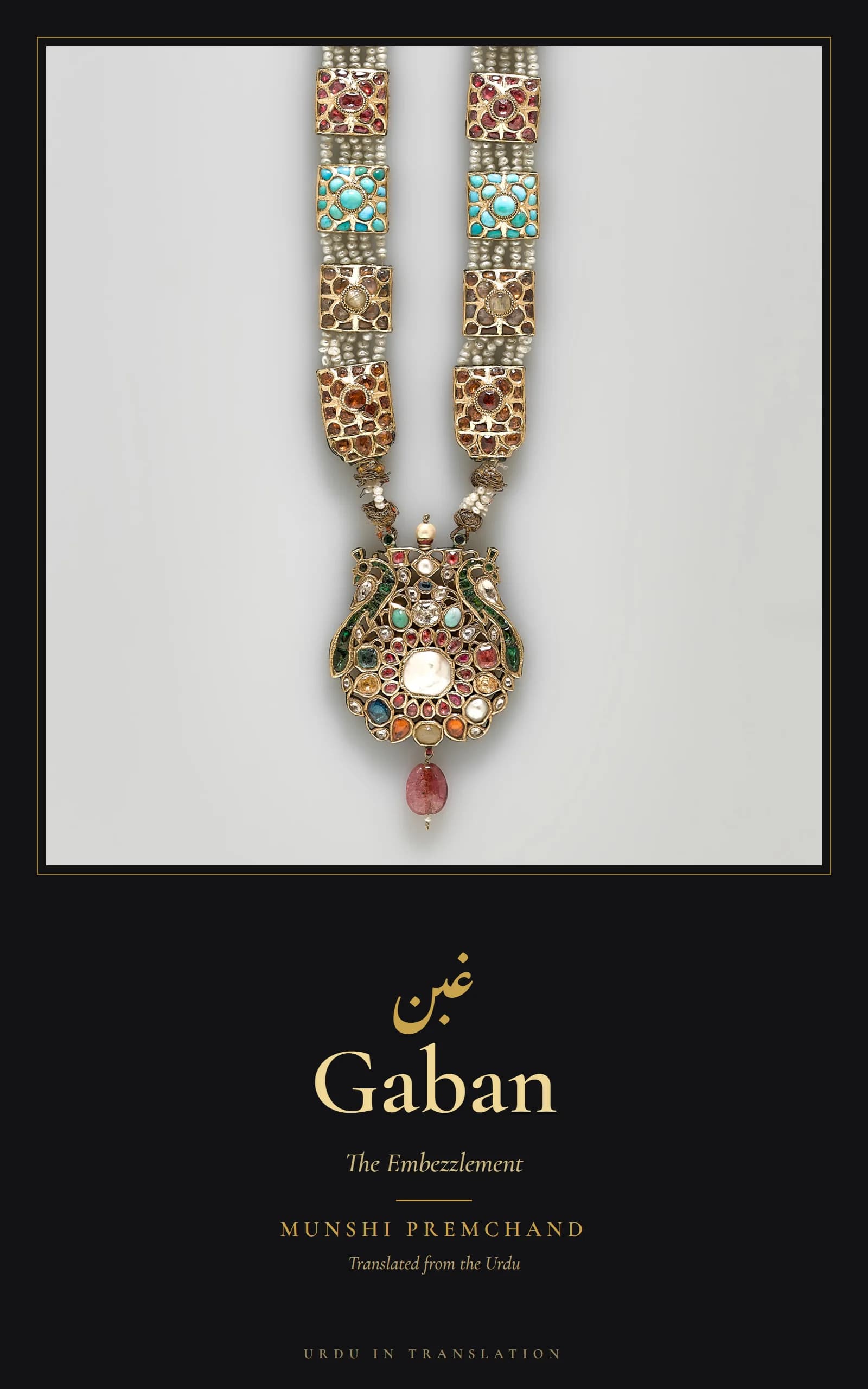
Roman · 1931
Deux premiers chapitres gratuitsGaban (Le Détournement)
غبن
Munshi Premchand
Roman de Premchand paru en 1931. Jalpa, une fille de village, grandit en ne désirant qu'une chose : un chandan-haar, le collier d'or qu'elle a vu dans la boîte d'un colporteur près de la balançoire. Son mari Ramanath, commis au bureau municipal d'Allahabad et faible devant le paraître, emprunte, ment et finit par puiser dans les deniers publics pour la couvrir de bijoux. S'ensuit une histoire de dettes, de fuite, d'indicateurs de police et de la lente découverte, par une femme, de sa propre force. L'un des grands romans sociaux de la littérature ourdoue et hindie. Texte ourdou avec traduction anglaise en regard ; les deux premiers chapitres sont en lecture libre.
52 chapitresEnglishEspañolFrançaisالعربية中文Русский
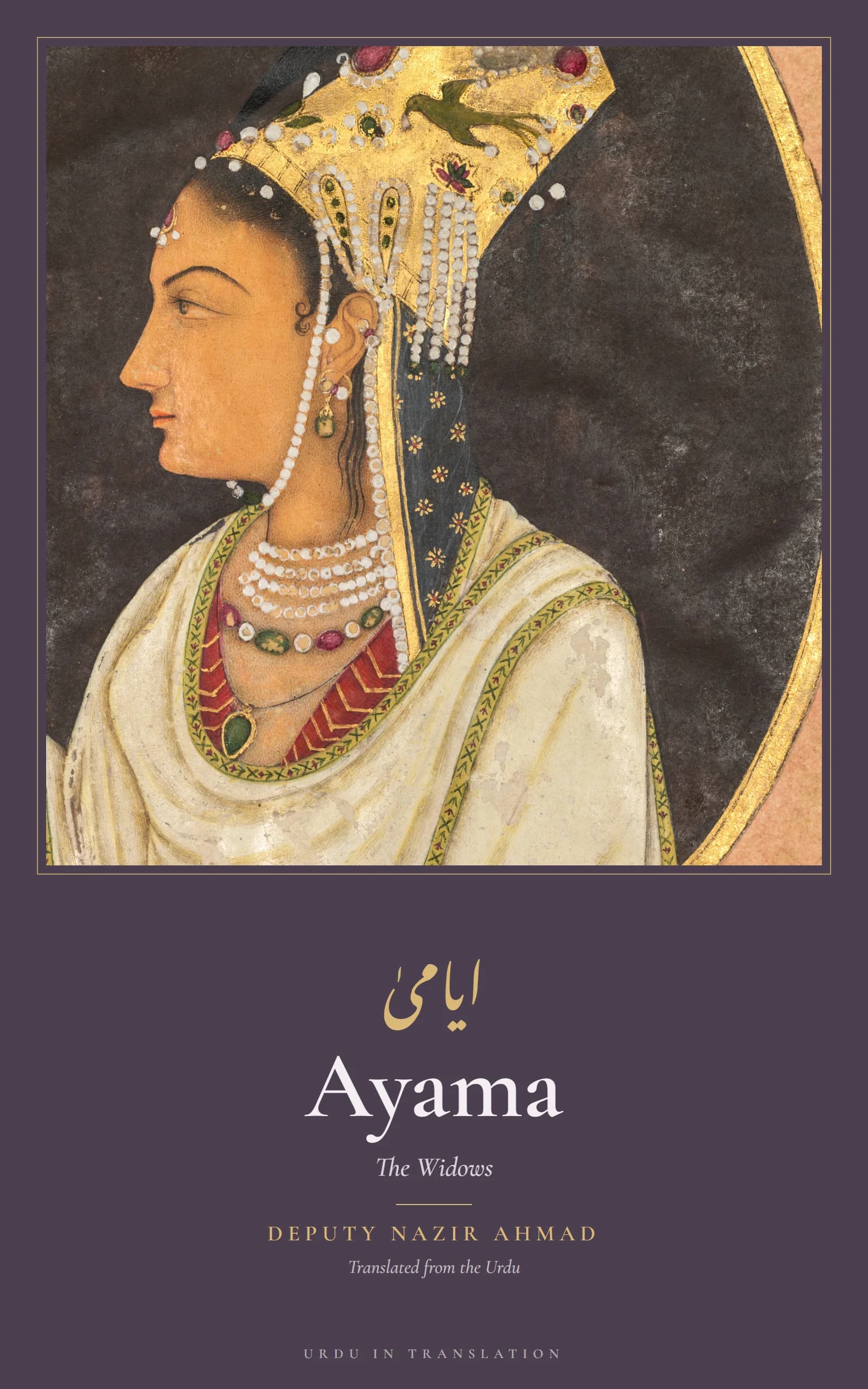
Roman
Deux premiers chapitres gratuitsAyama: The Widows
ایامیٰ
Deputy Nazir Ahmad · sur Novel
Deputy Nazir Ahmad's Ayama ("The Widows", 1891) is the classic Urdu novel on the remarriage of widows. Azadi Begam, a girl of a good Delhi family raised between a sceptical father and a devout mother, marries the young scholar Maulvi Mustajab, weans him from the narrow life of a mosque maulvi, and is left a young, childless widow when he dies in the service of Bhopal. Held back by custom from marrying again, she lives through mourning, sermons on patience, loneliness, thoughts of suicide and the schemes of go-betweens, and in her last illness examines her life in a long dialogue with herself. On her deathbed she calls the men of her family and neighbourhood together and, from behind the curtain, makes them her bequest: a speech on the sufferings of widows and on the Qur'anic command to see them married. A key text for the Urdu novel, Muslim social reform, women's lives and the widow-remarriage debate in nineteenth-century India. Complete Urdu text from the 1891 first edition, with the author's footnotes, a facing English translation, an introduction and a glossary. Cite as: Nazir Ahmad, Ayama, tr. urduintranslation.com (2026). The first chapter is free to read.
21 chapitresEnglishd’autres langues à venir
Roman
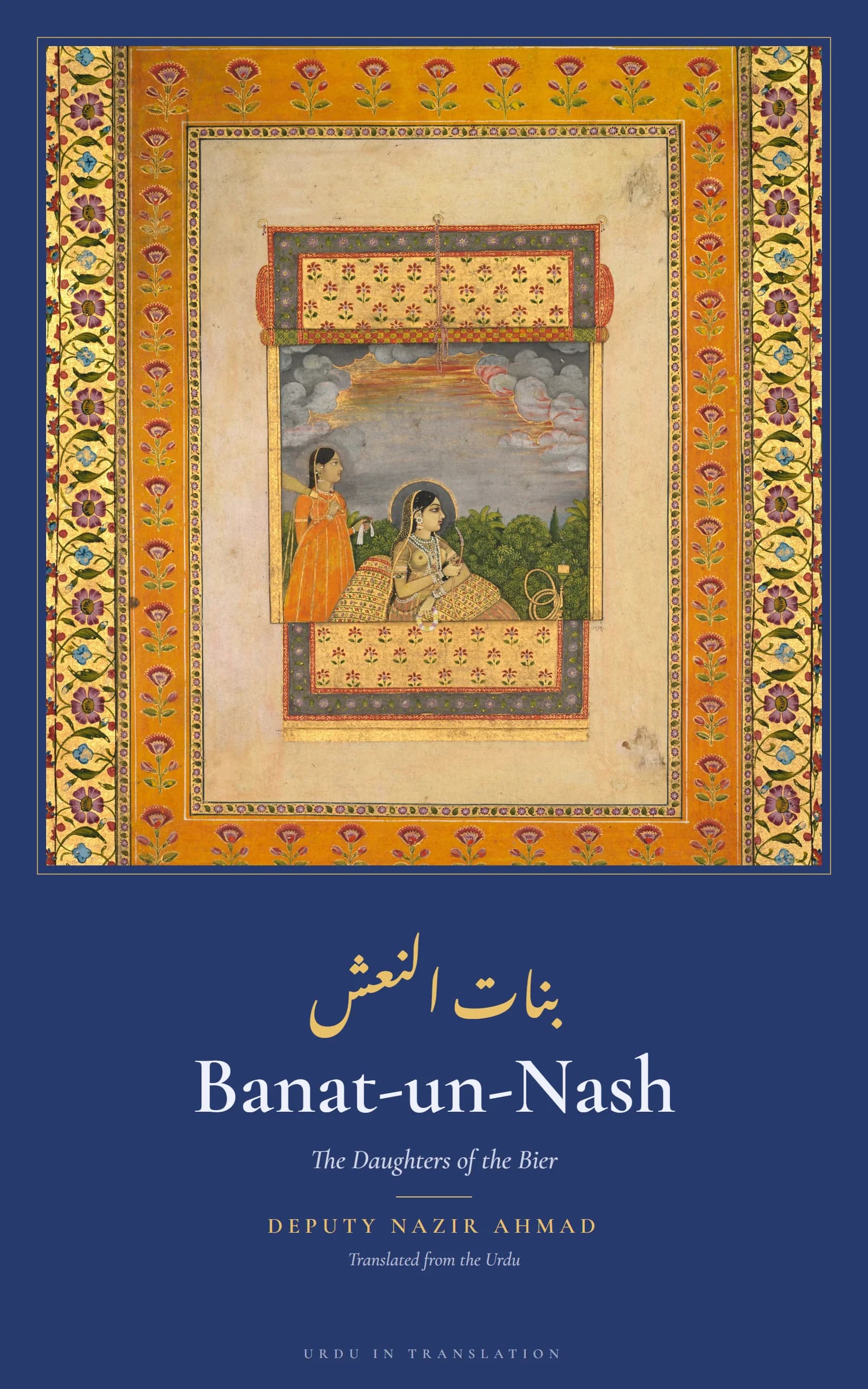
Deux premiers chapitres gratuitsBanat-un-Nash: The Daughters of the Bier
بنات النعش
Deputy Nazir Ahmad · sur Novel
Deputy Nazir Ahmad's Banat-un-Nash (c. 1872), the second part of his Mirat-ul-Uroos (1869), is one of the first Urdu books written to give girls a modern education. Asghari, the capable heroine of the earlier book, now keeps a school for girls in her Delhi home, and into it comes Husn Ara, the spoilt and bad-tempered daughter of a rich household. Through talk, example and patience rather than punishment, Asghari and her sister-in-law Mahmuda cure her of pride, laziness and superstition, while the girls learn arithmetic, gravity, the shape of the earth, the geography of Arabia, astronomy and the cause of eclipses, and hear the tale of the cruel nobleman Masih-ul-Mulk, a long story of women's superstitions, and the life of an English family. It ends with Husn Ara's moving farewell to the school before her marriage. A key text for the Urdu novel, women's education and reform in nineteenth-century India, and the daily life and speech of Delhi households after 1857. Complete Urdu text from a 1950 Delhi reprint, with the author's footnotes, a facing English translation, an introduction and a glossary. Cite as: Nazir Ahmad, Banat-un-Nash, tr. urduintranslation.com (2026). The first chapter is free to read.
22 chapitresEnglishd’autres langues à venir
Roman
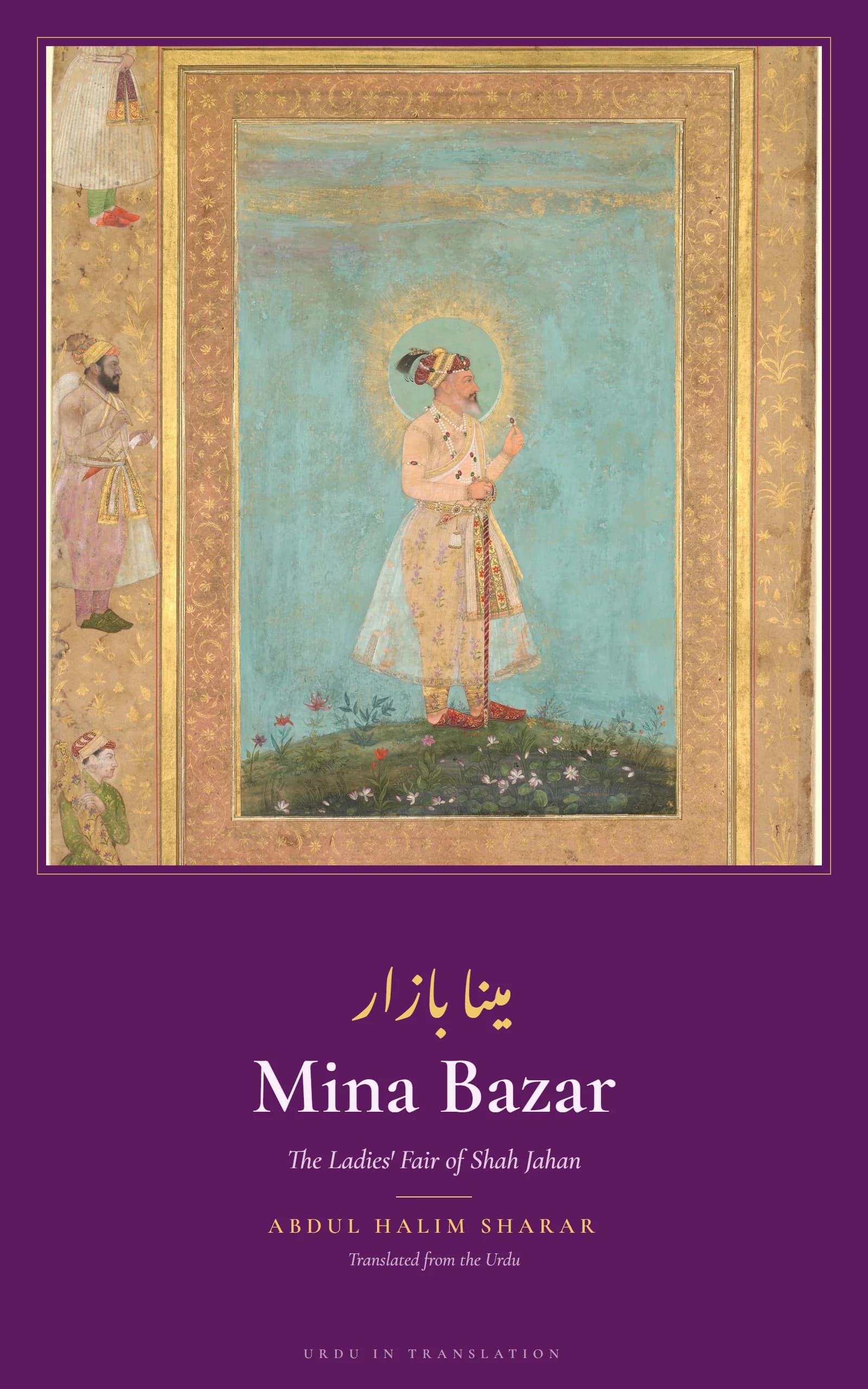
Deux premiers chapitres gratuitsMina Bazar (The Ladies' Fair of Shah Jahan)
مینا بازار
Abdul Halim Sharar
A historical romance by Abdul Halim Sharar (1860-1926) of Lucknow, set at the court of the Mughal emperor Shah Jahan. At the Empress Mumtaz Mahal's wish a fair is built inside the palace where the women of Delhi keep shops of their own, and the scholars argue over whether it breaks the rules of parda. On the opening day the Emperor is charmed by Gulrukh Begum, wife of his general Jamal Khan, who sells him a "diamond" made of sugar-candy. Her three days as the Empress's guest bring a jealous husband's divorce, a false friend's scheming and the Emperor's wrath, until a sentence of death under an elephant's foot hangs on the heroine's answer. Complete Urdu text from Wikisource with a facing English translation, introduction and glossary. Cite as: Abdul Halim Sharar, Mina Bazar, tr. urduintranslation.com (2026), https://www.urduintranslation.com/works/mina-bazar. The first two chapters are free to read.
16 chapitresEnglishd’autres langues à venir
Roman
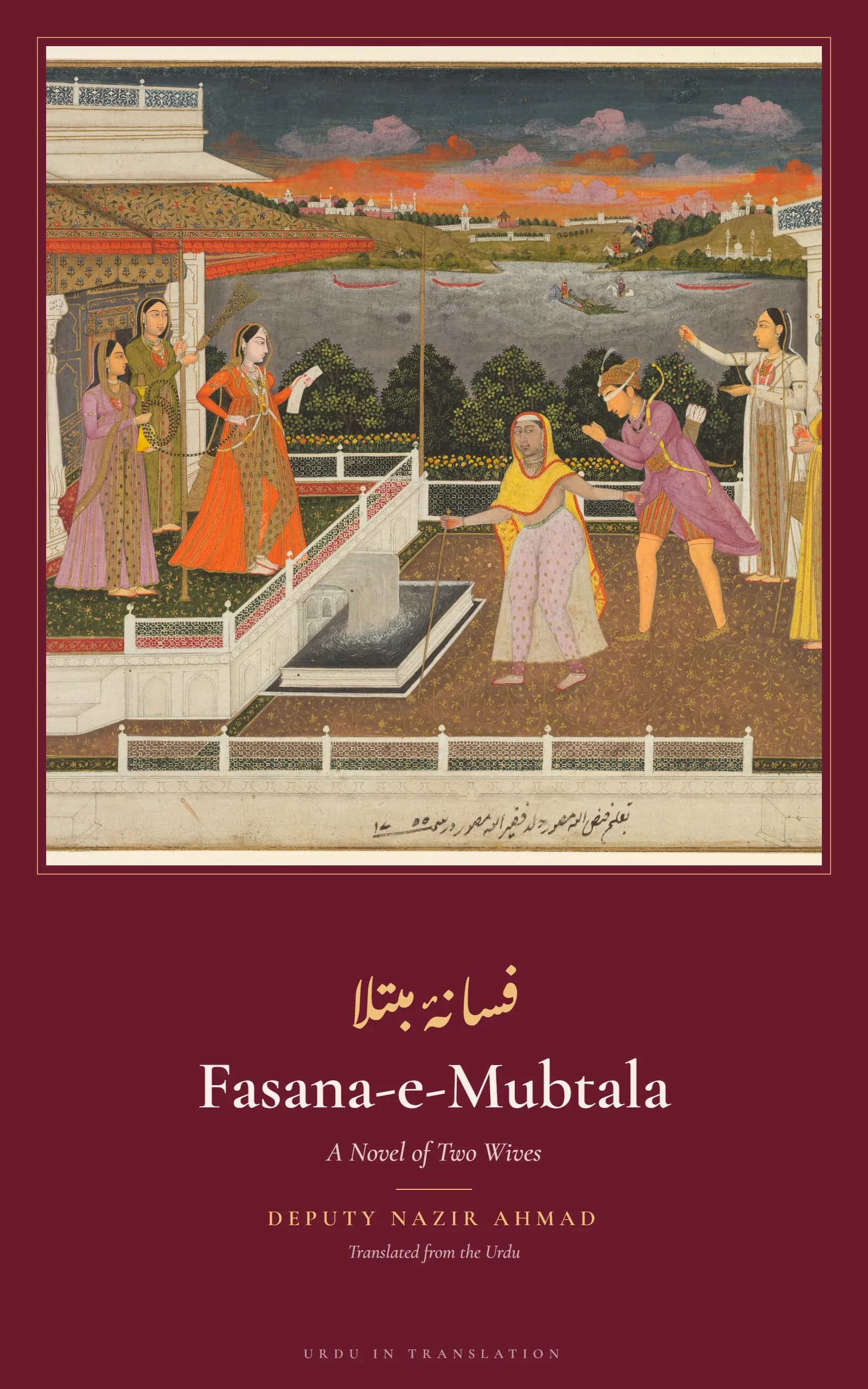
Deux premiers chapitres gratuitsFasana-e-Mubtala (The Tale of Mubtala): A Novel of Two Wives
فسانۂ مبتلا
Deputy Nazir Ahmad
Delhi, in the 1880s. Mubtala, spoilt only son of a well-to-do family, lives for beauty: married young to his plain, proud cousin Ghairat Begum, he despises her and spends his days with dancing girls and flatterers. His pious uncle returns from the hajj to set the house in order, his friend Arif argues with him about beauty and about what the Quran really allows, and Mubtala goes his own way: he marries Hariyali, a courtesan from Lucknow, and smuggles her into the house as a housekeeper. What follows is the comic and terrible story of two co-wives under one roof, the spying and cursing, a pot of poisoned milk, a police case fixed by Ghairat Begum's brother, a clever and unscrupulous pleader, and the slow ruin of a household and of Mubtala himself. Deputy Nazir Ahmad (1831-1912), the first Urdu novelist and author of Mirat-ul-Uroos, wrote it in 1885 against 'the freedom of men in the matter of marriage'. Complete Urdu text (Urdu Wikisource, checked against a Shamsi Press, Delhi printing, archive.org in.ernet.dli.2015.435949, with the author's preface and prelude transcribed from the scan) with a facing English translation, introduction and glossary. Cite as: Deputy Nazir Ahmad, Fasana-e-Mubtala, tr. urduintranslation.com (2026), https://www.urduintranslation.com/works/fasana-e-mubtala. The first two chapters are free to read.
31 chapitresEnglishd’autres langues à venir
Roman
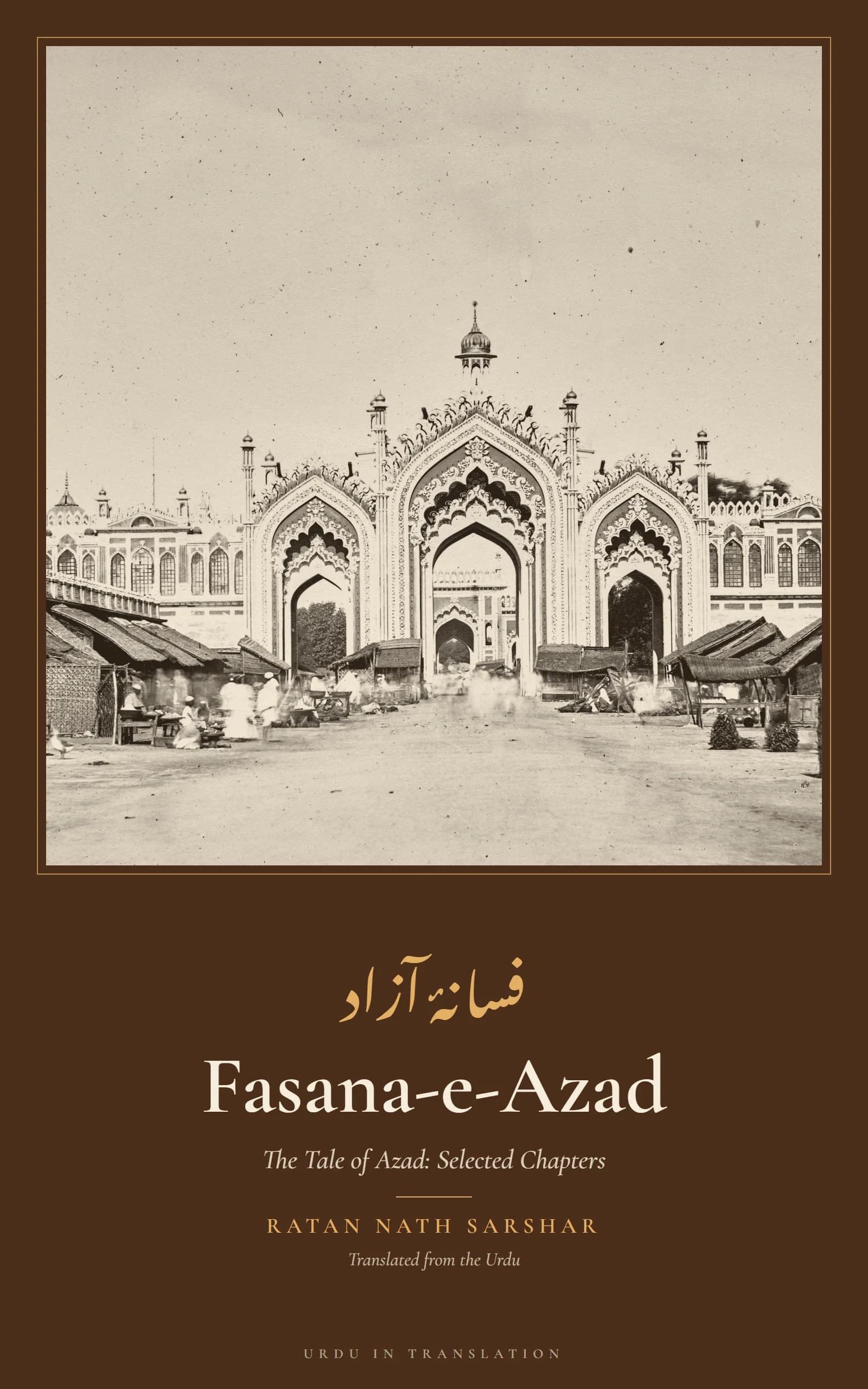
Deux premiers chapitres gratuitsFasana-e-Azad (The Tale of Azad): Selected Chapters
فسانۂ آزاد (انتخاب)
Ratan Nath Sarshar
The opening of Ratan Nath Sarshar's great comic panorama of nineteenth-century Lucknow (1878–79), serialised in Avadh Akhbar: Sarshar's preface and the first fifteen episodes, in which the clever, idle Mian Azad wanders through the city's houses, weddings, Muharram processions, poets' gatherings and salons. Ornate rhymed prose, Persian verse and bazaar slang in a book that stands between the dastan and the modern novel, taught on Urdu courses in Pakistan and India. Urdu text newly transcribed from the 1986 Taraqqi Urdu Bureau edition, with an English translation; the first two chapters are free. How to cite: Sarshar, Fasana-e-Azad (selection), tr. Urdu in Translation (2026), https://www.urduintranslation.com/works/fasana-e-azad
8 chapitresEnglishd’autres langues à venir
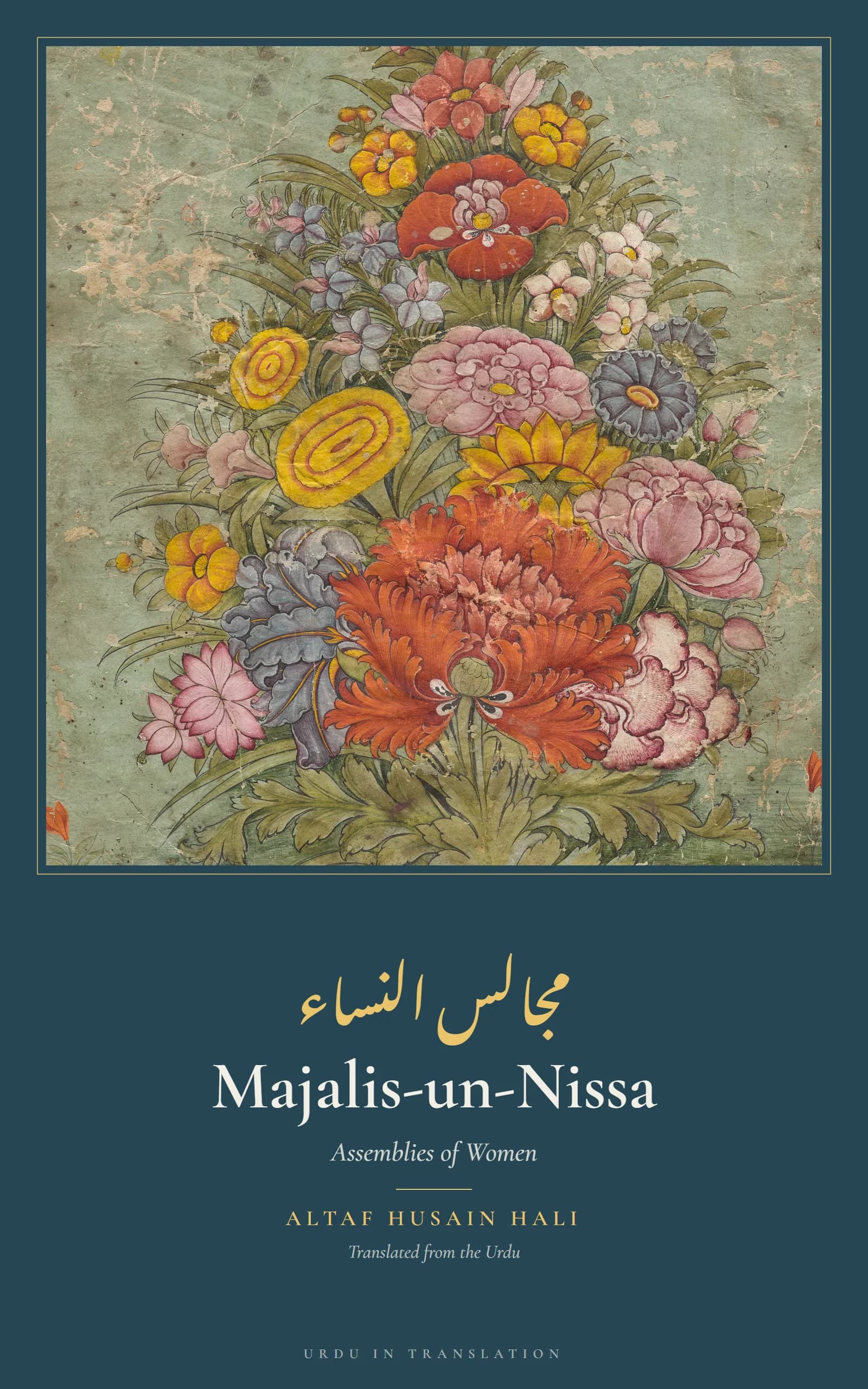
Roman · 1874
Deux premiers chapitres gratuitsMajalis-un-Nissa (Assemblies of Women)
مجالس النساء
Altaf Husain Hali
Written in 1874 by the poet and reformer Altaf Husain Hali (1837–1914), Majalis-un-Nissa is one of the first Urdu prose narratives set entirely in the home, and a founding text of the debate on women's education in South Asia. In nine evening gatherings an elderly governess, Atu-ji, answers the doubts of the young women of a Delhi household by telling the life of Zubaida Khatun: how her mother taught her to read, keep accounts and run a house; how, widowed young, she raised her son Sayyid Abbas herself; and how he travelled from Delhi to Bombay, Mecca and Istanbul. Rich in the everyday speech of Delhi women, with Hali's own glosses. Complete Urdu text from the Hali Press edition (Panipat, 1924; publisher's matter omitted), with a facing English translation, introduction and glossary. Cite as: Hali, Majalis-un-Nissa, tr. urduintranslation.com (2026). The first chapter is free to read.
11 chapitresEnglishd’autres langues à venir
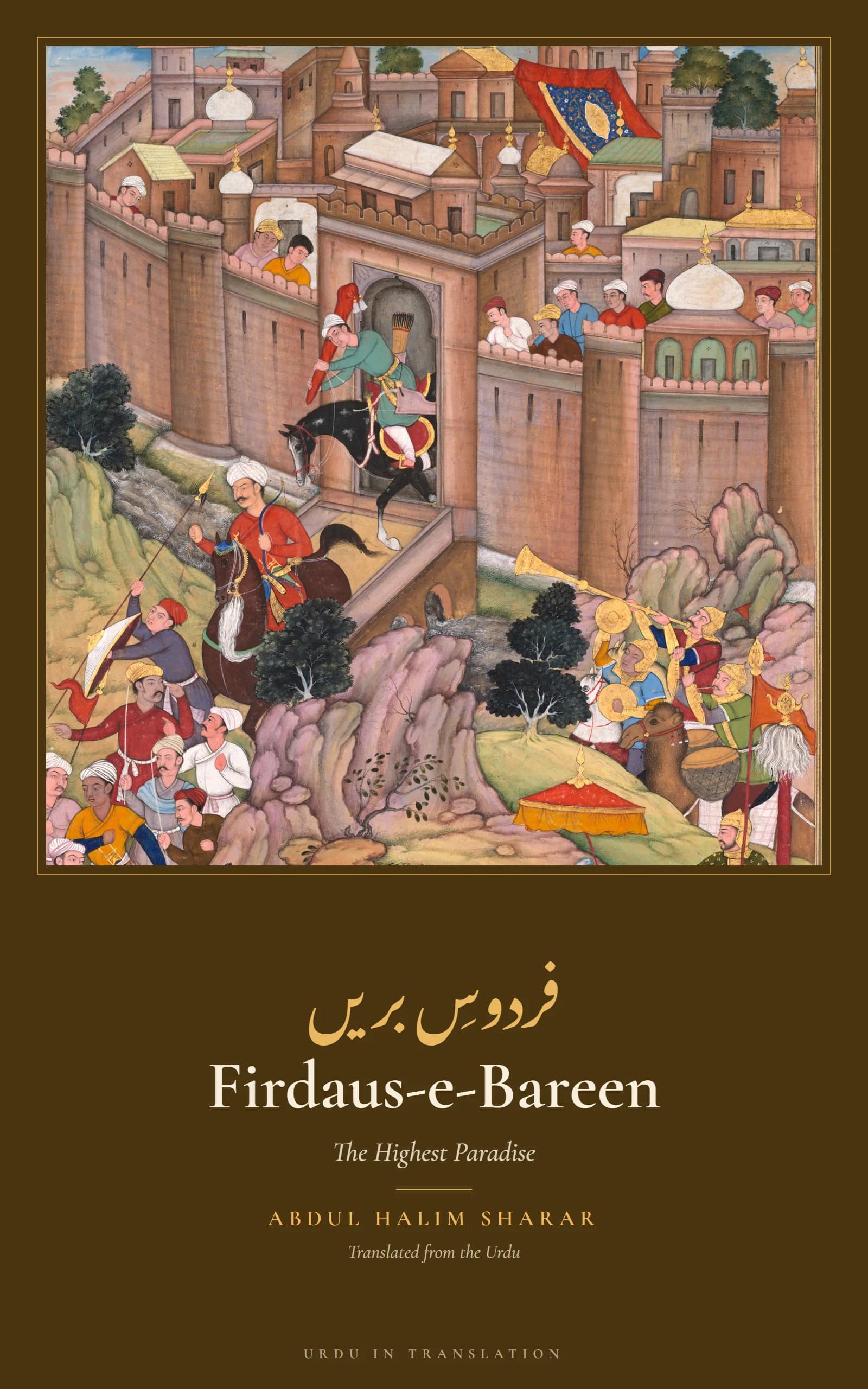
Roman · 1899
Deux premiers chapitres gratuitsFirdaus-e-Bareen (The Highest Paradise)
فردوسِ بریں
Abdul Halim Sharar
Abdul Halim Sharar's best-known historical novel (1899), set in the 1250s in the mountains south of the Caspian. Husain and Zamurrud, a young couple on the road, fall into the hands of the Batinis of Alamut, whose leaders have built a hidden garden "paradise" to deceive their followers and send them out to kill. Sharar follows Husain as he is drawn in and used, until the order falls to Hulagu Khan's Mongols. Adventure, romance and history in one of the founding works of the Urdu novel, taught on university Urdu courses in Pakistan and India. Complete Urdu text with a new English translation, paragraph by paragraph; the first two chapters are free to read. How to cite: Sharar, Firdaus-e-Bareen, tr. Urdu in Translation (2026), https://www.urduintranslation.com/works/firdaus-e-bareen
12 chapitresEnglishd’autres langues à venir
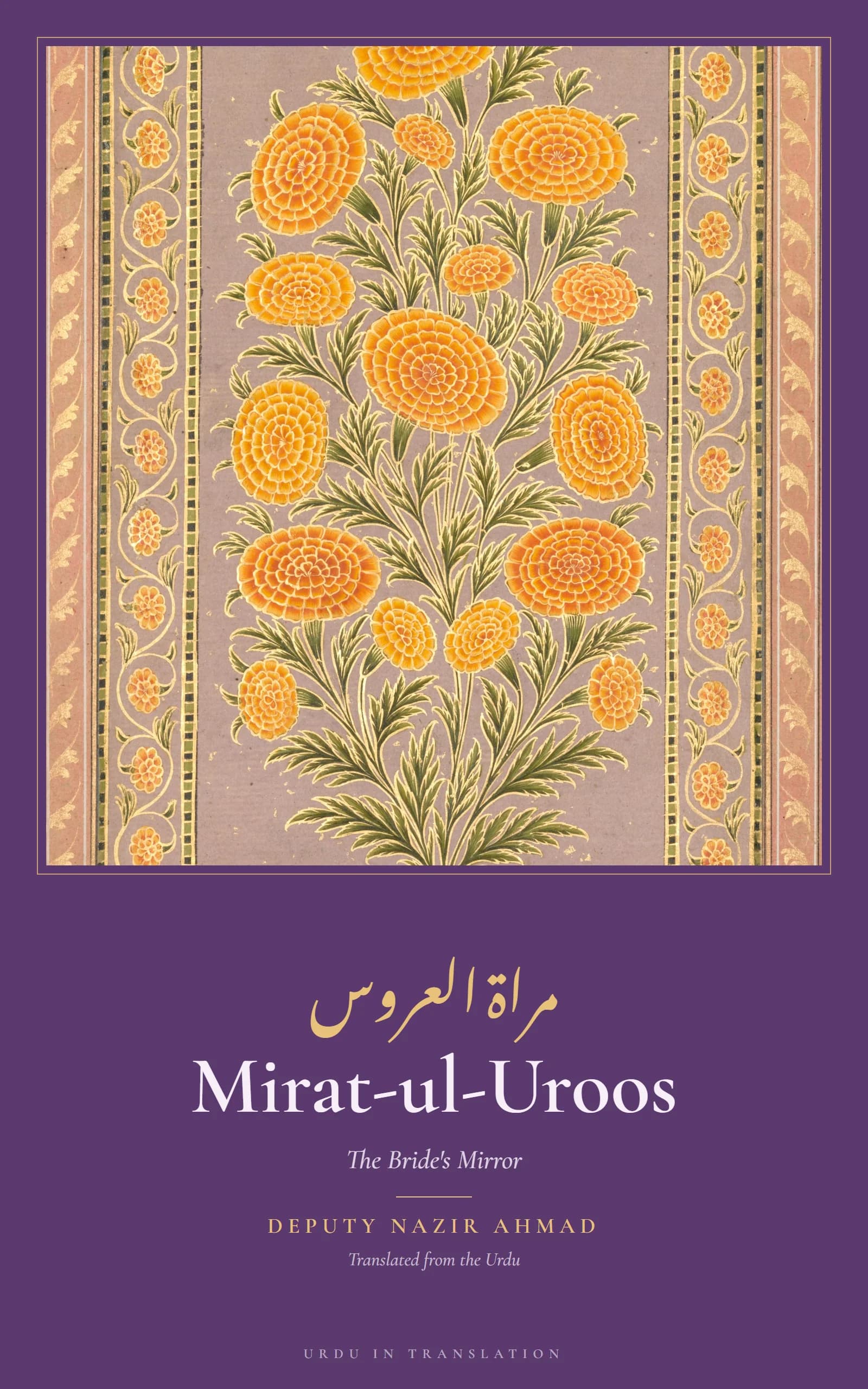
Roman · 1869
Deux premiers chapitres gratuitsMirat-ul-Uroos (The Bride's Mirror)
مراۃ العروس
Deputy Nazir Ahmad · sur Women's education and household management
Nazir Ahmad's 1869 novel of two Delhi sisters: Akbari, spoilt and quarrelsome, whose household falls into ruin, and Asghari, educated and sensible, who sets her husband's family in order, runs a school for girls, and arranges a brilliant match for her sister-in-law. Often called the first Urdu novel.
20 chapitresEnglishd’autres langues à venir
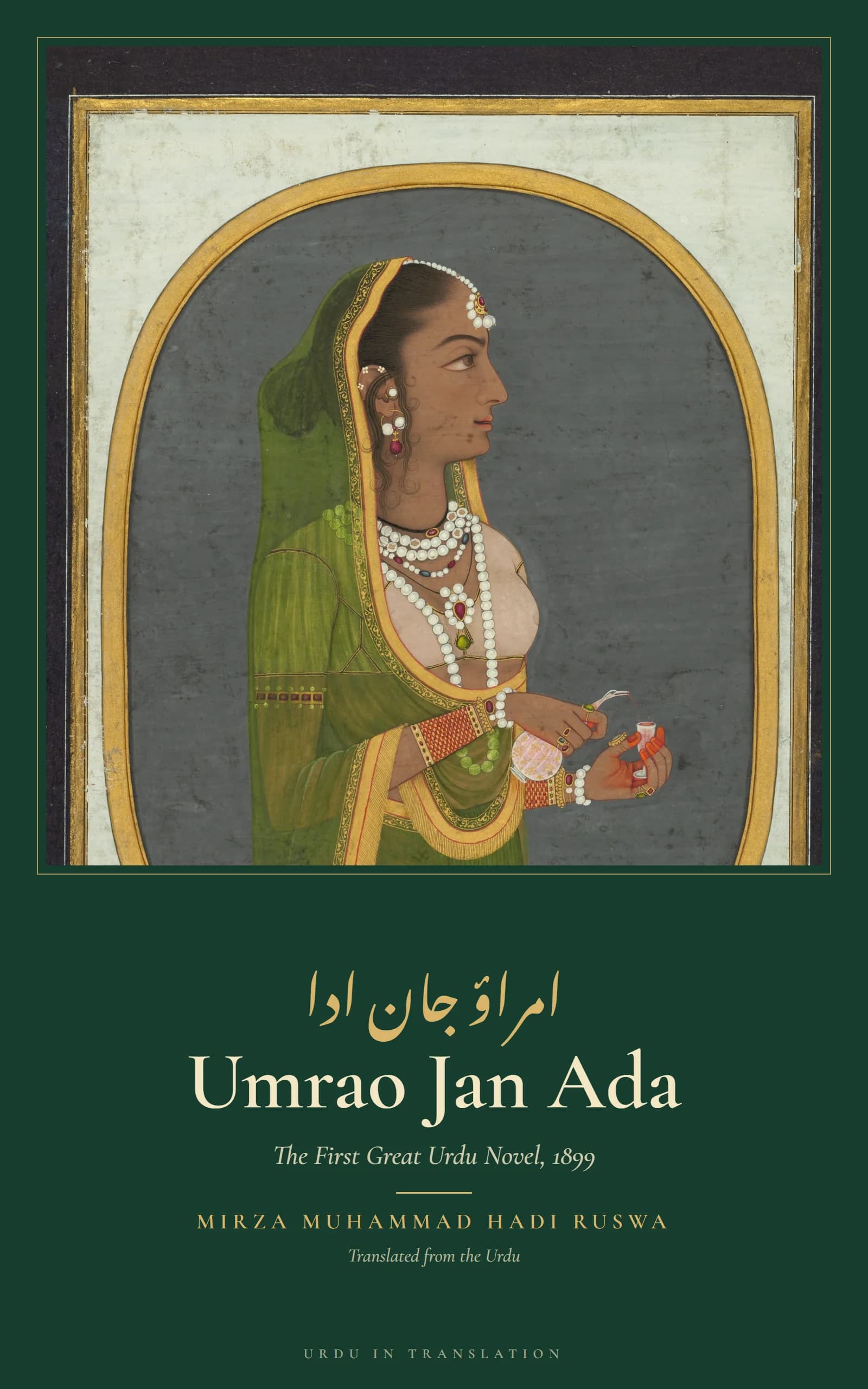
Roman · 1899
Deux premiers chapitres gratuitsUmrao Jan Ada
امراؤ جان ادا
Mirza Muhammad Hadi Ruswa
Le roman de Mirza Hadi Ruswa paru en 1899, le plus célèbre de tous les romans ourdous. Enlevée enfant à Faizabad et vendue à une maison de courtisanes de Lucknow, Amiran devient Umrao Jan, chanteuse, danseuse et poétesse sous le nom de plume d'Ada. Sur ses vieux jours, au sortir d'une réunion de poètes, elle consent à raconter sa vie à Ruswa : son apprentissage, ses amants et protecteurs, le brigand Faiz Ali, la tourmente de 1857 et son retour dans la ville d'où on l'avait volée. Un portrait de la culture disparue du Lucknow du XIXe siècle, dans sa propre voix. Texte ourdou avec traduction ; les deux premiers chapitres sont en lecture libre.
20 chapitresEnglishEspañolFrançaisالعربية中文Русский
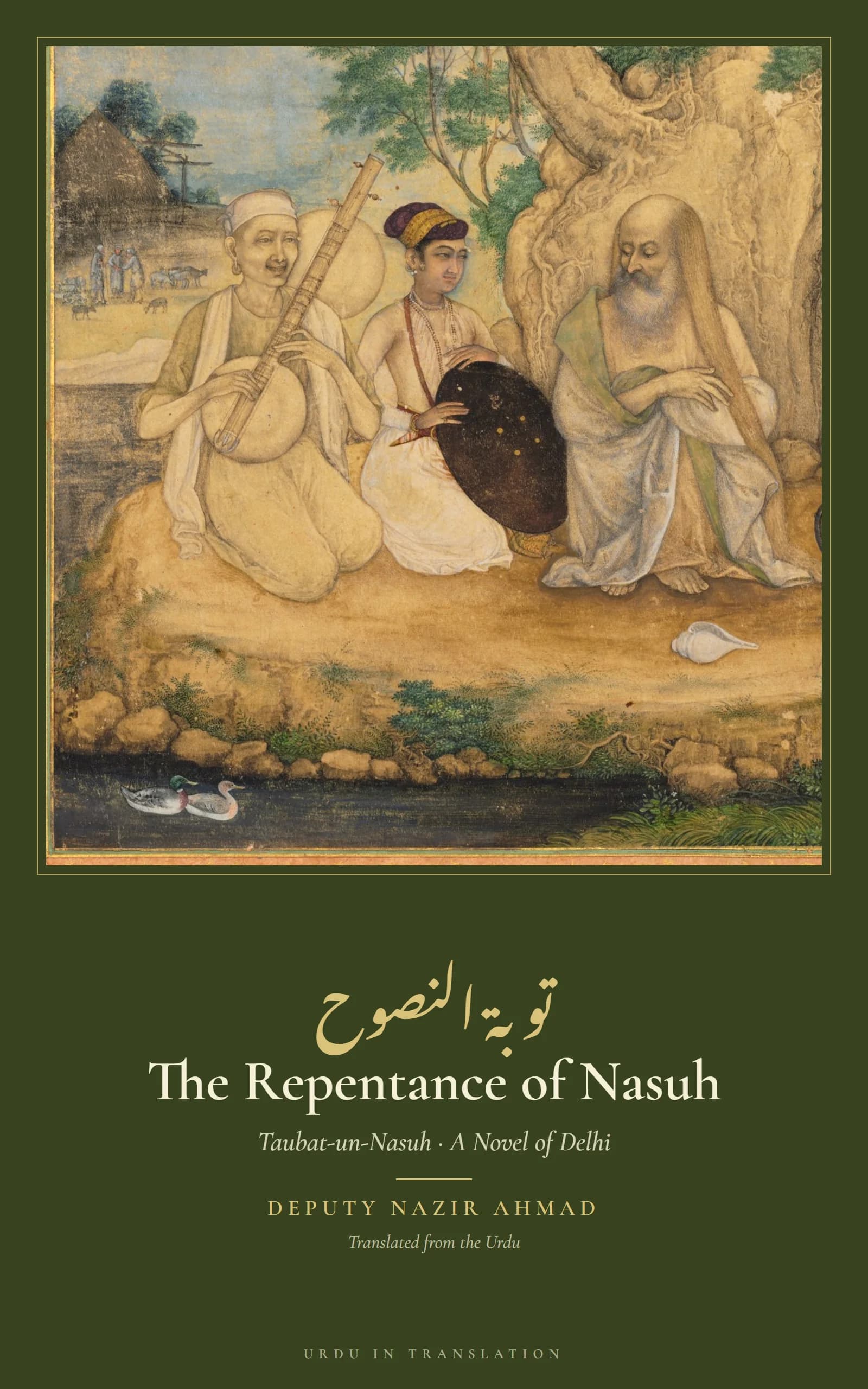
Roman · 1874
Deux premiers chapitres gratuitsLe Repentir de Nasuh (Taubat-un-Nasuh)
توبۃ النصوح
Deputy Nazir Ahmad
Le roman de Nazir Ahmad paru en 1874. Lors d'une épidémie de choléra à Delhi, Nasuh, un gentilhomme musulman respectable, aisé et insouciant, tombe malade et, dans un rêve de fièvre, voit son père défunt jugé devant Dieu. Il s'éveille transformé et résout de réformer sa maisonnée ; mais si sa femme Fahmida est consentante et si ses plus jeunes enfants le suivent, son fils aîné Kalim, adulte, dandy, poète et bel esprit, ne veut rien entendre. Un drame domestique de pères et de fils, de foi et de mode, par l'auteur d'Ibn-ul-Waqt et de Mirat-ul-Arus, et l'une des œuvres fondatrices du roman ourdou. Texte ourdou avec traduction en regard ; les deux premiers chapitres sont en lecture libre.
12 chapitresEnglishEspañolFrançaisالعربية中文Русский