الرواية
ناول
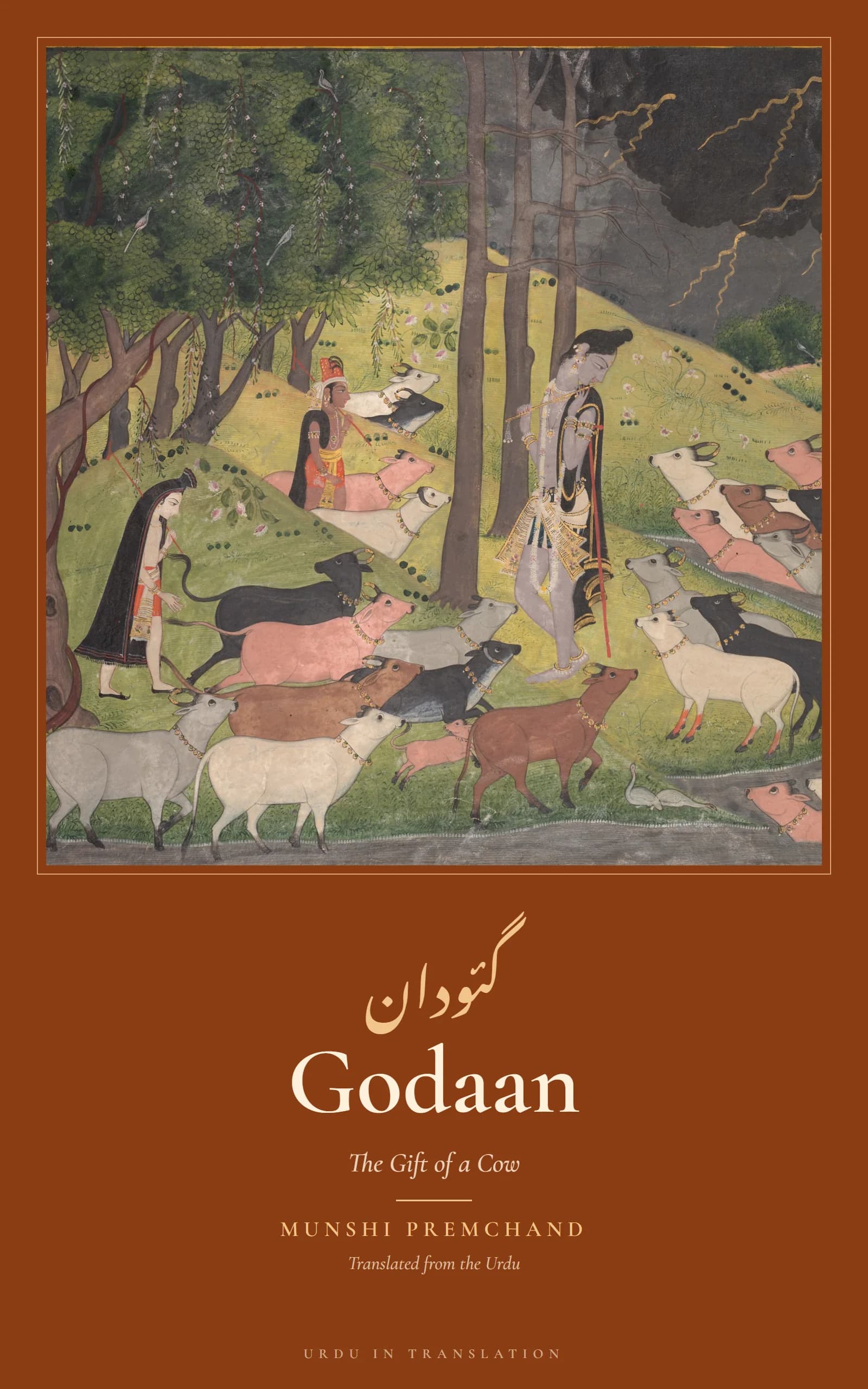
الرواية · 1936
الفصلان الأولان مجانًاگودان (هبة البقرة)
گئودان
منشي بريمتشند
آخر رواية أتمّها پريم چند (1936)، وأعظم رواية عن حياة القرية الهندية. هوري فلّاحٌ يملك خمسة بيگهات من الأرض، وزوجةً حادّة اللسان وفيّة اسمها دهنيا، وجبلاً من الديون، ولا يريد إلا شيئاً واحداً: بقرةً مربوطةً عند بابه. وحول أمله الصغير هذا يبني پريم چند مجتمعاً كاملاً: الزميندار الراي صاحب بمسرحيّاته وهمومه، ومرابي القرية وكهنتها، ومدينة لكهنؤ بأصحاب مصانعها وأطبّائها ومحرّري جرائدها وفلاسفتها. رقيقةٌ ضاحكةٌ لا تعرف المجاملة، وهي كلاسيكيّة الواقعيّة الهندستانيّة. النصّ الأورديّ مع ترجمةٍ عربيّةٍ مقابلة، والفصلان الأوّلان متاحان للقراءة مجّاناً.
36 فصلًاEnglishEspañolFrançaisالعربية中文Русский
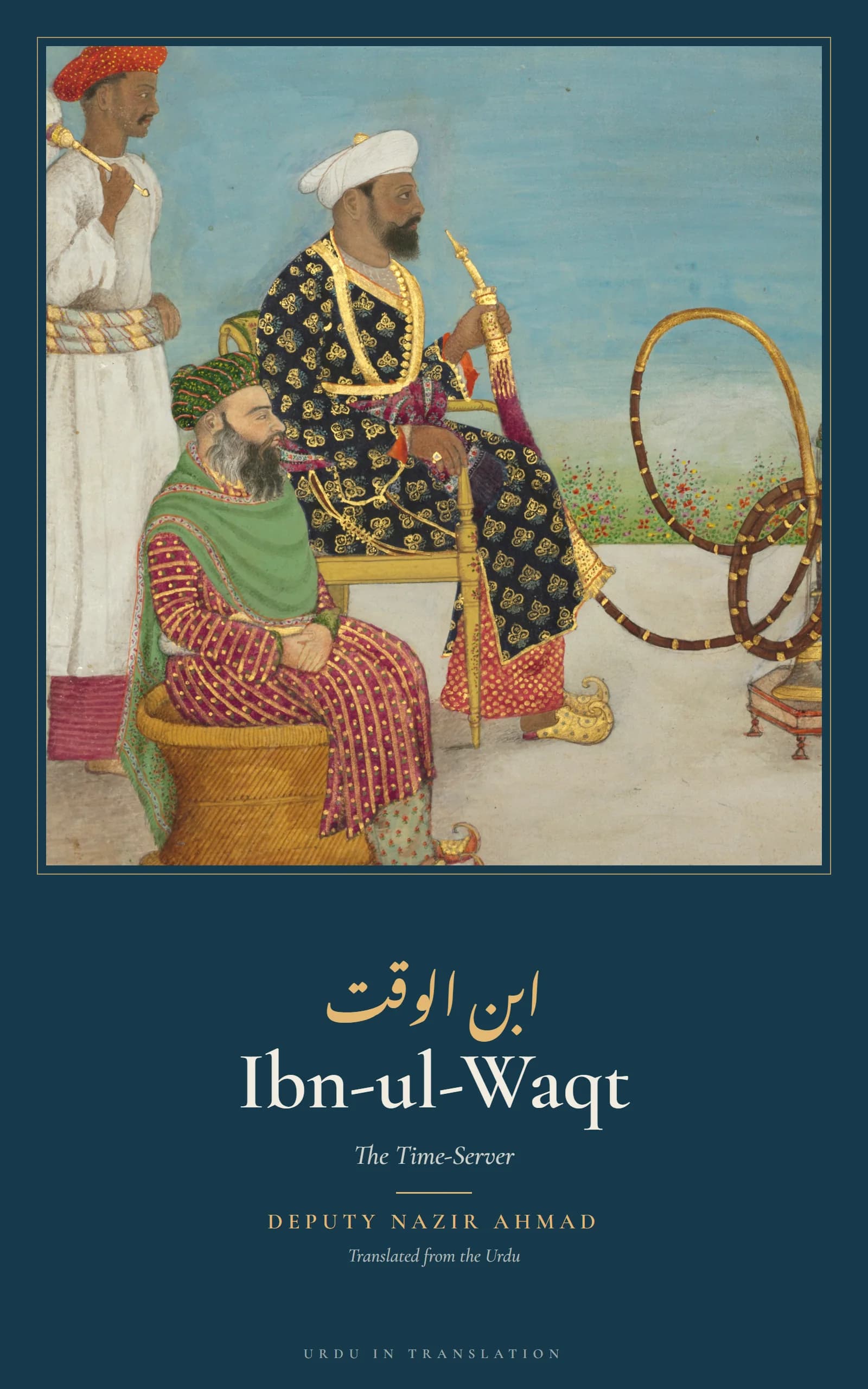
الرواية · 1888
الفصلان الأولان مجانًاابن الوقت
ابن الوقت
المولوي نذير أحمد
رواية نذير أحمد الهزلية الصادرة عام ١٨٨٨. في أثناء ثورة ١٨٥٧ يُخفي ابن الوقت، وكيلُ أميرةٍ مغوليّة والعالمُ بالعربية والفارسية، إنجليزيّاً جريحاً هو المستر نوبل. فلمّا سقطت دلهي كان جزاؤه مكاناً في المجتمع الإنجليزي، فانغمس فيه انغماساً تامّاً: بنگلة، ومائدة بالسكاكين والشوك، وقبّعة، وكلب، واقتناعٌ جديد بأنّ الحكّام خيرٌ من المحكومين في كلّ شيء. فيُرسَل إليه ابن عمّته حجّة الإسلام ليردّه إلى صوابه. كُتبت في عصر السيّد أحمد خان، وهي أوّل هجاءٍ أرديٍّ عظيم للتقليد الاستعماري، وما زالت مضحكةً جدّاً. النصّ الأردي مع ترجمةٍ إنجليزية مقابلة؛ والفصلان الأوّلان متاحان للقراءة مجّاناً.
28 فصلًاEnglishEspañolFrançaisالعربية中文Русский
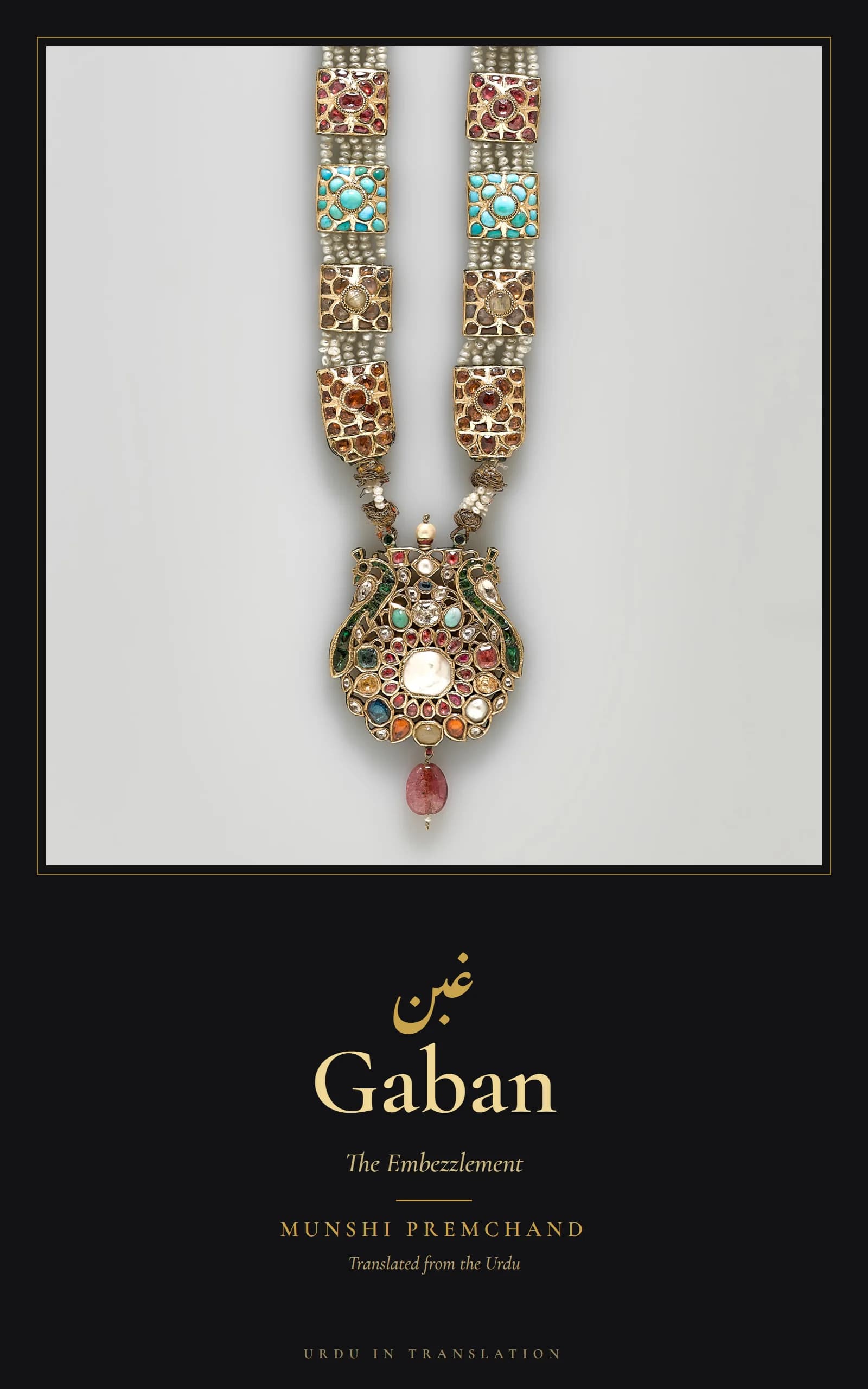
الرواية · 1931
الفصلان الأولان مجانًاغبن (الاختلاس)
غبن
منشي بريمتشند
رواية پريم چند الصادرة سنة 1931. جالپا فتاةٌ قرويّة تكبر ولا تريد إلا شيئاً واحداً: «چندن هار»، العقد الذهبيّ الذي رأته في صندوق بائعٍ متجوّلٍ عند الأرجوحة. وزوجها رماناته، الكاتب في مكتب بلديّة الله آباد المولع بالمظاهر، يستدين ويكذب، ثم يمدّ يده أخيراً إلى المال العامّ ليُبقيها في الحُليّ. وما يتلو ذلك قصّة دَينٍ وفرارٍ ومُخبري شرطة، واكتشاف امرأةٍ البطيء لقوّتها. إنّها من الروايات الاجتماعيّة الكبرى في الأدب الأرديّ والهنديّ. النصّ الأرديّ تقابله ترجمةٌ إنجليزيّة، والفصلان الأوّلان متاحان للقراءة مجّاناً.
52 فصلًاEnglishEspañolFrançaisالعربية中文Русский
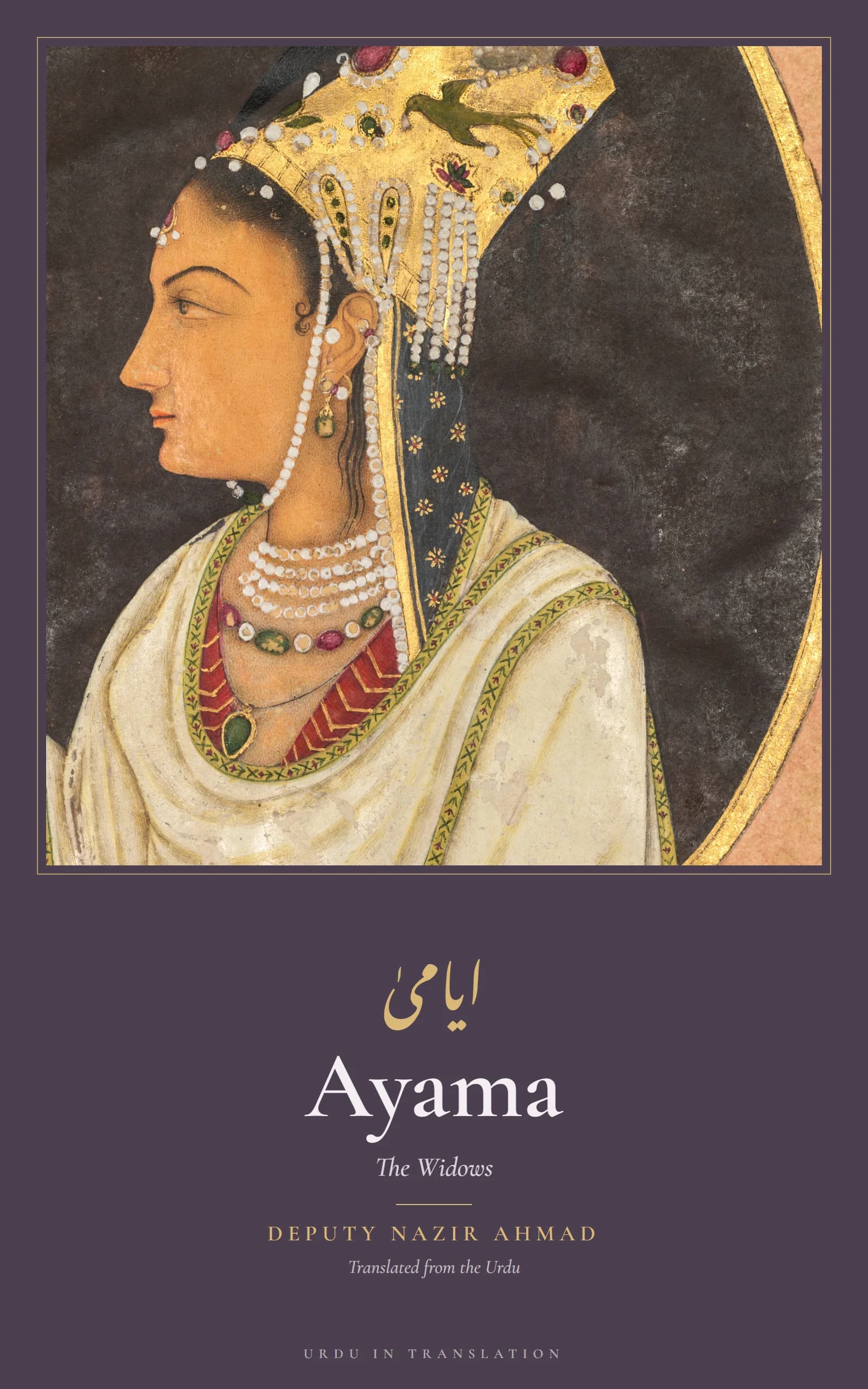
الرواية
الفصلان الأولان مجانًاAyama: The Widows
ایامیٰ
المولوي نذير أحمد · عن Novel
Deputy Nazir Ahmad's Ayama ("The Widows", 1891) is the classic Urdu novel on the remarriage of widows. Azadi Begam, a girl of a good Delhi family raised between a sceptical father and a devout mother, marries the young scholar Maulvi Mustajab, weans him from the narrow life of a mosque maulvi, and is left a young, childless widow when he dies in the service of Bhopal. Held back by custom from marrying again, she lives through mourning, sermons on patience, loneliness, thoughts of suicide and the schemes of go-betweens, and in her last illness examines her life in a long dialogue with herself. On her deathbed she calls the men of her family and neighbourhood together and, from behind the curtain, makes them her bequest: a speech on the sufferings of widows and on the Qur'anic command to see them married. A key text for the Urdu novel, Muslim social reform, women's lives and the widow-remarriage debate in nineteenth-century India. Complete Urdu text from the 1891 first edition, with the author's footnotes, a facing English translation, an introduction and a glossary. Cite as: Nazir Ahmad, Ayama, tr. urduintranslation.com (2026). The first chapter is free to read.
21 فصلًاEnglishلغات أخرى قريبًا
الرواية
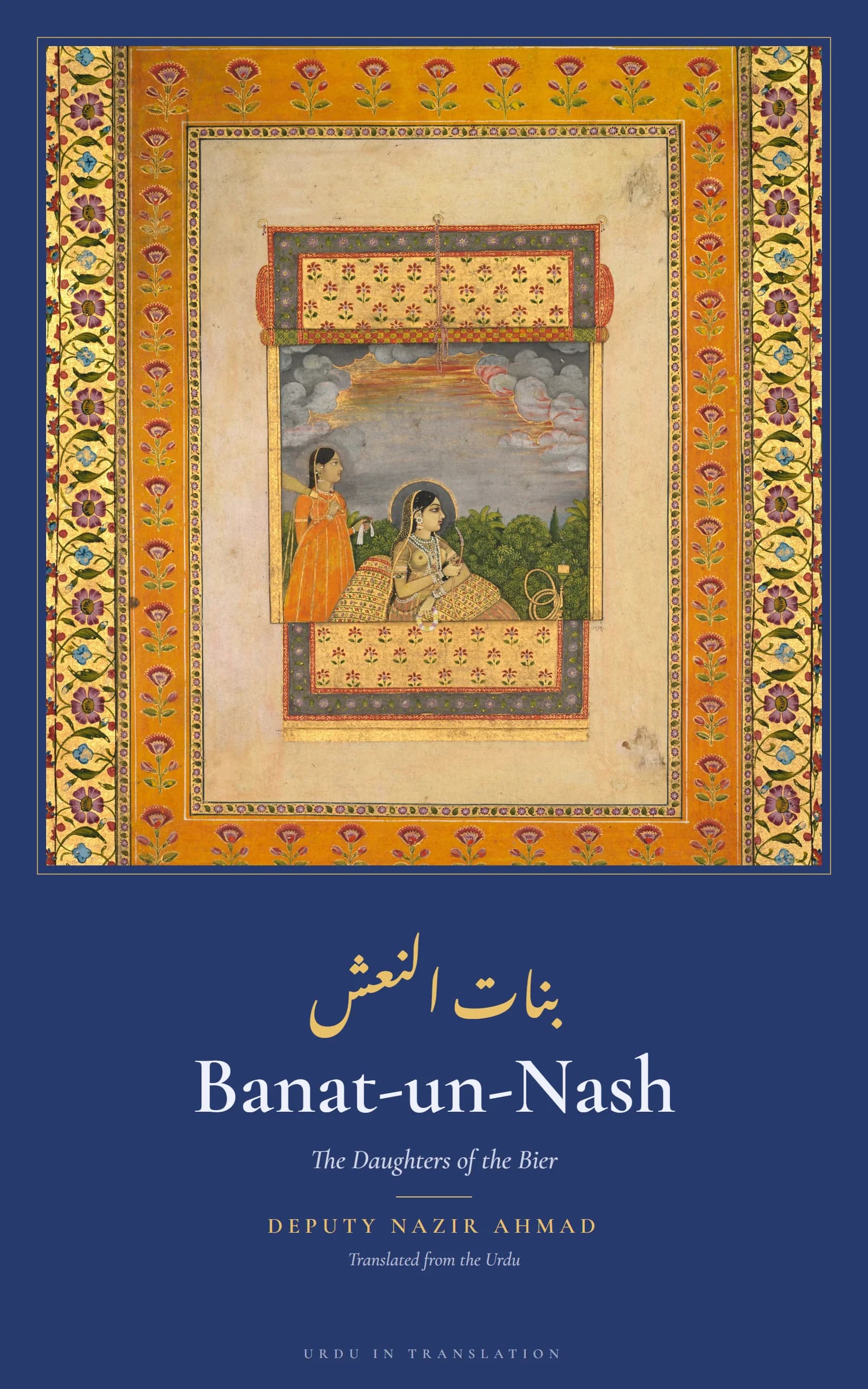
الفصلان الأولان مجانًاBanat-un-Nash: The Daughters of the Bier
بنات النعش
المولوي نذير أحمد · عن Novel
Deputy Nazir Ahmad's Banat-un-Nash (c. 1872), the second part of his Mirat-ul-Uroos (1869), is one of the first Urdu books written to give girls a modern education. Asghari, the capable heroine of the earlier book, now keeps a school for girls in her Delhi home, and into it comes Husn Ara, the spoilt and bad-tempered daughter of a rich household. Through talk, example and patience rather than punishment, Asghari and her sister-in-law Mahmuda cure her of pride, laziness and superstition, while the girls learn arithmetic, gravity, the shape of the earth, the geography of Arabia, astronomy and the cause of eclipses, and hear the tale of the cruel nobleman Masih-ul-Mulk, a long story of women's superstitions, and the life of an English family. It ends with Husn Ara's moving farewell to the school before her marriage. A key text for the Urdu novel, women's education and reform in nineteenth-century India, and the daily life and speech of Delhi households after 1857. Complete Urdu text from a 1950 Delhi reprint, with the author's footnotes, a facing English translation, an introduction and a glossary. Cite as: Nazir Ahmad, Banat-un-Nash, tr. urduintranslation.com (2026). The first chapter is free to read.
22 فصلًاEnglishلغات أخرى قريبًا
الرواية
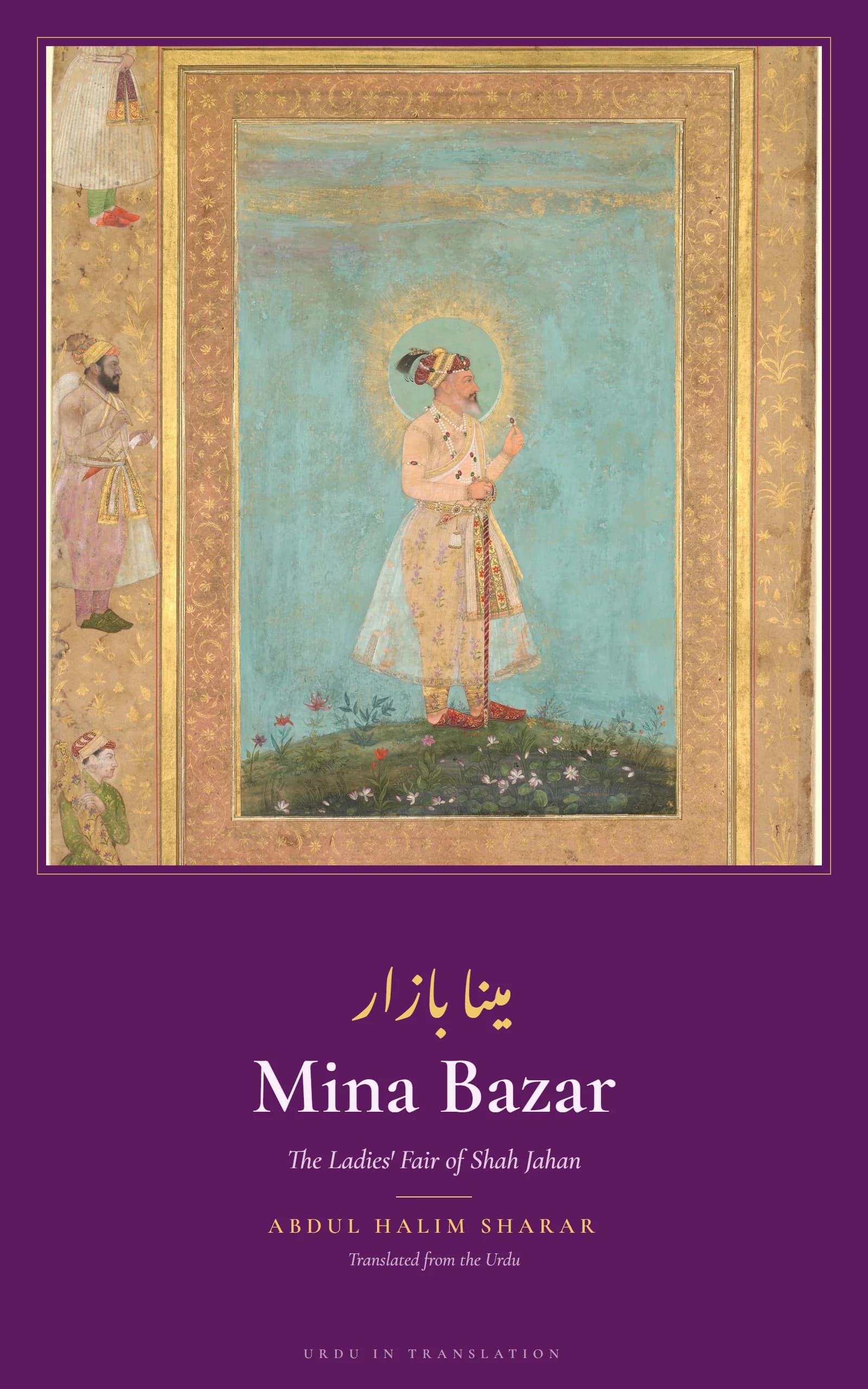
الفصلان الأولان مجانًاMina Bazar (The Ladies' Fair of Shah Jahan)
مینا بازار
Abdul Halim Sharar
A historical romance by Abdul Halim Sharar (1860-1926) of Lucknow, set at the court of the Mughal emperor Shah Jahan. At the Empress Mumtaz Mahal's wish a fair is built inside the palace where the women of Delhi keep shops of their own, and the scholars argue over whether it breaks the rules of parda. On the opening day the Emperor is charmed by Gulrukh Begum, wife of his general Jamal Khan, who sells him a "diamond" made of sugar-candy. Her three days as the Empress's guest bring a jealous husband's divorce, a false friend's scheming and the Emperor's wrath, until a sentence of death under an elephant's foot hangs on the heroine's answer. Complete Urdu text from Wikisource with a facing English translation, introduction and glossary. Cite as: Abdul Halim Sharar, Mina Bazar, tr. urduintranslation.com (2026), https://www.urduintranslation.com/works/mina-bazar. The first two chapters are free to read.
16 فصلًاEnglishلغات أخرى قريبًا
الرواية
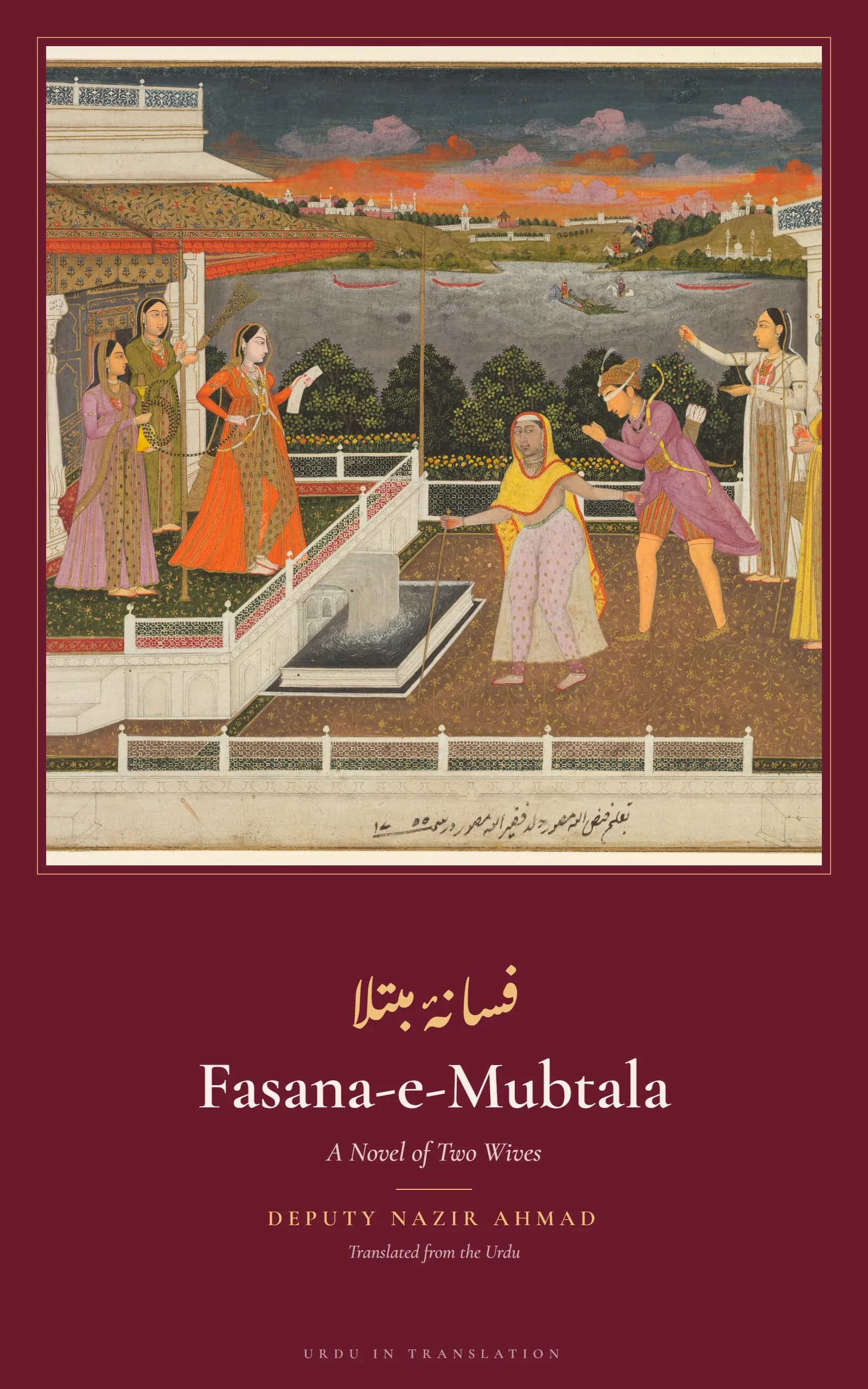
الفصلان الأولان مجانًاFasana-e-Mubtala (The Tale of Mubtala): A Novel of Two Wives
فسانۂ مبتلا
المولوي نذير أحمد
Delhi, in the 1880s. Mubtala, spoilt only son of a well-to-do family, lives for beauty: married young to his plain, proud cousin Ghairat Begum, he despises her and spends his days with dancing girls and flatterers. His pious uncle returns from the hajj to set the house in order, his friend Arif argues with him about beauty and about what the Quran really allows, and Mubtala goes his own way: he marries Hariyali, a courtesan from Lucknow, and smuggles her into the house as a housekeeper. What follows is the comic and terrible story of two co-wives under one roof, the spying and cursing, a pot of poisoned milk, a police case fixed by Ghairat Begum's brother, a clever and unscrupulous pleader, and the slow ruin of a household and of Mubtala himself. Deputy Nazir Ahmad (1831-1912), the first Urdu novelist and author of Mirat-ul-Uroos, wrote it in 1885 against 'the freedom of men in the matter of marriage'. Complete Urdu text (Urdu Wikisource, checked against a Shamsi Press, Delhi printing, archive.org in.ernet.dli.2015.435949, with the author's preface and prelude transcribed from the scan) with a facing English translation, introduction and glossary. Cite as: Deputy Nazir Ahmad, Fasana-e-Mubtala, tr. urduintranslation.com (2026), https://www.urduintranslation.com/works/fasana-e-mubtala. The first two chapters are free to read.
31 فصلًاEnglishلغات أخرى قريبًا
الرواية
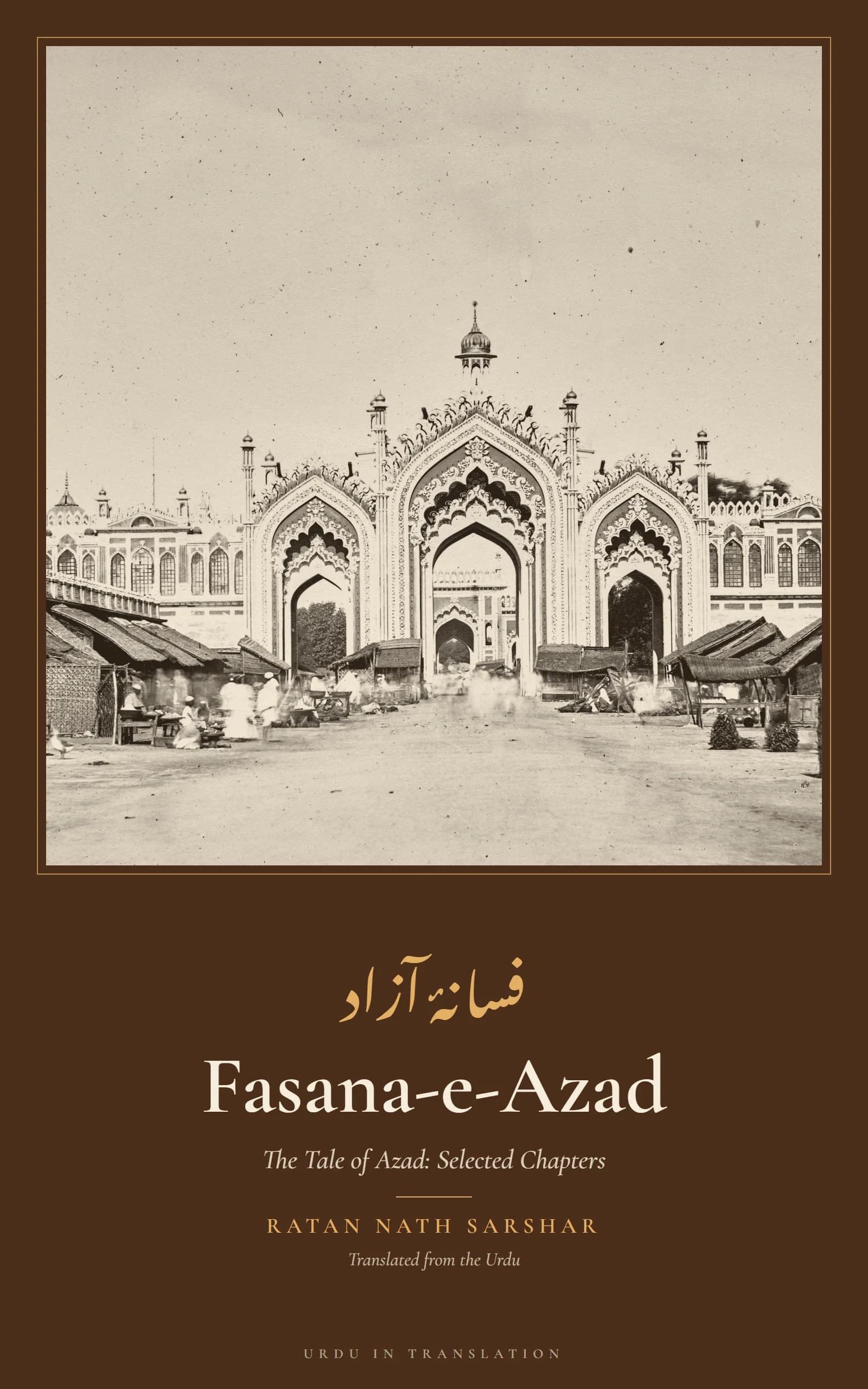
الفصلان الأولان مجانًاFasana-e-Azad (The Tale of Azad): Selected Chapters
فسانۂ آزاد (انتخاب)
Ratan Nath Sarshar
The opening of Ratan Nath Sarshar's great comic panorama of nineteenth-century Lucknow (1878–79), serialised in Avadh Akhbar: Sarshar's preface and the first fifteen episodes, in which the clever, idle Mian Azad wanders through the city's houses, weddings, Muharram processions, poets' gatherings and salons. Ornate rhymed prose, Persian verse and bazaar slang in a book that stands between the dastan and the modern novel, taught on Urdu courses in Pakistan and India. Urdu text newly transcribed from the 1986 Taraqqi Urdu Bureau edition, with an English translation; the first two chapters are free. How to cite: Sarshar, Fasana-e-Azad (selection), tr. Urdu in Translation (2026), https://www.urduintranslation.com/works/fasana-e-azad
8 فصولEnglishلغات أخرى قريبًا
الرواية · 1874
الفصلان الأولان مجانًاMajalis-un-Nissa (Assemblies of Women)
مجالس النساء
Altaf Husain Hali
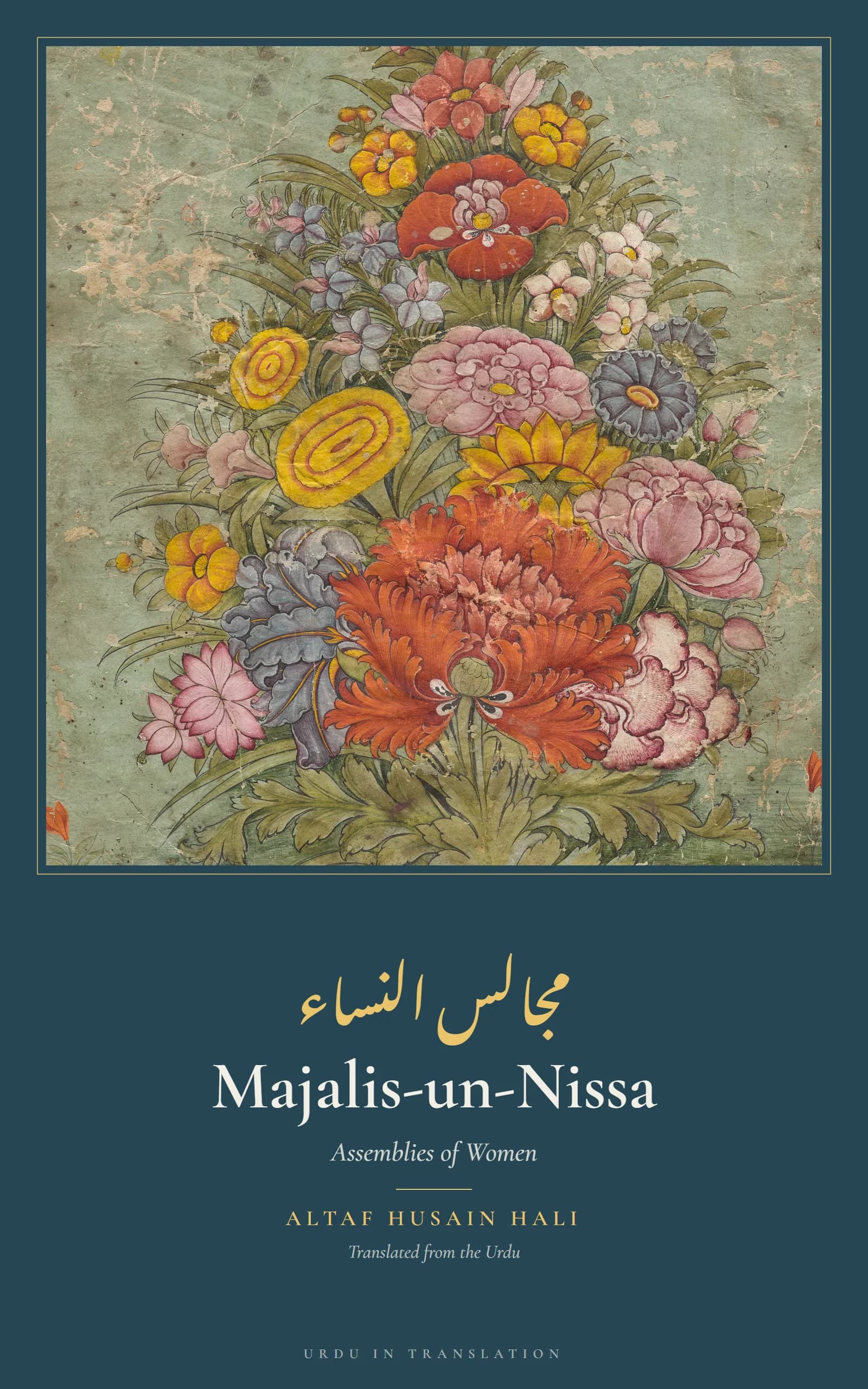
Written in 1874 by the poet and reformer Altaf Husain Hali (1837–1914), Majalis-un-Nissa is one of the first Urdu prose narratives set entirely in the home, and a founding text of the debate on women's education in South Asia. In nine evening gatherings an elderly governess, Atu-ji, answers the doubts of the young women of a Delhi household by telling the life of Zubaida Khatun: how her mother taught her to read, keep accounts and run a house; how, widowed young, she raised her son Sayyid Abbas herself; and how he travelled from Delhi to Bombay, Mecca and Istanbul. Rich in the everyday speech of Delhi women, with Hali's own glosses. Complete Urdu text from the Hali Press edition (Panipat, 1924; publisher's matter omitted), with a facing English translation, introduction and glossary. Cite as: Hali, Majalis-un-Nissa, tr. urduintranslation.com (2026). The first chapter is free to read.
11 فصلًاEnglishلغات أخرى قريبًا
الرواية · 1899
الفصلان الأولان مجانًاFirdaus-e-Bareen (The Highest Paradise)
فردوسِ بریں
Abdul Halim Sharar
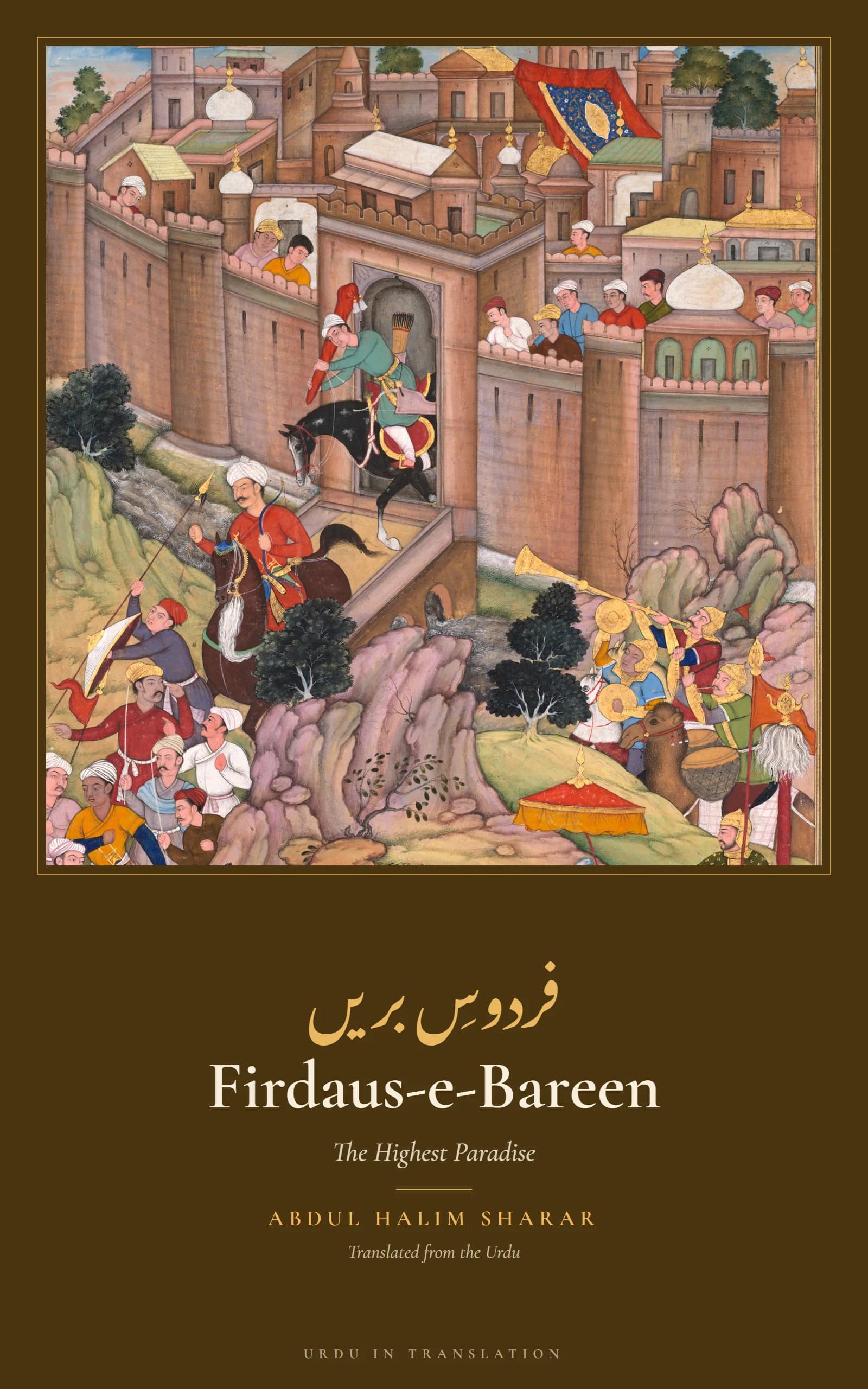
Abdul Halim Sharar's best-known historical novel (1899), set in the 1250s in the mountains south of the Caspian. Husain and Zamurrud, a young couple on the road, fall into the hands of the Batinis of Alamut, whose leaders have built a hidden garden "paradise" to deceive their followers and send them out to kill. Sharar follows Husain as he is drawn in and used, until the order falls to Hulagu Khan's Mongols. Adventure, romance and history in one of the founding works of the Urdu novel, taught on university Urdu courses in Pakistan and India. Complete Urdu text with a new English translation, paragraph by paragraph; the first two chapters are free to read. How to cite: Sharar, Firdaus-e-Bareen, tr. Urdu in Translation (2026), https://www.urduintranslation.com/works/firdaus-e-bareen
12 فصلًاEnglishلغات أخرى قريبًا
الرواية · 1869
الفصلان الأولان مجانًاMirat-ul-Uroos (The Bride's Mirror)
مراۃ العروس
المولوي نذير أحمد · عن Women's education and household management
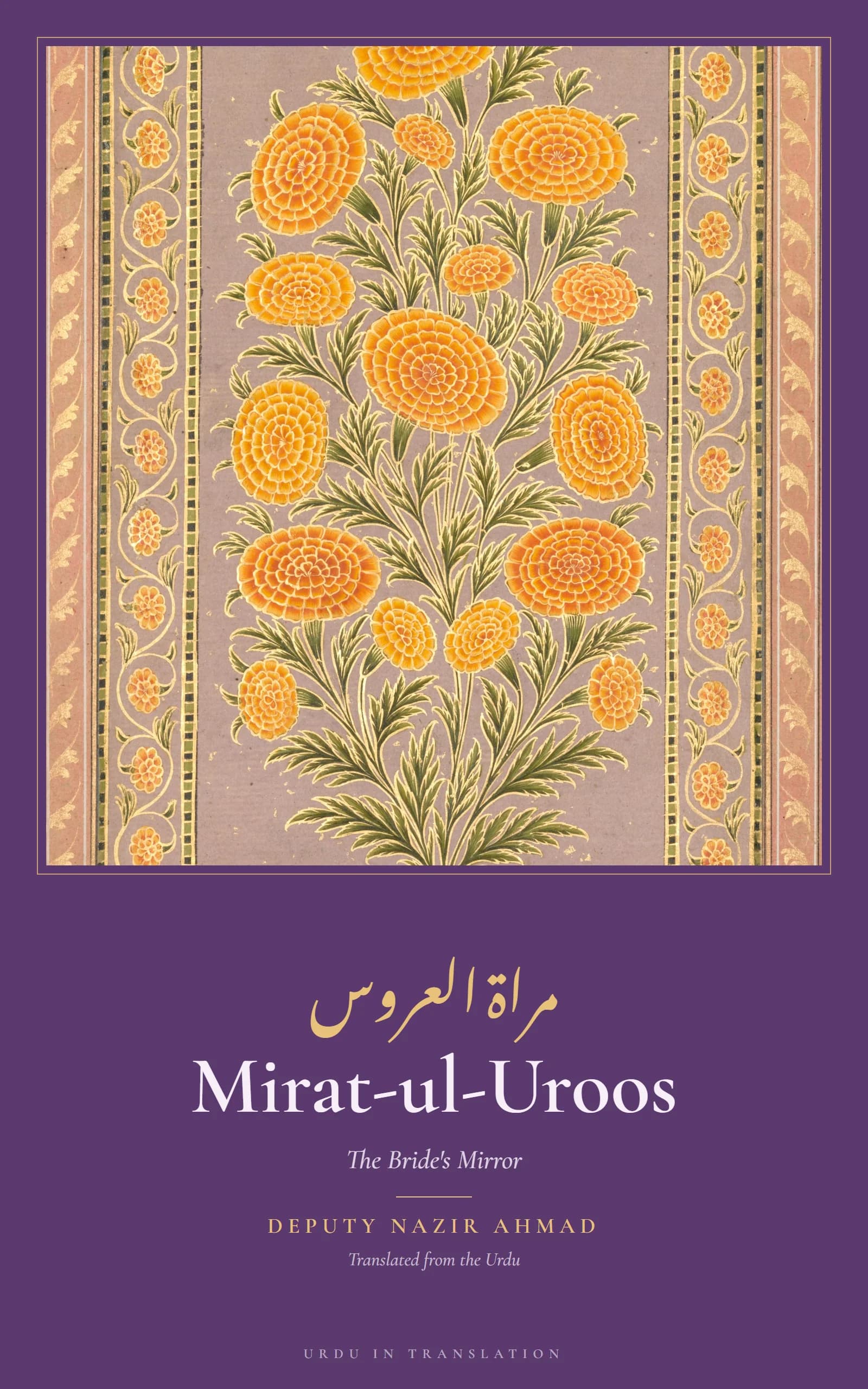
Nazir Ahmad's 1869 novel of two Delhi sisters: Akbari, spoilt and quarrelsome, whose household falls into ruin, and Asghari, educated and sensible, who sets her husband's family in order, runs a school for girls, and arranges a brilliant match for her sister-in-law. Often called the first Urdu novel.
20 فصلًاEnglishلغات أخرى قريبًا
الرواية · 1899
الفصلان الأولان مجانًاأمراؤ جان أدا
امراؤ جان ادا
ميرزا محمد هادي رسوا
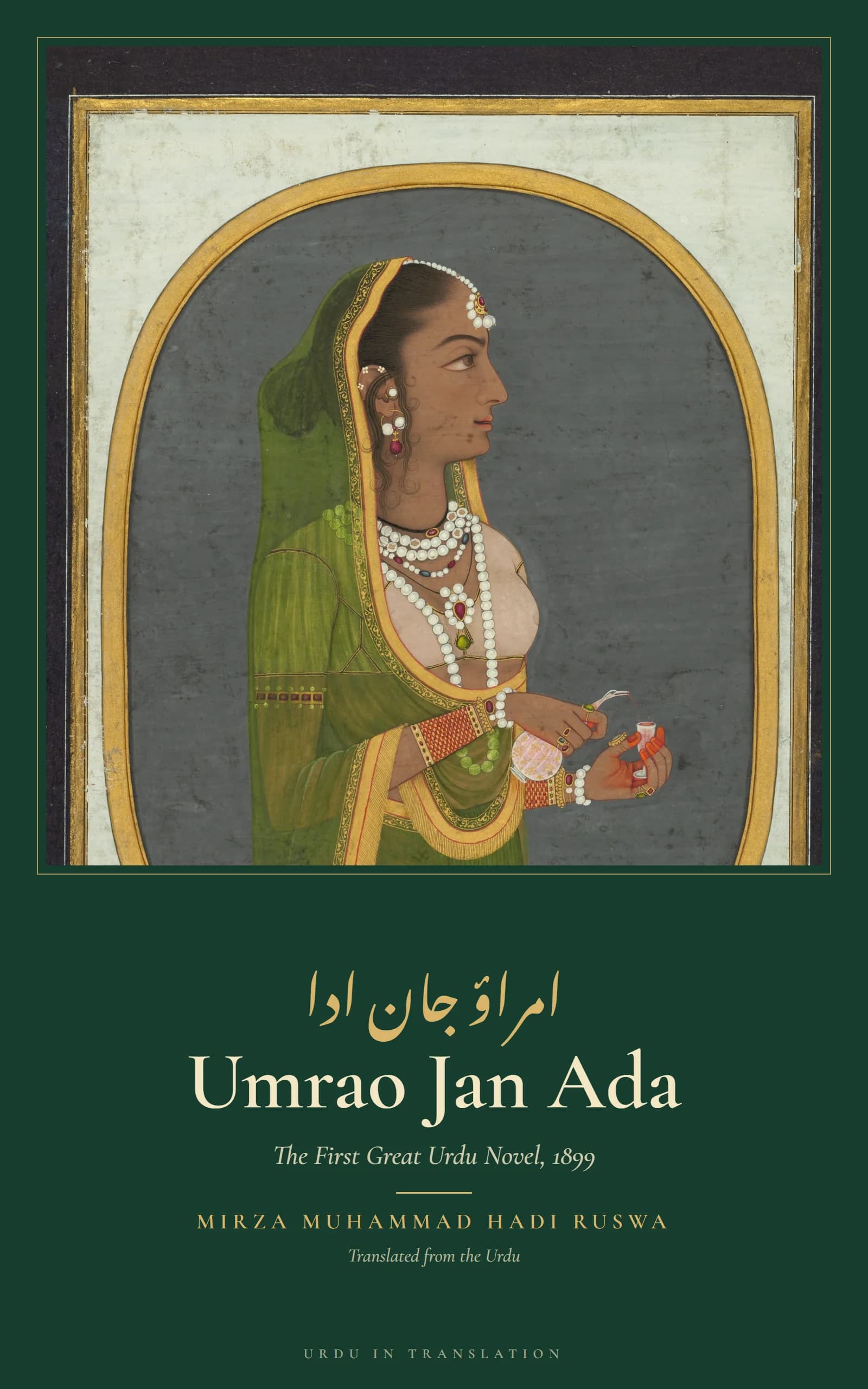
رواية ميرزا هادي رسوا الصادرة سنة 1899، وأشهر الروايات الأردية على الإطلاق. خُطفت أميرن طفلةً من بيتها في فيض آباد وبيعت إلى دار للقيان في لكهنؤ، فصارت أمراؤ جان، المغنية والراقصة والشاعرة التي تتخلص بـ«أدا». وفي كبرها، بعد مجلس للشعراء، ترضى أن تروي حياتها لرسوا: تعليمها، وعشاقها وحُماتها، وقاطع الطريق فيض علي، واضطراب عام 1857، وعودتها إلى البلدة التي سُرقت منها. صورة لثقافة لكهنؤ البائدة في القرن التاسع عشر، بصوتها هي. النص الأردي مع الترجمة؛ الفصلان الأولان متاحان مجانًا.
20 فصلًاEnglishEspañolFrançaisالعربية中文Русский
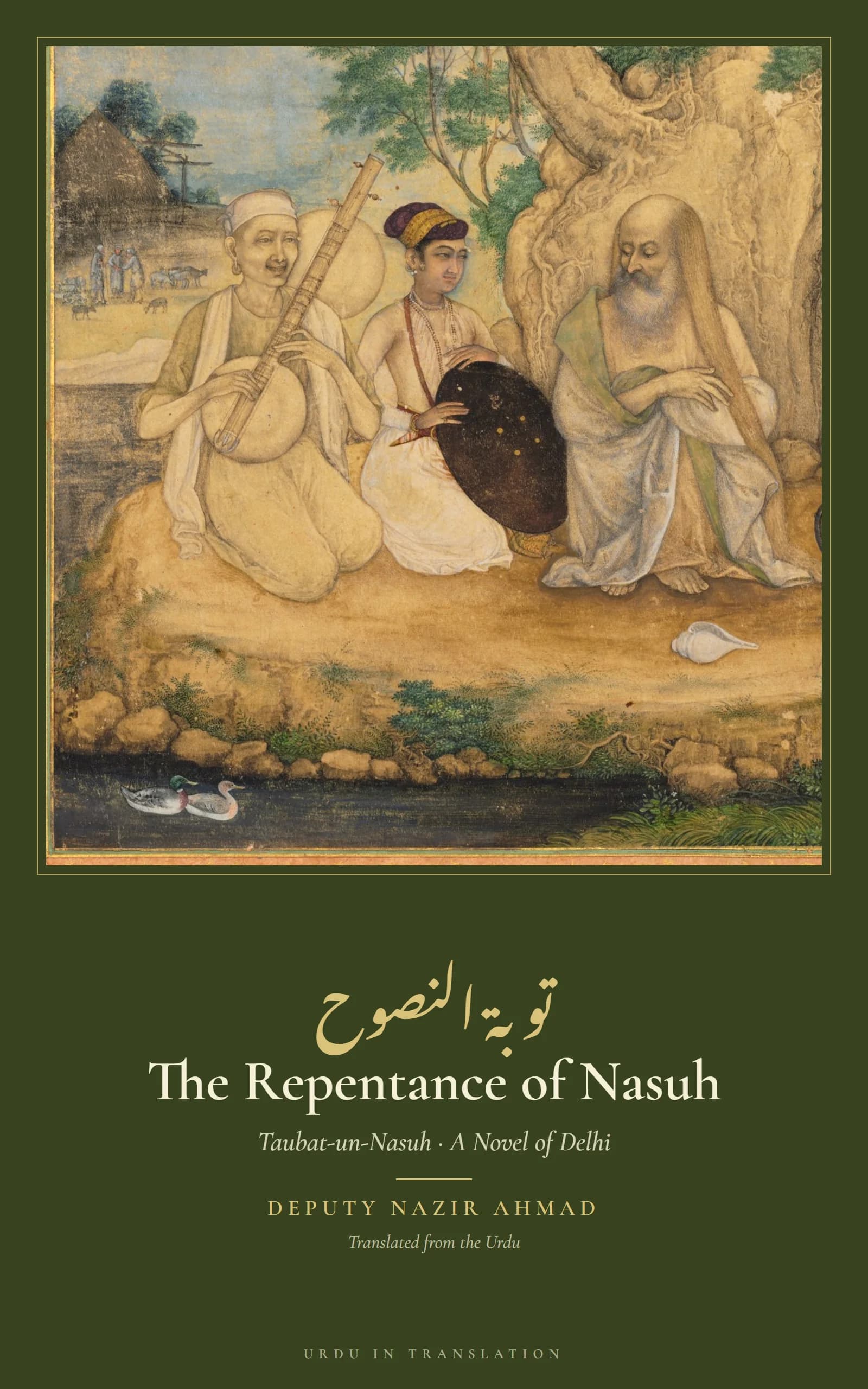
الرواية · 1874
الفصلان الأولان مجانًاتوبة النصوح
توبۃ النصوح
المولوي نذير أحمد
رواية نذير أحمد الصادرة سنة 1874. في وباء كوليرا بدهلي يمرض نصوح، الوجيه المسلم المرتاح الغافل، فيرى في حلم الحمّى أباه الميّت يُحاكَم بين يدي الله. فيستيقظ رجلاً آخر، ويعزم على إصلاح أهل بيته، فتستجيب زوجته فهميدة، ويتبعه أولاده الصغار، أمّا ابنه الأكبر كليم، المتأنّق الشاعر الظريف، فيأبى ذلك كلّ الإباء. دراما بيتيّة عن الآباء والأبناء، والإيمان والموضة، من مؤلّف «ابن الوقت» و«مرآة العروس»، وإحدى الأعمال المؤسِّسة للرواية الأرديّة. النصّ الأرديّ تقابله ترجمةٌ إنجليزيّة، والفصلان الأوّلان متاحان للقراءة مجّاناً.
12 فصلًاEnglishEspañolFrançaisالعربية中文Русский