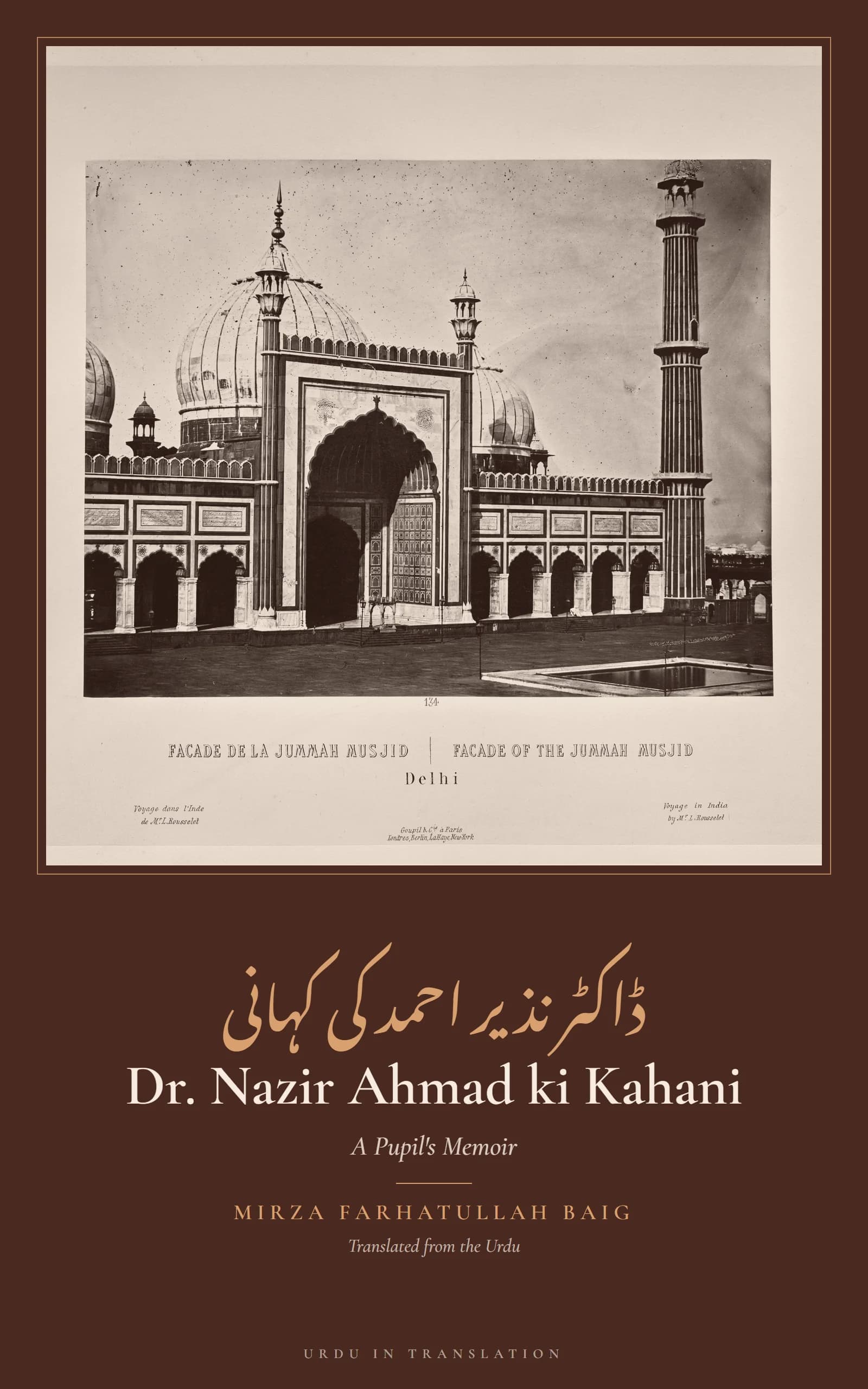
المولوي نذير أحمد
ڈپٹی نذیر احمد
Life1830–1912
Nazir Ahmad was born in 1830 in a village of Bijnor district and came to Delhi as a boy to study in the mosque schools. He then studied at Delhi College, where he learned Arabic and came into contact with Western learning. He survived the upheaval of 1857 in Delhi.
After the uprising he rose through government service and became a deputy collector, which gave him the title "Deputy" by which he is still known. He helped translate the Indian Penal Code into Urdu. Later he served the state of Hyderabad, and he retired to Delhi, where he devoted himself to writing, lecturing and a celebrated Urdu translation of the Qur'an. He died in Delhi in 1912.
أعمال المولوي نذير أحمد
الرواية · 1888
الفصلان الأولان مجانًاابن الوقت
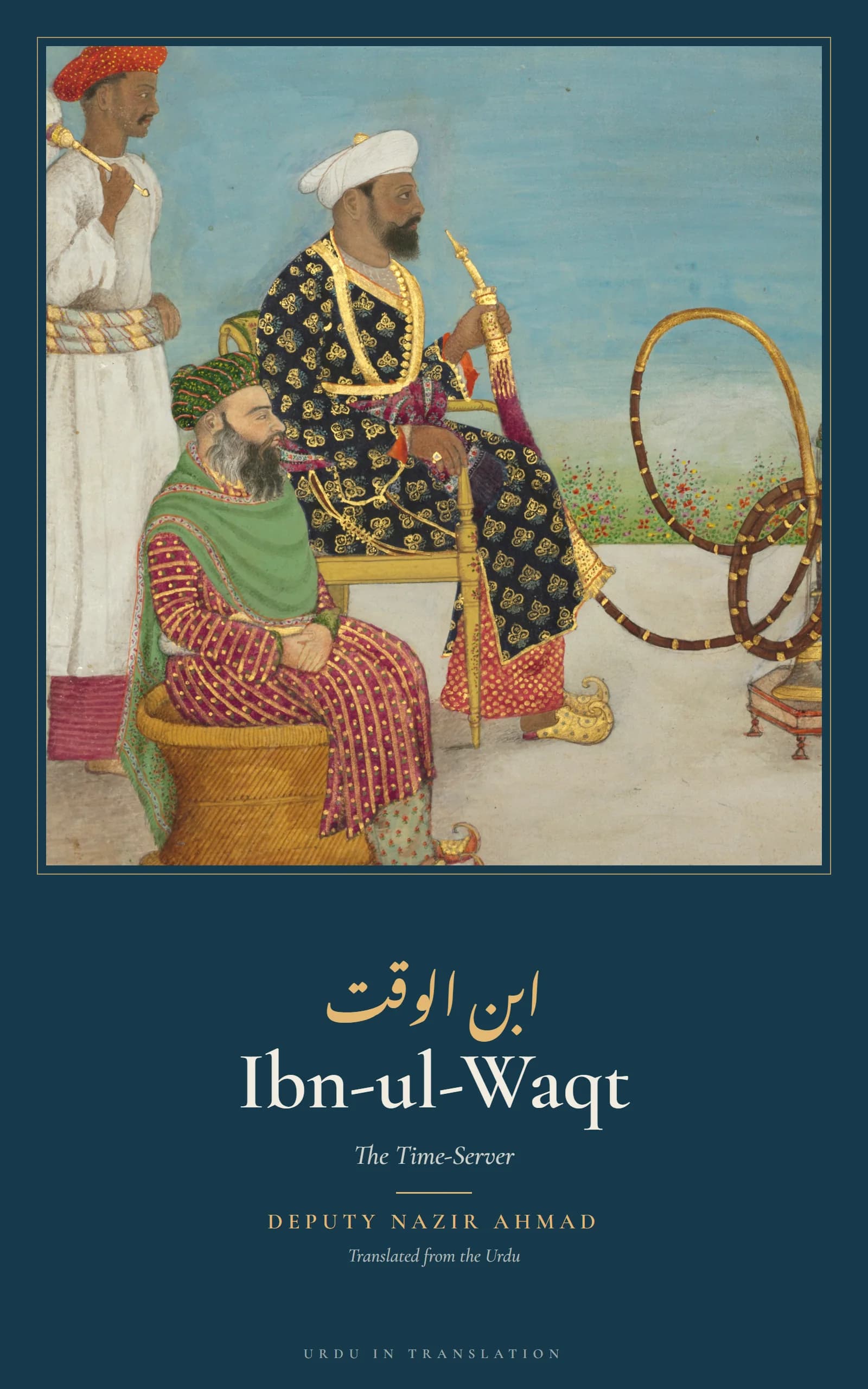
ابن الوقت
المولوي نذير أحمد
رواية نذير أحمد الهزلية الصادرة عام ١٨٨٨. في أثناء ثورة ١٨٥٧ يُخفي ابن الوقت، وكيلُ أميرةٍ مغوليّة والعالمُ بالعربية والفارسية، إنجليزيّاً جريحاً هو المستر نوبل. فلمّا سقطت دلهي كان جزاؤه مكاناً في المجتمع الإنجليزي، فانغمس فيه انغماساً تامّاً: بنگلة، ومائدة بالسكاكين والشوك، وقبّعة، وكلب، واقتناعٌ جديد بأنّ الحكّام خيرٌ من المحكومين في كلّ شيء. فيُرسَل إليه ابن عمّته حجّة الإسلام ليردّه إلى صوابه. كُتبت في عصر السيّد أحمد خان، وهي أوّل هجاءٍ أرديٍّ عظيم للتقليد الاستعماري، وما زالت مضحكةً جدّاً. النصّ الأردي مع ترجمةٍ إنجليزية مقابلة؛ والفصلان الأوّلان متاحان للقراءة مجّاناً.
28 فصلًاEnglishEspañolFrançaisالعربية中文Русский
الرواية
الفصلان الأولان مجانًاAyama: The Widows
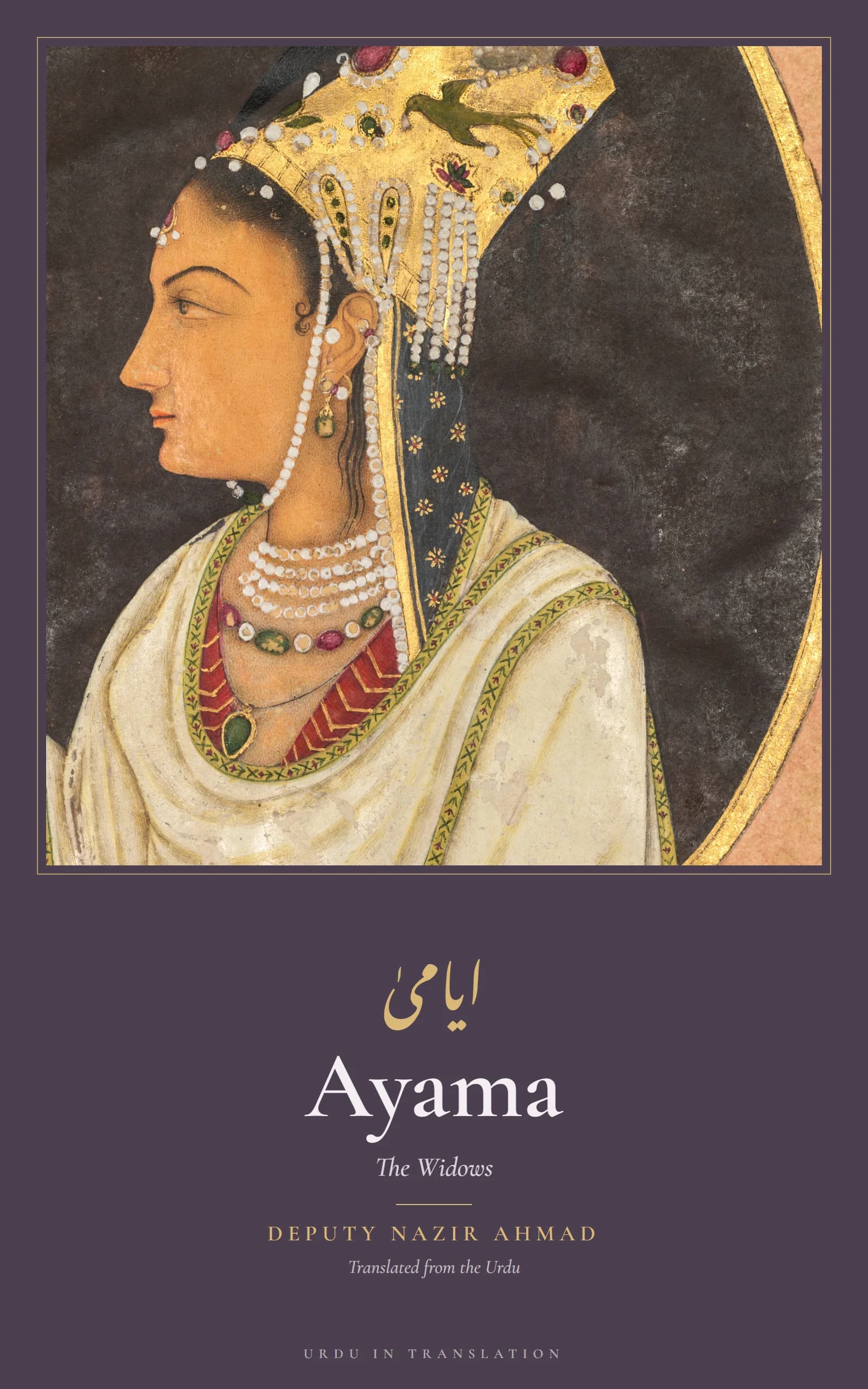
ایامیٰ
المولوي نذير أحمد · عن Novel
Deputy Nazir Ahmad's Ayama ("The Widows", 1891) is the classic Urdu novel on the remarriage of widows. Azadi Begam, a girl of a good Delhi family raised between a sceptical father and a devout mother, marries the young scholar Maulvi Mustajab, weans him from the narrow life of a mosque maulvi, and is left a young, childless widow when he dies in the service of Bhopal. Held back by custom from marrying again, she lives through mourning, sermons on patience, loneliness, thoughts of suicide and the schemes of go-betweens, and in her last illness examines her life in a long dialogue with herself. On her deathbed she calls the men of her family and neighbourhood together and, from behind the curtain, makes them her bequest: a speech on the sufferings of widows and on the Qur'anic command to see them married. A key text for the Urdu novel, Muslim social reform, women's lives and the widow-remarriage debate in nineteenth-century India. Complete Urdu text from the 1891 first edition, with the author's footnotes, a facing English translation, an introduction and a glossary. Cite as: Nazir Ahmad, Ayama, tr. urduintranslation.com (2026). The first chapter is free to read.
21 فصلًاEnglishلغات أخرى قريبًا
الرواية
الفصلان الأولان مجانًاBanat-un-Nash: The Daughters of the Bier
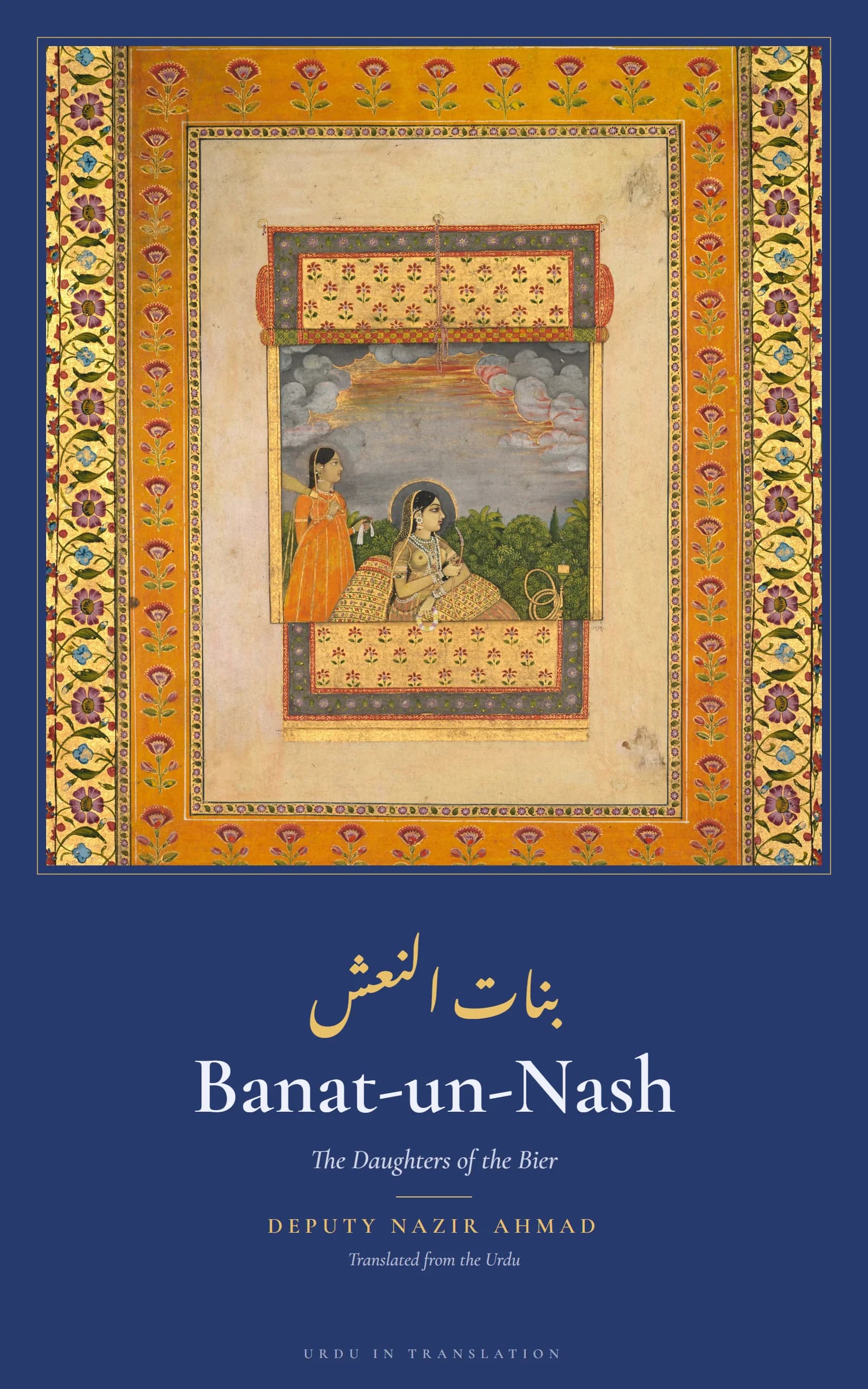
بنات النعش
المولوي نذير أحمد · عن Novel
Deputy Nazir Ahmad's Banat-un-Nash (c. 1872), the second part of his Mirat-ul-Uroos (1869), is one of the first Urdu books written to give girls a modern education. Asghari, the capable heroine of the earlier book, now keeps a school for girls in her Delhi home, and into it comes Husn Ara, the spoilt and bad-tempered daughter of a rich household. Through talk, example and patience rather than punishment, Asghari and her sister-in-law Mahmuda cure her of pride, laziness and superstition, while the girls learn arithmetic, gravity, the shape of the earth, the geography of Arabia, astronomy and the cause of eclipses, and hear the tale of the cruel nobleman Masih-ul-Mulk, a long story of women's superstitions, and the life of an English family. It ends with Husn Ara's moving farewell to the school before her marriage. A key text for the Urdu novel, women's education and reform in nineteenth-century India, and the daily life and speech of Delhi households after 1857. Complete Urdu text from a 1950 Delhi reprint, with the author's footnotes, a facing English translation, an introduction and a glossary. Cite as: Nazir Ahmad, Banat-un-Nash, tr. urduintranslation.com (2026). The first chapter is free to read.
22 فصلًاEnglishلغات أخرى قريبًا
الرواية
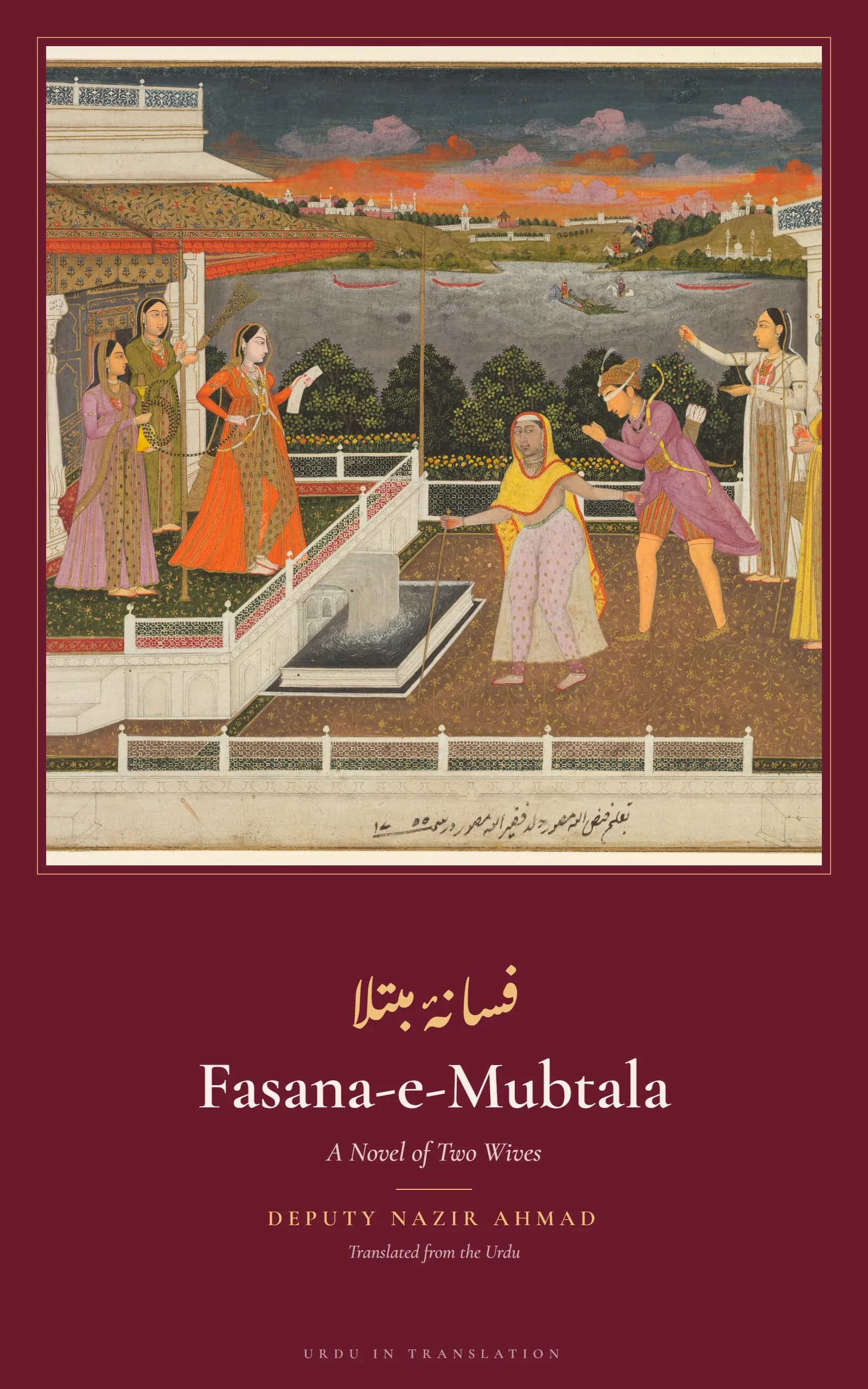
الفصلان الأولان مجانًاFasana-e-Mubtala (The Tale of Mubtala): A Novel of Two Wives
فسانۂ مبتلا
المولوي نذير أحمد
Delhi, in the 1880s. Mubtala, spoilt only son of a well-to-do family, lives for beauty: married young to his plain, proud cousin Ghairat Begum, he despises her and spends his days with dancing girls and flatterers. His pious uncle returns from the hajj to set the house in order, his friend Arif argues with him about beauty and about what the Quran really allows, and Mubtala goes his own way: he marries Hariyali, a courtesan from Lucknow, and smuggles her into the house as a housekeeper. What follows is the comic and terrible story of two co-wives under one roof, the spying and cursing, a pot of poisoned milk, a police case fixed by Ghairat Begum's brother, a clever and unscrupulous pleader, and the slow ruin of a household and of Mubtala himself. Deputy Nazir Ahmad (1831-1912), the first Urdu novelist and author of Mirat-ul-Uroos, wrote it in 1885 against 'the freedom of men in the matter of marriage'. Complete Urdu text (Urdu Wikisource, checked against a Shamsi Press, Delhi printing, archive.org in.ernet.dli.2015.435949, with the author's preface and prelude transcribed from the scan) with a facing English translation, introduction and glossary. Cite as: Deputy Nazir Ahmad, Fasana-e-Mubtala, tr. urduintranslation.com (2026), https://www.urduintranslation.com/works/fasana-e-mubtala. The first two chapters are free to read.
31 فصلًاEnglishلغات أخرى قريبًا
الرواية · 1869
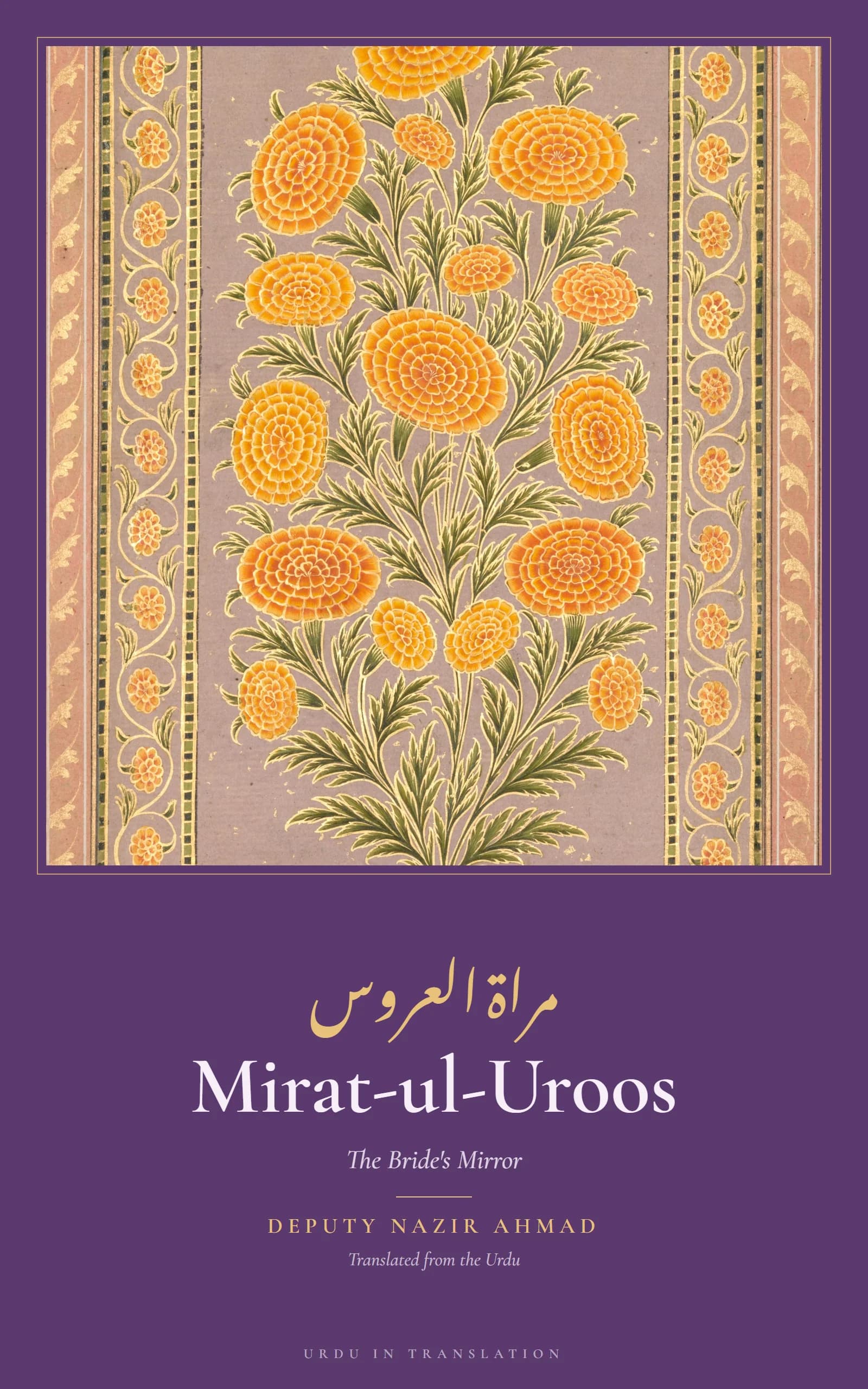
الفصلان الأولان مجانًاMirat-ul-Uroos (The Bride's Mirror)
مراۃ العروس
المولوي نذير أحمد · عن Women's education and household management
Nazir Ahmad's 1869 novel of two Delhi sisters: Akbari, spoilt and quarrelsome, whose household falls into ruin, and Asghari, educated and sensible, who sets her husband's family in order, runs a school for girls, and arranges a brilliant match for her sister-in-law. Often called the first Urdu novel.
20 فصلًاEnglishلغات أخرى قريبًا
الرواية · 1874
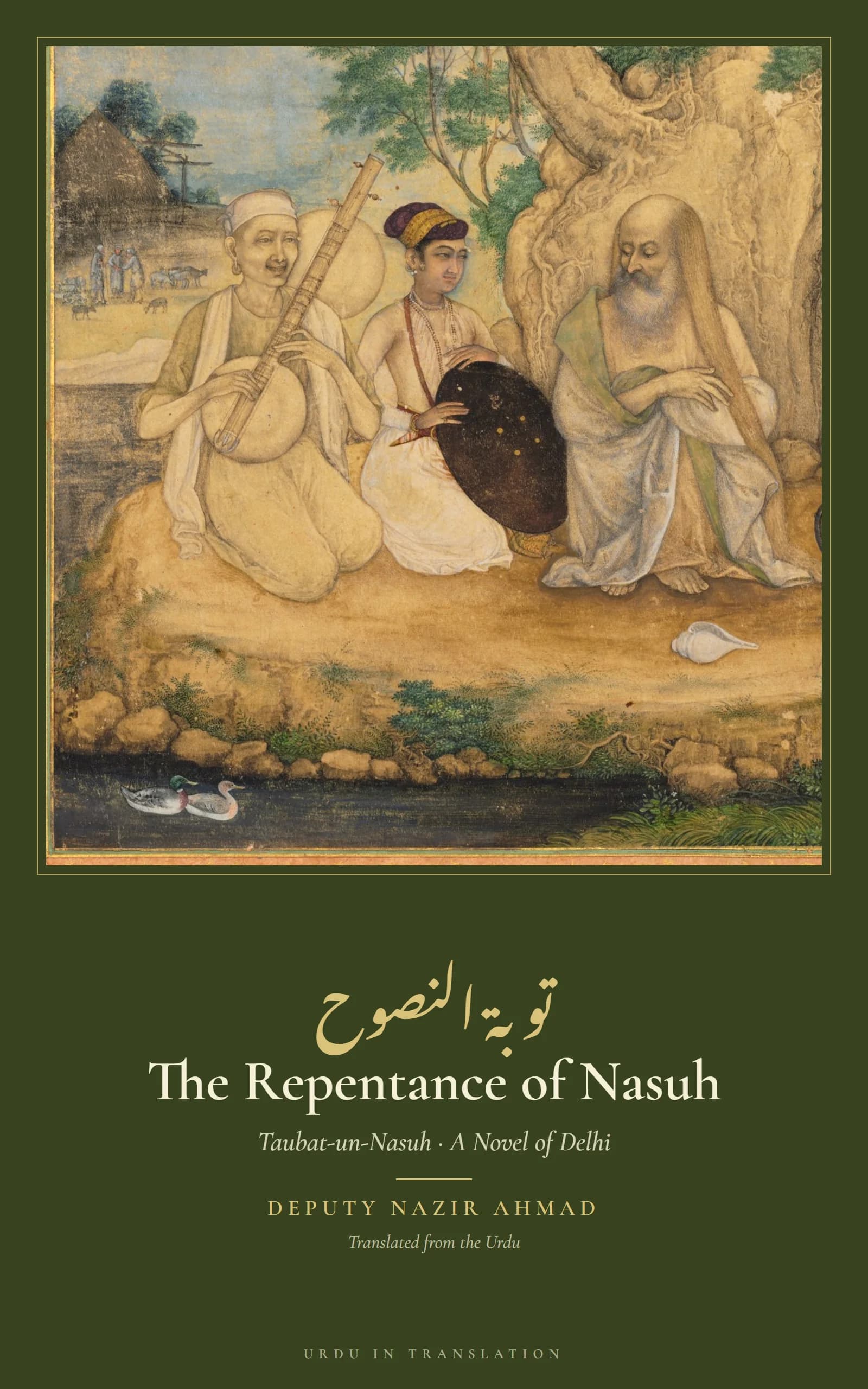
الفصلان الأولان مجانًاتوبة النصوح
توبۃ النصوح
المولوي نذير أحمد
رواية نذير أحمد الصادرة سنة 1874. في وباء كوليرا بدهلي يمرض نصوح، الوجيه المسلم المرتاح الغافل، فيرى في حلم الحمّى أباه الميّت يُحاكَم بين يدي الله. فيستيقظ رجلاً آخر، ويعزم على إصلاح أهل بيته، فتستجيب زوجته فهميدة، ويتبعه أولاده الصغار، أمّا ابنه الأكبر كليم، المتأنّق الشاعر الظريف، فيأبى ذلك كلّ الإباء. دراما بيتيّة عن الآباء والأبناء، والإيمان والموضة، من مؤلّف «ابن الوقت» و«مرآة العروس»، وإحدى الأعمال المؤسِّسة للرواية الأرديّة. النصّ الأرديّ تقابله ترجمةٌ إنجليزيّة، والفصلان الأوّلان متاحان للقراءة مجّاناً.
12 فصلًاEnglishEspañolFrançaisالعربية中文Русский