Chapitre 2 sur 8
Come, My Pen: How We Became His Pupils
چل رے خامہ: ہم کیونکر شاگرد ہوئے
Touchez un mot, en ourdou ou en anglais : son sens apparaît. Sélectionnez une phrase pour la voir entière.
Good God! There was a time when Dani and I used to listen to the talk of the late Maulvi Sahib. His courage raised our courage, his style was the guide of our writing, his wit made him laugh himself and gave us stitches, his troubles brought tears to his own eyes and made us writhe. And today it has come to this, that I am afraid to bring his life to the tip of my pen. The reason is that this great man had learnt the lesson of Islamic brotherhood. He was proud of having risen on his own strength. He counted it his achievement to have risen from a low station to a high one. Whatever he did and whatever he accomplished was not due to anyone's flattery, anyone's recommendation or any family distinction. There was he, and there was the wide wrestling-ground of the world.
اللہ اللہ! ایک وہ زمانہ تھا کہ میں اور دانی، مولوی صاحب مرحوم کی باتیں سنتے تھے۔ ان کی ہمت ہماری ہمت بڑھاتی تھی، ان کا طرز بیان ہماری تحریر کا رہبر ہوتا تھا، ان کی خوش مذاقی خود ان کو ہنساتی اور ہمارے پیٹ میں بل ڈالتی تھی، ان کی تکلیفیں خود ان کو پر نم اور ہم کو تڑپاتی تھیں۔ اور آج وہ دن ہے کہ ان کے حالات زبان قلم پر لانے سے سے ڈر لگتا ہے۔ وجہ یہ ہے کہ وہ بزرگ ہستی اخوت اسلامی کا سبق پڑھے ہوئے تھی۔ اس کو اپنے بل بوتے پر ترقی کرنے پر ناز تھا۔ وہ چھوٹے درجے سے بڑے درجے پر ترقی کرنا اپنا کارنامہ سمجھتی تھی۔ اس نے جو کچھ کیا اور جو کچھ کر دکھایا، وہ کسی کی خوشامد، کسی کی سفارش یا کسی خاندانی وجاہت کے باعث نہ تھا۔ وہ تھا اور دنیا کا وسیع اکھاڑا۔
(Author's note: Dani, that is, Dr Ghulam Yazdani.) [TN: Ghulam Yazdani (1885–1962), later the eminent archaeologist of Hyderabad, was Baig's lifelong friend.]
(حاشیہ: دانی، یعنی ڈاکٹر غلام یزدانی صاحب۔)
He came down into this arena trusting in his own arm, faced every hardship with his own ability and courage. Whatever task he set his hand to, he worked himself to the bone to complete it, and proved to the world beyond doubt that having no friends or helpers is not an obstacle on the road to progress that cannot easily be removed, and that the absence of family connections is not a thing that can stop a man's rise. Whenever he grew warm he would always use the phrase "I am a self-made man", and whenever he gave advice on this point he always said: "My boy! Whatever you have to do, do it yourself; don't go about begging in the name of your forefathers' bones."
وہ اپنے دست و بازو کے بھروسے پر اس میدان میں اترا، ہر مصیبت کا سامنا اپنی ذاتی قابلیت و ہمت سے کیا۔ جس کا م میں ہاتھ ڈالا، اس کی تکمیل میں خون پانی ایک کر دیا اور دنیا پر بہ خوبی ثابت کر دیا کہ بے یاری اور مدد گاری، ترقی کی راہ میں ایسی رکاوٹیں نہیں ہیں جو بہ آسانی ہٹائی نہ جا سکیں اور خاندانی تعلقات کی عدم موجودگی، ایسی چیز نہیں ہے جو مانع ترقی ہو سکے۔ جب کبھی جوش میں آتے تو ہمیشہ I am a self made man کا فقرہ ضرور استعمال کیا کرتے اور جب کبھی اس پہلو پر نصیحت کرتے، تو ہمیشہ یہی فرماتے کہ بیٹا! جو کچھ کرنا ہے خود کرو، باپ داد کی ہڈیوں کے واسطے سے بھیک نہ مانگتے پھرو۔
Man is bound by his nature. When the eyes of the world begin to fall on him, he always hides the weaknesses of his former state and shows its merits. Just as the unworthy children of great families hide their incompetence behind the names of their forefathers, so the able children of poor families wish that the names of their forefathers might be wiped from people's hearts. This is our moral weakness, and this is our ignorance of the lesson of Islam. There was one Maulvi Nazir Ahmad Khan who showed the picture of his ancestors in its true colours and took pride in it. He was proud of his early poverty, and often used to say: "My dear fellow! If you are the son of a Lieutenant-Governor, then at least become a Deputy Commissioner. Aren't you ashamed, as a ten-rupee clerk, to call your father a Lieutenant-Governor?"
انسان، فطرت سے مجبور ہے۔ جب دنیا کی نظریں اس پر پڑنے لگتی ہیں، تو وہ ہمیشہ اپنی پہلی حالت کی کمزوریوں کو چھپاتا اور خوبیوں کو دکھاتا ہے۔ جس طرح بڑے بڑے گھرانوں کی نا اہل اولاد اپنے باپ دادا کے نام سے اپنی نالائقی کو چھپاتی ہے، اسی طرح غریب گھرانوں کی لائق اولاد چاہتی ہے کہ ان کے باپ دادا کے نام لوگوں کے دلوں سے محو ہو جائیں۔ یہ ہماری اخلاقی کمزوری اور یہ ہے ہماری اسلامی سبق سے بے خبری۔ ایک مولوی نذیر احمد خاں تھے، جو اپنے آباء و اجداد کا نقشہ اصلی رنگ میں دکھاتے تھے اور اس پر فخر کرتے تھے۔ ان کو اپنی ابتدائی غربت پر ناز تھا اور اکثر کہا کرتے تھے کہ ’’میاں! اگر لفٹننٹ گورنر کے بیٹے ہو، تو کم سے کم ڈپٹی کمشنر تو ہو جاؤ، دس روپے کے اہل کار ہو کر باپ کو لفٹیننٹ گورنر کہتے ہوئے تمہیں شرم نہیں آتی۔‘‘
At any rate, it was this thought of human nature that has kept me till now from writing the life of the late Maulvi Sahib. I had written a good deal, and tore it up, for fear of getting into a tug-of-war. Again and again the urge would come and then cool off. God bless Maulvi Abdul Haq, who pulled me out of these ifs and buts and persuaded me to commit to the pen what was in my heart. Now I shall write what I have heard with my ears and seen with my eyes, and write it without fear, whether anyone likes it or not. Where I show the late Maulvi Sahib's virtues, I shall also reveal his weaknesses, so that a true and living picture of the departed may be drawn, and these few pages may not become the kind of biography written to please someone or to annoy someone. [TN: Maulvi Abdul Haq (1870–1961), "the Father of Urdu", editor of the journal Urdu in which this memoir first appeared.]
بہر حال یہ فطرت انسانی کا خیال تھا جس نے اب تک مجھے مولوی صاحب مرحوم کے حالات لکھنے سے روکا۔ بہت کچھ لکھ لیا تھا، وہ پھاڑ ڈالا کہ کہیں اینچن چھوڑ گھسیٹن میں نہ پڑ جاؤں۔ رہ رہ کر جوش آتا تھا اور ٹھنڈا پڑ جاتا تھا۔ خدا بھلا کرے مولوی عبد الحق صاحب کا کہ انہوں نے مجھے اس اگر مگر سے نکالا اور دل کی باتوں کو حوالہ قلم کرنے پر آمادہ کر دیا۔ اب جو کچھ کانوں سے سنا اور آنکھوں سے دیکھا ہے وہ لکھوں گا اور بے دھڑک لکھوں گا، خواہ کوئی برا مانے یا بھلا۔ جہاں مولوی صاحب مرحوم کی خوبیاں دکھاؤں گا، وہاں ان کی کمزوریوں کو بھی ظاہر کر دوں گا، تاکہ اس مرحوم کی اصلی اور جیتی جاگتی تصویر کھنچ جائے اور یہ چند صفحات ایسی سوانح عمری نہ بن جائیں جو کسی کےخوش کرنے یا جلانے کو لکھی گئی ہو۔
I shall not keep to any order in telling the events, because that is a kind of artifice. Whatever I heard or saw on any occasion I shall write down just as it was, and I shall always try, as far as possible, to tell the events in Maulvi Sahib's own words. God willing, I shall make no mistake in stating the events; but it is possible that, having forgotten some names, I may leave them out or write them wrongly. As for truth or falsehood, I do not care about that. I am writing the life of my revered teacher. If it is true, I am doing my duty. If it is false, he will collect the damages himself, with compound interest, on the plain of Judgement.
میں واقعات کے بیان کرنے میں کوئی سلسلہ بھی قائم نہ کروں گا کیونکہ یہ بناوٹ کی صورت ہے۔ جس موقع پر جو کچھ سنایا دیکھا، اس کو جوں کا توں لکھ دوں گا اور ہمیشہ اس امر کی کوشش کروں گا کہ جہاں تک ممکن ہو، واقعات مولوی صاحب کی زبان میں بیان کئے جائیں۔ انشاء اللہ واقعات کے اظہار میں مجھ سے غلطی نہ ہوگی، ہاں یہ ممکن ہے کہ بعض نام بھول جانے کی وجہ سے چھوڑ جاؤں یا غلط لکھ جاؤں۔ اب رہا سچ یا جھوٹ تو اس کی مجھے پروا نہیں۔ میں اپنے محترم استاد کے حالات لکھ رہا ہوں۔ اگر سچ ہیں، تو میں اپنا فرض ادا کر رہا ہوں۔ اگر جھوٹ ہیں تو وہ خود میدان حشر میں، سود در سود لگا کر تاوان وصول کر لیں گے۔
As for my style, I am putting gravity on the shelf, because to bring gravity into writing the life of so witty a man as Maulvi Sahib would be not only to mock him but to insult him; or let us say it would be to turn Sayyid Insha into Mir and Mark Twain into Emerson. Since in his lifetime he applauded my impudence with laughter, there is no reason why he should now change his ways, call my frankness insolence, and bring a suit against me. [TN: Insha (d. 1817), the wittiest of the old Urdu poets; Mir (d. 1810), the most melancholy.]
اب رہا طرز بیان، تو اس میں متانت کو بالائے طاق رکھ دیتا ہوں، کیونکہ مولوی صاحب جیسے خوش مذاق آدمی کے حالت لکھنے میں متانت کو دخل دینا ان کا منہ چڑانا ہی نہیں ان کی توہین کرنا ہے، بلکہ یوں کہو کہ سید ا نشا کو میر اور مارک ٹوئن کو امر سن بنانا ہے۔ جب اپنی زندگی میں انہوں نے میری شوخ چشمی کی ہنس ہنس کر داد دی، تو کوئی وجہ نہیں کہ اب وہ اپنی وضع داری کو بدل دیں اور میری صاف گوئی کو گستاخی قرار دے کر دعوے دار ہوں۔
Come, My Pen, in the Name of God
چل رے خامہ بسم اللہ
In 1903 Dani and I passed the F.A. examination from the Hindu College, Delhi, and both entered the Mission College. In the F.A. my optional subject had been science and Dani's Arabic. He advised me to take Arabic for the B.A.: we would help each other and it would make preparing for the examination easier. I was conceited about my memory, and never even considered whether I would be able to manage the subject; I agreed at once. In short, we both joined the first-year B.A. class. Our Arabic professor was Maulvi Jamil-ur-Rahman, a very godly man; the Arabic hour passed easily in talk of Sufism, and he did a little teaching too. Dani may have understood something, if he did; your humble servant learnt it by heart like a parrot. As for grammar and syntax, there I remained as blank as ever. [TN: F.A., "First Arts", the intermediate examination two years before the B.A. The Mission College is St Stephen's College, Delhi.]
1903 میں میاں دانی نے اور میں نے ہندو کالج دہلی سے ایف اے کا امتحان پاس کیا اور دونوں مشن کالج میں داخل ہو گئے۔ ایف اے میں میرا مضمون اختیاری سائنس اور دانی کا عربی تھا۔ انہوں نے مجھے مشورہ دیا کہ بے اے میں عربی لے لو، دونوں کوایک دوسرے سے مدد ملے گی اور امتحان کی تیاری میں سہولت ہوگی۔ مجھے اپنے حافظے پر گھمنڈ تھا، یہ بھی نہ سمجھا کہ اس مضمون کو سنبھال بھی سکوں گا یا نہیں، جھٹ راضی ہو گیا۔ القصہ ہم دونوں بی اے کے درجہ ابتدائی میں شریک ہو گئے۔ ہمارے عربی کے پروفیسر مولوی جمیل الرحمان صاحب تھے، بڑے اللہ والے لوگ تھے، عربی کا گھنٹا بہ آسانی تصوف کی باتوں میں گزر جاتا تھا، کچھ تھوڑا بہت پڑھ بھی لیتے تھے، دانی کچھ سمجھتے ہوں تو سمجھتے ہوں، کمترین تو توتے کی طرح حفظ کر لیتا تھا۔ اب رہی صرف و نحو، اس میں تو کورے کا کورا ہی رہا۔
We had always heard that misfortune does not come with warning, but we had never heard that Arabic professors do not leave with warning. One day when we two reached Maulvi Sahib's room, we found the room empty. On inquiry we learnt that Maulvi Sahib had resigned the evening before and set off for the Kaaba. We went to the Principal, and he gave us a flat answer: we cannot make arrangements for the Arabic class; you had better change your subject. I said to Dani, "Look here, I took Arabic on your advice; now you take science on mine. For the same convenience for which you made me change my subject, now change yours." As the saying goes, "what won't a dying man do?", he agreed. But when we went to the office and counted the lectures, we found that the time for changing subjects had passed; we would be short of lectures, and so we would have to sit the examination in three years instead of two. A stone had come, and a hard one.
سنتے آئے ہیں کہ مصیبت کہہ کر نہیں آتی، لیکن یہ نہیں سنا تھا کہ عربی کے پروفیسر کہہ کر نہیں جاتے۔ ایک دن جو مولوی صاحب کے کمرے میں ہم دونوں پہنچے تو دیکھا کہ کمرا خالی ہے۔ دریافت کیا تو معلوم ہوا کہ مولوی صاحب کل شام کو استعفیٰ دے کر کعبۃ اللہ چل دیے۔ پرنسپل صاحب کے پاس پہنچے تو انہوں نے کورا جواب دے دیا کہ ہم عربی کی جماعت کا بندوبست نہیں کر سکتے، بہتر یہ ہے کہ مضمون تبدیل کر لو۔ میں نے دانی سے کہا کہ بھئی تمہارے کہنے سے میں نے عربی لی تھی، اب میرے کہنے پر تم سائنس لے لو۔ جس سہولت کی بنا پر تم نے میرا مضمون بدلوایا تھا، اب اسی سہولت کے مد نظر اپنا مضمون بدلو۔ بہ قول شخصے کہ’’مرتا کیا نہ کرتا‘‘ وہ راضی ہو گئے۔ دفتر جا کر جو لکچروں کا حساب کیا تو معلوم ہوا کہ مضمون تبدیل کرنے کا وقت نہیں رہا، لکچر کم رہ جائیں گے اور اس طرح بجائے دو سال کے تین سال میں شریک امتحان ہونا پڑے گا۔ سنگ آمد و سخت آمد۔
When it came to "those who sold the cure for the heart have shut up shop", we had to look for another place. We put our heads together, held consultations, passed resolutions, and at last the motion was carried that, acting on the maxim "take your earth from a big heap", we should corner some formidable maulvi. In Delhi two or three men were reckoned great Arabic scholars: one, Maulvi Muhammad Ishaq; the second, Shams-ul-Ulama Maulvi Ziauddin Khan, LL.D.; and the third, Maulvi Nazir Ahmad Khan. The first had no time to spare from his madness, so there was evidently no hope there; the lot fell on the second.
جب ’’وہ جو بیچتے تھے دوائے دل، وہ دکان اپنی بڑھا گئے‘‘ کی صورت آن پڑی، تو دوسرے ٹھکانے کی تلاش ہوئی۔ دونوں سرملا کر بیٹھے، مشورے کیے، رزولیوشن پاس ہوئے، آخر یہ تجویز پاس ہوئی کہ ’’خاک از تو دہ کلاں بردار‘‘ کے مقولے پر عمل کرکے کسی زبر دست مولوی کو گھیرنا چاہئے۔ دلی میں دو تین بڑے عربی داں مانے جاتے تھے، ایک مولوی محمد اسحاق صاحب، دوسرے شمس العلماء مولوی ضیاء الدین خاں صاحب ایل ایل ڈی، اور تیسرے مولوی نذیر احمد خاں صاحب۔ پہلے کو تو دیوانگی سے فرصت نہ تھی، اس لیے وہاں تو دال گلتی معلوم نہیں ہوئی، قرعہ دوسرے صاحب کے نام پرپڑا۔
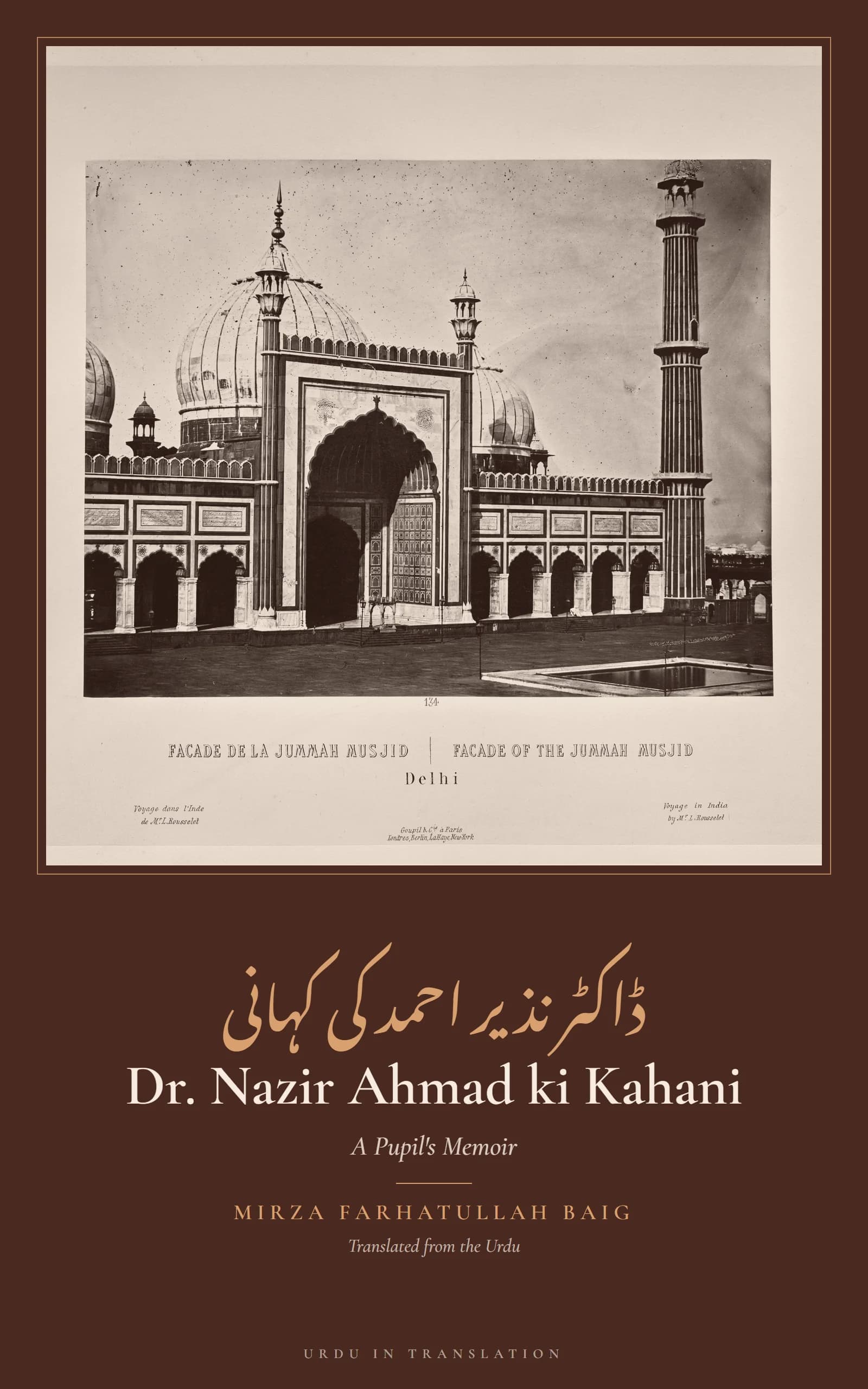
It was summer. Maulvi Ziauddin used to sit in the Jama Masjid saying his litanies until ten or eleven at night, so we two went and camped on the steps of the Jama Masjid from evening on. Eight o'clock struck, nine, ten. Maulvi Sahib would neither come out today nor tomorrow. At long last we saw a lantern coming out of the gateway. We two also shook out our hands and feet, thought up whole sentences of flattery, and stood up.
گرمیوں کا زمانہ تھا، مولوی ضیاء الدین صاحب جامع مسجد میں رات کے دس گیارہ بجے تک بیٹھے وظیفہ پڑھا کرتے تھے، ہم دونوں نے بھی جا کر شام ہی سے جامع مسجد کی سیڑھیوں پر ڈیرے ڈال دیے۔ آٹھ بے، نو بجے، دس بج گئے۔ مولوی صاحب نہ آج نکلتے ہیں نہ کل۔ خدا خدا کر کے دروازے سے قندیل نکلتی ہوئی معلوم ہوئی۔ ہم دونوں بھی ہاتھ پاؤں جھٹک، خوشامد کے فقرے کے فقرے سوچ کھڑے ہو گئے۔
We were standing on the bottom steps, so first we saw the lantern come out of the gateway; then, just as a ship comes into view from the shore of the sea, first Maulvi Sahib's turban, then his radiant face, his kohl-darkened eyes, his blessed white beard, his white gown, and last of all his yellow broadcloth slippers with turned-up toes came into view. Slowly he began to come down the steps, and our breath began to come up in gasps. We were still thinking of standing in his way when he slipped right past us.
ہم آخری سیڑھیوں پر کھڑے تھے، اس لئے دروازے میں سے پہلے قندیل نکلتی نظر آئی، اس کے بعد جس طرح سمندر کے کنارے سے جہاز آتی دکھائی دیتا ہے اسی طرح پہلے مولوی صاحب کا عمامہ، اس کے بعد ان کا نورانی چہرہ، سر مگیں آنکھیں، سفید ریش مبارک، سفید جبہ اور سب سے آخر زرد بانات کی سلیم شاہی جوتیاں نظر آئیں۔ آہستہ آہستہ انہوں نے سیڑھیوں سےاترنا اور اوپر تلے ہمارے سانس نے چڑھنا شروع کیا۔ ہم سوچتے ہی رہے کہ راستہ روک کر کھڑے ہو جائیں، وہ سٹ سے پاس سے نکل گئے۔
At last, walking a little faster, we caught him up, and both bowed very respectfully and saluted him to the ground. He thought we were passers-by greeting him on account of his eminence; he did not realise that we were petitioners and that it would be hard to shake us off. He went on, returning the greeting, and we played the same trick as before, circled round and came in front of him again. Seeing this he stopped short and asked, "I do not recognise you gentlemen. Have you some business with me?" We told our long tale and brought our request to our lips. He said, "You know that I am an examiner of the Punjab University." He spoke these words in exactly the tone in which someone nowadays might say, "You know that I am an inspector of the C.I.D." But we had given up all hope of our lives; we submitted that we sought no favour in the examination, only help in our studies. He said, "To teach you and then remain your examiner is against my conscience. Find someone else."
آخر ذرا تیز قدم، چل کر ان کو جا لیا اور نہایت ادب سے دونوں نے جھک کر فرشی سلام کیا۔ وہ سمجھے کوئی راہ گیر ہیں، میری وجاہت کی وجہ سے سلام کر رہے ہیں۔ یہ نہ سمجھے کی سائل ہیں، ان سے پیچھا چھڑانا مشکل ہے۔ وہ تو سلام لیتے ہوئے آگے بڑھے اور ہم نے وہی پہلی والی ترکیب کی کہ چکر کھا کر پھر سامنے آگئے۔ یہ دیکھ کر وہ ذرا ٹھٹکے، پوچھا، میں نے آپ صاحبوں کو نہیں پہچانا، کیا مجھ سے کوئی کام ہے؟ رام کہانی بیان کر کے عرض مدعا زبان پر لائے۔ فرمانے لگے، تم کو معلوم ہے کہ میں پنجاب یونیورسٹی کا ممتحن ہوں۔ بجنسہ اسی لہجے میں یہ الفاظ ادا کئے جیسے اس زمانے میں کوئی کہے، تم کو معلوم ہے کہ میں سی آئی ڈی کا انسپکٹر ہوں۔ لیکن ہم جان سے ہاتھ دھوئے بیٹھے تھے، عرض کیا کہ ہم امتحان میں رعایت کے طالب نہیں، تعلیم میں مدد چاہتے ہیں۔ فرمانے لگے کہ تم کو تعلیم دینا اور پھر ممتحن رہنا میرے ایمان کے خلاف ہے، کسی دوسرے کی تلاش کیجئے۔
Perhaps this question is an article of faith; perhaps the Punjab University had made Maulvi Sahib take an oath not to teach. Be that as it may, he gave us both a hard shove of "Peace be upon you", and ordered his servant to go on. That obedient fellow picked up the lantern and went ahead, and Maulvi Sahib set off after him with long strides, fearing perhaps that these two highwaymen might block his way again. But Maulvi Sahib's manner and the jolt of his "Peace be upon you" had left us both limp. We stood rooted where we were, and Maulvi Sahib turned into the lane of the Persian-wheel well and entered his house. Well, cold water was thrown on hope number two; but we learnt a lesson for the future, that to attack so formidable an enemy in the open field is dangerous; to catch such a Rustam one must become a Shaghad. [TN: in the Shahnama, the hero Rustam is killed by treachery by his half-brother Shaghad.]
ممکن ہے کہ یہ مسئلہ کوئی جزو ایمان ہو، ممکن ہے کہ پنجاب یونیورسٹی نے مولوی صاحب سے تعلیم نہ دینے کا حلف لے لیا ہو، بہر حال کچھ بھی ہو، انہوں نے ہم دونوں کو سلام علیکم کا ایک زور سے دھکا دے کر نوکر کو حکم دیا کہ آگے بڑھو۔ وہ حکم کا بندہ قندیل اٹھا، آگے چلا اور مولوی صاحب اس کے پیچھے پیچھے لمبے لمبے ڈگ بھرتے روانہ ہوئے۔ ڈر تھا کہ کہیں یہ دونوں قطاع الطریق پھر راستہ نہ روک لیں، مگر مولوی صاحب کےطرز عمل اور سلام علیکم کے جھٹکے نے ہم دونوں کو مضمحل کر دیا تھا۔ جہاں کھڑے تھے وہیں کھڑے کے کھڑے رہ گئے اور مولوی صاحب رہٹ کے کنویں کی گلی میں گھس، اپنے مکان میں داخل ہو گئے۔ چلو امید نمبر دو پر پانی پھر گیا، لیکن آئندہ کے لئے سبق مل گیا کہ ایسے زبردست دشمن پر کھلے میدان میں حملہ کرنا خطرناک ہے، ایسے رستم کو پکڑنے کے لئے شغاد بننا ضروری ہے۔
A council was held right there on the steps, and a resolution passed that Maulvi Nazir Ahmad should be attacked under cover of Abdur Rahman. Now hear about Abdur Rahman too. His father's name was Sirajuddin, a most good and pious man. He had a shoe shop. Maulvi Nazir Ahmad always helped this shop with money and came every evening to sit there. Abdur Rahman was not my classmate, but we were very friendly. Maulvi Sahib cared a great deal about his education; it was because of him that Abdur Rahman passed the B.A. and LL.B. examinations, because of him that he rose in the legal profession, so much so that it is the result of Maulvi Sahib's interest alone that today there is no Muslim pleader in Delhi to match him. At that time he was studying for the F.A.
وہیں سیڑھیوں پر بیٹھ کر کونسل ہوئی او رزولیوشن پاس ہوا کہ مولوی نذیر احمد صاحب پر حملہ عبد الرحمان کی آڑ میں کیا جائے۔ اب میاں عبد الرحمان کا حال بھی سن لیجئے۔ ان کے والد کا نام سراج الدین صاحب تھا۔ نہایت نیک اور پرہیز گار شخص تھے۔ جوتوں کی دکان تھی۔ مولوی نذیر احمد صاحب اس دکان کو ہمیشہ رقمی مدد دیا کرتے تھے اور روزانہ شام کو وہاں آ کر بیٹھتے تھے۔ عبد الرحمان میرے ہم جماعت نہ تھے لیکن آپس میں میل جول بہت تھا۔ مولوی صاحب کو ان کی تعلیم کا بہت خیال تھا، چنانچہ انہیں کی وجہ سے عبد الرحمن نے بی اے، ایل ایل بی کے امتحانات پاس کیے۔ انہی کی وجہ سے وکالت میں ترقی کی، یہاں تک کہ مولوی صاحب ہی کی دلچسپی کا نتیجہ ہے کہ اس وقت دہلی میں ان کی ٹکر کا کوئی مسلمان وکیل نہیں ہے۔ اس زمانے میں یہ ایف اے میں پڑھتے تھے۔
Anyway, the scheme was ready, and the very next day I began to work on Abdur Rahman. After a day or two I told him what we wanted. He said, "My dear chap, Maulvi Sahib has very little time; he may refuse." I said, "Abdur Rahman, my dear fellow, just get us to him, and if you can, put in a good word or two for us; after that it's up to us and our luck." He agreed and said, "Come to the shop at eight in the evening and I'll introduce you to Maulvi Sahib." What does a blind man want but two eyes?
بہر حال اسکیم تیار ہو گئی اور دوسرے ہی دن میں نے عبد الرحمان کو گانٹھنا شروع کیا۔ دو ایک روز کے بعد ان سے اظہار مطلب کیا۔ کہنے لگے کہ بھئی مولوی صاحب کو فرصت کم ہے کہیں انکار نہ کر بیٹھیں۔ میں نے کہا کہ میاں عبد الرحمان! تم ان تک ہم کو پہنچا دو، اگر ہو سکے تو ایک دو کلمہ خیر بھی ہمارے حق میں کہہ دو، آگے ہم جانیں اور ہماری قسمت۔ وہ راضی ہوگئے اور کہا کہ شام کو آٹھ بجے دکان پر آجانا، میں مولوی صاحب سے ملوا دوں گا، اندھا کیا چاہے، دو آنکھیں۔
At eight sharp we two arrived at Sirajuddin's shop. The shop was near the Fatehpuri mosque. We arrived to find Maulvi Sahib sitting doing some money accounts with Sirajuddin. As soon as we arrived we saluted him to the ground and sat silently at a corner of the divan. Sirajuddin asked after us; Abdur Rahman came and sat beside us; but Maulvi Sahib was so busy with the accounts of the rupees that he did not even see who came or went. I thought: here too the deal does not look like coming off; we shall have to leave here too with a rebuff. It is true that despair makes a man bold. What won't a dying man do? I made up my mind that today it would be one way or the other. Maulvi Ziauddin had got away safely, but with Maulvi Nazir Ahmad we would come to grips.
ٹھیک آٹھ بجے ہم دونوں سراج الدین صاحب کی دکان پر پہنچے۔ یہ دکان فتح پوری کی مسجد کے قریب تھی۔ جا کر کیا دیکھتے ہیں کہ مولوی صاحب بیٹھے سراج الدین سے کچھ رقم کا حساب کر رہے ہیں۔ ہم نے جاتے ہی فرشی سلام کیے اور خاموش تخت کے کونے پر بیٹھ گئے۔ سراج الدین صاحب نے خیریت پوچھی، عبد الرحمان ہمارے پاس آبیٹھے، مگر مولوی صاحب روپیوں کے حساب کتاب میں اس قدر مشغول تھے کہ انہوں نے دیکھا بھی نہیں کہ کون آیا، کون گیا۔ میں نے سوچا کہ یہاں بھی معاملہ پٹتا معلوم نہیں ہوتا، دھتکار سن کر یہاں سے بھی نکلنا پڑے گا۔ سچ ہے، مایوسی انسان کو ہمت والا بنا دیتی ہے۔ مرتا کیا نہ کرتا، میں نے بھی سوچ لیا کہ آج اس پار یا اس پار۔ مولوی ضیاء الدین صاحب تو بچ کر نکل گئے، لیکن مولوی نذیر احمد صاحب سے دو دو ہاتھ ہو جائیں گے۔
To cut a long story short, Maulvi Sahib finished his accounts and asked, "Who are these two gentlemen?" Abdur Rahman told him our names, gave some garbled account of our families, then mentioned our plight a little, and fell silent. I said in my heart: gamble on another's stake, and if you don't die today you'll die tomorrow. Leave Abdur Rahman be now; say whatever has to be said yourself, or there will be a formal retreat from here too, empty-handed. In a most pathetic tone I began to tell our misfortune. He said, "Then give up Arabic and study science. My boy, Muslims today have great need of science. We have a proverb: 'Study Persian and sell oil; see the games of fate.' With Persian you will at least sell oil; with Arabic you won't even know how to sell oil."
قصہ مختصر، مولوی صاحب حساب سے فارغ ہوئے اور پوچھا کہ یہ دونوں صاحب کون ہیں؟ عبد الرحمان نے ہمارے نام بتائے، کچھ الٹے سیدھے خاندانی حالات بھی بیان کئے، ا س کے بعد ہماری مصیبت کا بھی ذرا سا تذکرہ کیا اور خاموش ہوگئے۔ میں نے دل میں کہا، پرائے برتے کھیلا جوا، آج نہ موا کل موا۔ اب میاں عبد الرحمان کو رہنے دو، جو کچھ کہنا ہے خود کہہ ڈالو۔ کہیں ایسا نہ ہو کہ یہاں سے بھی بے نیل مرام باضابطہ پسپائی ہو۔ میں نے نہایت رقت آمیز لہجے میں اپنی مصیبت کا تذکرہ شروع کیا۔ فرمانے لگے، تو عربی چھوڑ دو، سائنس پڑھو۔ بیٹا! آج کل مسلمانوں کو سائنس کی بڑی ضرورت ہے۔ ہمارے یہاں مثل ہے، پڑھیں فارسی بیچیں تیل، یہ دیکھو قدرت کے کھیل۔ فارسی پڑ کر تیل تو بیچ لوگے، عربی پڑھ کر تیل بیچنا بھی نہ آئے گا۔
His humorous talk raised our spirits. We were men from under the Jama Masjid, after all; who could beat us at this sort of thing? We answered in the same lively words. Maulvi Sahib smiled at first, and then burst out laughing. Pointing at Dani he said, "This one seems very meek, but you are a great rascal. My boy, go and look for some other maulvi. Is there a famine of maulvis in Delhi? If I had the least time to spare, I would never refuse." I submitted, "Your honour's words are perfectly true; but those who are maulvis don't teach, and those who teach are not maulvis."
ان کی اس پر مذاق گفتگو سے ہم دونوں کے دل بڑھ گئے۔ ہم رہنے والے ٹھہرے جامع مسجد کے نیچے کے، بھلا ایسی باتوں میں ہم سے کون اور آ سکتا ہے۔ ہم نے بھی ایسے ہی شگفتہ الفاظ میں جواب دیا۔ مولوی صاحب پہلے تو مسکراتے رہے۔ اس کے بعد کھلکھلا کر ہنس دیے۔ دانی کی طرف اشارہ کر کے کہنے لگے کہ یہ بڑا غریب معلوم ہوتا ہے، مگر تو بڑا بدمعاش ہے۔ بیٹا! جاؤ کسی دوسرے مولوی صاحب کی تلاش کرو۔ دلی میں کیا مولویوں کا کال ہے۔ مجھے ذرا بھی فرصت ہوتی تو کبھی انکار نہ کرتا۔ میں نے عرض کی کہ جناب والا کا ارشاد بالکل صحیح ہے مگر جو مولوی ہیں وہ پڑھاتے نہیں اور جو پڑھاتے ہیں، وہ مولوی نہیں ہیں۔
He said, "No, you'll find one or two who are maulvis and teach as well. Go to his honour Shams-ul-Ulama Maulvi Ziauddin Khan, LL.D." (he spoke these words with great sarcasm); "he has time, and he is learned too." I said, "And on top of that he is an examiner of the Punjab University." He did not understand what I meant. We were still smarting, so I told the incident of the Jama Masjid steps, with plenty of salt and pepper. He laughed a great deal and said, "Well, one ought to be afraid of you boys. If Ziauddin learnt that his praiseworthy qualities and admirable traits were being discussed like this at Sirajuddin's shop, take it from me, he would slap a suit on you. All right, I'll teach you; but you will run away."
کہنے لگے، نہیں، ایک آدھ ایسا بھی نکل آئے گا جو مولوی بھی ہوگا اور پڑھائے گا بھی۔ جناب شمس العلماء مولوی ضیاء الدین خاں صاحب ایل ایل ڈی ( یہ الفاظ بہت طنز سے کہے) کے پاس جاؤ، ا ن کو فرصت بھی ہے اور عالم بھی ہیں۔ میں نے کہا کہ اس کے ساتھ وہ پنجاب یونیورسٹی کے ممتحن بھی کہنے لگے۔ میں اس کا مطلب نہیں سمجھا۔ یہاں تو جلے بیٹھے ہی تھے، جامع مسجد کی سیڑھیوں والا واقعہ خوب نمک مرچ لگا کر بیان کیا۔ بہت ہنسے اور کہنے لگے کہ بھئی، تم لونڈوں سے ڈرنا چاہئے۔ ضیاء الدین کو اگر خبر ہو جائے کہ ان کے اوصاف حمیدہ و خصائل پسندیدہ سراج الدین کی دکان پر اس طرح معرض بحث میں آتے ہیں تو یقین جانو کی نالش ٹھونک دیں۔ اچھا بھئی میں تم کو پڑھاؤں گا مگر تم بھاگ جاؤ گے۔
From both our mouths together came: "No, never!" Maulvi Sahib said, "There will not be a single day's holiday." We said, "Very good." Maulvi Sahib said, "You will have to come even on Id and Baqrid." We said, "Very proper. At what time shall we present ourselves tomorrow?" Maulvi Sahib reckoned his time on his fingers for a while, then said, "At half past one in the afternoon." We said, "Very good." Since it had grown late with all this talk, Maulvi Sahib rose from the shop. We all saluted him, and he left saying "And upon you be peace."
ہم دونوں کے منہ سے ایک ساتھ نکلا، نہیں ہرگز نہیں۔ مولوی صاحب نے کہا چھٹی ایک دن کی نہ ہوگی۔ ہم نے کہا بہت خوب۔ مولوی صاحب نے کہا کہ عید بقر عید کو بھی آنا پڑے گا۔ ہم نے کہا کہ بہت مناسب، کل کس وقت حاضر ہوں؟ مولوی صاحب تھوڑی دیر تک انگلیوں پر کچھ اپنے وقت کا حساب کرتے رہے، اس کے بعد کہا، ’’دوپہر کو ڈیڑھ بجے۔‘‘ ہم نے کہا، بہت خوب۔ چونکہ ان باتوں میں رات زیادہ ہو گئی تھی، اس لئے مولوی صاحب دکان سے اٹھے۔ ہم سب نے سلام کیا اور وہ و علیکم السلام کہتے ہوئے تشریف لے گئے۔
I must say here that Sirajuddin, by agreeing with us from time to time, was a great help in reaching this decision. We two also rose happily and, with "Peace be upon you" and "And upon you be peace", left the shop. On the way Dani said, "Mirza, my friend, the old man has killed us. We'll leave college after lectures at eleven; walking from the Kashmiri Gate to Churiwalan it will be half past eleven by the time we get home. We won't have time to draw breath before we have to get ready to go to Maulvi Sahib's. Chawri Bazar to Khari Baoli, in the month of June! We'll get sunstroke on the way and kick the bucket!"
یہاں میں یہ ضرور کہوں گا کہ سراج الدین صاحب وقتاً فوقتاً ہماری ہاں میں ہاں ملا کر اس فیصلے میں بڑی مدد کی۔ ہم دونوں بھی خوش خوش اٹھے اور سلام علیکم، و علیکم السلام کر کے دکان سے چلے۔ راستے میں دانی نے کہا، میاں مرزا! بڑے میاں نے مار ڈالا، بھئی گیارہ بجے کالج سے پڑھ کر نکلیں گے، کشمیری دروازے سے چل کر چوڑی والوں آتے آتے ساڑھے گیارہ بج جائیں گے۔ دم نہ لینے پائیں گے کہ مولوی صاحب کے ہاں چلنے کی تیاری کرنی پڑے گی۔ کہاں چاوڑی اور کہاں کھاری باولی، جون کامہینہ؟ کہیں راستے میں لو لگ کر ٹیں نہ ہو جائیں!
I said, "Dani, my friend, go along for a few days and see; perhaps Maulvi Sahib will take pity." But he was not to take pity to the end, and he did not. The joke is that in winter the lessons were fixed at half past six in the morning. But to be honest, it was only Maulvi Sahib's goodness that he agreed to teach us at all; the poor man had not a minute free, and the time he gave us he cut out of his own hours of rest.
میں نے کہا، میاں دانی کچھ دنوں چل کر دیکھو، شاید مولوی صاحب کو رحم آ جائے مگر ان کو آخر تک رحم نہ آنا تھا، نہ آیا۔ لطف یہ ہے کہ جاڑوں میں صبح ساڑھے چھے بجے سے تعلیم کا وقت مقرر ہوا، لیکن ایمان کی بات ہے کہ مولوی صاحب ہی کی ہمت تھی جو وہ ہمارے پڑھانے کو تیار ہو گئے، بے چاروں کا ایک منٹ خالی نہ تھا اور انہوں نے جو وقت ہم کو دیا تھا، وہ اپنے آرام کے وقت میں سے کاٹ کر دیا تھا۔
For about two years we studied with him, and we never once complained of heat or cold, nor ever uttered a word about changing the time. Nor did we miss a single day in those two years.
تقریباً دو برس تک ہم ان سے پڑھتے رہے، نہ ہم نے کبھی گرمی یا سردی کی شکایت کی اور نہ کبھی وقت بدلنے کا لفظ زبان پر لائے۔ نہ ان دو سال میں ایک دن ناغہ کیا۔
So much so that Maulvi Sahib himself always used to say: "My boys, when you two come my heart is glad, because I find in you the smell of the true student. I know what is meant by education and how learning is acquired. Only my heart knows how I studied. If the boys of today had such misfortunes, they would run away from home. But" (looking at me) "master, I expect nothing of you; you only care about passing the B.A. Dani has a passion for it; he will make progress in Arabic. But you will stay as blank as ever, and God willing, in five or six years you will waste all my labour." By the grace of God this prophecy of his came true.
یہاں تک کہ مولوی صاحب بھی ہمیشہ کہتے تھے کہ بیٹا، جب تم دونوں آتے ہو میرا دل خوش ہو جاتا ہے، کیوں کہ میں تم میں طالب علمی کی بو پاتا ہوں، میں جانتا ہوں کہ تعلیم کس کو کہتے اور علم کیوں کر حاصل ہوتا ہے۔ جس طرح ہم نے پڑھا ہے کچھ ہمارا ہی دل جانتا ہے۔ اس زمانے کے لونڈوں پر اگر ایسی بپتا پڑے تو گھر چھوڑ کر بھاگ جائیں، مگر (میری طرف دیکھ کر) استاد! تم سے مجھے کچھ توقع نہیں، تم صرف بی اے پاس کرنے کی فکر میں ہو۔ دانی کو شوق ہے، یہ عربی میں ترقی کرے گا، مگر تم کورے کے کورے ہی رہو گے اور انشاء اللہ پانچ چھے ہی برس میں میری ساری محنت اکارت کر دوگے۔ خدا کے فضل سے ان کی یہ پیشین گوئی پوری ہوئی۔
Before I speak of Maulvi Sahib's early education, I think it proper to draw a picture of his appearance, the state of his house, his way of living and his occupations, so that a true estimate of his character may be formed. But before I put this cinematograph film on, I beg pardon for my style, because in places my impudence will go beyond the bounds. Yet I assure all you gentle readers that if Maulvi Sahib had written his own biography he would have written it in this same colour, and if you had been in his company you too would have had to beg pardon like me when writing his life; otherwise your writing, instead of a biography of Maulvi Nazir Ahmad, would have become a collection of the dull doings of some dry-as-dust mullah. God knows that even now, as I write, I put the pencil down and a kind of rapture comes over me.
اس سے پہلے کہ مولوی صاحب کی ابتدائی تعلیم کا ذکر کروں، میں مولوی صاحب کی شکل و صورت، مکان کی حالت، ان کے رہنے سہنے کے طریقے اور ان کے مشاغل کا نقشہ کھینچ دینا مناسب خیال کرتا ہوں، تاکہ مولوی صاحب کے کیرکٹر کا صحیح اندازہ ہو سکے، لیکن سینو میٹو گرام کا یہ فلم چڑھانے سے قبل میں اپنے طرز بیان کے متعلق معافی مانگ لیتا ہوں، کیوں کہ میری شوخی بعض جگہ حد تجاوز سے بڑھ جائے گی، لیکن آپ تمام قارئین کرام کو یقین دلاتا ہوں کہ اگر مولوی صاحب خود اپنی سوانح عمری لکھتے تو اسی رنگ میں لکھتے اور اگر آپ ان کی صحبت میں رہے ہوتے، تو آپ کو بھی ان کے حالات لکھتے وقت میری ہی طرح معافی مانگنی پڑتی، ورنہ آپ کی تحریر، بجائے مولوی نذیر احمد صاحب کی سوانح عمری کے، کسی ٹھوٹھ ملا کے بے لطف واقعات کا ایک مجموعہ ہو جاتی۔ خدا بہتر جانتا ہے کہ اس وقت بھی لکھتے لکھتے پنسل ہاتھ سے رکھ دیتا ہوں اور ایک عالم بے خودی مجھ پر چھا جاتا ہے۔
Que vous laisse ce chapitre ?
Connectez-vous pour réagir
Discussion
Personne n’a encore parlé. Dites ce que ce chapitre a remué en vous.