Chapitre 1 sur 7
About This Edition and Introduction
اس اشاعت کے بارے میں اور تعارف
Touchez un mot, en ourdou ou en anglais : son sens apparaît. Sélectionnez une phrase pour la voir entière.
About This Edition
اس اشاعت کے بارے میں
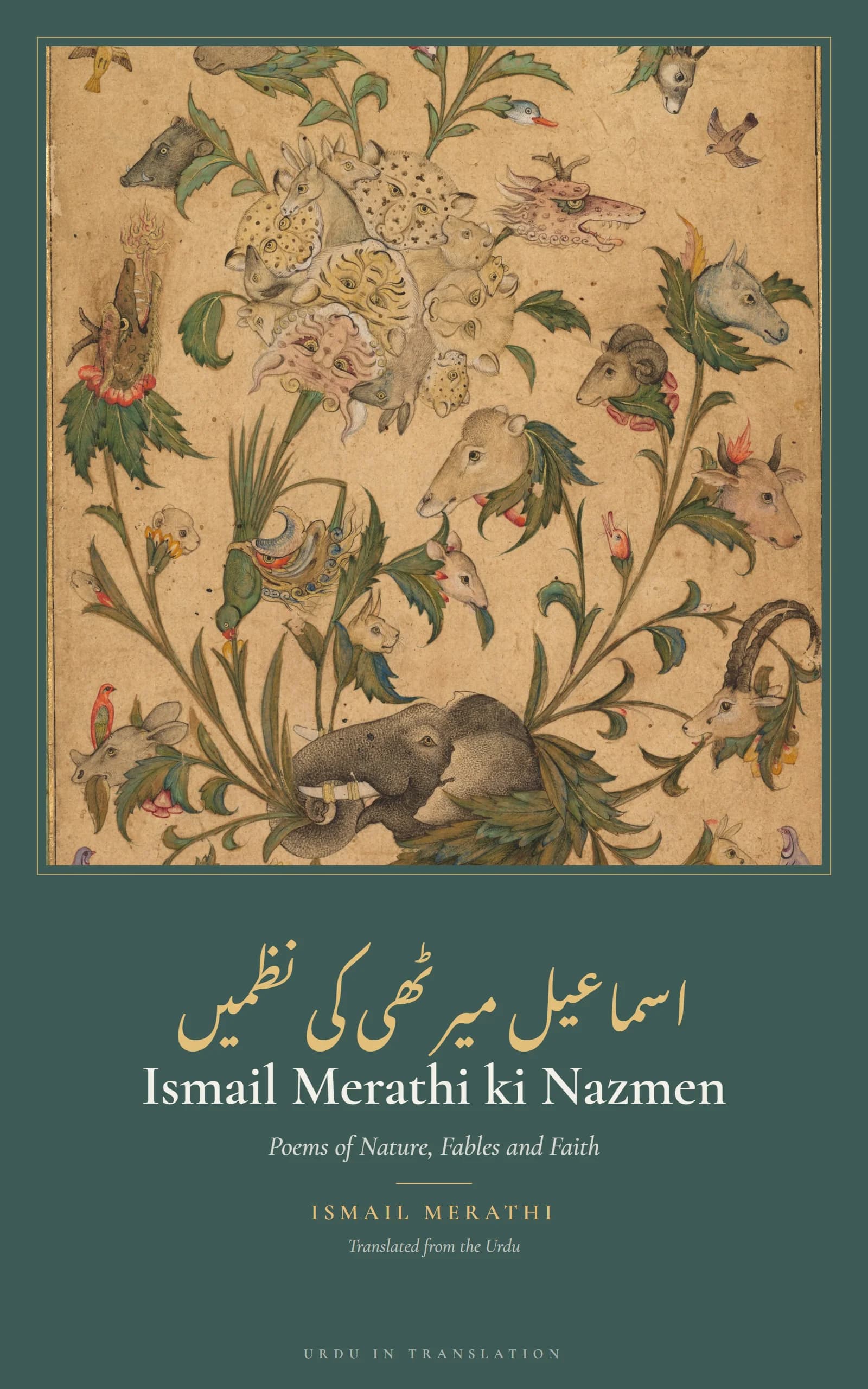
This book gives the Urdu text and a new English translation of poems by Muhammad Ismail Merathi (1844–1917): twenty-four poems (*nazmen*), fifty-nine quatrains (*rubaiyat*) and seven *ghazals* (lyric poems). The poems are arranged here by theme: poems of nature and the seasons; fables and animal poems; and poems of advice, satire and history. The title, *Ismail Merathi ki Nazmen* ("Poems of Ismail Merathi"), has been given to this selection by the present edition; it is not the title of a book published by the author.
اس کتاب میں محمد اسماعیل میرٹھی (۱۸۴۴ء–۱۹۱۷ء) کے کلام کا اردو متن اور اس کا نیا انگریزی ترجمہ شامل ہے: چوبیس نظمیں، انسٹھ رباعیاں اور سات غزلیں۔ نظمیں یہاں موضوع کے لحاظ سے ترتیب دی گئی ہیں: فطرت اور موسموں کی نظمیں؛ حکایتیں اور جانوروں کی نظمیں؛ اور نصیحت، طنز اور تاریخ کی نظمیں۔ ’’اسماعیل میرٹھی کی نظمیں‘‘ کا عنوان اس اشاعت نے اس انتخاب کو دیا ہے؛ یہ شاعر کی شائع کردہ کسی کتاب کا نام نہیں۔
Source of the Urdu text: Urdu Wikisource (ur.wikisource.org), the pages listed under the author, downloaded in October 2026, marked {{PD-old}}. Wikisource does not say from which edition of the poet's collected works (*Kulliyat-e-Ismail*) or school readers the texts were taken. All twenty-six poems on Wikisource are here except two, "The Song of Morning" (*Subh ka Tarana*) and "Speak the Truth" (*Sach Kaho*), which are shorter versions of "The Coming of Morning" and "Speak the Truth, Speak the Truth, Always the Truth", both given here. Fifty-nine of the eighty quatrains on Wikisource and seven of its forty-eight ghazals are given.
اردو متن کا ماخذ: اردو ویکی ماخذ (ur.wikisource.org)، شاعر کے تحت درج صفحات، اکتوبر ۲۰۲۶ء میں حاصل کیے گئے، جن پر {{PD-old}} درج ہے۔ ویکی ماخذ پر یہ نہیں بتایا گیا کہ یہ متن کلیات اسماعیل یا درسی کتابوں کی کس اشاعت سے لیے گئے۔ ویکی ماخذ کی چھبیس نظموں میں سے دو کے سوا سب یہاں شامل ہیں؛ ’’صبح کا ترانہ‘‘ اور ’’سچ کہو‘‘ شامل نہیں کیونکہ وہ ’’صبح کی آمد‘‘ اور ’’سچ کہو سچ کہو ہمیشہ سچ‘‘ کی مختصر صورتیں ہیں، جو یہاں موجود ہیں۔ ویکی ماخذ کی اسی رباعیوں میں سے انسٹھ اور اڑتالیس غزلوں میں سے سات دی گئی ہیں۔
What is left out and what was changed: nothing has been left out of the poems that are given. Long poems written in rhyming couplets are set out a couplet to a block. In "The Gilt Ring" one line has no partner in the source, and it is printed alone. A few misprints have been corrected: *hamare* for *hare* in one quatrain, *ne* for *na* in "Blind Worship of the English", and similar small slips.
کیا چھوڑا گیا اور کیا بدلا گیا: شامل نظموں میں سے کچھ نہیں چھوڑا گیا۔ مثنوی کی ہیئت کی لمبی نظمیں ایک شعر ایک بند کے حساب سے لکھی گئی ہیں۔ ’’ملمع کی انگوٹھی‘‘ میں ایک مصرع کا جوڑ ماخذ میں موجود نہیں، اس لیے وہ اکیلا لکھا گیا ہے۔ چند غلطیاں درست کی گئی ہیں: ایک رباعی میں ’’ہمارے‘‘ کی جگہ ’’ہارے‘‘، ’’کورانہ انگریز پرستی‘‘ میں ’’نے‘‘ کی جگہ ’’نہ‘‘، اور اسی طرح کی چند چھوٹی لغزشیں۔
Copyright: Ismail Merathi died in 1917, and all these poems were written before then, so they are in the public domain in Pakistan, India and the United States. The English translation is new. Translator's notes are marked [TN: …]. The translation keeps the line structure of the Urdu, one line for each line, and puts accuracy before rhyme.
حقوق: اسماعیل میرٹھی کا انتقال ۱۹۱۷ء میں ہوا اور یہ سب نظمیں اس سے پہلے لکھی گئیں، اس لیے یہ پاکستان، ہندوستان اور امریکہ میں پبلک ڈومین میں ہیں۔ انگریزی ترجمہ نیا ہے۔ مترجم کے نوٹ [TN: …] سے ظاہر کیے گئے ہیں۔ ترجمے میں اردو کی سطروں کی ترتیب برقرار رکھی گئی ہے، ہر مصرع کے لیے ایک سطر، اور قافیے سے زیادہ صحت کا خیال رکھا گیا ہے۔
Names are spelled in one way throughout: Meerut, Agra (Akbarabad), Allahabad, the Deccan; Jahangir, Nur Jahan, Akbar Allahabadi, Mir, Sauda, Noah, Abraham, Laila, Jamshid.
نام ہر جگہ ایک ہی طرح لکھے گئے ہیں: میرٹھ، آگرہ (اکبرآباد)، الہ آباد، دکن؛ جہانگیر، نور جہاں، اکبر الہ آبادی، میر، سودا، نوح، خلیل، لیلیٰ، جمشید۔
Introduction
تعارف
Muhammad Ismail Merathi was born in Meerut in 1844. He studied Persian and Arabic in the old way, and spent most of his working life as a teacher of Persian in government schools in the North-Western Provinces, in Saharanpur, Agra and other towns, before retiring to Meerut, where he died in 1917. He belonged to the generation of Hali, Azad and Nazir Ahmad, who after 1857 set out to make Urdu literature simpler, more natural and more useful.
محمد اسماعیل میرٹھی ۱۸۴۴ء میں میرٹھ میں پیدا ہوئے۔ انہوں نے پرانے طریقے پر فارسی اور عربی پڑھی، اور ملازمت کا بڑا حصہ صوبجات شمال مغربی کے سرکاری مدرسوں میں، سہارنپور، آگرہ اور دوسرے شہروں میں، فارسی کے استاد کی حیثیت سے گزارا؛ پھر وظیفہ لے کر میرٹھ لوٹ آئے، جہاں ۱۹۱۷ء میں انتقال کیا۔ وہ حالی، آزاد اور نذیر احمد کی اس نسل سے تھے جس نے ۱۸۵۷ء کے بعد اردو ادب کو سادہ، فطری اور مفید بنانے کا بیڑا اٹھایا۔
His lasting fame comes from the Urdu readers he wrote for schools. For several generations in North India, and later in Pakistan, children learned to read from his books, and many of the poems in this volume, such as "Our Cow", "The Water Mill", "The Tortoise and the Hare" and "Speak the Truth", were learned by heart in the classroom. Some are adapted from English poems and from Aesop's fables, but they are made wholly Indian in their sights and sounds: the parrot and the shama bird, the monsoon cloud, the farmer's plough and the lentils frying in the kitchen.
ان کی پائیدار شہرت اسکولوں کے لیے لکھی گئی اردو کی درسی کتابوں سے ہے۔ کئی نسلوں تک شمالی ہندوستان میں، اور بعد میں پاکستان میں، بچوں نے ان کی کتابوں سے پڑھنا سیکھا، اور اس مجموعے کی بہت سی نظمیں، جیسے ’’ہماری گائے‘‘، ’’پن چکی‘‘، ’’کچھوا اور خرگوش‘‘ اور ’’سچ کہو‘‘، جماعتوں میں زبانی یاد کی جاتی تھیں۔ بعض نظمیں انگریزی نظموں اور ایسپ کی حکایتوں سے ماخوذ ہیں، مگر ان کے مناظر اور آوازیں پوری طرح ہندوستانی ہیں: طوطا اور شاما، برسات کی گھٹا، کسان کا ہل اور باورچی خانے میں بگھرتی دال۔
Ismail was also a serious poet for adults. He experimented with new forms, and "The Sparrow's Chicks", written without rhyme, is one of the earliest pieces of blank verse in Urdu. His nature poems describe the sunset, the hot season and the rains with plain, exact words instead of the stock images of the ghazal. "The First Drop of Rain" turns a drop's courage into a call for national unity, and "Blind Worship of the English" mocks the Indians who aped European manners. "The Fort of Akbarabad" is a meditation on the empty palace of the Mughals at Agra.
اسماعیل بڑوں کے لیے بھی سنجیدہ شاعر تھے۔ انہوں نے نئی ہیئتوں کے تجربے کیے، اور ’’چڑیا کے بچے‘‘، جو قافیے کے بغیر لکھی گئی، اردو کی ابتدائی نظم معریٰ میں سے ہے۔ ان کی فطرت کی نظمیں شفق، گرمی کے موسم اور برسات کو غزل کے رسمی استعاروں کے بجائے سادہ اور ٹھیک الفاظ میں بیان کرتی ہیں۔ ’’بارش کا پہلا قطرہ‘‘ ایک قطرے کی جرات کو قومی اتحاد کی دعوت بنا دیتی ہے، اور ’’کورانہ انگریز پرستی‘‘ ان ہندوستانیوں کا مذاق اڑاتی ہے جو یورپی طور طریقوں کی نقل کرتے تھے۔ ’’قلعۂ اکبرآباد‘‘ آگرے میں مغلوں کے سنسان محل پر ایک غور و فکر ہے۔
His quatrains and ghazals show another side of him. Many are Sufi poems on the oneness of being, in which the seeker, the sought and the search are one; others are sharp comments on the state of the Muslim community, its poverty, its quarrels and its neglect of education. One quatrain praises his friend Akbar Allahabadi, and in a ghazal he names Mir as his master in poetry.
ان کی رباعیاں اور غزلیں ان کا ایک اور رخ دکھاتی ہیں۔ بہت سی وحدت الوجود پر صوفیانہ رباعیاں ہیں، جن میں طالب، مطلوب اور طلب ایک ہیں؛ دوسری مسلمان قوم کے حال، اس کی غربت، اس کے جھگڑوں اور تعلیم سے اس کی غفلت پر تیز تبصرے ہیں۔ ایک رباعی میں وہ اپنے دوست اکبر الہ آبادی کی تعریف کرتے ہیں، اور ایک غزل میں میر کو شعر کے فن میں اپنا استاد کہتے ہیں۔
Que vous laisse ce chapitre ?
Connectez-vous pour réagir
Discussion
Personne n’a encore parlé. Dites ce que ce chapitre a remué en vous.