Urdu in Translation
Buscar

عشرتِ قطرہ ہے دریا میں فنا ہو جانا

Un pareado de Mirza Asadullah Khan Ghalib, con el urdu romanizado y sus traducciones.

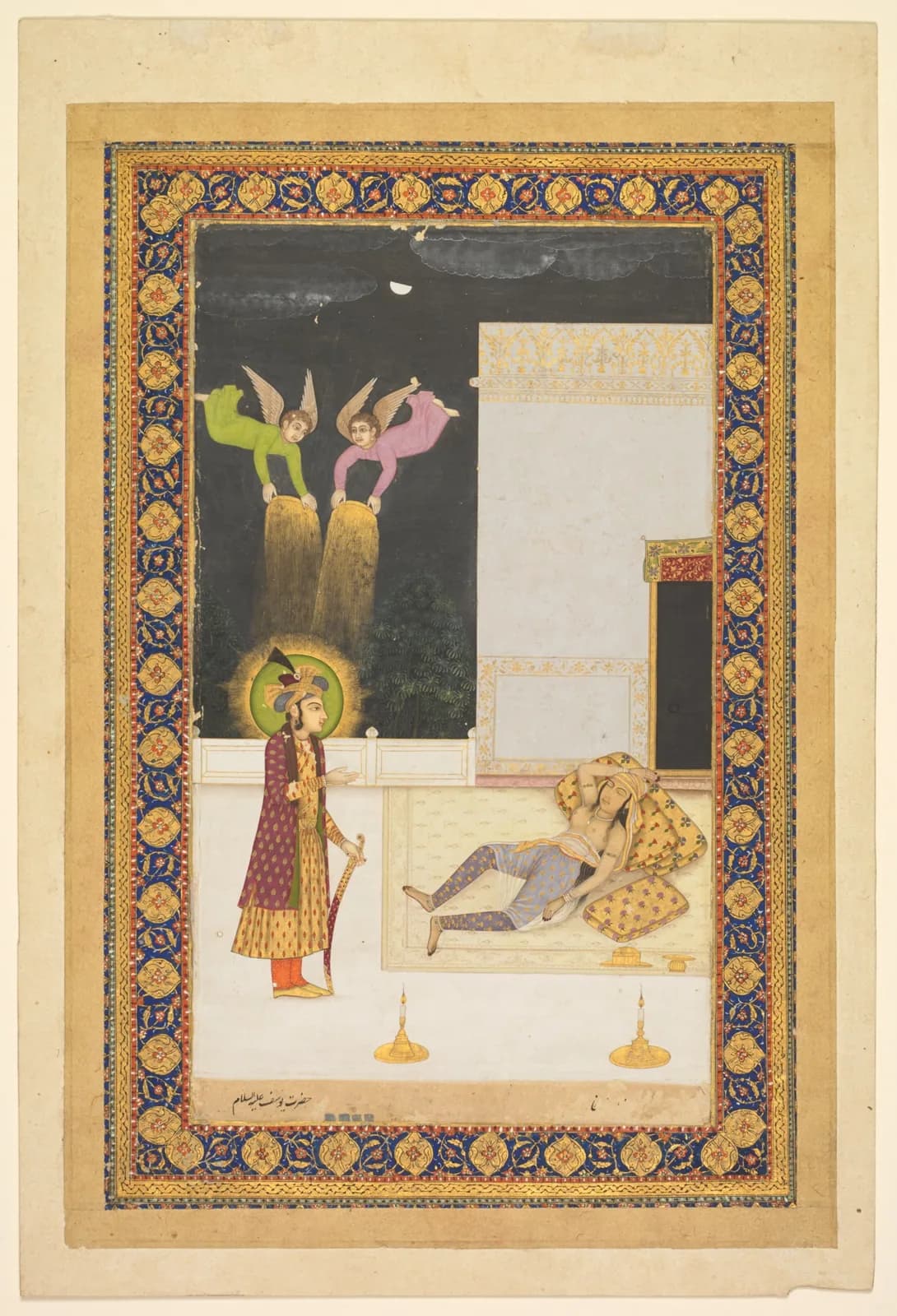
The Dream of Zuleykha, c. 1770

عشرتِ قطرہ ہے دریا میں فنا ہو جانادرد کا حد سے گزرنا ہے دوا ہو جانا

ishrat-e-qatra hai dariyaa meñ fanaa ho jaanaadard kaa had se guzarnaa hai davaa ho jaanaa

La dicha de la gota es morir en el río;cuando el dolor rebasa todo límite, se vuelve remedio.

Mirza Asadullah Khan Ghalibمرزا اسد اللہ خاں غالبؔ

Leer el poema
Descargar imagen

Pintura: The Dream of Zuleykha, c. 1770. Cleveland Museum of Art, CC0.

Urdu romanizado

ishrat-e-qatra hai dariyaa meñ fanaa ho jaanaadard kaa had se guzarnaa hai davaa ho jaanaa

Significado de las palabras

عشرت
ishrat
delight, pleasure
قطرہ
qatra
drop
دریا
daryaa
river
فنا
fanaa
annihilation, passing away
حد
had
limit

Comentario (sharh)

A Sufi image: the drop (the self) finds its joy by dissolving in the river (the Divine), which is fanaa, annihilation of the self. The second line makes a parallel claim: pain, pushed far enough, turns into its own remedy. Both lines rest on paradox.

Traducciones

English
The drop's delight is to die into the river;when pain goes past all bounds, it becomes the cure.
العربية
بهجة القطرة أن تفنى في النهر؛حين يتجاوز الألم كلّ حدّ يصير هو الدواء.
中文
水滴的欢乐是消融于河流;痛苦一旦越过界限,便成了良药。
Français
La joie de la goutte est de mourir dans le fleuve ;quand la douleur passe toutes les bornes, elle devient le remède.
Español
La dicha de la gota es morir en el río;cuando el dolor rebasa todo límite, se vuelve remedio.
Русский
Отрада капли — раствориться в реке;боль, перейдя предел, становится лекарством.

De: Intikhab-e-Ghalib: sesenta gazales de Mirza Ghalib · Mirza Asadullah Khan Ghalib · Sobre el poeta

Leer el poema completo →

Más pareados de Mirza Asadullah Khan Ghalib