Capítulo 1 de 6
About This Edition and Introduction
اس اشاعت کے بارے میں اور تعارف
Toca una palabra, en urdu o en inglés, y aparece su significado. Selecciona una frase para verla entera.
About This Edition
اس اشاعت کے بارے میں
This book gives the Urdu text and a new English translation of four travel pieces by Abdul Halim Sharar (1860–1926) of Lucknow: three sketches from a journey between India and England, at Gibraltar, in Italy and in Switzerland, and a longer account of a visit to the princely state of Palanpur in Gujarat. They first appeared in Sharar's own monthly magazine, *Dilgudaz*. The title, *Sharar ke Safarname* ("Sharar's Travels"), is the one under which the four pieces are gathered on Wikisource; it is not the title of a book published by the author.
اس کتاب میں لکھنؤ کے عبد الحلیم شرر (۱۸۶۰ء–۱۹۲۶ء) کے چار سفرناموں کا اردو متن اور ان کا نیا انگریزی ترجمہ شامل ہے: ہندوستان اور انگلستان کے درمیان ایک سفر کے تین خاکے، جبرالٹر، اٹلی اور سوئٹزرلینڈ میں، اور گجرات کی ریاست پالن پور کے سفر کا ایک طویل بیان۔ یہ تحریریں پہلی بار شرر کے اپنے ماہنامہ ’’دلگداز‘‘ میں چھپیں۔ ’’شرر کے سفرنامے‘‘ کا عنوان وہ ہے جس کے تحت یہ چاروں تحریریں ویکی ماخذ پر جمع کی گئی ہیں؛ یہ مصنف کی شائع کردہ کسی کتاب کا نام نہیں۔
Source of the Urdu text: Urdu Wikisource (ur.wikisource.org), the page شرر کے سفرنامے and its four subpages, downloaded in October 2026. Wikisource gives no dates or first printings for these pieces. No scan of an early printing has been found on archive.org.
اردو متن کا ماخذ: اردو ویکی ماخذ (ur.wikisource.org)، صفحہ ’’شرر کے سفرنامے‘‘ اور اس کے چار ذیلی صفحات، اکتوبر ۲۰۲۶ء میں حاصل کیے گئے۔ ویکی ماخذ ان تحریروں کی تاریخ یا پہلی اشاعت درج نہیں کرتا۔ آرکائیو ڈاٹ آرگ پر کسی قدیم اشاعت کا عکس نہیں ملا۔
What is left out and what was changed: nothing of the author's text has been left out. The short note that Wikisource prints at the head of the collection is modern editorial matter and is not given here. In "A Few Hours in Gibraltar" the author's footnote has been numbered (1) and kept at the end of the piece, and a printer's mark, "continued from the previous page", has been dropped from it. Persian verses quoted in the prose have been set on lines of their own. Obvious misprints have been read in the sense the context requires, and doubtful dates are marked with a translator's note. "Our Journey to Palanpur" was printed in two instalments; the author's sentence promising the rest "in the next number" is kept.
کیا چھوڑا گیا اور کیا بدلا گیا: مصنف کی تحریر میں سے کچھ نہیں چھوڑا گیا۔ ویکی ماخذ نے مجموعے کے شروع میں جو مختصر نوٹ دیا ہے وہ جدید ادارتی اضافہ ہے، اس لیے یہاں شامل نہیں کیا گیا۔ ’’چند گھنٹہ جبرالٹر میں‘‘ میں مصنف کے حاشیے پر نمبر (۱) لگا کر اسے مضمون کے آخر میں رکھا گیا ہے، اور اس میں سے کاتب کا نشان ’’گذشتہ سے پیوستہ‘‘ نکال دیا گیا ہے۔ نثر میں آئے ہوئے فارسی اشعار الگ سطروں میں لکھے گئے ہیں۔ واضح غلطیوں کو سیاق و سباق کے مطابق پڑھا گیا ہے، اور مشکوک تاریخوں پر مترجم کا نوٹ ہے۔ ’’ہمارا سفر پالن پور‘‘ دو قسطوں میں چھپا تھا؛ مصنف کا یہ جملہ کہ باقی حالات ’’آئندہ نمبر‘‘ میں ہوں گے، باقی رکھا گیا ہے۔
Copyright: Sharar died in 1926, so his work is in the public domain in Pakistan and India. All four pieces were written and published in his lifetime: the European sketches describe the 1890s, and the Palanpur journey took place in 1915. As they were therefore first published before 1931, no United States check is needed. The English translation is new. Translator's notes are marked [TN: …].
حقوق: شرر کا انتقال ۱۹۲۶ء میں ہوا، اس لیے ان کی تحریریں پاکستان اور ہندوستان میں عوامی ملکیت میں ہیں۔ یہ چاروں تحریریں ان کی زندگی ہی میں لکھی اور چھاپی گئیں: یورپ کے خاکے ۱۸۹۰ء کی دہائی کے ہیں اور پالن پور کا سفر ۱۹۱۵ء میں ہوا۔ چونکہ یہ ۱۹۳۱ء سے پہلے چھپ چکی تھیں، اس لیے امریکہ میں ان کی حیثیت کی جانچ کی ضرورت نہیں۔ انگریزی ترجمہ نیا ہے۔ مترجم کے نوٹ [TN: …] کی صورت میں ہیں۔
Names are spelled in one way throughout: Gibraltar, Tariq, Musa ibn Nusayr, Uqba ibn Nafi, Julian, Roderic, Tarifa, Algeciras, Ceuta, Tangier; Brindisi, Bologna, Milan, Gian Galeazzo, Charles Borromeo; Chiasso, the St Gotthard, Göschenen, Airolo, Louis Favre; Palanpur, Jalor, Sir Sher Muhammad Khan, Tale Muhammad Khan, Gulab Miyan, Shabbir Miyan, Mr Dehlavi, Sayyid Muhammad of Jaunpur, Lucknow.
نام پوری کتاب میں ایک ہی طرح لکھے گئے ہیں: جبرالٹر، طارق، موسیٰ بن نصیر، عقبہ بن نافع، جولین، رزریق، طریفہ، الجزیرہ، سبتہ، طنجہ؛ برنڈزی، بولونیا، ملان، جان گلیازو، چارلس بورومیو؛ چیاسو، سینٹ گوتھارڈ، گوشنن، اٹرولو، لوئیس فاور؛ پالن پور، جالور، سر شیر محمد خاں، طالع محمد خاں، گلاب میاں، شبیر میاں، مسٹر دہلوی، سید محمد جونپوری، لکھنؤ۔
Introduction
تعارف
Abdul Halim Sharar was born in Lucknow in 1860 and spent part of his boyhood at Matiya Burj near Calcutta, where the deposed king of Awadh, Wajid Ali Shah, kept his court in exile. He became one of the busiest writers of his age: a journalist and editor, the founder in 1887 of the monthly *Dilgudaz*, the author of more than twenty historical novels such as *Firdaus-e-Bareen*, and of the essays on old Lucknow collected as *Guzishta Lakhnau*. He also wrote histories, among them a history of Sind. He died in Lucknow in 1926.
عبد الحلیم شرر ۱۸۶۰ء میں لکھنؤ میں پیدا ہوئے اور لڑکپن کا کچھ حصہ کلکتے کے قریب مٹیا برج میں گزارا، جہاں اودھ کے معزول بادشاہ واجد علی شاہ جلا وطنی میں اپنا دربار رکھتے تھے۔ وہ اپنے زمانے کے سب سے مصروف ادیبوں میں سے ہوئے: صحافی اور مدیر، ۱۸۸۷ء میں ماہنامہ ’’دلگداز‘‘ کے بانی، ’’فردوس بریں‘‘ جیسے بیس سے زیادہ تاریخی ناولوں کے مصنف، اور پرانے لکھنؤ پر ان مضامین کے مصنف جو ’’گذشتہ لکھنؤ‘‘ کے نام سے جمع ہوئے۔ انہوں نے تاریخیں بھی لکھیں، جن میں سندھ کی ایک تاریخ شامل ہے۔ ۱۹۲۶ء میں لکھنؤ میں انتقال کیا۔
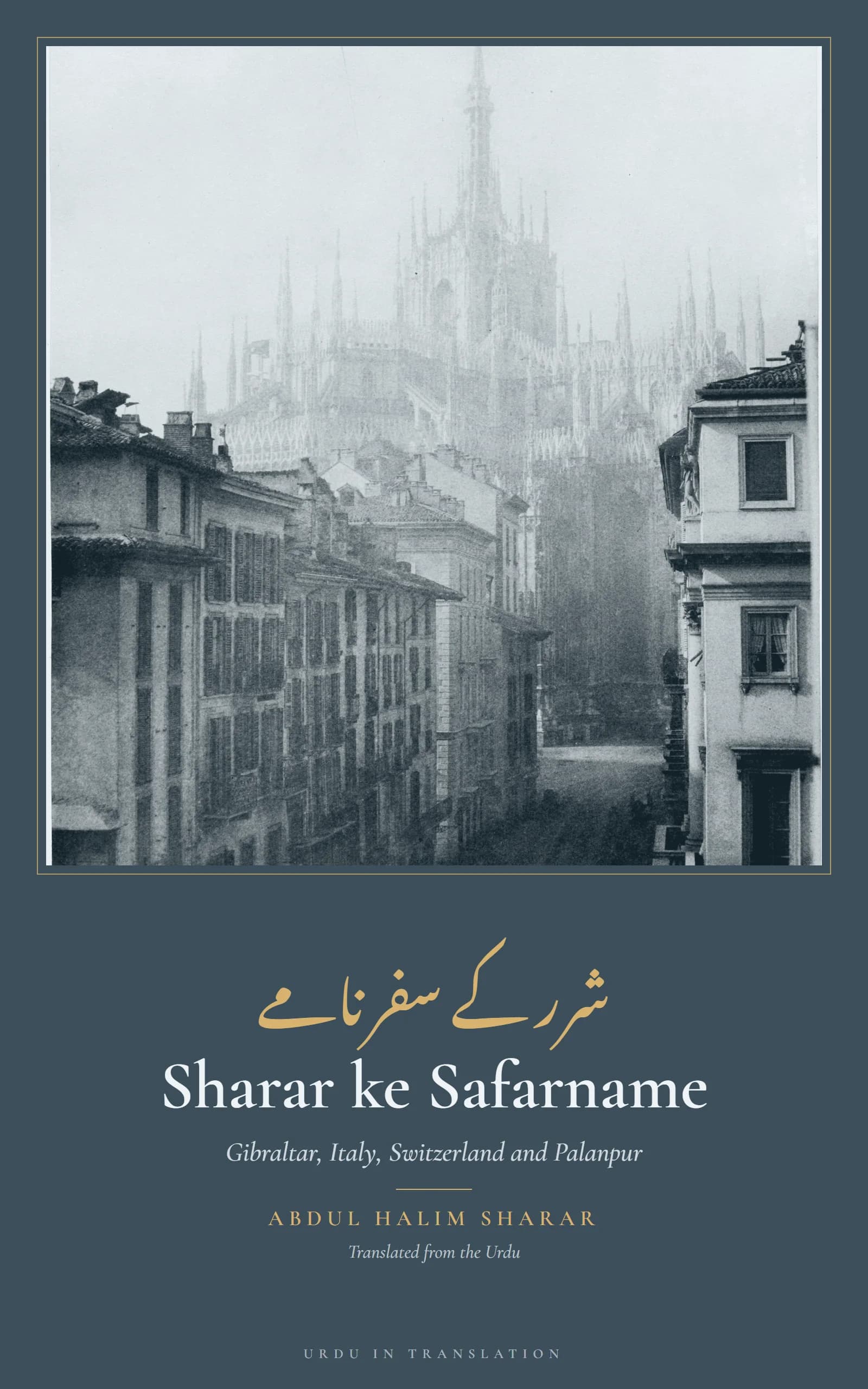
In the 1890s Sharar spent more than a year in England, and three of these pieces come from that journey. In "A Short Tour of Italy" he lands at Brindisi on the way out, rides by night through the Italian countryside, waits at Bologna and walks through Milan to its marble cathedral; "Switzerland" follows the railway over the Alps by the St Gotthard tunnel, then a marvel of engineering; "A Few Hours in Gibraltar" describes the voyage home, past the coasts of Portugal and Spain to the Rock. These are the impressions of an Indian Muslim in Europe at the height of the British Empire: curious, admiring of modern progress, sharp about European poverty and superstition, and haunted at Gibraltar by the memory of Muslim Spain and the sight of its Muslims reduced to sweeping the streets.
۱۸۹۰ء کی دہائی میں شرر ایک سال سے زیادہ انگلستان میں رہے، اور ان میں سے تین تحریریں اسی سفر کی ہیں۔ ’’اٹلی کی مختصر سیر‘‘ میں وہ جاتے ہوئے برنڈزی میں اترتے ہیں، رات کو اٹلی کے دیہات میں سے ریل میں گزرتے ہیں، بولونیا میں انتظار کرتے ہیں اور ملان میں اس کے سنگ مرمر کے کلیسا تک جاتے ہیں؛ ’’سوئٹزرلینڈ‘‘ میں سینٹ گوتھارڈ کی سرنگ کے راستے آلپس پر سے گزرنے والی ریل کا بیان ہے، جو اس زمانے میں انجینئری کا عجوبہ تھی؛ ’’چند گھنٹہ جبرالٹر میں‘‘ واپسی کے سفر کا بیان ہے، پرتگال اور اسپین کے سواحل کے پاس سے جبرالٹر کی چٹان تک۔ یہ برطانوی سلطنت کے عروج کے زمانے میں یورپ میں ایک ہندوستانی مسلمان کے تاثرات ہیں: تجسس سے بھرے، جدید ترقی کے مداح، یورپ کی غربت اور ضعیف الاعتقادی پر تیز نظر رکھنے والے، اور جبرالٹر میں مسلم اسپین کی یاد اور وہاں کے مسلمانوں کو سڑکیں صاف کرتے دیکھ کر غمگین۔
"Our Journey to Palanpur", written some twenty years later, takes Sharar, now an old man who rarely left Lucknow, to a small Muslim state on the borders of Gujarat and Rajasthan. He gives a short history of its Afghan rulers, who traced their rule back to the fourteenth century and followed the Mahdavi teaching of Sayyid Muhammad of Jaunpur; he describes his audience with the aged Nawab, the Eid procession, a dinner served in brass *thalis*, and the quarrels of the day over the reformist women's manual *Bahishti Zewar*. It is a warm portrait of a princely court on the eve of great changes, and of Hindu and Muslim customs living side by side.
’’ہمارا سفر پالن پور‘‘ کوئی بیس برس بعد لکھا گیا۔ شرر، جو اب بوڑھے ہو چکے تھے اور لکھنؤ سے کم ہی نکلتے تھے، گجرات اور راجستھان کی سرحد پر ایک چھوٹی مسلم ریاست میں جاتے ہیں۔ وہ اس کے افغان حکمرانوں کی مختصر تاریخ بیان کرتے ہیں، جن کی حکومت چودھویں صدی سے چلی آتی تھی اور جو سید محمد جونپوری کی مہدوی تعلیم کے پیرو تھے؛ وہ ضعیف نواب سے ملاقات، عید کے جلوس، پیتل کی تھالیوں میں پیش کیے گئے کھانے، اور عورتوں کی اصلاحی کتاب ’’بہشتی زیور‘‘ پر اس زمانے کے جھگڑوں کا ذکر کرتے ہیں۔ یہ بڑی تبدیلیوں سے پہلے ایک ریاستی دربار کی، اور ساتھ ساتھ رہنے والی ہندو اور مسلم رسموں کی، ایک محبت بھری تصویر ہے۔
¿Qué te deja este capítulo?
Inicia sesión para reaccionar
Conversación
Nadie ha hablado todavía. Cuenta qué removió en ti este capítulo.