Глава 2 из 5
Delhi That Was
دہلی مرحوم
Коснитесь слова на урду или английском, и появится его значение. Выделите фразу, чтобы увидеть её целиком.
Delhi That Was
دہلی مرحوم
Delhi, the ancient capital of India, is a city whose history, if one turns to it, offers more of interest than other places. Alas, very little attention has been paid to the history of this city. Just as Hafiz Abu'l-Qasim Ali ibn Hasan ibn Asakir wrote the history of the city of Damascus in eighty volumes, and Abu Bakr al-Khatib of Baghdad wrote the history of the city of Baghdad in ten volumes, so it was needed that some bold and well-informed scholar among the men of old in India should write a complete history of Delhi too. Those Muslim scholars completed their histories in such a way that, for the city whose history they wrote, they recorded as far as possible everything: detailed lives of its kings, nobles, men of learning and all its famous scholars, the changes of the city, its rise and its decline, its famous buildings, quarters and mosques. In the first place, no history of Delhi itself has ever been written. If anything can be learned, it is from the histories written about the general political state of India.
ہندوستان کا قدیم دار الخلافت دہلی ایک ایسا شہر ہے جس کی تاریخ کی طرف توجہ کی جائے تو ہمیں بہ نسبت دیگر مقامات کے یہاں زیادہ دلچسپی کے سامان نظر آئیں۔ افسوس اس شہر کی تاریخ کی طرف بہت کم توجہ کی گئی۔ جس طرح حافظ ابو القاسم علی بن حسن عساکری نے شہر دمشق کی تاریخ اسّی جلدوں میں لکھی تھی اور جس طرح ابوبکر خطیب بغدادی نے شہر بغداد کی تاریخ دس جلدوں میں لکھی تھی، اُسی طرح ضرورت تھی کہ قدمائے ہندوستان میں سے کوئی حوصلہ مند اور واقف کار عالم دہلی کی بھی ایک مکمل تاریخ لکھتا۔ مذکورہ علمائے اسلام نے اپنی تاریخیں اس طرح مکمل کی ہیں کہ جس شہر کی تاریخ لکھی ہے وہاں کے بادشاہوں، امرا اور فضلا اور تمام نامور علما کے تفصیلی حالات، شہر کے تغیرات، اس کی ترقیاں اور اس کے تنزل، وہاں کی مشہور عمارتوں، محلوں اور مسجدوں غرض تمام باتوں کو حتّی الامکان قلمبند کر دیا ہے۔ خاص دہلی کی تاریخ اول تو کوئی لکھی گئی ہی نہیں۔ اگر کچھ پتا چلتا ہے تو اُن تاریخوں سے جو عام پولیٹکل حالت ہند کے متعلق لکھی گئی ہیں۔
Only one solitary effort has indeed been made, by the Honourable Sir Sayyid Ahmad Khan Bahadur, who in his book *Asar-us-Sanadid* (Monuments of the Great) wrote an account of all the buildings of Delhi, and as far as possible tried to give the history of those buildings in detail. But it is plain that no solitary effort can ever achieve complete success. The prose of *Asar-us-Sanadid* shows that what Sayyid Sahib wrote has little to do with research and inquiry; rather, he set down his ideas at the level of popular taste and gathered together what common people told him. Alas, perhaps Sayyid Sahib did not have the leisure; otherwise, if he had turned the pages of all the histories of India and, using careful inquiry and criticism, prepared a second edition of his matchless book himself, that book would have become unrivalled and unequalled. But the truth is that what he did is a blessing, indeed a great deal. Poor Delhi is so ill-fated that now it is in its decline; and if you think of the time when it was at its height, even then there was no one to take so much interest in it.
صرف ایک منفرد کوشش آنریبل سر سید احمد خان بہادر نے البتہ کی کہ اپنی کتاب ’’آثار الصنادید‘‘ میں انہوں نے دہلی کی کل عمارتوں کا حال لکھا ہے اور جہاں تک ممکن ہوا ہے اُن عمارتوں کی تاریخ بھی تصریح کے ساتھ بتانے کی کوشش کی ہے۔ لیکن یہ ظاہر ہے کہ کسی متفرّد کوشش کو کبھی پوری کامیابی نہیں حاصل ہو سکتی۔ آثار الصنادید کی عبارت بتا رہی ہے کہ سید صاحب نے جو کچھ لکھا ہے اس کو تحقیق و تفتیش سے کم تعلق ہے، بلکہ انہوں نے اپنے خیالات کو عام مذاق کی سطح پر قائم کیا ہے اور عام لوگوں کی بتائی ہوئی باتوں کو یکجا کر دیا ہے۔ افسوس سید صاحب کو شاید اتنی مہلت نہ ملی، ورنہ اگر وہ ہندوستان کی تمام تاریخوں کے ورق اُلٹ کے اور خوب تدقیق و تنقید سے کام لے کے اپنی بے مثل کتاب کا دوسرا ایڈیشن خود ہی مرتب کرتے تو وہ کتاب لاجواب اور بے مثل ہو جاتی۔ مگر سچ یہ ہے کہ انہوں نے جو کچھ کیا، یہ بھی غنیمت بلکہ بہت ہے۔ غریب دہلی ایسی حسرت نصیب ہے کہ اب تو اس کے زوال کا زمانہ ہے، جب وہ عروج پر تھی اس وقت کا اگر خیال کیجیے تو کوئی اتنا پوچھنے والا بھی نہ تھا۔
Go to Delhi today, wander round its outskirts, look at its broken buildings battered by age, and you will see a strange silent world of misfortune and helplessness. Even if we do not lend the ears of the heart to what each building is saying in the language of its state, we can, by the exercise of our own conjecture, set before us a lively sketch of the picture of that time, and see with our own eyes what splendour that building must have had in former days, and what a place of joy and delight it must have been. We wish to turn the pages of the histories, show the past splendour of Delhi, and move our countrymen by telling them an affecting tale. But alas, in this matter we can get no help of any kind from the books and histories written by the Muslim historians of India itself. Yes, if we turn to those who came from other lands, and who, having seen the spectacle of Delhi in that age, described it to their own countrymen, it will probably be more delightful. In the early and middle periods of the Mughal age some Europeans also came here, who in their travel books have shown pictures of that former society of India. The people of this country have seen such travel books in plenty. Dr Bernier's travels are today in the hands of the people of the country through the efforts of Khalifa Sayyid Muhammad Hasan Sahib, Wazir of Patiala. We turn to Ibn Battuta, who came to India even before Timur, the founder of the Mughal family. It is probably the general view, and as far as we have heard we can say that most people hold it, that the greater splendour of Delhi and the brilliance of its life came after Shah Jahan. Of the present buildings that have survived to our time as memorials of antiquity, the most valuable and astonishing were founded by Shah Jahan. But it seems to us that this supposition is wrong.
آج دہلی میں جائیے، اُس کے اطراف میں پہریے، ٹوٹی اور قدامت کی مار کھائی ہوئی عمارتوں کو دیکھیے تو حسرت نصیبی اور بے کسی کا عجب عالمِ خموشاں نظر آئے گا۔ہر عمارت جو کچھ زبان حال سے کہہ رہی ہے، اگر اس کی طرف دل کے کان نہ لگائے جائیں توبھی ہم اپنے قیاسی اجتہادوں سے کام لے کے اُس وقت کی تصویر کا بارونق خاکہ اپنے سامنے قائم کر سکتے ہیں اور اپنی آنکھوں سے دیکھ سکتے ہیں کہ اُس عمارت پر اگلے دنوں کیا رونق ہو گی اور وہ کیسی فرحت و انبساط کی جگہ ہو گی۔ ہم چاہتے ہیں کہ تاریخوں کے ورق اُلٹ کے دہلی کی گذشتہ رونق دکھائیں اور اپنے ہم وطنوں کو ایک پراثر افسانہ سُنا کے متاثر کریں۔ لیکن افسوس ہے ہمیں اُن کتابوں اور تاریخوں سے اس امر میں کسی قسم کی مدد نہیں مل سکتی جو خاص ہندوستان کے مسلمان مورّخین نے لکھی ہیں۔ ہاں اگر ہم غیر مقامات کے آنے والوں اور اُس عہد میں دہلی کا تماشا دیکھ کے اپنے ہم وطنوں سے بیان کرنے والوں کی طرف توجہ کریں تو غالباً زیادہ لطف انگیز ہوگا۔ مغلیہ دور کے ابتدائی اور وسطی عہدوں میں بعض یوروپین بھی یہاں آئے تھے جنہوں نے اپنے سفر ناموں میں ہندوستان کی اُس اگلی سوسائٹی کی تصویریں دکھائی ہیں۔ ایسے سفر ناموں کواہل ملک بکثرت دیکھ چکے ہیں۔ ڈاکٹر برنی آر کا سفر نامہ خلیفہ سید محمد حسن صاحب وزیر پٹیالہ کی کوشش سے آج اہل ملک کے ہاتھوں میں ہے۔ ہم ابن بطوطہ کی طرف توجہ کرتے ہیں جو تیمور بانی خاندان مغلیہ سے بھی پہلے ہندوستان میں آیا تھا۔ عام خیال ہو گا اور جہاں تک ہم نے سنا ہے ہم کہہ سکتے ہیں کہ اکثر لوگوں کی یہی رائے ہے کہ دہلی کی زیادہ شان و شوکت اور آبادی کی رونق شاہجہاں کے بعد سے ہوئی۔ موجودہ عمارتیں جو قدامت کی یادگار کی حیثیت سے ہمارے زمانے تک باقی رہی ہیں، اُن میں سے جو زیادہ قابل قدر اور موجب استعجاب ہیں، ان کا بانی شاہجہاں ہی تھا۔ لیکن ہمیں معلوم ہوتا ہے کہ یہ قیاس غلط ہے۔
The splendour of Delhi had made great progress even before the Mughal family, and its court was thought in those days a court of great majesty and glory. Merely, as it were, to prove this claim, we set before the public the account that Ibn Battuta gave as an eyewitness after coming to Delhi.
دہلی کی رونق خاندان مغلیہ سے پہلے ہی بہت ترقی پر تھی اور یہاں کا دربار اُن دنوں بڑا با جاہ و جلال دربار خیال کیا جاتا تھا۔ صرف گویا اتنے دعوی کے ثبوت کے لیے ہم وہ حالات پبلک کے سامنے پیش کرتے ہیں جو ابن بطوطہ نے دہلی میں آ کے اپنے چشم دید بیان کیے ہیں۔
In 736 AH Ibn Battuta was granted the sight of the city of Delhi. [TN: As printed; Ibn Battuta reached Delhi in 734 AH (1334).] He relates that, setting out from the town of Palam, which was in the fief of a very great, honoured and favourite counsellor of the Sultan, the chief Sayyid Sharif Nasir-ud-Din Mutahhari, on the second day he entered the capital itself, Delhi: It is a very great and splendid city. Its population is very large; in both strength and beauty it is matchless and unrivalled. Such a strong wall as has been built round Delhi, so fine and firm a wall, there is in no city of the world. Delhi is to be preferred not only to all the cities of India but to the cities of the whole eastern world of Islam. At present Delhi is divided into four different cities, which lie close together and adjoin one another. The part known as Delhi proper is the old city, founded by the Hindus, which the Muslims conquered in 584 AH. (From this it can be seen that only 152 years had passed since Delhi came into Muslim hands when Ibn Battuta came to India. Now we shall be able to judge what buildings the Muslim rulers had built in Delhi in this century and a half, and what splendour they had given it.) The second part of the city, called Siri, is also known as the Seat of the Caliphate; it was formerly the seat of government of Sultan Ala-ud-Din and his son Qutb-ud-Din. The present Sultan had given this city to Ghiyas-ud-Din, the grandson of the Abbasid caliph al-Mustansir Billah.
٧٣٦ ہجری میں ابن بطوطہ کو شہر دہلی کی زیارت نصیب ہوئی تھی۔ بیان کرتا ہے کہ قصبہ پالم جو ایک بہت بڑے معزز اور مقرب و مشیر سلطان رئیس سید شریف ناصر الدین مطہری کی جاگیر میں تھا، وہاں سے روانہ ہو کے دوسرے روز میں خاص دار الخلافت دہلی میں داخل ہوا۔ یہ ایک بڑا عظیم الشان شہر ہے۔ آبادی بہت زیادہ ہے، مضبوطی اور خوبصورتی دونوں اعتبار سے بے مثل اور لاجواب ہے۔ جیسی مضبوط شہر پناہ دہلی کے گرد بنی ہوئی ہے ویسی عمدہ اور مستحکم شہر پناہ دنیا کے کسی شہر میں نہیں ہے۔ تمام بلاد ہندوستان ہی پر نہیں، بلکہ ساری مشرقی دنیائے اسلام کے شہروں پر دہلی کو ترجیح ہے۔ فی الحال دہلی چار مختلف شہروں پر تقسیم ہے جو قریب قریب اور ایک دوسرے سے ملے ہوئے ہیں۔ وہ حصہ جو خاص دہلی کے نام سے یاد کیا جاتا ہے، وہ تو وہ ٹکڑا ہے جو قدیم شہر ہے اور ہندوؤں کا آباد کیا ہوا ہے جس کو ٥٨٤ ہجری میں مسلمانوں نے فتح کیا تھا (اس سے معلوم ہو سکتا ہے کہ دہلی کو مسلمانوں کے قبضہ میں آئے صرف ١٥٢ برس ہی گذرے تھے جبکہ ابن بطوطہ ہندوستان میں آیا ہے۔ اب اس کے بعد ہم اندازہ کر سکیں گے کہ اس ڈیڑھ سو برس کی مدت میں مسلمان فرمانرواؤں نے دہلی میں کیسی عمارتیں بنائیں اور اُس کو کیسی رونق دی تھی)۔ دوسرا حصہ شہر جسے سیری کہتے ہیں، وہی دار الخلافت کے نام سے بھی یاد کیا جاتا ہے جو پیشتر سلطان علاء الدین اور اُس کے بیٹے قطب الدین کا مستقر خلافت تھا۔ یہ شہر سلطانِ وقت نے خلیفہ مستنصر باللہ عباسی کے نواسے غیاث الدین کو دے دیاتھا۔
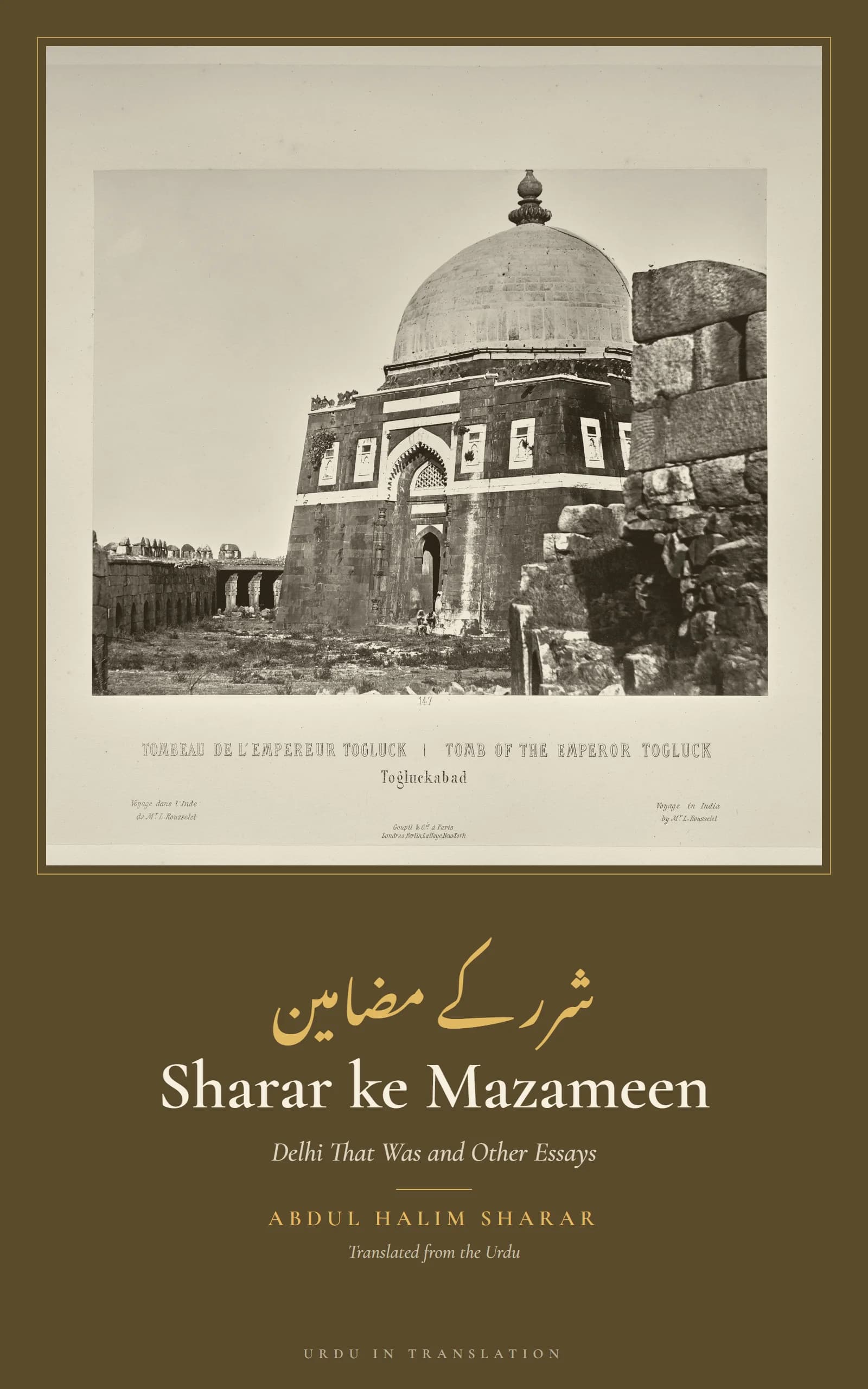
The third city is called Tughluqabad, which was founded by the late Sultan Ghiyas-ud-Din Tughluq, father of Sultan Muhammad Tughluq, in whose reign I was granted the sight of India. Ibn Battuta gives a strange reason for its founding. He says that before Ghiyas-ud-Din came to the throne, when he was among the nobles of the court of Sultan Qutb-ud-Din, Sultan Qutb-ud-Din one day happened to pass by a pleasant and suitable spot. Ghiyas-ud-Din said to the King with folded hands, "Lord of the World! It would be most fitting if a royal palace and a city were built on this spot." Qutb-ud-Din said in a mocking tone, "Very well; when you are king, do so." By the power of God, after Qutb-ud-Din the royal crown was set on the head of Ghiyas-ud-Din himself. He said in his heart, "Now that God has fulfilled my benefactor's wish, I too should fulfil his word." So he laid the foundation of this city and built it with great loftiness and splendour.
تیسرا شہر تغلق آباد کہلاتا ہے جس کو سلطان محمد تغلق جس کے عہد میں مجھے ہندوستان کی زیارت نصیب ہوئی اُس کے والد مرحوم سلطان غیاث الدین تغلق نے آباد کیا تھا۔ اس کے آباد ہونے کی ابن بطوطہ نے عجیب وجہ بیان کی ہے، وہ کہتا ہے کہ غیاث الدین تخت نشین ہونے کے پہلے جب سلطان قطب الدین کے امرائے دربار میں تھا تو اتفاقاً ایک روز سلطان قطب الدین کا ایک خوش سواد اور مناسب مقام پر گذر ہوا۔ غیاث الدین نے بادشاہ کی خدمت میں دست بستہ عرض کیا کہ ’’خداوند عالم! اگر اس مقام پر شاہی قصر اور شہر آباد ہوتا تو نہایت مناسب تھا۔‘‘ قطب الدین نے استہزاءً بنانے کے لہجے میں کہا ’’اچھا جب تم بادشاہ ہونا تو ایسا ہی کرنا۔‘‘ خدا کی قدرت کہ قطب الدین کے بعد تاج شاہی غیاث الدین ہی کے سر پر رکھا گیا۔ اس نے اپنے دل میں کہا کہ ’’اب خدا نے میرے ولی نعمت کی آرزو پوری کر دی تو مجھے بھی اُس کا قول پورا کرنا چاہیے‘‘۔ لہذا اس شہر کی بنیاد ڈالی اور نہایت رفعت و شان سے آباد کیا۔
And the fourth city is named Jahanpanah, and the Sultan of the age, Sultan Muhammad Tughluq, lives in this city. He is a king of very high ambition. He had intended to build so great a wall that all four parts of the city of Delhi should come within it, and had even begun the work; but because of the excessive cost it was left unfinished. The old wall of Delhi, which has stood for a long time, is so firm and strong that there can be no wall as strong and as wonderful round any city in the world. The thickness of the wall is given as eleven yards, and the wall is as broad as that all round the city. Here and there houses are built in it, in which the guards of the city and many of the police live. Inside this wall there are granaries here and there, filled with grain, which is kept with great care; and in some places in this wall arms and the needs of war are stored. But I myself am astonished at the care with which the grain is kept in these granaries. It stays for ages and undergoes no change and no spoiling. Once rice was taken out of these granaries; I saw it with my own eyes. Its colour had grown dingy, but its taste was not in the least changed. All the grain in these granaries had been gathered by Sultan Balban, and ninety years had passed since then. Two horsemen can ride along this wall with great ease. The wall is broad at the base, and at the top, leaving room enough for horsemen to ride, a ring of wall has been raised, so that the horsemen can be seen from the city side but no one outside can see them. The lower part is built of stone, and the upper wall of brick and lime. On top there are towers at almost equal intervals, very handsome and very useful.
اور چوتھا شہر جہاں پناہ کے نام سے نامزد ہے اور سلطان عصر سلطان محمد تغلق اس شہر میں رہتا ہے۔ یہ بڑا اولوالعزم بادشاہ ہے۔ اُس نے ارادہ کیا تھا کہ ایک اتنی بڑی شہر پناہ بنائے کہ شہر دہلی کے چاروں حصے اس کے اندر آ جائیں، بلکہ یہ کام شروع بھی کر دیا تھا۔ مگر بوجہ زیادتی مصارف کے بغیر تکمیل کو پہونچے چھوڑ دیا گیا۔ قدیم شہر پناہ دہلی جو عرصہ سے قائم ہے وہ ایسی مستحکم اور مضبوط ہے کہ اُس کے برابر مضبوط اور ویسی عجیب و غریب شہر پناہ دنیا کے کسی شہر کے گرد نہ ہو گی۔ دیوار کا آثار گیارہ گز تک کا دیا گیا ہے اور سارے شہر کے گرد دیوار اتنی ہی چوڑی ہے۔ جابجا اس میں مکانات بنے ہوئے ہیں جن میں محافظین شہر اوراکثر اہل پولیس رہا کرتے ہیں۔ اس شہر پناہ کے اندر جابجا کھتّے ہیں جن میں غلہ بھرا ہوا ہے اور نہایت حفاظت سے رہا کرتا ہے اور بعض جگہ اس شہر پناہ میں اسلحہ اور جنگی ضرورتوں کا سامان فراہم رہتا ہے۔ لیکن غلہ جس حفاظت سے ان کھتّوں میں رہتا ہے اس پر مجھے بھی حیرت ہے۔ مدتوں رہتا ہے، نہ کسی قسم کا تغیر ہوتا ہے اور نہ اُس میں کوئی خرابی پیدا ہوتی ہے۔ ایک مرتبہ ان کھتوں سے چاول نکالے گئے تھے، اُن کو خود میں نے اپنی آنکھ سے دیکھا تھا۔ ہاں رنگ میں تو میلا پن آ گیا تھا مگر مزے میں ذرا فرق نہ تھا۔ ان کھتوں میں جو کچھ غلہ تھا سب سلطان بلبن کا فراہم کیا ہوا تھا جس کو نوے برس کا زمانہ گذر چکا تھا۔ اس شہر پناہ پر دو سوار نہایت آسانی سے دوڑ سکتے ہیں۔ دیوار نیچے سے چوڑی ہے اور اوپر سواروں کے دوڑنے کے قابل وسعت چھوڑ کے دیوار کا ایک حلقہ قائم کیا گیا ہے جس کی وجہ سے سوار شہر کی طرف سے تو نظر آ سکتے ہیں، لیکن باہر سے کوئی انہیں نہیں دیکھ سکتا۔ نیچے کا حصے پتھر کا بنا ہوا ہے اور اوپر کی دیوار اینٹ اور چونے سے قائم کی گئی ہے۔ بلندی پر پرقریب قریب برابر برج چلے گئے ہیں جو نہایت خوشنما اور بہت ہی بکار آمد ہیں۔
The wall has 28 gates. The largest gate is the Badaun Gate. Among the others are a Mandi Gate, a Gul Gate, the Shah Gate, the Ghazni Gate and the Panjabi Gate, outside which lies the graveyard of Delhi. Most of the graves have domes built over them, and if there is no dome, there is at least a niche beside each grave. In this graveyard flowering trees are planted here and there: here tuberose is in bloom, there the *rai-bel* creeper has spread; on one side is jasmine, and in another place *bela* is planted, which are always in flower, and the whole graveyard is always fragrant.
شہر پناہ کے ٢٨ دروازے ہیں۔ سب سے بڑا دروازہ بدایوں دروازہ ہے۔ باقی ایک منڈی دروازہ، ایک گل دروازہ، شاہ دروازہ، غزنی دروازہ اور پنجابی دروازہ ہے، جس کے باہر دہلی کا قبرستان واقع ہے ۔ اکثر قبروں پر گنبد بنے ہیں اور اگر گنبد نہیں تو ہر قبر کے پاس ایک طاق ضرور بنا ہوا ہے۔ اس قبرستان میں جابجا پھولدار درخت لگے ہوئے ہیں۔ کہیں شبّو کھلی ہے، کہیں رائے بیل دوڑی ہوئی ہے۔ کسی طرف چنبیلی ہے اور کسی جگہ بیلہ لگا ہے جو ہمیشہ کھلے رہتے ہیں اور سارا قبرستان مہکا کرتا ہے۔
The Jama Masjid of Delhi is worth seeing. In front of it is a very large and spacious courtyard. Walls, roof and floor, whatever you look at, are of marble, which has been smoothed with wonderful skill, and the stones have been joined with molten lead, so that no stronger joint could possibly be made. There is no wood anywhere. This mosque has thirteen domes of stone. The pulpit too is of stone. There are buildings on all four sides, and in the middle a wonderful pillar, of which it has not been discovered to this day what metal it is made. Some learned men of India told me that a new metal is made by combining seven kinds of metal, which is called here, in the Persian language, *haft-josh*; this pillar is made of that metal. A small part of the pillar has been polished, which gleams and shines with great brilliance; and it is so hard that iron makes no impression on it at all. No tool can cut it. The pillar is thirty cubits long, and I measured its girth with my turban; the part that came within its fold was eight cubits. At the eastern gate of the mosque lie two great idols of copper, set fast in the stony ground.
دہلی کی جامع مسجد دیکھنے کے قابل ہے۔ اُس کے آگے بہت بڑا اور وسیع صحن ہے۔ دیواریں، چھت اور فرش جس چیز کو دیکھیے سنگ مرمر کی ہے، جس کو عجب صنعت سے ہموار کیا ہے اور سیسہ پگھلا پگھلا کے ان پتھروں کی جُڑائی کی گئی ہے جس سے زیادہ مضبوط جوڑ اور کسی طرح بیٹھ ہی نہیں سکتا۔ لکڑی کا کہیں نام ہی نہیں۔ اس مسجد پر پتھر کے تیرہ گنبد ہیں۔ ممبر بھی پتھر کا ہے۔ چاروں طرف عمارت ہے اور درمیان میں ایک عجیب و غریب ستون جس کی نسبت اس وقت تک یہ نہیں دریافت ہو سکا کہ کس دھات کا بنا ہوا ہے۔ بعض محققین ہندوستان نے مجھ سے بیان کیا کہ سات قسم کی دھاتوں کو ترکیب دے کے ایک نیا دھات بنایا جاتا ہے جسے یہاں فارسی زبان میں ہفت جوش کہتے ہیں۔ یہ ستون بھی اُسی دھات سے بنایا گیا ہے۔ اس ستون کے تھوڑے حصے پر جلا دے دی گئی ہے، جو نہایت ہی آبداری کے ساتھ ضو اور شعاعیں ڈالتا ہے اور مضبوط اس قدر ہے کہ اُس پر لوہا بالکل اثر نہیں کر سکتا۔ کوئی آلہ اُس کو نہیں کاٹ سکتا۔ یہ ستون تیس گز لمبا ہے اور اس کے دور کو میں نے اپنے عمامہ سے ناپا تھا، جس قدر حصہ اس کی لپیٹ میں آ گیا وہ آٹھ گز تھا۔ مسجد کے مشرقی دروازے پر تانبے کے دو بڑے بڑے بت پڑےہوئے ہیں جو پتھریلی زمین پر جم گئے ہیں۔
Where this mosque has been built there was an ancient idol-temple. After the conquest the Muslims made it a mosque. In the northern part of the mosque's courtyard is a minaret so great that all the lands of Islam have none to equal it. This wonderful minaret (which people now call the Qutb Sahib ki Lat) is built, unlike the rest of the mosque, of red stone. In all other parts of the mosque marble has been used. Besides this, a further delight has been given to the stone of the minaret, in that patterns and designs have been carved in its stone. Its height is very great. The top is of marble, and its borders and edges are gilded. The way up to its top has been made so wide that an elephant can climb it easily; indeed a trustworthy and reliable person told me that in the days when this minaret was being built he saw with his own eyes elephants carrying loads of stone climbing up it. This minaret was built by Sultan Mu'izz-ud-Din, son of Nasir-ud-Din, son of Sultan Ghiyas-ud-Din Balban. After him Sultan Qutb-ud-Din intended to build in the western part of the courtyard too a minaret higher and greater than this one. Work on it was begun; a third of the minaret had even been built, but Sultan Qutb-ud-Din's life did not last and he died before it was finished. Then Sultan Muhammad intended to complete that minaret, but then, God knows why, thought it ill-omened and abandoned it. Its breadth had been made such that three elephants could climb it side by side; and this third, as far as it has been built, equals the first minaret in height; that is, if it had been finished it would have been three times as high. Once I climbed to its top. From there I could see all the great houses of the city, and the walls of the city, for all their height and loftiness, looked very low and tiny from there; and quite strong, healthy, giant-built men looked to me like little children from there. No one even thinks how high this minaret is, because its spread and girth are so great that no one seeing it can imagine it to be so high.
جس جگہ یہ مسجد بنی ہے وہاں قدیم بت خانہ تھا۔ مسلمانوں نے فتح کرنے کے بعد اسے مسجد بنا لیا۔ مسجد کے شمالی حصہ صحن میں ایک اتنا بڑا مینار ہے جس کی نظیر سے تمام بلادِ اسلام خالی ہیں۔ یہ عجیب و غریب مینار (جسے اب لوگ قطب صاحب کا لاٹ کہتے ہیں) بخلاف ساری مسجد کے سنگِ سرخ سے بنایا گیا ہے۔ مسجد کے اور تمام حصوں میں سنگ مرمر لگایا گیا ہے۔ اس کے علاوہ مینار کے پتھر میں یہ بھی لطف پیدا کیا گیا ہے کہ اس کے پتھر پر کھود کر نقش و نگار بنائے گئے ہیں۔ بلندی بہت زیادہ ہے۔ چوٹی سنگ مرمر کی ہے اور اُس کے حاشیوں اور کناروں پر طلاکاری ہے۔ اُس کی بلندی پر چڑھنے کے لیے راستہ اتنا وسیع رکھا گیا ہے کہ ہاتھی بخوبی چڑھ سکتا ہے، بلکہ ایک معتبر و مستند شخص نے مجھ سے بیان کیا کہ جن دنوں یہ مینار بن رہا تھا، اُن دنوں میں نے اپنی آنکھ سے پتھر لاد لاد کے لے جانے والے ہاتھیوں کو اُس پر چڑھتے دیکھا تھا۔ اس مینار کو سلطان مُعز الدین بن ناصر الدین بن سلطان غیاث الدین بلبن نے تعمیر کیا تھا۔ اُس کے بعد سلطان قطب الدین نے ارادہ کیا کہ مغربی حصہ صحن میں بھی ایک مینار اُس مینار سے زیادہ بلند اور بڑا تعمیر کرائے۔ اس پر عمل شروع کر دیا گیا۔ ایک ثلث حصہ مینار کا بن بھی گیا تھا لیکن سلطان قطب الدین کی عمر نے وفا نہ کی اور قبل تکمیل کے مر گیا۔ پھر سلطان محمد نے ارادہ کیا کہ اُس مینار کو پورا کر دے مگر پھر خدا جانے کس وجہ سے منحوس خیال کر کے چھوڑ دیا۔ اس کی وسعت اتنی رکھی گئی تھی کہ اس میں برابر ایک ساتھ تین تین ہاتھی چڑھ سکتے تھے اور یہ ثلث جس قدر بنا ہے، بلندی میں اُس پہلے مینار کے برابر ہے یعنی اگر تکمیل کو پہنچتا تو اُس کا تگنا بلند ہو جاتا۔ ایک مرتبہ میں اس کی بلندی پر چڑھا تھا ، مجھے وہاں سے تمام بڑے بڑے مکانات شہر کے نظر آئے اور شہر پناہ کی دیواریں باوجود اپنی بلندی اور رفعت کے وہاں سے نہایت ہی پست اور ذرا ذرا سی معلوم ہوتی تھیں؛ اور اچھے خاصے توانا و تندرست اور قوی ہیکل آدمی وہاں سے مجھے چھوٹے چھوٹے بچوں کے برابر معلوم ہوتے تھے۔ اس مینار کی بلندی جس قدر ہے، اُس کی جانب کسی کا خیال بھی نہیں جاتا ہے۔ اس لیے کہ اُس کا پھیلاؤ اور دور اتنا زیادہ ہے کہ کوئی اُسے دیکھ کے اُتنا بلند نہیں تصور کر سکتا ہے۔
Sultan Qutb-ud-Din had intended to build in Siri, the part of the city called the Seat of the Caliphate, another Jama Masjid that should surpass all earlier buildings in loftiness and splendour. But nothing could be built except the front wall and the arches. Four kinds of stone were used in it: marble, *sang-e-musa* (black stone), red stone and green stone. If this mosque had been completed, there is no doubt that there would have been no building equal to it in the whole world. Sultan Muhammad intended to complete this too; but when he called all the craftsmen and reckoned the cost of the labour alone, it was found that thirty-five lakhs of rupees would be spent on wages alone. Judging from this that the whole cost would be very great, Sultan Muhammad gave up his intention. But some of the Sultan's own favourites told me that he cancelled the plan for fear of ill omen, the ill omen being that Sultan Qutb-ud-Din, its original founder, had been killed before it was finished.
سلطان قطب الدین نے ارادہ کیا تھا کہ شہر کے حصہ سیری میں جسے دار الخلافت کہتے ہیں ایک اور جامع مسجد تعمیر کرے جو رفعت و شان میں کُل گذشتہ عمارتوں سے بڑھ کے ہو۔ مگر سوا سامنے کی دیوار اور محرابوں کے کچھ بن نہ سکا۔ اس میں چار قسم کے پتھر لگائے گئے تھے: سنگ مرمر، سنگ موسی، سنگ سرخ اور سنگ سبز۔ اگر یہ مسجد پوری ہو جاتی تو اس میں شک نہیں کہ ساری دنیا میں اُس کے برابر کوئی عمارت نہ ہوتی۔ سلطان محمد نے ارادہ کیا کہ اس کو بھی تکمیل کو پہونچائے لیکن تمام کاریگروں کو بلوا کے صرف مزدوری کا حساب لگایا تو معلوم ہوا کہ پینتیس لاکھ روپیہ فقط مزدوری میں صرف ہو گا۔ اس پر قیاس کر کے تمام مصارف کو بہت زیادہ تصور کر کے سلطان محمد اپنے ارادے سے دست بردار ہو گیا۔ مگر مجھ سے خاص سلطان کے بعض مقربین نے بیان کیا کہ بدشگونی کے خیال سے اُس نے یہ ارادہ فسخ کر دیا اور بدشگونی یہ کہ سلطان قطب الدین اصل بانی قبل تکمیل کے مار ڈالا گیا تھا۔
Outside the city of Delhi there is a very large tank, which is ascribed to Sultan Shams-ud-Din Iltutmish. The people of the city drink its water. This tank is near the Eidgah. No water comes into this tank from anywhere else; only rainwater collects in it. The tank is two miles long and one mile wide, and on its western bank, where the Eidgah is, stone steps have been built, and here and there there are shops too, built one above another; and below each shop steps have been built that go down into the water. Beside each shop a tower has been built, with very fine room in it for those who come to stroll or for pleasure. Exactly in the middle of the tank, at an equal distance from every side, a large tower has been built, in whose structure carved stone has been used, and it has been made in two storeys. Besides this, there is also a path to reach it. When the water is high the path is closed, and people can go only by boat. Inside this tower there is a mosque, and fakirs and those who live on trust in God often dwell in the tower and the mosque. When the water dries up and the bed of the tank is laid bare in places, sugar cane, cucumbers, gourds, watermelons and melons are often grown in it.
شہر دہلی کے باہر ایک بہت بڑا حوض ہے جو سلطان شمس الدین التمش کی جانب منسوب کیا جاتا ہے۔ اہل شہر اُسی کا پانی پیتے ہیں۔ یہ حوض عید گاہ کے قریب ہے۔ اس حوض میں اور کہیں سے پانی نہیں آتا ہے، بلکہ صرف برساتی پانی جمع ہو جایا کرتا ہے۔ اس حوض کا طول دو میل کا ہے اور عرض ایک میل کا اور اس کے مغربی کنارے پر جدھر عید گاہ ہے، پتھر کے زینے بنے ہوئے ہیں اور جابجا دکانیں بھی ہیں جو تلے اوپر بنتی چلی گئی ہیں۔ اور ہر دکان کے نیچے زینے بنے ہیں جو پانی کے اندر تک اُترتے چلے گئے ہیں۔ ہر دکان کے پہلو میں ایک برج بنا ہوا ہے جس میں سیر کرنے والوں یا تفریح کو آ نکلنے والوں کے لیے نہایت عمدہ گنجائش ہے۔ حوض کے عین درمیان میں جہاں سے ہر طرف برابر بُعد ہے، ایک بڑا برج بنا ہوا ہے جس کی عمارت میں منقش پتھر لگایا گیا ہے اور اُس کے دو درجہ قرار دے دیے گئے ہیں۔ علاوہ بریں وہاں تک پہونچنے کا راستہ بھی ہے۔ جب پانی زیادہ ہو جاتا ہے اُن دنوں راستہ بند ہو جاتا ہے اور لوگ صرف کشتیوں کے ذریعے سے جا سکتے ہیں۔ اس برج کے اندر مسجد ہے اور اکثر اوقات برج اور مسجد میں فقرا و متوکلین سکونت پذیر ہیں۔ جب پانی خشک ہو جاتا ہے اور جابجا سے حوض کی زمین کھل جاتی ہے تو اس میں اکثر گنے، کھیرے اور ککڑی اور تربوز اور خوبوزے کی زراعت ہوتی ہے۔
Besides this tank there is another tank between the Seat of the Caliphate and old Delhi, larger than the one described, and round it forty towers have been built with great beauty, grandeur and splendour. Round this tank are the houses of the people of pleasure. Here they have a very large bazaar, in which there is a Jama Masjid and many small mosques. I heard from trustworthy people there that the courtesans and dancing girls who live in this quarter gather in these mosques in the blessed month of Ramazan and say the *tarawih* prayers, and many imams are appointed who lead them. In the same way the Dom and Dhari musicians, who are related to them, show great zeal in saying the *tarawih*. Indeed, once at a gathering at the house of Amir Saif-ud-Din I saw with my own eyes that each of these people was given a prayer mat, which he put under his knee, and as soon as the sound of the call to prayer came, he got up, made his ablutions and was absorbed in prayer.
اس حوض کے علاوہ دار الخلافت اور قدیم دہلی کے درمیان میں ایک اور حوض ہے جو مذکورہ حوض سے بڑا ہے اور اُس کے گرد چالیس برج نہایت خوشنمائی اور عظمت و شان کے ساتھ بنائے گئے ہیں۔ اس حوض کے گرد ارباب نشاط کے مکانات بنے ہیں۔ یہیں اُن کا ایک بہت ہی بڑا بازار ہے جس میں ایک جامع مسجد اور بہت سے چھوٹی چھوٹی مسجدیں ہیں۔ وہاں کے معتبر لوگوں کی زبانی میں نے سُنا کہ جو طوائف اور رنڈیاں اس حلقہ میں رہتی ہیں، ماہ مبارک رمضان میں ان مسجدوں میں جمع ہو کے تراویح پڑھا کرتی ہیں اور بہت سے امام معین ہیں جو امامت کیا کرتے ہیں۔ علی ہذا القیاس ڈوم ڈھاری جن کو اُن سے قرابت کا علاقہ ہے، ادائے تراویح میں سرگرمی دکھاتے ہیں؛ بلکہ ایک مرتبہ امیر سیف الدین کے یہاں میں نے ایک تقریب میں خود دیکھا کہ ان لوگوں میں سے ہر ایک کو ایک ایک جانماز دی گئی، جس کو اُس نے اپنے گھٹنے کے نیچے رکھ لیا اور جیسے ہی اذان کی آواز آئی، اُٹھ کے وضو کیا اور نماز میں مشغول ہو گیا۔
In Delhi there are the tombs of many saints, which are visited with great faith and zeal, especially that of Khwaja Qutb-ud-Din Bakhtiyar Kaki. The tombs of the jurist Nur-ud-Din Karlani and the jurist Ala-ud-Din Kirmani are places of general resort.
دہلی میں اکثر بزرگان دین کے مزار ہیں، جن کی زیارت نہایت اعتقاد اور سرگرمی سے کی جاتی ہے، خصوص خواجہ قطب الدین بختیار کاکی۔ فقیہ نور الدین کرلانی اور فقیہ علاء الدین کرمانی کے روضے مرجع عام ہو رہے ہیں۔
There are also great, trustworthy and reliable scholars, one of whom is Shaikh Mahmud Kubba. People believe of him that he has a 'hidden hand' from Providence, because outwardly he has no income, and yet such is his generosity that he gives thousands of rupees in the way of God. His days and nights pass in hospitality and the service of fakirs. And another scholar is Shaikh Ala-ud-Din Nili, who preaches every Friday. His preaching has such effect that not a Friday passes without people coming and repenting of unbelief and idolatry at his hands; and some, hearing the moving words from his lips, fall into ecstasy and lose themselves.
علما بھی بڑے بڑے معتبر اور مستند موجود ہیں جن میں سے ایک شیخ محمود کیا ہیں۔ ان کی نسبت لوگوں کو خیال ہے کہ اُنہیں قدرت کی جانب سے دست غیب ہے۔ اس لیے کہ ظاہر میں کوئی آمدنی نہیں اور فیاضی کا یہ عالم ہے کہ ہزارہا روپیہ راہ خدا میں دیتے رہتے ہیں۔ شب و روز مہمانداری اور خدمت فقرا ہی میں گذرتی ہے۔ اور ایک عالم شیخ علاء الدین نیلی ہیں، یہ ہر جمعہ کو وعظ فرمایا کرتے ہیں۔اُن کے وعظ میں یہ اثر ہے کہ کوئی جمعہ اس سے خالی نہیں جاتا کہ لوگ آ کے اُن کے ہاتھ پر کفر و شرک سے توبہ نہ کرتے ہوں اور بعضوں کا یہ عالم ہوتا ہے کہ اُن کی زبان سے مؤثر الفاظ سُن کے وجد میں آ جاتے ہیں اور از خود رفتہ ہو جاتے ہیں۔
Having given this much account, Ibn Battuta relates the history of Delhi, and tells how and in what age Islam came to this city, and how many kings have passed from that time to this; and at the end he says that the present ruler, in whose reign he had the honour of coming, is Sultan Muhammad Shah. After the death of his father, Sultan Ghiyas-ud-Din Tughluq, he succeeded to the crown and throne without any quarrel or trouble, and without anyone opposing him. In the days when he was heir the prince was called Juna; on sitting on the throne he made himself known by the name of Sultan Muhammad and the title Abu'l-Mujahid.
اس قدر حال بیان کر کے ابن بطوطہ نے دہلی کی تاریخ بیان کی ہے اور بتایا ہے کہ اسلام اس شہر میں کیونکر اور کس عہد میں آیا۔ اور اُس وقت سے اس وقت تک کتنے بادشاہ گذرے اور آخر میں آ کے کہتا ہے کہ موجودہ فرماں روا جس کے عہد میں آنے کی مجھے عزت حاصل ہوئی وہ سلطان محمد شاہ ہے۔ اپنے باپ سلطان غیاث الدین تغلق کے مرنے کے بعد بغیر کسی جھگڑے اور خرخشے کے اور بے اس کے کہ کوئی مزاحمت کرے، وارث تاج و تخت ہوا۔ ایام ولی عہدی میں شاہزادہ جو نا کہلاتا تھا، تخت پر بیٹھ کے سلطان محمد نام اور ابو المجاہد کنیت سے اپنے تئیں مشہور کیا۔
He is a king of a strange nature, combining opposites. Whenever you pass his gate you will never find it without two things: some fakir or needy man will surely be blessing him for the granting of his wish, and some offender will surely be being put to death. As merciful as the Sultan is, so stern is he. These two qualities have become famous with his name; and for this reason, just as the needy and the fakirs set out for Delhi in hope from far and wide, so, however far from Delhi it may be, wherever you mention the name of Sultan Muhammad Tughluq before some villain and oppressor, he trembles at once. But people will be astonished to hear that the Sultan of India, for all his great sternness and love of vengeance, is a most selfless, courteous and humble man, especially in matters of religion. He shows great respect for religion; he is very strict and insistent about prayer, and he certainly punishes the man who neglects prayer for his religious offence. But in spite of these severities my judgment is that mercy and generosity are greater in his nature than the passion for vengeance. Concerning his acts and doings I shall relate such incidents as historians, for all their searching, will not have found in any of the kings of the past, nor in any present crowned head.
عجیب جامع الاضداد طبیعت کا بادشاہ ہے۔ اُس کے در دولت پر جب گذریے دو باتوں سے خالی نہ پائیے گا۔ کوئی نہ کوئی فقیر و محتاج اپنی کامیابی پر دعائیں ضرور دے رہا ہو گا اور کوئی نہ کوئی گنہگار ضرور قتل ہو رہا ہو گا۔ سلطان جتنا بڑا رحم دل ہے، اُتنا ہی بڑا سخت گیر ہے۔ اُس کے نام کے ساتھ ان دونوں اوصاف کو شہرت ہو گئی ہے اور اسی بنا پر جس طرح دور دور کے محتاج اور فقرا امیدوار ہو کے دہلی کی طرف روانہ ہوتے ہیں، اسی طرح چاہے دہلی سے کتنی ہی دور ہو، مگر جہاں کسی بدمعاش اور ظالم شخص کے سامنے سلطان محمد تغلق کا نام لے دیجیے، فوراً کانپ اُٹھتا ہے۔ مگر لوگوں کو یہ سن کے حیرت ہو گی کہ سلطان ہند باوجود اتنی بڑی سخت گیری اور انتقام پسندی کے انتہا سے زیادہ بے نفس، خلیق اور منکسر المزاج شخص ہے؛ خصوص امور دینی میں۔ دین کا نہایت ادب کرتا ہے، نماز کے بارے میں بڑی احتیاط اور تاکید ہے اور تارک الصلوۃ کو ضرور اس کے دینی جرم پر سزا دیتا ہے۔ لیکن باوجود ان سخت گیریوں کے میرا فیصلہ یہی ہے کہ رحم و فیاضی اُس کے مزاج میں بہ نسبت جوش انتقام کے بڑھی ہوئی ہے۔ اس کے افعال و حرکات کے متعلق میں ایسے ایسے واقعات نقل کروں گا جن کو مؤرخین نے باوجود کثرت جستجو کے نہ شاہان سلف میں سے کسی میں پایا ہو گا اور نہ ہی کسی موجودہ تاجدار میں۔
After this, to win belief for his words and to stress his truthfulness, Ibn Battuta writes: "I swear by God, glorious is His majesty, by the angels near to Him and by the sinless prophets, that all I have related of the generosities of Sultan Muhammad Tughluq, which reach the degree of the miraculous, I have written after inquiring into them most thoroughly and being fully sure of their truth. Though I know that some people will think these things impossible, I tell the truth when I say that I wrote all of them as though I had seen them with my own eyes, and after careful inquiry; and all these things are so famous in all the lands of the East in these days that every child knows them."
اس کے بعد ابن بطوطہ اپنے قول کی تصدیق کرانے اور اپنی سچائی پر زور دینے کے لیے لکھتا ہے کہ ’’میں اللہ جل شانہ، ملائکہ مقربین اور انبیائے معصوم کی قسم کھا کے کہتا ہوں کہ سلطان محمد تغلق کی خرق عادت کے درجہ کو پہونچی ہوئی فیاضیاں جو کچھ میں نے بیان کی ہیں، سب کو نہایت تحقیق سے دریافت کر کے اور صحت پر پورا یقین کر کے لکھا ہے۔ اگرچہ جانتا ہوں کہ بعض لوگ ان باتوں کو محال خیال کریں گے، لیکن میں سچ کہتا ہوں کہ میں نے ان سب کو گویا اپنی آنکھ سے دیکھ کے اور خوب تحقیق کر کے لکھا ہے اور یہ تمام باتیں ان دونوں کل بلادِ مشرق میں اس طرح مشہور ہیں کہ ہر ہر بچہ جانتا ہے‘‘۔
Delhi and Its Former Court
دہلی اور اُس کا اگلا دربار
The King's gate (which in the later age of India is called the *dar-e-daulat*, and in Constantinople the Sublime Porte) is called the *Dar-e-Sara*. The royal enclosure has many gates. At the first gate many men are posted who keep watch at all hours, and among them are musicians too, players of the *shahnai* and of the kettledrum and the trumpet. The rule is that whenever some great noble and man of rank, some powerful chief, arrives, they all begin to play, and at once the music of congratulation and of prayers for his fortune begins, and the chief is welcomed in the very rhythm of the instruments; and the instruments say plainly, 'So-and-so has come, so-and-so has come.' At the second and third gates there is the same provision, and there too the chiefs are welcomed with music and song in the same way.
بادشاہ کا دروازہ (جسے ہندوستان کے پچھلے عہد میں درِ دولت اور قسطنطنیہ میں باب عالی کہتے ہیں) دارِ سرا کہلاتا ہے۔ سرا پردۂ شاہی کے بہت سے دروازے ہیں۔ پہلے دروازے پر بہت سے لوگ مامور ہیں جو ہر وقت پہرہ دیا کرتے ہیں اور اُنہیں میں باجا بجانے والے، شہنائی اور طبل و قرنا بجانے والے بھی موجود رہتے ہیں۔ قاعدہ ہے کہ جہاں کوئی بڑا امیر اور صاحب رتبہ اور ذی اختیار رئیس آیا بس سب کے سب باجا بجانے لگے اور فوراً مبارک باد و دعائے دولت کے شادیانے بجنے لگتے ہیں اور باجوں ہی کی لے میں اُس رئیس کا خیر مقدم ادا کیا جاتا ہے، اور باجوں سے صاف آواز آتی ہے کہ ’’فلاں رئیس آیا فلاں رئیس آیا‘‘۔ دوسرے اور تیسرے دروازوں پر بھی یہی سامان رہتا ہے اور وہاں بھی اسی طرح نغمہ و سرود میں رؤسا کا خیرمقدم ادا کیا جاتا ہے۔
Next to the first gate a kind of shops have been built, in which executioners, the angels of death who take the lives of criminals, sit at all hours. And, as I have said before, the custom is that whenever you go there you will find these men busy killing someone; they only wait for the King's command. As soon as a sentence of death is passed on anyone, they are ready to kill. Criminals are put to death right at the royal gate. From the first gate to the second there is a very large passage, with rooms built all along it. In these rooms the watchmen and guards, that is, the soldiers of the guard, are present by turns and keep watch very vigilantly. Inside the second gate too there are these same guards. Then, in the rooms up to the third gate, the chief of all the heralds, who is honoured with the office of *arz-begi* (master of petitions), sits in great state and pomp. Before him lies a staff of gold, and this staff is often seen in his hand. On his head is a very fine jewelled cap of gold, on which a plume is always set. On either side of him many heralds stand respectfully with folded hands. Their caps too are similarly gilded and heavy. All have sashes tied round their waists and in their hands whips whose handles are of gold or silver. And passing out of this second gate one comes into a very large hall, in which great numbers of people sit.
باب اول کے متصل کچھ دکانیں سی بنی ہوئی ہیں جن میں ہر وقت جلاد اور مجرم کی جان لینے والے فرشتہائے موت بیٹھے رہتے ہیں۔ اور جیسا کہ میں پہلے بیان کر چکا ہوں، عادت ہے کہ جب وہاں جائیے اُن لوگوں کو کسی نہ کسی کے قتل میں مصروف پائیے گا، بس بادشاہ کے حکم کی دیر ہے؛ ادھر کسی کے بارے میں سزائے موت کا حکم ہوا اور وہ قتل کے لیے آمادہ ہوئے۔ مجرمین دروازۂ شاہی ہی پر قتل کیے جاتے ہیں۔ پہلے دروازے سے دوسرے دروازے تک ایک بہت بڑی دہلیز بنی ہوئی ہے جس میں کوٹھریاں بنتی چلی گئی ہیں۔ اُن کوٹھریوں میں نگہبان اور محافظین یعنی گارد کے سپاہی باری باری موجود رہتے ہیں اور بڑی ہوشیاری سے پہرا دیا کرتے ہیں۔ دوسرے پھاٹک کے اندر بھی یہی گارد والے ہوتے ہیں۔ پھر اس کے بعد تیسرے دروازے تک جو کوٹھریاں ہیں، اُن میں سب نقیبوں کا سردار جو عرض بیگی کی خدمت سے سرفراز ہے بڑے تزک اور ٹھاٹ سے موجود رہا کرتا ہے۔ اُس کے آگے ایک سونے کا عصا رکھا رہتا ہے اور اکثر یہ عصا اُس کے ہاتھ میں نظر آیا کرتا ہے۔ اس کے سر پر سونے کی مرصّع نہایت عمدہ ٹوپی ہوتی ہے جس پر کلغی بھی ضرور نصب رہتی ہے۔ اس کے دونوں طرف بہت سے نقیب دست بستہ ادب سے کھڑے ہوتے ہیں۔ اُن سب کی ٹوپیاں بھی ویسی ہی طلاکار اور بھاری ہوتی ہیں۔ سب کی کمروں پر پٹکے بندھے ہوئے ہیں اور ہاتھوں میں کوڑے ہیں جن کی موٹھیں سونے یا چاندی کی ہیں۔ اور اس دوسرے دروازے سے نکل کے ایک بہت بڑے ہال میں پہونچتا ہے جس میں بکثرت آدمی بیٹھے رہتے ہیں۔
At the third gate there are men who write down names, and it is their duty to let no one in except those who have permission by special royal order. They have written down the names of all the chiefs who have leave to enter; indeed it is also written how many men and companions each entitled person may bring. So they do not let him bring more companions than that number; and when anyone passes this gate, they at once write down that such a one went into the presence at such a time. And after the night prayer the Sultan himself inspects the list daily with his own eyes. Besides the comings and goings, the clerks here keep writing down, by way of report, the other events that happen at the royal gate during the day. The princes whose charge it is to present these reports take the reports from the clerks and bring them before the King; indeed this service is entrusted to the princes in turn.
تیسرے دروازے پر نام لکھ لینے والے رہا کرتے ہیں اور اُن لوگوں کا فرض ہے کہ سوا اُن لوگوں کے جن کو خاص بہ حکم شاہی اجازت ہو اور کسی کو اندر نہ جانے دیں۔ اُن لوگوں کے پاس تمام اُن رؤسا کے نام لکھے ہوئے ہیں جن کو اندر جانے کی اجازت ہے، بلکہ اس کے ساتھ یہ بھی لکھا ہوتا ہے کہ ہر مستحق کَے آدمیوں اور ہمراہیوں کے لے جانے کا مجاز ہے۔ لہذا اس شمار سے زیادہ ہمراہیوں کو وہ نہیں لے جانے دیتے ہیں اور جب کوئی شخص اس دروازے سے گذرتا ہے، فوراً لوگ لکھ لیتے ہیں کہ فلاں شخص فلاں وقت حضوری میں گیا۔ اور بعد نماز عشا کے خود سلطان روزانہ فہرست کو اپنی آنکھ سے ملاحظہ کر لیا کرتا ہے۔ علاوہ آمد و رفت کے اور جو واقعات در دولت پر دن بھر پیش آتے ہیں، اُن کو یہاں کے محرر بطور رپورٹ کے لکھتے جاتے ہیں۔ اُن رپورٹوں کا پیش کرنا جن شاہزادوں کے سپرد ہے، وہی شاہزادے رپورٹوں کو محرروں سے لے کے ملاحظہ شاہی میں لے جاتے ہیں۔ بلکہ یہ خدمت باری باری شاہزادوں کے سپرد ہے۔
It is also a custom of the royal gate that whoever is absent from the King's gate for three days or more may not come in again without royal leave; and when he wishes to attend again, it is his duty to present his excuse at the royal court, that he was absent because of such a need or such an illness. And it is also the custom that when he presents his excuse, after it is accepted he is granted some gift from the King according to custom and his station; and the same custom is fixed for travellers and those who come to the King's court from outside. These presents and gifts have been fixed to suit every station. For example, jurists are presented with a copy of the Holy Quran; fakirs are given a prayer mat, a rosary, a tooth-stick and so on; chiefs and nobles are given horses, camels and arms.
درِ دولت کا ایک یہ بھی دستور ہے کہ جو شخص باب بادشاہی میں تین دن یا اس سے زیادہ غیر حاضر رہے وہ پھر بغیر اجازت شاہی کے اندر نہیں آنے پاتا اور جب وہ پھر حاضری کا ارادہ کرے تو اُس کا فرض ہے کہ اپنا عذر بارگاہ شاہی میں پیش کرے کہ فلاں ضرورت یا اس مرض کی وجہ سے وہ غیر حاضر رہا۔ اور یہ بھی دستور ہے کہ جب وہ عذر پیش کرے تو بعد قبولیت عذر کے بادشاہ کی طرف سے اُس کو حسب رواج و حیثیت کوئی نہ کوئی تحفہ مرحمت ہو اور یہی دستور مسافروں اور بادشاہ کے دربار میں باہر سے آنے والوں کے ساتھ بھی معین ہے۔ یہ ہدایا و تحف بھی ہر حیثیت کے مناسب نامزد کر دیے گئے۔ مثلاً فقہا کو قرآن مجید نذر دیا جاتا ہے، فقرا کو جانماز، تسبیح اور مسواک وغیرہ دی جاتی ہے، روسا اور اُمرا کو گھوڑے، اونٹ اور اسلحہ دیے جاتے ہیں۔
Passing out of the third gate one comes to the great and magnificent palace called the Hazar Sutun (Thousand Pillars). Its pillars are of wood, painted with varnish, and the roof too is of wood; but foliage, flowers and designs have been made on it with such wonderful craftsmanship that a man is amazed. In this palace people come and sit respectfully, and the Sultan himself also appears in it. This palace is also called the Diwan-e-Am (hall of public audience). The Sultan generally comes and sits in this Diwan-e-Am after the afternoon prayer. For the Sultan's own seat the arrangement there is this: on a level platform there is a very fine, gleaming carpet, and on the carpet a handsome throne. At the back of the throne a large bolster is placed, and on both sides, right and left, there is a cushion as well. The manner of sitting is as a man sits in prayer to recite the *tashahhud* (kneeling), and this is the manner of sitting on the throne of all the kings of India. And when the King sits, the Grand Wazir stands before him with folded hands, and behind him the men of the pen and the officers of the royal secretariat stand in rows. Behind the men of the pen stand the chamberlains of the royal court, that is, those who bring each newcomer forward with due consideration and place him standing in the spot that befits his rank. The supreme chief of these chamberlains is always an honoured and trusted officer of the King at the court of Delhi. In the reign of Sultan Muhammad Tughluq this office is held by the Sultan's own nephew, Firoz Malik. He stands in front of all the chamberlains under him and close to the Sultan himself; after him stands his subordinate chamberlain, called the *hajib-e-khas* (private chamberlain), then the deputy private chamberlain, who is also appointed steward of the palace. In this band of chamberlains and heralds there are about a hundred men, who are present at all hours.
تیسرے پھاٹک سے نکل کے انسان اُس بڑے عالیشان محل میں پہونچتا ہے جسے ہزار ستون کہتے ہیں۔ اس کے ستون لکڑی کے ہیں جن پر روغن پھرا ہوا ہے اور چھت بھی لکڑی کی ہے۔ مگر اُس پر ایسی عجیب و غریب صنّاعی سے بیل بوٹے اور نقش و نگار بنائے گئے ہیں کہ انسان کو حیرت ہوجاتی ہے۔ اس محل میں لوگ آ کے ادب سے بیٹھتے ہیں اور اس میں خود سلطان بھی جلوہ افروز ہوتا ہے۔ یہ محل دیوان عام بھی کہلاتا ہے۔ اس دیوان عام میں سلطان اکثر بعد عصر آ کے بیٹھتا ہے۔ خاص سلطان کی نشست کے لیے وہاں یہ انتظام رہتا ہے کہ ایک مسطح چبوترے پر نہایت نفیس اور برّاق فرش اور فرش پر ایک عمدہ تخت رہتا ہے۔ تخت کی پشت کے جانب گاؤ تکیہ لگا ہوا ہے اور داہنے بائیں دونوں پہلوؤں پر یہی ایک ایک تکیہ رہتا ہے، اور بیٹھنے کی یہ وضع ہوتی ہے جس طرح انسان نماز میں تشہد پڑھنے کے لیے بیٹھتا ہے اور یہی وضع تخت نشینی میں کل شاہان ہند کی ہے۔ اور جب بادشاہ بیٹھتا ہے تو اس کے آگے وزیر اعظم دست بستہ کھڑا ہوتا ہے اور اُس کے پیچھے اہل قلم و اراکین دفتر شاہی صف باندھے کھڑے رہتے ہیں۔ اہل قلم کے پیچھے حاجبین دربار شاہی ٹھہرتے ہیں، یعنی وہ لوگ جو ہر آنے والے کو سونچ سمجھ کے لاتے ہیں اور اُس کی حیثیت کے مناسب اس کی جگہ پر لا کے اسے کھڑا کر دیتے ہیں۔ اُن حاجبوں کا سردار اعظم ہمیشہ دربار دہلی میں ایک معزز اور معتمد علیہ شاہی رہتا ہے۔ سلطان محمد تغلق کے عہد میں یہ خدمت خاص سلطان کے بھتیجے فیروز ملک کےسپرد ہے۔ یہ اپنے تمام ماتحت حاجبوں کے آگے اور خاص سلطان کے قریب رہتا ہے، اُس کے بعد اُس کا ماتحت حاجب رہتا ہے جسے حاجب خاص کہتے ہیں، پھر نائب حاجب خاص جو داروغہ محل بھی مقرر کیا جاتا ہے۔ اور اس حجاب اور نقیبوں کے گروہ میں تقریباً سو آدمی ہیں جو ہر وقت موجود رہتے ہیں۔
When the Sultan sits down, all of them cry out together, '*Bismillah ar-Rahman ar-Rahim*' (In the name of God, the Merciful, the Compassionate), and the Malik-ul-Kabir, that is, the chief of the chamberlains and heralds, holds a fly-whisk of peacock feathers in his hand and keeps waving it. After these people, a hundred armed young men stand in a row on the right of the throne and a hundred on the left; in their hands are whips, swords and bows and arrows. On the right and the left, along the length of the Diwan-e-Am, stands the Chief Qazi, and near him the chief of all preachers. Then all the qazis, then the great jurists, and after them the great notables of the city and the shaikhs, and the King's kinsmen, relations and sons-in-law stand. Then comes the row of those called the *kibar-e-a'izza* (great honoured guests); by these are meant poor and needy men of good family. Then come the men of the army. Behind all these people, on both sides, thirty led horses are brought and stood, decked with the finest saddles and trappings; some of these horses are memorials of the Abbasid caliphate of Islam, that is, they wear housings of black satin and the like, worked in gold, and some have trappings of white satin worked in gold. These horses are reserved for the Sultan's own riding, and no one but His Majesty would dare ever to ride them. At court these horses are placed where the Sultan's eye can reach them, so that they are before the eyes of the Emperor of India at every moment. Behind these horses fifty elephants are stood, with silken housings worked in gold, and with points of steel fitted on their tusks, so that these elephants may easily kill criminals. On the neck of each elephant sits the elephant driver with a goad in his hand, and on their backs very large *howdahs* are fastened, each so spacious that twenty armed soldiers can easily sit in it. According to the elephant's size, this number is sometimes less or more. On the four corners of the *howdah* four banners are also set. These elephants have been trained with great skill and pains, so that whenever it is wished they bow before the King, kiss the threshold and bow their heads most respectfully. Of these too, thirty elephants are placed on the right of the throne and thirty on the left. Whenever one of these elephants steps forward and bows its head in homage before the Sultan, the cry '*Bismillah ar-Rahman ar-Rahim*' rises from the band of chamberlains and heralds.
جس وقت سلطان بیٹھتا ہے سب کے سب ایک ساتھ شور کر کے کہتے ہیں ’’بسم اللہ الرحمن الرحیم‘‘ اور ملک الکبیر یعنی حاجبوں اور نقیبوں کا سردار مورچھل ہاتھ میں لیے رہتا ہے اور برابر جھلا کرتا ہے۔ ان مذکورہ لوگوں کے بعد سو مسلح جوان صف باندھے تخت کے داہنے جانب کھڑے رہتے ہیں اور سو بائیں جانب؛ اُن کے ہاتھوں میں کوڑے، تلواریں اور تیر کمان رہا کرتے ہیں۔ میمنہ اور میسرہ پر دیوان عام کے طول کے رخ پر قاضی القضات کھڑا ہوتا ہے اور اُس کے قریب ہی خطیب الخطبا یعنی سب خطیبوں کا سردار رہتا ہے۔ پھر تمام قاضی، پھر بڑے بڑے فقہا اور اُن کے بعد بڑے بڑے عمائد شہر اور مشائخ اور بادشاہ کے اعزا و اقربا اور داماد کھڑے رہا کرتے ہیں۔ پھر اُن لوگوں کی صف ہوتی ہے جو کبار اعزا کہلاتے ہیں، کبار اعزا سے مراد غربا و مساکین ہیں۔ پھر اہل فوج ہوتے ہیں۔ ان سب لوگوں کے پیچھے دونوں طرف تیس تیس کوتل گھوڑے نہایت اعلیٰ درجہ کے ساز و یراق سے آراستہ لا کے کھڑے کر دیے جاتے ہیں جن میں سے بعضے گھوڑے تو ایسے ہیں کہ خلافت اسلامیہ عباسیہ کی یادگار ہیں، یعنی اُن پر سیاہ اطلس کا چار جامہ وغیرہ ہوتا ہے اور اُس پر طلائی کام بنا ہوتا ہے اور بعضے کا سامان سفید طلا کار اطلس کا ہوتا ہے۔ یہ گھوڑے خاص سلطان کی سواری کے لیے مخصوص ہیں اور اُن پر سِوا خود بدولت کے اور کسی کی مجال نہیں کہ کبھی سوار ہو سکے۔ دربار میں یہ گھوڑے ٹھہرائے بھی ایسے مقام پر جاتے ہیں کہ سلطان کی نظر وہاں تک پہونچ سکتی ہو اور ہر لحظہ شاہنشاہ ہندکی نگاہ کے سامنے رہیں۔ ان گھوڑوں کے پیچھے پچاس ہاتھی کھڑے کیے جاتے ہیں جن پر ریشمی طلا کار جھولیں پڑی ہوتی ہیں اور جن کے دانتوں پر فولادی انیاں چڑھی ہوتی ہیں تاکہ مجرموں کو یہ ہاتھی بہ سہولت قتل کر سکیں۔ ہر ہاتھی کی گردن پر فیلبان کج بانک ہاتھ میں لیے سوار رہتا ہے اور اُن کی پیٹھ پر بہت بڑی بڑی عماریاں کسی رہتی ہیں جن میں سے ہر ایک میں اتنی وسعت ہوتی ہے کہ اُس پر بیس مسلح سپاہی بآسانی بیٹھ سکیں۔ ہاتھی کے قد و قامت کے لحاظ سے اس شمار میں کبھی کمی و زیادتی بھی ہو جاتی ہے۔ عماری کے چاروں کونوں پر چار عَلم بھی نصب ہوتے ہیں۔ یہ ہاتھی بڑی ہوشیاری اور محنت سے سدھائے گئے ہیں؛ چنانچہ جب چاہا جاتا ہے بادشاہ کے آگے جھک کے آستان بوسی کرتے ہیں اور بڑے ادب سے سر جھکاتے ہیں۔ ان میں سے بھی تیس ہاتھی تخت کے داہنے جانب اور تیس بائیں جانب ٹھہرائے جاتے ہیں۔ اُن ہاتھیوں میں سے جہاں کسی ہاتھی نے بڑھ کے سلطان کے آگے سر نیاز جھکا یا، حجاب اور نقیبوں کے گروہ سے صدائے ’’بسم اللہ الرحمن الرحیم‘‘ بلند ہوتی ہے۔
It is also part of royal etiquette that all the officers entitled to stand here, when they come to court, must first go to a particular spot, the place of salutation, and salute the King, and then go and stand in their own place. When these people salute, the cry of '*Bismillah*' rises from the row of chamberlains as well. But when one of the Hindus, some raja or royal officer, salutes, the heralds address him in a loud voice and say, '*Hadaka-llah*' (God guide you). And the Sultan's slaves stand behind everyone, dressed as soldiers, each with a shield and sword in his hand. The result of this arrangement is that whoever wishes to reach the King must first pass among them, and then among the chamberlains.
آداب شاہی میں یہ بھی داخل ہے کہ جتنے عہدہ دار یہاں آ کے ٹھہرنے کے مجاز ہیں، جب وہ دربار میں آ ئیں تو پہلے اُن کا فرض ہے کہ ایک مقام خاص پر جو تسلیم گاہ ہے، جا کے بادشاہ کو سلام کر لیں تو پھر اپنے مقام پر جا کے ٹھہریں۔ اُن لوگوں کے سلام کرنے کے وقت بھی ’’بسم اللہ‘‘ کا نعرہ صف حجاب سے بلند ہوتا ہے۔ لیکن ہندوؤں میں سے کوئی راجا یا عہدہ دار شاہی سلام کرتا ہے تو اُس وقت نقیب بآواز بلند اُس کی طرف خطاب کر کے کہتے ہیں ’’ھداک اللہ‘‘۔ اور سلطان کے غلام سب لوگوں کے پیچھے کھڑے ہوتے ہیں جن کی وضع سپاہیوں کی ہوتی ہے اور ہر ایک کے ہاتھ میں ڈھال تلوار رہتی ہے۔ اس ترتیب کا یہ نتیجہ ہے کہ جو کوئی بادشاہ تک پہونچنا چاہے تو پہلے ان میں ہو کے گزرے گا، پھر حاجبوں میں ہو کے۔
When some governor from outside wishes to come to the royal court bringing presents and gifts, the chamberlains who perform the office of master of petitions, in the order I have described, that is, the Amir Hajib in front of all, behind him his deputy, then the private chamberlain, then his deputy, then the steward of the palace, then his deputy, in short all the men of this band, keeping their order one behind another, advance towards the royal throne, and, halting at three places and performing the royal salutation, say: 'So-and-so is present at the royal gate and desires to kiss the threshold.' If the King gives leave, they bring him into court in this manner: men carrying the gift or present he has brought walk in front, so that the Sultan's eye may fall on it. Before he comes near the Sultan, the man performs the royal salutation three times from a distance. After that he reaches the place where the chamberlains stand. If he is a very great noble and honoured man he stands beside the Amir Hajib, and if not, he stops just behind him. When he has taken his place, the Sultan himself turns to him and speaks to him in words of great courtesy, affection and attention. He says 'Welcome' to him on his arrival; and if it seems fitting to his honour, he calls him near and shakes his hand, and sometimes embraces him as well, and has his presents brought and placed before him. If there is something in the way of arms or cloth, he takes it in his hand and turns it over to look at it, and praises the gifts whether or not, only so that the heart of the giver may be gladdened. After this he is granted a robe of honour, and a sum befitting his station is given him in cash under the name of 'washing the head'. It is the custom of India that the sum the King grants to those who gain the honour of his presence is known as 'washing of the head'.
جب کوئی باہر کا عامل دربار شاہی میں ہدیہ اور تحائف لا کے حاضر ہونا چاہتا ہے تو حاجب جو خدمت عرض بیگی کو سر انجام دیتے ہیں، اپنی اُس مذکورہ ترتیب سے یعنی سب کے آگے امیر حاجب، اُس کے پیچھے اُس کا نائب، پھر خاص حاجب، پھر اُس کا نائب، پھر داروغۂ محل، پھر اُس کا نائب۔ غرض اس گروہ کے تمام لوگ آگے پیچھے اپنی ترتیب کا لحاظ رکھتے ہوئے تخت شاہی کی طرف بڑھتے ہیں اور تین مقاموں پر کھڑے ہو کے آداب شاہی بجا لا کے عرض کرتے ہیں کہ ’’فلاں شخص در دولت پر حاضر ہے اور آستان بوسی کی آرزو رکھتا ہے‘‘۔ اگر بادشاہ نے اجازت دی تو اُس کو اس طور پر دربار میں لاتے ہیں کہ وہ جو تحفہ یا ہدیہ لایا ہے اُس کو لیے ہوئے لوگ آگے آگے چلتے ہیں تاکہ سلطان کی اُس پر نظر پڑے، وہ شخص قبل اس کے کہ سلطان کے قریب پہونچے دور ہی سے تین بار آداب شاہی بجا لاتا ہے۔ اُس کے بعد حاجبوں کے ٹھہرنے کے مقام پر پہونچتا ہے۔ اگر کوئی بہت بڑا امیر اور معزز شخص ہوا تو امیر حاجب کے برابر کھڑا ہوتا ہے اور اگر ایسا نہ ہوا تو اُس کے پیچھے ہی ٹھہر جاتا ہے۔ جب وہ اپنی جگہ پر ٹھہر گیا تو سلطان بذات خود اُس کی طرف متوجہ ہوتا ہے اور نہایت ہی خلق و محبت اور توجہ کے الفاظ میں باتیں کرتا ہے۔ اُس کے آنے پر مرحبا کہتا ہے اور اگر اُس کی عزت کے لحاظ سے مناسب معلوم ہوا تو پاس بلا کےمصافحہ کرتا ہے اور کبھی کبھی معانقہ بھی کرتا ہے اور اُس کے ہدیوں کو منگوا کے اپنے سامنے رکھتا ہے۔ اگر اسلحہ کپڑوں کے قسم سے کوئی چیز ہوئی تو ہاتھ میں اٹھا کے اُلٹ پلٹ کے بھی دیکھتا ہے اور خواہ مخواہ تحفوں کی تعریف کرتا ہے، صرف اس لیے کہ جس نے پیش کیا ہے، اُس کا دل خوش ہو جائے۔ اس کے بعد اُس کو خلعت مرحمت ہوتا ہے اور اُس کی حیثیت کے مناسب ایک رقم ’’سر دھونے‘‘ کے نام سے اُس کو نقد عطا ہوتی ہے۔ یہ ہندوستان کا دستور ہے کہ بادشاہ شرف حضوری حاصل کرنے والوں کو جو رقم مرحمت فرماتا ہے وہ ’’غسل سر‘‘ کے نام سے یاد کی جاتی ہے۔
That was about the presents offered by those who come from outside or who first gain the honour of the presence. But the gifts and presents offered by the King's notables, or by his own governors and district officers or landholders, have another custom. The nobles and governors make it their practice to gather goods and wealth for a long time for presentation to the King: elephants, horses, vessels of gold and silver, and whole bricks of gold and silver too. When all such things are presented, the royal slaves take them and advance. If there are elephants, first the elephants, then the horses with their saddles and trappings, then the camels laden with goods, pass one after another before the King's eyes and are taken into the royal treasury.
یہ تو اُن ہدیوں کا ذکر تھا جو باہر کے آنے والوں یا ابتداءً شرف حضوری حاصل کرنے والوں کی طرف سے پیش کیے جاتے ہیں۔ لیکن وہ تحائف اور ہدایا جو عمائد شاہی یا خاص عمّال اور چکلہ داروں یا زمینداروں کی طرف سے پیش ہوتے ہیں اُن کا اور دستور ہے۔ امرا اور عمّال کا قاعدہ ہے کہ بہت دنوں تک مال و اسباب نذر شاہی کے لیے فراہم کرتے رہتے ہیں۔ ہاتھی، گھوڑے، سونے چاندی کے برتن اور نیز سونے چاندی کی مسلّم اینٹیں۔ اسی قسم کی تمام چیزیں جب حضوری میں پیش ہوتی ہیں تو شاہی غلام اُن چیزوں کو لے کے بڑھتے ہیں۔ اگر ہاتھی ہوئے تو پہلے ہاتھی، پھر گھوڑے مع لوازم ساز و یراق، پھر اونٹ جن پر مال و اسباب لدا ہوتاہے، تدریجاً بادشاہ کی نظر سے گذر کے خزانہ شاہی میں داخل کیے جاتے ہیں۔
When Sultan Muhammad Tughluq was returning from Daulatabad, the Grand Wazir Khwaja Jahan one day presented his gifts for the King's inspection. The King had ordered that these gifts be passed before him at a spot outside the town of Bayana. I too was present on that occasion, and I saw with my own eyes that the Wazir's gifts were presented in the very order I have described. Among other signs of wealth I saw on that occasion that a tray of fine, priceless rubies, a tray of matchless emeralds and a tray of great pearls were offered to the King. I was astonished to see these samples of wealth, especially since Haji Ka'un, the nephew of Sultan Abu Sa'id, king of Iraq, was also present there. The King gave him a little of each of those jewels.
جب سلطان محمد تغلق دولت آباد سے واپس آتا تھا، اُن دنوں وزیر اعظم خواجہ جہاں نے ایک روز اپنے ہدایا ملاحظہ شاہی میں پیش کیے۔ بادشاہ نے شہر بیانہ کے باہر ایک مقام پر اُن ہدیوں کے ملاحظہ سے گذرانے جانے کا حکم دیا تھا۔ اُس موقع پر میں بھی وہاں موجود تھا اور میں نے اپنی آنکھ سے دیکھا کہ وزیر کے ہدیے اسی ترتیب سے پیش کیے گئے تھے جس طرح میں نے بیان کیا۔ منجملہ اور دولت مندی کے سامانوں کے میں نے اُس موقع پر دیکھا کہ ایک سینی میں عمدہ اور بے بہا یاقوت اور ایک سینی میں بے مثل زمرد اور ایک میں بڑے بڑے موتی بادشاہ کی نذر گذرانے گئے تھے۔ دولت مندی کے یہ نمونے دیکھ کے مجھے حیرت ہو گئی۔ خصوص یہ دیکھ کے کہ سلطان ابو سعید بادشاہ عراق کے بھتیجے حاجی کاون بھی وہاں موجود تھے۔ بادشاہ نے اُن مذکورہ جواہرات میں سے تھوڑا تھوڑا حصہ اُن کو دے دیا تھا۔
At the two Eids there is a great spectacle in Delhi, and certainly on that day the majesty of the wealth and grandeur of this place is to be seen, and it appears how far the grandeur of the kings of Delhi exceeds that of the rulers of other lands. On the night before the morning of Eid, robes of honour are sent from the King to all the great men of the state, the favourites of the court, the wealthy, the honoured, the deputies, chamberlains, heralds, commanders of the armies, slaves, and those who present reports and messages, according to their ranks and degrees. Morning comes, and the elephants begin to be decked with fine jewelled and gilded housings and *howdahs*. These elephants are drowned from head to foot in jewels, gold and silk. Sixteen elephants are reserved for the Emperor's own riding, and no one would dare ride them. On the *howdah* of every royal elephant a jewelled parasol is also set, held up on a jewelled pole of gold. The Sultan rides one of these elephants, and the procession sets out for the Eidgah with great pomp and splendour. In front of the royal elephant slaves walk in ranks, with gold caps on their heads and gold sashes round their waists; the caps and sashes of some of them are jewelled too. After them comes a throng of *chaushes* (ushers) and heralds, who keep crying, 'Here rides the Emperor of India!' These heralds number three hundred, and on that day they all attend the procession. They too wear Indian caps on their heads and golden belts round their waists, and in their hands gilded maces.
دہلی میں عیدین کو بڑی کیفیت ہوتی ہے اور بے شک اُس روز یہاں کی دولت و عظمت کا جبروت نظر آیا کرتا ہے اور معلوم ہوتا ہے کہ شاہان دہلی کی عظمت بمقابلہ دیگر فرمانروایان بلاد کے کس قدر بڑھی ہوئی ہے۔ جس روز صبح کو عید ہونے والی ہوتی ہے، اُس روز رات ہی کو بادشاہ کی طرف سے تمام عمائد سلطنت، مقربین خلافت، اہل دولت، معزز لوگوں، نائبوں، حاجبوں، نقیبوں، سرداران عساکر، غلاموں اور پرچہ و پیام پیش کرنے والوں کے پاس حسب مراتب و مدارج خلعت بھیج دیے جاتے ہیں۔ صبح ہوئی اور ہاتھی عمدہ عمدہ مرصع اور طلاکار جھولوں اور عماریوں سے آراستہ کیے جانے لگے۔ یہ ہاتھی سر سے پاؤں تک جواہرات، سونے اور ریشم میں غرق ہوتے ہیں۔ سولہ ہاتھی تو خاص شاہنشاہ کی سواری کے لیے مخصوص ہوتے ہیں جن پر کسی کی مجال نہیں کہ سوار ہو سکے۔ ہر سلطانی ہاتھی کی عماری پر ایک مرصّع چھتر بھی نصب ہوتا ہے جو مرصع کار سونے ہی کے ڈنڈے پر قائم ہوتا ہے۔ اُن میں سے ایک ہاتھی پر سلطان سوار ہوتا ہے اور بڑے جلوس اور دھوم دھام سے سواری عید گاہ کو روانہ ہوتی ہے۔ سلطانی ہاتھی کے آگے غلام صف باندھ کے چلتے ہیں جن کے سروں پر طلائی ٹوپیاں اور کمروں میں طلائی پٹکے ہوتے ہیں، ان میں سے بعضوں کی ٹوپیاں اور پٹکے مرصع کار بھی ہوتے ہیں۔ اُن کے بعد چاؤشوں اور نقیبوں کا ہجوم ہوتا ہے جو پکارتے جاتے ہیں کہ ’’سواری ہے شاہنشاہ ہندوستان کی‘‘۔ ان نقیبوں کا شمار تین سو ہے، اُس روز سب کے سب ہمراہ رکاب ہوتے ہیں۔ اُن کے بھی سروں پر ہندی ٹوپیاں اور کمروں میں سنہری پیٹیاں ہوتی ہیں اور ہاتھوں میں طلاکار گُرز ہوتے ہیں۔
After the King comes the elephant of the Chief Qazi, Sadr-e-Jahan Nasir-ud-Din Khwarazmi, and in his train all the qazis and the distressed gentlemen of Khurasan, Iraq, Syria, Egypt and the Maghrib, who are looked after by the state. Each of them rides a separate elephant. But the needy and destitute of Khurasan have come and keep coming to India in such numbers that all the needy here are thought to be Khurasanis. After this band the muezzins also ride along on elephants, and all along the way they keep loudly crying '*La ilaha illa-llah*' and '*Allahu akbar*'.
بادشاہ کے بعد قاضی القضاۃ صدر جہاں ناصر الدین خوارزمی کا ہاتھ ہوتا ہے اور اُن کے جلو میں کل قاضی اور اعزائے خراسان و عراق و شام و مصر و مغرب کے مفلوک الحال ہوتے ہیں جن کی خدمت گزاری سلطنت کی جانب سے کی جاتی ہے۔ اُن میں سے ہر شخص ایک جداگانہ ہاتھی پر سوار ہوتا ہے۔ لیکن ہندوستان میں خراسان کے محتاج و فلاکت زدہ اس کثرت سے آئے اور آتے ہیں کہ یہاں جتنے محتاج ہیں سب خراسانی خیال کیے جاتے ہیں۔ اس گروہ کے بعد مؤذن لوگ بھی ہاتھیوں پر سوار ساتھ ہوتے ہیں جو راستہ میں برابر بآواز بلند کلمات تہلیل و تکبیر کہتے جاتے ہیں۔
Outside the royal gate all the armies and all the notables of the city stand with their own troops awaiting the royal procession, so arranged that with each noble there are separate bands, torch-bearers, kettledrums and banners according to his honour and rank. When the King comes out of the royal gate in the manner described above, all these people salute in due form. And now the procession sets out for the Eidgah in such pomp and splendour that in front of all is the royal elephant, in the manner we have described, that is, with the slaves and ushers ahead, keeping order and announcing the royal grandeur and majesty to the common public. Right after the King's elephant come the Chief Qazi, the honoured guests and the rest, and the muezzins too go out along with them, seated on elephants in the same way, crying '*Allahu akbar*' and '*La ilaha illa-llah*'. Then, after all these people, the processions of the nobles and chiefs move in their splendour, playing their bands. The kettledrum is beaten and the trumpet blown. First the Sultan's brother Mubarak Khan goes with his full procession and all his equipment. Then the King's cousin Malik Firoz advances with his procession. Then His Majesty's nephew Bahram Khan goes with his retinue. Then the Grand Wazir with his servants and followers. Then Malik Mujir ibn Abi'r-Raja sets out with his troops and his procession. Then a very great and powerful chief of Delhi, known as Malik-ul-Kabir Qabula, moves his procession forward. He is a very wealthy and powerful man. The chief secretary of his office, Malik Ala-ud-Din Ali Misri, known as Ibn ash-Sharabishi, whom I know to be a very trustworthy man, himself told me that he receives thirty-six lakhs of rupees a year from the royal treasury for his household expenses. After Malik Qabula, Malik Nakbiya sets out with his procession. Then Izz-ul-Mulk moves his men forward; then Mukhlis-ul-Mulk; then Qutb-ul-Mulk. In short, all the nobles go with their processions. They are all very great chiefs of Delhi, such as never leave the Sultan. On the day of Eid they are ordered to go to the Eidgah in the Sultan's train with pomp and grandeur, with all their equipment and making full display of the ranks bestowed on them. Besides all these there are hundreds of lesser chiefs, who go to the Eidgah one after another in this line of procession. And on this day all who are there are armed, and their horses and elephants too appear richly decked. The King halts on reaching the gate of the Eidgah and asks the Chief Qazi to go in; then he orders the great nobles and the distressed great guests from abroad to enter. When they have gone in, he himself alights from his elephant and goes into the Eidgah. As soon as the King arrives the imam rises and leads the prayer and recites the sermon. And if it is Eid al-Adha, a camel is brought for the sacrifice, and the Sultan slays it with his own hand by striking it with a spear. When he slays it, the King wraps a cloth round his body so that the royal dress is kept from stains of blood.
درِ دولت کے باہر تمام فوجیں اور کل عمائد شہر اپنی اپنی فوجوں کے ساتھ جلوس شاہی کے منتظر کھڑے ہوتے ہیں اور اس انتظام سے کہ ہر امیر کے ساتھ علاحدہ باجے، روشن چوکیاں، طبل اور علم اُس کی عزت اور اُس کے رتبہ کے موافق موجود ہوتے ہیں۔ بادشاہ جب مندرجۂ بالا حیثیت سے چل کے در دولت کے باہر نکلتا ہے تو یہ سب لوگ حسب ضابطہ سلامی لیتے ہیں۔ اور اب عید گاہ کی طرف اس شان و شوکت سے جلوس روانہ ہوتا ہے کہ سب کے آگے شاہی ہاتھی اور اُسی حیثیت سے جس طرح ہم بیان کر آئے، یعنی غلام اور چاؤش آگے آگے انتظام کرتے ہوئے اور عام پبلک کو شاہی عظمت و جبروت کی اطلاع دیتے ہوئے۔ اور بادشاہ کے ہاتھی کے بعد ہی قاضی القضاۃ اور اعزا وغیرہ رہتے ہیں اور مؤذن بھی اسی طرح ہاتھیوں پر بیٹھے تکبیر و تہلیل کہتے ہوئے ہمراہ نکل جاتے ہیں، پھر ان سب لوگوں کے بعد امرا و رؤسا کے جلوس اپنی شانداری سے باجے بجاتے ہوئے چلتے ہیں۔ طبل بجتا جاتا ہے اور قرنا پھنکتا جاتا ہے۔ پہلے تو سلطان کے بھائی مبارک خان پورے جلوس اور تمام سامانوں کے ساتھ چلتا ہے۔ پھر بادشاہ کا چچازاد بھائی ملک فیروز اپنے جلوس کے ساتھ بڑھتا ہے۔ پھر حضور کا بھتیجا بہرام خان اپنے ساز و سامان کے ساتھ چلتا ہے۔ پھر وزیر اعظم مع اپنے خدم و چشم کے۔ پھر ملک مجیر بن ذی الرجا اپنی فوج اور اپنے جلوس کے ساتھ روانہ ہوتا ہے۔ پھر دہلی کا بہت بڑا صاحب سطوت رئیس اپنے جلوس کو آگے بڑھاتا ہے جو ملک الکبیر قبولہ کے نام سے مشہور ہے۔ یہ بہت ہی بڑا متمول اور صاحب اختیار شخص ہے۔ اُس کے دفتر کا دیوان اعظم ملک علاء الدین علی مصری معروف بہ ابن شرایشی جس کو میں بہت ہی معتبر شخص جانتا ہوں، خود اُس نے مجھ سے بیان کیا کہ اُس کو خزانہ سلطانی سے بابت مصارف خانگی کے چھتیس لاکھ روپیہ سالانہ ملتا ہے۔ ملک قبولہ کے بعد ملک نکبیہ اپنے جلوس کے ساتھ روانہ ہوتا ہے۔ پھر عزۃ الملک اپنے لوگوں کو بڑھاتا ہے۔ پھر مخلص الملک پھر قطب الملک۔ غرض تمام امرا اپنے جلوس کو لے کے چلتے ہیں۔ یہ سب دہلی کے بہت بڑے رؤسا ہیں اور ایسے ہیں کہ کسی وقت سلطان سے جدا نہیں ہوتے ہیں۔ عید کے روز انہیں حکم ہے کہ اپنے تمام ساز و سامان کے ساتھ اور اپنے عطا شدہ مراتب کا بخوبی اظہار کر کے تزک و احتشام سے ہمراہ رکاب سلطان عید گاہ کو جایا کریں۔ ان سب کے علاوہ اور چھوٹے چھوٹے صدہا رؤسا ہیں جو یکے بعد دیگرے اس سلسلۂ جلوس میں عید گاہ کو جاتے ہیں۔ اور آج کے دن جتنے ہیں سب مسلح ہوتے ہیں اور نیز اُن کے گھوڑے اور ہاتھی بھی خوب آراستہ نظر آتے ہیں۔ بادشاہ عیدگاہ کے دروازے پر پہونچ کے ٹھہر جاتا ہے اور قاضی القضاۃ سے اندر جانے کی درخواست کرتا ہے، پھر امرائے کبار اور نیز اُن بیرونی مصیبت زدہ کبار اعزا کو داخل ہونے کا حکم دیتا ہے۔ جب یہ لوگ جا چکتے ہیں تو خود ہاتھی سے اُتر کر عید گاہ میں جاتا ہے۔ بادشاہ کے پہونچتے ہی امام اُٹھ کے نماز پڑھاتا ہے اور خطبہ پڑھتا ہے۔ اور اگر عید الاضحیٰ ہوئی تو قربانی کے لیے اونٹ حاضر کیا جاتاہے اور سلطان اپنےہاتھ سے نیزہ مار کے اُسے ذبح کرتا ہے۔ ذبح کرنے کے وقت بادشاہ اپنے جسم پر ایک کپڑا لپیٹ لیا کرتا ہے تاکہ لباس شاہی خون کے دھبوں سے محفوظ رہے۔
The court held on the day of Eid is also most elaborate and splendid. Great preparations are made for it; but we shall describe it another time. For this essay has now grown very long, and if it grows longer people will lose interest.
عید کے دن جو دربار ہوتا ہے وہ بھی نہایت پُرتکلف اور بڑی شان و شوکت سے ہوتا ہے۔ اس کے لیے بہت کچھ اہتمام کیا جاتا ہے لیکن اُس کا حال ہم پھر بیان کریں گے۔ اس لیے کہ اب یہ مضمون بہت طولانی ہو گیا اور اگر زیادہ بڑھ گیا تو لوگوں کی دلچسپی نہ ہو گی۔
Что оставила в вас эта глава?
Войдите, чтобы отреагировать
Обсуждение
Пока никто не высказался. Расскажите, что всколыхнула в вас эта глава.