Capítulo 1 de 5
About This Edition and Introduction
اس اشاعت کے بارے میں اور تعارف
Toca una palabra, en urdu o en inglés, y aparece su significado. Selecciona una frase para verla entera.
About This Edition
اس اشاعت کے بارے میں
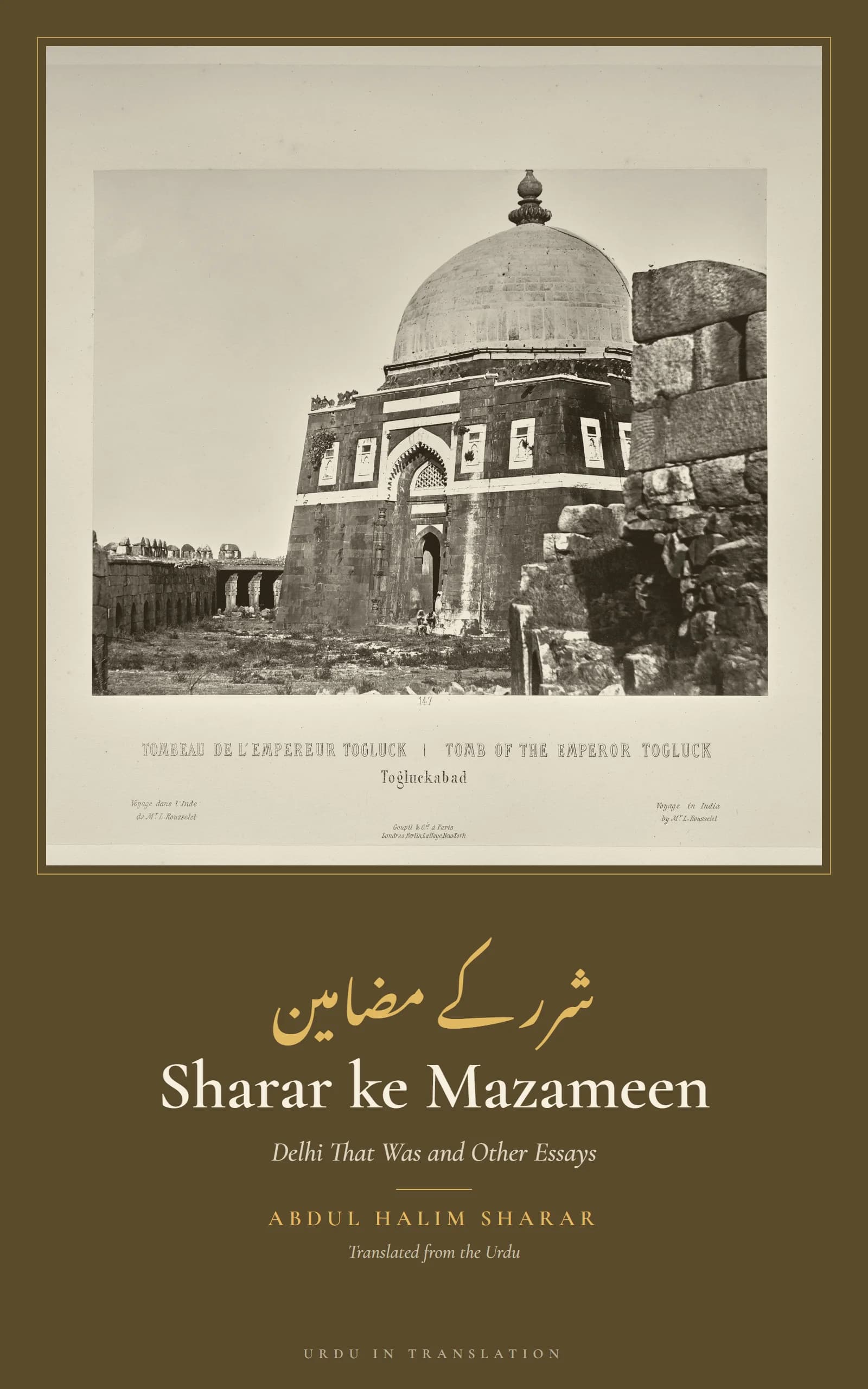
This book gives the Urdu text and a new English translation of three essays by Abdul Halim Sharar (1860–1926) of Lucknow: "Delhi That Was" (*Dehli Marhoom*), a picture of Delhi and its court under Sultan Muhammad Tughluq, drawn from the travels of Ibn Battuta; "The Gallants of Europe" (*Europe ke Banke*), a history of the Knights Templars from their founding to their destruction; and "The Garden of Desire" (*Bagh-e-Arzu*), a short allegory on hope and longing. The title, *Sharar ke Mazameen* ("Sharar's Essays"), has been given to this collection by the present edition; it is not the title of a book published by the author.
اس کتاب میں لکھنؤ کے عبد الحلیم شرر (۱۸۶۰ء–۱۹۲۶ء) کے تین مضامین کا اردو متن اور ان کا نیا انگریزی ترجمہ شامل ہے: ’’دہلی مرحوم‘‘، جس میں ابن بطوطہ کے سفرنامے کی مدد سے سلطان محمد تغلق کے زمانے کی دہلی اور اس کے دربار کی تصویر کھینچی گئی ہے؛ ’’یورپ کے بانکے‘‘، جو نائٹ ٹمپلرز کی ابتدا سے تباہی تک کی تاریخ ہے؛ اور ’’باغ آرزو‘‘، امید اور تمنا پر ایک مختصر تمثیل۔ ’’شرر کے مضامین‘‘ کا عنوان اس اشاعت نے اس مجموعے کو دیا ہے؛ یہ مصنف کی شائع کردہ کسی کتاب کا نام نہیں۔
Source of the Urdu text: Urdu Wikisource (ur.wikisource.org), the pages دہلی مرحوم، یورپ کے بانکے and باغ آرزو, downloaded in October 2026. Wikisource notes that "The Gallants of Europe" was written in instalments for Sharar's monthly magazine *Dilgudaz* in 1914, and the essay itself refers to the *Dilgudaz* of November 1914. No dates or first printings are given for the other two essays. No scan of an early printing has been found on archive.org.
اردو متن کا ماخذ: اردو ویکی ماخذ (ur.wikisource.org)، صفحات ’’دہلی مرحوم‘‘، ’’یورپ کے بانکے‘‘ اور ’’باغ آرزو‘‘، اکتوبر ۲۰۲۶ء میں حاصل کیے گئے۔ ویکی ماخذ کے مطابق ’’یورپ کے بانکے‘‘ شرر نے ۱۹۱۴ء میں اپنے ماہنامہ ’’دلگداز‘‘ میں قسط وار لکھا، اور مضمون میں خود نومبر ۱۹۱۴ء کے ’’دلگداز‘‘ کا حوالہ ہے۔ باقی دو مضامین کی تاریخ یا پہلی اشاعت درج نہیں۔ آرکائیو ڈاٹ آرگ پر کسی قدیم اشاعت کا عکس نہیں ملا۔
What is left out and what was changed: nothing of the author's text has been left out. The short summaries that Wikisource prints at the head of the essays are modern editorial matter and are not given here. In "Delhi That Was" the author's section title, "Delhi and Its Former Court", is kept as a heading. Obvious misprints have been read in the sense the context requires, and doubtful dates and names are kept as printed, with a translator's note.
کیا چھوڑا گیا اور کیا بدلا گیا: مصنف کی تحریر میں سے کچھ نہیں چھوڑا گیا۔ ویکی ماخذ نے مضامین کے شروع میں جو مختصر خلاصے دیے ہیں وہ جدید ادارتی اضافہ ہیں، اس لیے یہاں شامل نہیں کیے گئے۔ ’’دہلی مرحوم‘‘ میں مصنف کا ذیلی عنوان ’’دہلی اور اُس کا اگلا دربار‘‘ سرخی کے طور پر باقی رکھا گیا ہے۔ واضح غلطیوں کو سیاق و سباق کے مطابق پڑھا گیا ہے، اور مشکوک تاریخیں اور نام جیسے چھپے ہیں ویسے ہی رکھے گئے ہیں، مترجم کے نوٹ کے ساتھ۔
Copyright: Sharar died in 1926, so his work is in the public domain in Pakistan and India. All three essays were published in his lifetime and therefore before 1931, so no United States check is needed. The English translation is new. Translator's notes are marked [TN: …].
حقوق: شرر کا انتقال ۱۹۲۶ء میں ہوا، اس لیے ان کی تحریریں پاکستان اور ہندوستان میں عوامی ملکیت میں ہیں۔ یہ تینوں مضامین ان کی زندگی ہی میں، یعنی ۱۹۳۱ء سے پہلے، چھپ چکے تھے، اس لیے امریکہ میں ان کی حیثیت کی جانچ کی ضرورت نہیں۔ انگریزی ترجمہ نیا ہے۔ مترجم کے نوٹ [TN: …] کی صورت میں ہیں۔
Sharar dates some events by the "Muhammadi" era, which he counts from the birth of the Prophet (571 CE); these years are kept as printed, with his own Christian-era equivalents. Names are spelled in one way throughout: Delhi, Ibn Battuta, Sultan Muhammad Tughluq, Ghiyas-ud-Din Tughluq, Qutb-ud-Din, Iltutmish, Siri, Tughluqabad, Jahanpanah, Hazar Sutun, Sir Sayyid Ahmad Khan; the Templars, Hugues de Payens, Jacques de Molay, Philip IV, Clement V, Boniface VIII, Edward II, Acre, Paris, Toulon, Chinon, Vienne.
شرر بعض واقعات کی تاریخ ’’محمدی‘‘ سنہ میں دیتے ہیں، جسے وہ پیغمبر اسلام کی ولادت (۵۷۱ء) سے شمار کرتے ہیں؛ یہ سنین جیسے چھپے ہیں ویسے ہی رکھے گئے ہیں، مصنف کے دیے ہوئے عیسوی سنین کے ساتھ۔ نام پوری کتاب میں ایک ہی طرح لکھے گئے ہیں: دہلی، ابن بطوطہ، سلطان محمد تغلق، غیاث الدین تغلق، قطب الدین، التتمش، سیری، تغلق آباد، جہاں پناہ، ہزار ستون، سر سید احمد خاں؛ ٹمپلر، ہیوڈ پکانس، جیمس ڈی مولائی، فلپ چہارم، کلیمنٹ پنجم، بونی فیس ہشتم، ایڈورڈ دوم، عکہ، پیرس، طولون، شنون، ویانا۔
Introduction
تعارف
Abdul Halim Sharar was born in Lucknow in 1860 and spent part of his boyhood at Matiya Burj near Calcutta, where the deposed king of Awadh, Wajid Ali Shah, kept his court in exile. He became one of the busiest writers of his age: a journalist and editor, the founder in 1887 of the monthly *Dilgudaz*, the author of more than twenty historical novels such as *Firdaus-e-Bareen*, and of the essays on old Lucknow collected as *Guzishta Lakhnau*. Most of his work first appeared in *Dilgudaz*, where history, fiction and moral essays sat side by side. He died in Lucknow in 1926.
عبد الحلیم شرر ۱۸۶۰ء میں لکھنؤ میں پیدا ہوئے اور لڑکپن کا کچھ حصہ کلکتے کے قریب مٹیا برج میں گزارا، جہاں اودھ کے معزول بادشاہ واجد علی شاہ جلا وطنی میں اپنا دربار رکھتے تھے۔ وہ اپنے زمانے کے سب سے مصروف ادیبوں میں سے ہوئے: صحافی اور مدیر، ۱۸۸۷ء میں ماہنامہ ’’دلگداز‘‘ کے بانی، ’’فردوس بریں‘‘ جیسے بیس سے زیادہ تاریخی ناولوں کے مصنف، اور پرانے لکھنؤ پر ان مضامین کے مصنف جو ’’گذشتہ لکھنؤ‘‘ کے نام سے جمع ہوئے۔ ان کی بیشتر تحریریں پہلے ’’دلگداز‘‘ میں چھپیں، جہاں تاریخ، افسانہ اور اخلاقی مضامین ساتھ ساتھ ہوتے تھے۔ ۱۹۲۶ء میں لکھنؤ میں انتقال کیا۔
The three essays here show that range. "Delhi That Was" begins with a complaint: Damascus and Baghdad had their great city histories, but Delhi, apart from Sir Sayyid Ahmad Khan's *Asar-us-Sanadid*, had none. To show what the city was before the Mughals, Sharar retells the account of the Moroccan traveller Ibn Battuta, who served Sultan Muhammad Tughluq in the 1330s: the four cities that made up Delhi, the Jama Masjid and the Qutb Minar, the great tanks, the saints' tombs, and then, in a second part, the gates of the palace, the Hall of a Thousand Pillars, the ranks of the court, the giving of gifts and the Eid procession.
یہ تینوں مضامین ان کی اسی وسعت کو دکھاتے ہیں۔ ’’دہلی مرحوم‘‘ ایک شکایت سے شروع ہوتا ہے: دمشق اور بغداد کی بڑی بڑی تاریخیں لکھی گئیں، مگر دہلی کی، سر سید احمد خاں کی ’’آثار الصنادید‘‘ کے سوا، کوئی تاریخ نہیں۔ مغلوں سے پہلے کی دہلی دکھانے کے لیے شرر مراکشی سیاح ابن بطوطہ کا بیان دہراتے ہیں، جو ۱۳۳۰ء کی دہائی میں سلطان محمد تغلق کی ملازمت میں رہا: دہلی کے چار شہر، جامع مسجد اور قطب مینار، بڑے بڑے حوض، اولیا کے مزار، اور پھر دوسرے حصے میں محل کے دروازے، ہزار ستون، دربار کی صفیں، نذرانوں کا پیش ہونا اور عید کا جلوس۔
"The Gallants of Europe" was written as a companion to Sharar's essays on the *banke*, the swaggering swordsmen of India. It traces knighthood from the Germans and Romans to the Crusades, then tells the story of the Knights Templars: their founding to guard pilgrims to Jerusalem, their rules of life, their wealth and power, and their fall under Philip IV of France and Pope Clement V, with the arrests of 1307, the trials and the burnings. Sharar writes as a Muslim reading European history, and he ends with a bold suggestion: that the Templars' alleged heresies were in part a turn, learned from living beside Muslims, towards a stricter belief in one God.
’’یورپ کے بانکے‘‘ ہندوستان کے بانکوں پر شرر کے مضامین کے ساتھی کے طور پر لکھا گیا۔ اس میں جرمنوں اور رومیوں سے صلیبی جنگوں تک نائٹ ہونے کی رسم کا حال ہے، اور پھر نائٹ ٹمپلرز کی داستان: بیت المقدس کے زائرین کی حفاظت کے لیے ان کا قیام، ان کے قواعد، ان کی دولت اور طاقت، اور فرانس کے فلپ چہارم اور پوپ کلیمنٹ پنجم کے ہاتھوں ان کا زوال، ۱۳۰۷ء کی گرفتاریوں، مقدموں اور زندہ جلائے جانے کے ساتھ۔ شرر یورپ کی تاریخ کو ایک مسلمان کی نظر سے پڑھتے ہیں، اور آخر میں ایک جرأت مندانہ رائے دیتے ہیں: کہ ٹمپلروں کی جن بدعتوں کا الزام تھا وہ کچھ حد تک مسلمانوں کے پڑوس میں رہ کر توحید کی طرف میلان کا نتیجہ تھیں۔
"The Garden of Desire" is a short prose allegory in the manner of the moral essays of the time. A garden of flowers that always seems one step away, a mother carrying her dying child towards a physician who never comes nearer, and the course of a life from childhood hope to old age become a lesson: look at the garden of desire from a distance, and do the work you were sent into the world to do.
’’باغ آرزو‘‘ اس زمانے کے اخلاقی مضامین کے انداز میں ایک مختصر نثری تمثیل ہے۔ ایک پھولوں کا باغ جو ہمیشہ ایک قدم دور معلوم ہوتا ہے، ایک ماں جو اپنے مرتے ہوئے بچے کو ایک ایسے حکیم کی طرف لیے جاتی ہے جو کبھی قریب نہیں آتا، اور بچپن کی امیدوں سے بڑھاپے تک زندگی کا سفر، یہ سب ایک سبق بن جاتے ہیں: باغ آرزو کو دور سے دیکھو، اور وہ کام کرو جس کے لیے دنیا میں بھیجے گئے ہو۔
¿Qué te deja este capítulo?
Inicia sesión para reaccionar
Conversación
Nadie ha hablado todavía. Cuenta qué removió en ti este capítulo.