Capítulo 1 de 12
About This Edition and Introduction
اس اشاعت کے بارے میں اور تعارف
Toca una palabra, en urdu o en inglés, y aparece su significado. Selecciona una frase para verla entera.
About This Edition
اس اشاعت کے بارے میں
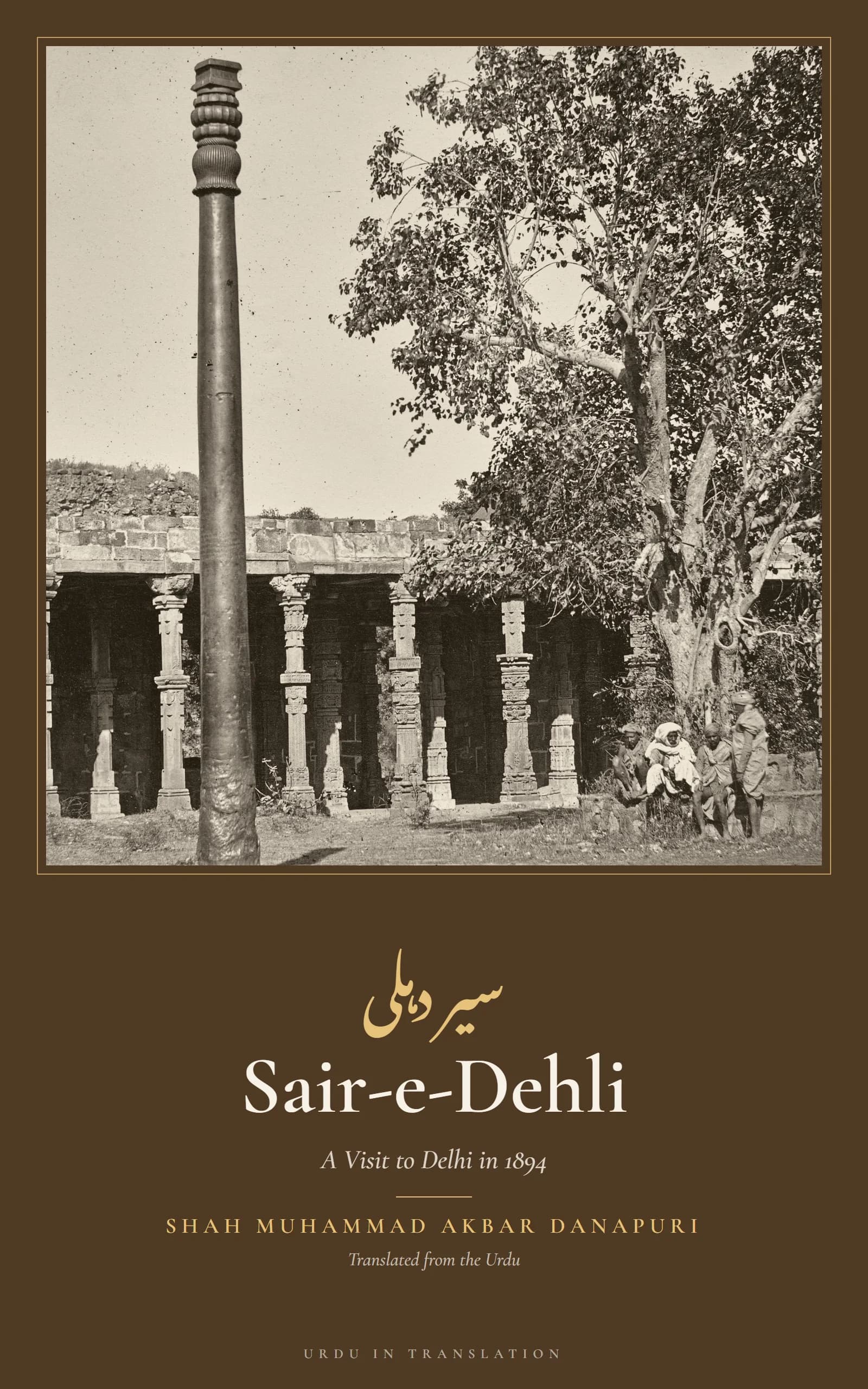
This book gives the complete Urdu text and a new English translation of *Sair-e-Dehli* (A Visit to Delhi) by Shah Muhammad Akbar Abul-Ulai Danapuri. It is the account of a journey the author made to Delhi in Rajab 1311 AH (January 1894) for the wedding of a dear friend; along with the wedding ceremonies it describes his visits to the mosques, the Fort, the tombs and the shrines of the saints of Delhi.
اس کتاب میں شاہ محمد اکبر ابو العلائی داناپوری کی "سیر دہلی" کا مکمل اردو متن اور اس کا نیا انگریزی ترجمہ دیا گیا ہے۔ یہ دہلی کے اس سفر کا حال ہے جو مصنف نے رجب 1311ھ (جنوری 1894ء) میں ایک عزیز کی شادی کے سلسلے میں کیا؛ اس میں شادی کی رسموں کے ساتھ دہلی کی مسجدوں، قلعے، مقبروں اور بزرگوں کے مزاروں کی زیارت کا بیان ہے۔
Source of the Urdu text: Urdu Wikisource (ur.wikisource.org), the page "سیر دہلی", taken from the Wikimedia dump of October 2026. The text is complete and ends with "ختم شد" (The End); at the close is a chronogram by Munshi Faqir Muhammad Khan Anwar of Akbarabad giving the year 1311 AH.
اردو متن کا ماخذ: اردو ویکی ماخذ (ur.wikisource.org) کا صفحہ "سیر دہلی"، جو اکتوبر 2026ء کے ویکی میڈیا ڈمپ سے لیا گیا۔ متن مکمل ہے اور "ختم شد" پر ختم ہوتا ہے؛ آخر میں منشی فقیر محمد خاں انور اکبر آبادی کا قطعۂ تاریخ ہے جس سے 1311ھ کا سال نکلتا ہے۔
What is left out and what was changed: the whole of the author's text is given, in his own order, with his notes and the contemporary chronogram and *ghazal* at the end of the book. The Wikisource page header is left out. The original book had a drawing of the pavilion over the tomb of Amir Abul-Ula; it is not in this text and is not reproduced, and a note marks the place. The book has been divided into ten chapters for easier reading; the chapter titles are new. Nothing modern has been added to the Urdu.
کیا چھوڑا گیا اور کیا بدلا گیا: مصنف کا پورا متن، ان کی اپنی ترتیب، ان کے حاشیوں اور کتاب کے آخر کے ہم عصر قطعۂ تاریخ اور غزل کے ساتھ دیا گیا ہے۔ ویکی ماخذ کے صفحے کا سرنامہ چھوڑ دیا گیا ہے۔ اصل کتاب میں امیر ابو العلا کے مزار کی بارہ دری کا ایک نقشہ تھا؛ وہ اس متن میں موجود نہیں، اس لیے شامل نہیں کیا گیا اور اس جگہ ایک حاشیہ لگا دیا گیا ہے۔ پڑھنے کی آسانی کے لیے کتاب کو دس ابواب میں بانٹا گیا ہے؛ ابواب کے عنوانات نئے ہیں۔ اردو متن میں کوئی جدید اضافہ نہیں کیا گیا۔
Copyright: the author died in 1909 and the book dates from 1311 AH (1894); works of Urdu authors who died in 1961 or earlier are out of copyright in Pakistan and India. The English translation, the chapter divisions and titles, this introduction and the glossary are new.
حق اشاعت: مصنف کا انتقال 1909ء میں ہوا اور کتاب 1311ھ (1894ء) کی ہے؛ 1961ء یا اس سے پہلے فوت ہونے والے اردو مصنفین کی تحریریں پاکستان اور بھارت میں حق اشاعت سے آزاد ہیں۔ انگریزی ترجمہ، ابواب کی تقسیم اور عنوانات، یہ تعارف اور فرہنگ نئے ہیں۔
Translation: the English follows the Urdu sentence by sentence and keeps every line of verse on its own line. The book has many Persian verses, inscriptions and chronograms, and Arabic verses of the Qur'an, sayings of the Prophet and prayers; these are translated, with a translator's note [TN: ...] saying that they are in Persian or Arabic in the original and giving the reference for verses of the Qur'an. Hijri dates are given with the Western year in a note, and where a date the author gives differs from the usual one, the note says "so in the original". Terms kept in the translation are explained in the glossary at the end.
ترجمہ: انگریزی ترجمہ اردو کے ساتھ جملہ بہ جملہ چلتا ہے اور ہر مصرع الگ سطر میں رکھتا ہے۔ کتاب میں بہت سے فارسی اشعار، کتبے اور قطعات تاریخ اور عربی آیات، احادیث اور دعائیں ہیں؛ ان کا ترجمہ کیا گیا ہے اور مترجم کے حاشیے [TN: ...] میں بتا دیا گیا ہے کہ اصل فارسی یا عربی میں ہے اور قرآنی آیات کا حوالہ دیا گیا ہے۔ ہجری تاریخوں کے ساتھ عیسوی سال حاشیے میں ہے، اور جہاں مصنف کی دی ہوئی کوئی تاریخ مشہور تاریخ سے مختلف ہے وہاں "so in the original" لکھ دیا گیا ہے۔ ترجمے میں باقی رکھے گئے الفاظ کی وضاحت آخر میں فرہنگ میں ہے۔
Introduction
تعارف
The author introduces himself as Muhammad Akbar Abul-Ulai Danapuri, son of Sayyid Shah Muhammad Sajjad Abul-Ulai, pilgrim of the two holy sanctuaries, and traces his line back to Maulana Sayyid Shah Tayyibullah and Maulana Munawwarullah. He was a Sufi of the Abul-Ulai order, names Maulana Sayyid Shah Muhammad Qasim Danapuri as his spiritual guide, and was a poet writing under the pen name Akbar. He tells us that he had visited Delhi several times before.
مصنف اپنا تعارف محمد اکبر ابو العلائی داناپوری کے نام سے کراتے ہیں، جو حاجی حرمین سید شاہ محمد سجاد ابو العلائی کے بیٹے تھے، اور اپنا نسب مولانا سید شاہ طیب اللہ اور مولانا منور اللہ تک بیان کرتے ہیں۔ وہ سلسلۂ ابو العلائیہ کے صوفی تھے، مولانا سید شاہ محمد قاسم داناپوری کو اپنا پیر و مرشد کہتے ہیں، اور شاعر تھے جن کا تخلص اکبر تھا۔ وہ بتاتے ہیں کہ دہلی وہ کئی بار پہلے بھی آ چکے تھے۔
This journey was made for the wedding of Maulvi Muhammad Hamidullah Khan, son of Maulvi Muhammad Samiullah Khan, which took place on 7 Rajab 1311 AH (15 January 1894) at the house of Nawab Sarwar Jang Bahadur. The author describes the *sachaq*, the *nikah* and the *walima*, copies out his own *sehra*, and mentions guests such as Shams-ul-Ulama Munshi Zakaullah and Nawab Mohsin-ul-Mulk. Then, over three weeks, he visits Shah Turkman, the Jama Masjid, Sarmad, Shah Kalimullah, Khwaja Baqi Billah, the Exalted Fort, the Zinat-ul-Masajid, the family of Shah Waliullah, Khwaja Mir Dard, Hazrat Nizamuddin, Qutb Sahib, the Old Fort and Humayun's Tomb.
یہ سفر مولوی محمد سمیع اللہ خاں کے بیٹے مولوی محمد حمید اللہ خاں کی شادی کی تقریب میں ہوا، جو 7 رجب 1311ھ (15 جنوری 1894ء) کو نواب سرور جنگ بہادر کے گھر میں ہوئی۔ مصنف ساچق، نکاح اور ولیمے کا حال لکھتے ہیں، اپنا سہرا نقل کرتے ہیں اور شمس العلما منشی ذکاء اللہ اور نواب محسن الملک جیسے مہمانوں کا ذکر کرتے ہیں۔ پھر تین ہفتوں میں وہ شاہ ترکمان، جامع مسجد، سرمد، شاہ کلیم اللہ، خواجہ باقی باللہ، قلعۂ معلیٰ، زینت المساجد، شاہ ولی اللہ کے خاندان، خواجہ میر درد، حضرت نظام الدین، قطب صاحب، پرانے قلعے اور ہمایوں کے مقبرے کی سیر کرتے ہیں۔
The book opens with a preface on the impermanence of the world and the benefits of travel, and with the author's long *shahr-ashob* on the ruin of Delhi and Lucknow. All through the travel account he stops to give his views on history, Sufism, law, education and the state of the Muslims, and includes his own poems and *ghazals*, and the book ends with *sehras* for the Sultan of the Deccan, a chronogram and a *ghazal*. It is a lively and personal picture of Delhi in 1894.
کتاب کا آغاز دنیا کی بے ثباتی اور سفر کے فائدوں پر ایک دیباچے اور دہلی اور لکھنؤ کی بربادی پر مصنف کے ایک طویل شہر آشوب سے ہوتا ہے۔ سفر نامے کے بیچ میں وہ جا بجا رک کر تاریخ، تصوف، فقہ، تعلیم اور مسلمانوں کی حالت پر اپنی رائے دیتے ہیں، اپنی نظمیں اور غزلیں شامل کرتے ہیں، اور کتاب سلطان دکن کے لیے سہروں، قطعۂ تاریخ اور ایک غزل پر ختم ہوتی ہے۔ یوں یہ 1894ء کی دہلی کا ایک دلچسپ اور ذاتی نقشہ ہے۔
¿Qué te deja este capítulo?
Inicia sesión para reaccionar
Conversación
Nadie ha hablado todavía. Cuenta qué removió en ti este capítulo.