Глава 1 из 8
About This Edition and Introduction
اس اشاعت کے بارے میں اور تعارف
Коснитесь слова на урду или английском, и появится его значение. Выделите фразу, чтобы увидеть её целиком.
About This Edition
اس اشاعت کے بارے میں
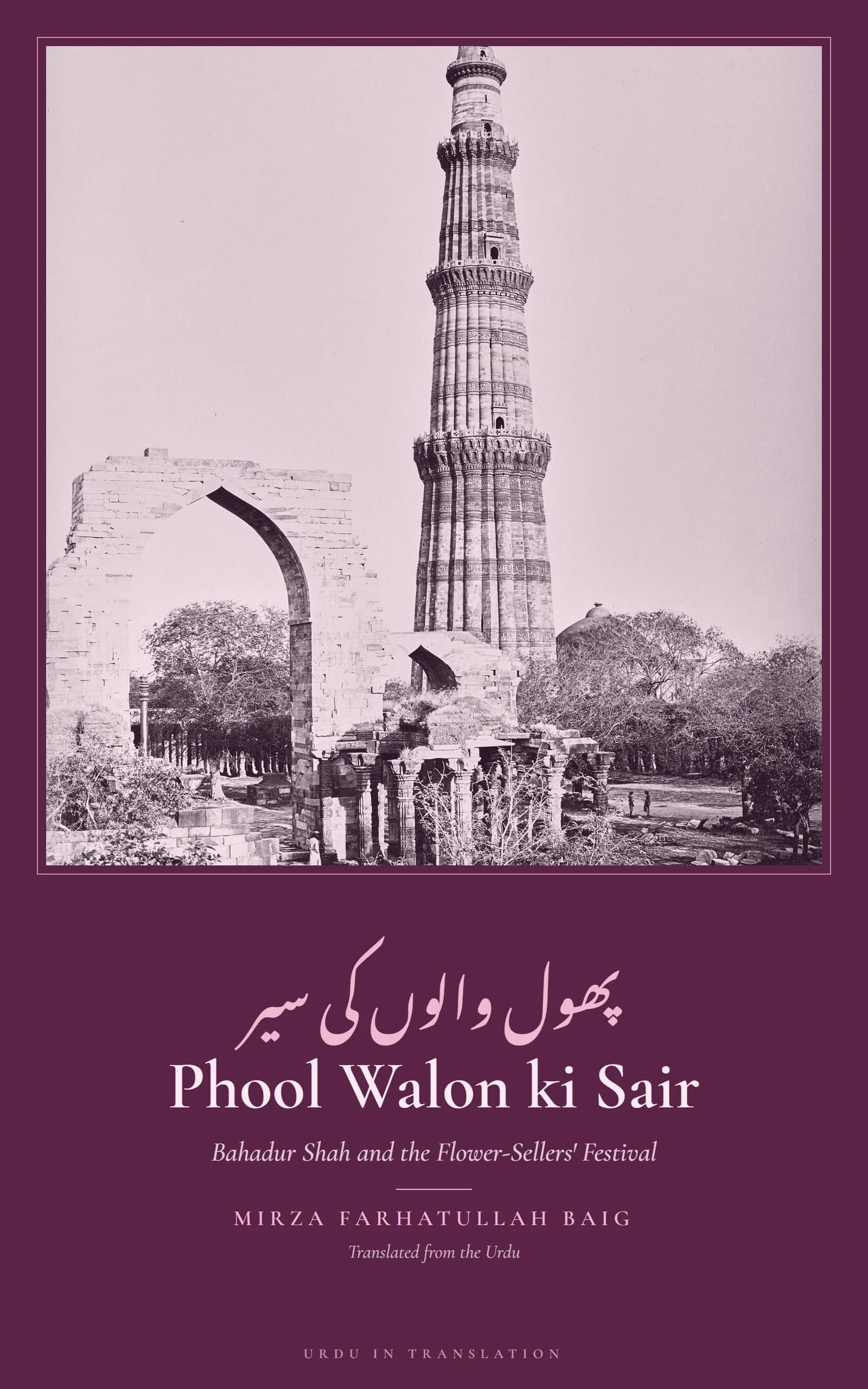
This is the complete Urdu text and an English translation of *Bahadur Shah aur Phool Walon ki Sair* ("Bahadur Shah and the Flower-Sellers' Festival") by Mirza Farhatullah Baig of Delhi (1883–1947), with the author's own notes.
یہ دہلی کے مرزا فرحت اللہ بیگ (۱۸۸۳ء تا ۱۹۴۷ء) کے مضمون "بہادر شاہ اور پھول والوں کی سیر" کا مکمل اردو متن اور انگریزی ترجمہ ہے، مصنف کے اپنے حواشی سمیت۔
Source of the Urdu text: the transcription on Urdu Wikisource (ur.wikisource.org, بہادر شاہ اور پھول والوں کی سیر), downloaded in October 2026. No scan of an early printing has been found. The author's notes cite C. F. Andrews' *Zaka Ullah of Delhi* as "just printed, in 1929", so the essay was written in or soon after 1929.
اردو متن کا ماخذ: اردو ویکی ماخذ (ur.wikisource.org، "بہادر شاہ اور پھول والوں کی سیر")، جو اکتوبر ۲۰۲۶ء میں حاصل کیا گیا۔ کسی قدیم مطبوعہ نسخے کا عکس نہیں ملا۔ مصنف کے حواشی میں سی ایف اینڈروز کی کتاب "ذکاء اللہ دہلوی" کو "ابھی ۱۹۲۹ء میں" چھپی ہوئی بتایا گیا ہے، اس لیے یہ مضمون ۱۹۲۹ء میں یا اس کے کچھ بعد لکھا گیا۔
What is left out and what was changed: nothing of the author's text has been left out. The author numbered his notes; the numbers are printed here in square brackets, such as [5], and the notes themselves form chapter 7. In the Wikisource text the note numbers after note 53 are one behind the notes they refer to; they have been corrected. Two sentences printed twice in the Wikisource text, in the bazaar scene of chapter 5, are given once. Couplets broken across lines have been rejoined. The essay has no divisions of its own; it is printed here in five chapters.
کیا چھوڑا گیا اور کیا بدلا گیا: مصنف کے متن میں سے کچھ نہیں چھوڑا گیا۔ مصنف نے اپنے حواشی پر نمبر لگائے تھے؛ یہاں یہ نمبر قوسین میں، جیسے [5]، دیے گئے ہیں، اور حواشی ساتویں باب میں ہیں۔ ویکی ماخذ کے متن میں حاشیہ ۵۳ کے بعد کے نمبر اپنے حواشی سے ایک پیچھے تھے؛ انہیں درست کر دیا گیا ہے۔ پانچویں باب میں بازار کے بیان میں ویکی ماخذ کے دو جملے دو بار لکھے گئے تھے، یہاں ایک بار دیے گئے ہیں۔ جو شعر سطروں میں ٹوٹ گئے تھے انہیں جوڑ دیا گیا ہے۔ مضمون کے اپنے کوئی حصے نہیں؛ یہاں یہ پانچ ابواب میں دیا گیا ہے۔
Copyright: Farhatullah Baig died in 1947, so the work is in the public domain in Pakistan and India. Because it was first published in or after 1929 and the exact date is not known, this edition records its United States status as "check". The English translation is new. Translator's notes are marked [TN: …].
حقوق: فرحت اللہ بیگ کی وفات ۱۹۴۷ء میں ہوئی، اس لیے یہ تحریر پاکستان اور ہندوستان میں پبلک ڈومین میں ہے۔ چونکہ یہ ۱۹۲۹ء میں یا اس کے بعد پہلی بار چھپی اور ٹھیک سنہ معلوم نہیں، اس اشاعت میں امریکہ کے لحاظ سے اس کی حیثیت "قابلِ تحقیق" درج کی گئی ہے۔ انگریزی ترجمہ نیا ہے۔ مترجم کے نوٹ [TN: …] سے ظاہر کیے گئے ہیں۔
Names are spelled in one way throughout: Bahadur Shah, Zinat Mahal, Taj Mahal, Mirza Jahangir, Mumtaz Mahal, Dara Bakht, Hakim Ahsanullah Khan, Delhi, Mehrauli, the Qutb, the Jharna, the Shamsi Tank, the Jahaz, the Jangli Mahal, the Bab-e-Zafar, Jog Maya.
نام ہر جگہ ایک ہی طرح لکھے گئے ہیں: بہادر شاہ، زینت محل، تاج محل، مرزا جہانگیر، ممتاز محل، دارا بخت، حکیم احسن اللہ خاں، دہلی، مہرولی، قطب، جھرنا، شمسی تالاب، جہاز، جنگلی محل، باب ظفر، جوگ مایا۔
Introduction
تعارف
Every year, at the end of the rains, the people of Delhi still go out to Mehrauli, eleven miles south of the old city, and carry great fans made of flowers, one to the shrine of the Sufi saint Khwaja Qutbuddin Bakhtiyar Kaki and one to the temple of the goddess Jog Maya. The festival is called *Phool Walon ki Sair*, the Flower-Sellers' Outing. According to Delhi tradition it began in the early nineteenth century, when the queen of Akbar Shah II vowed a sheet and a canopy of flowers to the saint if her son, exiled by the British Resident, came home; the flower-sellers added a fan of flowers, and the King made it a yearly fair in which Hindus and Muslims would each join the other's procession.
آج بھی ہر سال برسات کے آخر میں دلی والے پرانے شہر سے گیارہ میل جنوب میں مہرولی جاتے ہیں اور پھولوں کے بڑے بڑے پنکھے لے کر چلتے ہیں، ایک صوفی بزرگ خواجہ قطب الدین بختیار کاکی کی درگاہ پر چڑھانے کے لیے اور ایک جوگ مایا دیوی کے مندر پر۔ اس میلے کو پھول والوں کی سیر کہتے ہیں۔ دلی کی روایت کے مطابق یہ انیسویں صدی کے شروع میں شروع ہوا، جب اکبر شاہ ثانی کی ملکہ نے منت مانی کہ اگر انگریز ریزیڈنٹ کا جلا وطن کیا ہوا ان کا بیٹا گھر لوٹ آئے تو بزرگ کے مزار پر چادر اور پھولوں کی مسہری چڑھائیں گی؛ پھول والوں نے اس میں پھولوں کا ایک پنکھا بڑھا دیا، اور بادشاہ نے اسے ایک سالانہ میلہ بنا دیا جس میں ہندو اور مسلمان ایک دوسرے کے جلوس میں شریک ہوں۔
Mirza Farhatullah Baig, the Delhi essayist best known for *Dehli ki Akhri Shama*, his re-creation of the last royal *mushaira* of the Mughal court, does the same here for the festival in its last great year. He chooses 1264 AH (1848), the last year, he says, before misfortune began to fall on the old King, and asks the reader simply to shut his eyes. We see the city flooded by a terrible monsoon and the King spending a district's revenue on his people; the swimming fair on the Jamna; the night procession of the royal women out of the Red Fort, guarded by armed Turkish, Kalmuck, African and Georgian women in men's dress; Bahadur Shah weeping at the graves of his ancestors in Humayun's Tomb and at the shrine of Nizamuddin; the princesses swinging and singing *malhar* in the mango grove at the Jharna while cakes fry in pans at the roots of the trees; the people of Delhi pouring out to Mehrauli with their belongings in earthen pots on their heads; the procession of the fan with wrestlers, water-carriers, stick-dancers and singing girls; and a naval battle of fireworks on the Shamsi Tank. At its centre is the King's refusal to go with the Muslims' fan because he had not gone with the Hindus'.
مرزا فرحت اللہ بیگ، جو مغل دربار کے آخری مشاعرے کی تصویر "دہلی کی آخری شمع" کے لیے سب سے زیادہ مشہور ہیں، یہاں اسی طرح اس میلے کو اس کے آخری شاندار برس میں زندہ کرتے ہیں۔ وہ ۱۲۶۴ھ (۱۸۴۸ء) کا انتخاب کرتے ہیں، ان کے بقول وہ آخری سال جس کے بعد بڈھے بادشاہ پر مصیبتیں ٹوٹنی شروع ہوئیں، اور پڑھنے والے سے صرف آنکھیں بند کرنے کو کہتے ہیں۔ ہم ایک خوفناک برسات میں ڈوبا ہوا شہر دیکھتے ہیں اور بادشاہ کو ایک پرگنے کی مال گزاری اپنی رعایا پر خرچ کرتے ہوئے؛ جمنا پر تیراکی کا میلہ؛ لال قلعے سے شاہی بیگمات کا رات کا جلوس، جس کی حفاظت مردانہ لباس پہنے مسلح ترکنیں، قلماقنیاں، حبشنیں اور گرجنیں کرتی ہیں؛ ہمایوں کے مقبرے میں اپنے بزرگوں کی قبروں پر اور نظام الدین کی درگاہ میں روتے ہوئے بہادر شاہ؛ جھرنے کی امریوں میں جھولا جھولتی اور ملار گاتی شہزادیاں، جبکہ درختوں کی جڑوں میں کڑھائیوں میں پکوان تلے جا رہے ہیں؛ سروں پر مٹکوں میں اپنا سامان رکھے مہرولی کو امڈتے دلی والے؛ اکھاڑوں، سقوں، ڈنڈے والوں اور رنڈیوں کے ساتھ پنکھے کا جلوس؛ اور شمسی تالاب پر آتش بازی کی سمندری لڑائی۔ اس سب کے بیچ بادشاہ کا یہ انکار ہے کہ وہ مسلمانوں کے پنکھے کے ساتھ نہیں جائیں گے کیونکہ ہندوؤں کے پنکھے کے ساتھ نہیں گئے تھے۔
Baig is candid about his method. The buildings and the historical events are accurate; the scenes at the Jharna and the mango grove he heard from old women who had taken part in them; the procession he saw in a painting at his drawing master's house; the conversations he has imagined. His sixty-three notes, printed here as chapter 7, are a small encyclopaedia of the vanished life of the Fort and the city, from the ranks of the palace women to the kinds of firework and the two presents every visitor brought home.
بیگ اپنے طریقے کے بارے میں صاف گو ہیں۔ عمارتیں اور تاریخی واقعات صحیح ہیں؛ جھرنے اور امریوں کے حالات انہوں نے ان بوڑھیوں سے سنے جو ان میں شریک تھیں؛ جلوس کی تصویر اپنے مصوری کے استاد کے ہاں دیکھی؛ گفتگو ان کے تخیل کی ہے۔ ان کے تریسٹھ حواشی، جو یہاں ساتویں باب میں ہیں، قلعے اور شہر کی مٹی ہوئی زندگی کی ایک چھوٹی سی قاموس ہیں، محل کی عورتوں کے درجوں سے لے کر آتش بازی کی قسموں اور ان دو سوغاتوں تک جو ہر سیلانی گھر لاتا تھا۔
The essay is also a lament. Written about 1930, when the festival had lapsed, it says: "There is a binding even now; but that was the binding of love, and this is the binding of the law." The festival was revived in 1961 and is still held each year.
یہ مضمون ایک مرثیہ بھی ہے۔ ۱۹۳۰ء کے لگ بھگ، جب میلہ بند ہو چکا تھا، لکھے گئے اس مضمون میں کہا گیا ہے: "بندھن اب بھی ہے مگر وہ محبت کا بندھن تھا، یہ قانون کا بندھن ہے۔" میلہ ۱۹۶۱ء میں پھر شروع ہوا اور آج تک ہر سال ہوتا ہے۔
Cite as: Mirza Farhatullah Baig, *Bahadur Shah aur Phool Walon ki Sair*, tr. urduintranslation.com (2026), https://www.urduintranslation.com/works/phool-walon-ki-sair.
حوالہ: مرزا فرحت اللہ بیگ، "بہادر شاہ اور پھول والوں کی سیر"، ترجمہ urduintranslation.com (۲۰۲۶ء)، https://www.urduintranslation.com/works/phool-walon-ki-sair
Что оставила в вас эта глава?
Войдите, чтобы отреагировать
Обсуждение
Пока никто не высказался. Расскажите, что всколыхнула в вас эта глава.