Chapitre 1 sur 4
About This Edition and Introduction
اس اشاعت کے بارے میں اور تعارف
Touchez un mot, en ourdou ou en anglais : son sens apparaît. Sélectionnez une phrase pour la voir entière.
About This Edition
اس اشاعت کے بارے میں
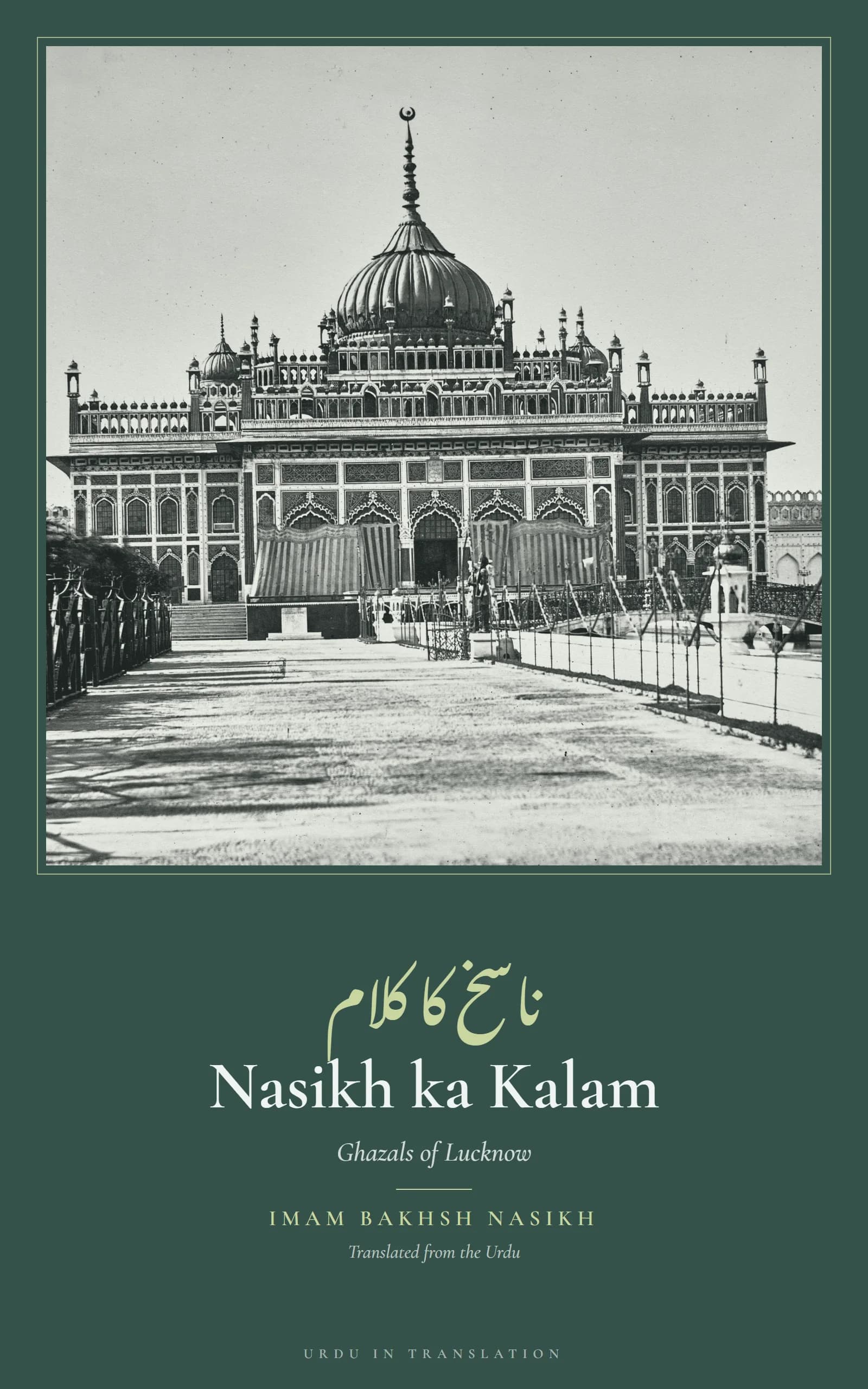
This book gives the Urdu text and a new English translation of forty-two *ghazals* (lyric poems) by Shaikh Imam Bakhsh Nasikh of Lucknow (d. 1838). They are all the poems by Nasikh on Urdu Wikisource. The title, *Nasikh ka Kalam* ("Poems of Nasikh"), has been given to this selection by the present edition.
اس کتاب میں لکھنؤ کے شیخ امام بخش ناسخ (م ۱۸۳۸ء) کی بیالیس غزلوں کا اردو متن اور ان کا نیا انگریزی ترجمہ ہے۔ یہ ویکی ماخذ پر ناسخ کا پورا کلام ہے۔ کتاب کا نام ’’ناسخ کا کلام‘‘ اس اشاعت نے اس انتخاب کو دیا ہے۔
Source of the Urdu text: Urdu Wikisource (ur.wikisource.org), the forty-two pages listed under the author, downloaded in October 2026. The source pages carry no modern editorial matter. Where the source has an evident misprint, the text is printed as found and the translation follows the evident sense, with a note.
اردو متن کا ماخذ: اردو ویکی ماخذ (ur.wikisource.org)، مصنف کے تحت درج بیالیس صفحات، اکتوبر ۲۰۲۶ء میں حاصل کیے گئے۔ ماخذ کے صفحات پر کوئی جدید ادارتی مواد نہیں۔ جہاں ماخذ میں واضح کتابت کی غلطی ہے، وہاں متن جیسا ملا ویسا دیا گیا ہے اور ترجمہ واضح مفہوم کے مطابق ہے، نوٹ کے ساتھ۔
What is left out and what was changed: nothing has been left out. The ghazals are given in the order of the source, which is alphabetical by first line, and are headed by their first line. A few ghazals on Wikisource lack a closing couplet with the pen name; they are printed as found.
کیا چھوڑا گیا اور کیا بدلا گیا: کچھ نہیں چھوڑا گیا۔ غزلیں ماخذ کی ترتیب میں ہیں، جو پہلے مصرع کے لحاظ سے حروف تہجی کی ترتیب ہے، اور ان کے عنوان ان کا پہلا مصرع ہیں۔ ویکی ماخذ پر چند غزلوں کا مقطع نہیں؛ یہ جیسی ملیں ویسی دی گئی ہیں۔
Copyright: Nasikh died in 1838, so his poems are in the public domain everywhere. The English translation is new. Translator's notes are marked [TN: …]. The translation keeps each line of verse as a line, and puts accuracy before rhyme. The pen name Nasikh is kept as a name.
حق اشاعت: ناسخ کا انتقال ۱۸۳۸ء میں ہوا، اس لیے ان کا کلام ہر جگہ پبلک ڈومین میں ہے۔ انگریزی ترجمہ نیا ہے۔ مترجم کے نوٹ [TN: …] سے ظاہر کیے گئے ہیں۔ ترجمے میں ہر مصرع الگ سطر میں رکھا گیا ہے، اور صحت کو قافیے پر مقدم رکھا گیا ہے۔ تخلص ناسخ نام کے طور پر رکھا گیا ہے۔
Names are spelled in one way throughout: Lucknow; Joseph, Jacob, Moses, Jesus, Solomon, Khizr, Cain, Azar, Alexander; Laila, Qais (Majnun), Shirin, Farhad; Ali (Haidar), Karbala; Nausherwan; Dard.
ترجمے میں نام ایک ہی طرح لکھے گئے ہیں: لکھنؤ؛ یوسف، یعقوب، موسیٰ، عیسیٰ، سلیمان، خضر، قابیل، آزر، سکندر؛ لیلیٰ، قیس (مجنوں)، شیریں، فرہاد؛ علی (حیدر)، کربلا؛ نوشیرواں؛ درد۔
Introduction
تعارف
Shaikh Imam Bakhsh, who wrote as Nasikh, was born in the second half of the eighteenth century, probably at Faizabad, and was brought up in the house of a wealthy Lucknow merchant who left him his fortune. He spent his life in Lucknow, then the richest court in India after the decline of Delhi, apart from periods of exile when he fell out of favour with the court and lived at Allahabad and elsewhere; one ghazal here celebrates his return, when "all the lanes and bazaars of Lucknow have turned white". He never took service with a patron and lived as an independent man of means. He died in Lucknow in 1838.
شیخ امام بخش، جو ناسخ تخلص کرتے تھے، اٹھارویں صدی کے نصف آخر میں، غالباً فیض آباد میں، پیدا ہوئے اور لکھنؤ کے ایک دولت مند سوداگر کے گھر پلے، جس نے اپنی دولت انہیں چھوڑی۔ انہوں نے ساری عمر لکھنؤ میں گزاری، جو دہلی کے زوال کے بعد ہندوستان کا سب سے دولت مند دربار تھا، سوائے ان دنوں کے جب دربار کی ناراضی کے سبب انہیں جلاوطن ہو کر الہ آباد اور دوسری جگہوں میں رہنا پڑا؛ یہاں ایک غزل ان کی واپسی کا جشن ہے، جب ’’لکھنؤ کے ہوئے سب کوچہ و بازار سفید‘‘۔ انہوں نے کبھی کسی سرپرست کی ملازمت نہیں کی اور ایک آزاد خوش حال آدمی کی طرح رہے۔ ۱۸۳۸ء میں لکھنؤ میں ان کا انتقال ہوا۔
Nasikh is remembered above all as a reformer of the Urdu language. With his circle of pupils he set rules for correct usage, dropped many old Hindi words and forms, and fixed the genders and spellings that later writers followed; the very name "Nasikh" means "one who abrogates". His great rival was Khwaja Haidar Ali Atish, and the contest between their schools shaped the Lucknow manner: a poetry of wit, ingenious comparison and difficult refrain, in which every image is pressed to its limit.
ناسخ سب سے بڑھ کر اردو زبان کے مصلح کے طور پر یاد کیے جاتے ہیں۔ اپنے شاگردوں کے حلقے کے ساتھ انہوں نے صحیح محاورے کے اصول بنائے، بہت سے پرانے ہندی الفاظ اور صورتیں ترک کیں، اور وہ تذکیر و تانیث اور املا مقرر کیے جن پر بعد کے لکھنے والے چلے؛ خود ’’ناسخ‘‘ کے معنی ہیں منسوخ کرنے والا۔ ان کے بڑے حریف خواجہ حیدر علی آتش تھے، اور ان دونوں کے دبستانوں کے مقابلے نے لکھنؤ کا رنگ بنایا: نکتہ آفرینی، انوکھی تشبیہ اور مشکل ردیف کی شاعری، جس میں ہر پیکر کو آخری حد تک کھینچا جاتا ہے۔
The ghazals here show that manner at full stretch. Paper, colour, gait, "of its own accord", "in the veil of" and "turned white" each serve as a refrain that the poet turns every possible way. Beside the beloved's tresses and the lover's scars stand a Holi ghazal, couplets in praise of the Prophet and of Ali, and a prayer to be laid in the dust of Karbala, for Nasikh, like the Lucknow court, was a Shia.
یہاں کی غزلیں یہ رنگ پورے زور پر دکھاتی ہیں۔ کاغذ، رنگ، رفتار، ’’آپ سے آپ‘‘، ’’کے پردے میں‘‘ اور ’’سفید‘‘ ہر ایک ایسی ردیف ہے جسے شاعر ہر ممکن طرح برتتا ہے۔ محبوب کی زلفوں اور عاشق کے داغوں کے ساتھ ہولی کی ایک غزل، نبی اور حضرت علی کی مدح کے اشعار، اور خاک کربلا ہونے کی دعا بھی ہے، کیونکہ ناسخ، لکھنؤ کے دربار کی طرح، شیعہ تھے۔
Que vous laisse ce chapitre ?
Connectez-vous pour réagir
Discussion
Personne n’a encore parlé. Dites ce que ce chapitre a remué en vous.