Chapter 1 of 11
About This Edition and Introduction
اس اشاعت کے بارے میں اور تعارف
Tap a word, Urdu or English, and its meaning appears. Select a phrase to see it whole.
About This Edition
اس اشاعت کے بارے میں
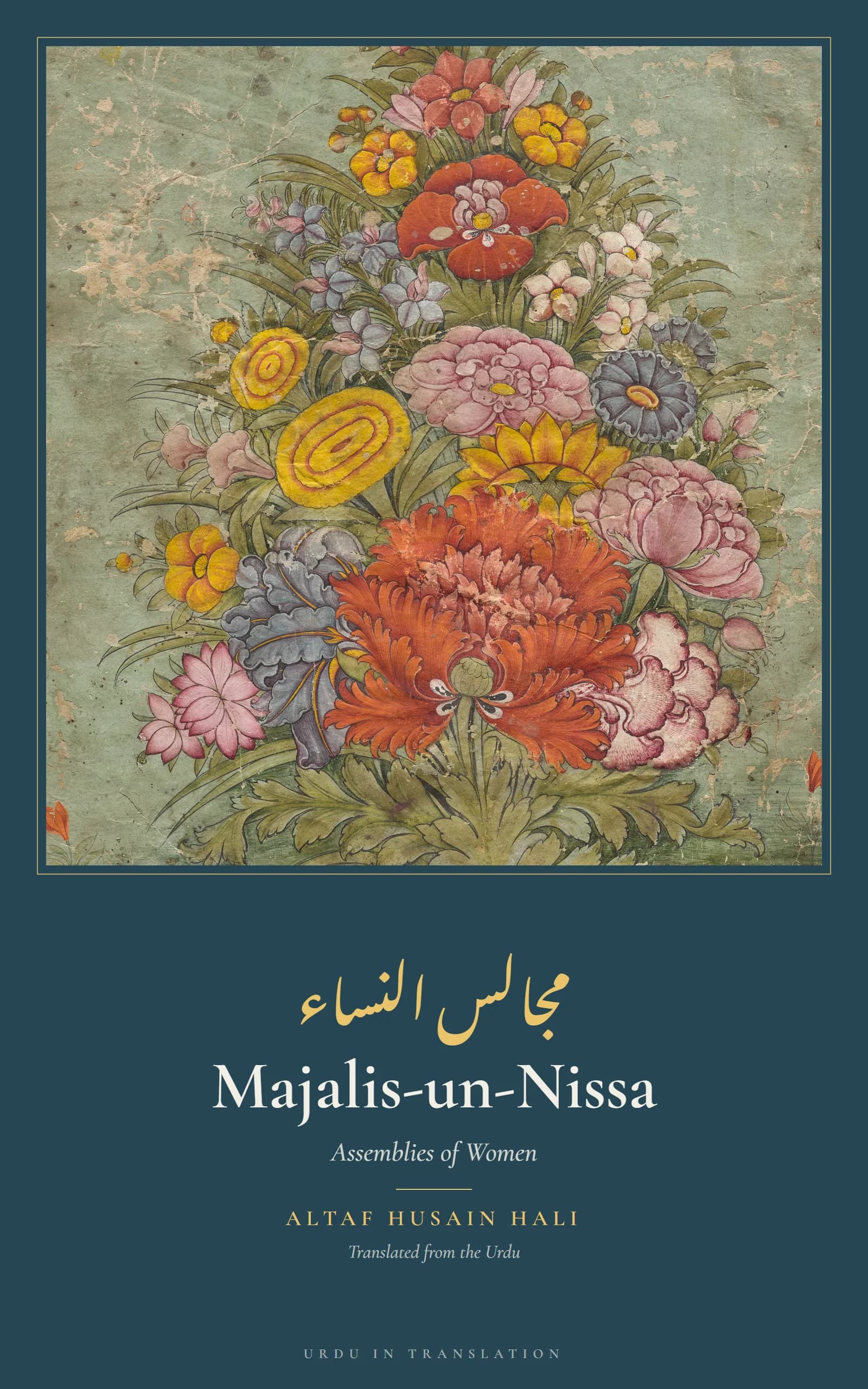
This is a complete Urdu text and English translation of *Majalis-un-Nissa* ("Assemblies of Women") by Khwaja Altaf Husain Hali (1837–1914).
یہ خواجہ الطاف حسین حالیؔ (۱۸۳۷ء تا ۱۹۱۴ء) کی "مجالس النساء" کا مکمل اردو متن اور انگریزی ترجمہ ہے۔
Source of the Urdu text: *Majalis-un-Nissa*, Hali Press, Panipat, 1924 (1342 AH); the copy in the State Central Library, Hyderabad, scanned by the Digital Library of India and freely available on the Internet Archive (archive.org/details/in.ernet.dli.2015.373957). The text was transcribed page by page from the scan for this edition.
اردو متن کا ماخذ: "مجالس النساء"، حالی پریس، پانی پت، ۱۹۲۴ء (۱۳۴۲ھ)؛ اسٹیٹ سنٹرل لائبریری، حیدرآباد کا نسخہ، جسے ڈیجیٹل لائبریری آف انڈیا نے اسکین کیا اور جو انٹرنیٹ آرکائیو پر مفت دستیاب ہے (archive.org/details/in.ernet.dli.2015.373957)۔ اس اشاعت کے لیے متن اسکین سے صفحہ بہ صفحہ نقل کیا گیا ہے۔
What is left out: the publisher's advertisements and press notices printed with the 1924 edition. Hali's own text is given complete, in both its parts. The short footnotes of the printing, which gloss difficult words, are kept and listed at the end of each chapter. In the dialogue chapters the printed speaker abbreviations are written out in full. Paragraphs have been divided more often than in the printing, to make the facing translation easier to follow.
جو شامل نہیں: ۱۹۲۴ء کی اشاعت کے ساتھ چھپے ہوئے ناشر کے اشتہارات اور اخباری آرا۔ حالی کا اپنا متن دونوں حصوں سمیت مکمل دیا گیا ہے۔ طباعت کے مختصر حواشی، جن میں مشکل الفاظ کے معنی ہیں، باقی رکھے گئے ہیں اور ہر باب کے آخر میں درج ہیں۔ مکالمے والے ابواب میں بولنے والوں کے مخفف نام پورے لکھے گئے ہیں۔ ترجمے کے ساتھ ملا کر پڑھنے کی سہولت کے لیے پیراگراف طباعت سے زیادہ کیے گئے ہیں۔
Copyright: Hali died in 1914, and the book was written in 1874, so the work is in the public domain everywhere. The English translation is new.
حق اشاعت: حالی کا انتقال ۱۹۱۴ء میں ہوا اور یہ کتاب ۱۸۷۴ء میں لکھی گئی، اس لیے یہ ہر جگہ عوامی ملکیت میں ہے۔ انگریزی ترجمہ نیا ہے۔
Introduction
تعارف
Altaf Husain Hali was born in Panipat in 1837. He was a pupil of Ghalib and, later, a close ally of Sir Sayyid Ahmad Khan in the movement for Muslim educational reform. He is best known for his long poem *Musaddas* (1879), his critical work *Muqaddama-e-Shair-o-Shairi* (1893) and his biographies of Ghalib and Sir Sayyid. In the early 1870s he worked in Lahore, revising Urdu translations of English books, and there he came to know English ideas of education at first hand.
الطاف حسین حالی ۱۸۳۷ء میں پانی پت میں پیدا ہوئے۔ وہ غالب کے شاگرد اور بعد میں مسلمانوں کی تعلیمی اصلاح کی تحریک میں سر سید احمد خان کے قریبی رفیق تھے۔ ان کی شہرت کا بڑا سبب ان کی طویل نظم "مسدس" (۱۸۷۹ء)، تنقیدی کتاب "مقدمۂ شعر و شاعری" (۱۸۹۳ء) اور غالب اور سر سید کی سوانح عمریاں ہیں۔ ۱۸۷۰ء کی دہائی کے شروع میں وہ لاہور میں انگریزی کتابوں کے اردو ترجموں کی اصلاح پر مامور رہے، اور وہیں انھیں تعلیم کے انگریزی تصورات سے براہ راست واقفیت ہوئی۔
*Majalis-un-Nissa* was written in 1874 as a reading book for girls and women. It won a prize from the government and was long used as a reader in girls' schools in northern India. It is one of the first Urdu prose narratives set entirely in the home, and with Nazir Ahmad's *Mirat-ul-Arus* (1869) it stands at the beginning of the Urdu novel.
"مجالس النساء" ۱۸۷۴ء میں لڑکیوں اور عورتوں کے لیے درسی کتاب کے طور پر لکھی گئی۔ اسے سرکار سے انعام ملا اور یہ مدتوں شمالی ہندوستان کے زنانہ مدرسوں میں پڑھائی جاتی رہی۔ یہ اردو کی ان اولین نثری کہانیوں میں سے ہے جن کا سارا ماحول گھر کے اندر کا ہے، اور نذیر احمد کی "مراۃ العروس" (۱۸۶۹ء) کے ساتھ یہ اردو ناول کی ابتدا میں شمار ہوتی ہے۔
The book is a series of nine *majlis* (gatherings or sittings). In a respectable Delhi household, Atu-ji, an elderly governess, talks with the young women of the family. To answer their doubts about educating girls, she tells the life of Zubaida Khatun: how her mother taught her to read and write, to keep accounts and to run a house; how she married Mir Amjad Ali; and how, left a widow, she brought up her son Sayyid Abbas by herself. The second part gives Mir Amjad Ali's testament on education and then Sayyid Abbas's own account of his schooling, his adventures on the road to Bombay, and his rise to the post of interpreter at the Ottoman court in Istanbul.
کتاب نو مجلسوں پر مشتمل ہے۔ دلی کے ایک شریف گھرانے میں آتوجی، جو ایک بزرگ استانی ہیں، گھر کی جوان بیبیوں سے باتیں کرتی ہیں۔ لڑکیوں کی تعلیم کے بارے میں ان کے شبہات کے جواب میں وہ زبیدہ خاتون کا حال سناتی ہیں: کس طرح ان کی ماں نے انھیں لکھنا پڑھنا، حساب رکھنا اور گھر چلانا سکھایا؛ کس طرح میر امجد علی سے ان کی شادی ہوئی؛ اور کس طرح بیوہ ہونے کے بعد انھوں نے اکیلے اپنے بیٹے سید عباس کو پالا۔ دوسرے حصے میں میر امجد علی کا تعلیم کے بارے میں وصیت نامہ ہے، اور پھر سید عباس کی اپنی زبانی اس کی تعلیم، بمبئی کے رستے کے واقعات اور استنبول میں دربار عثمانی کی ترجمانی کے منصب تک پہنچنے کا حال۔
Why it is studied: the book is a key text for nineteenth-century reform, for the education of women in South Asia and for the culture of the *sharif* (well-born) Muslim families of Delhi. It records the everyday speech of Delhi women, their proverbs, oaths and endearments, with Hali's own glosses. It also shows how a reformer of the 1870s saw science, the railway, the telegraph and the colonial government. Its argument, that a mother's education shapes the whole family, can be read alongside later debates on women's schooling.
یہ کتاب کیوں پڑھی جاتی ہے: انیسویں صدی کی اصلاحی تحریک، جنوبی ایشیا میں عورتوں کی تعلیم اور دلی کے شریف مسلمان گھرانوں کی تہذیب کے مطالعے کے لیے یہ ایک بنیادی متن ہے۔ اس میں دلی کی عورتوں کی روزمرہ بول چال، ان کی کہاوتیں، قسمیں اور پیار کے کلمے حالی کے اپنے حواشی کے ساتھ محفوظ ہیں۔ اس سے یہ بھی معلوم ہوتا ہے کہ ۱۸۷۰ء کی دہائی کا ایک مصلح سائنس، ریل، تار اور انگریزی سرکار کو کس نظر سے دیکھتا تھا۔ اس کا استدلال کہ ماں کی تعلیم سارے گھرانے کو سنوارتی ہے، عورتوں کی تعلیم کے بعد کے مباحث کے ساتھ ملا کر پڑھا جا سکتا ہے۔
Names in this translation: Atu-ji, Mahmooda Begum, Maryam Zamani, Bari Begum, Zubaida Khatun, Khwaja Fuzail, Mir Amjad Ali, Sayyid Abbas, Ghulam Imam, Islam Beg, Khwaja Huzail; Dilli is given as Delhi. Cultural terms are kept in italics with a short gloss on first use, and explained in the glossary at the end. Translator's notes are marked [TN: ...].
اس ترجمے میں نام: آتوجی، محمودہ بیگم، مریم زمانی، بڑی بیگم، زبیدہ خاتون، خواجہ فضیل، میر امجد علی، سید عباس، غلام امام، اسلام بیگ، خواجہ ہذیل؛ دلی کو انگریزی میں Delhi لکھا گیا ہے۔ تہذیبی اصطلاحات پہلی بار آنے پر ترچھے حروف میں مختصر وضاحت کے ساتھ رکھی گئی ہیں، اور آخر میں فرہنگ میں ان کی تشریح ہے۔ مترجم کے حواشی [TN: ...] سے ظاہر کیے گئے ہیں۔
How to cite: Altaf Husain Hali, *Majalis-un-Nissa* (1874), Urdu text from the Hali Press edition (Panipat, 1924), with English translation, urduintranslation.com, 2026, https://www.urduintranslation.com/works/majalis-un-nissa.
حوالہ دینے کا طریقہ: الطاف حسین حالی، "مجالس النساء" (۱۸۷۴ء)، اردو متن حالی پریس کی اشاعت (پانی پت، ۱۹۲۴ء) سے، مع انگریزی ترجمہ، urduintranslation.com، ۲۰۲۶ء، https://www.urduintranslation.com/works/majalis-un-nissa۔
What did this chapter leave with you?
Sign in to react
Discussion
No one has spoken yet. Say what this chapter stirred in you.