第 1 章,共 9 章
About This Edition and Introduction
اس اشاعت کے بارے میں اور تعارف
点一个词,乌尔都语或英语,释义即现。选中一个短语可整体查看。
About This Edition
اس اشاعت کے بارے میں
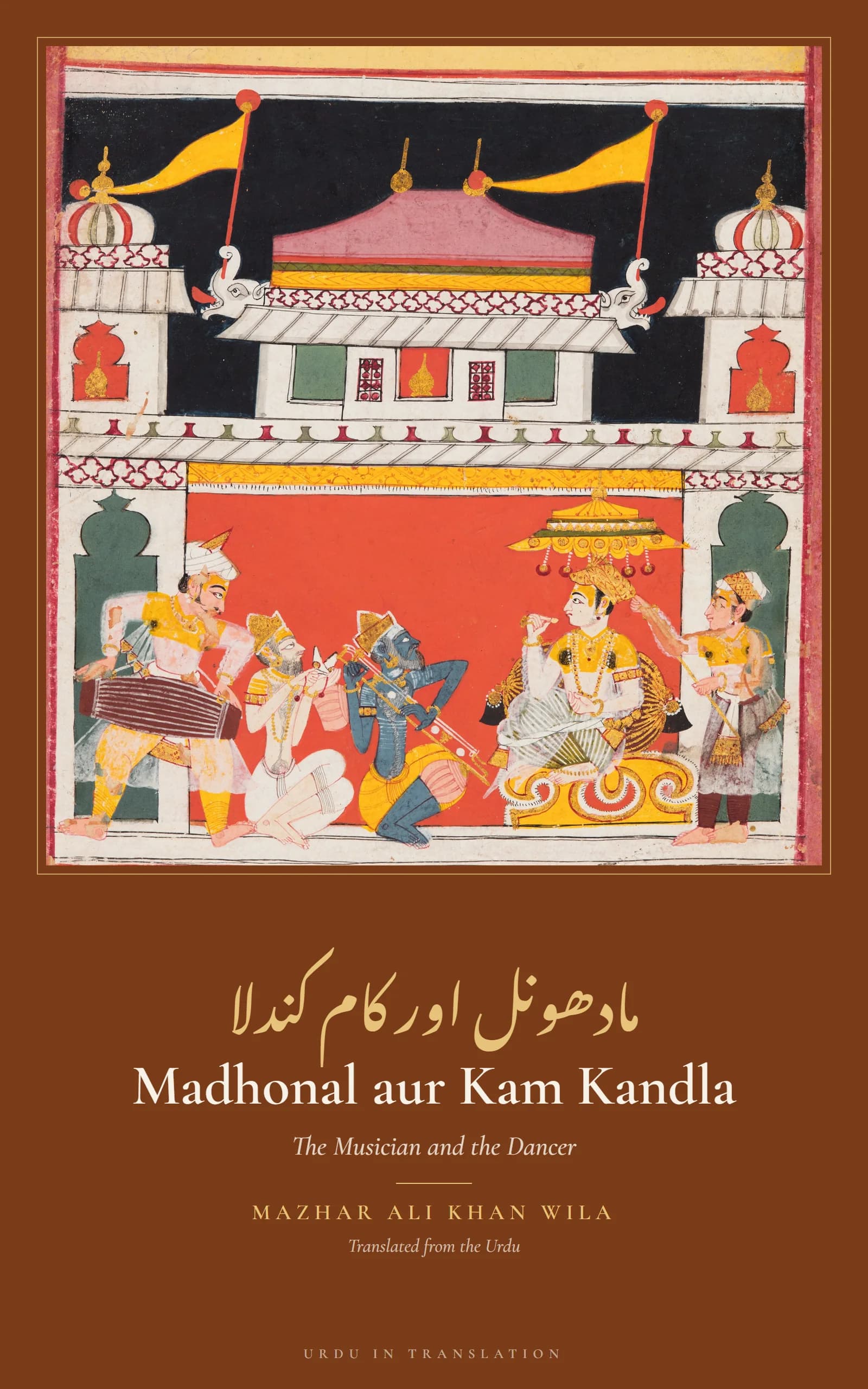
This book gives the complete Urdu text and a new English translation of *Madhonal aur Kam Kandla* by Mazhar Ali Khan Wila. It is a prose tale, with verses, of the love of Madhonal, a Brahmin musician, and Kam Kandla, a dancer at the court of Kamavati, who are parted and at last united through the help of King Vikramajit of Ujjain.
اس کتاب میں مظہر علی خاں ولا کی "مادھونل اور کام کندلا" کا مکمل اردو متن اور اس کا نیا انگریزی ترجمہ پیش کیا گیا ہے۔ یہ ایک نثری داستان ہے جس میں اشعار بھی ہیں: برہمن گویّے مادھونل اور کام وتی کے دربار کی نرتکی کام کندلا کا عشق، ان کی جدائی، اور اجین کے راجا بکرماجیت کی مدد سے آخر کار ان کا ملاپ۔
Source of the Urdu text: Urdu Wikisource (ur.wikisource.org), the page مادھونل اور کام کندلا, downloaded in October 2026. The Wikisource note on the work says that the story is an old one, and that Mazhar Ali Khan Wila put it into Urdu in 1801 at the request of Dr John Gilchrist, from a tale written in Braj Bhasha by Ram Kabishar. In his own preface Wila names the Braj author as Moti Ram Kabishar, and at the end he dates the completion of the book to the tenth of Zi-qa'da 1215 AH, that is, 1801.
اردو متن کا ماخذ: اردو ویکی ماخذ (ur.wikisource.org)، صفحہ "مادھونل اور کام کندلا"، جو اکتوبر 2026ء میں حاصل کیا گیا۔ ویکی ماخذ کے تعارفی نوٹ میں لکھا ہے کہ یہ کہانی پرانی ہے، اور مظہر علی خاں ولا نے 1801ء میں ڈاکٹر جان گل کرسٹ کی فرمائش پر رام کبیشر کی برج بھاشا میں لکھی ہوئی کہانی سے اسے اردو میں منتقل کیا۔ ولا اپنے دیباچے میں برج کے مصنف کا نام موتی رام کبیشر لکھتے ہیں، اور کتاب کے آخر میں اس کے تمام ہونے کی تاریخ دسویں ذیقعدہ 1215ھ، یعنی 1801ء، دیتے ہیں۔
What is left out and what was changed: every part of the author's text is given, in his order, including his preface and his closing verses. The modern Wikisource note at the head of the page has been left out. The online text is divided only into twenty numbered sections; these numbers are kept, and the sections have been grouped here into seven chapters, whose titles (except "The Author's Preface") are new, added only to help the reader. The verse lines have been paired into couplets, and in one place in Chapter 4 a line of prose and a couplet that ran together have been separated. Nothing modern has been added to the Urdu.
کیا چھوڑا گیا اور کیا بدلا گیا: مصنف کا پورا متن اسی ترتیب سے دیا گیا ہے، ان کا دیباچہ اور آخری اشعار بھی۔ صفحے کے شروع میں ویکی ماخذ کا جدید نوٹ چھوڑ دیا گیا ہے۔ آن لائن متن صرف بیس نمبر وار حصوں میں بٹا ہوا ہے؛ یہ نمبر باقی رکھے گئے ہیں، اور یہاں حصوں کو سات ابواب میں جمع کیا گیا ہے جن کے عنوان ("دیباچۂ مؤلف" کے سوا) نئے ہیں اور صرف قاری کی سہولت کے لیے لگائے گئے ہیں۔ اشعار کے مصرعوں کو شعروں کی صورت میں جوڑا گیا ہے، اور چوتھے باب میں ایک جگہ نثر کی ایک سطر اور ایک شعر جو آپس میں مل گئے تھے الگ کیے گئے ہیں۔ اردو متن میں کوئی جدید چیز شامل نہیں کی گئی۔
Copyright: the book was written in 1801, and the author died early in the nineteenth century, long before 1961. The text is therefore in the public domain in Pakistan, India and the United States. The English translation is new. Translator's notes are marked [TN: …].
حق اشاعت: یہ کتاب 1801ء میں لکھی گئی اور مصنف انیسویں صدی کے شروع میں، 1961ء سے بہت پہلے، فوت ہوئے۔ اس لیے یہ متن پاکستان، بھارت اور امریکہ میں عوامی ملکیت میں ہے۔ انگریزی ترجمہ نیا ہے۔ مترجم کے حواشی [TN: …] سے ظاہر کیے گئے ہیں۔
Names are given in one spelling throughout: Madho (Madhonal), Kam Kandla, Puhpavati, Gopi Chand, Kamavati, Kam Sen, Vikramajit (Vikram), Ujjain, Gyanmati, Betal, Sripat Rao, Moti Ram Kabishar, Gilchrist. Urdu and Hindi terms kept in the English are printed in italics, explained where they first appear, and listed in the glossary at the end of the book.
ناموں کا ایک ہی املا پوری کتاب میں رکھا گیا ہے: مادھو (مادھونل)، کام کندلا، پہ پاؤتی، گوپی چند، کام وتی، کام سین، بکرماجیت (بکرم)، اجین، گیان متی، بیتال، سری پت راؤ، موتی رام کبیشر، گل کرسٹ۔ انگریزی میں باقی رکھے گئے اردو اور ہندی الفاظ ترچھے حروف میں ہیں، پہلی بار آنے پر ان کی وضاحت کی گئی ہے، اور کتاب کے آخر میں فرہنگ میں جمع کیے گئے ہیں۔
Introduction
تعارف
The story begins in the city of Puhpavati, whose king, Gopi Chand, keeps as his chief companion the Brahmin Madho, handsome, learned and a master of music. The women of the city are so lost at the sight of him and the sound of his *bin* that the people complain to the king, and Madho is sent away. Wandering, he reaches Kamavati, the city of King Kam Sen, where he hears the music of the court and sees the dancer Kam Kandla perform.
کہانی پہ پاؤتی شہر سے شروع ہوتی ہے جس کا راجا گوپی چند برہمن مادھو کو اپنا خاص مصاحب رکھتا ہے، جو خوبصورت، عالم اور موسیقی کا استاد ہے۔ شہر کی عورتیں اس کی صورت دیکھ کر اور اس کی بین سن کر ایسی بے خود ہوتی ہیں کہ لوگ راجا سے فریاد کرتے ہیں اور مادھو شہر سے نکالا جاتا ہے۔ پھرتا پھراتا وہ راجا کام سین کے شہر کام وتی پہنچتا ہے جہاں وہ دربار کا گانا سنتا اور نرتکی کام کندلا کا ناچ دیکھتا ہے۔
Madho alone notices the skill with which Kam Kandla rids herself of a bee without breaking her dance, and he rewards her; the king is offended and orders him out of his country too. Kam Kandla takes him home for one night, and the two are bound to each other. Parted from her, Madho wanders to Ujjain, where his grief comes to the ears of King Vikramajit, who sends the go-between Gyanmati to find him and promises to help.
صرف مادھو اس ہنر کو پہچانتا ہے جس سے کام کندلا ناچ توڑے بغیر ایک بھونرے کو اڑا دیتی ہے، اور وہ اسے انعام دیتا ہے؛ راجا خفا ہو کر اسے اپنے ملک سے بھی نکال دیتا ہے۔ کام کندلا ایک رات کے لیے اسے اپنے گھر لے جاتی ہے اور دونوں کے دل بندھ جاتے ہیں۔ اس سے جدا ہو کر مادھو اجین پہنچتا ہے جہاں اس کا غم راجا بکرماجیت کے کان تک پہنچتا ہے، جو گیان متی کٹنی کو اس کی تلاش میں بھیجتا اور مدد کا وعدہ کرتا ہے۔
The last part of the book tells how Vikramajit marches with his army towards Kamavati, how he tests the lovers' faith, how both seem to die and are brought back to life with nectar fetched by his friend Betal, and how, when Kam Sen will not give up Kam Kandla, the two kings go to war. Wila tells the tale in the plain, lively Urdu of the Fort William College books, full of Hindi words of music, love and war, with Urdu verses and Braj *dohras*, and ends with verses giving the date of the book.
کتاب کے آخری حصے میں بیان ہے کہ بکرماجیت لشکر لے کر کام وتی کی طرف کیسے چلتا ہے، عاشق و معشوق کی وفا کیسے آزماتا ہے، دونوں کیسے بظاہر مر جاتے ہیں اور اس کے دوست بیتال کے لائے ہوئے امرت سے پھر جی اٹھتے ہیں، اور جب کام سین کام کندلا کو دینے سے انکار کرتا ہے تو دونوں راجاؤں میں جنگ کیسے ہوتی ہے۔ ولا یہ قصہ فورٹ ولیم کالج کی کتابوں کی سادہ اور رواں اردو میں سناتے ہیں، جس میں موسیقی، عشق اور جنگ کے ہندی الفاظ بہت ہیں، اردو اشعار اور برج کے دوہرے بھی ہیں، اور آخر میں کتاب کی تاریخ کے اشعار ہیں۔
这一章在你心里留下了什么?
登录后参与
讨论
还没有人开口。说说这一章触动了你什么。