Chapter 2 of 10
Jahan Abad
جہان آباد
Tap a word, Urdu or English, and its meaning appears. Select a phrase to see it whole.
Jahan Abad
جہان آباد
What could compare with it? Delhi had no equal;
but when I looked with thought, Delhi was a dream.
جواب کا ہے کو تھا لاجواب تھی دہلیمگر خیال سے دیکھا تو خواب تھی دہلی
One day Amir Timur, the Lord of the Conjunction, was riding his horse round the lanes and streets of his capital, Bukhara. His *jamadar* (attendant) walked holding his stirrup, and the Amir kept asking: what is the name of this lane? What is this street called? Which quarter is this? The jamadar answered: this is the Pistachio-crackers' quarter; this lane is called the lane of the saddlers; this street is Roshan Abad. Going on, he reached a narrow street and saw that in front of a gate of bamboo some young men were holding a carpet by all four sides and beating it, and the dust was flying. The Amir asked, jamadar, what place is this? The jamadar said, Your Highness, this is the street of Hazrat Sayyid Khwaja Baha-ud-Din Naqshband. This with the bamboo gate is his *khanqah* (Sufi hospice). He is in residence there. His disciples are beating the khanqah's floor-cloth. On seeing the Amir the young men had stopped their hands from beating the cloth, and the Amir had come up to them.
ایک روز امیر تیمور صاحبقران اپنے مرکب پر سوار دارالسلطنت بخارا کی گلی کوچوں میں چکر لگا رہا تھا۔ جمعدار رکاب تھامے ساتھ تھا اور امیر پوچھتا جاتا تھا کہ اس گلی کا کیا نام ہے۔ اس کوچہ کو کیا کہتے ہیں۔ یہ کون سا محلہ ہے۔ جمعدار جواب دیتا تھا۔ یہ پستہ شکن محلہ ہے۔ یہ گلی سرا جوں کی کہلاتی ہے۔ یہ کوچہ روشن آباد ہے۔ جو چلتے چلتے ایک تنگ کوچہ میں پہنچا، اور اس نے یہ دیکھا کہ بانسوں کے پھاٹک کے آگے چند نوجوان ایک دری کے فرش کو چاروں طرف سے پکڑے جھاڑ رہے ہیں اور دھول اڑ رہی ہے۔ امیر نے پوچھا جمعدار یہ کیا جگہ ہے۔ جمعدار نے کہا حضور یہ کوچہ حضرت سید خواجہ بہاؤالدین نقشبند کا ہے۔ یہ بانسوں کے پھاٹک والی آپ کی خانقاہ ہے۔ اس میں آپ تشریف فرما ہیں۔ مرید خانقاہ کی شطرنجی کو جھاڑ رہے ہیں۔ امیر کو دیکھ کر نوجوانوں نے شطرنجی جھاڑنے سے اپنے ہاتھ روک لئے تھے اور امیر ان لوگوں کے پاس پہنچ گیا تھا۔
The Amir (to a young man): Pay no regard to us at all. Go on beating the floor-cloth as before.
امیر (نوجوان سے) تم ہمارا اصلاً لحاظ نہ کرو۔ شطرنجی بدستور جھاڑے جاؤ۔
You know that disciples and students are headstrong. The young men slapped the carpet down so hard that the Amir's harness and trappings, and the Amir's face, crown, horse and all, were covered in dust. With both hands the Amir rubbed the flying dust over his face and said, "The dust of the city is a cure." [TN: Arabic, *Ghubar al-madina shifa*, a saying about the dust of Medina, the Prophet's city.] And he spurred his horse and was gone in a flash.
آپ جانتے ہیں مرید اور طالب علم الڑ ہوتے ہیں۔ نوجوانوں نے دری کو اس زور سے پٹخارا کہ دھول کے مارے امیر کا ساز ویراق اور امیر کا چہرہ تاج گھوڑا وغیرہ سب اٹ گئے۔ امیر نے اڑتی ہوئی دھول کو دونوں ہاتھوں سے اپنے منھ پر مل کر کہا، ’’غبار المدینۃ شفاء‘‘ اور گھوڑے کو مہمیز کیا اور یہ جاوہ جا۔
The disciples came into the khanqah and told the saint all that had happened with the Amir. Hazrat Khwaja Sayyid Baha-ud-Din Naqshband said: Boys! Why do you say that Amir Timur has rubbed the dust of our shrine on his face? Why do you not say that the Amir has secured his hereafter? O God, as this Turk has shown reverence to the descendants of Your Prophet, so in return make his name shine from the east to the west, from the north to the south. Grant kingship to his descendants for generation after generation. And so from Amir Timur through Miran Shah, Sultan Abu Sa'id Mirza, Sultan Muhammad Mirza, Umar Shaikh Mirza, Babur, Humayun, Akbar and Jahangir, it was the eleventh reign that came down to Shah Jahan.
مریدوں نے خانقاہ میں آکر امیر کا سارا حال حضرت کی خدمت میں عرض کیا۔ حضرت خواجہ سید بہاؤ الدین نقشبند نے کہا، لڑکو! کیا کہتے ہو کہ امیر تیمور ہماری درگاہ کی خاک منہ پر مل گیا۔ یہ کیوں نہیں کہتے کہ امیر اپنی عاقبت سنوار گیا۔ الٰہی اس ترک نے جس طرح تیرے رسولؐ کی ذریات کا ادب کیا ہے، اسی طرح اس کے بدلے میں اس کا نام شرق سے غرب تک، شمال سے جنوب تک روشن کر دے۔ اس کی اولاد در اولاد کو پشتوں تک سلطنت بخش دے۔ چنانچہ امیر تیمور سے میران شاہ سلطان ابو سعید میرزا، سلطان محمدمرزا، عمر شیخ میرزا بابر ہمایوں، اکبر جہاں گیر، شاہجہاں تک گیارہویں سلطنت تھی۔
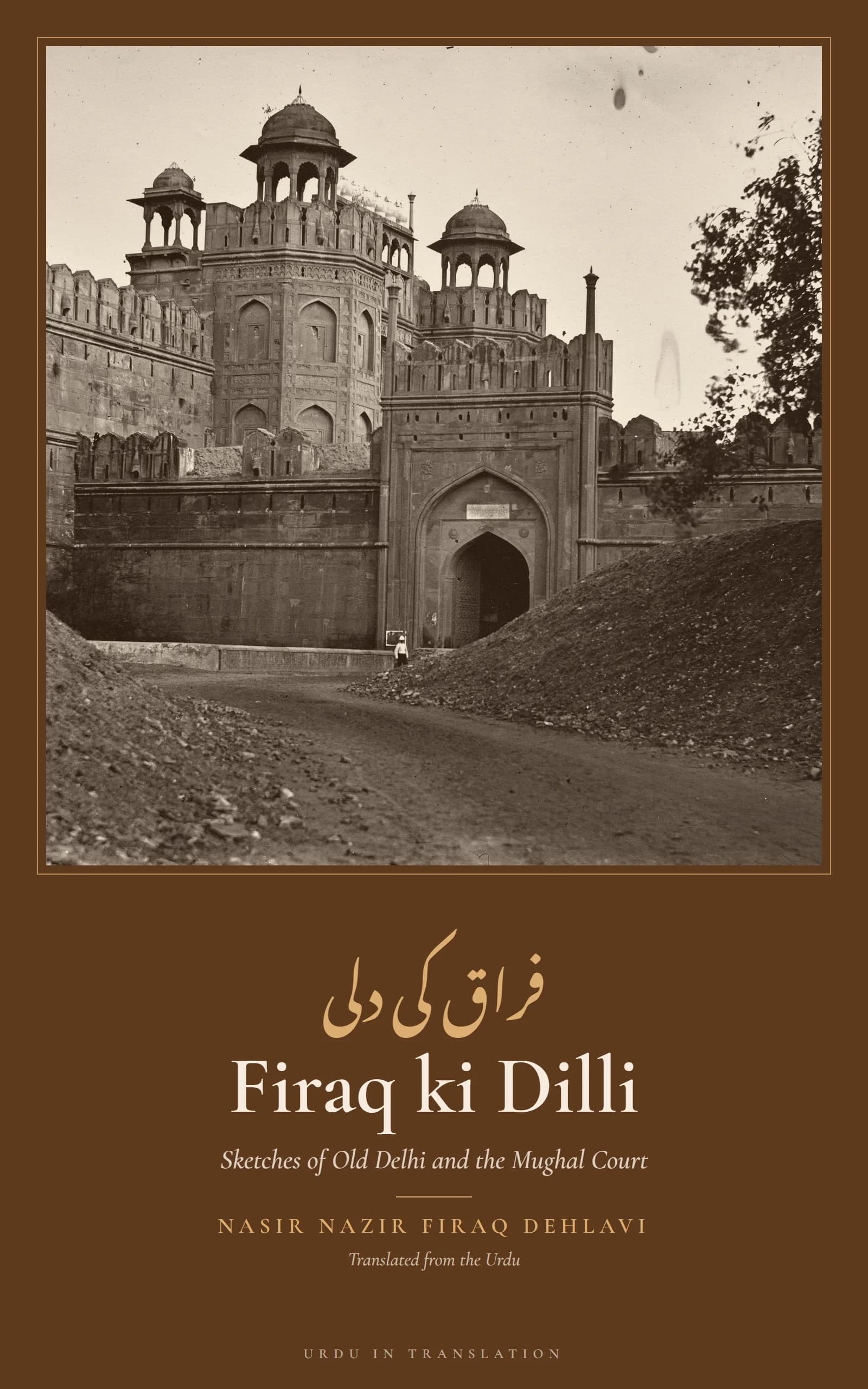
Shah Jahan had a heartfelt passion for building. He set about founding a new Delhi. Plans were drawn of the Red Fort and its inner buildings, of the Jama Masjid and of the new city. The Emperor corrected the plans in person. The *mir-e-imarat* (master of works) prepared estimates of the cost of every house and every palace, and from country after country began to come white marble, red sandstone, black stone, *sang-e-basi* and materials and mortar of a thousand kinds. The master of works gave a contractor the pattern of a small brick and said, make bricks like this, but the brick must not be underfired; let it be the *lakhauri* brick. It is the King's work; do it with care. The contractor said, have an advance paid to me in cash. The master of works wrote a draft for a hundred thousand rupees. The money was paid out of the treasury at once, and the contractor became busy with the work. The brick kiln was loaded. Some time later the contractor came to the master of works in tears and said, I am ruined. The heat of the kilns became too fierce. The bricks have turned into clinker. The King will have this servant's wife and children crushed in an oil press. So I am running away. Look, this is the clinker.
شاہجہاں کو تعمیر کا دلی شوق تھا۔ نئی دلی بسانے کی تدبیر شروع کی۔ لال قلعہ اور اس کی اندرونی عمارتوں، اور جامع مسجد اور نئے شہر کے نقشے بنوائے گئے۔ شہنشاہ نقشوں میں بذات خاص اصلاح دیتے تھے۔ میر عمارت نے ہر مکان، ہر محل کی لاگت کا تخمینہ تیار کیا اور ملکوں ملکوں سے سنگ مرمر، سنگ سرخ، سنگ سیاہ، سنگ باسی اور ہزار ہزار قسم کا مصالحہ اور سامان آنے لگا۔ میر عمارت نے چنیا اینٹ کا پیمانہ ایک ٹھیکے دار کو دے کر کہا، ایسی اینٹ تیار کرو، مگر اینٹ کچی نہ رہے۔ لاکھوری ہو۔ بادشاہی کام ہے، دھیان سے کرنا۔ ٹھیکے دار نے کہا پیشگی نقد دلوائیے۔ میر عمارت نے لاکھ روپیہ کی چٹھی لکھ دی۔ خزانہ سے فوراً روپیہ پٹ گیا اور ٹھیکے دار کام میں مشغول ہو گیا۔ اینٹوں کا پزادہ چڑھ گیا۔ کچھ مدت بعد میر عمارت کے پاس ٹھیکے دار بسورتا ہوا آیا، اور کہنے لگا، میں تو برباد ہو گیا۔ پزادوں کی آنچ تیز ہو گئی۔ اینٹوں کا کھنگر بن کر رہ گیا۔ بادشاہ اس بندہ کا زن بچہ کولہو میں پلوا دے گا۔ اس لئے میں بھاگتا ہوں۔ دیکھئے یہ کھنگر ہے۔
The master of works: what is there to be alarmed about? And taking up his pen he wrote a petition and sent it to the King, that in the foundations of the Red Fort and of the royal buildings to be built on the river bank, clinker should be filled in instead of granite, because clinker absorbs water well and the foundation stays strong, and the strength of the building above depends on the strength of the foundation. I send a sample of the clinker for inspection. The cost of it comes to double. Let sanction be given. The reply came that it is proper to have clinker made. The double cost is sanctioned by Our Majesty. The master of works said, contractor! Take a hundred thousand for the loss on the clinker first, and from now on take two hundred thousand in place of a hundred thousand, and go on firing nothing but clinker. Seeing this kindness of the master of works and this patronage of the King, the contractor was happy and worked with all his heart.
میر عمارت گھبرانے کی کیا بات ہے۔ اور قلم اٹھاکر اس نے ایک عرضی لکھ کر بادشاہ کے حضور میں بھیجی کہ لال قلعہ اور جو شاہی عمارتیں دریا کے کنارے بنائی جائیں گی، ان کی بنیادوں میں بجائے سنگ خارہ کے کھنگر بھرا جائےگا۔ کیونکہ کھنگر پانی کو خوب جذب کرتا ہے، اور بنیاد مضبوط رہتی ہے اور بنیاد کی مضبوطی کے ساتھ اوپر کی عمارت کا مضبوط ہونا شرط ہے۔ کھنگر کا نمونہ ملاحظہ کے لئے بھیجتا ہوں۔ لاگت اس پر دوگنی آتی ہے۔ منظوری دی جائے۔ جواب آیا کہ کھنگر کا بنوانا مناسب ہے۔ دوگنی لاگت منظورما بدولت ہے۔ میر عمارت نے کہا ٹھیکے دار! ایک لاکھ پہلے کھنگر کے نقصان کا لو اور اب لاکھ کے بدلے دو لاکھ لیتے رہو، اور نرا کھنگر پکاتے رہو۔ میر عمارت کی یہ عنایت اور بادشاہ کی یہ پرورش دیکھ کر ٹھیکے دار خوش ہوگیا اور دل سے کام کرنے لگا۔
When they began to lay the foundation of the Red Fort, fat was boiled in great iron cauldrons and copper troughs, and raw bricks were dropped into it like fritters, and when the bricks had drunk their fill of fat they were taken out, cooled, and laid in the foundation with plaster. Into the plaster went lime, stone of Narnaul, flour of *mash* lentils, litharge, raw sugar, linseed oil and chopped hemp, and it was mixed with strained water of the *bel* fruit. This was mortar of the ordinary kind; a whole register would be needed to describe the superior mortars.
جب لال قلعہ کی نیو رکھنے لگے تو بڑے بڑے لوہے کے کڑھاؤ اور تانبہ کی ناندوں میں چربی کھولائی جاتی تھی اور پھلکیوں کی طرح اس میں کوری اینٹیں ڈالی جاتی تھیں اور اینٹیں جب خوب چربی پی لیتی تھیں تو نکال کر ٹھنڈی کی جاتی تھیں اور گچ کے ساتھ بنیاد میں رکھی جاتی تھیں۔ گچ میں سفیدی، نارنول کے پتھر، ماش کا آٹا، مردار سنگ، گوڑ، السی کا تیل، سن مقرض ڈال کر بیل گری کا پانی چھان کر دیا جاتا تھا۔ یہ ادنی قسم کا مصالحہ تھا اور بڑھیا مصالحوں کی تفصیل کے لئے دفتر درکار ہیں۔
The lime that was laid on walls and doors and polished smooth came from a quarry in the hill called Idar, near Ahmadabad in Gujarat. The property of this lime was that when it was burnished, it became, without exaggeration, like an Aleppo mirror in its brilliance, and one could see the kohl of one's eyes reflected in it. It kept its lustre for two hundred years. The Red Fort and its inner houses, palaces and halls were being built. Jewels were being cut for the Peacock Throne. There was festivity in the wilderness. Thousands of labourers, masons and craftsmen lay in tents, small tents and huts. Carts came laden with stone from hills far and near. A hundred or fifty bullocks were yoked to a single cart. With the clatter of the stonecutters' chisels one could not hear oneself speak. At every hundred paces a treasury tent was pitched: one Hindu treasurer and three clerks. Ten soldiers stood by to guard the money.
سفیدی جو درو دیوار پر لگا کر مہرہ کی جاتی تھی وہ احمد آباد، گجرات کے ایڈر نام پہاڑ کی کان سے آتی تھی۔ اس سفیدی کا یہ خاصہ تھا کہ جب اس کی گھوٹائی کی جاتی تھی تو بلا مبالغہ چمک دمک میں حلبی آئینہ بن جاتی تھی اور اس کے اندر آنکھوں کا سرمہ دکھائی دیتا تھا۔ دو سو برس تک آبدار رہتی تھی۔ لال قلعہ اور اس کے اندرونی مکان، قصر و ایوان بن رہے تھے۔ تخت طاؤسی کے لئے جواہر تراشے جاتے تھے۔ جنگل میں منگل تھا۔ ہزاروں مزدور، معمار، کاریگر خیموں میں، چھولداریوں میں، جھونپڑیوں میں پڑے تھے۔ دور دور کے پہاڑوں سے چھکڑوں میں پتھر لدے چلے آتے تھے۔ ایک چھکڑے میں سو سو پچاس پچاس بیل جوتے جاتے تھے۔ سنگ تراشوں کی چھینیوں اور ٹانکیوں کی دھڑا دھڑ سے کان پڑی آواز سنائی نہ دیتی تھی۔ ہر سو قدم کے فاصلہ پر ایک خیمہ خزانہ کا برپا تھا۔ ایک ہندو خزانچی اور تین محرر۔ دس سپاہی روپیہ کی حفاظت کے لئے حاضر رہتے تھے۔
Rupees, half-rupees, quarter-rupees, two-anna pieces, pice and cowries were kept there. More of the work was done by direct employment and less by contract. Every day at four in the afternoon the wages were paid out. The poor got the money due to them. From the Lahori Gate of the Red Fort to the planned Lahori Gate of the city, an *Urdu Bazaar* (camp market) had been set up in shops of matting and huts, in which everything was to be had, from flour of barley, wheat, millet and sorghum to grain of every kind, cloth, vegetables, and the fruits of Kabul and Kashmir. Order after order came from Agra that shops of every kind should keep being added in the camp market, so that the craftsmen of foreign lands, who had left their own countries to become strangers here, should suffer no hardship and should have the goods and food of their own homelands.
روپیہ، اٹھنیاں، چونیاں، دونیاں، پیسے اور کوڑیاں رکھی رہتی تھیں۔ کام امانی میں زیادہ اور ٹھیکہ میں کم ہوتا تھا۔ شام کے چار بجے روزانہ چٹھ بٹ جاتا تھا۔ غریبوں کا پیسہ واجب الادا مل جاتا تھا۔ لال قلعہ کے لاہوری دروازہ سے شہر کے فرضی لاہوری دروازہ تک اردو بازار ٹیٹوں اور جھونپڑیوں کی دوکانوں میں لگا دیا گیا تھا۔ جس میں جو، گیہوں، جوار، باجرہ کے آٹے سے لے کر قسم قسم کی جنس، کپڑا، ترکاری، کابل و کشمیر کے میوے تک ملتے تھے۔ آگرہ سے حکم پر حکم چلا آتا تھا کہ اردو بازار میں ہر شے کی دوکانیں اضافہ ہوتی رہیں تاکہ غیر ملکوں کے کاریگر اپنا دیس چھوڑ کر پردیسی بنے ہیں، وہ تکلیف نہ پائیں اور اپنے وطن کی اشیاء اور غذا انہیں میسر ہو۔
When the plan of the city was made, it was divided into portions, and Shah Jahan had shared these portions among his children and declared that all the costs would be met from the treasury: have fine houses and palaces built in your portions, so that the new city may be adorned with fine buildings and take on the form of a settlement. So the southern portion began to be adorned under the supervision of Aurangzeb. Dara Shikoh embellished the tract of the Kashmiri Gate with palaces and halls as lofty as the sky. The piece of Chandni Chowk was made the envy of paradise, with gardens, flower beds and baths, by a slave of Jahanara Begam who wrote under the pen name Natawan. The Street of the Acrobats is a memorial of this same Natawan. The building of the Jama Masjid was entrusted to the minister Nawab Sa'dullah Khan, and its foundations had been filled, when the engineer in whose charge was the plan of the Jama Masjid suddenly vanished, plan and all, and the building of the mosque came to a standstill.
شہر کا نقشہ بناکر اس کے حصہ حصہ کر دیے گئے اور شاہجہاں نے ان حصوں کو اپنی اولاد پر بانٹ دیا تھا اور فرما دیا تھا کہ لاگت سب خزانہ سے ملے گی، اپنے اپنے حصہ میں عمدہ عمدہ مکانات اورمحل بنوالو تاکہ نیا شہر اچھی اچھی عمارتوں سے آراستہ ہوکر آبادی کی صورت پکڑے۔ چنانچہ دکن کا حصہ اورنگ زیب کے اہتمام سے زیبائش پانے لگا۔ کشمیر ی دروازہ کے قطع کو دارا شکوہ نے فلک شکوہ قصر و ایوان سے سنوارا۔ چاندنی چوک کے ٹکڑے کو جہاں آرا بیگم کے غلام نے جو ناتواں تخلص کرتا، باغ اور گلشن اور حماموں سے رشک فردوس بنایا۔ نٹوں کا کوچہ اسی ناتواں کی یادگار ہے۔ جامع مسجد کی تعمیر نواب سعد اللہ خاں وزیر کو سپرد تھی اور اس کی نیویں بھری گئی تھیں، جو وہ انجینئر جس کی سپردگی میں جامع مسجد کا نقشہ تھا یکا یک مع نقشہ کے غائب ہو گیا اور مسجد کی تعمیر کا کام اینڈ ہوکر رہ گیا۔
Learning of this, the Emperor was displeased. An order was issued that whoever should catch and bring this infidel-minded Muslim, who had put an obstacle in the way of building the house of God, would be given such-and-such a reward. But that servant of God disappeared so completely that for three years no one caught even a glimpse of him. After three years he suddenly presented himself at the royal court. His Majesty said, "Wretch, what was this conduct?" With folded hands he said, the building of the Jama Masjid will be very heavy. To raise so high a building on a new foundation was not free of danger. The water of the rains would have died into the foundation, its walls would have slipped down, and its vaults, arches and archways would have sagged. Hundreds of thousands of the government's rupees would have gone down the drain, and with my honour my life too would have gone. In good faith and for good reason your servant went into hiding. Having taken three rainy seasons, the foundation has become as hard as an iron pillar. Whatever building now stands on it will stand for centuries. Your Majesty is free to spare your servant's life or to have him punished.
اس امر کی خبر پاکر شہنشاہ ناخوش ہوئے۔ حکم صادر ہوا کہ جو شخص اس کافرمنش مسلمان کو جس نے خانہ خدا کی تیاری میں روڑا اٹکایا ہے، پکڑ کر لائےگا تو اسے اس قدر انعام دیا جائےگا، مگر وہ خدا کا بندہ ایسا الوپ ہوا کہ تین برس تک کسی نے اس کی جھلک بھی نہ پائی۔ تین سال بعد وہ یکایک دربار شاہی میں حاضر ہو گیا۔ حضور والا نے فرمایا، ’’کمبخت یہ حرکت کیا تھی؟‘‘ اس نے ہاتھ باندھ کر کہا جامع مسجد کی عمارت بہت بھاری ہوگی۔ نئی بنیاد پر ایسی اونچی عمارت کا لے جانا خطرہ سے خالی نہ تھا۔ برسات کا پانی نیو میں مرتا اور اس کے درو دیوار نیچے کھسکتے اور ڈاٹیں، کمانیں، محرابیں، جھک جاتیں۔ سرکار کے لاکھوں روپے پر پانی پھر جاتا اور میری آبرو کے ساتھ ساتھ جان بھی جاتی۔ نیک نیتی اور مصلحت سے فدوی روپوش ہو گیا تھا۔ تین برساتیں کھاکر نیو لوہا لاٹ ہو گئی ہے۔ اب جو کچھ عمارت کھڑی ہوگی، صدیوں تک کھڑی رہے گی۔ حضور کو اختیار ہے کہ فدوی کی جاں بخشی ہو یا سزا دی جائے۔
The King listened carefully to the engineer's excuse, pardoned his fault and honoured him with a robe of honour, and the Jama Masjid began to be built under the supervision of Nawab Sa'dullah Khan Sahib, when the Nawab Sahib was taken with colic and departed for paradise. At any rate the Jama Masjid, the Red Fort and the city were built. His Majesty sat in splendour on the Peacock Throne in the Diwan-e-Khas and held a moonlight festival, and issued a decree. Its substance was this: among the subjects settled in Jahan Abad, the glory of cities, also called Shahjahanabad, the well-off are few and the needy many. Among them are men of business, labourers, the sick, women, and secluded women who do not go out even in a burqa, and without shopping and provisions life cannot go on. Therefore I order that sellers of vegetables, sellers of meat, sellers of fruit, sellers of cloth, braziers, perfumers, sellers of copper vessels, cobblers, sellers of earthen pitchers, pots and goblets, sellers of cow-dung cakes and fuel, plain-work goldsmiths, sellers of silver and gold ornaments, sweetmeat-makers and pedlars should set out their goods on trays, carry them in bundles on their shoulders, or load them in shoulder-baskets on the shoulders of porters, and go round lane by lane, street by street and quarter by quarter, calling out the names of their wares.
بادشاہ نے انجینئر کے عذر کو غور سے سن کر اس کی خطا معاف فرمائی اور خلعت سے سرفراز کیا اور جامع مسجد نواب سعد اللہ خاں صاحب کے اہتمام سے تیار ہونے لگی، جو نواب صاحب کو قولنج ہوا اور وہ جنت کو سدھارے۔ بہر حال جامع مسجد اور لال قلعہ اور شہر بن گیا۔ حضور والا نے دیوان خاص میں تخت طاؤسی پر جلوہ افروز ہوکر جشن ماہتابی منایا اور ایک فرمان جاری فرمایا۔ جس کا خلاصہ یہ تھا کہ فخر البلاد جہان آباد عرف شاہجہاں آباد میں جو رعایا آباد کی گئی ہے اس میں خوشحال کم اوراہل حاجت زیادہ ہیں۔ پھر ان میں کاروباری ہیں، مزدور ہیں، بیمار ہیں، عورتیں ہیں، پردہ نشین جو برقعہ اوڑھ کر بھی باہر نہیں نکلتی ہیں اور بغیر سودے سلف کے کام نہیں چلتا ہے۔ اس واسطے میں حکم دیتا ہوں کہ ترکاری فروش، گوشت فروش، میوہ فروش، پارچہ فروش، کسیرہ، گندی، تانبے کے برتنفروش، موچی، مٹی کے مٹکے، ٹھلیاں، صراحیاں، بیچنے والے، اوپلہ ایندھن بیچنے والے، سادہ کار، چاندی سونے کے زیور بیچنے والے، حلوائی، بساطی، اپنے اپنے سامان خوانچوں میں لگا کر گٹھریوں میں کندھے پر رکھ کر، بہنگیوں میں کہاروں کے کندھے پر لاد کر گلی گلی، کوچہ کوچہ، محلہ محلہ پھریں اور اپنی اپنی جنس کا نام لے کر آواز لگائیں۔
Let the cloth-seller cry, "Nainsukh, long-cloth, striped muslin, muslin!" The fish-seller: "Fish from the river, here's fish!" Let bed-stringers, carpenters and blacksmiths call out the names of their trades. So much so that those who clean drains should call out, "Have your drain washed out!", so that the needs of the needy may be met while they sit at home. Since the tradesmen will obey this new order only with difficulty, let the musketeers of the *kotwali* (police headquarters) go with them and take them round the city, so that buyers and sellers may become used to this manner of dealing, the sellers may profit, the buyers need not go to the bazaar, and may get goods of every kind at their own doors. As the intention, so the blessing. This plan of King Shah Jahan proved so sound that today, in this ruined land, a girl about to be married buys her whole dowry standing at her own door behind the shelter of the door-leaf.
بزاز کہے، ’’نینو، لٹھ، ڈوریہ، ململ۔‘‘ مچھلی والا، ’’مچھلی دریاؤ کی، لو مچھ۔‘‘ کھٹ بنے، بڑھئی، لوہار، اپنے اپنے پیشہ کا نام لے کر پکاریں۔ یہاں تک کہ موری دہانے والے پکار کر کہیں، ’’مہری دھلوالیجئے‘‘ ۔ تاکہ گھر بیٹھے اہل حاجت کی ضرورت ر فع ہوجائے۔ چونکہ اس حکم تازہ کی تعمیل مشکل سے پیشہ ور کریں گے، اس لئے کوتوالی کے برق انداز لوگوں کے ساتھ رہیں اور شہر میں گشت کروائیں۔ تاکہ گاہک اور سودا بیچنے والے اس طور کے لین دین کے عادی ہوجائیں اور بیچنے والوں کو نفع اور مول لینے والوں کو بازار جانا نہ پڑے، اور ہر قسم کی چیزیں اپنے دروازہ پر لے لیں۔ جیسی نیت ویسی برکت۔ شاہجہاں بادشاہ کی یہ تدبیر ایسی راست آئی کہ آج اس اجڑے دیار میں لینے والی بیٹی کا سارا جہیز اپنے گھر کے دروازہ پر کواڑ کی آڑ میں کھڑی ہوکر مول لے لیتی ہے۔
After Shah Jahan the kingdom passed step by step until it reached Muhammad Shah Rangile. The Diwan-e-Khas of the Red Fort became a paradise with the means of pleasure and delight. Mu'tamad-ul-Mulk Sayyid Hashim Alavi Khan, the physician, was a helper to his colourful tastes. By his order two hundred camels in rut were kept in the royal camel-house through summer, winter and the rains, and the musth behind their ears was used in medicine. The master of the hunt presented twenty eggs of wild pigeons, fresh every day, and twelve eggs of sparrows, because both are restoratives. Wine was poured out like water. One night Muhammad Shah, in the elation of drink, went with his shoes on into the shrine in which relics of the Prophet and of the saints had been gathered since the age of Amir Timur. This shrine was inside the Red Fort itself. The result of this irreverence and insolence was that the decline of the kingdom began. Nadir Shah came and laid waste the Red Fort and Shahjahanabad and went away; and, in the words of Momin,
شاہجہاں کے بعد سلطنت درجہ بدرجہ منتقل ہوتی ہوئی محمد شاہ رنگیلے تک پہنچی۔ اور لال قلعہ کا دیوان خاص عیش و نشاط کے سامانوں سے فردوس بریں بن گیا۔ معتمد الملک سید ہاشم علوی خاں، حکیم رنگینی ذوق کے مددگار تھے۔ ان کے حکم سے شتر خانہ بادشاہی میں گرمی، جاڑہ، برسات دو سو اونٹ بدمست رکھے جاتے تھے اور ان کے کانوں کے پیچھے کی مستی دوا کے کام میں آتی تھی۔ میر شکار جنگلی کبوتروں کے بیس انڈے تازہ بتازہ اور بارہ انڈے چڑیا کے پیش کرتا تھا۔ کیونکہ دونوں چیزیں مقوی ہیں۔ شراب پانی کی طرح لنڈھائی جاتی تھی۔ ایک رات محمد شاہ نشہ کے سرور میں اس درگاہ کے اندرمع جوتیوں کے گھس گئے، جس میں حضور رسالت پناہ اور بزرگوں کے تبرکات امیر تیمور کے عہد سے جمع کئے گئے تھے۔ یہ درگاہ لال قلعہ میں ہی تھی۔ اس بے ادبی اور گستاخی کا نتیجہ یہ ہوا کہ سلطنت کا زوال شروع ہوا۔ نادر شاہ آیا او رلال قلعہ کو اور شاہجہاں آباد کو اجاڑ کر چل دیا اور بقول مومن،
Why so proud of beauty that grows day by day, O moon-faced one?
It will wane just as much as it waxes.
حسن روز افزوں پہ غرہ کس لئے اے ماہ رویونہی گھٹتا جائےگا جتنا کہ بڑھتا جائےگا
The Mughal empire, waning and shrinking, was left shivering within the four walls of the Red Fort. Against the policy and the sword of the wise men of Firang no raja, no governor, no chief, no nawab could hold his own. King Shah Alam made the Firangis his own kin. He accepted the pension they gave him with "God, amen", for what will a dying man not do? Escape with your life and you have gained a fortune. It was not only in King Shah Alam's heart that the Firangis had made their home: Indians in general had come to think well of them, and the praise of their army, their highway and their pay was on the lips of every child. That is, the army of the Firangis is formidable; one thousand of them outweigh ten thousand.
مغلیہ سلطنت گھٹتے گھٹتے اور سکڑتے سکڑتے لال قلعہ کی چار دیواری میں ٹھٹھر کر رہ گئی۔ دانا یان فرنگ کی تدبیر و شمشیر سے کوئی راجہ، کوئی حاکم، کوئی رئیس، کوئی نواب عہدہ برآنہ ہو سکا۔ شاہ عالم بادشاہ نے فرنگیوں کو بٹیا بنالیا۔ ان کی دی ہوئی پنشن کواللہ آمین کر کے قبول کر لیا۔ کیونکہ مرتا کیا نہ کرتا؟ جان بچی لاکھوں پائے۔ ایک شاہ عالم بادشاہ کے دل میں فرنگیوں نے گھر نہیں کرلیا تھا بلکہ ہندوستانی عموماً انہیں اچھا جاننے لگے تھے اور ان کی سپاہ اور شاہراہ اورتنخواہ کی بچہ بچہ کی زبان پر تعریف تھی۔ یعنی فرنگیوں کی فوج جرار ہوتی ہے۔ دس ہزار پر ایک ہزار بھاری ہوتی ہے۔
The highway, that is, from Calcutta as far as their rule extends, a metalled road, and along with the road the railway and the post too go flying, and in three days carry letters from one end of the country to the other. The praise of their pay is that whoever they take into service, they give him his salary, wages or stipend without question or quibble on the first of every month. From the governments of rajas, maharajas, nawabs and kings a servant's pay would not come for three years at a time, and the servant's whole household would starve and be ruined.
شاہراہ یعنی کلکتہ سے جہاں تک ان کی حکومت پہنچتی ہے، پکی سڑک اور سڑک کے ساتھ ساتھ ریل اور ڈاک بھی اڑی چلی جاتی ہے اور تین تین دن میں خط پتر ملک کے اس سرے سے اس سرے تک پہنچا دیتی ہے۔ تنخواہ کی تعریف یہ ہے کہ جسے نوکر رکھتے ہیں، اس کا درمایہ یا طلب یا وظیفہ بے قیل و قال، بے چوں و چرا پہلی کی پہلی کو دیتے ہیں۔ راجہ مہاراجہ، نوابوں اور بادشاہوں کی سرکار سے نوکر کی تنخواہ تین تین برس نہیں ملتی تھی اور نوکر کا گھرانہ کا گھرانہ فاقہ کر کے برباد ہو جاتا تھا۔
(2)
(۲)
When Abu Nasr Mu'in-ud-Din Akbar the Second went to Mehrauli to fulfil a vow for his son and to hold the Phool Walon ki Sair, the Flower-Sellers' Festival, it was a wonderful scene. A night of rain, the month of Savan; the royal tents of velvet, broadcloth and satin, green, red and yellow, stood fast, held by ropes of silk, gold thread and cotton. Their golden finials and sun-shaped ornaments shone in the sun. Above, the blue sky; below, a carpet of green on the ground, the rows of tents, and their reflection here and there in the water, created a world of enchantment. From the royal tent to the holy shrine of Hazrat Qutb Sahib, the Cherisher of his Servants, as far as women may go, canvas screens stood on both sides, because Malika-e-Dauran, the Queen of the Age, would come to the shrine with Mirza Jahangir to fulfil her vow. Preparations had gone on since the morning, but at three in the afternoon the Shadow of God said the time had come to offer the fan.
ابو نصر معین الدین اکبر ثانی جب بیٹے کی منت پوری کرنے اور پھول والوں کی سیر منانے مہرولی حاضر ہوئے تھے تو عجب سماں تھا۔ برکھا رات، ساون کامہینہ، بادشاہی خیمہ مخملی باناتی اطلسی سبز سرخ زرد ریشمی کلابتونی سوتی طنابوں سے جکڑے ہوئے کھڑے تھے۔ ان کے سنہری کلس اور شمسے سورج میں چمک رہے تھے۔ اوپر نیلا آسمان، نیچے زمین پر سبزہ کا فرش اور خیموں کا سلسلہ اور جابجاپانی میں ان کا عکس طلسمات کا عالم پیدا کر رہا تھا۔ بادشاہی خیمہ سے لے کر حضرت قطب صاحب بندہ نواز کی درگاہ شریف تک جہاں مستورات جا سکتی ہیں، دور و یہ قنات کھڑی تھی کیونکہ ملکہ دوراں میرزا جہانگیر کو لے کر منت ادا کرنے کے لئے درگاہ میں حاضر ہوں گی۔ تیاری تو صبح سے ہو رہی تھی مگر دن کے تین بجے ظل سبحانی نے کہا پنکھا چڑھانے کا وقت آ گیا۔
So the Queen of the Age had fifty trays made ready inside, laid out with balls of *andarsa* (rice cakes) and *phenis* (vermicelli sweets). A golden fan, set with emeralds, topaz, sapphires, rubies and true pearls, in a silver boat, whose fringe a span deep the Begam had strung herself from jasmine buds: she dressed Mirza Jahangir as a bridegroom, had a *sehra* (bridal veil) of flowers and a plumed turban ornament perfumed with attar tied on his head, set the boat on the prince's head with "In the name of God", took his sorrows on herself and said, "My child, I was not worthy that you should escape from the clutches of the Firangis and come to Shahjahanabad and that I should see you. All this is the bounty of the saint. My life, hold the boat of the vow steady, bow your head in reverence and humility, and go to the shrine. Come."
بس ملکہ دوراں نے پچاس خوان اندر سے اندرسہ کی گولیوں اور پھینیوں کے آراستہ کئے۔ ایک چاندی کی کشتی میں سونے کا پنکھا جس میں پنہ، پکھراج، نیلم، یاقوت اور سچے موتی جڑے تھے، جس کی بالشت بھر نیچی جھالر کو بیگم نے جو ہی کی کلیوں سے خود گوندھا تھا، مرزا جہانگیر کو دولھا بناکر سہرا پھولوں کا، بدھی طرہ عطر میں بسا کر، اس کے سر پر بندھوا کر وہ کشتی صاحب عالم کے سر پر بسم اللہ کہہ کر بیگم نے رکھی اور بادشاہ زادہ کی بلائیں لے کر کہا، ’’اماں میرا منہ نہ تھا کہ تو فرنگیوں کے چنگل سے نکل کر شاہجہاں آباد آئے اور میں تجھے دیکھوں۔ یہ سب حضرت کا صدقہ ہے۔ جان من منت کی کشتی سنبھال کر اور سرادب نیاز سے سر جھکا کر درگاہ کو چلو۔ آؤ۔
The King placed the tray with the holy cloth on his own head, the Begam placed the sandalwood box and the attar box on hers, the princes placed the trays of sweets on theirs, and all together they took the road to the holy threshold. The Begams and princesses wore full sets of clothes. Net of *gokhru* lace with spangles and sequins, all of gold thread, gold-sprigged cloth, brocade and kinkhab, gold-figured cloth, Daldai satin, bobbinet: they were adorned in dresses of the silk and gold cloths of the royal workshops of Benares, Gujarat, Surat, Ahmadabad the Blessed and Lahore. Jewelled ornaments worth hundreds of thousands of rupees were on their hands and necks. Henna of Narnaul was deep on every finger joint; two slave girls walked holding up their loose trousers, and two maids walked behind holding their veils. In front went women players of the *roshan chauki* (shawm band) and the *nafiri* (pipe), all women. At the jingle of the Begams' anklets, bangles and ankle chains, the hearts of the living and the dead trembled. Screen within screen they reached the holy shrine. The music was stopped outside the threshold. The Queen of the World and all the women went as far as the screens of Farrukh Siyar and stopped.
غلاف شریف کی سینی بادشاہ نے اپنے سر پر اور صندل دان، عطر دان بیگم نے اپنے سر پر اور مٹھائی کے خوان بادشاہ زادوں نے اپنے سروں پر رکھ کر سب نے مل جل کر آستانہ پاک کی راہ لی۔ بیگمیں، بادشاہ زادیاں تُلواں جوڑے پہنے تھیں۔ گوکھرو کے جال کے سلمہ ستارہ، کلابتون کے تمامی، زرمی بونٹی، زر بفت کمخواب، زری گاچھ، اطلس دلدائی، بابرنیٹ۔ بنارس، گجرات، سورت، احمدآباد شریف، لاہور کے شاہی کارخانوں کے ریشمی اور زرین کپڑوں کے لباس پہن کر آراستہ ہو رہی تھیں۔ لاکھوں روپیہ کا جڑاؤ گہنا ہاتھ گلے میں تھا۔ پور پور نار نول کی مہندی رچی ہوئی تھی، ڈھیلے پائنچوں کو دو لونڈیاں اٹھائے چلتی تھیں، تو دو باندیاں پیچھے دوپٹہ کو سنبھالے چلتی تھیں۔ آگے آگے روشن چوکی اور نفیری بجانے والیاں سب عورتیں تھیں۔ بیگموں کے جھانجن، چوڑیوں اور پازیب کی جھنکار سے زندہ اور مردوں کے دل کانپتے تھے۔ قنات در قنات یہ سب درگاہ شریف میں پہنچے۔ باجے گاجے سب آستانے کے باہر ہی تھما دیے گئے۔ ملکہ جہاں اور سب عورتیں فرخ سیر والی جالیوں تک پہنچ کر رک گئیں۔
Although the whole shrine had been cleared for the women, this has always been the limit of reverence for women. The King, the Mirza Sahib and all the men went to the holy tomb. First they laid the cloth, then sandal, and over it put attar. The Five Verses were recited. Sweets were distributed. Cash offerings were put in the slot. The princes were made to kiss the saint's feet. And having all prayed for their wishes, they turned back within the screens and entered the royal pavilion. After the night meal there was dancing and singing in the women's quarters. Poles had been planted in the courtyard. The young princesses sat on the swing, and the singing women began to swing them and to sing this ghazal:
اگرچہ ساری درگاہ کا زنانہ ہو رہا تھا، مگر عورتوں کے لئے ہمیشہ سے یہی حد ادب ہے۔ بادشاہ اور مرزا صاحب اور سب مرد مزار شریف پر گئے۔ اور پہلے غلاف پھر صندل چڑھایا، اور اوپر سے عطر لگایا۔ پنج آیت پڑھی گئی۔ شیرینی تقسیم ہوئی۔ نقد نذرانہ جھری میں بھر دیا گیا۔ بادشاہ زادوں کو قدم بوس کرایا۔ اور سب حاجتی دعا کر کے قنات کے اندر پلٹ کر سرا پردہ شاہی میں داخل ہوئے۔ رات کے کھانے کے بعدمحل سرا میں ناچ گانا ہونے لگا۔ صحن میں کھم گڑے تھے۔ نو عمر بادشاہ زادیاں جھولے میں بیٹھیں اور گائینیں انہیں جھلانے اور یہ غزل گانے لگیں،
Ghazal
غزل
The key of my heart, my life, the swing;
my longing, my desire, the swing.
میری دل کی کنجی میری جان جھولامیری آرزو میرا ارمان جھولا
Don't swing too much, Begam dear, the swing;
in the end it does you harm, the swing.
نہ جھولو بہت بیگما جان جھولاکہ دیتا ہے آخر کو نقصان جھولا
Why should I not welcome it with all my heart?
After a whole year it has come as a guest, the swing.
کروں کیوں نہ آؤ بھگت اس کی دل سےبرس دن میں آیا ہے مہمان جھولا
When someone gives it long, long pushes,
how it scatters my wits, the swing!
جو دیتی ہے جھونٹے کوئی لمبے لمبےاوڑاتا ہے کیا میرے اوسان جھولا
These are the five gifts of the rains, Begam:
clouds, phenis, mangoes, fried treats, the swing.
یہ برسات کے پانچ تحفے ہیں بیگمگھٹا، پھینیاں، آم، پکوان، جھولا
Nurse, that girl of yours is quite shameless;
not for a moment will she leave the swing.
دوا تیری لڑکی بڑی بے حیا ہےنہیں چھوڑتی ہے کسی آن جھولا
Let a man go and spend the rains at Qutb Sahib
if he wants to swing on a swing.
رہے جاکے برسات میں قطب صاحباگر جھولنا چاہے انسان جھولا
This thick, this coarse, this grubby thing:
where did the doorkeeper pick it up, the swing?
یہ موٹا یہ کھدی یہ میلا کچیلاکہاں سے اٹھا لایا دربان جھولا
For God's sake sing again today
the one you sang yesterday, Bi Jan, the swing.
خدا کے لئے آج پھر وہ سنا دوجو گایا تھا کل تم نے بی جان جھولا
Savan is over, today Bhadon has begun;
when will you swing us, Aunt dear, the swing?
ہوا ختم ساون لگا آج بھادوںجھولاؤگی کب تم چچی جان جھولا
If my brother Sultan goes to Chawri or Dariba,
let him bring me back a swing.
اگر چاوڑی یا دریبہ کو جائیںمجھے لاکے دیں بھائی سلطان جھولا
The *samdhan* (son-in-law's mother) has been invited to push the swing;
how could it not become fairyland, the swing?
بلایا ہے سمدھن کو جھولا جھلانےبنے گا نہ کیونکر پرستان جھولا
The lotus of the heart opens, the soul is refreshed,
when sweet-voiced Malika pushes the swing.
کنول دل کا کھل جائے ہو روح تازہجھولائیں جو ملکہ خوش الحان جھولا
She jumps for joy whenever she sees it;
I would sacrifice for my little girl the swing.
پھڑکتی ہے جب دیکھ لیتی ہے اس کوکروں اپنی بچی پہ قربان جھولا
It brings me together with my sisters;
it does me a great kindness, the swing.
یہ بہنوں سے میری ملاتا ہے مجھ کوبڑا مجھ پہ کرتا ہے احسان جھولا
I am getting tired just reciting it:
is this a song, or a whole *diwan*, the swing?
تھکی جاتی ہوں میں تو پڑھتے ہی پڑھتےیہ ہے گیت یا کوئی دیوان جھولا
It is a charming way of Hindustan:
why should Hindus and Muslims not swing on the swing?
اک ادا ہے یہ ہندوستان کینہ کیوں جھولیں ہندو مسلمان جھولا
Having finished with the Flower-Sellers' Festival, the King came back to Shahjahanabad, ordered a celebration, and commanded that the *tora* should be prepared fifteen days before it.
پھول والوں کی سیر سے فارغ ہوکر بادشاہ شاہجہاں آباد تشریف لائے اور جشن کا حکم دیا اور فرمایا کہ جشن سے پندرہ دن پہلے تورہ بندی کی جائے۔
This custom has died out of Delhi, and the new generation has hardly heard even the name *tora*. So the humble Firaq explains the meaning of tora. In the Turkish language *tora* means law or ordinance. Hence the idiom arose in Delhi, "*shar' tora*", that is, religious law and civil law are one and the same thing. But in their speech women use *tora* sarcastically to mean pride and temper. For example, "Goodness, woman, what a tora you have!" "Sister, show this tora of yours to someone else." "Tora, daughter."
یہ رسم دلی سے مٹ گئی۔ اور نئی تانتی نے تورہ کا نام بھی کم سنا ہے۔ اس لئے فقیر فراق تورہ کے معنی عرض کرتا ہے۔ تورہ ترکی زبان میں قانون یا آئین کو کہتے ہیں۔ اس واسطے دہلی میں محاورہ بنا۔ ’’شرع تورہ۔‘‘ یعنی شریعت اور قانون دونوں ایک بات مگر عورتیں اپنی بول چال میں طنز کے طور پر تورہ غرور اور غصے کے معنی میں استعمال کرتی ہیں۔ مثلاً، ’’اللہ رے عورت ترا تورہ۔‘‘ بوا یہ اپنا تورہ کسی اور کو دکھانا۔ تورہ بیٹی۔
Secondly, in Turkish *tora* means a tray of food. In Turan the word is used for the trays of food that are sent, a few days before a wedding, as a share to the houses of kinsmen, relatives and friends. When the Mughal kings came to rule in India, the *tora* of Chingiz came with them. Two weeks before a wedding the toras were made up, name by name, so that there should be no hubbub at the ceremony on the day itself, and the relatives should have no cause to complain that we went hungry, or were not seated at the cloth, or that we did sit at the cloth but such-and-such a dish, such-and-such a thing was not put before us, and we were insulted. So a list of the dishes of the tora was written out and sent round the family and clan. According to it, those entitled would take their tora.
دوسرے ترکی زبان میں تورہ کے معنی کھانے کے خوان کے ہیں۔ اور توران میں اس کھانے کے خوانوں کو کہتے ہیں، جو شادی بیاہ سے کچھ دن پہلے بطور حصہ بخرہ کے بھائی بندوں، عزیزوں دوستوں کے گھر بھجوائے جاتے ہیں۔ مغل بادشاہ ہندوستان میں فرماں روا ہوئے تو ان کے ساتھ تورہ چنگیزی بھی آیا۔ بیاہ شادی سے دو ہفتہ پہلے تورہ بن گئے نام بنام، تاکہ عین تاریخ پر تقریب میں ہلّڑ نہ ہو اور عزیزوں کو شکایت کا موقع نہ ملے کہ ہم بھوکے رہے یا دسترخوان پر نہ بٹھایا، یا ہم دسترخوان پر بیٹھے تو تھے مگر فلاں کھانا فلاں شے ہمارے آگے نہ تھی۔ ہماری توہین کی گئی۔ اس لئے تورہ کے کھانوں کی فہرست لکھ کر کنبہ خاندان میں بھیج دی جاتی تھی۔ اس کے مطابق لینے والے تورہ لے لیں۔
If one household had ten toras, they could take all ten in one day, or, if they liked, take them over ten days. Then a price was fixed for the tora as well; if the recipients liked they could take cash. A *munshi* (clerk), with inkpot and pen and five servants, went along with the toras. A bag of rupees went with him too; he was responsible for distributing fifty toras in a day. He would take a receipt and hand over the tora. Whoever wished to take cash, he gave cash. Each tora was in the shoulder-basket of a porter. A tora of the humblest kind was worth five rupees. The food of a tora was usually in lacquered earthen vessels. The details of the tora's dishes were these. In a wooden tray, at the very bottom:
ایک گھر کے دس تورہ ہیں، تو وہ دسوں تورہ ایک دن میں لے سکتے ہیں۔ اور دل چاہے تو دس دن میں لے لیں۔ پھر تورہ کی قیمت بھی تشخیص کر دی جاتی تھی۔ چاہے لینے والے نقدی لیں۔ ایک منشی مع دوات قلم کے اور پانچ خادموں کے توروں کے ساتھ ہو لیتا۔ ایک تھیلی روپیہ کی بھی اس کے ہمراہ ہوتی تھی، اس کے ذمہ پچاس تورہ ایک دن میں تقسیم کے لئے ہوتے۔ رسید لے لیتا تھا، تورہ دے دیتا تھا۔ جو نقد لینا چاہتا اسے نقد دیتا تھا۔ ہر تورہ ایک کہاری کی بہنگی میں ہوتا تھا۔ تورہ جو ادنیٰ قسم کا ہوتا اس کی قیمت پانچ روپیہ ہوتی تھی، تورہ کا کھانا مٹی کے لاکھی برتنوں میں عموماً ہوتا تھا۔ تورہ کے کھانوں کی تفصیل یہ تھی۔ ایک لکڑی کے خوان میں سب سے نیچے،
(1) two *baqarkhanis* (rich layered breads) of two and a half full seers
(2) two bowls of *qorma* (braised meat), at least half a seer of qorma in each bowl
(3) five *shami kababs*
(4) two platters of *biryani*
(5) two platters of *mutanjan* (sweet meat pilau)
(6) two bowls of *firni* (ground-rice pudding), half a seer in each bowl
(7) preserve of mango or the like, in a small bowl
(8) pickle of some kind, one small bowl
(9) curds, half a seer, one bowl
(10) *gao-zaban* ("cow's tongue" bread), two
(11) *gao-dida* ("cow's eye" bread), two
(12) *nan-e-tanur*, that is, water bread, four of two seers
(۱) باقرخانیاں ڈھائی سیر پختہ کی دو عدد
(۲) قورمہ کے دو پیالہ۔ ہر پیالہ میں کم سے کم آدھ سیر قورمہ
(۳) کباب شامی ۵ عدد
(۴) بریانی دو طباق
(۵) متبخن دو طباق
(۶) فیرینی دو پیالہ۔ ہر پیالہ میں آدھ سیر
(۷) مربہ آم وغیرہ کا ایک پیالی میں
(۸) اچار کسی قسم کا ایک پیالی
(۹) دہی آدھ سیر۔ ایک پیالہ
(۱۰) گاؤ زبان۔ دو عدد
(۱۱) گاؤ ویدہ۔ دو عدد
(۱۲) نان تنور یعنی آبی روٹی دو سیر کی چار عدد
All these dishes were covered with *mandas*. Manda is the name of the thin, rich chapati that is cooked at Shab-e-Barat. There is a well-known saying about mandas too: whether the dead man goes to hell or to heaven, they care only for their halva and mandas. This is an ordinary tora. Otherwise the toras of kings had a thousand delicacies, in vessels of gold, silver and china. The people of Delhi had learned this custom from the kings, and in the city too toras were made up. But since some time after the Mutiny of 1857 it has ceased. Now it is all the excitement of "parties".
یہ سب کھانے مانڈوں سے ڈھکے ہوتے تھے۔ مانڈہ اس باریک اور روغنی چپاتی کا نام ہے جو شب برات کو پکتی ہے۔ ایک مثل بھی مانڈوں کے متعلق مشہور ہے۔ مردہ دوزخ میں جائے یا بہشت میں، انہیں اپنے حلوے مانڈے سے کام ہے۔ یہ معمولی تورہ ہے۔ ورنہ بادشاہوں کے تورہ ہزار نعمتوں کے سونے چاندی اور چینی کے برتنوں میں بھی ہوتے تھے۔ اس رسم کو بادشاہوں سے دلی والوں نے بھی سیکھ لیا تھا۔ اور شہر میں بھی تورہ بندی ہوتی تھی۔ مگر غدر ۱۸۵۷ کے کچھ دن بعد سے موقوف ہے۔ اب تو پارٹی کی گرما گرمی ہے۔
What did this chapter leave with you?
Sign in to react
Discussion
No one has spoken yet. Say what this chapter stirred in you.