Chapitre 1 sur 9
About This Edition and Introduction
اس اشاعت کے بارے میں اور تعارف
Touchez un mot, en ourdou ou en anglais : son sens apparaît. Sélectionnez une phrase pour la voir entière.
About This Edition
اس اشاعت کے بارے میں
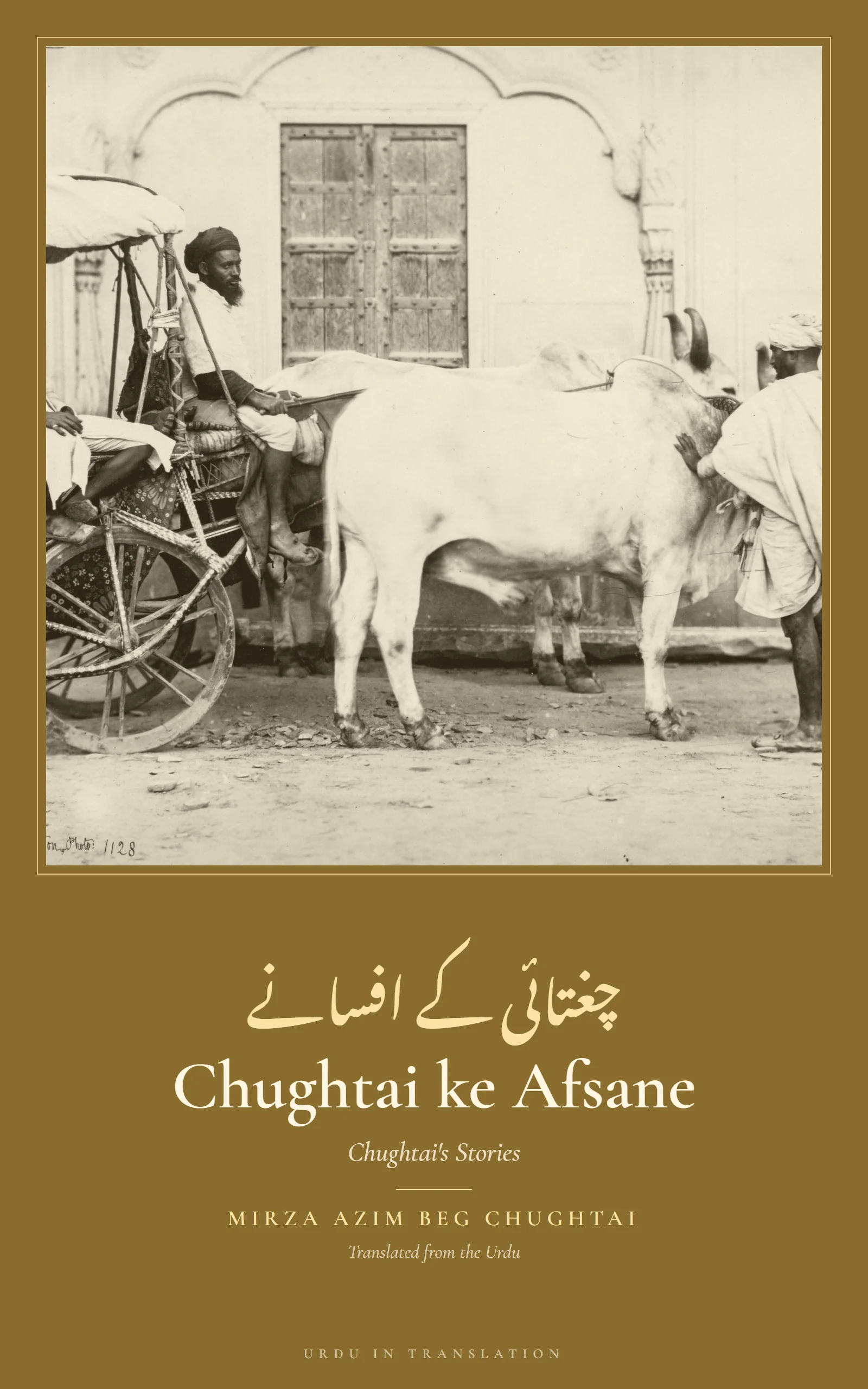
This book gives the Urdu text and a new English translation of seven humorous pieces by Mirza Azim Beg Chughtai (1895–1941): five stories and sketches, "The Examiner's Paan" (*Mumtahin ka Paan*), "The Bandage" (*Patti*), "The Telephone" (*Telephone*), "The Cricket Match" (*Cricket Match*) and "A Few Bullocks" (*Chand Bail*), and two short essays on his own craft, "The Kinds of Story-Writers" (*Afsana Nigaron ki Qismen*) and "How Do I Write a Story?" (*Main Afsana Kaise Likhta Hun?*). The title, *Chughtai ke Afsane* ("Chughtai's Stories"), has been given to this selection by the present edition; it is not the title of a book published by the author.
اس کتاب میں مرزا عظیم بیگ چغتائی (۱۸۹۵ء–۱۹۴۱ء) کی سات مزاحیہ تحریروں کا اردو متن اور ان کا نیا انگریزی ترجمہ شامل ہے: پانچ افسانے اور خاکے، ’’ممتحن کا پان‘‘، ’’پٹی‘‘، ’’ٹیلی فون‘‘، ’’کرکٹ میچ‘‘ اور ’’چند بیل‘‘، اور اپنے فن پر دو مختصر مضامین، ’’افسانہ نگاروں کی قسمیں‘‘ اور ’’میں افسانہ کیسے لکھتا ہوں؟‘‘۔ ’’چغتائی کے افسانے‘‘ کا عنوان اس اشاعت نے اس انتخاب کو دیا ہے؛ یہ مصنف کی شائع کردہ کسی کتاب کا نام نہیں۔
Source of the Urdu text: Urdu Wikisource (ur.wikisource.org), the pages ممتحن کا پان، پٹی، ٹیلی فون، کرکٹ میچ، چند بیل، افسانہ نگاروں کی قسمیں and میں افسانہ کیسے لکھتا ہوں؟, downloaded in October 2026. Wikisource does not say in which of the author's collections, or in which year, each piece first appeared. No scan of an early printing has been found on archive.org. A further story on Wikisource, *Rangroot ki Biwi* ("The Recruit's Wife"), was not included because the text there breaks off in the middle of a sentence.
اردو متن کا ماخذ: اردو ویکی ماخذ (ur.wikisource.org)، صفحات ’’ممتحن کا پان‘‘، ’’پٹی‘‘، ’’ٹیلی فون‘‘، ’’کرکٹ میچ‘‘، ’’چند بیل‘‘، ’’افسانہ نگاروں کی قسمیں‘‘ اور ’’میں افسانہ کیسے لکھتا ہوں؟‘‘، اکتوبر ۲۰۲۶ء میں حاصل کیے گئے۔ ویکی ماخذ پر یہ نہیں بتایا گیا کہ ہر تحریر پہلی بار مصنف کے کس مجموعے میں اور کس سال چھپی۔ archive.org پر کسی ابتدائی اشاعت کا عکس نہیں ملا۔ ویکی ماخذ پر موجود ایک اور افسانہ ’’رنگروٹ کی بیوی‘‘ شامل نہیں کیا گیا کیونکہ وہاں اس کا متن ایک جملے کے بیچ میں ختم ہو جاتا ہے۔
What is left out and what was changed: nothing of the author's text has been left out. The section numbers (1), (2) and so on are the author's own. A few lines of dialogue run together in the source have been set out as separate paragraphs. In "The Bandage" the lady doctor is called Miss Aroma three times and Miss Aruna once; the translation uses Aroma throughout. In "The Bandage" the word printed *muhajir* (emigrant) has been read as *mahajan* (moneylender), as the note there explains.
کیا چھوڑا گیا اور کیا بدلا گیا: مصنف کے متن میں سے کچھ نہیں چھوڑا گیا۔ (۱)، (۲) وغیرہ حصوں کے نمبر خود مصنف کے ہیں۔ ماخذ میں ملے ہوئے مکالمے کے چند جملے الگ الگ پیروں میں رکھے گئے ہیں۔ ’’پٹی‘‘ میں لیڈی ڈاکٹر کا نام تین جگہ مس اروما اور ایک جگہ مس ارونا چھپا ہے؛ ترجمے میں ہر جگہ اروما رکھا گیا ہے۔ ’’پٹی‘‘ ہی میں ’’مہاجر‘‘ کو ’’مہاجن‘‘ پڑھا گیا ہے، جیسا کہ وہاں کے نوٹ میں وضاحت ہے۔
Copyright: Chughtai died in 1941, so his work is in the public domain in Pakistan and India. The pieces were first printed in Urdu magazines and in his collections in the 1920s and 1930s, but the exact dates are not known; "How Do I Write a Story?" mentions the film *King Kong*, so it was written in 1933 or later. Their status in the United States should therefore be checked. The English translation is new. Translator's notes are marked [TN: …].
حقوق: چغتائی کا انتقال ۱۹۴۱ء میں ہوا، اس لیے ان کی تحریریں پاکستان اور ہندوستان میں پبلک ڈومین میں ہیں۔ یہ تحریریں ۱۹۲۰ء اور ۱۹۳۰ء کی دہائیوں میں اردو رسالوں اور ان کے مجموعوں میں پہلی بار چھپیں، مگر ٹھیک تاریخیں معلوم نہیں؛ ’’میں افسانہ کیسے لکھتا ہوں؟‘‘ میں فلم ’’کنگ کانگ‘‘ کا ذکر ہے، اس لیے یہ ۱۹۳۳ء یا اس کے بعد لکھا گیا۔ اس لیے امریکہ میں ان کی حیثیت کی جانچ ہونی چاہیے۔ انگریزی ترجمہ نیا ہے۔ مترجم کے نوٹ [TN: …] سے ظاہر کیے گئے ہیں۔
Names are spelled in one way throughout: Delhi, Agra, Ghaziabad, Khurja, Aligarh, Hathras, Tundla, Cawnpore, Lucknow, Jaunpur, Mathura, Simla, Naini Tal, Jodhpur; Premchand, Nazir Ahmad, Sharar, Agha Hashr, Tagore, Gilligan, Wazir Ali, Nazir Ali.
نام ہر جگہ ایک ہی طرح لکھے گئے ہیں: دہلی، آگرہ، غازی آباد، خورجہ، علی گڑھ، ہاتھرس، ٹونڈلہ، کانپور، لکھنؤ، جونپور، متھرا، شملہ، نینی تال، جودھپور؛ پریم چند، نذیر احمد، شرر، آغا حشر، ٹیگور، گلیکن، وزیر علی، نذیر علی۔
Introduction
تعارف
Mirza Azim Beg Chughtai was the most popular Urdu humorist of the years between the two world wars. He was born in 1895 into a family of Mughal descent; his father was a government official in the United Provinces who later settled in Jodhpur, in Rajputana. Azim Beg studied at Aligarh, took a degree in law, and spent much of his working life in the courts of Jodhpur state. He suffered for years from asthma and tuberculosis, and died in Jodhpur in 1941, aged only forty-six. His younger sister, Ismat Chughtai, became one of the most celebrated Urdu writers of the next generation.
مرزا عظیم بیگ چغتائی دو عالمی جنگوں کے درمیانی برسوں کے سب سے مقبول اردو مزاح نگار تھے۔ وہ ۱۸۹۵ء میں ایک مغل نژاد خاندان میں پیدا ہوئے؛ ان کے والد صوبجات متحدہ میں سرکاری عہدے دار تھے جو بعد میں راجپوتانے کے شہر جودھپور میں جا بسے۔ عظیم بیگ نے علی گڑھ میں تعلیم پائی، قانون کی سند لی، اور اپنی ملازمت کا بڑا حصہ ریاست جودھپور کی عدالتوں میں گزارا۔ وہ برسوں دمے اور تپ دق میں مبتلا رہے اور ۱۹۴۱ء میں صرف چھیالیس برس کی عمر میں جودھپور میں انتقال کر گئے۔ ان کی چھوٹی بہن عصمت چغتائی اگلی نسل کی سب سے مشہور اردو ادیبوں میں سے ہوئیں۔
In barely twenty years Chughtai wrote a great quantity of stories, sketches and short novels, among them *Khanum* and *Shariri Biwi*. His humour is the humour of situation. A narrator, usually "I", and often a young Aligarh graduate or a briefless lawyer much like the author, sets out with great confidence, says or does one foolish thing, and is carried by its consequences into deeper and deeper trouble. His comedy comes from railway carriages, bullock carts, telephone exchanges, cricket grounds and the houses of in-laws, the everyday places of middle-class North India in the 1920s and 1930s.
بمشکل بیس برس میں چغتائی نے افسانوں، خاکوں اور مختصر ناولوں کا بڑا ذخیرہ لکھا، جن میں ’’خانم‘‘ اور ’’شریر بیوی‘‘ شامل ہیں۔ ان کا مزاح صورت واقعہ کا مزاح ہے۔ ایک راوی، عموماً ’’میں‘‘، اکثر علی گڑھ کا کوئی نوجوان گریجویٹ یا مصنف ہی جیسا کوئی بے مقدمہ وکیل، بڑے اعتماد سے نکلتا ہے، کوئی ایک حماقت کی بات کہتا یا کرتا ہے، اور اس کے نتائج اسے مصیبت میں گہرے سے گہرا لے جاتے ہیں۔ ان کی ظرافت ریل کے ڈبوں، بیل گاڑیوں، ٹیلی فون ایکسچینج، کرکٹ کے میدانوں اور سسرالوں سے پیدا ہوتی ہے، یعنی ۱۹۲۰ء اور ۱۹۳۰ء کی دہائیوں کے شمالی ہندوستان کے متوسط طبقے کی روزمرہ کی جگہوں سے۔
The pieces chosen here show his range. In "The Examiner's Paan" a young man who hates betel-chewers insults a fellow passenger, only to find that the man is the examiner who holds his law paper. "The Bandage" follows a grazed hand, wrapped up by an anxious lady doctor for fear of tetanus, through a day of endless questions, until the narrator starts inventing crocodiles and cobras. "The Telephone" is a gleeful celebration of the misuse of a new invention, in which one shoe shop is hounded half the town over by callers asking the price of boots. "The Cricket Match" tells how a team of schoolboys, more interested in the refreshment tent than the game, beat a regiment of Highlanders by sheer impudence. "A Few Bullocks" is a set of short sketches written to a title proposed by an editor.
یہاں منتخب تحریریں ان کی وسعت دکھاتی ہیں۔ ’’ممتحن کا پان‘‘ میں پان کھانے والوں سے نفرت کرنے والا ایک نوجوان ایک ہم سفر کی توہین کرتا ہے اور پھر معلوم ہوتا ہے کہ وہی شخص اس کے قانون کے پرچے کا ممتحن ہے۔ ’’پٹی‘‘ ایک چھلے ہوئے ہاتھ کی کہانی ہے جسے ایک فکرمند لیڈی ڈاکٹر نے ٹیٹنس کے ڈر سے باندھ دیا، اور دن بھر کے لامتناہی سوالوں کے بعد راوی مگر اور کالے سانپ گھڑنے لگتا ہے۔ ’’ٹیلی فون‘‘ ایک نئی ایجاد کے غلط استعمال کا شوخ قصیدہ ہے، جس میں آدھا شہر جوتوں کا نرخ پوچھ پوچھ کر ایک جوتوں کی دکان کا ناک میں دم کر دیتا ہے۔ ’’کرکٹ میچ‘‘ بتاتا ہے کہ کس طرح اسکول کے لڑکوں کی ایک ٹیم نے، جسے کھیل سے زیادہ ریفرشمنٹ کے خیمے سے دلچسپی تھی، محض ڈھٹائی سے ہائی لینڈرز کی ایک رجمنٹ کو ہرا دیا۔ ’’چند بیل‘‘ مختصر خاکوں کا مجموعہ ہے جو ایک مدیر کے تجویز کردہ عنوان پر لکھا گیا۔
The two essays are Chughtai's own account of his method, half serious and half joking. "The Kinds of Story-Writers" mocks the many people of his day who called themselves story-writers on the strength of translations, adaptations or a pen name. "How Do I Write a Story?" explains that he wrote only what he had seen or heard, first telling a story aloud to friends until it found its shape and then writing it down at a stroke, and it gives a list of his likes and dislikes, from Byron and Keats to maulvis, detective novels and the cinema.
دونوں مضامین آدھے سنجیدہ اور آدھے مذاق میں چغتائی کے اپنے طریقۂ کار کا بیان ہیں۔ ’’افسانہ نگاروں کی قسمیں‘‘ ان بہت سے لوگوں کا مذاق اڑاتا ہے جو ترجموں، چربوں یا محض تخلص کے بل پر خود کو افسانہ نگار کہتے تھے۔ ’’میں افسانہ کیسے لکھتا ہوں؟‘‘ میں وہ بتاتے ہیں کہ وہ صرف وہی لکھتے تھے جو دیکھا یا سنا ہو؛ پہلے قصہ دوستوں کو زبانی سناتے یہاں تک کہ وہ اپنی صورت پا لیتا، اور پھر ایک دم لکھ ڈالتے؛ اور ساتھ اپنی پسند ناپسند کی فہرست دیتے ہیں، بائرن اور کیٹس سے لے کر مولویوں، جاسوسی ناولوں اور سینما تک۔
Que vous laisse ce chapitre ?
Connectez-vous pour réagir
Discussion
Personne n’a encore parlé. Dites ce que ce chapitre a remué en vous.