第 1 章,共 12 章
About This Edition and Introduction
اس اشاعت کے بارے میں اور تعارف
点一个词,乌尔都语或英语,释义即现。选中一个短语可整体查看。
About This Edition
اس اشاعت کے بارے میں
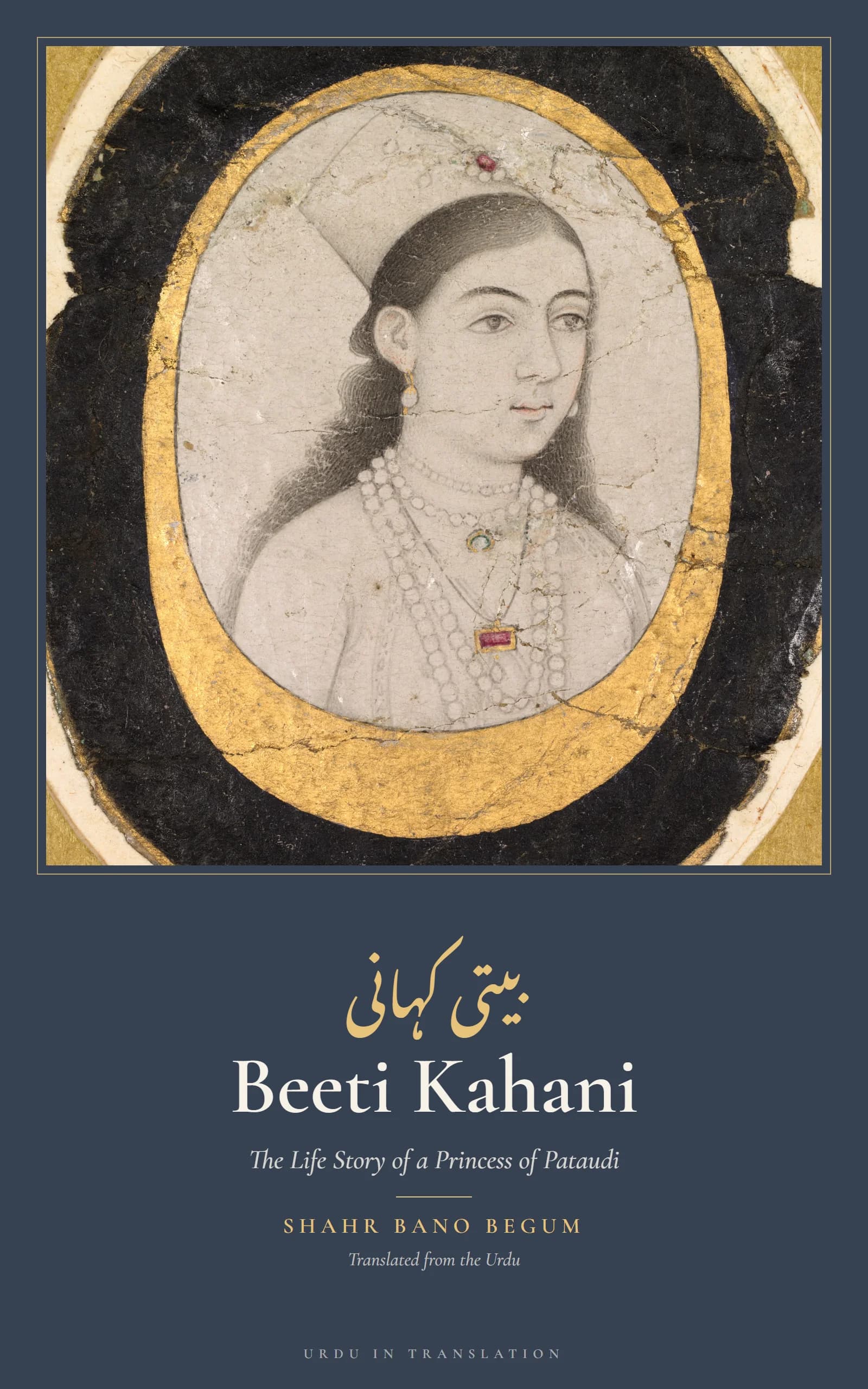
This book gives the complete Urdu text and a new English translation of *Beeti Kahani* (The Story of What Befell Me) by Shahr Bano Begum, a daughter of the ruling family of Pataudi. It is the story of her own life, written in prose for an Englishwoman, Miss Fletcher, to whom she taught Urdu, and it runs from the day of her birth to the time of writing.
اس کتاب میں ریاست پاٹودی کے حکمران خاندان کی صاحبزادی شہر بانو بیگم کی "بیتی کہانی" کا مکمل اردو متن اور اس کا نیا انگریزی ترجمہ دیا گیا ہے۔ یہ ان کی اپنی زندگی کی داستان ہے، جو انھوں نے نثر میں ایک انگریز خاتون مس فلیٹچر کے لیے لکھی، جنھیں وہ اردو پڑھاتی تھیں۔ یہ کہانی ان کی پیدائش کے دن سے لکھنے کے وقت تک پہنچتی ہے۔
Source of the Urdu text: Urdu Wikisource (ur.wikisource.org), the page بیتی کہانی, taken from the Wikimedia dump of October 2026. The text there is given as one page under the author's own section headings. Wikisource notes that the work was written in 1885; the author's own last dates are of early 1886, after a year of lessons with Miss Fletcher, which began on 21 May 1885.
اردو متن کا ماخذ: اردو ویکی ماخذ (ur.wikisource.org) کا صفحہ "بیتی کہانی"، جو اکتوبر 2026ء کے ویکی میڈیا ڈمپ سے لیا گیا۔ وہاں متن مصنفہ کے اپنے عنوانات کے ساتھ ایک ہی صفحے پر ہے۔ ویکی ماخذ کے مطابق یہ کتاب 1885ء میں لکھی گئی؛ مصنفہ کی آخری تاریخیں 1886ء کے آغاز کی ہیں، مس فلیٹچر کے ساتھ ایک برس کے اسباق کے بعد، جو 21 مئی 1885ء کو شروع ہوئے تھے۔
What is left out and what was changed: the whole of the author's text is given, in her order, with all of her section headings, such as The Date of My Birth, The Mutiny, My Mother-in-law's Death and The End of the Story. The Wikisource page header and notes are left out. The text has been divided into ten chapters for easier reading; the chapter titles are new. Long paragraphs have been divided at sentence ends. Nothing modern has been added to the Urdu.
کیا چھوڑا گیا اور کیا بدلا گیا: مصنفہ کا پورا متن، ان کی ترتیب اور ان کے تمام عنوانات کے ساتھ دیا گیا ہے، جیسے تاریخ پیدائش، غدر، ساس کا انتقال اور بیتی کہانی کا خاتمہ۔ ویکی ماخذ کے صفحے کا سرنامہ اور حواشی چھوڑ دیے گئے ہیں۔ پڑھنے کی آسانی کے لیے متن کو دس ابواب میں بانٹا گیا ہے؛ ابواب کے عنوانات نئے ہیں۔ لمبے پیراگراف جملوں کے اختتام پر تقسیم کیے گئے ہیں۔ اردو متن میں کوئی جدید اضافہ نہیں کیا گیا۔
Copyright: the author was born in 1848 and wrote this account in the 1880s, so she cannot have been alive in 1961; works of Urdu authors who died in 1961 or earlier are out of copyright in Pakistan and India. The English translation, the chapter divisions and titles, this introduction and the glossary are new.
حق اشاعت: مصنفہ 1848ء میں پیدا ہوئیں اور یہ سرگذشت 1880ء کی دہائی میں لکھی، اس لیے 1961ء میں ان کا زندہ ہونا ممکن نہیں؛ 1961ء یا اس سے پہلے فوت ہونے والے اردو مصنفین کی تحریریں پاکستان اور بھارت میں حق اشاعت سے آزاد ہیں۔ انگریزی ترجمہ، ابواب کی تقسیم اور عنوانات، یہ تعارف اور فرہنگ نئے ہیں۔
Translation: the English follows the Urdu sentence by sentence. The author's verses are translated line by line. Her familiar way of addressing her reader as *bua* (sister) is kept. Dates in the Hijri calendar are kept as she gives them, with the Western year in a translator's note marked [TN: ...]. Urdu terms kept in the translation are explained in the glossary at the end.
ترجمہ: انگریزی ترجمہ اردو کے ساتھ جملہ بہ جملہ چلتا ہے۔ مصنفہ کے اشعار کا ترجمہ مصرع بہ مصرع کیا گیا ہے۔ قاری کو "بوا" کہہ کر مخاطب کرنے کا ان کا انداز باقی رکھا گیا ہے۔ ہجری تاریخیں جیسی انھوں نے دی ہیں ویسی ہی رکھی گئی ہیں اور عیسوی سال مترجم کے حاشیے [TN: ...] میں دیا گیا ہے۔ ترجمے میں باقی رکھے گئے اردو الفاظ کی وضاحت آخر میں فرہنگ میں ہے۔
Introduction
تعارف
Shahr Bano Begum tells us that she was born on the fifth of Rabi' al-Thani 1264 AH, the daughter of Nawab Muhammad Akbar Ali Khan, ruler of the small state of Pataudi, near Delhi, and that her birth was greeted with salvos of guns. As a child she was betrothed into the house of the Nawab of Jhajjar, and she was married with great splendour. Soon afterwards came the Mutiny of 1857, the arrest of the Nawab of Jhajjar and the ruin of his state, and the rest of her life was lived among the losses that followed.
شہر بانو بیگم بتاتی ہیں کہ وہ پانچویں ربیع الثانی 1264ھ کو دہلی کے قریب چھوٹی سی ریاست پاٹودی کے رئیس نواب محمد اکبر علی خاں کے ہاں پیدا ہوئیں، اور ان کی پیدائش پر توپوں کی سلامی ہوئی۔ بچپن ہی میں ان کی نسبت نواب جھجر کے گھرانے میں ہوئی اور بڑی دھوم دھام سے شادی ہوئی۔ اس کے کچھ ہی عرصے بعد 1857ء کا غدر ہوا، نواب جھجر گرفتار ہوئے اور ان کی ریاست برباد ہو گئی، اور ان کی باقی زندگی ان نقصانات کے بیچ گزری جو اس کے بعد آئے۔
She writes plainly and frankly about her family: a mother-in-law who was harsh to her for years, a husband who fell into bad company and squandered all their property, the deaths of her husband and of all her children, the debts and lawsuits that followed, and a long and painful quarrel with her own mother. She also records the help of Mirza Ayub Beg, an old servant of the family who managed her affairs, and the doctors, officials and petitions through which she kept her small pension.
وہ اپنے خاندان کے بارے میں سادگی اور بے باکی سے لکھتی ہیں: برسوں سختی کرنے والی ساس، بری صحبت میں پڑ کر سارا مال لٹا دینے والا شوہر، شوہر اور سب بچوں کی موت، پھر قرضے اور مقدمے، اور اپنی والدہ سے طویل اور تکلیف دہ بگاڑ۔ وہ خاندان کے پرانے ملازم مرزا ایوب بیگ کی مدد کا بھی ذکر کرتی ہیں، جنھوں نے ان کے معاملات سنبھالے، اور ان ڈاکٹروں، حکام اور درخواستوں کا بھی جن کے ذریعے ان کی چھوٹی سی پنشن قائم رہی۔
The book is valuable as an account, in a woman's own words, of life in the households of the Muslim nobility of the Delhi region in the years around 1857. Her Urdu is the everyday speech of the women's quarters, full of proverbs, verses and familiar turns of phrase, and she speaks directly to her reader throughout, as if telling her story aloud.
یہ کتاب اس لیے قیمتی ہے کہ اس میں 1857ء کے آس پاس کے برسوں میں دہلی کے علاقے کے مسلمان امرا کے گھروں کی زندگی ایک عورت کی اپنی زبانی بیان ہوئی ہے۔ ان کی اردو زنان خانے کی روزمرہ بول چال ہے، کہاوتوں، اشعار اور محاوروں سے بھری ہوئی، اور وہ شروع سے آخر تک اپنے قاری سے براہ راست بات کرتی ہیں، جیسے اپنی کہانی زبانی سنا رہی ہوں۔
这一章在你心里留下了什么?
登录后参与
讨论
还没有人开口。说说这一章触动了你什么。