Глава 1 из 14
About This Edition and Introduction
اس اشاعت کے بارے میں اور تعارف
Коснитесь слова на урду или английском, и появится его значение. Выделите фразу, чтобы увидеть её целиком.
About This Edition
اس اشاعت کے بارے میں
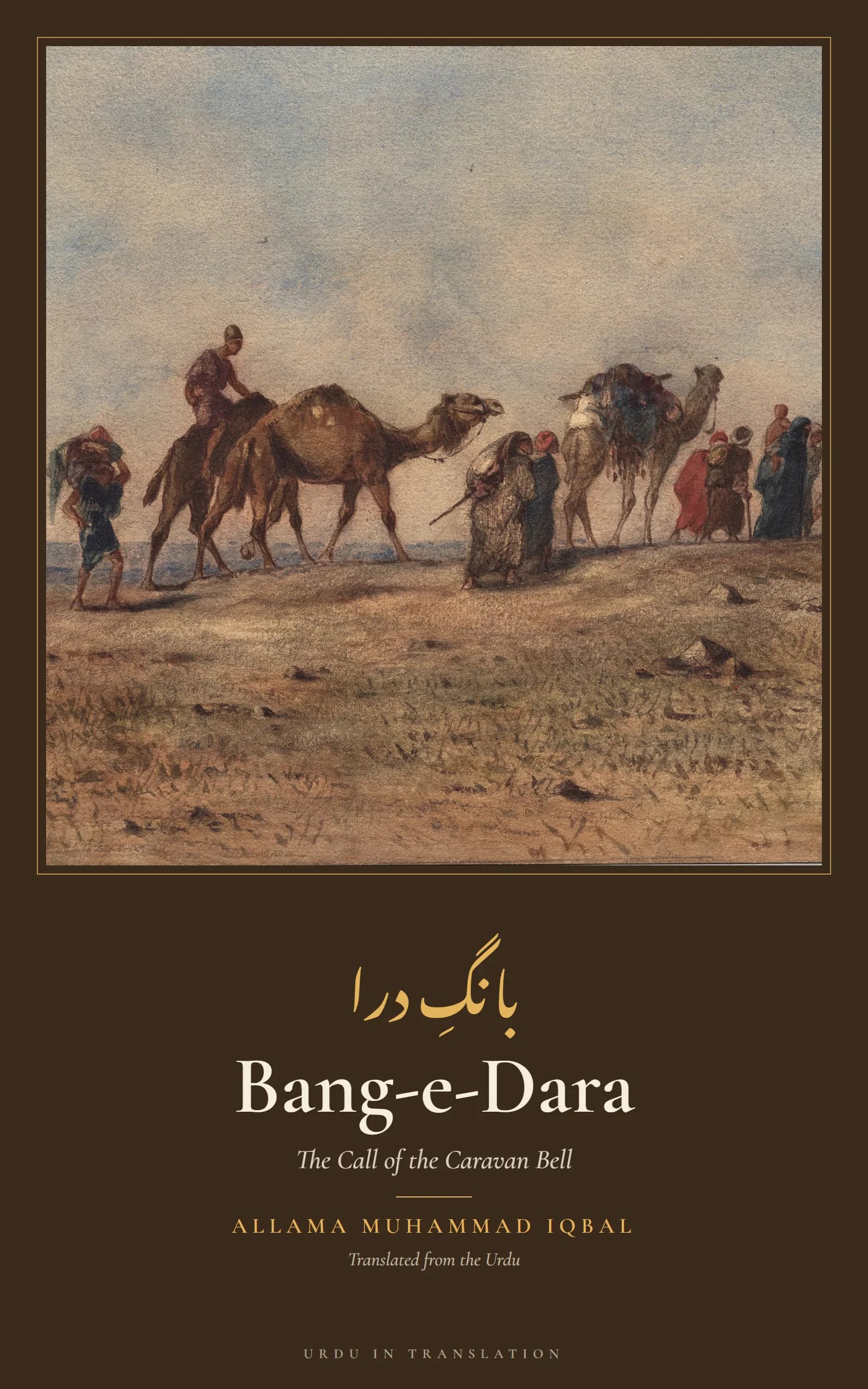
This book gives the complete Urdu text of Bang-e-Dara ("The Call of the Caravan Bell"), Allama Muhammad Iqbal's first collection of Urdu verse, published in Lahore in 1924, with a new English translation couplet by couplet. Nothing is left out: all three parts, with the ghazals of each part and the humorous poems (zarifana) at the end, 200 poems in all.
اس کتاب میں علامہ محمد اقبال کے پہلے اردو مجموعۂ کلام ’’بانگِ درا‘‘ (لاہور، ۱۹۲۴ء) کا مکمل اردو متن ہے، اور ساتھ ہر شعر کا نیا انگریزی ترجمہ۔ کچھ چھوڑا نہیں گیا: تینوں حصے، ہر حصے کی غزلیں اور آخر کی ظریفانہ نظمیں، کل دو سو نظمیں۔
Source of the Urdu text: Urdu Wikisource (ur.wikisource.org), the poems listed under Bang-e-Dara (1924) on the author's page, downloaded in October 2026. The list was checked poem by poem against the contents of Bang-e-Dara on iqbal.com.pk, part by part: Part One (to 1905), 49 poems and 13 ghazals; Part Two (1905–1908), 24 poems and 7 ghazals; Part Three (from 1908), 70 poems, 8 ghazals and 29 humorous poems. For Shikwa, Jawab-e-Shikwa, Tulu-e-Islam and some other poems, the Urdu text already corrected for this site's Intikhab-e-Iqbal against the standard Bang-e-Dara text is used.
اردو متن کا ماخذ: اردو ویکی ماخذ (ur.wikisource.org)، مصنف کے صفحے پر ’’بانگ درا (1924)‘‘ کے تحت درج نظمیں، اکتوبر ۲۰۲۶ء میں حاصل کی گئیں۔ اس فہرست کو iqbal.com.pk پر بانگِ درا کی فہرست سے حصہ وار نظم بہ نظم ملایا گیا: حصۂ اول (۱۹۰۵ء تک) ۴۹ نظمیں اور ۱۳ غزلیں؛ حصۂ دوم (۱۹۰۵ء تا ۱۹۰۸ء) ۲۴ نظمیں اور ۷ غزلیں؛ حصۂ سوم (۱۹۰۸ء سے) ۷۰ نظمیں، ۸ غزلیں اور ۲۹ ظریفانہ نظمیں۔ شکوہ، جوابِ شکوہ، طلوعِ اسلام اور چند دوسری نظموں کا وہ متن لیا گیا ہے جو اس سائٹ کے ’’انتخابِ اقبال‘‘ کے لیے بانگِ درا کے معیاری متن سے درست کیا گیا تھا۔
Layout: each poem has a numbered heading (1 to 200, in the order of the book); each block is one couplet, or one line where the poem has a single line (a refrain, a speaker's name, a section heading in Khizr-e-Rah, or the last half-line of a quoted verse). Vowel marks (zabar, pesh, shadda) are left out of the Urdu; the izafat zer is kept. Persian couplets that Iqbal quotes or writes are translated too, with "(Persian)" after them.
ترتیب: ہر نظم کا عنوان نمبر کے ساتھ ہے (کتاب کی ترتیب میں ۱ سے ۲۰۰ تک)؛ ہر حصہ ایک شعر ہے، یا جہاں نظم میں اکیلا مصرع ہو (ٹیپ کا مصرع، بولنے والے کا نام، خضرِ راہ کے ذیلی عنوان، یا کسی تضمین کا آخری مصرع) وہاں ایک مصرع۔ اردو متن میں زبر، پیش اور تشدید نہیں لکھے گئے؛ اضافت کا زیر باقی ہے۔ اقبال کے فارسی اشعار کا ترجمہ بھی دیا گیا ہے اور ان کے بعد (Persian) لکھا گیا ہے۔
Copyright: Iqbal died in 1938, so Bang-e-Dara is in the public domain in Pakistan and India. The English translation is new. It is an AI translation made for urduintranslation.com and reviewed against the Urdu; it is not the work of any named translator.
حقوق: اقبال کا انتقال ۱۹۳۸ء میں ہوا، اس لیے بانگِ درا پاکستان اور ہندوستان میں پبلک ڈومین میں ہے۔ انگریزی ترجمہ نیا ہے؛ یہ urduintranslation.com کے لیے مصنوعی ذہانت سے کیا گیا ترجمہ ہے جسے اردو متن سے ملا کر دیکھا گیا؛ یہ کسی نامزد مترجم کا کام نہیں۔
Names and terms are kept as in the Urdu, with short explanations in brackets where a reader may need them: Khizr (the immortal guide of travellers), Laila and Majnun (Qais), Farhad and Shirin, Jamshed's cup, Sinai and Moses, Abraham and Azar, the saki (cup-bearer).
نام اور اصطلاحات اردو کے مطابق رکھی گئی ہیں، اور جہاں ضرورت ہو قوسین میں مختصر وضاحت ہے: خضر (مسافروں کے لافانی رہنما)، لیلیٰ و مجنوں (قیس)، فرہاد و شیریں، جامِ جم، سینا و موسیٰ، ابراہیم و آزر، ساقی۔
Introduction
تعارف
Muhammad Iqbal (1877–1938), poet and philosopher of Sialkot and Lahore, wrote in both Urdu and Persian. Bang-e-Dara gathers the Urdu poems of twenty years, and Iqbal arranged it in three parts that follow his life.
محمد اقبال (۱۸۷۷ء–۱۹۳۸ء)، سیالکوٹ اور لاہور کے شاعر و فلسفی، اردو اور فارسی دونوں میں لکھتے تھے۔ بانگِ درا میں بیس برس کی اردو نظمیں جمع ہیں، اور اقبال نے اسے تین حصوں میں ترتیب دیا جو ان کی زندگی کے ادوار کے مطابق ہیں۔
Part One (to 1905) is the work of the young poet in Lahore: poems of nature such as "Himalaya", "The Mountain Cloud" and "The Firefly"; poems for children adapted from English models, such as "A Spider and a Fly" and "A Mother's Dream"; and patriotic songs, among them "Tarana-e-Hindi" ("Sare jahan se achchha Hindostan hamara") and "Naya Shiwala". Already there are signs of the thinker to come, in "The Candle", "A Picture of Pain" and the long reflective poems on love, death and the self.
حصۂ اول (۱۹۰۵ء تک) لاہور کے نوجوان شاعر کا کلام ہے: فطرت کی نظمیں جیسے ’’ہمالہ‘‘، ’’ابرِ کوہسار‘‘ اور ’’جگنو‘‘؛ انگریزی نمونوں سے ماخوذ بچوں کی نظمیں جیسے ’’ایک مکڑا اور مکھی‘‘ اور ’’ماں کا خواب‘‘؛ اور قومی گیت، جن میں ’’ترانۂ ہندی‘‘ (’’سارے جہاں سے اچھا ہندوستاں ہمارا‘‘) اور ’’نیا شوالا‘‘ ہیں۔ آنے والے مفکر کی جھلک ’’شمع‘‘، ’’تصویرِ درد‘‘ اور عشق، موت اور خودی پر غور و فکر کی طویل نظموں میں ابھی سے ملتی ہے۔
Part Two (1905–1908) comes from Iqbal's years as a student in Cambridge, Heidelberg and Munich: short lyrics of love and nature written in Europe, poems such as "An Evening (on the banks of the Neckar)", "Solitude" and "Sicily", and the ghazal of March 1907 in which he foretells that "your civilisation will kill itself with its own dagger".
حصۂ دوم (۱۹۰۵ء تا ۱۹۰۸ء) کیمبرج، ہائیڈل برگ اور میونخ میں اقبال کے طالب علمی کے برسوں کا کلام ہے: یورپ میں لکھی گئی عشق اور فطرت کی مختصر نظمیں، جیسے ’’ایک شام (دریائے نیکر کے کنارے)‘‘، ’’تنہائی‘‘ اور ’’صقلیہ‘‘، اور مارچ ۱۹۰۷ء کی وہ غزل جس میں وہ پیش گوئی کرتے ہیں کہ ’’تمھاری تہذیب اپنے خنجر سے آپ ہی خود کشی کرے گی‘‘۔
Part Three (from 1908) is the poetry of the mature Iqbal, who has turned from Indian nationalism to the idea of a single Muslim community and of the self (khudi) that must be strengthened. Here are the famous "Shikwa" (The Complaint) and "Jawab-e-Shikwa" (The Answer to the Complaint), "The Candle and the Poet", "In Memory of My Late Mother", "Khizr of the Way" and "Tulu-e-Islam" (The Rise of Islam), with poems on the Balkan and Tripoli wars and on the fall of the Caliphate. The book ends with a group of ghazals and the humorous poems, in the manner of Akbar Allahabadi, on Western schooling, councils and capital and labour.
حصۂ سوم (۱۹۰۸ء سے) پختہ اقبال کا کلام ہے، جو ہندی قومیت سے ملتِ اسلامیہ کی وحدت اور خودی کی تقویت کے تصور کی طرف آ چکے ہیں۔ اس میں مشہور ’’شکوہ‘‘ اور ’’جوابِ شکوہ‘‘، ’’شمع اور شاعر‘‘، ’’والدہ مرحومہ کی یاد میں‘‘، ’’خضرِ راہ‘‘ اور ’’طلوعِ اسلام‘‘ ہیں، ساتھ بلقان اور طرابلس کی جنگوں اور خلافت کے زوال پر نظمیں۔ کتاب غزلوں اور اکبر الٰہ آبادی کے انداز کی ظریفانہ نظموں پر ختم ہوتی ہے، جو مغربی تعلیم، کونسلوں اور سرمایہ و محنت پر ہیں۔
The translation keeps the couplet as the unit and tries to give the meaning of each line plainly, with Iqbal's images and allusions, rather than imitating his metre and rhyme.
ترجمے میں شعر کو اکائی رکھا گیا ہے اور ہر مصرع کا مفہوم اقبال کی تشبیہات اور تلمیحات کے ساتھ سادہ انگریزی میں دینے کی کوشش کی گئی ہے، بحر اور قافیے کی نقل کی کوشش نہیں کی گئی۔
Что оставила в вас эта глава?
Войдите, чтобы отреагировать
Обсуждение
Пока никто не высказался. Расскажите, что всколыхнула в вас эта глава.