Masnavi
مثنوی
Masnavi
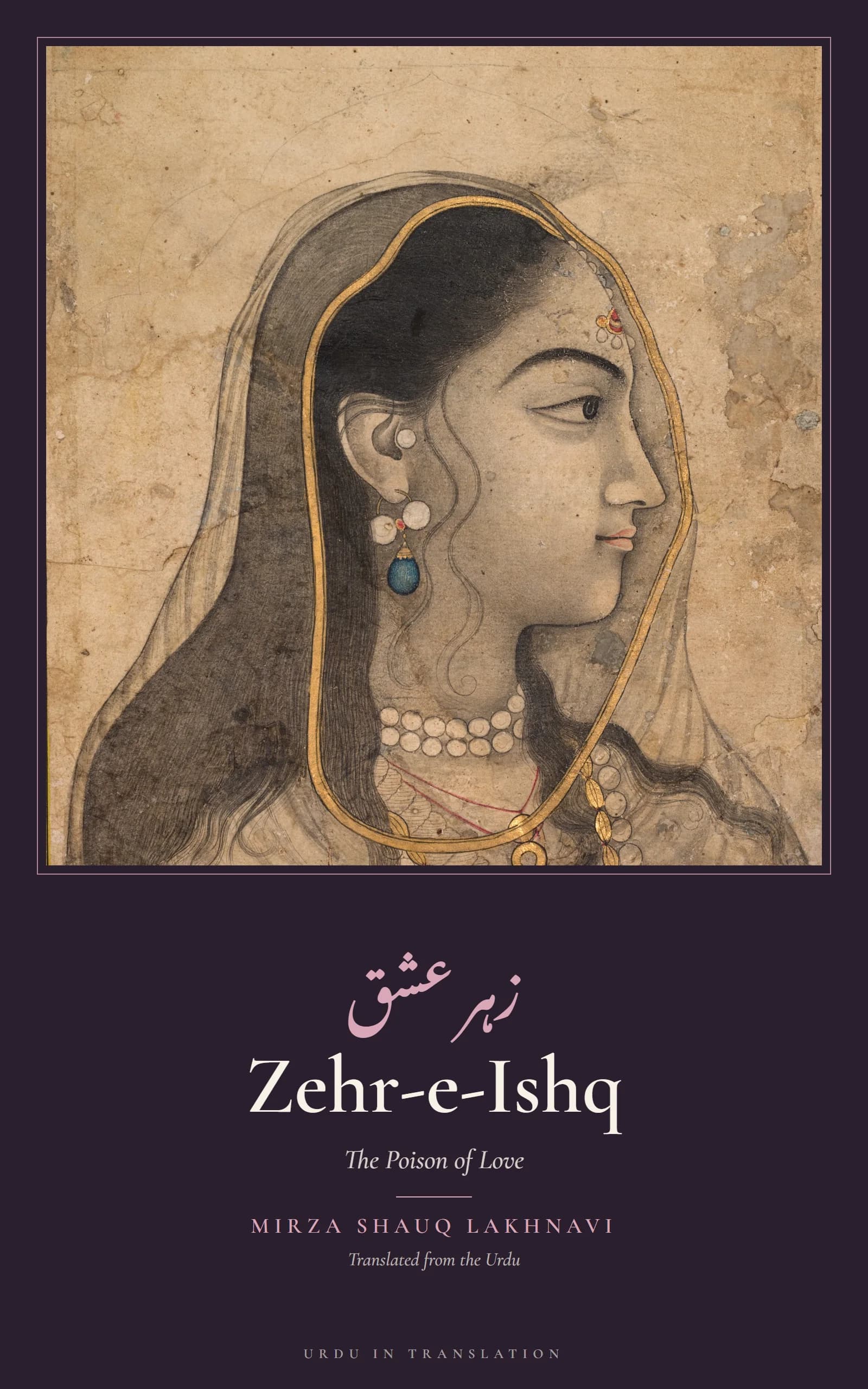
Dos primeros capítulos gratisZehr-e-Ishq (The Poison of Love)
زہر عشق
Mirza Shauq Lakhnavi
Nawab Mirza Shauq Lakhnavi's Zehr-e-Ishq, the celebrated nineteenth-century Lucknow masnavi: a young man tells in some 560 couplets of his love for a merchant's daughter seen from a rooftop, their letters and secret meetings, her last night and last wishes, her poisoning, her bier and her mother's lament, and his own despair. Complete Urdu text (Wikisource, with the closing couplets from a printed edition on archive.org) and a facing English translation that keeps every couplet as two lines, with introduction and glossary. Cite as: Mirza Shauq Lakhnavi, Zehr-e-Ishq, tr. urduintranslation.com (2026), https://www.urduintranslation.com/works/zehr-e-ishq. The first two chapters are free to read.
6 capítulosEnglishmás idiomas próximamente
Masnavi · 1844
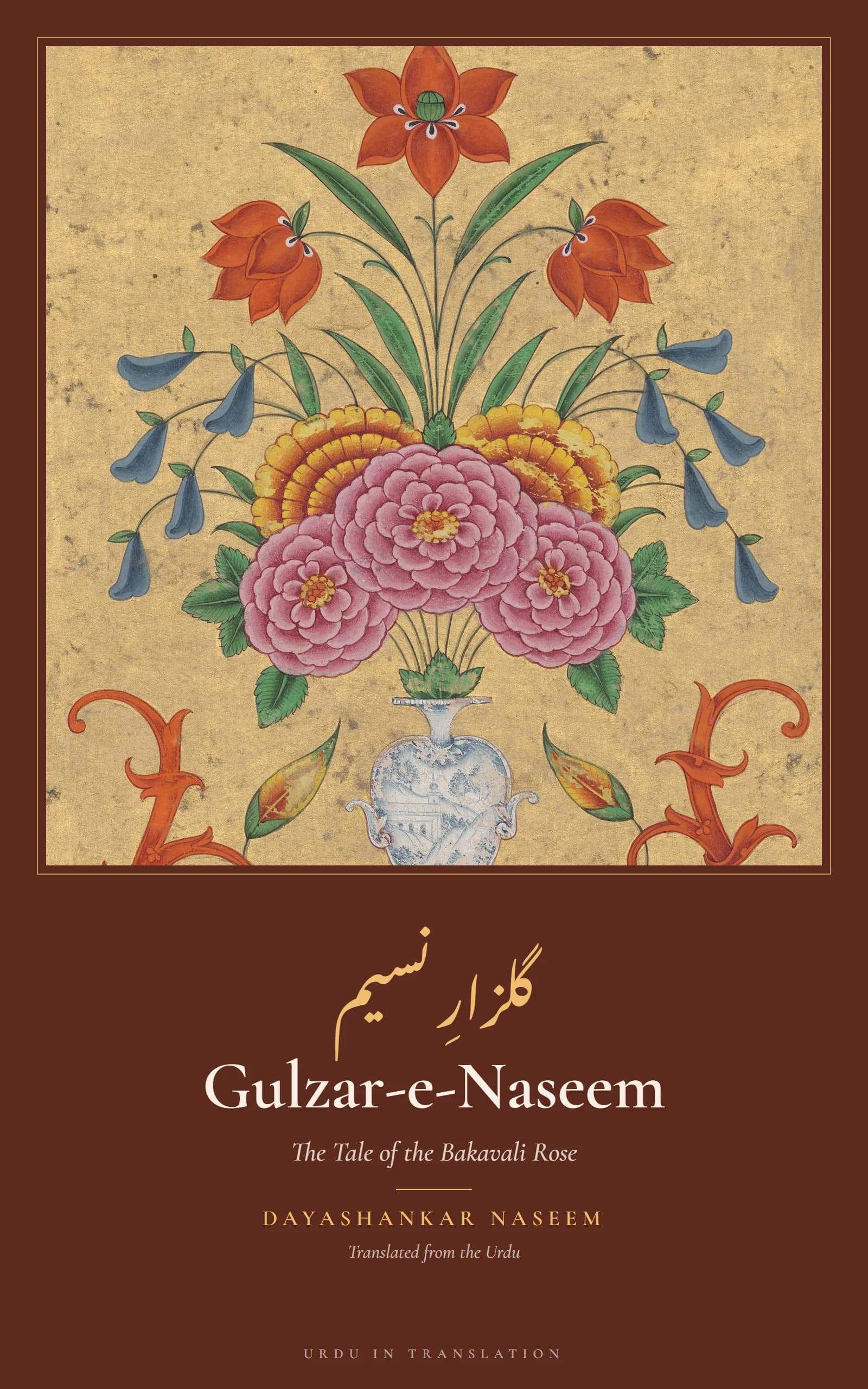
Dos primeros capítulos gratisGulzar-e-Naseem (The Tale of the Bakavali Rose)
گلزارِ نسیم
Pandit Dayashankar Naseem
The most famous masnavi of Lucknow, completed in 1838 by Pandit Dayashankar Naseem: the tale of Gul-e-Bakavali told in about 1,500 rhymed couplets of dazzling compression and wordplay. A blind king can be cured only by a fairy's rose; his banished youngest son, Taj-ul-Muluk, wins it from Bakavali's garden, and she follows him to the world of men through magic, separation, the curse of Raja Indar and rebirth. On the Urdu syllabus of Pakistan's Higher Education Commission and taught for over a century. Complete Urdu text, newly transcribed from the 1941 Lucknow edition, with a couplet-by-couplet English translation; the first two chapters are free. How to cite: Naseem, Gulzar-e-Naseem, tr. Urdu in Translation (2026), https://www.urduintranslation.com/works/gulzar-e-naseem
10 capítulosEnglishmás idiomas próximamente