Allama Muhammad Iqbal
علامہ محمد اقبال
Life1877–1938
Poet-philosopher of the East, Iqbal wrote in Urdu and Persian. Bang-e-Dara (1924) and Bal-e-Jibril (1935) are his major Urdu collections. His shaahiin (falcon) and his idea of khudii are central images of modern Urdu poetry.
Allama Muhammad Iqbal的作品
诗集
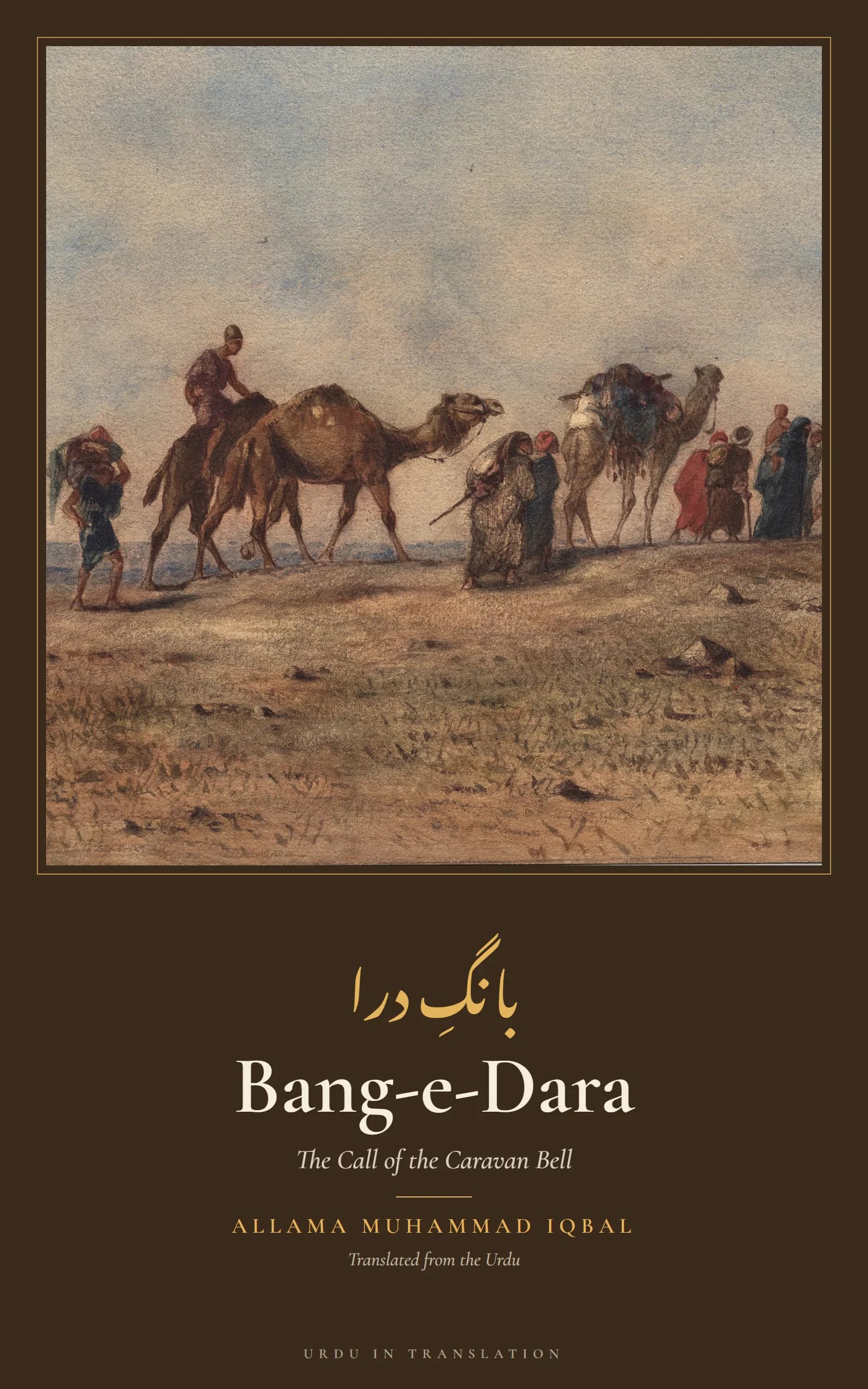
前两章免费Bang-e-Dara (The Call of the Caravan Bell)
بانگِ درا
Allama Muhammad Iqbal
The complete Bang-e-Dara (1924), Allama Muhammad Iqbal's first collection of Urdu verse: all 200 poems of the three parts, with their ghazals and the humorous poems at the end. Here are the young poet's "Himalaya", "Tarana-e-Hindi" (Sare jahan se achchha) and the children's poems; the lyrics written as a student in Europe; and the great poems of the mature Iqbal: Shikwa and Jawab-e-Shikwa, The Candle and the Poet, In Memory of My Late Mother, Khizr of the Way and Tulu-e-Islam. Complete Urdu text with a facing English translation, couplet by couplet, and an introduction. The first two chapters are free to read.
14 章English更多语言即将推出
纳兹姆(主题诗) · 1924–1935
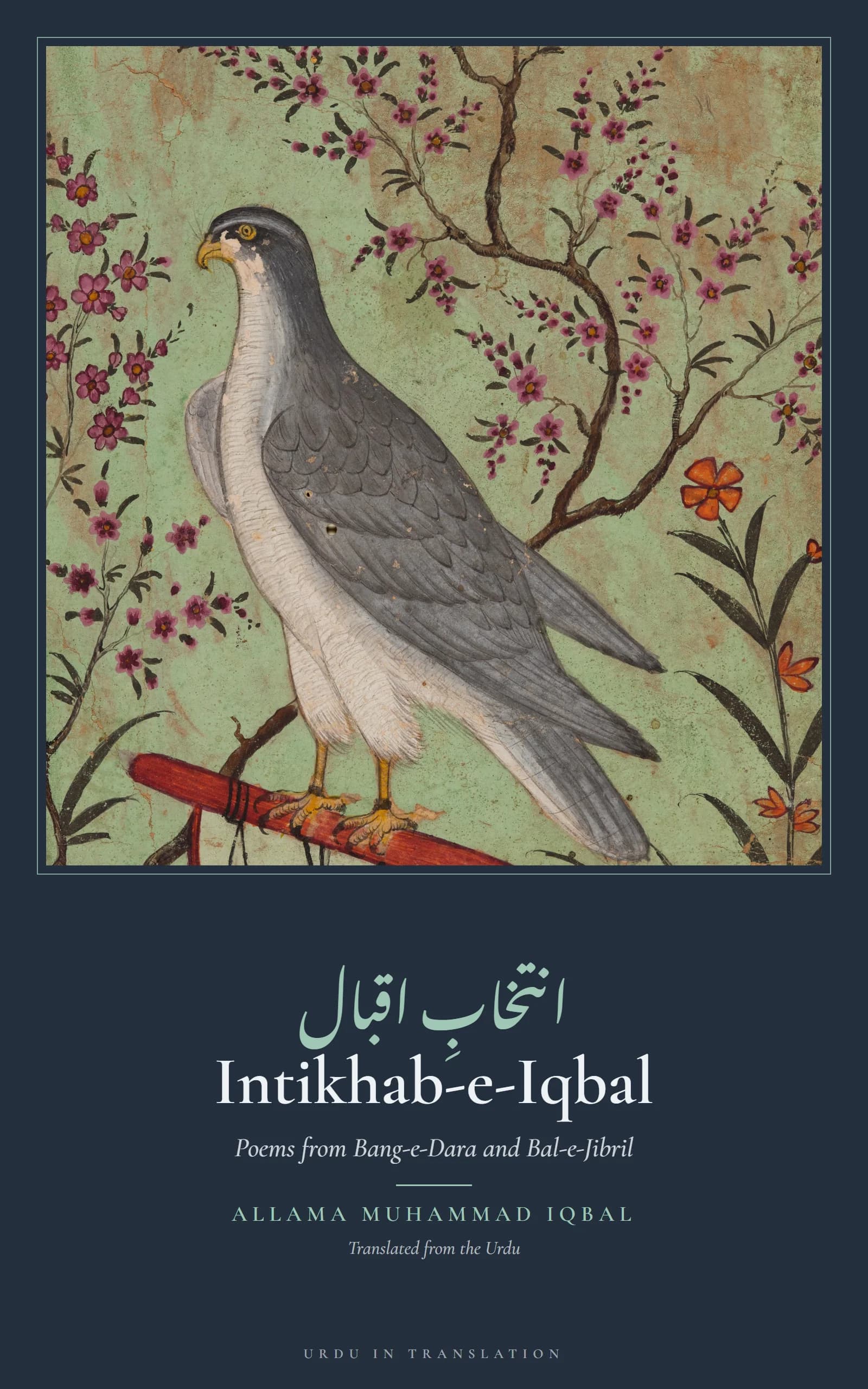
前两章免费《伊克巴尔诗选》:《驼铃声》与《吉卜利勒之翼》中的诗篇
انتخابِ اقبال
Allama Muhammad Iqbal
穆罕默德·伊克巴尔(1877—1938),锡亚尔科特与拉合尔的诗人哲学家,写下了南亚至今仍在传唱的歌,“比全世界都好的是我们的印度斯坦”“我的愿望化作祈祷来到唇边”,继而写下了与真主争辩并得到回答的诗篇:《诉怨》与《诉怨的回答》。他后来的乌尔都语诗集《吉卜利勒之翼》(1935)把加扎勒与纳兹姆转向自我(khudi)、爱与行动,并站在科尔多瓦清真寺中追问什么能超越时间。本选本依照巴基斯坦高等教育委员会乌尔都语学士课程的伊克巴尔单元编排:《驼铃声》(1924)中早期的纳兹姆与加扎勒、悼念母亲的挽歌、《诉怨》《诉怨的回答》与《伊斯兰的黎明》,然后是《吉卜利勒之翼》中的加扎勒与纳兹姆。乌尔都语原文与译文逐联对照;第一章免费阅读。
7 章EnglishEspañolFrançaisالعربية中文Русский