Chapter 1 of 7
About This Edition and Introduction
اس اشاعت کے بارے میں اور تعارف
Tap a word, Urdu or English, and its meaning appears. Select a phrase to see it whole.
About This Edition
اس اشاعت کے بارے میں
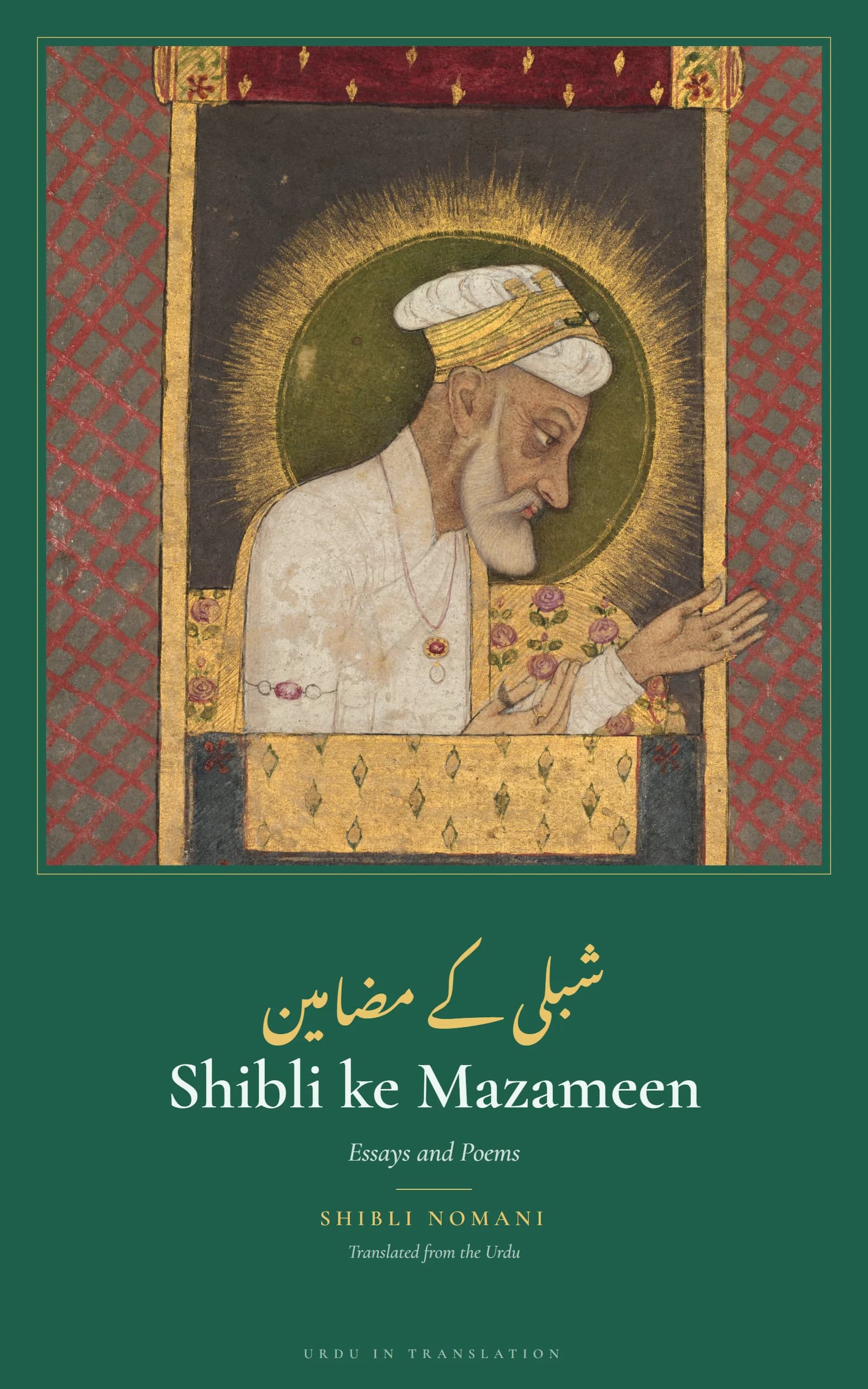
This book gives the Urdu text and a new English translation of four essays and five short poems by Shibli Nomani (1857–1914): "Sir Syed and Urdu Literature", written on Sir Syed Ahmad Khan's death in 1898; "Zeb-un-Nisa", a life of Aurangzeb's scholar daughter drawn from the Persian histories; "Spelling and the Correctness of Words", his reply to a reader's complaint about the Urdu of English-educated writers; "The Reality of Things and the True Beloved", on the teaching of the Sufis; and the poems "Jahangir's Justice", "An Example of Umar's Justice", "Scholars in Prison", "The Maulvis' Pastime of Declaring Unbelief" and "The Muslim League". The title, *Shibli ke Mazameen* ("Shibli's Essays"), has been given to this selection by the present edition; it is not the title of a book published by the author.
اس کتاب میں شبلی نعمانی (۱۸۵۷ء–۱۹۱۴ء) کے چار مضامین اور پانچ مختصر نظموں کا اردو متن اور ان کا نیا انگریزی ترجمہ شامل ہے: ’’سر سید مرحوم اور اردو لٹریچر‘‘، جو ۱۸۹۸ء میں سر سید احمد خاں کی وفات پر لکھا گیا؛ ’’زیب النساء‘‘، فارسی تاریخوں کی مدد سے اورنگ زیب کی عالمہ بیٹی کی سوانح؛ ’’املا اور صحت الفاظ‘‘، انگریزی خواں ادیبوں کی اردو پر ایک قاری کی شکایت کا جواب؛ ’’حقائق اشیا اور معشوق حقیقی‘‘، صوفیہ کی تعلیم پر؛ اور نظمیں ’’عدل جہانگیری‘‘، ’’عدل فاروقی کا ایک نمونہ‘‘، ’’علمائے زندانی‘‘، ’’مولویوں کا شغل تکفیر‘‘ اور ’’مسلم لیگ‘‘۔ ’’شبلی کے مضامین‘‘ کا عنوان اس اشاعت نے اس انتخاب کو دیا ہے؛ یہ مصنف کی شائع کردہ کسی کتاب کا نام نہیں۔
Source of the Urdu text: Urdu Wikisource (ur.wikisource.org), the pages سر سید مرحوم اور اردو لٹریچر، زیب النساء، املا اور صحت الفاظ، حقائق اشیا اور معشوق حقیقی، عدل جہانگیری، عدل فاروقی کا ایک نمونہ، علمائے زندانی، مولویوں کا شغل تکفیر and مسلم لیگ, downloaded in October 2026. Wikisource gives no dates or first printings for these pieces. No scan of an early printing has been found on archive.org. Two further essays on Wikisource, on Muslims and the Braj Bhasha language and on the *Tuhfat-ul-Hind*, are not included here, and neither is Shibli's long essay on the nature of poetry from *Sher-ul-Ajam*.
اردو متن کا ماخذ: اردو ویکی ماخذ (ur.wikisource.org)، صفحات ’’سر سید مرحوم اور اردو لٹریچر‘‘، ’’زیب النساء‘‘، ’’املا اور صحت الفاظ‘‘، ’’حقائق اشیا اور معشوق حقیقی‘‘، ’’عدل جہانگیری‘‘، ’’عدل فاروقی کا ایک نمونہ‘‘، ’’علمائے زندانی‘‘، ’’مولویوں کا شغل تکفیر‘‘ اور ’’مسلم لیگ‘‘، اکتوبر ۲۰۲۶ء میں حاصل کیے گئے۔ ویکی ماخذ ان تحریروں کی تاریخ یا پہلی اشاعت درج نہیں کرتا۔ آرکائیو ڈاٹ آرگ پر کسی قدیم اشاعت کا عکس نہیں ملا۔ ویکی ماخذ کے دو اور مضامین، مسلمانوں اور برج بھاشا پر اور ’’تحفۃ الہند‘‘ پر، یہاں شامل نہیں، اور نہ ’’شعر العجم‘‘ سے شاعری کی حقیقت پر شبلی کا طویل مضمون۔
What is left out and what was changed: nothing of Shibli's text has been left out of the pieces given. On Wikisource most of the essays are printed as one or two long paragraphs, with headings, footnote numbers and Persian verses run into the prose. Here the text has been divided into paragraphs, Shibli's section headings in "Zeb-un-Nisa" are set as headings, his footnote numbers are written (1), (2) and so on, and his notes are gathered at the end of that essay. Persian verses have been set out line by line; where the printed Persian is plainly garbled, a few words have been separated or read in their known form (the details are in the project notes), and doubtful lines are marked with a translator's note.
کیا چھوڑا گیا اور کیا بدلا گیا: جو تحریریں دی گئی ہیں ان میں سے شبلی کا کچھ نہیں چھوڑا گیا۔ ویکی ماخذ پر اکثر مضامین ایک یا دو طویل پیراگراف کی صورت میں ہیں، جن میں سرخیاں، حاشیوں کے نمبر اور فارسی اشعار نثر میں ملے ہوئے ہیں۔ یہاں متن کو پیراگراف میں تقسیم کیا گیا ہے، ’’زیب النساء‘‘ میں شبلی کی ذیلی سرخیاں سرخی کے طور پر لکھی گئی ہیں، حاشیوں کے نمبر (۱)، (۲) وغیرہ کی صورت میں ہیں اور حواشی اس مضمون کے آخر میں جمع کیے گئے ہیں۔ فارسی اشعار سطر بہ سطر لکھے گئے ہیں؛ جہاں چھپی ہوئی فارسی صاف طور پر بگڑی ہوئی ہے وہاں چند الفاظ الگ کیے گئے یا ان کی معروف صورت میں پڑھے گئے ہیں (تفصیل منصوبے کے نوٹس میں ہے)، اور مشکوک سطروں پر مترجم کا نوٹ ہے۔
Copyright: Shibli died in 1914, so his work is in the public domain in Pakistan and India. "Sir Syed and Urdu Literature" was written in 1898 and "Scholars in Prison" in 1913, and the other pieces too belong to his lifetime; but the dates of their first printing are not known, and some may first have been collected in book form after 1930, so their status in the United States should be checked. The English translation is new. Translator's notes are marked [TN: …].
حقوق: شبلی کا انتقال ۱۹۱۴ء میں ہوا، اس لیے ان کی تحریریں پاکستان اور ہندوستان میں عوامی ملکیت میں ہیں۔ ’’سر سید مرحوم اور اردو لٹریچر‘‘ ۱۸۹۸ء میں اور ’’علمائے زندانی‘‘ ۱۹۱۳ء میں لکھی گئی، اور باقی تحریریں بھی ان کی زندگی ہی کی ہیں؛ لیکن ان کی پہلی اشاعت کی تاریخیں معلوم نہیں، اور ممکن ہے کہ بعض ۱۹۳۰ء کے بعد پہلی بار کتابی صورت میں جمع ہوئی ہوں، اس لیے امریکہ میں ان کی حیثیت کی جانچ ہونی چاہیے۔ انگریزی ترجمہ نیا ہے۔ مترجم کے نوٹ [TN: …] کی صورت میں ہیں۔
Names are spelled in one way throughout: Sir Syed, Ghalib, Sahba'i, Azurda, Mir Amman, Maulvi Muhammad Baqir, Muhammad Husain Azad, Hali, Renan, Addison, Steele; Zeb-un-Nisa, Aurangzeb (Alamgir), Dilras Banu Begam, Shah Nawaz Khan, Mulla Sa'id Ashraf Mazandarani, Inayatullah Khan, Prince Akbar, Zinat-un-Nisa, Jahan Ara Begam, Aqil Khan Razi, Nasir Ali, Ni'mat Khan Ali, Saidi Tihrani, Khafi Khan; Attar, Rumi, Sahabi; Nur Jahan, Jahangir, Umar, Ibn Umar.
نام پوری کتاب میں ایک ہی طرح لکھے گئے ہیں: سر سید، غالب، صہبائی، آزردہ، میر امن، مولوی محمد باقر، محمد حسین آزاد، حالی، رینان، اڈیسن، اسٹیل؛ زیب النساء، اورنگ زیب (عالمگیر)، دلرس بانو بیگم، شاہ نواز خاں، ملا سعید اشرف ماژندرانی، عنایت اللہ خاں، شہزادہ اکبر، زینت النساء، جہاں آرا بیگم، عاقل خاں رازی، ناصر علی، نعمت خاں عالی، صیدی طہرانی، خافی خاں؛ عطار، رومی، سحابی؛ نور جہاں، جہانگیر، عمر، ابن عمر۔
Introduction
تعارف
Shibli Nomani was born in 1857 near Azamgarh in eastern India and trained in the traditional Arabic and Persian learning. In 1883 he joined Sir Syed Ahmad Khan's college at Aligarh as a teacher of Arabic and Persian, and there, in the company of Sir Syed and the English scholar Thomas Arnold, he began writing the histories and biographies that made him famous: lives of the Caliph Umar (*al-Faruq*) and of Imam Abu Hanifa, *Sher-ul-Ajam*, a history of Persian poetry, and a comparison of the elegists Anis and Dabir. After Sir Syed's death he moved on to Hyderabad and then to Lucknow, where he led the Nadwat-ul-Ulama, a college meant to join religious learning with modern needs, and he spent his last years on a great life of the Prophet. He died at Azamgarh in 1914.
شبلی نعمانی ۱۸۵۷ء میں مشرقی ہندوستان میں اعظم گڑھ کے قریب پیدا ہوئے اور روایتی عربی و فارسی علوم کی تعلیم پائی۔ ۱۸۸۳ء میں وہ علی گڑھ میں سر سید احمد خاں کے کالج میں عربی اور فارسی کے استاد ہوئے، اور وہیں سر سید اور انگریز عالم ٹامس آرنلڈ کی صحبت میں انہوں نے وہ تاریخیں اور سوانح لکھنی شروع کیں جن سے وہ مشہور ہوئے: حضرت عمر کی سیرت ’’الفاروق‘‘ اور امام ابو حنیفہ کی سوانح، فارسی شاعری کی تاریخ ’’شعر العجم‘‘، اور انیس و دبیر کا موازنہ۔ سر سید کی وفات کے بعد وہ حیدرآباد اور پھر لکھنؤ گئے، جہاں ندوۃ العلما کی رہنمائی کی، جو دینی علوم کو جدید ضرورتوں سے جوڑنے کے لیے قائم ہوا تھا، اور آخری برس سیرت النبی کی عظیم تصنیف میں صرف کیے۔ ۱۹۱۴ء میں اعظم گڑھ میں انتقال کیا۔
The essays here show Shibli in several of his roles. "Sir Syed and Urdu Literature", written in haste while the country mourned, traces modern Urdu prose from the ornate Persianised style of the *Asar-us-Sanadid*, through Ghalib's conversational letters, to Sir Syed's plain and forceful *Tahzib-ul-Akhlaq*; Shibli, who differed from Sir Syed on religion, gives his old master full credit as a writer. "Zeb-un-Nisa" is Shibli the historian, clearing a Mughal princess of the scandals of the bazaar and of European writers by going back to the Persian chronicles and *tazkiras*, and showing her instead as a scholar and a patron of learning. "Spelling and the Correctness of Words" lays down a sensible rule for borrowed words: what the acknowledged masters of the language have accepted is correct, whatever its origin. "The Reality of Things and the True Beloved" explains, with verses from Attar and Rumi, why the Sufis say that the beauty we love in things is only borrowed light.
یہ مضامین شبلی کو ان کی کئی حیثیتوں میں دکھاتے ہیں۔ ’’سر سید مرحوم اور اردو لٹریچر‘‘، جو اس وقت جلدی میں لکھا گیا جب سارا ملک سوگوار تھا، جدید اردو نثر کا سفر ’’آثار الصنادید‘‘ کے پر تکلف فارسی نما انداز سے غالب کے بات چیت والے خطوں کے راستے سر سید کے سادہ اور پر زور ’’تہذیب الاخلاق‘‘ تک دکھاتا ہے؛ شبلی، جنہیں مذہبی مسائل میں سر سید سے اختلاف تھا، ادیب کی حیثیت سے اپنے پرانے استاد کا پورا حق ادا کرتے ہیں۔ ’’زیب النساء‘‘ میں شبلی مؤرخ ہیں، جو فارسی تاریخوں اور تذکروں کی طرف رجوع کر کے ایک مغل شہزادی کو بازاری اور یورپی مصنفوں کے قصوں سے بری کرتے ہیں اور اسے ایک عالمہ اور علم کی سرپرست کے طور پر دکھاتے ہیں۔ ’’املا اور صحت الفاظ‘‘ دخیل الفاظ کے لیے ایک معقول قاعدہ مقرر کرتا ہے: جو کچھ مسلم الثبوت اہل زبان نے قبول کر لیا وہ صحیح ہے، خواہ اس کی اصل کچھ بھی ہو۔ ’’حقائق اشیا اور معشوق حقیقی‘‘ عطار اور رومی کے اشعار سے سمجھاتا ہے کہ صوفیہ کیوں کہتے ہیں کہ چیزوں میں جو حسن ہمیں بھاتا ہے وہ مستعار روشنی ہے۔
Shibli was also a poet, and in his last years he wrote short Urdu poems on public questions. Two retell stories of justice, of the Emperor Jahangir ready to put his own queen to death, and of the Caliph Umar answering a critic before the whole mosque; the others are sharp pieces on the arrest of scholars after the Kanpur mosque affair of 1913, on clerics more eager to call Muslims unbelievers than to preach to Europe, and on the cautious politics of the Muslim League.
شبلی شاعر بھی تھے، اور آخری برسوں میں انہوں نے قومی مسائل پر مختصر اردو نظمیں لکھیں۔ دو نظمیں عدل کی داستانیں ہیں: شہنشاہ جہانگیر کی، جو اپنی ملکہ کو موت کی سزا دینے پر تیار ہے، اور خلیفہ عمر کی، جو بھری مسجد میں ایک نکتہ چیں کو جواب دیتے ہیں؛ باقی نظمیں ۱۹۱۳ء میں کانپور کی مسجد کے واقعے کے بعد علما کی گرفتاری پر، یورپ میں تبلیغ کے بجائے مسلمانوں کی تکفیر میں مصروف مولویوں پر، اور مسلم لیگ کی محتاط سیاست پر تیز نظمیں ہیں۔
What did this chapter leave with you?
Sign in to react
Discussion
No one has spoken yet. Say what this chapter stirred in you.