Глава 1 из 6
About This Edition and Introduction
اس اشاعت کے بارے میں اور تعارف
Коснитесь слова на урду или английском, и появится его значение. Выделите фразу, чтобы увидеть её целиком.
About This Edition
اس اشاعت کے بارے میں
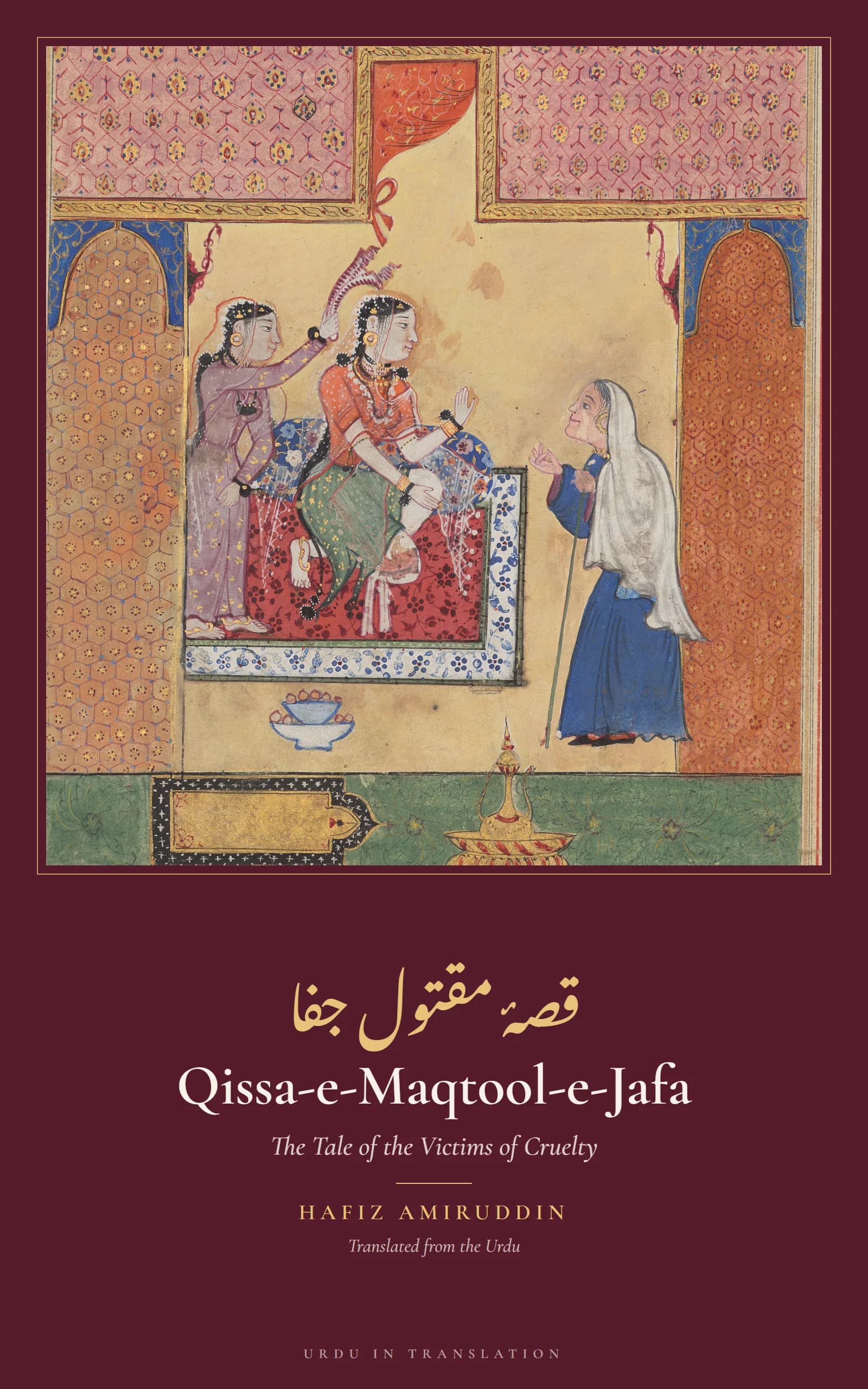
This book gives the complete Urdu text and a new English translation of *Qissa-e-Maqtool-e-Jafa* (The Tale of the Victims of Cruelty) by Hafiz Muhammad Amiruddin, whose pen name was Maani. The author also gave it the chronogram title *Fasana-e-Gham Amud* (A Tale Steeped in Grief). It is a short tragic *dastan* (prose romance) about a king, his four ministers and a wife whose chastity is put to a cruel test.
اس کتاب میں حافظ محمد امیر الدین متخلص بہ معنی کے قصۂ مقتول جفا کا مکمل اردو متن اور اس کا نیا انگریزی ترجمہ دیا گیا ہے۔ مصنف نے اس کا تاریخی نام فسانۂ غم آمود بھی رکھا۔ یہ ایک مختصر المیہ داستان ہے جس میں ایک بادشاہ، اس کے چار وزیروں اور ایک ایسی بیوی کا قصہ ہے جس کی پاک دامنی کا سخت امتحان لیا جاتا ہے۔
Source of the Urdu text: Urdu Wikisource (ur.wikisource.org), the work قصۂ مقتول جفا in five parts: the opening praise, the reason for writing (وجہِ تالیف), the Tale of Wonders (داستان عجوبہ بیان), the Tale of Rare Things (داستان نادر بیان) and the Last Tale (اخیر داستان), downloaded in October 2026. Wikisource names the author as Hafiz Amiruddin Dehlavi. In his own preface he says that he began writing on Sunday, the first of Muharram 1287 AH (about April 1870), taking the story down as his father, Hafiz Ghulam Nizamuddin of Delhi, told it, at the request of Nawab Nabi Bakhsh Khan.
اردو متن کا ماخذ: اردو ویکی ماخذ (ur.wikisource.org) پر قصۂ مقتول جفا، پانچ حصوں میں: حمد و نعت، وجہِ تالیف، داستان عجوبہ بیان، داستان نادر بیان اور اخیر داستان، جو اکتوبر ٢٠٢٦ء میں حاصل کیا گیا۔ ویکی ماخذ پر مصنف کا نام حافظ امیر الدین دہلوی درج ہے۔ مصنف اپنے دیباچے میں لکھتے ہیں کہ انھوں نے یکم محرم ١٢٨٧ھ (تقریباً اپریل ١٨٧٠ء) بروز اتوار نواب نبی بخش خاں کی فرمائش پر یہ قصہ اپنے والد حافظ غلام نظام الدین دہلوی کی زبانی سن کر لکھنا شروع کیا۔
What is left out and what was changed: the whole text is given, in the author's order: the praise of God and the Prophet, the reason for writing, the three tales, the author's praise of his teacher, and the chronogram verses by his teacher Qalaq and by friends and the author himself, all dated 1287 AH. These chronograms belong to the original book and are kept. Only the modern Wikisource header has been left out. The chapter titles follow the author's own section titles; the summary lines at the head of each tale are his own. Very long paragraphs have been divided at sentence ends for easier reading; nothing has been added to the Urdu.
کیا چھوڑا گیا اور کیا بدلا گیا: پورا متن مصنف کی ترتیب سے دیا گیا ہے: حمد و نعت، وجہِ تالیف، تینوں داستانیں، مصنف کی اپنے استاد کی مدح، اور ان کے استاد قلق، دوستوں اور خود مصنف کے قطعات تاریخ، جو سب ١٢٨٧ھ کے ہیں۔ یہ قطعات اصل کتاب کا حصہ ہیں اور باقی رکھے گئے ہیں۔ صرف ویکی ماخذ کا جدید سرنامہ چھوڑا گیا ہے۔ ابواب کے عنوان مصنف ہی کے عنوانات ہیں؛ ہر داستان کے شروع کی خلاصہ سطریں بھی مصنف کی ہیں۔ بہت لمبے پیراگراف پڑھنے کی آسانی کے لیے جملوں کے اختتام پر تقسیم کیے گئے ہیں؛ اردو میں کچھ بڑھایا نہیں گیا۔
Copyright: the book was written in 1870, and the author was a grown man writing in that year, so he died long before 1961. The text is therefore in the public domain in Pakistan, India and the United States. The English translation is new and is made from the Urdu text alone. Translator's notes are marked [TN: …]. Arabic and Persian quotations are translated, with the original language named in brackets. The chronogram verses are translated for their sense; their number values cannot be carried into English.
حقوق: یہ کتاب ١٨٧٠ء میں لکھی گئی اور مصنف اس وقت بالغ تھے، اس لیے ان کی وفات ١٩٦١ء سے بہت پہلے ہوئی۔ چنانچہ یہ متن پاکستان، ہندوستان اور امریکہ میں عوامی ملکیت ہے۔ انگریزی ترجمہ نیا ہے اور صرف اردو متن سے کیا گیا ہے۔ مترجم کے حواشی [TN: …] سے ظاہر کیے گئے ہیں۔ عربی اور فارسی اقتباسات کا ترجمہ کیا گیا ہے اور قوسین میں اصل زبان کا نام لکھا گیا ہے۔ قطعات تاریخ کا ترجمہ مفہوم کے اعتبار سے کیا گیا ہے؛ ان کے اعداد انگریزی میں منتقل نہیں ہو سکتے۔
Names are given in one spelling throughout: Sultan Bakht; Mas'ud Ali Khan; Nawab Nabi Bakhsh Khan; Hafiz Ghulam Nizamuddin; Mir Amjad Ali Qalaq; Munshi Muhammad Ishaq; Farhat; Wasfi; Tansen; Baiju Bawra; Sialkot; Kadaura; Delhi. The ministers are called the First, Second, Third and Fourth Minister, as in the Urdu. Urdu, Persian and Arabic terms kept in the English are printed in italics, explained where they first appear, and listed in the glossary at the end of the book.
نام پورے ترجمے میں ایک ہی املا سے لکھے گئے ہیں: سلطان بخت؛ مسعود علی خاں؛ نواب نبی بخش خاں؛ حافظ غلام نظام الدین؛ میر امجد علی قلق؛ منشی محمد اسحاق؛ فرحت؛ وصفی؛ تان سین؛ بیجو باورا؛ سیالکوٹ؛ کدورہ؛ دلی۔ وزیروں کو اردو کی طرح وزیر اول، دوم، سوم اور چہارم کہا گیا ہے۔ انگریزی میں باقی رکھے گئے اردو، فارسی اور عربی الفاظ ترچھے حروف میں ہیں، پہلی بار آنے پر ان کی وضاحت کی گئی ہے، اور کتاب کے آخر میں فرہنگ میں درج ہیں۔
Introduction
تعارف
The story begins at the court of a king who asks his four ministers whether any of them has known a woman who is beautiful, skilled in music, learned and chaste all at once. Three ministers say that no such woman exists; the Fourth Minister, Mas'ud Ali Khan, says that his own wife has all four qualities. The First Minister, jealous of him, wagers his life that he can ruin her, and the king gives him six months.
قصہ ایک بادشاہ کے دربار سے شروع ہوتا ہے جو اپنے چار وزیروں سے پوچھتا ہے کہ کیا کسی نے ایسی عورت دیکھی ہے جو خوبصورت بھی ہو، موسیقی میں کامل بھی، قابل بھی اور پاک دامن بھی۔ تین وزیر کہتے ہیں کہ ایسی عورت ہوتی ہی نہیں؛ وزیر چہارم مسعود علی خاں کہتا ہے کہ اس کی بیوی میں یہ چاروں صفتیں ہیں۔ وزیر اول حسد سے اپنی جان کی بازی لگاتا ہے کہ وہ اس عورت کو خراب کر دے گا، اور بادشاہ اسے چھ مہینے کی مہلت دیتا ہے۔
The middle of the book follows the First Minister to his rival's city, where he hires an old procuress, a master of disguise and portraiture. She cannot get past the guarded doors, so she travels to the wife's parents' home in Sialkot, learns everything about the family, and returns in the form of the wife's own mother. In that guise she paints the wife in secret and coaxes from her the husband's ring and dagger and her own jewels. With these false proofs the First Minister shames the Fourth Minister before the king, and the innocent husband is sent home a prisoner to await death.
کتاب کا درمیانی حصہ وزیر اول کو اس کے حریف کے شہر لے جاتا ہے، جہاں وہ ایک بوڑھی کٹنی کو نوکر رکھتا ہے جو بہروپ اور مصوری میں استاد ہے۔ وہ پہرے دار دروازوں سے آگے نہیں جا پاتی، اس لیے بیوی کے میکے سیالکوٹ جاتی ہے، گھر کا سارا حال معلوم کرتی ہے، اور بیوی کی ماں کی صورت بن کر لوٹتی ہے۔ اسی بھیس میں وہ چپکے سے بیوی کی تصویریں بناتی ہے اور اس سے شوہر کی انگوٹھی اور پیش قبض اور اس کے اپنے زیور لے لیتی ہے۔ ان جھوٹے ثبوتوں سے وزیر اول بادشاہ کے سامنے وزیر چہارم کو رسوا کرتا ہے، اور بے گناہ شوہر قیدی بنا کر گھر بھیجا جاتا ہے کہ پھر قتل ہو۔
In the last tale the wife, divorced and disgraced, takes her fate into her own hands. She comes to court as a singing girl, wins the king's oath to grant her wish, and traps the First Minister between his two written bonds until the truth comes out. The tale ends in death and mourning, with a lesson against boasting and a long portrait in verse of the heroine's beauty. The author's praise of his teacher Qalaq and the closing chronograms give a picture of a circle of Urdu poets in Kadaura in 1870.
آخری داستان میں بیوی، طلاق یافتہ اور بدنام، اپنی قسمت اپنے ہاتھ میں لیتی ہے۔ وہ گانے والی بن کر دربار میں آتی ہے، بادشاہ سے قسم لے لیتی ہے کہ اس کی مراد پوری ہوگی، اور وزیر اول کو اس کے دو تحریری مچلکوں کے بیچ ایسا پھنساتی ہے کہ سچ کھل جاتا ہے۔ قصہ موت اور ماتم پر ختم ہوتا ہے، جس کے ساتھ دعوے اور غرور کے خلاف نصیحت اور وزیر کی بیوی کے حسن کا منظوم سراپا ہے۔ مصنف کی اپنے استاد قلق کی مدح اور آخر کے قطعات تاریخ ١٨٧٠ء میں کدورہ کے اردو شاعروں کے ایک حلقے کی تصویر پیش کرتے ہیں۔
Что оставила в вас эта глава?
Войдите, чтобы отреагировать
Обсуждение
Пока никто не высказался. Расскажите, что всколыхнула в вас эта глава.