第 1 章,共 10 章
About This Edition and Introduction
اس اشاعت کے بارے میں اور تعارف
点一个词,乌尔都语或英语,释义即现。选中一个短语可整体查看。
About This Edition
اس اشاعت کے بارے میں
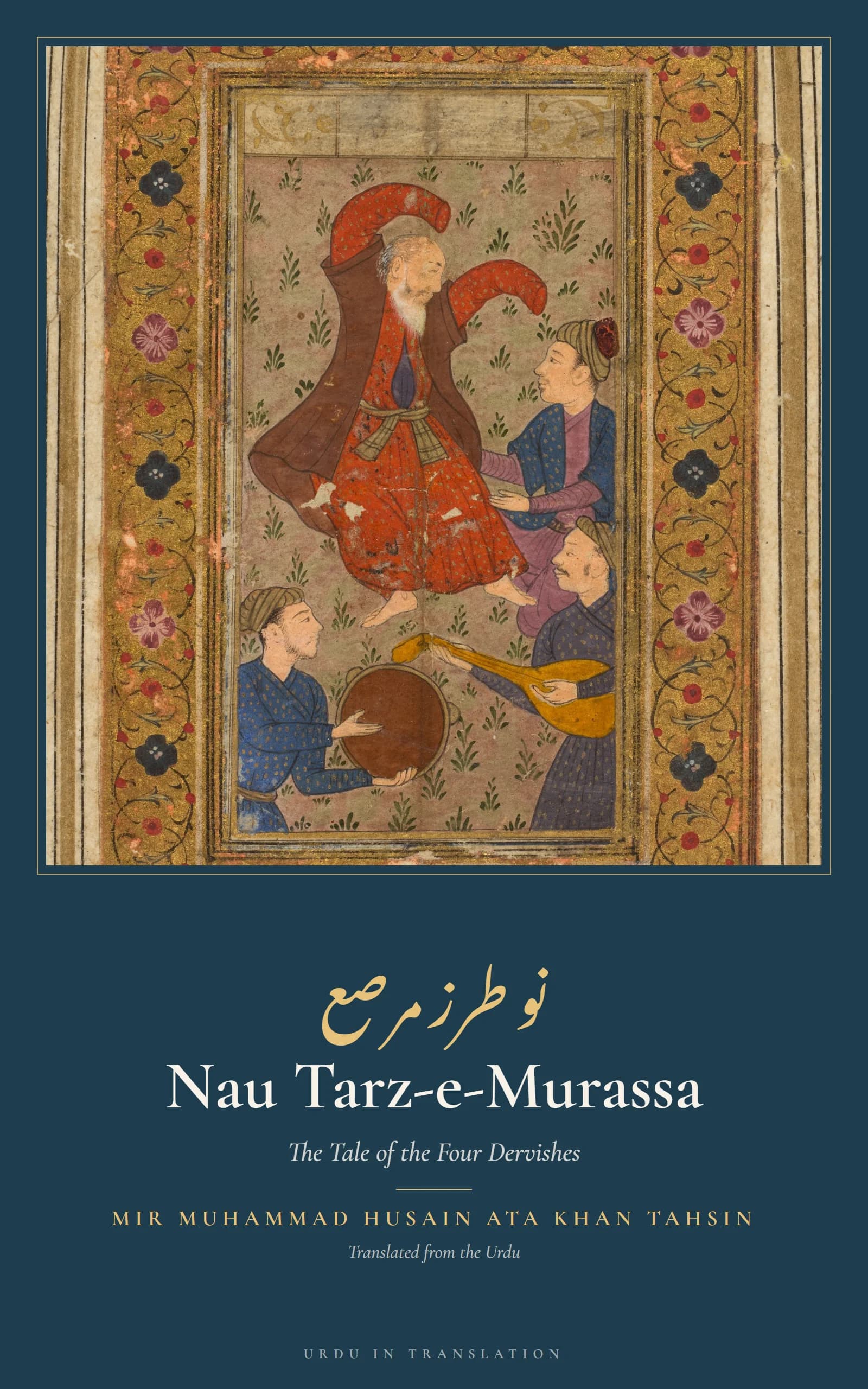
This book gives the complete Urdu text and a new English translation of *Nau Tarz-e-Murassa* ("The New Jewelled Style") by Mir Muhammad Husain Ata Khan Tahsin, his Urdu telling of the *Qissa-e-Chahar Darvesh*, the Tale of the Four Dervishes. It begins with the author's own preface, in which he names his father, his teacher and his patrons and explains how he came to write the book, and it ends with the four dervishes and King Farkhunda Siyar each gaining his heart's desire.
اس کتاب میں میر محمد حسین عطا خاں تحسین کی ’’نو طرز مرصع‘‘ کا مکمل اردو متن اور اس کا نیا انگریزی ترجمہ پیش کیا گیا ہے۔ یہ ’’قصۂ چہار درویش‘‘ کی اردو داستان ہے۔ کتاب مصنف کے اپنے دیباچے سے شروع ہوتی ہے، جس میں وہ اپنے والد، استاد اور سرپرستوں کا ذکر کرتے اور کتاب لکھنے کا سبب بیان کرتے ہیں، اور اس پر ختم ہوتی ہے کہ چاروں درویش اور بادشاہ فرخندہ سیر اپنی اپنی مراد کو پہنچتے ہیں۔
Source of the Urdu text: Urdu Wikisource (ur.wikisource.org), the page نو طرز مرصع and its six section pages (the preface, the beginning of the tale, the stories of the second and third dervishes, the story of the king, and the story of the fourth dervish), downloaded in October 2026. The text runs from the opening praise of God to the closing prayer that the wishes of the broken-hearted be granted.
اردو متن کا ماخذ: اردو ویکی ماخذ (ur.wikisource.org) کا صفحہ نو طرز مرصع اور اس کے چھ ذیلی صفحات (دیباچہ، آغاز قصہ، قصہ درویش دوم، قصہ درویش سوم، بیان قصہ بادشاہ فرخ سیر اور بیان سرگذشت درویش چہارم)، جو اکتوبر ٢٠٢٦ء میں حاصل کیے گئے۔ متن آغاز کی حمد سے آخری دعا تک ہے کہ خستہ دلوں کی دعا قبول ہو۔
What is left out and what was changed: every part of the author's text is given, in his order. Two long section pages are each split in two so that the book is easier to read online: the first dervish's tale is split where the queen begins her own story, and the king's tale is split where the merchant Khwaja Sag-parast begins his; the author's own story titles are used as headings. The small marks that the online text put beside verse fragments, repeated title lines, and two slips of punctuation inside words have been removed, and verse lines that the online text had broken apart are joined back into couplets and five-line stanzas. Nothing modern has been added to the Urdu.
کیا چھوڑا گیا اور کیا بدلا گیا: مصنف کے متن کا ہر حصہ انھی کی ترتیب سے دیا گیا ہے۔ آن لائن پڑھنے کی آسانی کے لیے دو طویل صفحات دو دو حصوں میں بانٹے گئے ہیں: پہلے درویش کا قصہ وہاں سے الگ کیا گیا جہاں ملکہ اپنی سرگذشت شروع کرتی ہے، اور بادشاہ کا قصہ وہاں سے جہاں خواجہ سگ پرست اپنا حال سناتا ہے؛ عنوان مصنف ہی کے ہیں۔ آن لائن متن میں قطعات کے ساتھ لگے چھوٹے نشان، دہرائے گئے عنوان اور لفظوں کے بیچ آ جانے والے دو غلط وقفے ہٹا دیے گئے ہیں، اور جو مصرعے الگ الگ ہو گئے تھے انھیں پھر سے شعروں اور مخمس کے بندوں میں جوڑ دیا گیا ہے۔ اردو متن میں کوئی جدید اضافہ نہیں کیا گیا۔
Copyright: Tahsin wrote in the second half of the eighteenth century, in the service of the Nawabs of Awadh, and presented this book to Nawab Asaf-ud-Daula, so his text is in the public domain in Pakistan, India and the United States. The English translation is new. Translator's notes are marked [TN: …]. Persian and Arabic verses and sayings are translated, with the language noted in square brackets; the many verses in Braj Bhasha (*kabit* and *doha*) are rendered loosely, since some lines are obscure in the source.
حقِ اشاعت: تحسین نے اٹھارویں صدی کے نصفِ آخر میں نوابانِ اودھ کی ملازمت میں لکھا اور یہ کتاب نواب آصف الدولہ کی نذر کی، اس لیے ان کا متن پاکستان، ہندوستان اور امریکہ میں عوامی ملکیت میں ہے۔ انگریزی ترجمہ نیا ہے۔ مترجم کے حواشی [TN: …] سے ظاہر کیے گئے ہیں۔ فارسی اور عربی اشعار و اقوال کا ترجمہ کیا گیا ہے اور زبان کا نام قوسین میں لکھا گیا ہے؛ برج بھاشا کے کبت اور دوہے آزادانہ ترجمہ کیے گئے ہیں کیونکہ ماخذ میں بعض مصرعے مبہم ہیں۔
Names are spelled in one way throughout: Farkhunda Siyar (king of Rum), Khiradmand (his vizier), Bakhtiyar (his son), Malik Shahbal son of Shahrukh (king of the fairies), Malik Sadiq (king of the jinn), Mubarak, Behzad Khan, Nu'man the travelling merchant, Khwaja Sag-parast, Bedar Bakht, Bahrawar, Kaikhusrau, Shidi Bahar, Yusuf the jeweller; the places Rum, Damascus, Basra, Fars, Nimroz, Ajam, Farang, Chin, Zirabad and Nishapur. A glossary of the Urdu, Persian and Arabic terms kept in the translation is given at the end.
ناموں کا ایک ہی املا رکھا گیا ہے: فرخندہ سیر (روم کا بادشاہ)، خردمند (اس کا وزیر)، بختیار (اس کا بیٹا)، ملک شہبال بن شاہ رخ (پریوں کا بادشاہ)، ملک صادق (جنوں کا بادشاہ)، مبارک، بہزاد خاں، نعمان سیاح تاجر، خواجہ سگ پرست، بیدار بخت، بہرہ ور، کیخسرو، شیدی بہار، یوسف جوہری؛ اور مقامات روم، دمشق، بصرہ، فارس، نیمروز، عجم، فرنگ، چین، زیر آباد اور نیشاپور۔ ترجمے میں باقی رکھے گئے اردو، فارسی اور عربی الفاظ کی فرہنگ آخر میں دی گئی ہے۔
Introduction
تعارف
The Tale of the Four Dervishes is one of the best-loved story cycles of Persian and Urdu. A king of Rum who has no son goes out by night in despair and comes upon four dervishes sitting by a lamp in a graveyard. Each tells the strange adventure that has brought him there, of love, loss, betrayal and loyalty, and the king, listening in hiding, tells his own tale in turn. In the end the king of the fairies gathers every lost beloved from the corners of the world, the lovers are married, and the king is granted the son he longed for.
’’قصۂ چہار درویش‘‘ فارسی اور اردو کی محبوب ترین داستانوں میں سے ہے۔ روم کا ایک بے اولاد بادشاہ مایوس ہو کر رات کو نکلتا ہے اور ایک قبرستان میں چراغ کے گرد بیٹھے چار درویشوں کو پاتا ہے۔ ہر درویش وہ عجیب سرگذشت سناتا ہے جو اسے یہاں تک لائی: عشق، فراق، بے وفائی اور وفاداری کی کہانیاں؛ اور بادشاہ چھپ کر سنتا ہے اور پھر اپنی کہانی بھی سناتا ہے۔ آخر میں پریوں کا بادشاہ دنیا کے کونے کونے سے ہر بچھڑے ہوئے محبوب کو جمع کرتا ہے، عاشقوں کی شادیاں ہوتی ہیں اور بادشاہ کو وہ بیٹا ملتا ہے جس کی اسے آرزو تھی۔
In his preface Tahsin tells us that he was the son of Mir Muhammad Baqir Khan Shauq, that he studied with Ijaz Raqam Khan, and that he had already written works in Persian, among them *Insha-e-Tahsin*, *Zawabit-e-Angrezi* and *Tawarikh-e-Qasimi*. He says the idea of putting the tale into Urdu came to him on a boat journey to Calcutta in the company of General Smith, that he later served at Azimabad and with Nawab Shuja-ud-Daula at Faizabad, and that he finished the book and dedicated it, with a *qasida*, to Nawab Asaf-ud-Daula.
دیباچے میں تحسین بتاتے ہیں کہ وہ میر محمد باقر خاں شوق کے بیٹے تھے، اعجاز رقم خاں سے تعلیم پائی، اور اس سے پہلے فارسی میں کتابیں لکھ چکے تھے جن میں ’’انشاے تحسین‘‘، ’’ضوابط انگریزی‘‘ اور ’’تواریخ قاسمی‘‘ شامل ہیں۔ وہ کہتے ہیں کہ یہ قصہ اردو میں لکھنے کا خیال انھیں جنرل اسمتھ کے ساتھ کلکتے کے کشتی کے سفر میں آیا، بعد میں وہ عظیم آباد میں اور فیض آباد میں نواب شجاع الدولہ کی خدمت میں رہے، اور کتاب مکمل کر کے ایک قصیدے کے ساتھ نواب آصف الدولہ کی نذر کی۔
*Nau Tarz-e-Murassa* is one of the earliest works of literary Urdu prose from northern India. Its style is just what its name promises: ornate, rhymed and packed with Persian figures of speech, with verses by Tahsin himself, Sauda, Abru, Hasrat, Yaqin and others set into almost every page. A generation later, at Fort William College in Calcutta, Mir Amman retold the same tale in plain everyday speech as *Bagh-o-Bahar*, and he names Tahsin's book in his preface as the one he worked from. Read side by side, the two books show how Urdu prose moved from the jewelled style to the spoken one.
’’نو طرز مرصع‘‘ شمالی ہند کی ادبی اردو نثر کی اولین کتابوں میں سے ہے۔ اس کا انداز ویسا ہی ہے جیسا نام سے ظاہر ہے: مرصع، مقفیٰ اور فارسی صنائع سے بھرا ہوا، اور تقریباً ہر صفحے پر خود تحسین، سودا، آبرو، حسرت، یقین اور دوسروں کے اشعار جڑے ہوئے ہیں۔ ایک نسل بعد کلکتے کے فورٹ ولیم کالج میں میر امن نے یہی قصہ سادہ روزمرہ زبان میں ’’باغ و بہار‘‘ کے نام سے لکھا اور اپنے دیباچے میں تحسین کی اسی کتاب کو اپنا ماخذ بتایا۔ دونوں کتابوں کو ساتھ پڑھیں تو دکھائی دیتا ہے کہ اردو نثر مرصع انداز سے بول چال کے انداز تک کیسے پہنچی۔
这一章在你心里留下了什么?
登录后参与
讨论
还没有人开口。说说这一章触动了你什么。