Chapter 1 of 14
About This Edition and Introduction
اس اشاعت کے بارے میں اور تعارف
Tap a word, Urdu or English, and its meaning appears. Select a phrase to see it whole.
About This Edition
اس اشاعت کے بارے میں
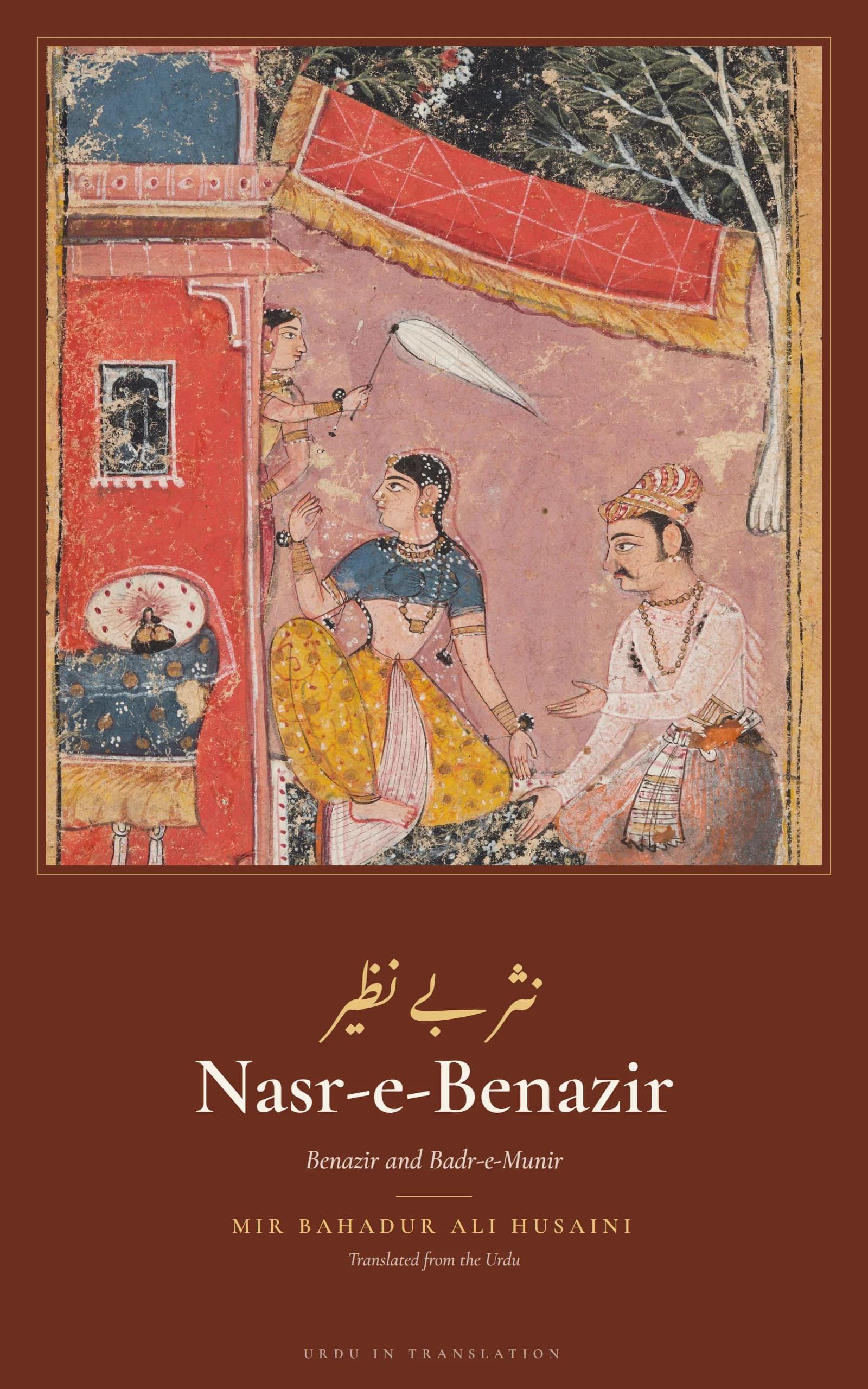
This book gives the complete Urdu text and a new English translation of *Nasr-e-Benazir* ("Benazir in Prose") by Mir Bahadur Ali Husaini. It is a prose retelling of *Sihr-ul-Bayan* ("The Magic of Eloquence"), the famous *masnavi* of Mir Hasan of Delhi, which tells the love story of Prince Benazir and Princess Badr-e-Munir.
اس کتاب میں میر بہادر علی حسینی کی ’’نثر بے نظیر‘‘ کا مکمل اردو متن اور اس کا نیا انگریزی ترجمہ پیش کیا گیا ہے۔ یہ میر حسن دہلوی کی مشہور مثنوی ’’سحر البیان‘‘ کی نثر میں بازگوئی ہے، جس میں شہزادہ بے نظیر اور شہزادی بدرِ منیر کے عشق کی داستان ہے۔
Source of the Urdu text: Urdu Wikisource (ur.wikisource.org), the page نثر بے نظیر and its section pages, downloaded in October 2026. The title page says that the book was written for the New College (the College of Fort William, Calcutta) by order of John Gilchrist, in the time of the Governor General the Marquess Wellesley, and printed in 1803 (1218 AH) at the Hindustani Press of Munshi Aftab-ud-Din.
اردو متن کا ماخذ: اردو ویکی ماخذ (ur.wikisource.org) کا صفحہ نثر بے نظیر اور اس کے حصے، جو اکتوبر ٢٠٢٦ء میں حاصل کیے گئے۔ سرورق کے مطابق یہ کتاب گورنر جنرل مارکویس ولزلی کے عہد میں جان گلکرسٹ کے حکم سے مدرسۂ جدید (کلکتہ کا فورٹ ولیم کالج) کے لیے لکھی گئی، اور ١٨٠٣ء (١٢١٨ھ) میں منشی آفتاب الدین کے ہندوستانی چھاپے خانے میں چھپی۔
What is left out and what was changed: every part of the author's text is given, in his order, including the title page. The section titles are the author's own opening lines. Each two sections of the source make one chapter here. The verse lines, which the online text sets one per line, have been paired into couplets, the verse markers have been removed, and some very long paragraphs have been divided. Nothing modern has been added to the Urdu.
کیا چھوڑا گیا اور کیا بدلا گیا: مصنف کے متن کا ہر حصہ، سرورق سمیت، انھی کی ترتیب سے دیا گیا ہے۔ ابواب کے عنوان مصنف ہی کے ابتدائی جملے ہیں۔ ماخذ کے ہر دو حصوں کو یہاں ایک باب بنایا گیا ہے۔ اشعار کے مصرعے، جو آن لائن متن میں الگ الگ سطروں میں ہیں، شعروں کی صورت میں جوڑ دیے گئے، شعر کی علامتیں ہٹا دی گئیں، اور کچھ بہت لمبے پیراگراف تقسیم کیے گئے۔ اردو متن میں کوئی جدید چیز شامل نہیں کی گئی۔
Copyright: the book was written in 1802 and printed in 1803, and the author's death falls long before 1961. The text is therefore in the public domain in Pakistan, India and the United States. The English translation is new. Translator's notes are marked [TN: …]. Persian and Arabic verses and phrases are translated, with the language noted in square brackets. Many of the author's verses are taken from Mir Hasan's poem; they are translated line for line, for sense rather than rhyme.
حق اشاعت: یہ کتاب ١٨٠٢ء میں لکھی گئی اور ١٨٠٣ء میں چھپی، اور مصنف کی وفات ١٩٦١ء سے بہت پہلے ہوئی۔ اس لیے یہ متن پاکستان، ہندوستان اور امریکہ میں عوامی ملکیت میں ہے۔ انگریزی ترجمہ نیا ہے۔ مترجم کے حواشی [TN: …] سے ظاہر کیے گئے ہیں۔ فارسی اور عربی اشعار اور فقروں کا ترجمہ کیا گیا ہے اور زبان کا نام قوسین میں دیا گیا ہے۔ مصنف کے بہت سے اشعار میر حسن کی مثنوی سے لیے گئے ہیں؛ ان کا ترجمہ مصرع بہ مصرع کیا گیا ہے، قافیے کے بجائے مطلب کا لحاظ رکھ کر۔
Names are spelled in one way throughout: Benazir; Badr-e-Munir; Najm-un-Nisa, the vizier's daughter; Mah Rukh the fairy; Firoz Shah, prince of the jinn; Mas'ud Shah, king of Sarandip; Ishq Bai; the horse Falak Sair; Mir Hasan; Fairyland (Paristan); Mount Qaf. A glossary of the Urdu, Persian, Arabic and Hindi terms kept in the translation is given at the end.
ناموں کا املا پوری کتاب میں ایک رکھا گیا ہے: بے نظیر؛ بدرِ منیر؛ نجم النسا، وزیر کی بیٹی؛ ماہ رخ پری؛ فیروز شاہ، جنوں کا شہزادہ؛ مسعود شاہ، سراندیپ کا بادشاہ؛ عشق بائی؛ گھوڑا فلک سیر؛ میر حسن؛ پرستان؛ کوہ قاف۔ ترجمے میں باقی رکھے گئے اردو، فارسی، عربی اور ہندی الفاظ کی فرہنگ آخر میں دی گئی ہے۔
Introduction
تعارف
Mir Hasan's *Sihr-ul-Bayan*, written in the late eighteenth century, is one of the best-loved long poems in Urdu. At the College of Fort William in Calcutta, founded to teach the languages of India to the East India Company's officers, John Gilchrist set Indian writers to produce readable prose books in Urdu. Mir Bahadur Ali Husaini, writing for the college, retold Mir Hasan's story in prose, and his preface dates the work to 1217 AH (1802), in the reign of the emperor Shah 'Alam. He tells us that he had already written the same story in an easy style for beginners, and that this version is in the idiom of polite speech.
میر حسن کی ’’سحر البیان‘‘، جو اٹھارہویں صدی کے آخر میں لکھی گئی، اردو کی سب سے مقبول طویل نظموں میں سے ہے۔ کلکتہ کا فورٹ ولیم کالج ایسٹ انڈیا کمپنی کے افسروں کو ہندوستان کی زبانیں سکھانے کے لیے قائم ہوا تھا، اور وہاں جان گلکرسٹ نے ہندوستانی اہل قلم سے اردو کی آسان پڑھی جانے والی نثری کتابیں لکھوائیں۔ میر بہادر علی حسینی نے کالج کے لیے میر حسن کی داستان کو نثر میں لکھا، اور ان کے دیباچے کے مطابق یہ کام شاہ عالم بادشاہ کے عہد میں ١٢١٧ھ (١٨٠٢ء) میں ہوا۔ وہ بتاتے ہیں کہ اس سے پہلے وہ یہی قصہ مبتدیوں کے لیے آسان زبان میں لکھ چکے تھے، اور یہ نسخہ فصیح محاورے میں ہے۔
The story is a fairy tale. A long-awaited prince, Benazir, is carried off from his father's palace roof by the fairy Mah Rukh, who falls in love with him. She lets him ride out each night on a flying horse, and so he finds the garden of Princess Badr-e-Munir. The two fall in love, the jealous fairy shuts him in a well, and Badr-e-Munir's friend Najm-un-Nisa goes out as a wandering *jogan* to look for him. Her music wins the heart of Firoz Shah, a prince of the jinn, who finds and frees Benazir, and the tale ends with two weddings and a homecoming.
یہ داستان پریوں کی کہانی ہے۔ مدتوں کی آرزو کے بعد پیدا ہونے والے شہزادے بے نظیر کو ماہ رخ پری، جو اس پر عاشق ہو جاتی ہے، باپ کے محل کی چھت سے اڑا لے جاتی ہے۔ وہ اسے ہر رات اڑنے والے گھوڑے پر سیر کو جانے دیتی ہے، اور یوں وہ شہزادی بدرِ منیر کے باغ میں جا پہنچتا ہے۔ دونوں میں عشق ہو جاتا ہے، حاسد پری اسے کنویں میں قید کر دیتی ہے، اور بدرِ منیر کی سہیلی نجم النسا جوگن بن کر اسے ڈھونڈنے نکلتی ہے۔ اس کی بین جنوں کے شہزادے فیروز شاہ کا دل جیت لیتی ہے، جو بے نظیر کو ڈھونڈ کر چھڑاتا ہے، اور قصہ دو شادیوں اور گھر واپسی پر ختم ہوتا ہے۔
The author keeps the shape of the poem but expands it in rhymed, ornate prose, and he quotes Mir Hasan's couplets, other verses and many proverbs along the way. His long descriptions of gardens, jewels, music, feasts and weddings are a rich record of the courtly life of North India in his time. The translation follows his text closely, his wordplay included, with notes where a pun or a custom needs explaining.
مصنف نے مثنوی کا ڈھانچا برقرار رکھا ہے مگر اسے مقفیٰ اور مرصع نثر میں پھیلایا ہے، اور راہ میں میر حسن کے اشعار، دوسرے اشعار اور بہت سی کہاوتیں نقل کی ہیں۔ باغوں، زیوروں، موسیقی، دعوتوں اور شادیوں کے ان کے طویل بیانات اپنے زمانے کی شمالی ہندوستان کی درباری زندگی کا قیمتی ریکارڈ ہیں۔ ترجمہ ان کے متن کے قریب رہا ہے، ان کی لفظی رعایتوں سمیت، اور جہاں کسی رعایت یا رسم کی وضاحت ضروری تھی وہاں حاشیہ دیا گیا ہے۔
What did this chapter leave with you?
Sign in to react
Discussion
No one has spoken yet. Say what this chapter stirred in you.