Chapter 1 of 13
About This Edition and Introduction
اس اشاعت کے بارے میں اور تعارف
Tap a word, Urdu or English, and its meaning appears. Select a phrase to see it whole.
About This Edition
اس اشاعت کے بارے میں
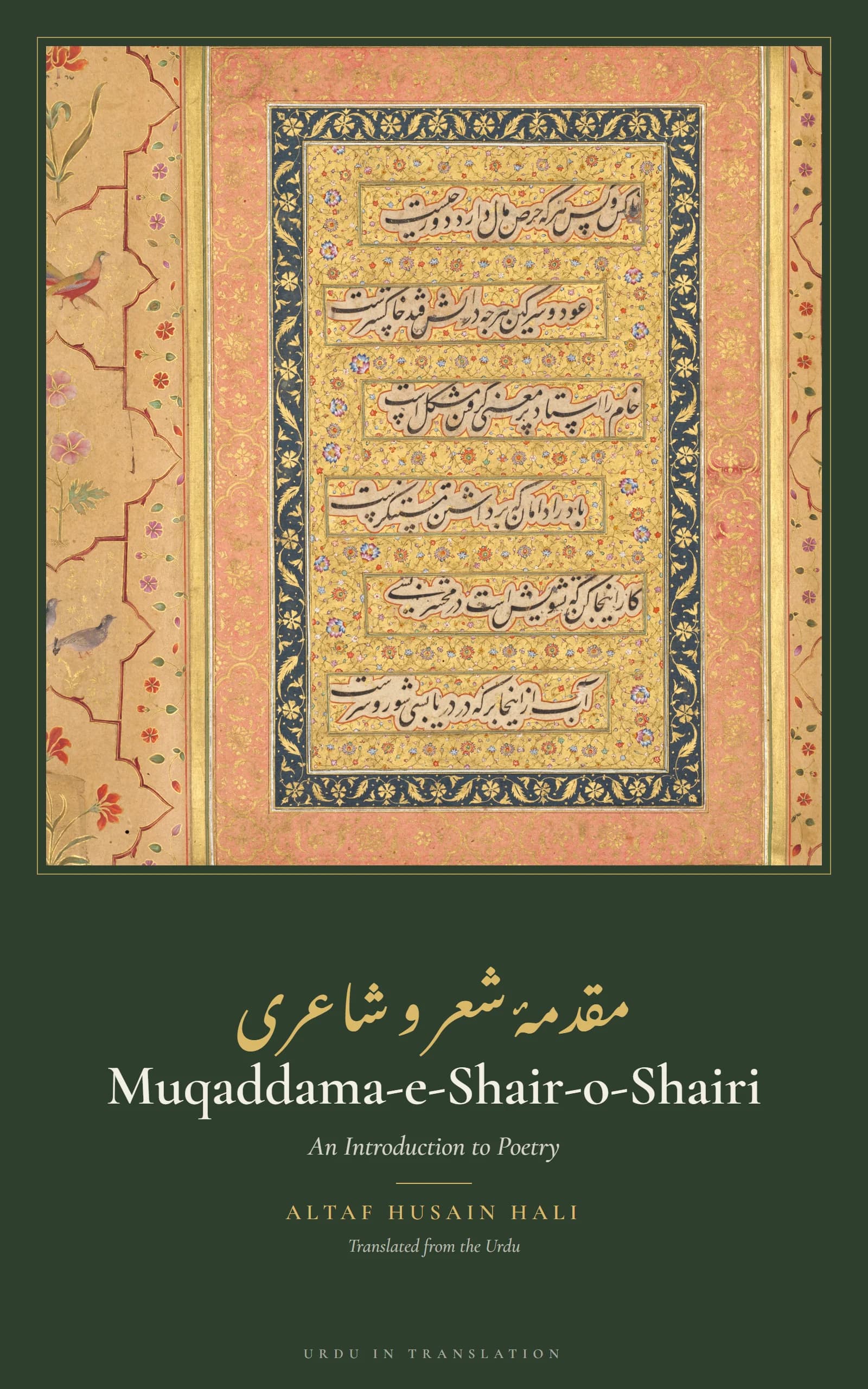
This is a complete Urdu text and English translation of *Muqaddama-e-Shair-o-Shairi* ("An Introduction to Poetry and the Art of Poetry") by Khwaja Altaf Husain Hali (1837–1914).
یہ خواجہ الطاف حسین حالیؔ (۱۸۳۷ء تا ۱۹۱۴ء) کے "مقدمۂ شعر و شاعری" کا مکمل اردو متن اور انگریزی ترجمہ ہے۔
Source of the Urdu text: *Muqaddama-e-Dīwān-e-Hālī*, the first edition, printed in Delhi in 1893 as the introduction to Hali's collected Urdu poems; the copy in the Allama Iqbal Library, University of Kashmir, scanned by the Digital Library of India and freely available on the Internet Archive (archive.org/details/dli.ernet.446421). The text was transcribed page by page from the scan for this edition.
اردو متن کا ماخذ: "مقدمۂ دیوان حالی"، پہلی اشاعت، جو ۱۸۹۳ء میں دہلی میں حالی کے اردو دیوان کے مقدمے کے طور پر چھپی؛ علامہ اقبال لائبریری، کشمیر یونیورسٹی کا نسخہ، جسے ڈیجیٹل لائبریری آف انڈیا نے اسکین کیا اور جو انٹرنیٹ آرکائیو پر مفت دستیاب ہے (archive.org/details/dli.ernet.446421)۔ اس اشاعت کے لیے متن اسکین سے صفحہ بہ صفحہ نقل کیا گیا ہے۔
What is left out: the calligrapher's colophon at the end of the printing, and a few names of poets added by hand in the margins of the scanned copy, which are not part of the printed text. Hali's own text is given complete, together with his footnotes, which are listed at the end of each chapter. Paragraphs have sometimes been divided more often than in the printing, to make the facing translation easier to follow. The headings of the printing are kept; the chapter divisions follow them.
جو شامل نہیں: طباعت کے آخر میں کاتب کا ترقیمہ، اور اسکین شدہ نسخے کے حاشیوں پر ہاتھ سے لکھے ہوئے چند شاعروں کے نام، جو چھپے ہوئے متن کا حصہ نہیں۔ حالی کا اپنا متن ان کے حواشی سمیت مکمل دیا گیا ہے؛ حواشی ہر باب کے آخر میں درج ہیں۔ ترجمے کے ساتھ ملا کر پڑھنے کی سہولت کے لیے کہیں کہیں پیراگراف طباعت سے زیادہ کیے گئے ہیں۔ طباعت کی سرخیاں باقی رکھی گئی ہیں اور ابواب انھی کے مطابق ہیں۔
Quotations: Hali quotes verse and prose in Persian and Arabic as well as Urdu. All of these are translated into English, and the originals stand in the facing Urdu column. Where the printing has an evident slip, or a reading of the scan is uncertain, the text is given as printed and a translator's note says so. Unreadable words are marked [illegible].
اقتباسات: حالی نے اردو کے علاوہ فارسی اور عربی نظم و نثر کے اقتباسات بھی دیے ہیں۔ ان سب کا انگریزی ترجمہ کیا گیا ہے، اور اصل عبارتیں مقابل کے اردو کالم میں موجود ہیں۔ جہاں طباعت میں صریح سہو ہے یا اسکین کی کوئی قرأت مشکوک ہے، وہاں متن جیسا چھپا ہے ویسا ہی دیا گیا ہے اور مترجم کے نوٹ میں اس کی وضاحت کر دی گئی ہے۔ ناخواندہ الفاظ کی جگہ [illegible] لکھا گیا ہے۔
Copyright: Hali died in 1914, and the work was first published in 1893, so it is in the public domain everywhere. The English translation is new.
حق اشاعت: حالی کا انتقال ۱۹۱۴ء میں ہوا اور یہ تصنیف پہلی بار ۱۸۹۳ء میں چھپی، اس لیے یہ ہر جگہ عوامی ملکیت میں ہے۔ انگریزی ترجمہ نیا ہے۔
Introduction
تعارف
Altaf Husain Hali was born in Panipat in 1837. He was a pupil of Ghalib and for some years a companion of Mustafa Khan Shefta, and later a close ally of Sir Sayyid Ahmad Khan in the movement for Muslim educational reform. In the early 1870s he worked in Lahore at the Government Book Depot, revising Urdu translations of English books, and there he took part in the "new poetry" gatherings organised by Muhammad Husain Azad, at which poets recited poems on set natural subjects instead of the traditional *ghazal*. His long poem *Musaddas* (1879) made him the poet of the reform movement.
الطاف حسین حالی ۱۸۳۷ء میں پانی پت میں پیدا ہوئے۔ وہ غالب کے شاگرد، کچھ برس مصطفیٰ خان شیفتہ کے مصاحب، اور بعد میں مسلمانوں کی تعلیمی اصلاح کی تحریک میں سر سید احمد خان کے قریبی رفیق تھے۔ ۱۸۷۰ء کی دہائی کے شروع میں وہ لاہور میں گورنمنٹ بک ڈپو میں انگریزی کتابوں کے اردو ترجموں کی اصلاح پر مامور رہے، اور وہیں محمد حسین آزاد کے قائم کیے ہوئے "نئی شاعری" کے مشاعروں میں شریک ہوئے، جن میں شاعر روایتی غزل کی جگہ مقررہ فطری موضوعات پر نظمیں پڑھتے تھے۔ ان کی طویل نظم "مسدس" (۱۸۷۹ء) نے انھیں اصلاحی تحریک کا شاعر بنا دیا۔
In 1893 Hali published his collected Urdu poems, and set before them a long prose introduction on the nature of poetry. This introduction quickly took on a life of its own, and has been printed ever since as a separate book under the name *Muqaddama-e-Shair-o-Shairi*. It is generally held to be the first systematic work of literary criticism in Urdu.
۱۸۹۳ء میں حالی نے اپنا اردو دیوان شائع کیا اور اس کے شروع میں شاعری کی حقیقت پر ایک طویل نثری مقدمہ لکھا۔ اس مقدمے نے جلد ہی مستقل حیثیت اختیار کر لی، اور تب سے یہ "مقدمۂ شعر و شاعری" کے نام سے الگ کتاب کے طور پر چھپتا آیا ہے۔ اسے عام طور پر اردو میں ادبی تنقید کی پہلی باقاعدہ کتاب مانا جاتا ہے۔
The work falls into two halves. The first is a general theory of poetry: what poetry is and what it does in society; why it flourishes in unrefined ages; the three conditions a poet needs, namely imagination, the study of the world and the careful choice of words; and the qualities good verse should have, which Hali, after Milton, sums up as simplicity, passion and truth to reality. The second half applies this theory to the forms of Urdu poetry in turn, the *ghazal*, the *qasida* and the *masnavi*, and asks how each could be reformed to suit a new age.
کتاب کے دو حصے ہیں۔ پہلا حصہ شاعری کا عمومی نظریہ ہے: شاعری کیا ہے اور سوسائٹی میں اس کا کیا اثر ہے؛ وہ ناشائستگی کے زمانے میں کیوں ترقی پاتی ہے؛ شاعر کے لیے تین شرطیں، یعنی تخیل، کائنات کا مطالعہ اور الفاظ کا تفحص؛ اور وہ خوبیاں جو اچھے شعر میں ہونی چاہییں، جنھیں حالی ملٹن کی پیروی میں سادگی، جوش اور اصلیت کے نام سے بیان کرتے ہیں۔ دوسرا حصہ اسی نظریے کو اردو شاعری کی اصناف، یعنی غزل، قصیدہ اور مثنوی، پر باری باری منطبق کرتا ہے اور سوال اٹھاتا ہے کہ نئے زمانے کے موافق ہر ایک کی اصلاح کیونکر ہو سکتی ہے۔
Why it is studied: the *Muqaddama* marks the point at which Urdu literature began to judge itself by explicit principles, and it set the terms of debate about classical poetry for a century. Hali draws at once on the Arabic and Persian critical tradition, which he knew deeply, and on English writers such as Milton and Macaulay, whom he knew through translation and conversation. Readers will find in it a close account of how the *ghazal*, *qasida* and *masnavi* were actually written and judged in nineteenth-century Delhi and Lucknow, with hundreds of examples from Mir, Sauda, Ghalib, Zauq, Momin, Mir Hasan, Nasim, Shauq and many others. Its attack on exaggeration, verbal artifice and the conventions of the *ghazal* was sharply contested in its own day, and the arguments it provoked are part of its history.
اس کتاب کی اہمیت: "مقدمہ" وہ موڑ ہے جہاں سے اردو ادب نے اپنے آپ کو واضح اصولوں پر پرکھنا شروع کیا، اور اس نے ایک صدی تک کلاسیکی شاعری کی بحث کی بنیادیں طے کیں۔ حالی ایک طرف عربی اور فارسی تنقیدی روایت سے، جس سے وہ گہری واقفیت رکھتے تھے، اور دوسری طرف ملٹن اور میکالے جیسے انگریزی مصنفین سے، جنھیں وہ ترجموں اور صحبتوں کے ذریعے جانتے تھے، استفادہ کرتے ہیں۔ اس میں انیسویں صدی کی دلی اور لکھنؤ میں غزل، قصیدے اور مثنوی کے لکھے اور پرکھے جانے کا مفصل حال ملتا ہے، اور میر، سودا، غالب، ذوق، مومن، میر حسن، نسیم، شوق اور بہت سے دوسرے شاعروں کی سیکڑوں مثالیں ہیں۔ مبالغے، لفظی صنعتوں اور غزل کے رسمی مضامین پر اس کی تنقید پر اپنے زمانے میں سخت اعتراضات ہوئے، اور وہ مباحث بھی اس کی تاریخ کا حصہ ہیں۔
Names in this translation: Hali, Ghalib, Mir Taqi Mir, Sauda, Zauq, Momin, Mir Hasan, Shauq, Nasikh, Atish, Insha, Sa'di, Hafiz, Firdausi, Nizami, Rumi; Dilli is given as Delhi and Lakhnau as Lucknow. Cultural and technical terms are kept in italics with a short gloss on first use, and explained in the glossary at the end. Translator's notes are marked [TN: ...].
اس ترجمے میں نام: حالی، غالب، میر تقی میر، سودا، ذوق، مومن، میر حسن، شوق، ناسخ، آتش، انشا، سعدی، حافظ، فردوسی، نظامی، رومی؛ دلی کو Delhi اور لکھنؤ کو Lucknow لکھا گیا ہے۔ ثقافتی اور فنی اصطلاحات پہلی بار آنے پر ترچھے حروف میں مختصر وضاحت کے ساتھ رکھی گئی ہیں، اور آخر میں فرہنگ میں ان کی تشریح ہے۔ مترجم کے نوٹ [TN: ...] سے ظاہر کیے گئے ہیں۔
How to cite: Altaf Husain Hali, *Muqaddama-e-Shair-o-Shairi* (1893), Urdu text from the first Delhi edition, with English translation, urduintranslation.com, 2026, https://www.urduintranslation.com/works/muqaddama-e-shair-o-shairi.
حوالہ دینے کا طریقہ: الطاف حسین حالی، "مقدمۂ شعر و شاعری" (۱۸۹۳ء)، اردو متن دہلی کی پہلی اشاعت سے، مع انگریزی ترجمہ، urduintranslation.com، ۲۰۲۶ء، https://www.urduintranslation.com/works/muqaddama-e-shair-o-shairi۔
What did this chapter leave with you?
Sign in to react
Discussion
No one has spoken yet. Say what this chapter stirred in you.