第 1 章,共 5 章
About This Edition and Introduction
اس اشاعت کے بارے میں اور تعارف
点一个词,乌尔都语或英语,释义即现。选中一个短语可整体查看。
About This Edition
اس اشاعت کے بارے میں
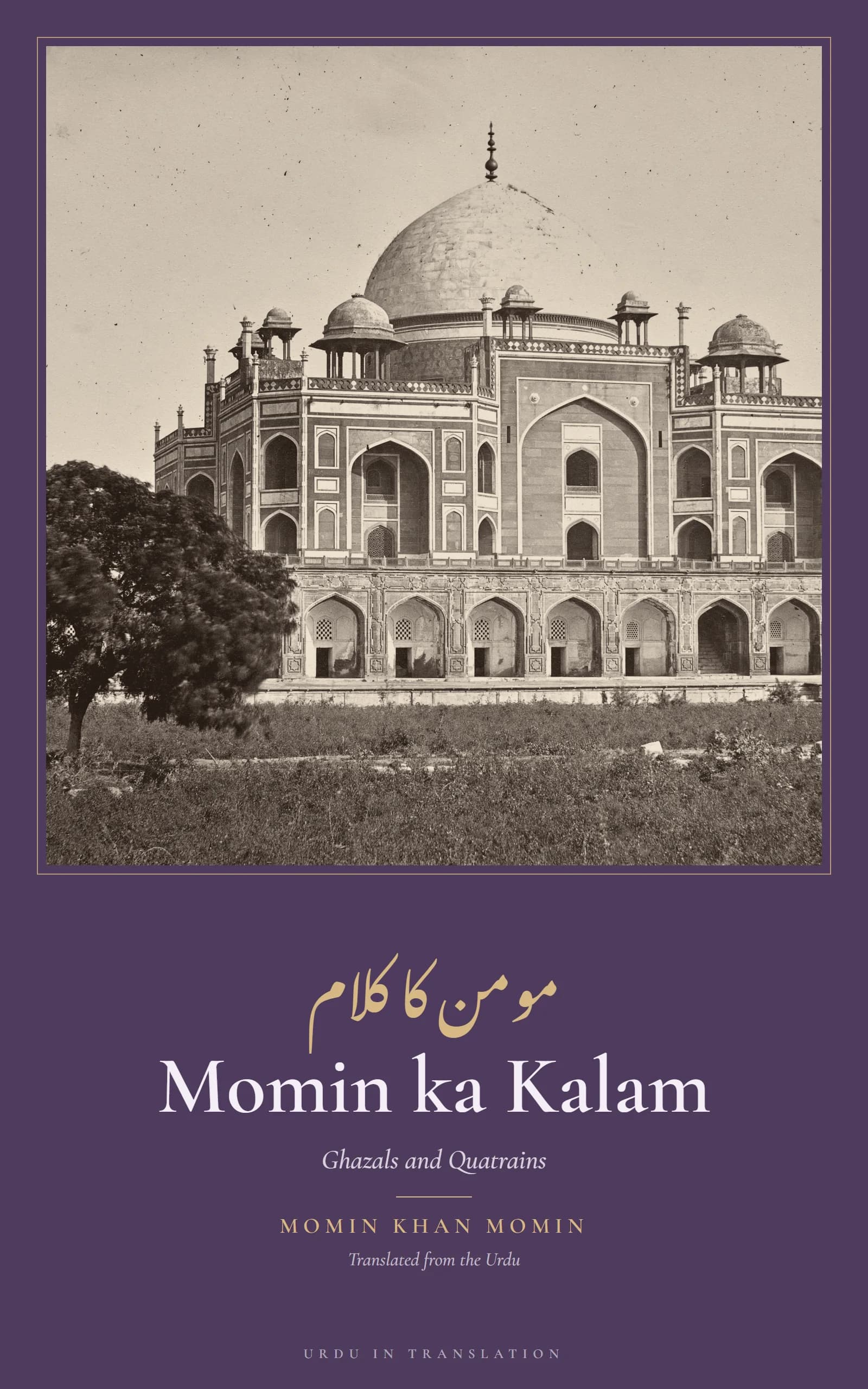
This book gives the Urdu text and a new English translation of fifty-six poems by Hakim Momin Khan Momin (1800–1851): fifty-two *ghazals* (lyric poems) and four *rubais* (quatrains). They are all the poems by Momin on Urdu Wikisource. The title, *Momin ka Kalam* ("Poems of Momin"), has been given to this selection by the present edition.
اس کتاب میں حکیم مومن خاں مومن (۱۸۰۰ء–۱۸۵۱ء) کی چھپن نظموں کا اردو متن اور ان کا نیا انگریزی ترجمہ ہے: باون غزلیں اور چار رباعیاں۔ یہ ویکی ماخذ پر مومن کا پورا کلام ہے۔ کتاب کا نام ’’مومن کا کلام‘‘ اس اشاعت نے اس انتخاب کو دیا ہے۔
Source of the Urdu text: Urdu Wikisource (ur.wikisource.org), the fifty-six pages listed under the author, downloaded in October 2026. The source pages carry no modern editorial matter. Where the source has an evident misprint, the text is printed as found and the translation follows the evident sense, with a note.
اردو متن کا ماخذ: اردو ویکی ماخذ (ur.wikisource.org)، مصنف کے تحت درج چھپن صفحات، اکتوبر ۲۰۲۶ء میں حاصل کیے گئے۔ ماخذ کے صفحات پر کوئی جدید ادارتی مواد نہیں۔ جہاں ماخذ میں واضح کتابت کی غلطی ہے، وہاں متن جیسا ملا ویسا دیا گیا ہے اور ترجمہ واضح مفہوم کے مطابق ہے، نوٹ کے ساتھ۔
What is left out and what was changed: nothing has been left out. The ghazals are given in the order of the source, which is alphabetical by first line, and are headed by their first line; the quatrains follow in a chapter of their own. One couplet, "God, what straying! Leaving idol and idol-house", stands in two ghazals in the source; it is printed in both and translated in the same words.
کیا چھوڑا گیا اور کیا بدلا گیا: کچھ نہیں چھوڑا گیا۔ غزلیں ماخذ کی ترتیب میں ہیں، جو پہلے مصرع کے لحاظ سے حروف تہجی کی ترتیب ہے، اور ان کے عنوان ان کا پہلا مصرع ہیں؛ رباعیاں الگ باب میں ہیں۔ ایک شعر، ’’اللہ رے گمرہی بت و بت خانہ چھوڑ کر‘‘، ماخذ میں دو غزلوں میں ہے؛ دونوں جگہ دیا گیا ہے اور اس کا ترجمہ ایک ہی الفاظ میں ہے۔
Copyright: Momin died in 1851, so his poems are in the public domain everywhere. The English translation is new. Translator's notes are marked [TN: …]. The translation keeps each line of verse as a line, and puts accuracy before rhyme. The pen name Momin, which means "believer", is kept as a name; where the poet plays on its meaning, a note says so.
حق اشاعت: مومن کا انتقال ۱۸۵۱ء میں ہوا، اس لیے ان کا کلام ہر جگہ پبلک ڈومین میں ہے۔ انگریزی ترجمہ نیا ہے۔ مترجم کے نوٹ [TN: …] سے ظاہر کیے گئے ہیں۔ ترجمے میں ہر مصرع الگ سطر میں رکھا گیا ہے، اور صحت کو قافیے پر مقدم رکھا گیا ہے۔ تخلص مومن، جس کے معنی ایمان والا ہیں، نام کے طور پر رکھا گیا ہے؛ جہاں شاعر اس کے معنی سے کھیلتا ہے، وہاں نوٹ دیا گیا ہے۔
Names are spelled in one way throughout: Delhi; Joseph, Zulaikha, Moses, Jesus, Abraham, Khizr, Qarun; Farhad, Shirin, Khusrau, Qais (Majnun), Wamiq; Husain, Shimr; Munkar and Nakir; the Kaaba and the Black Stone.
ترجمے میں نام ایک ہی طرح لکھے گئے ہیں: دہلی؛ یوسف، زلیخا، موسیٰ، عیسیٰ، ابراہیم، خضر، قارون؛ فرہاد، شیریں، خسرو، قیس (مجنوں)، وامق؛ حسین، شمر؛ منکر نکیر؛ کعبہ اور حجر اسود۔
Introduction
تعارف
Momin Khan was born in Delhi in 1800 into a family of Kashmiri physicians who served the Mughal court, and he was himself a *hakim* (physician). He studied Arabic and religion in the circle of the great Delhi scholars of the family of Shah Waliullah, and was also known for his skill in astrology, mathematics, chess and music. He lived his whole life in Delhi, the contemporary of Ghalib and Zauq in the last brilliant years of the Mughal city, and died there in 1851 after a fall from the roof of his house.
مومن خاں ۱۸۰۰ء میں دہلی میں کشمیری طبیبوں کے ایک خاندان میں پیدا ہوئے جو مغل دربار کی ملازمت میں تھا، اور خود بھی حکیم تھے۔ انہوں نے عربی اور دینی علوم دہلی کے بڑے علما، خاندان شاہ ولی اللہ، کے حلقے میں پڑھے، اور نجوم، ریاضی، شطرنج اور موسیقی میں بھی اپنی مہارت کے لیے مشہور تھے۔ ساری عمر دہلی میں رہے، مغل شہر کے آخری شاندار برسوں میں غالب اور ذوق کے ہم عصر، اور ۱۸۵۱ء میں وہیں اپنے گھر کی چھت سے گر کر انتقال کیا۔
He wrote the *ghazal* above all, and his manner is his own: compressed, oblique and full of turns that have to be untied before they yield their sense. The lover, the beloved and the rival play out a drama of jealousy, suspicion and wounded pride in which a single word often carries two meanings. Ghalib is said to have offered his whole *diwan* (collection of poems) in exchange for one couplet in this book: "You are with me, as it were, / when no one else is." The ghazal "The pact there was between us, perhaps you remember it, perhaps you do not" is among the best known in Urdu and is still sung.
انہوں نے سب سے بڑھ کر غزل کہی، اور ان کا انداز اپنا ہے: مختصر، پیچ دار اور ایسے نکتوں سے بھرا جنہیں کھولے بغیر مطلب ہاتھ نہیں آتا۔ عاشق، معشوق اور رقیب رشک، بدگمانی اور مجروح غرور کا ایک ڈراما کھیلتے ہیں جس میں اکثر ایک لفظ دو معنی رکھتا ہے۔ کہا جاتا ہے کہ غالب نے اس کتاب کے ایک شعر کے بدلے اپنا پورا دیوان دینے کی پیش کش کی تھی: ’’تم مرے پاس ہوتے ہو گویا، جب کوئی دوسرا نہیں ہوتا‘‘۔ غزل ’’وہ جو ہم میں تم میں قرار تھا تمہیں یاد ہو کہ نہ یاد ہو‘‘ اردو کی مشہور ترین غزلوں میں ہے اور آج بھی گائی جاتی ہے۔
Momin was also a devout Muslim, close to the reforming movement of Syed Ahmad of Rae Bareli, and his verse keeps playing on his pen name: the "believer" who cannot leave the idols, who sets out for the Kaaba only to find a Brahmin as his guide, and who wonders whether he will become a Muslim at the last hour. The "idol" of these poems is the beloved, and the "infidel" is the beloved who has no mercy; the religious language is the language of love.
مومن ایک پکے مسلمان بھی تھے، سید احمد بریلوی کی اصلاحی تحریک کے قریب، اور ان کا کلام بار بار اپنے تخلص سے کھیلتا ہے: وہ ’’مومن‘‘ جو بتوں کو نہیں چھوڑ سکتا، جو کعبے کو چلتا ہے تو اسے برہمن رہبر ملتا ہے، اور جو سوچتا ہے کہ آخری وقت میں کیا خاک مسلماں ہوں گے۔ ان نظموں کا ’’بت‘‘ محبوب ہے، اور ’’کافر‘‘ وہ محبوب جو رحم نہیں کرتا؛ دین کی زبان یہاں عشق کی زبان ہے۔
这一章在你心里留下了什么?
登录后参与
讨论
还没有人开口。说说这一章触动了你什么。