Chapitre 1 sur 16
About This Edition and Introduction
اس اشاعت کے بارے میں اور تعارف
Touchez un mot, en ourdou ou en anglais : son sens apparaît. Sélectionnez une phrase pour la voir entière.
About This Edition
اس اشاعت کے بارے میں
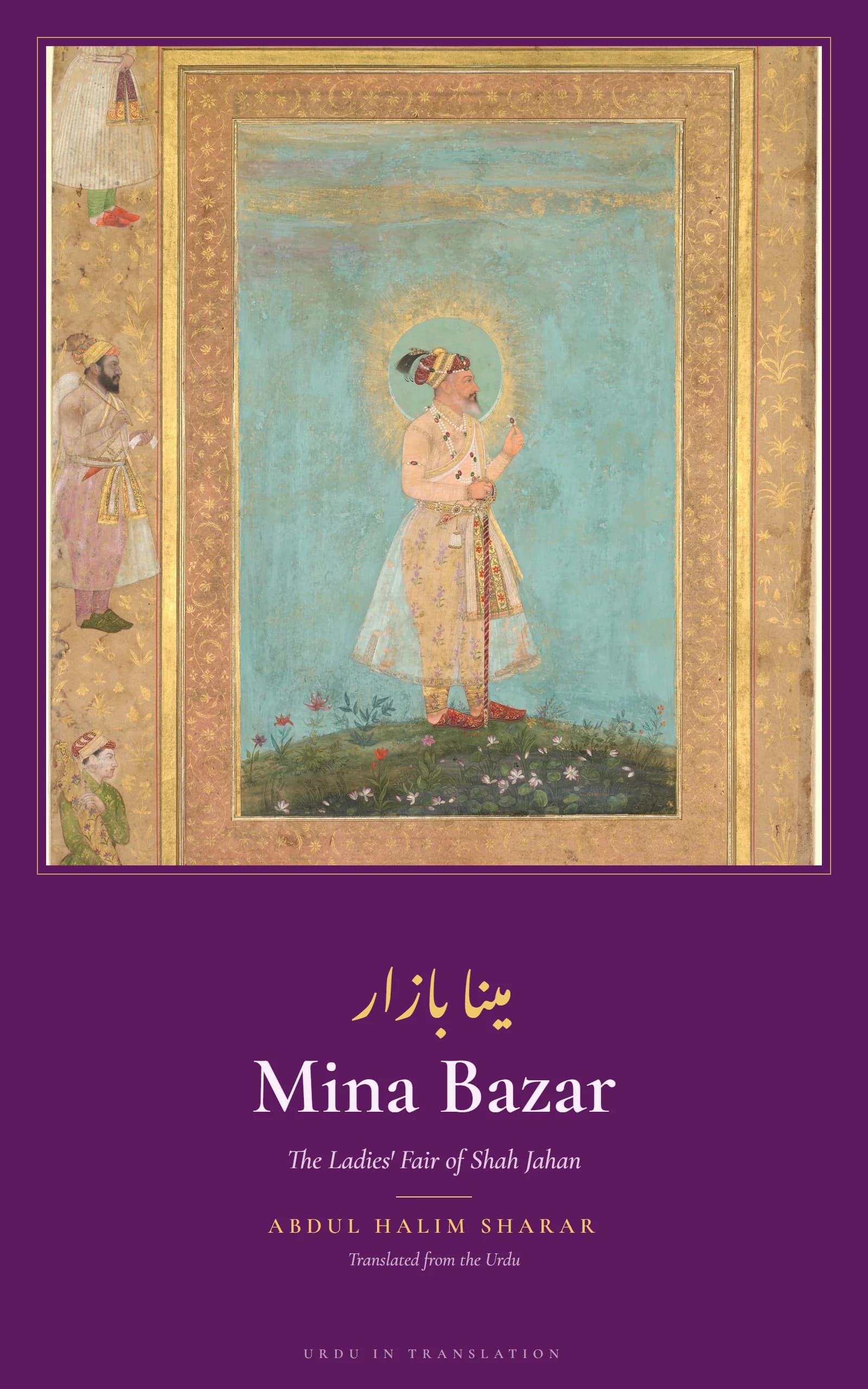
This book gives the Urdu text and a new English translation of *Mina Bazar*, a short historical novel by Abdul Halim Sharar (1860–1926) of Lucknow, set at the court of the Mughal emperor Shah Jahan.
اس کتاب میں لکھنؤ کے عبد الحلیم شرر (۱۸۶۰ء–۱۹۲۶ء) کے مختصر تاریخی ناول ’’مینا بازار‘‘ کا اردو متن اور اس کا نیا انگریزی ترجمہ شامل ہے۔ ناول کا پس منظر مغل شہنشاہ شاہجہاں کا دربار ہے۔
Source of the Urdu text: Urdu Wikisource (ur.wikisource.org), the page مینا بازار and its fourteen chapter pages, downloaded in October 2026. A scan of an early printing is held on archive.org under the title *Meena Baazar* and is catalogued there with the date 1925; it has not been used for the text, and the date of first publication has not been confirmed.
اردو متن کا ماخذ: اردو ویکی ماخذ (ur.wikisource.org)، صفحہ ’’مینا بازار‘‘ اور اس کے چودہ ابواب کے صفحات، اکتوبر ۲۰۲۶ء میں حاصل کیے گئے۔ آرکائیو ڈاٹ آرگ پر ’’مینا بازار‘‘ کی ایک پرانی اشاعت کا عکس موجود ہے جس پر ۱۹۲۵ء کی تاریخ درج ہے؛ متن کے لیے اسے استعمال نہیں کیا گیا، اور پہلی اشاعت کی تاریخ کی تصدیق نہیں ہو سکی۔
What is left out and what was changed: nothing of the author's text has been left out. The short summary that Wikisource prints at the head of the book is modern editorial matter and is not given here. Chapter headings have been set in one form, verses that ran together have been set out line by line, and a few speeches that had run into the narration have been given their own paragraphs. Obvious misprints have been read in the sense the context requires. Speakers in the dialogue are named in capitals, as in the Urdu.
کیا چھوڑا گیا اور کیا بدلا گیا: مصنف کی تحریر میں سے کچھ نہیں چھوڑا گیا۔ ویکی ماخذ نے کتاب کے شروع میں جو مختصر تعارف دیا ہے وہ جدید ادارتی اضافہ ہے، اس لیے یہاں شامل نہیں کیا گیا۔ ابواب کے عنوان ایک ہی صورت میں لکھے گئے ہیں، آپس میں ملے ہوئے اشعار مصرع مصرع الگ کیے گئے ہیں، اور جو چند مکالمے بیان میں مل گئے تھے انہیں الگ پیراگراف دیا گیا ہے۔ واضح غلطیوں کو سیاق و سباق کے مطابق پڑھا گیا ہے۔ مکالموں میں بولنے والوں کے نام انگریزی میں بڑے حروف میں ہیں، جیسے اردو میں نام سے پہلے لکھے گئے ہیں۔
Copyright: Sharar died in 1926, so his work is in the public domain in Pakistan and India. As the year of first publication is not established, this edition records its United States status as "check". The English translation is new. Translator's notes are marked [TN: …].
حقوق: شرر کا انتقال ۱۹۲۶ء میں ہوا، اس لیے ان کی تحریریں پاکستان اور ہندوستان میں عوامی ملکیت میں ہیں۔ چونکہ پہلی اشاعت کا سال طے نہیں ہو سکا، اس لیے اس اشاعت میں امریکہ میں اس کی قانونی حیثیت ’’جانچ طلب‘‘ درج کی گئی ہے۔ انگریزی ترجمہ نیا ہے۔ مترجم کے نوٹ [TN: …] کی صورت میں ہیں۔
Names are spelled in one way throughout: Shah Jahan; Mumtaz Mahal, whom Sharar calls the Nawab Taj Mahal, the Padshah Begum and Mumtaz-uz-Zamani Begum; Jahan Ara, Roshan Ara; Sa'dullah Khan, Allami Afzal Khan, Mulla Ala-ul-Mulk Tuni, Hakim Masih-uz-Zaman, Maulana Abdul Hakim of Sialkot, Data Ram "Brahman"; Gulrukh Begum, also called Jamal Ara; Jamal Khan, Shaukat Ara, Jan Sipar Khan; Delhi.
نام پوری کتاب میں ایک ہی طرح لکھے گئے ہیں: شاہجہاں؛ ممتاز محل، جنہیں شرر نواب تاج محل، بادشاہ بیگم اور ممتاز الزمانی بیگم کہتے ہیں؛ جہاں آرا، روشن آرا؛ سعد اللہ خان، علامی افضل خان، ملا علاء الملک تونی، حکیم مسیح الزمان، مولانا عبد الحکیم سیالکوٹی، داتا رام ’’برہمن‘‘؛ گلرخ بیگم جنہیں جمال آرا بھی کہا گیا؛ جمال خان، شوکت آرا، جان سپار خان؛ دہلی۔
Introduction
تعارف
Abdul Halim Sharar was born in Lucknow in 1860. As a boy he lived at Matiya Burj near Calcutta, where the last king of Awadh, Wajid Ali Shah, kept his court in exile, and he spent his working life in Lucknow as a journalist, editor and writer. In 1887 he founded the monthly *Dilgudaz*, in which much of his work first appeared. He wrote more than twenty historical novels, among them *Malik-ul-Aziz Varjina*, *Flora Florinda* and *Firdaus-e-Bareen*, and his essays on the life and manners of old Lucknow, *Guzishta Lakhnau*, are a classic of Urdu prose. He died in Lucknow in 1926.
عبد الحلیم شرر ۱۸۶۰ء میں لکھنؤ میں پیدا ہوئے۔ لڑکپن میں کلکتے کے قریب مٹیا برج میں رہے جہاں اودھ کے آخری بادشاہ واجد علی شاہ جلا وطنی میں اپنا دربار رکھتے تھے، اور پھر ساری عمر لکھنؤ میں صحافی، مدیر اور ادیب کی حیثیت سے کام کیا۔ ۱۸۸۷ء میں ماہنامہ ’’دلگداز‘‘ جاری کیا جس میں ان کی بہت سی تحریریں پہلی بار چھپیں۔ انہوں نے بیس سے زیادہ تاریخی ناول لکھے جن میں ’’ملک العزیز ورجنا‘‘، ’’فلورا فلورنڈا‘‘ اور ’’فردوس بریں‘‘ شامل ہیں، اور پرانے لکھنؤ کی زندگی اور تہذیب پر ان کے مضامین ’’گذشتہ لکھنؤ‘‘ اردو نثر کا کلاسیکی سرمایہ ہیں۔ ۱۹۲۶ء میں لکھنؤ میں انتقال کیا۔
Sharar's novels brought the past of the Muslim world to a wide Urdu readership, in the manner of Walter Scott, whom he admired. They are rapid, romantic and full of spectacle, written in a rich, courtly prose, and they often carry a lesson for the reader's own day.
شرر کے ناولوں نے اسلامی دنیا کی تاریخ کو اردو کے وسیع حلقۂ قارئین تک پہنچایا، والٹر اسکاٹ کے انداز میں جن کے وہ مداح تھے۔ یہ ناول تیز رفتار، رومانی اور شان و شکوہ سے بھرے ہوتے ہیں، پر تکلف درباری نثر میں لکھے گئے ہیں، اور اکثر قاری کے اپنے زمانے کے لیے کوئی سبق رکھتے ہیں۔
*Mina Bazar* takes its name from the fair held inside the Mughal palace, at which the ladies of the court kept stalls and the emperor and his household came to buy. In Sharar's story the plan comes from the Empress, Mumtaz Mahal, who wants the women of Delhi to have a place of their own for trade and pleasure. The first chapters show the court of Shah Jahan, the building of the bazaar, and the arguments of the scholars about whether women can keep shops there without breaking *parda* (the seclusion of women). Then the story turns: at the opening of the bazaar the Emperor is charmed by Gulrukh Begum, the wife of his general Jamal Khan, who sells him a "diamond" made of sugar-candy. He invites her to the palace, where she stays three days as the Empress's guest; her jealous husband divorces her, his friend Jan Sipar Khan schemes to win her, and the Emperor's anger falls on both men.
’’مینا بازار‘‘ کا نام اس میلے سے ہے جو مغل محل کے اندر لگتا تھا، جس میں دربار کی خواتین دکانیں لگاتی تھیں اور بادشاہ اور اس کے گھر والے خریداری کو آتے تھے۔ شرر کی کہانی میں یہ تجویز ملکہ ممتاز محل کی ہے، جو چاہتی ہیں کہ دہلی کی عورتوں کو تجارت اور تفریح کے لیے اپنی ایک جگہ ملے۔ پہلے ابواب میں شاہجہاں کا دربار، بازار کی تعمیر، اور علما کی یہ بحث ہے کہ عورتیں پردہ توڑے بغیر وہاں دکانیں لگا سکتی ہیں یا نہیں۔ پھر کہانی رخ بدلتی ہے: بازار کے افتتاح پر بادشاہ اپنے سپہ سالار جمال خان کی بیوی گلرخ بیگم پر فریفتہ ہو جاتے ہیں، جو انہیں مصری کی ڈلی کا بنا ہوا ’’ہیرا‘‘ بیچتی ہے۔ وہ اسے محل میں بلاتے ہیں جہاں وہ تین دن ملکہ کی مہمان رہتی ہے؛ اس کا شکی شوہر اسے طلاق دے دیتا ہے، شوہر کا دوست جان سپار خان اسے حاصل کرنے کی تدبیریں کرتا ہے، اور بادشاہ کا غضب دونوں مردوں پر ٹوٹتا ہے۔
Sharar gives the story as fiction set in history, not as history. The fair itself goes back to the reign of Akbar, and Sharar freely brings together people and buildings of different years of Shah Jahan's reign: Mumtaz Mahal died in 1631, before the Red Fort and the Jama Masjid of Delhi were built. The novel is best read as a picture of court manners, and as Sharar's reflection on *parda*, on a husband's jealousy and on the power of kings, told with humour and much sympathy for its heroine.
شرر نے یہ قصہ تاریخ کے پس منظر میں ایک افسانے کے طور پر لکھا ہے، تاریخ کے طور پر نہیں۔ یہ میلہ اکبر کے زمانے سے چلا آتا تھا، اور شرر نے شاہجہاں کے عہد کے مختلف برسوں کے لوگوں اور عمارتوں کو آزادی سے یکجا کر دیا ہے: ممتاز محل کا انتقال ۱۶۳۱ء میں ہوا، دہلی کے لال قلعے اور جامع مسجد کی تعمیر سے پہلے۔ اس ناول کو درباری آداب کی ایک تصویر کے طور پر پڑھنا بہتر ہے، اور پردے، شوہر کے شک اور بادشاہوں کی طاقت پر شرر کے غور و فکر کے طور پر، جو مزاح اور ہیروئن سے گہری ہمدردی کے ساتھ بیان ہوا ہے۔
Que vous laisse ce chapitre ?
Connectez-vous pour réagir
Discussion
Personne n’a encore parlé. Dites ce que ce chapitre a remué en vous.