Chapitre 1 sur 56
About This Edition and Introduction
اس اشاعت کے بارے میں اور تعارف
Touchez un mot, en ourdou ou en anglais : son sens apparaît. Sélectionnez une phrase pour la voir entière.
About This Edition
اس اشاعت کے بارے میں
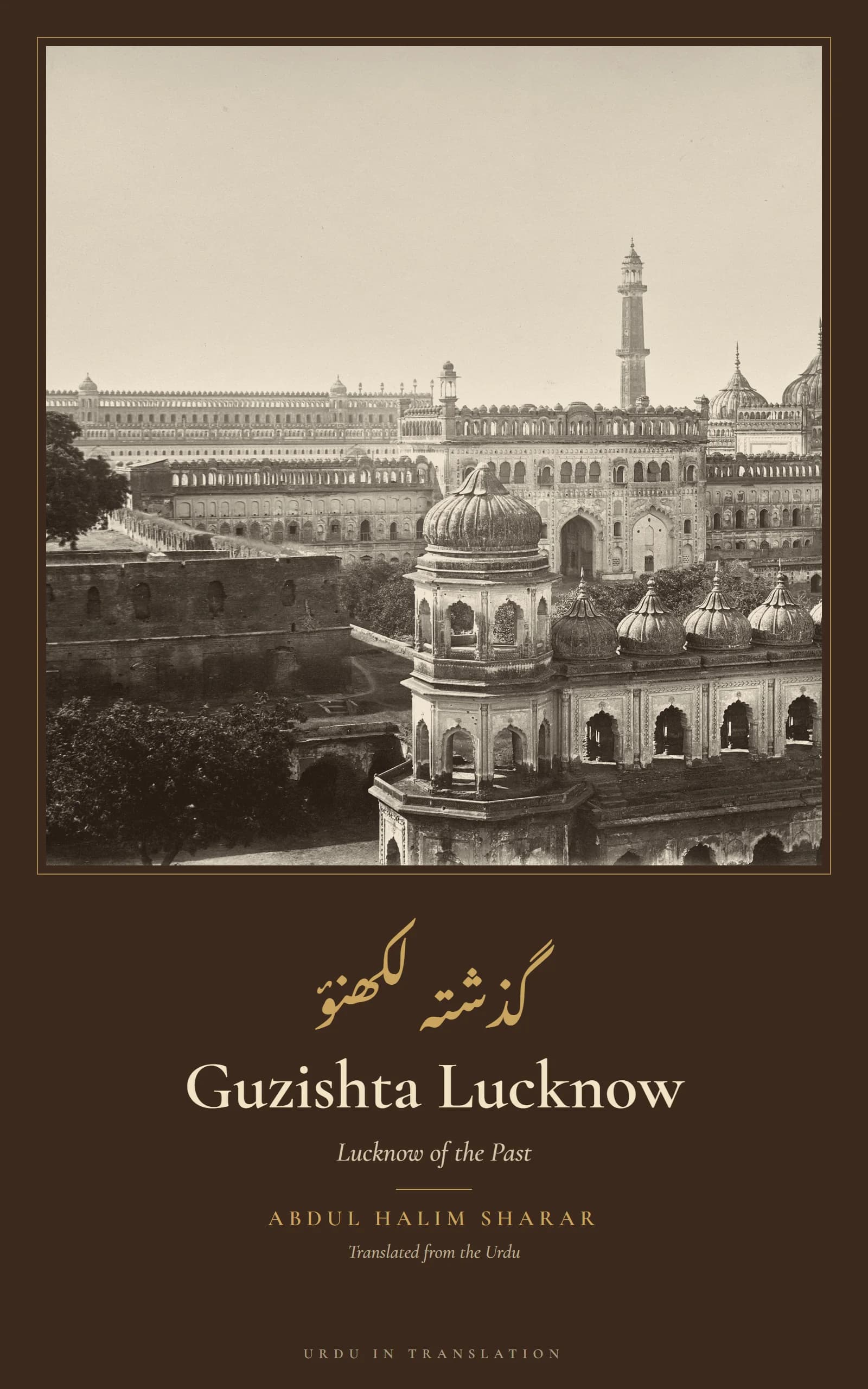
This is a complete Urdu text and English translation of *Guzishta Lucknow* ("Lucknow of the Past"), whose full title is *Hindustan men Mashriqi Tamaddun ka Akhiri Namuna, ya'ni Guzishta Lucknow* ("The Last Example of Eastern Civilisation in India, that is, Lucknow of the Past"), by Abdul Halim Sharar (1860–1926).
یہ مولانا عبد الحلیم شرر (۱۸۶۰ء تا ۱۹۲۶ء) کی کتاب "ہندوستان میں مشرقی تمدن کا آخری نمونہ یعنی گذشتہ لکھنؤ" کا مکمل اردو متن اور انگریزی ترجمہ ہے۔
Source of the Urdu text: an undated reprint of the book, freely available on the Internet Archive from the Digital Library of India (archive.org/details/dli.ernet.450196; the catalogue names the publisher as Sultan Haseen and Sons, Karachi). The text was transcribed page by page from the scan for this edition.
اردو متن کا ماخذ: کتاب کی ایک بے تاریخ اشاعت، جو ڈیجیٹل لائبریری آف انڈیا کی طرف سے انٹرنیٹ آرکائیو پر مفت دستیاب ہے (archive.org/details/dli.ernet.450196؛ فہرست میں ناشر کا نام سلطان حسین اینڈ سنز، کراچی درج ہے)۔ اس اشاعت کے لیے متن اسکین سے صفحہ بہ صفحہ نقل کیا گیا ہے۔
The last leaf of that copy is lost: the scan breaks off in the middle of the final section, on pottery. The last four pages of Sharar's text are therefore taken from the Maktaba Jamia edition (New Delhi, 1971, edited by Rashid Hasan Khan), pages 437–440, also on the Internet Archive (archive.org/details/nMGq_guzashta-lucknow-by-maulana-abdul-halim-sharar-ed.-rashid-hasan-khan-new-delhi-1). A second scan of the same edition was used to confirm that the book ends there. Only Sharar's own words are taken from this edition; its editor's introduction and notes are not used.
اس نسخے کا آخری ورق ضائع ہو چکا ہے اور اسکین آخری فصل، یعنی ظروف گلی کے بیان کے بیچ میں ختم ہو جاتا ہے۔ اس لیے شرر کے متن کے آخری چار صفحے مکتبہ جامعہ کی اشاعت (نئی دہلی، ۱۹۷۱ء، مرتبہ رشید حسن خاں) کے صفحات ۴۳۷ تا ۴۴۰ سے لیے گئے ہیں، جو انٹرنیٹ آرکائیو پر موجود ہے (archive.org/details/nMGq_guzashta-lucknow-by-maulana-abdul-halim-sharar-ed.-rashid-hasan-khan-new-delhi-1)۔ اسی اشاعت کے ایک دوسرے اسکین سے تصدیق کی گئی کہ کتاب یہیں ختم ہوتی ہے۔ اس اشاعت سے صرف شرر کی اپنی عبارت لی گئی ہے؛ مرتب کا مقدمہ اور حواشی شامل نہیں کیے گئے۔
Gaps and damage: one leaf (pages 203–204 of the printing, in the section on food) is missing from the scanned copy; the gap is marked in the text and in a translator's note, and nothing has been supplied in its place. Some pages carry ink blots or are cut at the margin; where a word could still be read from its fragments or was certain from the context it is given, and where it could not it is marked [illegible]. On one page in the section on wedding customs the printing itself has rows of dots, which are kept as they stand.
خلا اور نقصان: اسکین شدہ نسخے میں ایک ورق (طباعت کے صفحات ۲۰۳ اور ۲۰۴، کھانوں کے بیان میں) موجود نہیں؛ متن میں اور مترجم کے نوٹ میں اس کی نشان دہی کر دی گئی ہے، اور اس کی جگہ کچھ نہیں بھرا گیا۔ بعض صفحوں پر روشنائی کے دھبے ہیں یا حاشیہ کٹا ہوا ہے؛ جہاں کوئی لفظ اپنے ٹکڑوں سے پڑھا جا سکا یا سیاق سے یقینی تھا وہاں وہ دے دیا گیا ہے، اور جہاں نہ پڑھا جا سکا وہاں [illegible] لکھا گیا ہے۔ شادی کی رسموں کے بیان کے ایک صفحے پر خود طباعت میں نقطوں کی سطریں ہیں، وہ جوں کی توں رکھی گئی ہیں۔
Divisions: Sharar's text is a series of numbered sections, (1) to (54), and each section is a chapter here. Both printings number the section on conveyances and the section on pottery (53); the second is printed here as (54) so that no number is repeated. One sentence on Maulana Habib-ur-Rahman Khan Sherwani, set in smaller type in the printing as a later addition, is kept in its place. Running heads and page numbers are left out. Dates are given as Sharar gives them, with his own Christian-era equivalents; some of these do not agree with the standard chronology and have not been corrected.
تقسیم: شرر کی کتاب نمبر وار فصلوں، (۱) سے (۵۴) تک، پر مشتمل ہے، اور یہاں ہر فصل ایک باب ہے۔ دونوں طباعتوں میں سواریوں کی فصل اور ظروف گلی کی فصل دونوں پر (۵۳) کا نمبر ہے؛ یہاں دوسری کو (۵۴) لکھا گیا ہے تاکہ کوئی نمبر مکرر نہ ہو۔ مولانا حبیب الرحمٰن خاں شروانی کے بارے میں ایک جملہ، جو طباعت میں بعد کے اضافے کے طور پر باریک قلم میں ہے، اپنی جگہ باقی رکھا گیا ہے۔ صفحوں کی سرخیاں اور صفحہ نمبر حذف کر دیے گئے ہیں۔ تاریخیں اسی طرح دی گئی ہیں جیسے شرر نے اپنی عیسوی مطابقت کے ساتھ لکھی ہیں؛ ان میں سے بعض مروجہ تقویم سے مطابقت نہیں رکھتیں، اور ان کی تصحیح نہیں کی گئی۔
Quotations and notes: Sharar quotes Persian and Arabic verse and prose, and occasionally the Qur'an. All of these are translated into English, and the originals stand in the facing Urdu column or in the notes at the end of the chapter. Where the printing has an evident slip, or a reading is uncertain, the text is given as printed and a translator's note [TN: ...] says so. Where Sharar reports something at second hand, or makes a claim that is open to question (for example on the origin of a custom, the authority of a saying, or the practice of another community), it is translated exactly and a translator's note points this out; his opinions are his own.
اقتباسات اور حواشی: شرر نے فارسی اور عربی نظم و نثر اور کہیں کہیں قرآن مجید کے اقتباسات دیے ہیں۔ ان سب کا انگریزی ترجمہ کیا گیا ہے، اور اصل عبارتیں مقابل کے اردو کالم میں یا باب کے آخر کے حواشی میں موجود ہیں۔ جہاں طباعت میں صریح سہو ہے یا کوئی قرأت مشکوک ہے، وہاں متن جیسا چھپا ہے ویسا ہی دیا گیا ہے اور مترجم کا نوٹ [TN: ...] اس کی وضاحت کرتا ہے۔ جہاں شرر کوئی بات سنی سنائی بیان کرتے ہیں یا کوئی ایسا دعویٰ کرتے ہیں جو محل نظر ہے (مثلاً کسی رسم کی اصل، کسی قول کی سند، یا کسی دوسری قوم کے طریقے کے بارے میں)، وہاں ترجمہ بعینہٖ کیا گیا ہے اور مترجم کے نوٹ میں اس کی طرف اشارہ کر دیا گیا ہے؛ آرا مصنف کی اپنی ہیں۔
Copyright: Sharar died in 1926, and the work was written and first published before his death, so it is in the public domain in Pakistan, India and the United States. The English translation is new.
حق اشاعت: شرر کا انتقال ۱۹۲۶ء میں ہوا، اور یہ تصنیف ان کی زندگی ہی میں لکھی اور پہلی بار شائع ہوئی، اس لیے پاکستان، ہندوستان اور امریکا میں عوامی ملکیت میں ہے۔ انگریزی ترجمہ نیا ہے۔
Introduction
تعارف
Abdul Halim Sharar was born in Lucknow in 1860. As a boy he lived for some years at Matiya Burj, outside Calcutta, where the last king of Awadh, Wajid Ali Shah, kept a miniature court in exile after 1856, and where his father was in the king's service. Back in Lucknow he became a journalist, and in 1887 he founded his own journal, *Dilgudaz*, which he edited for most of his life. He was one of the most prolific Urdu writers of his time, best known for his historical novels, such as *Firdaus-e-Barin*, and for his essays and histories. He died in Lucknow in 1926.
عبد الحلیم شرر ۱۸۶۰ء میں لکھنؤ میں پیدا ہوئے۔ لڑکپن کے کئی برس انھوں نے کلکتے کے باہر مٹیا برج میں گزارے، جہاں اودھ کے آخری بادشاہ واجد علی شاہ ۱۸۵۶ء کے بعد جلاوطنی میں ایک چھوٹا سا دربار رکھتے تھے اور جہاں ان کے والد بادشاہ کی ملازمت میں تھے۔ لکھنؤ واپس آ کر وہ صحافی ہوئے، اور ۱۸۸۷ء میں اپنا رسالہ "دلگداز" جاری کیا، جس کی ادارت وہ عمر کے بیشتر حصے تک کرتے رہے۔ وہ اپنے زمانے کے سب سے زیادہ لکھنے والے اردو ادیبوں میں تھے، اور اپنے تاریخی ناولوں، مثلاً "فردوس بریں"، اور اپنے مضامین اور تاریخوں کے لیے مشہور ہیں۔ ان کا انتقال ۱۹۲۶ء میں لکھنؤ میں ہوا۔
*Guzishta Lucknow* first appeared as a long series of articles in *Dilgudaz* and was afterwards collected as a book. It is Sharar's portrait of the city in which, as he argues in his first sentence, the old culture of Muslim India made its last stand: the capital of the Nawabs and then the Kings of Awadh, from its rise in the eighteenth century to the annexation of 1856 and the revolt of 1857, and the way of life that outlived the court.
"گذشتہ لکھنؤ" پہلے "دلگداز" میں مضامین کے ایک طویل سلسلے کی صورت میں چھپی اور بعد میں کتابی شکل میں جمع ہوئی۔ یہ اس شہر کی تصویر ہے جس میں، جیسا کہ شرر اپنے پہلے ہی جملے میں کہتے ہیں، مسلم ہندوستان کی پرانی تہذیب نے اپنا آخری جلوہ دکھایا: اودھ کے نوابوں اور پھر بادشاہوں کا پایۂ تخت، اٹھارھویں صدی میں اس کے عروج سے ۱۸۵۶ء کے الحاق اور ۱۸۵۷ء کے ہنگامے تک، اور وہ طرز زندگی جو دربار کے بعد بھی باقی رہا۔
The book falls into two parts. The first nine sections are a short history of the dynasty, from Saadat Khan Burhan-ul-Mulk and the court at Faizabad to Wajid Ali Shah's exile at Matiya Burj. The rest describe the city's culture one subject at a time: Urdu poetry and prose and the speech of every class; learning, medicine, Persian and calligraphy; the martial arts, animal fights, pigeons and kites; music, dance, the *bhand*s, *soz-khwani* and the bazaar bands; food, sweets and the cooling of water; dress, caps, turbans, shawls, shoes and jewellery; houses and furniture; manners, greetings, conversation and wit; the ceremonies of birth, marriage and death; religious gatherings; the *huqqa*, *pan* and its vessels; conveyances; and finally the potters and their clay figures.
کتاب کے دو حصے ہیں۔ پہلی نو فصلیں اس خاندان کی مختصر تاریخ ہیں، نواب سعادت خان برہان الملک اور فیض آباد کے دربار سے مٹیا برج میں واجد علی شاہ کی جلاوطنی تک۔ باقی فصلیں شہر کی تہذیب کو ایک ایک موضوع کر کے بیان کرتی ہیں: اردو نظم و نثر اور ہر طبقے کی زبان؛ علم، طب، فارسی اور خوشنویسی؛ فنون سپہ گری، جانوروں کی لڑائیاں، کبوتر اور پتنگ؛ موسیقی، رقص، بھانڈ، سوز خوانی اور بازاری باجے؛ کھانا، مٹھائیاں اور آبدار خانہ؛ لباس، ٹوپیاں، عمامے، شال، جوتے اور زیور؛ مکان اور آرائش؛ آداب، سلام، گفتگو اور مذاق؛ ولادت، شادی اور موت کی رسمیں؛ مذہبی مجلسیں؛ حقہ، پان اور اس کے ظروف؛ سواریاں؛ اور آخر میں کمہار اور ان کے مٹی کے کھلونے۔
Why it is studied: *Guzishta Lucknow* is the classic account, from the inside, of the culture of nineteenth-century Lucknow, and it is a basic source for historians of Awadh, of Urdu literature and language, of Hindustani music and dance, of food and dress, and of everyday life in North India. Sharar writes as a member of that society and as one who had seen its last days at Matiya Burj; he is affectionate but not uncritical, and he constantly compares Lucknow with Delhi, Hyderabad, Europe and the ancient world. Readers should remember that he is a memoirist and essayist rather than a critical historian: many of his stories are hearsay, his dates are sometimes wrong, and his remarks on other communities and on sectarian matters reflect his own time and views. These are translated as he wrote them, with notes where needed.
اس کتاب کی اہمیت: "گذشتہ لکھنؤ" انیسویں صدی کے لکھنؤ کی تہذیب کا اندر سے لکھا ہوا مستند بیان ہے، اور اودھ کی تاریخ، اردو ادب و زبان، ہندوستانی موسیقی و رقص، کھانوں اور لباس، اور شمالی ہند کی روزمرہ زندگی کے مورخوں کے لیے بنیادی ماخذ ہے۔ شرر اسی معاشرے کے ایک فرد کی حیثیت سے لکھتے ہیں، اور انھوں نے مٹیا برج میں اس کے آخری دن خود دیکھے تھے؛ وہ محبت سے لکھتے ہیں مگر تنقید سے خالی نہیں، اور برابر لکھنؤ کا مقابلہ دہلی، حیدر آباد، یورپ اور قدیم دنیا سے کرتے جاتے ہیں۔ پڑھنے والوں کو یاد رکھنا چاہیے کہ وہ تنقیدی مورخ سے زیادہ یادداشت نگار اور انشا پرداز ہیں: ان کی بہت سی روایتیں سنی سنائی ہیں، ان کی تاریخیں کہیں کہیں غلط ہیں، اور دوسری قوموں اور مسلکی معاملات کے بارے میں ان کی باتیں ان کے زمانے اور ان کی اپنی رائے کی عکاس ہیں۔ یہ سب جیسا انھوں نے لکھا ویسا ہی ترجمہ کیا گیا ہے، اور ضرورت کی جگہ حواشی دیے گئے ہیں۔
Names in this translation: Lucknow, Delhi, Faizabad, Awadh, Calcutta; Saadat Khan Burhan-ul-Mulk, Safdar Jang, Shuja-ud-Daula, Asaf-ud-Daula, Saadat Ali Khan, Ghazi-ud-Din Haidar, Nasir-ud-Din Haidar, Muhammad Ali Shah, Amjad Ali Shah, Wajid Ali Shah, Birjis Qadr; Mir Anis, Mirza Dabir, Nasikh, Atish, Insha. Dates of the Hijri era, which Sharar calls the "Muhammadan era", are kept as he gives them. Cultural and technical terms are kept in italics with a short gloss on first use, and explained in the glossary at the end. Translator's notes are marked [TN: ...].
اس ترجمے میں نام: لکھنؤ کو Lucknow، دہلی کو Delhi، اور فیض آباد، اودھ اور کلکتہ کو Faizabad، Awadh اور Calcutta لکھا گیا ہے؛ سعادت خان برہان الملک، صفدر جنگ، شجاع الدولہ، آصف الدولہ، سعادت علی خان، غازی الدین حیدر، نصیر الدین حیدر، محمد علی شاہ، امجد علی شاہ، واجد علی شاہ، برجیس قدر؛ میر انیس، مرزا دبیر، ناسخ، آتش، انشا۔ ہجری سنین، جنھیں شرر "سنہ محمدی" کہتے ہیں، جیسے انھوں نے دیے ویسے ہی رکھے گئے ہیں۔ ثقافتی اور فنی اصطلاحات پہلی بار آنے پر ترچھے حروف میں مختصر وضاحت کے ساتھ رکھی گئی ہیں، اور آخر میں فرہنگ میں ان کی تشریح ہے۔ مترجم کے نوٹ [TN: ...] سے ظاہر کیے گئے ہیں۔
How to cite: Abdul Halim Sharar, *Guzishta Lucknow*, Urdu text from the Digital Library of India copy (dli.ernet.450196), completed from the Maktaba Jamia edition (1971), with English translation, urduintranslation.com, 2026, https://www.urduintranslation.com/works/guzishta-lucknow.
حوالہ دینے کا طریقہ: عبد الحلیم شرر، "گذشتہ لکھنؤ"، اردو متن ڈیجیٹل لائبریری آف انڈیا کے نسخے (dli.ernet.450196) سے، مکتبہ جامعہ کی اشاعت (۱۹۷۱ء) سے تکمیل کے ساتھ، مع انگریزی ترجمہ، urduintranslation.com، ۲۰۲۶ء، https://www.urduintranslation.com/works/guzishta-lucknow۔
Que vous laisse ce chapitre ?
Connectez-vous pour réagir
Discussion
Personne n’a encore parlé. Dites ce que ce chapitre a remué en vous.