Chapitre 1 sur 7
About This Edition and Introduction
اس اشاعت کے بارے میں اور تعارف
Touchez un mot, en ourdou ou en anglais : son sens apparaît. Sélectionnez une phrase pour la voir entière.
About This Edition
اس اشاعت کے بارے میں
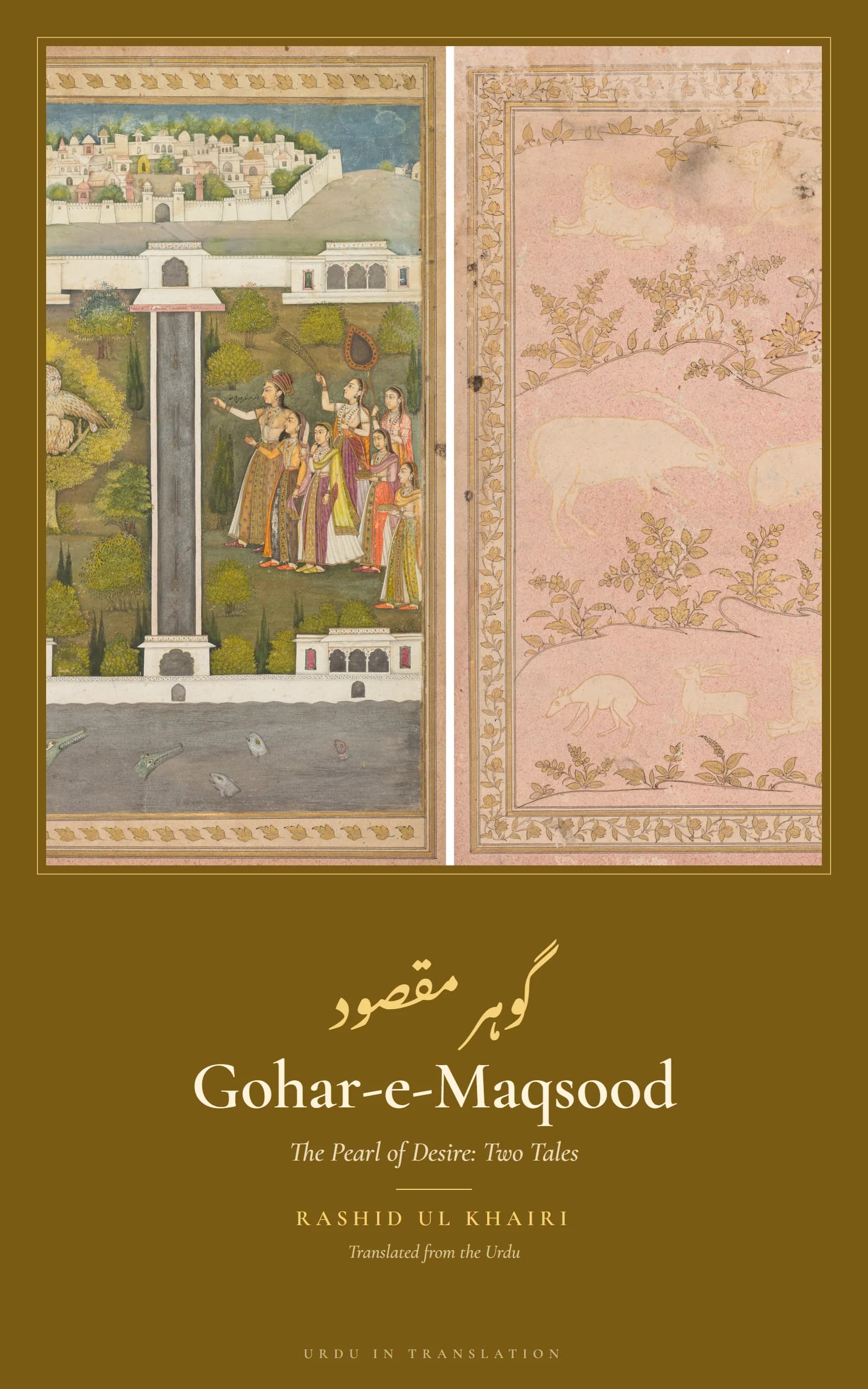
This is the complete Urdu text and an English translation of *Gohar-e-Maqsood* ("The Pearl of Desire"), by Allama Rashid ul Khairi of Delhi (1868–1936). As its title page says, it is a book of "two delightful tales": *Khayalistan ki Pari* ("The Fairy of Khayalistan") and *La'l ki Talash* ("In Search of the Ruby").
یہ دہلی کے علامہ راشد الخیری (۱۸۶۸ء تا ۱۹۳۶ء) کی کتاب "گوہر مقصود" کا مکمل اردو متن اور انگریزی ترجمہ ہے۔ جیسا کہ اس کے سرورق پر لکھا ہے، یہ "دو دل چسپ قصے" ہیں: "خیالستان کی پری" اور "لعل کی تلاش"۔
Source of the Urdu text: the transcription on Urdu Wikisource (ur.wikisource.org, گوہر مقصود, with one page for each tale), downloaded in October 2026. It has been checked for completeness against the printed edition published by the Dar-ul-Isha'at Punjab, Lahore, in 1918 and printed at the Union Steam Press, Lahore, under the supervision of Maulvi Sayyid Mumtaz Ali; the copy belongs to the Maulana Azad Library, Aligarh Muslim University, and was scanned by the Digital Library of India (archive.org/details/dli.ernet.409249; 50 pages). The title page reads: "Gohar-e-Maqsood, that is, Khayalistan ki Pari and La'l ki Talash: two delightful tales, by Maulana Rashid ul Khairi of Delhi, author of Subh-e-Zindagi, Sham-e-Zindagi, Salihat, Toofan-e-Hayat and others." There is no preface.
اردو متن کا ماخذ: اردو ویکی ماخذ (ur.wikisource.org، "گوہر مقصود"، ہر قصے کا ایک صفحہ)، جو اکتوبر ۲۰۲۶ء میں حاصل کیا گیا۔ اس کی تکمیل کا مقابلہ دار الاشاعت پنجاب، لاہور کے ۱۹۱۸ء کے مطبوعہ نسخے سے کیا گیا، جو یونین اسٹیم پریس لاہور میں مولوی سید ممتاز علی کے اہتمام سے چھپا؛ یہ نسخہ مولانا آزاد لائبریری، علی گڑھ مسلم یونیورسٹی کا ہے اور ڈیجیٹل لائبریری آف انڈیا نے اسکین کیا (archive.org/details/dli.ernet.409249؛ ۵۰ صفحات)۔ سرورق کی عبارت یہ ہے: "گوہر مقصود یعنی خیالستان کی پری اور لعل کی تلاش، دو دل چسپ قصے، تصنیف مولانا راشد الخیری صاحب دہلوی، مصنف صبح زندگی، شام زندگی، صالحات، طوفان حیات وغیرہ"۔ کتاب میں کوئی دیباچہ نہیں۔
What is left out and what was changed: nothing of the author's text has been left out. The title of the second tale is spelt لعل ("ruby") as on the 1918 title page; Wikisource has لال. Each tale is divided by the author into numbered sections, which are kept; for convenience the first tale is printed here in three chapters and the second in two. One obvious typing slip in the digital text has been corrected (راستہ for آراستہ, "adorned", in section 8 of the first tale). Verse is set one line to a line.
کیا چھوڑا گیا اور کیا بدلا گیا: مصنف کے متن میں سے کچھ نہیں چھوڑا گیا۔ دوسرے قصے کا نام ۱۹۱۸ء کے سرورق کے مطابق "لعل" لکھا گیا ہے؛ ویکی ماخذ میں "لال" ہے۔ مصنف نے ہر قصے کو نمبر وار حصوں میں تقسیم کیا ہے، جو باقی رکھے گئے ہیں؛ سہولت کے لیے پہلا قصہ یہاں تین ابواب میں اور دوسرا دو ابواب میں دیا گیا ہے۔ ڈیجیٹل متن کی ایک صریح غلطی درست کی گئی ہے (پہلے قصے کے آٹھویں حصے میں "راستہ" کی جگہ "آراستہ")۔ شعر ایک مصرع فی سطر لکھا گیا ہے۔
Copyright: Rashid ul Khairi died in 1936 and the book was printed in 1918, so it is in the public domain in Pakistan, India and the United States. The English translation is new. Translator's notes are marked [TN: …].
حقوق: راشد الخیری کی وفات ۱۹۳۶ء میں ہوئی اور کتاب ۱۹۱۸ء میں چھپی، اس لیے یہ پاکستان، ہندوستان اور امریکہ میں پبلک ڈومین میں ہے۔ انگریزی ترجمہ نیا ہے۔ مترجم کے نوٹ [TN: …] سے ظاہر کیے گئے ہیں۔
Names are spelled in one way throughout: Ghafira, Shahryar, Khayalistan, Saliha, Qayyum, Saghir, Geeti Ara Begum, Husainpur, Saeedabad; Firoza, Shabana, Mohsin, Ahsan, Khalil, Jalil, Amina, Jamila, Salag; the Vindhyachal mountains, the Ganges, Bengal.
نام ہر جگہ ایک ہی طرح لکھے گئے ہیں: غفیرہ، شہریار، خیالستان، صالحہ، قیوم، صغیر، گیتی آرا بیگم، حسین پور، سعید آباد؛ فیروزہ، شعبانہ، محسن، احسن، خلیل، جلیل، آمنہ، جمیلہ، سالگ؛ بندھیاچل، گنگا، بنگال۔
Introduction
تعارف
Rashid ul Khairi was born in Delhi in 1868 into the family of Deputy Nazir Ahmad, the first Urdu novelist, and like him he wrote above all for women. In 1908 he founded *Ismat*, a monthly magazine for women, and he wrote dozens of novels and stories of the lives of Muslim women of Delhi: their marriages, widowhood, quarrels and griefs. His readers called him *Musawwir-e-Gham*, "the painter of sorrow", for the tears his books drew. The two tales of *Gohar-e-Maqsood* show both sides of his work: a fable in the high, ornate Urdu of the old romances, and a domestic story in the everyday speech of the women's quarters.
راشد الخیری ۱۸۶۸ء میں دہلی میں اردو کے پہلے ناول نگار ڈپٹی نذیر احمد کے خاندان میں پیدا ہوئے، اور انھی کی طرح سب سے بڑھ کر عورتوں کے لیے لکھا۔ ۱۹۰۸ء میں انھوں نے عورتوں کا ماہنامہ "عصمت" جاری کیا، اور دہلی کی مسلمان عورتوں کی زندگی پر، ان کے بیاہ، بیوگی، جھگڑوں اور دکھوں پر، درجنوں ناول اور افسانے لکھے۔ ان کے پڑھنے والوں نے انھیں ان آنسوؤں کی وجہ سے جو ان کی کتابیں رلاتی تھیں "مصور غم" کا لقب دیا۔ "گوہر مقصود" کے دونوں قصے ان کے کام کے دونوں رخ دکھاتے ہیں: ایک پرانی داستانوں کی بلند اور رنگین اردو میں تمثیل، اور ایک زنانے کی روزمرہ بول چال میں گھریلو قصہ۔
"The Fairy of Khayalistan" tells of Ghafira, a fairy banished from the Land of Imagination for three days' absence from the king's court, who may return only if she brings the king the best thing in the world. Year after year, on the night of Nauroz when the wall of fairyland opens, she brings her finds: the first drop of blood of a reformer beheaded by his own people, the last breath of a young wife divorced on her deathbed, a mother's tear on the return of her exiled son, a few drops of the flood that drowned a woman who would not break purdah even to save her child, the first tear of a little girl slighted for her brothers, and at last the dying breath of a wife killed by hail as she carried water to her sick husband. The frame recalls Thomas Moore's "Paradise and the Peri" in *Lalla Rookh* (1817), where a Peri shut out of Paradise must bring "the gift that is most dear to Heaven", and Premchand's first Urdu story, "Duniya ka Sabse Anmol Ratan" (1907), built on the same idea. Khairi's gifts, however, are his own: almost every one is a scene of the wrongs or the devotion of Indian women, and he says so plainly, wishing that "our women of India" may learn constancy from Ghafira.
"خیالستان کی پری" غفیرہ کی کہانی ہے، ایک پری جو بادشاہ کے دربار سے تین دن غیر حاضر رہنے پر خیالستان سے نکال دی جاتی ہے، اور صرف اس شرط پر واپس آ سکتی ہے کہ بادشاہ کے لیے دنیا کی بہترین شے لائے۔ سال بہ سال، نوروز کی رات جب پرستان کی دیوار شق ہوتی ہے، وہ اپنی یافت پیش کرتی ہے: اپنی ہی قوم کے ہاتھوں قتل ہونے والے ایک مصلح کے خون کا پہلا قطرہ، بستر مرگ پر طلاق پانے والی ایک جوان بیوی کی آخری سانس، جلاوطن بیٹے کی واپسی پر ماں کا آنسو، اس سیلاب کے چند قطرے جس میں ایک عورت ڈوب گئی جس نے بچے کو بچانے کے لیے بھی پردہ نہ توڑا، بھائیوں کے مقابلے میں نظر انداز کی گئی ایک ننھی لڑکی کا پہلا آنسو، اور آخر میں ایک بیوی کی آخری سانس جو بیمار شوہر کے لیے پانی لاتے ہوئے اولوں سے ماری گئی۔ یہ ڈھانچا ٹامس مور کی نظم "پیراڈائز اینڈ دی پیری" ("لالہ رخ"، ۱۸۱۷ء) کی یاد دلاتا ہے، جس میں جنت سے نکالی گئی ایک پری کو "وہ تحفہ جو آسمان کو سب سے عزیز ہو" لانا ہوتا ہے، اور پریم چند کے پہلے اردو افسانے "دنیا کا سب سے انمول رتن" (۱۹۰۷ء) کی بھی، جو اسی خیال پر بنا ہے۔ مگر خیری کے تحفے ان کے اپنے ہیں: تقریباً ہر ایک ہندوستانی عورت کی مظلومیت یا وفاداری کا ایک منظر ہے، اور وہ یہ بات صاف کہتے ہیں کہ کاش "ہمارے ہندوستانی عورتیں" غفیرہ سے استقلال سیکھیں۔
"In Search of the Ruby" is a tale of Delhi family life. Shabana, wife of the elder son, quarrels with her sister-in-law Firoza over a bundle of gifts smuggled to her mother's maid; a month later her husband dies, and she is left a poor widow with one surviving child, Ahsan, after losing four others. The boy vanishes from a family celebration. Shabana searches for years, suspects Firoza, dreams of killing her and kills her own son in the dream, and at last leaves home as a wandering yogini, to be found, on the very point of being sacrificed to a goddess on the Vindhyachal mountain, by the son she has sought for twelve years. The title plays on *la'l* ("ruby") and *lal* ("darling child"), and the son is the "pearl of desire" of the book's title.
"لعل کی تلاش" دہلی کی خانگی زندگی کا قصہ ہے۔ بڑی بہو شعبانہ کا اپنی دیورانی فیروزہ سے اس پوٹلی پر جھگڑا ہوتا ہے جو اس نے چوری چھپے میکے کی ماما کو دی تھی؛ مہینے بھر بعد اس کا شوہر مر جاتا ہے اور وہ چار بچے کھونے کے بعد ایک بچے احسن کے ساتھ غریب بیوہ رہ جاتی ہے۔ بچہ ایک خاندانی تقریب سے غائب ہو جاتا ہے۔ شعبانہ برسوں ڈھونڈتی ہے، فیروزہ پر شک کرتی ہے، خواب میں اسے مارنا چاہتی ہے اور اپنے ہی بیٹے کو مار ڈالتی ہے، اور آخر جوگن بن کر گھر سے نکل جاتی ہے، یہاں تک کہ بندھیاچل پہاڑ پر ایک دیوی کی بھینٹ چڑھائے جانے کے عین وقت پر وہی بیٹا اسے مل جاتا ہے جسے وہ بارہ برس سے ڈھونڈ رہی تھی۔ عنوان "لعل" (یاقوت) اور "لال" (پیارا بچہ) کے ایہام پر ہے، اور یہی بیٹا کتاب کے نام کا "گوہر مقصود" ہے۔
Both tales are melodramas, and they were meant to be. They also show, more plainly than many longer novels, what Urdu readers of the early twentieth century found moving: patience, constancy, a mother's love, and the suffering of women under custom. The "reformer" of the first tale, beheaded for wanting religion "as plain and simple as it was revealed", reflects the reformist Islam of Khairi's circle; the drowned woman in purdah is praised and pitied in the same breath.
دونوں قصے جذباتی ہیں، اور ارادتاً ایسے ہیں۔ وہ بہت سے طویل ناولوں سے زیادہ صاف دکھاتے ہیں کہ بیسویں صدی کے شروع کے اردو قاری کو کیا چیز متاثر کرتی تھی: صبر، استقلال، ماں کی مامتا، اور رسم و رواج کے نیچے عورتوں کی تکلیف۔ پہلے قصے کا "مصلح"، جسے اس لیے قتل کیا گیا کہ وہ مذہب کو "جس طرح سیدھا سادہ نازل ہوا" اسی طرح چاہتا تھا، خیری کے حلقے کی اصلاحی فکر کا عکس ہے؛ پردے میں ڈوبنے والی عورت کی ایک ہی سانس میں تعریف بھی ہے اور اس پر افسوس بھی۔
The translation keeps the ornate style of the first tale and the homely idiom of the second, with notes where an idiom or allusion would otherwise be lost.
ترجمے میں پہلے قصے کا رنگین انداز اور دوسرے کا گھریلو محاورہ باقی رکھا گیا ہے، اور جہاں کوئی محاورہ یا تلمیح ورنہ کھو جاتی وہاں نوٹ دیا گیا ہے۔
Cite as: Rashid ul Khairi, *Gohar-e-Maqsood*, tr. urduintranslation.com (2026), https://www.urduintranslation.com/works/gohar-e-maqsood.
حوالہ: راشد الخیری، "گوہر مقصود"، ترجمہ urduintranslation.com (۲۰۲۶ء)، https://www.urduintranslation.com/works/gohar-e-maqsood
Que vous laisse ce chapitre ?
Connectez-vous pour réagir
Discussion
Personne n’a encore parlé. Dites ce que ce chapitre a remué en vous.