第 1 章,共 10 章
About This Edition and Introduction
اس اشاعت کے بارے میں اور تعارف
Wali Dakkani, Mir Dard, Atish, Zauq, Dagh, Hasrat Mohani, Fani and Yagana
点一个词,乌尔都语或英语,释义即现。选中一个短语可整体查看。
About This Edition
اس اشاعت کے بارے میں
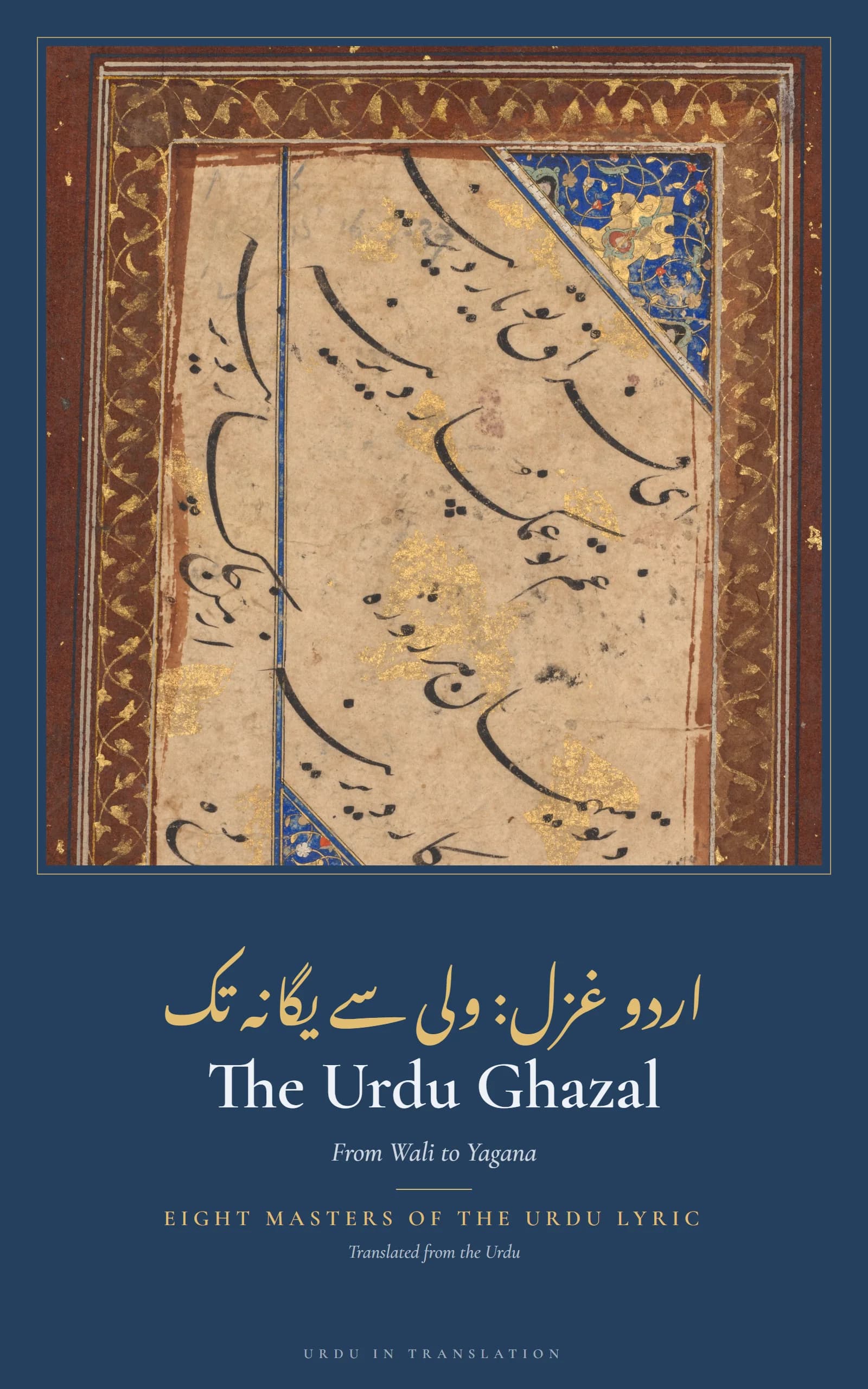
This book gives the Urdu text, with an English translation, of forty-eight *ghazals* (lyric poems in couplets) by eight poets, six by each, chosen to show the course of the Urdu ghazal over two and a half centuries: Wali Dakhni, Khwaja Mir Dard, Haidar Ali Atish, Shaikh Muhammad Ibrahim Zauq, Dagh Dehlavi, Hasrat Mohani, Fani Badayuni and Yas Yagana Changezi. It follows the "Wali to Yagana" ghazal unit of the Pakistani BS Urdu reading list.
اس کتاب میں آٹھ شاعروں کی اڑتالیس غزلوں کا اردو متن انگریزی ترجمے کے ساتھ دیا گیا ہے، ہر شاعر کی چھ غزلیں، جو ڈھائی صدیوں میں اردو غزل کے سفر کو دکھانے کے لیے منتخب کی گئیں: ولی دکنی، خواجہ میر درد، حیدر علی آتش، شیخ محمد ابراہیم ذوق، داغ دہلوی، حسرت موہانی، فانی بدایونی اور یاس یگانہ چنگیزی۔ یہ پاکستان کے بی ایس اردو نصاب کی "ولی سے یگانہ تک" غزل کی اکائی کے مطابق ہے۔
Source of the Urdu text: Urdu Wikisource (ur.wikisource.org), where each ghazal has its own page, linked from each poet's author page. For each poet, six ghazals were taken from the first ghazals listed on the author page, leaving out only very long poems and two-couplet fragments. Wikisource does not name the printed edition each ghazal was taken from.
اردو متن کا ماخذ: اردو ویکی ماخذ (ur.wikisource.org)، جہاں ہر غزل کا الگ صفحہ ہے جو ہر شاعر کے صفحۂ مصنف سے مربوط ہے۔ ہر شاعر کی چھ غزلیں صفحۂ مصنف پر درج ابتدائی غزلوں میں سے لی گئیں، اور صرف بہت طویل غزلیں اور دو شعروں کے ٹکڑے چھوڑے گئے۔ ویکی ماخذ پر یہ درج نہیں کہ ہر غزل کس مطبوعہ نسخے سے لی گئی۔
What is included and what is left out: each ghazal is given complete, as it stands on Wikisource, with nothing added. Wikisource page headings and licence notices are left out. Spellings in the source, including Wali's old Deccani forms (*sun* for *se*, *kun* for *ko*, *nain* for *nahin*) and a few evident misprints, are kept as they stand; where the meaning is affected, a translator's note says so. Nothing has been supplied to fill a gap.
کیا شامل ہے اور کیا چھوڑا گیا: ہر غزل مکمل، جیسی ویکی ماخذ پر ہے، دی گئی ہے، اور اپنی طرف سے کچھ نہیں بڑھایا گیا۔ ویکی ماخذ کے صفحوں کی سرخیاں اور اجازت نامے کے نوٹ چھوڑ دیے گئے ہیں۔ ماخذ کا املا، ولی کی پرانی دکنی صورتوں (سوں بجائے سے، کوں بجائے کو، نئیں بجائے نہیں) اور کتابت کی چند ظاہر غلطیوں سمیت، جوں کا توں رکھا گیا ہے؛ جہاں معنی پر اثر پڑتا ہے، وہاں مترجم کا نوٹ یہ بتاتا ہے۔ کسی خلا کو پُر کرنے کے لیے کچھ نہیں بڑھایا گیا۔
Arrangement: one chapter for each poet, in order of date. The ghazals are numbered 1 to 48, and each is headed, as is usual, by its first line. Each couplet (*sher*) stands as a block of two lines.
ترتیب: ہر شاعر کا ایک باب، زمانی ترتیب سے۔ غزلوں پر ۱ سے ۴۸ تک نمبر ہیں، اور ہر غزل کا عنوان، دستور کے مطابق، اس کا پہلا مصرع ہے۔ ہر شعر دو سطروں کے ایک بند کی صورت میں ہے۔
Translation: the translation is faithful and complete, in plain modern English, with nothing summarised or skipped. Accuracy comes before rhyme and metre: each couplet is translated as two lines, and the poet's pen name (*takhallus*), which comes in the last couplet, is kept as a name. Where a couplet turns on a pun or an allusion, a translator's note explains it. Key terms are kept in italics with a short gloss and explained in the glossary at the end. Translator's notes are marked [TN: ...].
ترجمہ: ترجمہ امانت دارانہ اور مکمل ہے، سادہ جدید انگریزی میں، کوئی حصہ نہ مختصر کیا گیا نہ چھوڑا گیا۔ قافیے اور وزن پر صحت کو ترجیح دی گئی ہے: ہر شعر کا ترجمہ دو سطروں میں ہے، اور شاعر کا تخلص، جو مقطع میں آتا ہے، نام کی صورت میں رکھا گیا ہے۔ جہاں کسی شعر کا مدار رعایت لفظی یا تلمیح پر ہے، وہاں مترجم کا نوٹ اس کی وضاحت کرتا ہے۔ اہم اصطلاحات انگریزی میں ترچھے حروف میں مختصر وضاحت کے ساتھ رکھی گئی ہیں اور آخر میں فرہنگ میں ان کی شرح ہے۔ مترجم کے نوٹ [TN: ...] سے ظاہر کیے گئے ہیں۔
Copyright: all eight poets died in 1956 or earlier, so their work is in the public domain in Pakistan and India. Wali, Dard, Atish, Zauq and Dagh were published long before 1931. Hasrat Mohani (died 1951), Fani Badayuni (died 1941) and Yas Yagana Changezi (died 1956) published some of their collections in 1931 or later, so the status of their ghazals in the United States should be checked before any sale there. The English translation is new.
حق اشاعت: آٹھوں شاعروں کا انتقال ۱۹۵۶ء یا اس سے پہلے ہوا، اس لیے ان کا کلام پاکستان اور ہندوستان میں پبلک ڈومین میں ہے۔ ولی، درد، آتش، ذوق اور داغ کا کلام ۱۹۳۱ء سے بہت پہلے چھپا۔ حسرت موہانی (وفات ۱۹۵۱ء)، فانی بدایونی (وفات ۱۹۴۱ء) اور یاس یگانہ چنگیزی (وفات ۱۹۵۶ء) کے بعض مجموعے ۱۹۳۱ء یا اس کے بعد چھپے، اس لیے امریکہ میں ان کی غزلوں کی حیثیت وہاں فروخت سے پہلے جانچ لینی چاہیے۔ انگریزی ترجمہ نیا ہے۔
Introduction
تعارف
The *ghazal* is the central form of Urdu poetry. It is a chain of couplets in one metre, held together by a rhyme and often a refrain (*radif*) at the end of each couplet; each couplet is complete in itself, and the poet names himself in the last. Its world is love, almost always unanswered: the cruel and beautiful beloved, the lover's sleepless nights, the rival, the counsellor and the preacher, the tavern and the Saqi, the nightingale and the rose. The same images carry earthly love and the mystic's love of God, and much of the pleasure of the ghazal lies in how a poet turns them anew.
غزل اردو شاعری کی مرکزی صنف ہے۔ یہ ایک ہی بحر کے شعروں کا سلسلہ ہے، جنھیں ہر شعر کے آخر میں قافیہ اور اکثر ردیف باندھے رکھتے ہیں؛ ہر شعر اپنی جگہ مکمل ہوتا ہے، اور شاعر آخری شعر میں اپنا تخلص لاتا ہے۔ اس کی دنیا عشق کی ہے، تقریباً ہمیشہ بے جواب عشق: ظالم اور حسین محبوب، عاشق کی بے خواب راتیں، رقیب، ناصح اور واعظ، میکدہ اور ساقی، بلبل اور گل۔ یہی تصویریں مجازی عشق کو بھی اٹھاتی ہیں اور صوفی کے عشق الٰہی کو بھی، اور غزل کا بہت سا لطف اس میں ہے کہ شاعر انھیں کس نئے انداز سے برتتا ہے۔
Wali (about 1667–1707) wrote in the Urdu of the Deccan, and his visit to Delhi in 1700 is said to have shown the poets of the north that the ghazal could be written in Urdu as well as in Persian; he is often called the father of Urdu poetry. Khwaja Mir Dard (1721–1785), a Sufi of Delhi, gave the ghazal its most purely mystical voice. Haidar Ali Atish (1778–1846) of Lucknow brought a bold, colourful and passionate manner, and Shaikh Muhammad Ibrahim Zauq (1790–1854), poet laureate of the last Mughal emperor and rival of Ghalib, a polished command of idiom and proverb.
ولی (تقریباً ۱۶۶۷ء–۱۷۰۷ء) نے دکن کی اردو میں لکھا، اور کہا جاتا ہے کہ ۱۷۰۰ء میں ان کے دہلی آنے سے شمال کے شاعروں پر کھلا کہ غزل فارسی کی طرح اردو میں بھی کہی جا سکتی ہے؛ انھیں اکثر اردو شاعری کا باوا آدم کہا جاتا ہے۔ دہلی کے صوفی خواجہ میر درد (۱۷۲۱ء–۱۷۸۵ء) نے غزل کو اس کی خالص ترین صوفیانہ آواز دی۔ لکھنؤ کے حیدر علی آتش (۱۷۷۸ء–۱۸۴۶ء) ایک بے باک، رنگین اور پرجوش انداز لائے، اور آخری مغل بادشاہ کے ملک الشعرا اور غالب کے حریف شیخ محمد ابراہیم ذوق (۱۷۹۰ء–۱۸۵۴ء) محاورے اور کہاوت پر منجھی ہوئی قدرت۔
Dagh Dehlavi (1831–1905), raised in the Red Fort, became the master of the playful, colloquial love ghazal of Delhi speech, and ended his life as court poet in Hyderabad, with hundreds of pupils across India. In the twentieth century Hasrat Mohani (1875–1951), a fighter for Indian freedom who spent years in prison, renewed the classical love ghazal with personal feeling; Fani Badayuni (1879–1941) made it a poetry of sorrow and death; and Yas Yagana Changezi (1884–1956), proud and quarrelsome, a fierce critic of Ghalib, gave it a sharp, modern voice of self-assertion and doubt.
لال قلعے میں پلے داغ دہلوی (۱۸۳۱ء–۱۹۰۵ء) دلی کی بول چال کی شوخ اور بے تکلف عشقیہ غزل کے استاد بنے، اور عمر کا آخری حصہ حیدرآباد میں درباری شاعر کی حیثیت سے گزارا، جہاں ہندوستان بھر میں ان کے سیکڑوں شاگرد تھے۔ بیسویں صدی میں ہندوستان کی آزادی کے مجاہد حسرت موہانی (۱۸۷۵ء–۱۹۵۱ء)، جنھوں نے برسوں قید کاٹی، نے کلاسیکی عشقیہ غزل کو ذاتی جذبے سے نئی زندگی دی؛ فانی بدایونی (۱۸۷۹ء–۱۹۴۱ء) نے اسے غم اور موت کی شاعری بنایا؛ اور خود دار اور جھگڑالو یاس یگانہ چنگیزی (۱۸۸۴ء–۱۹۵۶ء)، جو غالب کے سخت نقاد تھے، نے اسے خود اثباتی اور شک کی ایک تیکھی، جدید آواز دی۔
Why it is studied: these eight poets are the standard sequence of the Urdu ghazal in university courses in Pakistan and India. Read together, they show how one form passed from the Deccan to Delhi and Lucknow, from Sufism to courtly wit, and from the Mughal court to the politics and private anguish of the twentieth century.
یہ کلام کیوں پڑھا جاتا ہے: یہ آٹھ شاعر پاکستان اور ہندوستان کی جامعات میں اردو غزل کا معیاری سلسلہ ہیں۔ انھیں ساتھ پڑھنے سے معلوم ہوتا ہے کہ ایک صنف کس طرح دکن سے دہلی اور لکھنؤ پہنچی، تصوف سے درباری ظرافت تک، اور مغل دربار سے بیسویں صدی کی سیاست اور نجی کرب تک۔
Names in this translation: Wali, Dard, Atish, Zauq, Dagh, Hasrat, Fani, Yas or Yagana, Ghalib, Majnun, Laila, Farhad, Joseph, Moses, Jesus, Bihzad, Delhi, Lucknow, the Deccan, Hyderabad. Key terms are kept in italics with a short gloss on first use, and explained in the glossary at the end.
اس ترجمے میں نام: Wali (ولی)، Dard (درد)، Atish (آتش)، Zauq (ذوق)، Dagh (داغ)، Hasrat (حسرت)، Fani (فانی)، Yas / Yagana (یاس / یگانہ)، Ghalib (غالب)، Majnun (مجنوں)، Laila (لیلیٰ)، Farhad (فرہاد)، Joseph (یوسف)، Moses (موسیٰ)، Jesus (عیسیٰ)، Bihzad (بہزاد)، Delhi (دہلی)، Lucknow (لکھنؤ)، the Deccan (دکن)، Hyderabad (حیدرآباد)۔ اہم اصطلاحات پہلی بار ترچھے حروف میں مختصر وضاحت کے ساتھ آتی ہیں، اور آخر میں فرہنگ میں ان کی شرح ہے۔
How to cite: *The Urdu Ghazal from Wali to Yagana* (Urdu Wikisource), with English translation, urduintranslation.com, 2026, https://www.urduintranslation.com/works/ghazal-wali-to-yagana.
حوالہ: اردو غزل، ولی سے یگانہ تک (اردو ویکی ماخذ)، مع انگریزی ترجمہ، urduintranslation.com، ۲۰۲۶ء، https://www.urduintranslation.com/works/ghazal-wali-to-yagana۔
这一章在你心里留下了什么?
登录后参与
讨论
还没有人开口。说说这一章触动了你什么。