Глава 1 из 7
About This Edition and Introduction
اس اشاعت کے بارے میں اور تعارف
Коснитесь слова на урду или английском, и появится его значение. Выделите фразу, чтобы увидеть её целиком.
About This Edition
اس اشاعت کے بارے میں
This book gives the Urdu text and a new English translation of twenty-four poems by Brij Narain Chakbast (1882–1926): twelve *nazms* (poems on a single theme), among them "The Dust of Hind", "The Song of the Homeland", "A Scene from the Ramayana" and his elegies on Tilak and Gokhale, and twelve *ghazals* (lyric poems). The title, *Chakbast ki Nazmen* ("Poems of Chakbast"), has been given to this selection by the present edition.
اس کتاب میں برج نرائن چکبست (۱۸۸۲ء–۱۹۲۶ء) کی چوبیس نظموں اور غزلوں کا اردو متن اور ان کا نیا انگریزی ترجمہ ہے: بارہ نظمیں، جن میں ’’خاک ہند‘‘، ’’وطن کا راگ‘‘، ’’رامائن کا ایک سین‘‘ اور تلک اور گوکھلے کے مرثیے شامل ہیں، اور بارہ غزلیں۔ کتاب کا نام ’’چکبست کی نظمیں‘‘ اس اشاعت نے اس انتخاب کو دیا ہے۔
Source of the Urdu text: Urdu Wikisource (ur.wikisource.org), the twenty-five pages listed under the author, downloaded in October 2026 and marked {{PD-India}}. Wikisource gives two versions of "The Rains"; the shorter is wholly contained in the longer, so only the longer is printed here.
اردو متن کا ماخذ: اردو ویکی ماخذ (ur.wikisource.org)، مصنف کے تحت درج پچیس صفحات، اکتوبر ۲۰۲۶ء میں حاصل کیے گئے، جن پر {{PD-India}} درج ہے۔ ویکی ماخذ پر ’’برسات‘‘ کے دو متن ہیں؛ چھوٹا متن پورا کا پورا بڑے میں شامل ہے، اس لیے یہاں صرف بڑا متن دیا گیا ہے۔
What is left out and what was changed: nothing has been left out, and the source pages carry no modern editorial matter. The poems are grouped by kind. Poems in stanzas (*musaddas*, six-line stanzas) are printed in their stanzas; Wikisource sometimes breaks them after every couplet. Ghazals are printed a couplet to a block and are headed by their first line. A few doubtful readings of the source are kept and explained in notes.
کیا چھوڑا گیا اور کیا بدلا گیا: کچھ نہیں چھوڑا گیا، اور ماخذ کے صفحات پر کوئی جدید ادارتی مواد نہیں۔ نظمیں قسم کے لحاظ سے ترتیب دی گئی ہیں۔ بندوں والی نظمیں (مسدس) اپنے بندوں میں دی گئی ہیں؛ ویکی ماخذ انہیں کبھی ہر شعر کے بعد توڑ دیتا ہے۔ غزلیں ایک شعر فی حصہ دی گئی ہیں اور ان کے عنوان ان کا پہلا مصرع ہیں۔ ماخذ کی چند مشکوک قراءتوں کی وضاحت نوٹوں میں کی گئی ہے۔
Copyright: Chakbast died in 1926, so his poems are in the public domain in Pakistan and India. The English translation is new. Translator's notes are marked [TN: …]. The translation keeps each line of verse as a line, and puts accuracy before rhyme.
حق اشاعت: چکبست کا انتقال ۱۹۲۶ء میں ہوا، اس لیے ان کی شاعری پاکستان اور ہندوستان میں پبلک ڈومین میں ہے۔ انگریزی ترجمہ نیا ہے۔ مترجم کے نوٹ [TN: …] سے ظاہر کیے گئے ہیں۔ ترجمے میں ہر مصرع الگ سطر میں رکھا گیا ہے، اور صحت کو قافیے پر مقدم رکھا گیا ہے۔
Names are spelled in one way throughout: Hind, India, Kashmir, Lucknow, Poona, Maharashtra, the Deccan, the Punjab, the Himalaya, the Ganges, the Jumna; Gautama (the Buddha), Sarmad, Akbar, Rana (Rana Pratap), Tilak, Gokhale, Gandhi, Mrs Besant, Asaf-ud-Daula, Rama, Bhishma, Joseph, Zulaikha, Majnun.
ترجمے میں نام ایک ہی طرح لکھے گئے ہیں: ہند، ہندوستان، کشمیر، لکھنؤ، پونا، مہاراشٹر، دکن، پنجاب، ہمالہ، گنگا، جمنا؛ گوتم (بدھ)، سرمد، اکبر، رانا (رانا پرتاپ)، تلک، گوکھلے، گاندھی، مسز بسنٹ، آصف الدولہ، رام، بھیشم، یوسف، زلیخا، مجنوں۔
Introduction
تعارف
Brij Narain Chakbast was born in 1882 at Faizabad, in a family of Kashmiri Pandits settled in Lucknow, and grew up and worked in Lucknow, where he practised as a lawyer. He belonged to the old Urdu culture of the city, which Kashmiri Pandits shared fully with their Muslim neighbours, and he wrote Urdu verse from his schooldays. His collected poems, *Subh-e-Watan* ("Dawn of the Homeland"), made him known as the poet of Indian nationalism in Urdu. He died suddenly in 1926, on a railway platform at Rae Bareli, at the age of forty-four.
برج نرائن چکبست ۱۸۸۲ء میں فیض آباد میں لکھنؤ میں آباد کشمیری پنڈتوں کے ایک خاندان میں پیدا ہوئے، اور لکھنؤ ہی میں پلے بڑھے اور وکالت کی۔ وہ شہر کی اس پرانی اردو تہذیب کا حصہ تھے جس میں کشمیری پنڈت اپنے مسلمان پڑوسیوں کے پورے شریک تھے، اور اسکول کے زمانے سے اردو شعر کہتے تھے۔ ان کے مجموعۂ کلام ’’صبح وطن‘‘ نے انہیں اردو میں ہندوستانی قوم پرستی کا شاعر مشہور کیا۔ ۱۹۲۶ء میں چوالیس برس کی عمر میں رائے بریلی کے ریلوے پلیٹ فارم پر اچانک ان کا انتقال ہوا۔
Chakbast's subject is the homeland. "The Dust of Hind" praises India's past, from Gautama to Akbar and Rana Pratap, and mourns its present sleep; "Our Homeland" is a simple song of its trees, rains and rivers; "The Song of the Homeland" is a marching song of the Home Rule movement of Mrs Annie Besant, with the refrain "we would not take even paradise in place of Home Rule". "The Vedas" finds in the ancient hymns a lesson of the one light in all things. His elegies on Gopal Krishna Gokhale (d. 1915) and Bal Gangadhar Tilak (d. 1920) are among the finest Urdu poems on public men; the Tilak elegy ends by asking that the hero of the nation be laid, like Bhishma in the Mahabharata, on a pyre of arrows.
چکبست کا موضوع وطن ہے۔ ’’خاک ہند‘‘ گوتم سے اکبر اور رانا پرتاپ تک ہندوستان کے ماضی کی تعریف اور اس کی موجودہ نیند کا ماتم ہے؛ ’’ہمارا وطن‘‘ اس کے درختوں، برسات اور دریاؤں کا سادہ گیت ہے؛ ’’وطن کا راگ‘‘ مسز اینی بسنٹ کی ہوم رول تحریک کا ترانہ ہے، جس کی ٹیپ ہے ’’نہ لیں بہشت بھی ہم ہوم رول کے بدلے‘‘۔ ’’وید‘‘ قدیم منتروں میں ہر شے میں ایک ہی نور کا سبق دیکھتی ہے۔ گوپال کرشن گوکھلے (وفات ۱۹۱۵ء) اور بال گنگا دھر تلک (وفات ۱۹۲۰ء) پر ان کے مرثیے قومی رہنماؤں پر اردو کی بہترین نظموں میں ہیں؛ تلک کا مرثیہ اس آرزو پر ختم ہوتا ہے کہ قوم کے ہیرو کو مہابھارت کے بھیشم کی طرح تیروں کی چتا پر لٹایا جائے۔
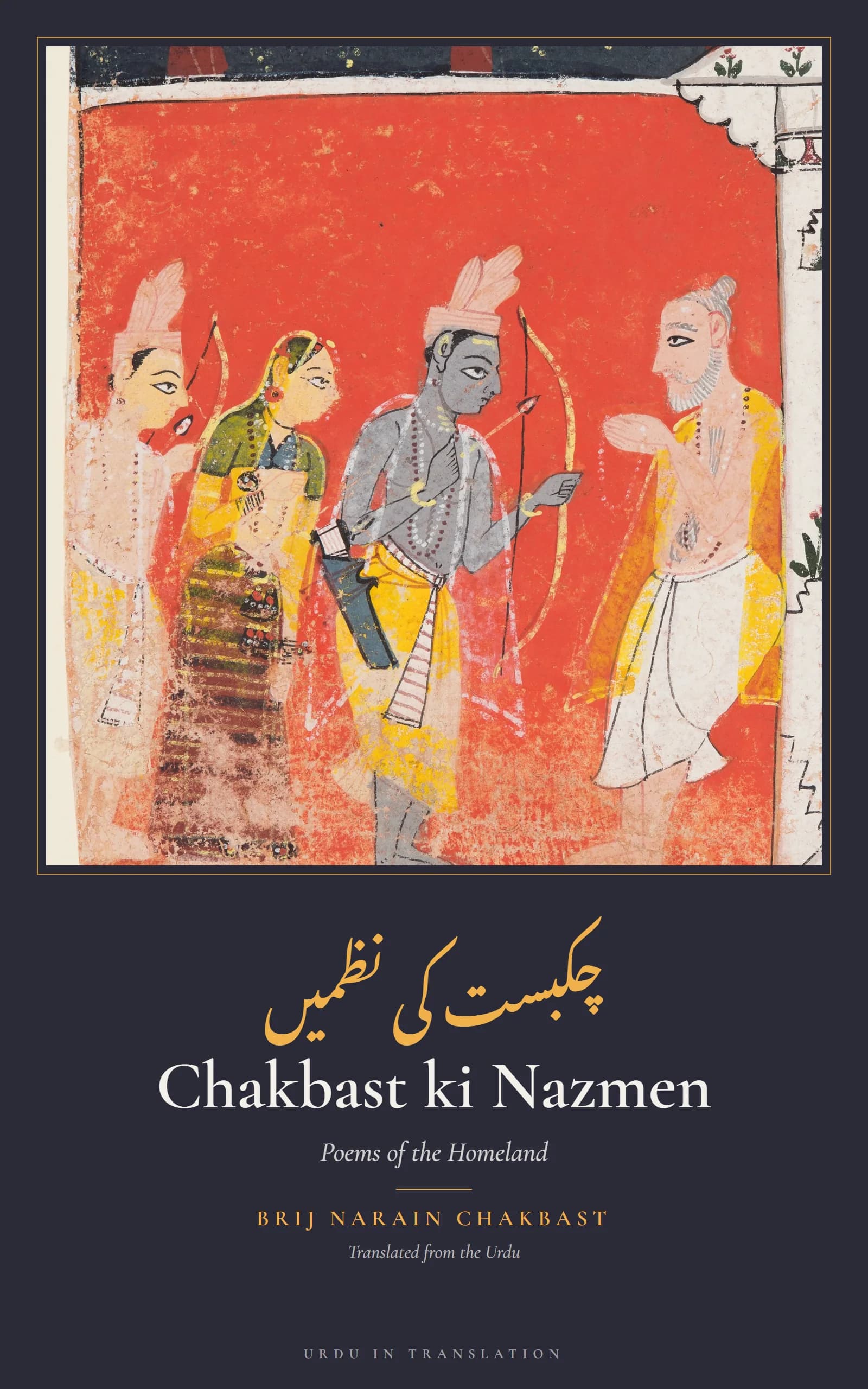
"A Scene from the Ramayana" is his best-known poem: in twenty-two six-line stanzas, Rama, sent into exile, takes leave of his mother Kaushalya, who pours out her grief, and he comforts her with patience and trust in God. The stanza and the diction are those of the Urdu *marsiya* of Lucknow, the elegy on the martyrs of Karbala, here turned to a Hindu story. "The Pain of the Heart" seems to have been written for the anniversary of a society of young men that the poet helped to found. The ghazals are in the Lucknow manner, but often carry the same themes of the nation, of faith beyond Sheikh and Brahmin, and of the dust of the homeland.
’’رامائن کا ایک سین‘‘ ان کی سب سے مشہور نظم ہے: بائیس بندوں میں جلاوطنی پر روانہ ہوتے رام اپنی ماں کوشلیا سے رخصت ہوتے ہیں، جو اپنا غم بیان کرتی ہیں، اور رام انہیں صبر اور خدا پر بھروسے سے تسلی دیتے ہیں۔ بند اور زبان لکھنؤ کے اردو مرثیے کی ہے، جو شہدائے کربلا پر لکھا جاتا تھا، اور یہاں ایک ہندو قصے کی طرف موڑ دیا گیا ہے۔ ’’درد دل‘‘ بظاہر نوجوانوں کی ایک انجمن کی سالگرہ کے لیے لکھی گئی، جس کے قیام میں شاعر کا ہاتھ تھا۔ غزلیں لکھنؤ کے رنگ میں ہیں، مگر اکثر انہی موضوعات کو لیے ہوئے ہیں: قوم، شیخ و برہمن سے بالاتر ایمان، اور وطن کی خاک۔
Что оставила в вас эта глава?
Войдите, чтобы отреагировать
Обсуждение
Пока никто не высказался. Расскажите, что всколыхнула в вас эта глава.