Chapitre 1 sur 22
About This Edition and Introduction
اس اشاعت کے بارے میں اور تعارف
Touchez un mot, en ourdou ou en anglais : son sens apparaît. Sélectionnez une phrase pour la voir entière.
About This Edition
اس اشاعت کے بارے میں
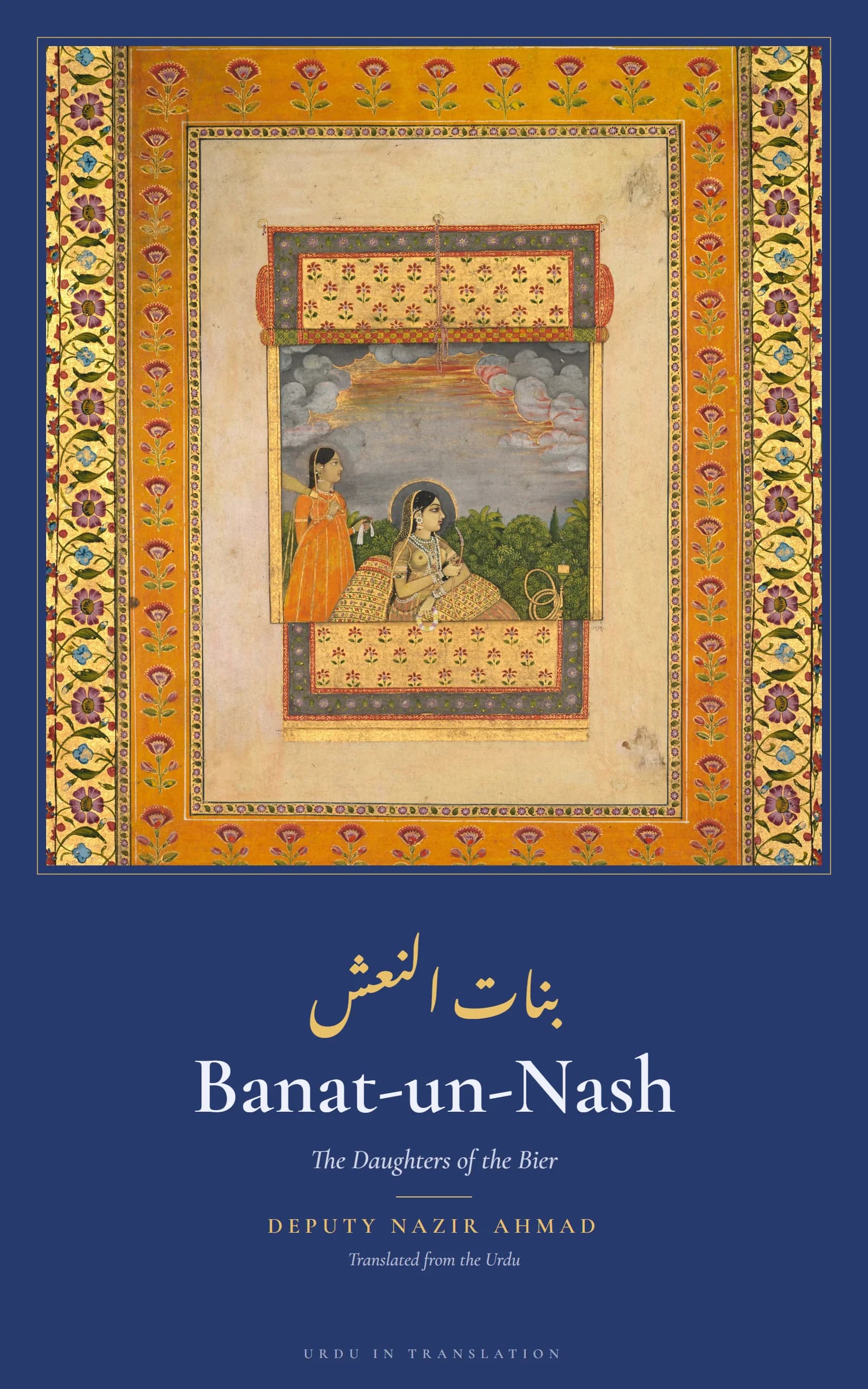
This book gives the complete Urdu text, with an English translation, of *Banat-un-Nash* ("The Daughters of the Bier", the Arabic name of the seven stars of the Great Bear) by Deputy Nazir Ahmad (1830/31–1912). It was written about 1872 as the second part of his *Mirat-ul-Uroos* (1869), and continues the story of Asghari, the capable heroine of that book, who now keeps a school for girls in her house in Delhi.
اس کتاب میں ڈپٹی نذیر احمد (۱۸۳۰ء/۳۱ء–۱۹۱۲ء) کی "بنات النعش" کا مکمل اردو متن انگریزی ترجمے کے ساتھ دیا گیا ہے۔ بنات النعش عربی میں دب اکبر کے سات ستاروں کا نام ہے۔ یہ کتاب تقریباً ۱۸۷۲ء میں "مرآۃ العروس" (۱۸۶۹ء) کے دوسرے حصے کے طور پر لکھی گئی، اور اس میں اسی کتاب کی سلیقہ مند ہیروئن اصغری کا قصہ آگے چلتا ہے، جو اب دلی میں اپنے گھر پر لڑکیوں کا مکتب چلاتی ہے۔
Source of the Urdu text: a Delhi reprint published by the author's grandson, Muhammad Muslim Ahmad, catalogued with the date 1950. The scan, made from the copy in the Allama Iqbal Library of the University of Kashmir, is freely available on the Internet Archive (archive.org/details/in.ernet.dli.2015.498588, from the Digital Library of India). The book runs to 221 printed pages. The text was transcribed page by page from the scan for this edition.
اردو متن کا ماخذ: مصنف کے پوتے محمد مسلم احمد کی شائع کردہ دہلی کی ایک اشاعت، جس پر کیٹلاگ میں ۱۹۵۰ء کی تاریخ درج ہے۔ اس کا اسکین، جو کشمیر یونیورسٹی کی علامہ اقبال لائبریری کے نسخے سے بنا، انٹرنیٹ آرکائیو پر مفت دستیاب ہے (archive.org/details/in.ernet.dli.2015.498588، ڈیجیٹل لائبریری آف انڈیا سے)۔ کتاب ۲۲۱ مطبوعہ صفحات پر مشتمل ہے۔ اس اشاعت کے لیے متن اسکین سے صفحہ بہ صفحہ نقل کیا گیا۔
What is included and what is left out: the whole of Nazir Ahmad's text is given, from his preface to the closing word *faqat* ("the end"), with the author's own footnotes, which explain hard words and phrases. Left out, as later editorial matter: the publisher's afterword (*khatima*) signed by Muhammad Muslim Ahmad, and two footnotes that speak of Nazir Ahmad in the third person and so were added by a later publisher. A few of the author's notes were added in a later printing during his lifetime (one is dated 1888); they are kept, and a translator's note says so where it matters. Where the scan is cut off, blurred or blank, the gap is marked [illegible], and where the printing itself has dots in place of words, a translator's note says so. Readings that are possible but uncertain are kept as printed. Nothing has been supplied to fill a gap.
کیا شامل ہے اور کیا چھوڑا گیا: نذیر احمد کا پورا متن، دیباچے سے لے کر آخری لفظ "فقط" تک، مصنف کے اپنے حواشی کے ساتھ دیا گیا ہے، جن میں مشکل الفاظ اور محاوروں کی شرح ہے۔ بعد کے اضافے ہونے کی بنا پر یہ چیزیں چھوڑ دی گئیں: محمد مسلم احمد کا لکھا ہوا ناشر کا خاتمہ، اور دو حاشیے جن میں نذیر احمد کا ذکر غائب کے صیغے میں ہے اور جو اس لیے کسی بعد کے ناشر کے ہیں۔ مصنف کے چند حاشیے ان کی زندگی ہی میں کسی بعد کی اشاعت میں بڑھائے گئے (ایک پر ۱۸۸۸ء کی تاریخ ہے)؛ وہ رکھے گئے ہیں، اور جہاں ضروری تھا، مترجم کا نوٹ اس کی وضاحت کرتا ہے۔ جہاں اسکین کٹا ہوا، دھندلا یا خالی ہے، وہاں [illegible] لکھا گیا ہے، اور جہاں خود چھپائی میں الفاظ کی جگہ نقطے ہیں، وہاں مترجم کا نوٹ یہ بتاتا ہے۔ جو قراءتیں ممکن مگر غیر یقینی ہیں، وہ چھپے ہوئے متن کے مطابق رکھی گئی ہیں۔ کسی خلا کو پُر کرنے کے لیے اپنی طرف سے کچھ نہیں بڑھایا گیا۔
Arrangement: Nazir Ahmad divides the book into titled sections, which are kept here as chapters with his own headings; a chapter that holds two of his sections keeps both headings. The author's footnotes are collected at the end of each chapter. Page numbers and running heads are left out.
ترتیب: نذیر احمد نے کتاب کو عنوان دار حصوں میں بانٹا ہے، جو یہاں انھی کے عنوانات کے ساتھ ابواب کی صورت میں رکھے گئے ہیں؛ جس باب میں ان کے دو حصے ہیں، اس میں دونوں عنوان باقی رکھے گئے ہیں۔ مصنف کے حواشی ہر باب کے آخر میں جمع کر دیے گئے ہیں۔ صفحوں کے نمبر اور سرخیاں حذف کر دی گئی ہیں۔
Translation: the translation is faithful and complete, in plain modern English, with nothing summarised or skipped. The book is mostly dialogue, and the dialogue is kept as dialogue, with each speaker's name as printed. Arabic and Persian quotations, verses and sayings are translated, with the originals in the facing Urdu column. Key terms are kept in italics with a short gloss and explained in the glossary at the end. Nazir Ahmad's science and geography are those of the 1870s, and his views of the English, of the Revolt of 1857, of villagers and of women are those of a Muslim official of his time; all are translated as he wrote them, without comment except where a fact needs explaining. Translator's notes are marked [TN: ...].
ترجمہ: ترجمہ امانت دارانہ اور مکمل ہے، سادہ جدید انگریزی میں، کوئی حصہ نہ مختصر کیا گیا نہ چھوڑا گیا۔ کتاب زیادہ تر مکالمے پر مشتمل ہے، اور مکالمہ مکالمے ہی کی صورت میں رکھا گیا ہے، ہر بولنے والے کے نام کے ساتھ جیسا کہ چھپا ہے۔ عربی اور فارسی اقتباسات، اشعار اور اقوال کا ترجمہ کیا گیا ہے، اور اصل مقابل کے اردو کالم میں موجود ہے۔ اہم اصطلاحات انگریزی میں ترچھے حروف میں مختصر وضاحت کے ساتھ رکھی گئی ہیں اور آخر میں فرہنگ میں ان کی شرح ہے۔ نذیر احمد کی سائنس اور جغرافیہ ۱۸۷۰ء کی دہائی کے ہیں، اور انگریزوں، ۱۸۵۷ء کے ہنگامے، دیہاتیوں اور عورتوں کے بارے میں ان کی رائیں اپنے زمانے کے ایک مسلمان سرکاری عہدے دار کی ہیں؛ یہ سب جیسا انھوں نے لکھا ویسا ہی ترجمہ کیا گیا ہے، اور تبصرہ صرف وہاں ہے جہاں کسی بات کی وضاحت ضروری تھی۔ مترجم کے نوٹ [TN: ...] سے ظاہر کیے گئے ہیں۔
Copyright: Nazir Ahmad died in 1912, and *Banat-un-Nash* was first published in the 1870s, so the text is in the public domain in Pakistan, India and the United States. The English translation is new.
حق اشاعت: نذیر احمد کا انتقال ۱۹۱۲ء میں ہوا، اور بنات النعش پہلی بار ۱۸۷۰ء کی دہائی میں چھپی، اس لیے یہ متن پاکستان، ہندوستان اور امریکہ میں پبلک ڈومین میں ہے۔ انگریزی ترجمہ نیا ہے۔
Introduction
تعارف
Nazir Ahmad was born in 1830 or 1831 at Rehar in the Bijnor district, the son of a poor scholarly family. He was sent to Delhi as a boy to study in a mosque school, and then at Delhi College, where he learned Arabic and later English. He entered government service in education, survived the Revolt of 1857, helped to translate the Indian Penal Code into Urdu, and rose to be a deputy collector, which is why he is still called "Deputy" Nazir Ahmad. Later he served the state of Hyderabad, and after retiring to Delhi he made a famous Urdu translation of the Qur'an. He died in Delhi in 1912.
نذیر احمد ۱۸۳۰ء یا ۱۸۳۱ء میں ضلع بجنور کے قصبے ریہڑ میں ایک غریب علمی خاندان میں پیدا ہوئے۔ لڑکپن میں دلی بھیجے گئے، جہاں پہلے ایک مسجد کے مکتب میں اور پھر دلی کالج میں پڑھا، اور عربی اور بعد میں انگریزی سیکھی۔ سرکاری محکمۂ تعلیم میں ملازم ہوئے، ۱۸۵۷ء کے ہنگامے سے بچ نکلے، تعزیرات ہند کے اردو ترجمے میں حصہ لیا، اور ڈپٹی کلکٹر کے عہدے تک پہنچے، اسی لیے آج تک "ڈپٹی" نذیر احمد کہلاتے ہیں۔ بعد میں ریاست حیدرآباد کی ملازمت کی، اور دلی میں گوشہ نشین ہو کر قرآن مجید کا مشہور اردو ترجمہ کیا۔ ۱۹۱۲ء میں دلی میں انتقال ہوا۔
He began writing stories for his own children. *Mirat-ul-Uroos* ("The Bride's Mirror", 1869), the tale of two sisters, the foolish Akbari and the sensible Asghari, won a government prize and became one of the most widely read books in Urdu; it is often called the first Urdu novel. *Banat-un-Nash* followed, then *Taubat-un-Nasuh* ("The Repentance of Nasuh", 1874), *Ibn-ul-Waqt* (1888) and other novels on family life, religion and the new world of English rule.
انھوں نے کہانیاں لکھنا اپنے بچوں کے لیے شروع کیا۔ "مرآۃ العروس" (۱۸۶۹ء)، جو دو بہنوں، بے سلیقہ اکبری اور سمجھ دار اصغری، کا قصہ ہے، سرکاری انعام کی مستحق ٹھہری اور اردو کی سب سے زیادہ پڑھی جانے والی کتابوں میں شامل ہوئی؛ اسے اکثر اردو کا پہلا ناول کہا جاتا ہے۔ اس کے بعد "بنات النعش" آئی، پھر "توبۃ النصوح" (۱۸۷۴ء)، "ابن الوقت" (۱۸۸۸ء) اور خانگی زندگی، مذہب اور انگریزی راج کی نئی دنیا پر دوسرے ناول۔
In *Banat-un-Nash* Asghari, now a respected married woman, runs a school for the daughters of good families in her neighbourhood. Into it comes Husn Ara, the spoilt and bad-tempered daughter of a rich and indulgent household. Through talk, example and patience rather than punishment, Asghari and her sister-in-law Mahmuda cure her of her pride, laziness, bad temper and superstition. Along the way the girls learn arithmetic, the pull of the earth, the shape and size of the globe, the geography of Arabia, astronomy and the cause of eclipses, and they hear stories: the tale of the cruel nobleman Masih-ul-Mulk, a long tale of women's superstitions, the life of a poor but contented family, and the good life of an English family who come to live next door to one of the girls. The book ends with Husn Ara's farewell to the school before her marriage, and with Asghari's gift to her of a book she has written about her pupils, *Banat-un-Nash*.
"بنات النعش" میں اصغری، جو اب ایک معزز شادی شدہ خاتون ہے، اپنے محلے کے شریف گھرانوں کی بیٹیوں کے لیے مکتب چلاتی ہے۔ اس میں حسن آرا داخل ہوتی ہے، جو ایک امیر اور لاڈ پیار کرنے والے گھر کی بگڑی ہوئی، بدمزاج بیٹی ہے۔ سزا کے بجائے باتوں، مثال اور صبر کے ذریعے اصغری اور اس کی نند محمودہ اسے غرور، سستی، بدمزاجی اور توہم پرستی سے چھڑاتی ہیں۔ اس دوران لڑکیاں حساب، زمین کی کشش، زمین کی شکل اور جسامت، عرب کا جغرافیہ، علم ہیئت اور گہن کا سبب سیکھتی ہیں، اور کہانیاں سنتی ہیں: بے رحم امیر مسیح الملک کی حکایت، عورتوں کے توہمات کی ایک طولانی حکایت، ایک غریب مگر آسودہ خاندان کی زندگی، اور ایک انگریز خاندان کی نیک زندگی جو مکتب کی ایک لڑکی کا ہمسایہ ہو جاتا ہے۔ کتاب حسن آرا کے بیاہ سے پہلے مکتب سے رخصت ہونے پر ختم ہوتی ہے، جب اصغری اسے اپنی شاگردوں کے بارے میں اپنی لکھی ہوئی کتاب "بنات النعش" تحفے میں دیتی ہے۔
As Nazir Ahmad says in his preface, *Mirat-ul-Uroos* was meant to teach good conduct and household management, and this second part teaches those too, but above all useful knowledge. It is one of the earliest books in Urdu written to give girls a modern education, and it shows how a Muslim reformer of the 1870s tried to join religious faith, household skill and the new sciences.
جیسا کہ نذیر احمد دیباچے میں کہتے ہیں، "مرآۃ العروس" کا مقصد اخلاق اور خانہ داری کی تعلیم تھا، اور یہ دوسرا حصہ بھی یہ تعلیم دیتا ہے، مگر خاص طور پر علمی معلومات۔ یہ اردو کی ان اولین کتابوں میں سے ہے جو لڑکیوں کو جدید تعلیم دینے کے لیے لکھی گئیں، اور اس سے معلوم ہوتا ہے کہ ۱۸۷۰ء کی دہائی کے ایک مسلمان مصلح نے دینی عقیدے، گھریلو سلیقے اور نئے علوم کو کس طرح یکجا کرنا چاہا۔
Why it is studied: *Banat-un-Nash* is read in courses on the Urdu novel, on women's education and reform in nineteenth-century India, on the history of science writing in Urdu, and on Muslim responses to colonial rule. Its Delhi speech, especially the speech of women, is lively and exact, and it is a rich source for the daily life, food, dress, customs and beliefs of a Delhi household after 1857.
یہ کتاب کیوں پڑھی جاتی ہے: "بنات النعش" اردو ناول، انیسویں صدی کے ہندوستان میں عورتوں کی تعلیم اور اصلاح، اردو میں سائنسی تحریر کی تاریخ، اور انگریزی راج کے بارے میں مسلمانوں کے ردعمل کے نصابوں میں پڑھی جاتی ہے۔ اس کی دلی کی زبان، خصوصاً بیگماتی زبان، زندہ اور ٹھیک ٹھیک ہے، اور ۱۸۵۷ء کے بعد کے دلی کے گھرانوں کی روزمرہ زندگی، کھانوں، لباس، رسموں اور عقیدوں کا ایک بھرپور ماخذ ہے۔
Names in this translation: Nazir Ahmad, Asghari (Asghari Khanam), Mahmuda, Husn Ara (Husna), Sultana Begam, Jamal Ara, Masih-ul-Mulk, Delhi, Jhajjar. Key terms are kept in italics with a short gloss on first use, and explained in the glossary at the end.
اس ترجمے میں نام: Nazir Ahmad (نذیر احمد)، Asghari Khanam (اصغری خانم)، Mahmuda (محمودہ)، Husn Ara / Husna (حسن آرا / حسنا)، Sultana Begam (سلطانہ بیگم)، Jamal Ara (جمال آرا)، Masih-ul-Mulk (مسیح الملک)، Delhi (دلی)، Jhajjar (جھجر)۔ اہم اصطلاحات پہلی بار ترچھے حروف میں مختصر وضاحت کے ساتھ آتی ہیں، اور آخر میں فرہنگ میں ان کی شرح ہے۔
How to cite: Nazir Ahmad, *Banat-un-Nash* (Delhi reprint, 1950; archive.org/details/in.ernet.dli.2015.498588), with English translation, urduintranslation.com, 2026, https://www.urduintranslation.com/works/banat-un-nash.
حوالہ: نذیر احمد، بنات النعش (دہلی، ۱۹۵۰ء؛ archive.org/details/in.ernet.dli.2015.498588)، مع انگریزی ترجمہ، urduintranslation.com، ۲۰۲۶ء، https://www.urduintranslation.com/works/banat-un-nash۔
Que vous laisse ce chapitre ?
Connectez-vous pour réagir
Discussion
Personne n’a encore parlé. Dites ce que ce chapitre a remué en vous.