第 1 章,共 11 章
About This Edition and Introduction
اس اشاعت کے بارے میں اور تعارف
点一个词,乌尔都语或英语,释义即现。选中一个短语可整体查看。
About This Edition
اس اشاعت کے بارے میں
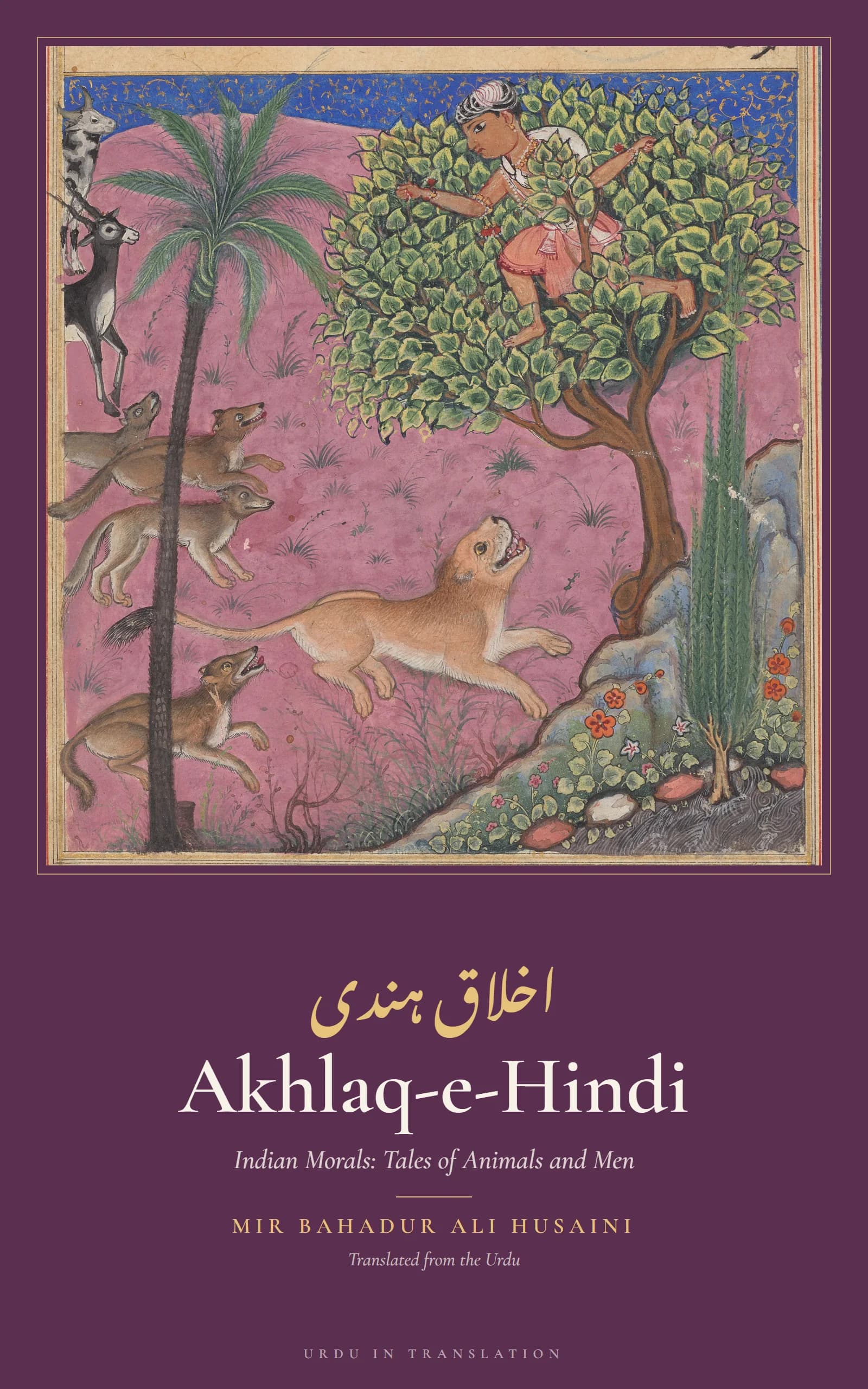
This book gives the complete Urdu text and a new English translation of *Akhlaq-e-Hindi* ("Indian Morals") by Mir Bahadur Ali Husaini, an Urdu version of the old Indian book of fables known as the *Hitopadesha* ("Profitable Counsel"). In his preface the author says that he made it in 1802 of the Christian era (1217 of the Hijra) at the order of John Gilchrist, translating it from a Persian version called *Mufarrih-ul-Qulub* ("The Gladdener of Hearts"), which had been made for Shah Nasir-ud-Din, a ruler whose seat was in Bihar.
اس کتاب میں میر بہادر علی حسینی کی ’’اخلاق ہندی‘‘ کا مکمل اردو متن اور اس کا نیا انگریزی ترجمہ پیش کیا گیا ہے۔ یہ ہندوستان کی قدیم کتابِ حکایات ’’ہتوپدیش‘‘ (مفید نصیحت) کا اردو روپ ہے۔ دیباچے میں مصنف بتاتے ہیں کہ انھوں نے یہ کتاب ١٨٠٢ء (١٢١٧ھ) میں جان گلکرسٹ کے حکم سے فارسی نسخے ’’مفرح القلوب‘‘ سے ترجمہ کی، جو بہار میں اپنا مرکزِ حکومت رکھنے والے شاہ ناصر الدین کے لیے تیار کیا گیا تھا۔
Source of the Urdu text: Urdu Wikisource (ur.wikisource.org), the page اخلاق ہندی and its six section pages (the preface, the account of the book, and the four chapters), downloaded in October 2026. The text runs from the opening praise of God to the closing words "ختم شد" ("The End").
اردو متن کا ماخذ: اردو ویکی ماخذ (ur.wikisource.org) کا صفحہ اخلاق ہندی اور اس کے چھ ذیلی صفحات (دیباچہ، احوالِ کتاب اور چاروں باب)، جو اکتوبر ٢٠٢٦ء میں حاصل کیے گئے۔ متن آغاز کی حمد سے آخری الفاظ ’’ختم شد‘‘ تک ہے۔
What is left out and what was changed: every part of the author's text is given, in his order. The four long chapters (*babs*) are each split in two at the start of one of their main inset stories, so that the book is easier to read online; the author's story titles are kept as headings. Verse lines that the online text had broken apart are joined back into couplets, and one repeated title line is removed. Nothing modern has been added to the Urdu.
کیا چھوڑا گیا اور کیا بدلا گیا: مصنف کے متن کا ہر حصہ انھی کی ترتیب سے دیا گیا ہے۔ چاروں طویل باب آن لائن پڑھنے کی آسانی کے لیے ایک ایک بڑی ضمنی حکایت کے آغاز پر دو دو حصوں میں بانٹے گئے ہیں اور مصنف کے حکایتوں کے عنوان سرخیوں کے طور پر باقی رکھے گئے ہیں۔ جو مصرعے آن لائن متن میں الگ الگ ہو گئے تھے انھیں پھر شعروں کی صورت میں جوڑا گیا ہے اور ایک دہرایا ہوا عنوان حذف کیا گیا ہے۔ اردو متن میں کوئی جدید چیز شامل نہیں کی گئی۔
Copyright: Mir Bahadur Ali Husaini worked at Fort William College in Calcutta in the first years of the nineteenth century, and this book was written in 1802, so his text is in the public domain in Pakistan, India and the United States. The English translation is new. Translator's notes are marked [TN: …].
حقِ اشاعت: میر بہادر علی حسینی انیسویں صدی کے ابتدائی برسوں میں کلکتہ کے فورٹ ولیم کالج سے وابستہ تھے اور یہ کتاب ١٨٠٢ء میں لکھی گئی، اس لیے ان کا متن پاکستان، ہندوستان اور امریکہ میں عوامی ملکیت میں ہے۔ انگریزی ترجمہ نیا ہے۔ مترجم کے حواشی [TN: …] سے ظاہر کیے گئے ہیں۔
Names are spelled in one way throughout: Bishan Sarma, Chitra Griv, Hiranyak, Lag Patang, Manthrak, Chitrang, Damanak, Karatak, Pingal, Sanjog, Gandharb, Birbal, Rai Manduk, Rai Madan Pal Sarang, Megh Baran, Mahabal, Karanpur, Dhaulagir, Ujjain, Badaun, Kanauj, Bihar. The animal characters of the third and fourth chapters are named by their kind, as in the Urdu: the Goose (*qaz*), the Hoopoe (*hudhud*), the Ruddy Sheldrake (*surkhab*), the Vulture (*kargas*), the Crane (*kulang*), the Heron and the Parrot. A glossary of the Urdu, Persian and Hindi terms kept in the translation is given at the end.
ناموں کا املا پوری کتاب میں ایک ہی رکھا گیا ہے: بشن سرما، چترگریو، ہرنیک، لگ پتنگ، منتھرک، چترانگ، دمنک، کرٹک، پنگل، سنجوگ، گندھرب، بیربل، راے منڈوک، راے مدن پال سارنگ، میگھ برن، مہابل، کرن پور، دھولاگر، اجین، بداؤں، قنوج، بہار۔ تیسرے اور چوتھے باب کے جانور کردار اردو کی طرح اپنی جنس کے نام سے پکارے گئے ہیں: قاز، ہدہد، سرخاب، کرگس، کلنگ، بگلا اور توتا۔ ترجمے میں باقی رکھے گئے اردو، فارسی اور ہندی الفاظ کی فرہنگ آخر میں دی گئی ہے۔
Introduction
تعارف
The *Hitopadesha* is one of the most famous story books of India. In it a learned Brahmin, here called Bishan Sarma, undertakes to make the idle sons of a raja wise in the ways of the world, and he does it by telling them stories: animals and men who talk, scheme, make friends, betray one another, go to war and make peace. Each story opens into another, so that a tale told by a crow may hold a tale told by a tortoise, and that in turn a tale told by a deer. The four chapters follow the old plan of the book: the winning of friends, the breaking of friendships, war, and peace.
’’ہتوپدیش‘‘ ہندوستان کی مشہور ترین کہانیوں کی کتابوں میں سے ہے۔ اس میں ایک عالم برہمن، جسے یہاں بشن سرما کہا گیا ہے، ایک راجا کے نکمے بیٹوں کو دنیا کے ڈھنگ سکھانے کا ذمہ لیتا ہے اور یہ کام کہانیاں سنا کر کرتا ہے: بولنے والے جانور اور انسان جو تدبیریں کرتے ہیں، دوستیاں گانٹھتے ہیں، ایک دوسرے کو دغا دیتے ہیں، لڑتے ہیں اور صلح کرتے ہیں۔ ہر کہانی میں سے دوسری کہانی نکلتی ہے۔ چاروں باب کتاب کی پرانی ترتیب پر ہیں: دوست بنانا، دوستی توڑنا، جنگ اور صلح۔
Mir Bahadur Ali Husaini made his Urdu version at Fort William College, the college set up in Calcutta to teach Indian languages to young officers of the East India Company, under its teacher of Hindustani, John Gilchrist. Gilchrist asked his Indian writers to put well-known stories into the plain, everyday Urdu "which high and low speak", as the preface says, and *Akhlaq-e-Hindi* is one of the books that came out of that work. Its prose is easy and lively, full of proverbs, sayings and short verses, and it stands among the early landmarks of modern Urdu prose.
میر بہادر علی حسینی نے یہ اردو روپ فورٹ ولیم کالج میں تیار کیا، جو ایسٹ انڈیا کمپنی کے نوجوان افسروں کو ہندوستانی زبانیں سکھانے کے لیے کلکتہ میں قائم ہوا تھا، اور جہاں ہندوستانی کے استاد جان گلکرسٹ تھے۔ گلکرسٹ اپنے ہندوستانی منشیوں سے معروف کہانیاں اس سادہ روزمرہ اردو میں لکھواتے تھے ’’جو خاص و عام بولتے ہیں‘‘، جیسا کہ دیباچے میں ہے، اور ’’اخلاق ہندی‘‘ اسی کام کا ایک ثمر ہے۔ اس کی نثر رواں اور شگفتہ ہے، کہاوتوں، مثلوں اور مختصر اشعار سے بھری ہوئی، اور جدید اردو نثر کے ابتدائی سنگِ میل میں شمار ہوتی ہے۔
Readers will find in it the wisdom of the old fables side by side with the earthy humour of the bazaar: kings and ministers arguing over war and peace, a donkey in a tiger's skin who cannot stop singing, a crow who betrays the king who trusted him, cunning wives and foolish husbands, and a loyal Rajput who gives everything for his master. The morals are plain and practical, the stories are quick and often funny, and the whole book is still a good way into the Urdu of two hundred years ago.
پڑھنے والے اس میں پرانی حکایتوں کی دانائی کو بازار کے بے تکلف مزاح کے ساتھ پائیں گے: جنگ و صلح پر بحث کرتے بادشاہ اور وزیر، شیر کی کھال میں چھپا گدھا جو گائے بغیر نہیں رہ سکتا، وہ کوا جو اپنے محسن بادشاہ کو دغا دیتا ہے، چالاک بیویاں اور بھولے شوہر، اور وہ وفادار راجپوت جو اپنے آقا پر سب کچھ وار دیتا ہے۔ نصیحتیں سیدھی اور کام کی ہیں، کہانیاں تیز رفتار اور اکثر ہنسانے والی، اور پوری کتاب آج بھی دو سو برس پہلے کی اردو سے آشنا ہونے کا اچھا ذریعہ ہے۔
这一章在你心里留下了什么?
登录后参与
讨论
还没有人开口。说说这一章触动了你什么。