Chapitre 1 sur 4
About This Edition and Introduction
اس اشاعت کے بارے میں اور تعارف
Touchez un mot, en ourdou ou en anglais : son sens apparaît. Sélectionnez une phrase pour la voir entière.
About This Edition
اس اشاعت کے بارے میں
This book gives the Urdu text and a new English translation of eighteen *ghazals* (lyric poems) by Shah Abdul Aleem Aasi Ghazipuri (d. 1917), Sufi master and poet. They are all the poems by Aasi on Urdu Wikisource. The title, *Aasi Ghazipuri ka Kalam* ("Poems of Aasi Ghazipuri"), has been given to this selection by the present edition.
اس کتاب میں صوفی بزرگ اور شاعر شاہ عبد العلیم آسی غازی پوری (م ۱۹۱۷ء) کی اٹھارہ غزلوں کا اردو متن اور ان کا نیا انگریزی ترجمہ ہے۔ یہ ویکی ماخذ پر آسی کا پورا کلام ہے۔ کتاب کا نام ’’آسی غازی پوری کا کلام‘‘ اس اشاعت نے اس انتخاب کو دیا ہے۔
Source of the Urdu text: Urdu Wikisource (ur.wikisource.org), the eighteen pages listed under the author, downloaded in October 2026. The source pages carry no modern editorial matter. Where a reading is obscure, the translation gives the most likely sense and says so in a note.
اردو متن کا ماخذ: اردو ویکی ماخذ (ur.wikisource.org)، مصنف کے تحت درج اٹھارہ صفحات، اکتوبر ۲۰۲۶ء میں حاصل کیے گئے۔ ماخذ کے صفحات پر کوئی جدید ادارتی مواد نہیں۔ جہاں کوئی قرأت مبہم ہے، وہاں ترجمہ سب سے قرین قیاس مفہوم دیتا ہے اور نوٹ میں اس کی وضاحت کرتا ہے۔
What is left out and what was changed: nothing has been left out. The ghazals are given in the order of the source, which is broadly alphabetical by first line, and are headed by their first line. In one closing couplet the source spells the pen name آصی instead of آسی; it is printed as found, with a note.
کیا چھوڑا گیا اور کیا بدلا گیا: کچھ نہیں چھوڑا گیا۔ غزلیں ماخذ کی ترتیب میں ہیں، جو بڑی حد تک پہلے مصرع کے لحاظ سے حروف تہجی کی ترتیب ہے، اور ان کے عنوان ان کا پہلا مصرع ہیں۔ ایک مقطع میں ماخذ نے تخلص آسی کی جگہ آصی لکھا ہے؛ یہ جیسا ملا ویسا دیا گیا ہے، نوٹ کے ساتھ۔
Copyright: Aasi died in 1917, so his poems are in the public domain everywhere. The English translation is new. Translator's notes are marked [TN: …]. The translation keeps each line of verse as a line, and puts accuracy before rhyme. The pen name Aasi is kept as a name.
حق اشاعت: آسی کا انتقال ۱۹۱۷ء میں ہوا، اس لیے ان کا کلام ہر جگہ پبلک ڈومین میں ہے۔ انگریزی ترجمہ نیا ہے۔ مترجم کے نوٹ [TN: …] سے ظاہر کیے گئے ہیں۔ ترجمے میں ہر مصرع الگ سطر میں رکھا گیا ہے، اور صحت کو قافیے پر مقدم رکھا گیا ہے۔ تخلص آسی نام کے طور پر رکھا گیا ہے۔
Names are spelled in one way throughout: Ghazipur, Jaunpur, Medina, Karbala, Canaan, Egypt; Joseph, Khizr; Laila, Qais (Majnun); Ali (Murtaza, Haidar); Nasikh.
ترجمے میں نام ایک ہی طرح لکھے گئے ہیں: غازی پور، جونپور، مدینہ، کربلا، کنعان، مصر؛ یوسف، خضر؛ لیلیٰ، قیس (مجنوں)؛ علی (مرتضیٰ، حیدر)؛ ناسخ۔
Introduction
تعارف
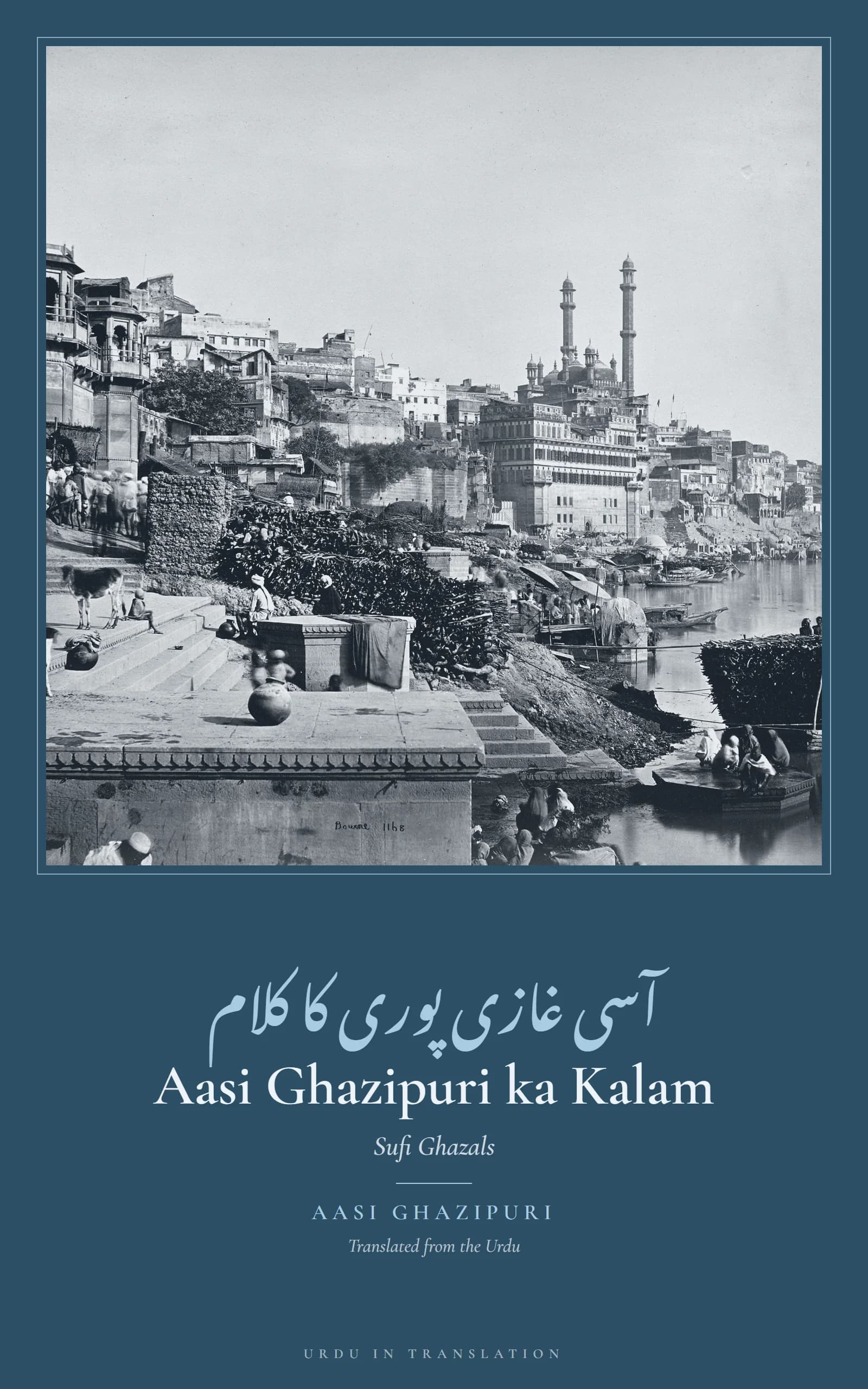
Shah Muhammad Abdul Aleem, who wrote as Aasi, belonged to a family of Sufis of eastern India and spent his life at Ghazipur on the Ganges, where he was the head of a Sufi house and guided many disciples. He died there in 1917. His pen name means "the sinner", a fitting humility for a spiritual master, and his poems were collected after his death in a *diwan* (collected poems).
شاہ محمد عبد العلیم، جو آسی تخلص کرتے تھے، مشرقی ہندوستان کے ایک صوفی خاندان سے تھے اور انہوں نے اپنی زندگی گنگا کے کنارے غازی پور میں گزاری، جہاں وہ ایک خانقاہ کے سربراہ تھے اور بہت سے مریدوں کی رہنمائی کرتے تھے۔ ۱۹۱۷ء میں وہیں ان کا انتقال ہوا۔ ان کے تخلص کے معنی ہیں ’’گنہگار‘‘، جو ایک روحانی پیشوا کے لیے موزوں انکسار ہے، اور ان کا کلام ان کی وفات کے بعد دیوان کی صورت میں جمع ہوا۔
Aasi wrote in the classical manner of the Lucknow school; in his last couplet here he quotes the counsel of Nasikh, the founder of that school, that every couplet in a ghazal should be good enough to survive a selection. But the ghazal in his hands is above all a Sufi poem. The beloved is God, whose glory shines in everything ("Only the blind do not see you"), and the lover's goal is *fana*, the passing away of the self, so that "Before meeting one must pass away; then how can he who has passed away meet?"
آسی نے دبستان لکھنؤ کے کلاسیکی انداز میں کہا؛ یہاں اپنے آخری مقطع میں وہ اس دبستان کے بانی ناسخ کی یہ نصیحت نقل کرتے ہیں کہ غزل کا ہر شعر ایسا ہو کہ انتخاب میں بھی کم نہ ہو۔ مگر ان کے ہاں غزل سب سے بڑھ کر صوفیانہ نظم ہے۔ محبوب خدا ہے، جس کا جلوہ ہر چیز میں ہے (’’نہ دیکھے تجھے کوئی اندھا نہیں ہے‘‘)، اور عاشق کی منزل فنا ہے، یہاں تک کہ ’’ملنے کے پہلے فنا ہونا ضرور، پھر فنا جو ہو گیا کیونکر ملے‘‘۔
The usual figures of the ghazal, the tavern and the preacher, the cupbearer and the idol, the captive bird and the cruel beloved, are all here, but they carry this inward meaning. Several poems turn to Medina and the Prophet's intercession, and to Ali, from whom the Sufi orders trace their line. Beside them stand ghazals of plain earthly longing, such as the night of separation "when my heart leaps into my mouth", which show that the master was also a poet of the senses.
غزل کے معمول کے پیکر، میکدہ اور واعظ، ساقی اور بت، اسیر پرندہ اور ظالم محبوب، سب یہاں ہیں، مگر یہی باطنی معنی رکھتے ہیں۔ کئی غزلیں مدینے اور نبی کی شفاعت کی طرف، اور حضرت علی کی طرف رخ کرتی ہیں، جن سے صوفی سلسلے اپنا شجرہ ملاتے ہیں۔ ان کے ساتھ خالص دنیاوی تڑپ کی غزلیں بھی ہیں، جیسے شب فرقت جب ’’کلیجا منہ کو آتا ہے‘‘، جو بتاتی ہیں کہ یہ پیر حواس کا شاعر بھی تھا۔
Que vous laisse ce chapitre ?
Connectez-vous pour réagir
Discussion
Personne n’a encore parlé. Dites ce que ce chapitre a remué en vous.