Recueil de poèmes
مجموعۂ کلام
Recueil de poèmes
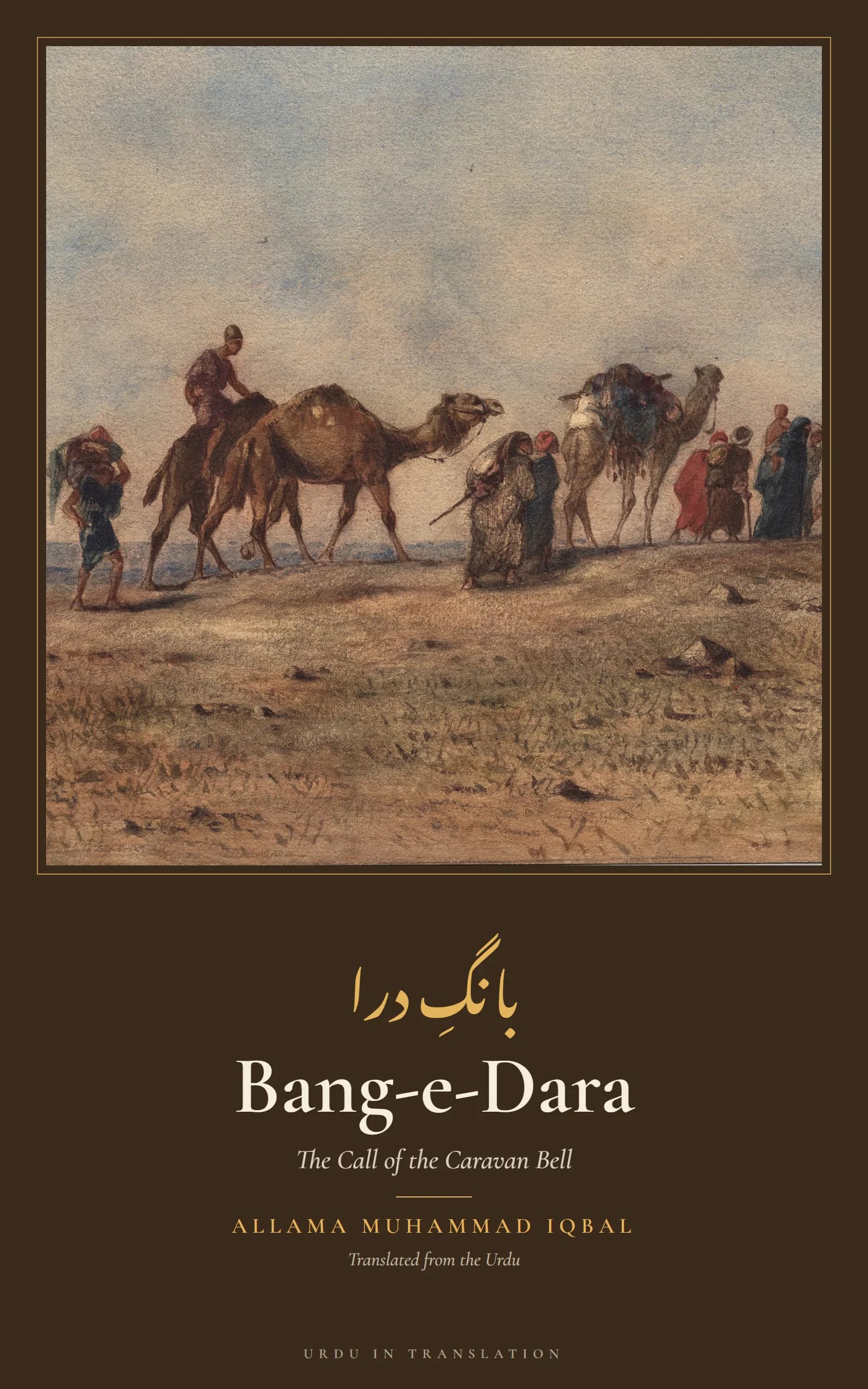
Deux premiers chapitres gratuitsBang-e-Dara (The Call of the Caravan Bell)
بانگِ درا
Allama Muhammad Iqbal
The complete Bang-e-Dara (1924), Allama Muhammad Iqbal's first collection of Urdu verse: all 200 poems of the three parts, with their ghazals and the humorous poems at the end. Here are the young poet's "Himalaya", "Tarana-e-Hindi" (Sare jahan se achchha) and the children's poems; the lyrics written as a student in Europe; and the great poems of the mature Iqbal: Shikwa and Jawab-e-Shikwa, The Candle and the Poet, In Memory of My Late Mother, Khizr of the Way and Tulu-e-Islam. Complete Urdu text with a facing English translation, couplet by couplet, and an introduction. The first two chapters are free to read.
14 chapitresEnglishd’autres langues à venir
Recueil de poèmes
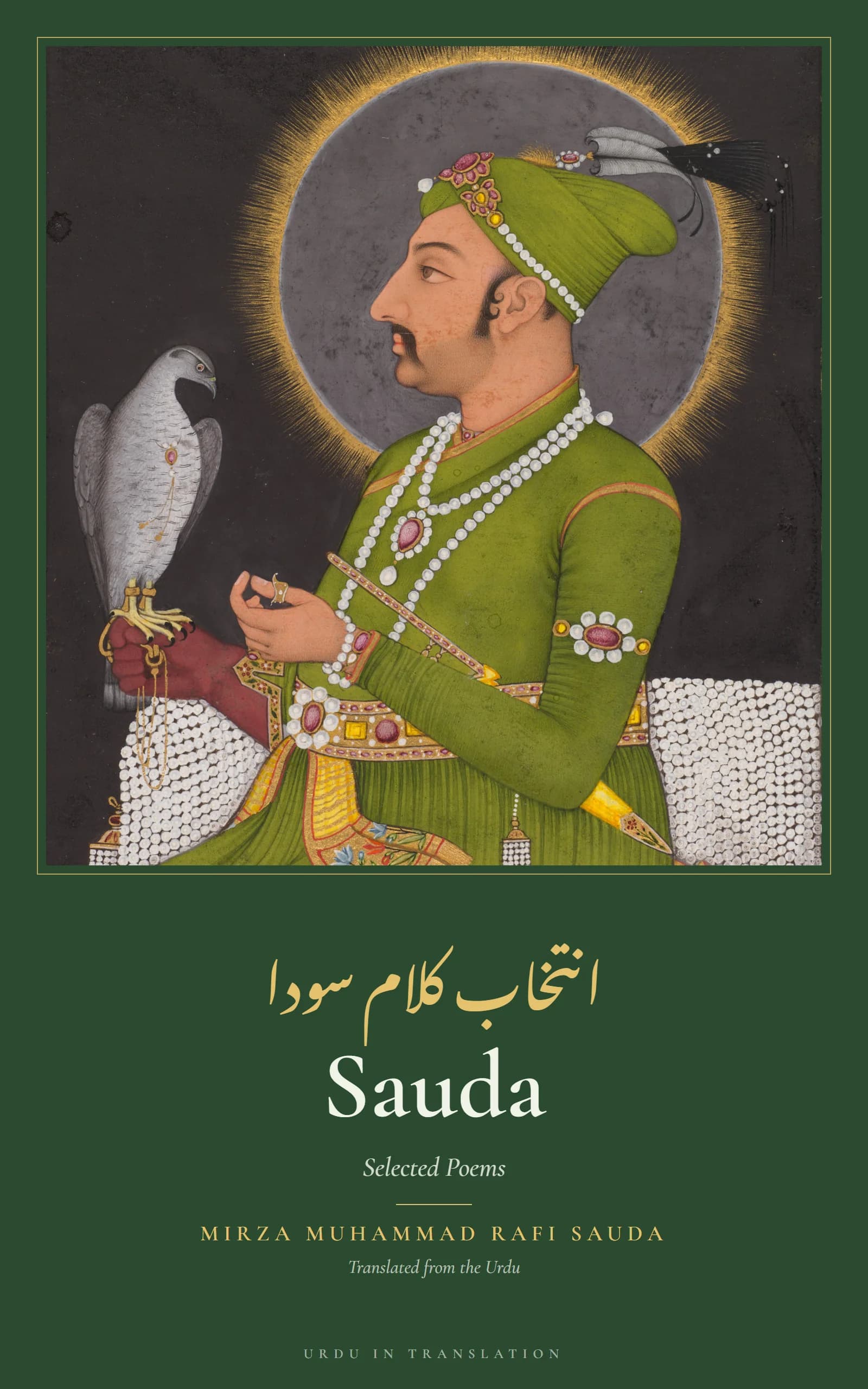
Deux premiers chapitres gratuitsSauda: Selected Poems
انتخاب کلام سودا
Mirza Muhammad Rafi Sauda · sur Poetry
Selected poems of Mirza Muhammad Rafi Sauda (1713–1781), with Mir Taqi Mir the great poet of eighteenth-century Delhi and the master of the Urdu qasida: his ode in praise of the Prophet, which moves from a prelude of wise sayings through a 'second opening' to the praise of the Prophet's justice, together with twenty-four ghazals full of wit, wordplay and mockery of the Shaikh and the Qazi, and four quatrains. Urdu text from Urdu Wikisource with a couplet-by-couplet facing English translation, notes on puns and allusions, an introduction and a glossary. Cite as: Sauda, Selected Poems, tr. urduintranslation.com (2026). The first chapter is free to read.
8 chapitresEnglishd’autres langues à venir
Recueil de poèmes
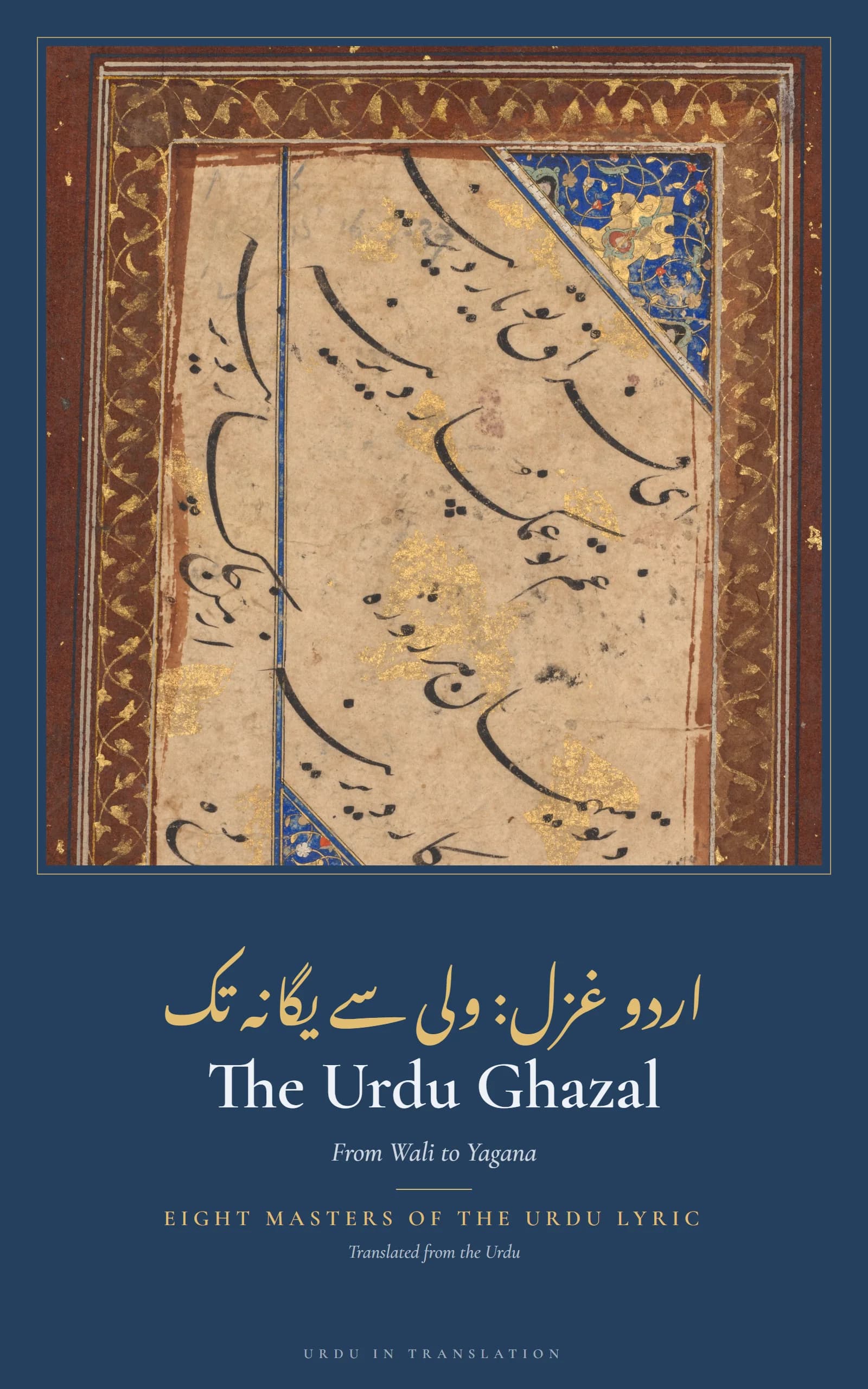
Deux premiers chapitres gratuitsThe Urdu Ghazal from Wali to Yagana
اردو غزل: ولی سے یگانہ تک
Wali Dakkani, Mir Dard, Atish, Zauq, Dagh, Hasrat Mohani, Fani and Yagana · sur Poetry
Forty-eight ghazals by eight masters of the Urdu lyric, six by each, tracing the form across two and a half centuries: Wali Dakkani, the Deccani poet who showed Delhi that the ghazal could be written in Urdu; the Sufi Khwaja Mir Dard; Atish of Lucknow; Zauq, laureate of the last Mughal court; Dagh, master of the playful Delhi idiom; and the twentieth-century voices of Hasrat Mohani, Fani Badayuni and Yas Yagana Changezi. The standard 'Wali to Yagana' sequence of university Urdu courses, with the Urdu text from Urdu Wikisource, a couplet-by-couplet facing English translation, notes on allusions and wordplay, an introduction and a glossary. Cite as: The Urdu Ghazal from Wali to Yagana, tr. urduintranslation.com (2026). The first chapter is free to read.
10 chapitresEnglishd’autres langues à venir
Recueil de poèmes
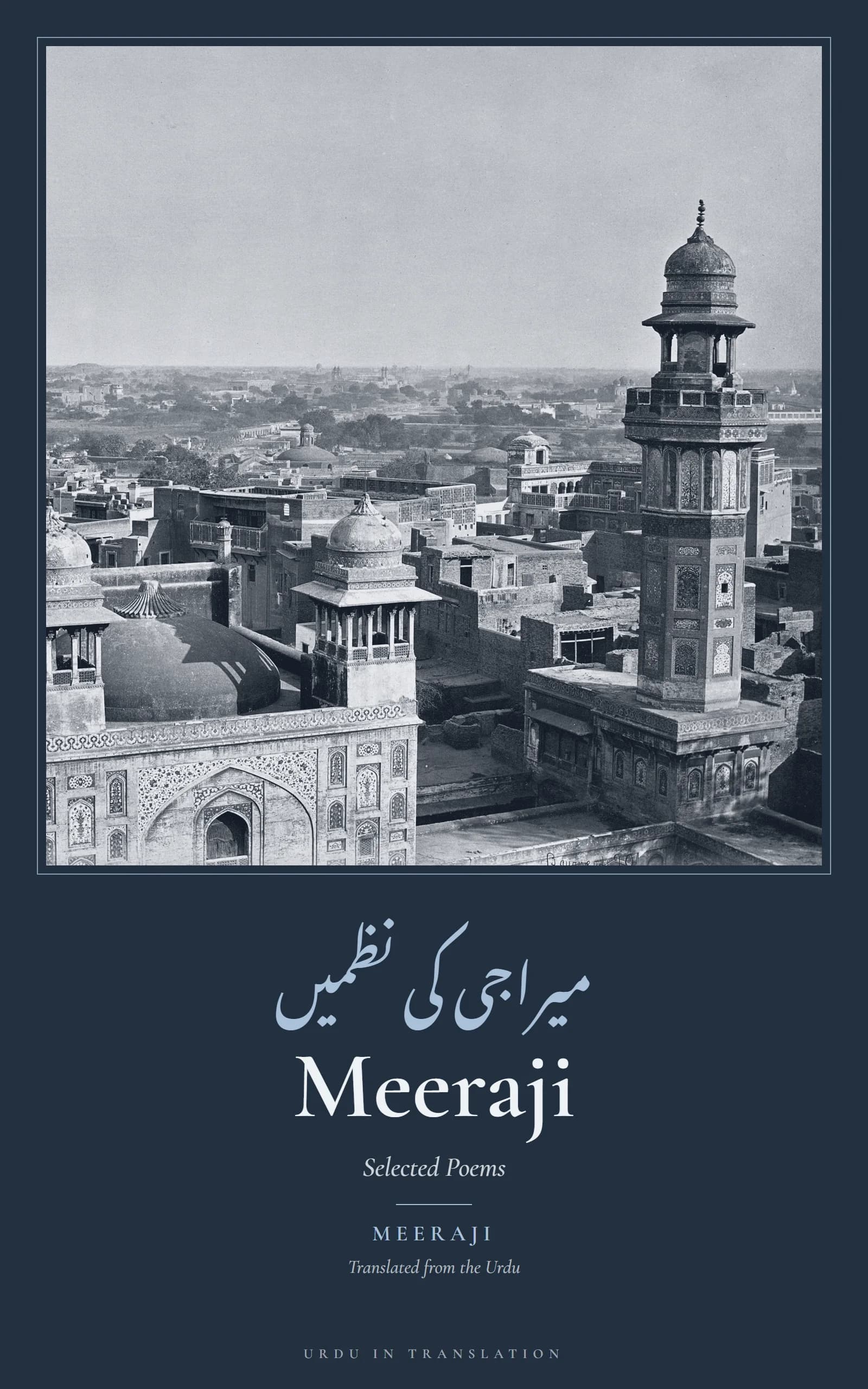
Deux premiers chapitres gratuitsMeeraji: Selected Poems
میراجی کی نظمیں
Meeraji · sur Poetry
Forty-five poems by Meeraji (1912–1949), with N. M. Rashid the founder of modern Urdu poetry and a pioneer of Urdu free verse: ten ghazals and thirty-five nazms, including The Call of the Sea, The Clerk's Song of Love, The Pilgrim, Deprivation, The Student, The Tall Building and The End of the War. Dreamlike monologues on desire, loneliness, memory, time and the self, drawing on French Symbolism and Freud as well as Hindi song and Indian myth, they made Meeraji the most daring voice of the Halqa-e-Arbab-e-Zauq in 1940s Lahore. Urdu text from Urdu Wikisource with a line-by-line facing English translation, an introduction and a glossary. Cite as: Meeraji, Selected Poems, tr. urduintranslation.com (2026). The first chapter is free to read.
10 chapitresEnglishd’autres langues à venir