Allama Muhammad Iqbal
علامہ محمد اقبال
Life1877–1938
Poet-philosopher of the East, Iqbal wrote in Urdu and Persian. Bang-e-Dara (1924) and Bal-e-Jibril (1935) are his major Urdu collections. His shaahiin (falcon) and his idea of khudii are central images of modern Urdu poetry.
Œuvres de Allama Muhammad Iqbal
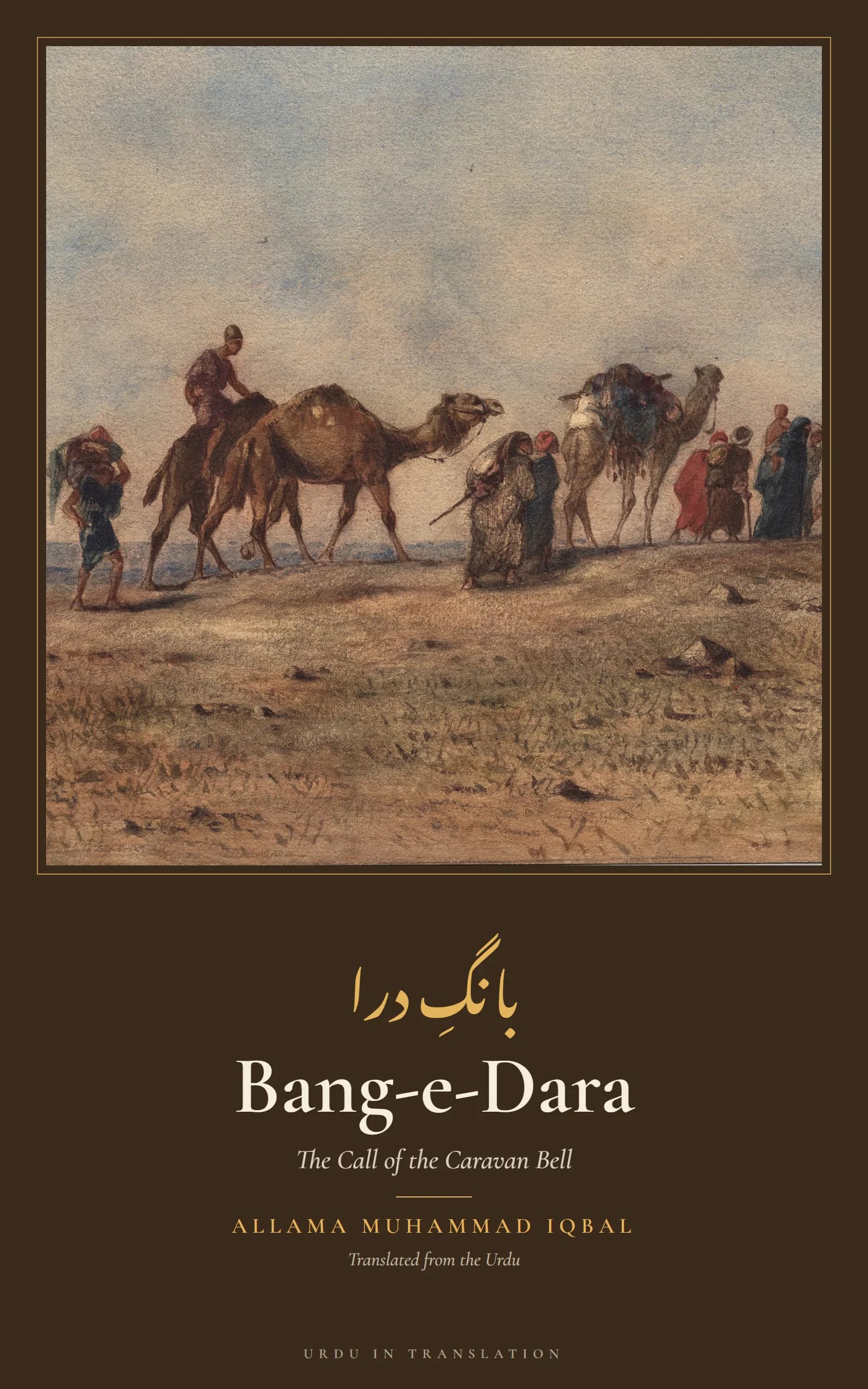
Recueil de poèmes
Deux premiers chapitres gratuitsBang-e-Dara (The Call of the Caravan Bell)
بانگِ درا
Allama Muhammad Iqbal
The complete Bang-e-Dara (1924), Allama Muhammad Iqbal's first collection of Urdu verse: all 200 poems of the three parts, with their ghazals and the humorous poems at the end. Here are the young poet's "Himalaya", "Tarana-e-Hindi" (Sare jahan se achchha) and the children's poems; the lyrics written as a student in Europe; and the great poems of the mature Iqbal: Shikwa and Jawab-e-Shikwa, The Candle and the Poet, In Memory of My Late Mother, Khizr of the Way and Tulu-e-Islam. Complete Urdu text with a facing English translation, couplet by couplet, and an introduction. The first two chapters are free to read.
14 chapitresEnglishd’autres langues à venir
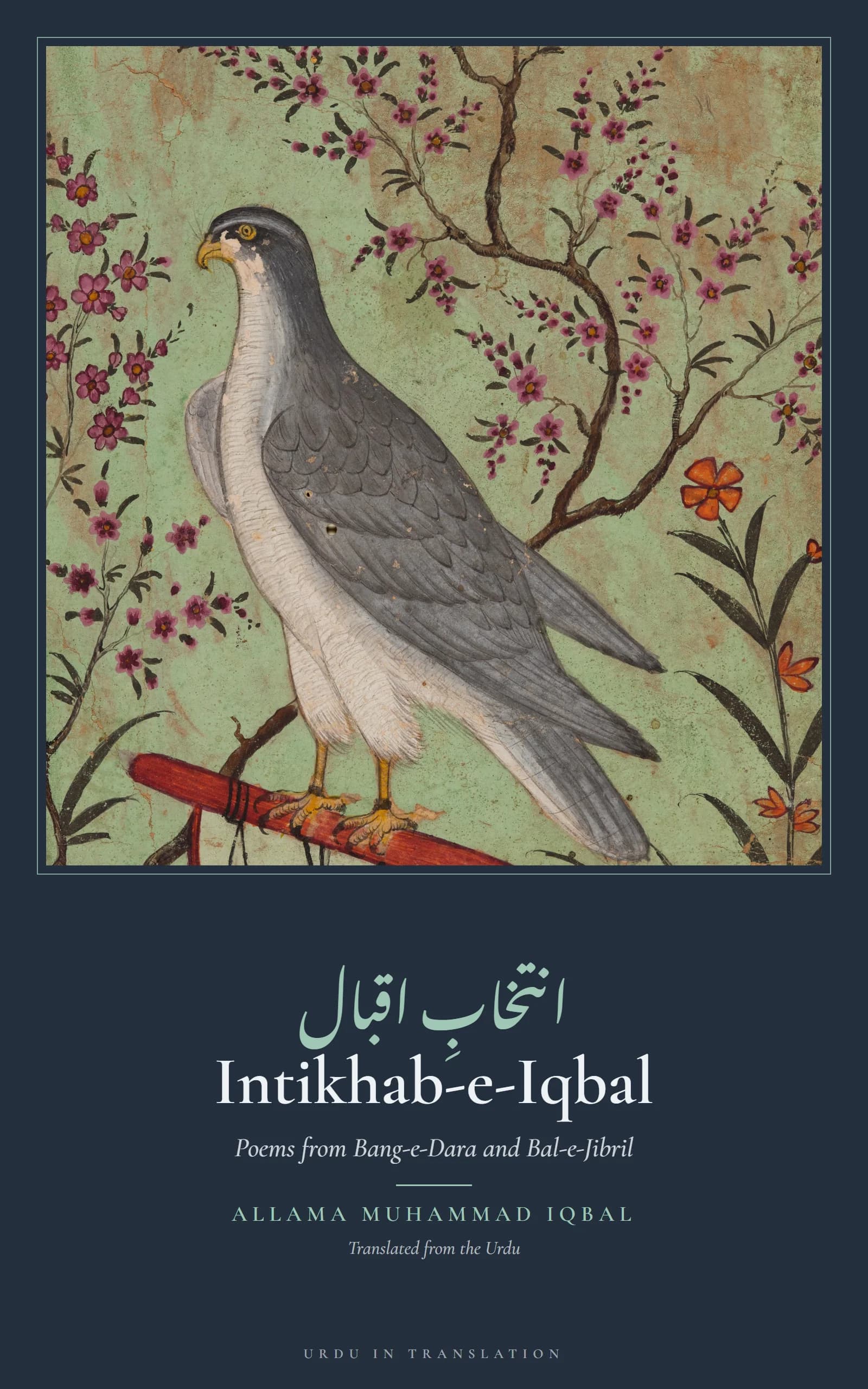
Nazm · 1924–1935
Deux premiers chapitres gratuitsIntikhab-e-Iqbal : poèmes de Bang-e-Dara et de Bal-e-Jibril
انتخابِ اقبال
Allama Muhammad Iqbal
Muhammad Iqbal (1877–1938), le poète-philosophe de Sialkot et de Lahore, a écrit les chants que l'Asie du Sud chante encore, « Meilleur que tout le monde est notre Hindoustan », « Mon souhait vient à mes lèvres comme une prière », puis les poèmes qui ont disputé avec Dieu et reçu réponse : Shikwa (La plainte) et Jawab-e-Shikwa (La réponse). Son livre ourdou plus tardif, Bal-e-Jibril (L'aile de Gabriel, 1935), tourne le ghazal et le nazm vers le soi (khudi), l'amour et l'action, et se tient dans la mosquée de Cordoue pour demander ce qui survit au temps. Cette sélection suit le cours sur Iqbal de la licence d'ourdou de la HEC : nazms et ghazals de jeunesse de Bang-e-Dara (1924), l'élégie pour sa mère, Shikwa, Jawab-e-Shikwa et Tulu-e-Islam, puis ghazals et nazms de Bal-e-Jibril. Texte ourdou avec traduction en regard, distique par distique ; le premier chapitre est en lecture libre.
7 chapitresEnglishEspañolFrançaisالعربية中文Русский