Crítica literaria
تنقید
Crítica literaria
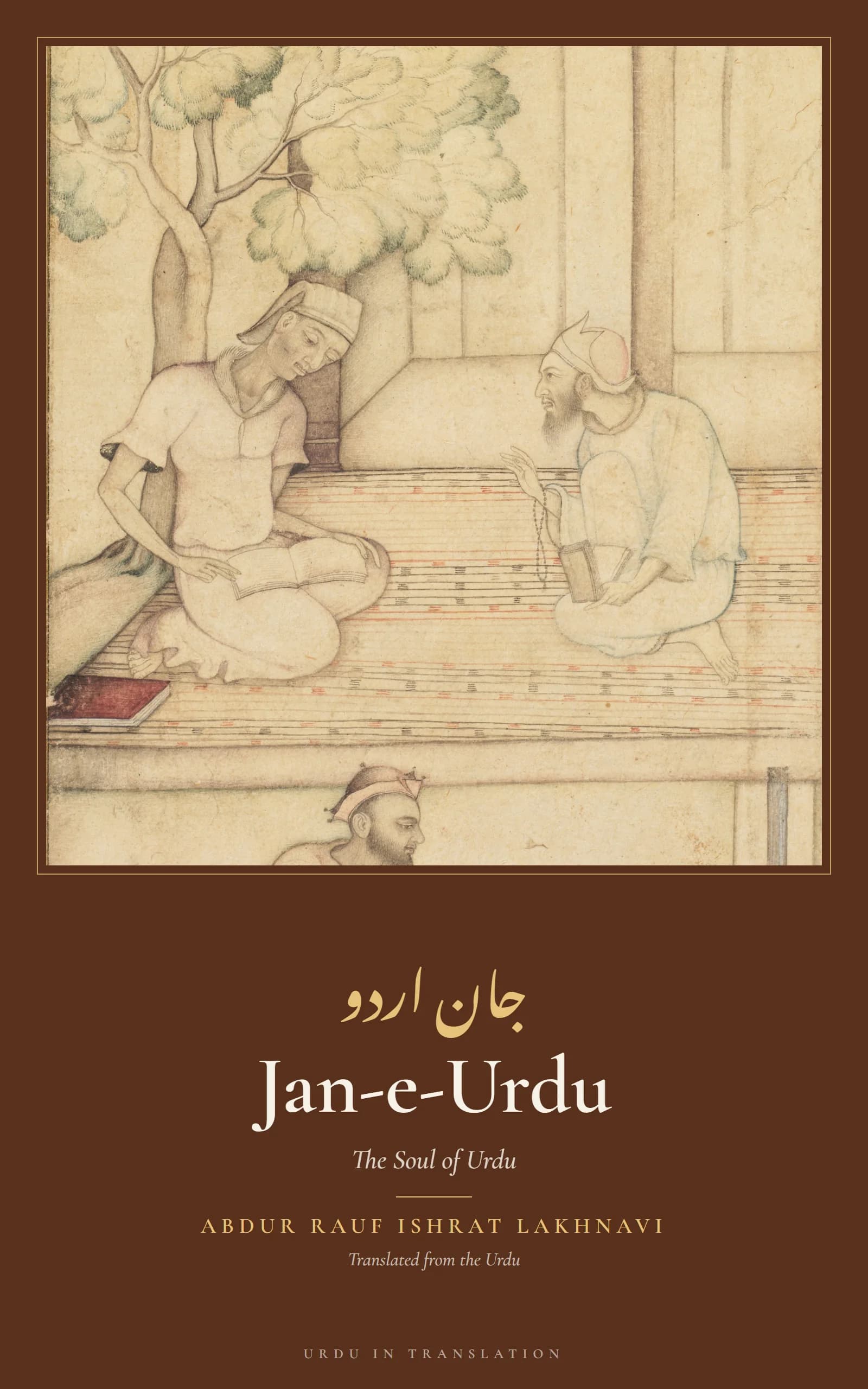
Dos primeros capítulos gratisJan-e-Urdu (The Soul of Urdu)
جان اردو
Abdur Rauf Ishrat Lakhnavi
Khwaja Abdur Rauf Ishrat's Jan-e-Urdu, a short book on speaking and writing correct Urdu by the Lucknow master who claimed the rules of Mir Taqi Mir by inheritance: an essay arguing that Urdu and Hindi are one language best written in the Urdu script, the story of Delhi and Lucknow as the two mints of the language, notes on common words such as koi, kuchh, kya and apna, a long collection of idioms built on everyday verbs, and a list of faulty sentences from the newspapers and books of western and eastern India with their corrections. Complete Urdu text (Wikisource) and a facing English translation, with introduction and glossary. Cite as: Abdur Rauf Ishrat, Jan-e-Urdu, tr. urduintranslation.com (2026), https://www.urduintranslation.com/works/jan-e-urdu. The first two chapters are free to read.
6 capítulosEnglishmás idiomas próximamente
Crítica literaria
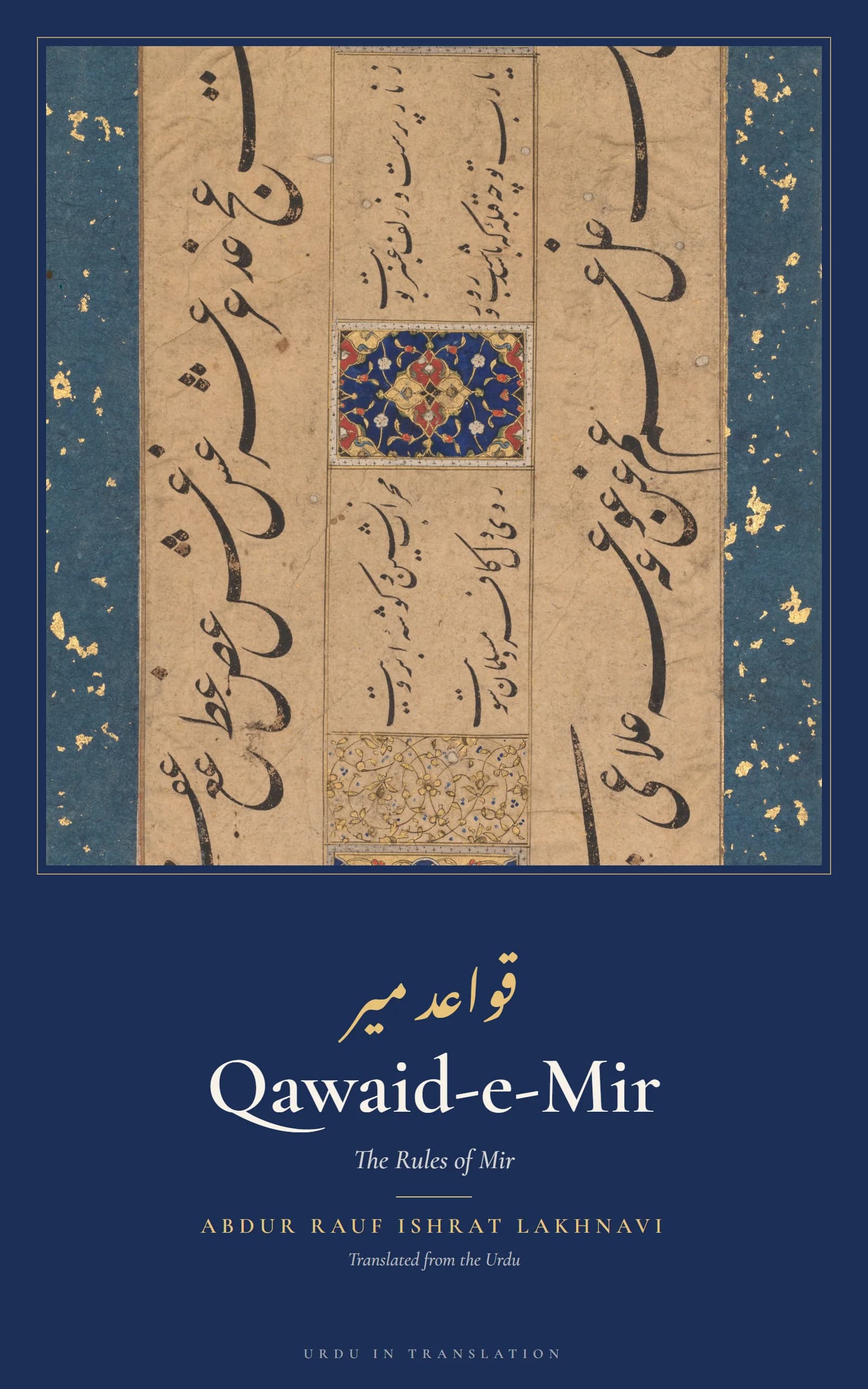
Dos primeros capítulos gratisQawaid-e-Mir (The Rules of Mir)
قواعد میر
Abdur Rauf Ishrat Lakhnavi
Khwaja Abdur Rauf Ishrat's Qawaid-e-Mir, a short handbook of Urdu usage whose rules, the author says, came down by word of mouth from the poet Mir Taqi Mir through Mir Kallu Arsh and Shaikh Muhammad Jan Shad. A fighting preface on the state of Urdu and the claims of Lucknow, then chapters on the infinitive, the plural, gender, the adjective, metaphor and metonymy, the difference between word, convention, everyday speech and idiom, and the faults of speech and taste in recent poetry. Complete Urdu text (Wikisource) and a facing English translation, with introduction and glossary. Cite as: Abdur Rauf Ishrat, Qawaid-e-Mir, tr. urduintranslation.com (2026), https://www.urduintranslation.com/works/qawaid-e-mir. The first two chapters are free to read.
10 capítulosEnglishmás idiomas próximamente
Crítica literaria
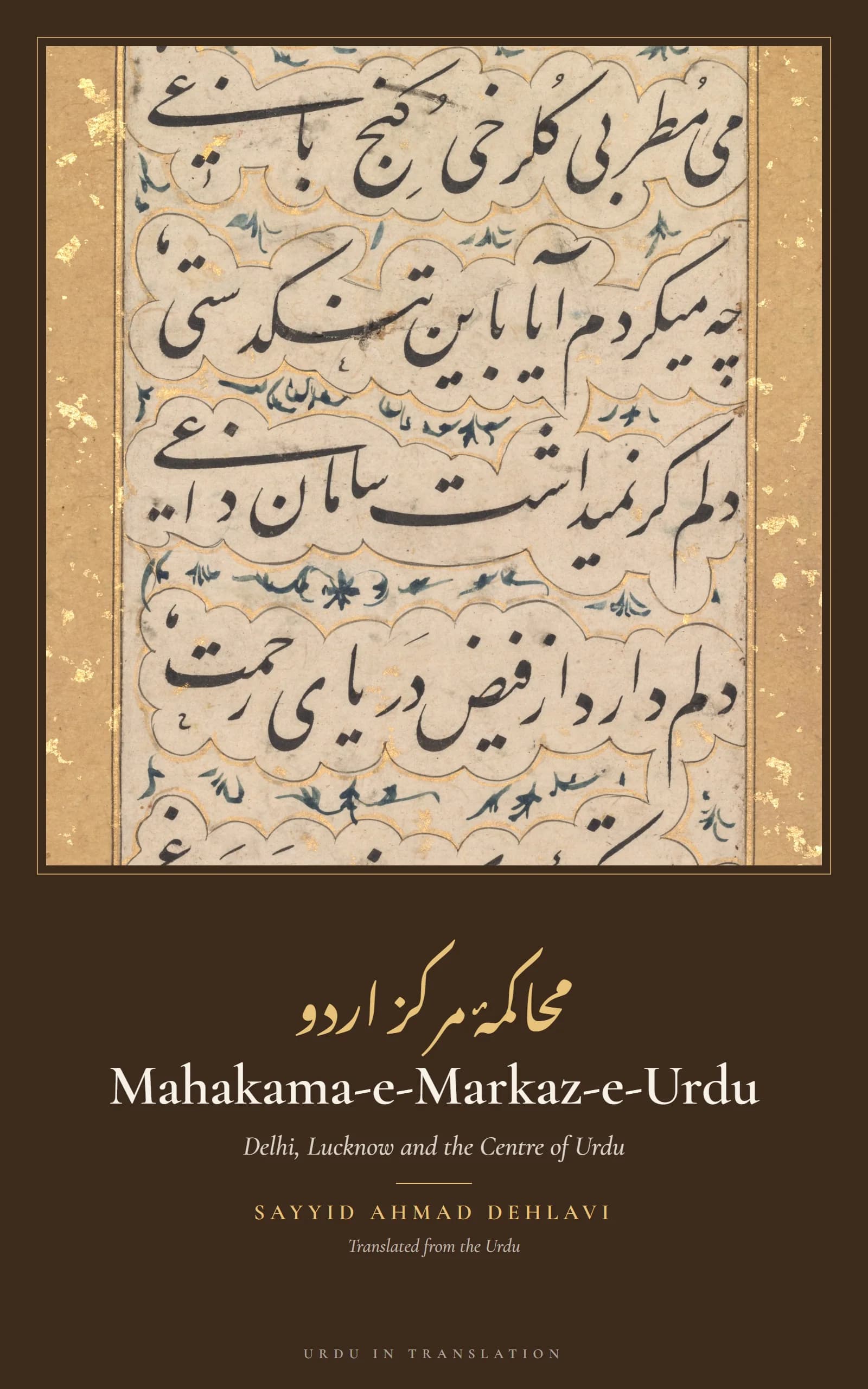
Dos primeros capítulos gratisMahakama-e-Markaz-e-Urdu (A Judgement on the Centre of Urdu)
محاکمۂ مرکز اردو
Syed Ahmad Dehlvi
Syed Ahmad Dehlvi's Mahakama-e-Markaz-e-Urdu (1911), by the compiler of the Farhang-e-Asifiya: a spirited argument that Delhi is the birthplace and true centre of Urdu, weighing the claims of Lucknow, Lahore and Hyderabad Deccan, with two famous stories of Delhi and Lucknow quarrelling over words, a point-by-point reply to Wajahat Jhinjhanvi's 1910 essay on idiom, a roll of the writers of Delhi in his day, and a closing plea for Urdu and Hindustani as one language in the Nastaliq script. Complete Urdu text (Wikisource) and a facing English translation, with introduction and glossary. Cite as: Syed Ahmad Dehlvi, Mahakama-e-Markaz-e-Urdu, tr. urduintranslation.com (2026), https://www.urduintranslation.com/works/mahakama-e-markaz-e-urdu. The first two chapters are free to read.
6 capítulosEnglishmás idiomas próximamente
Crítica literaria
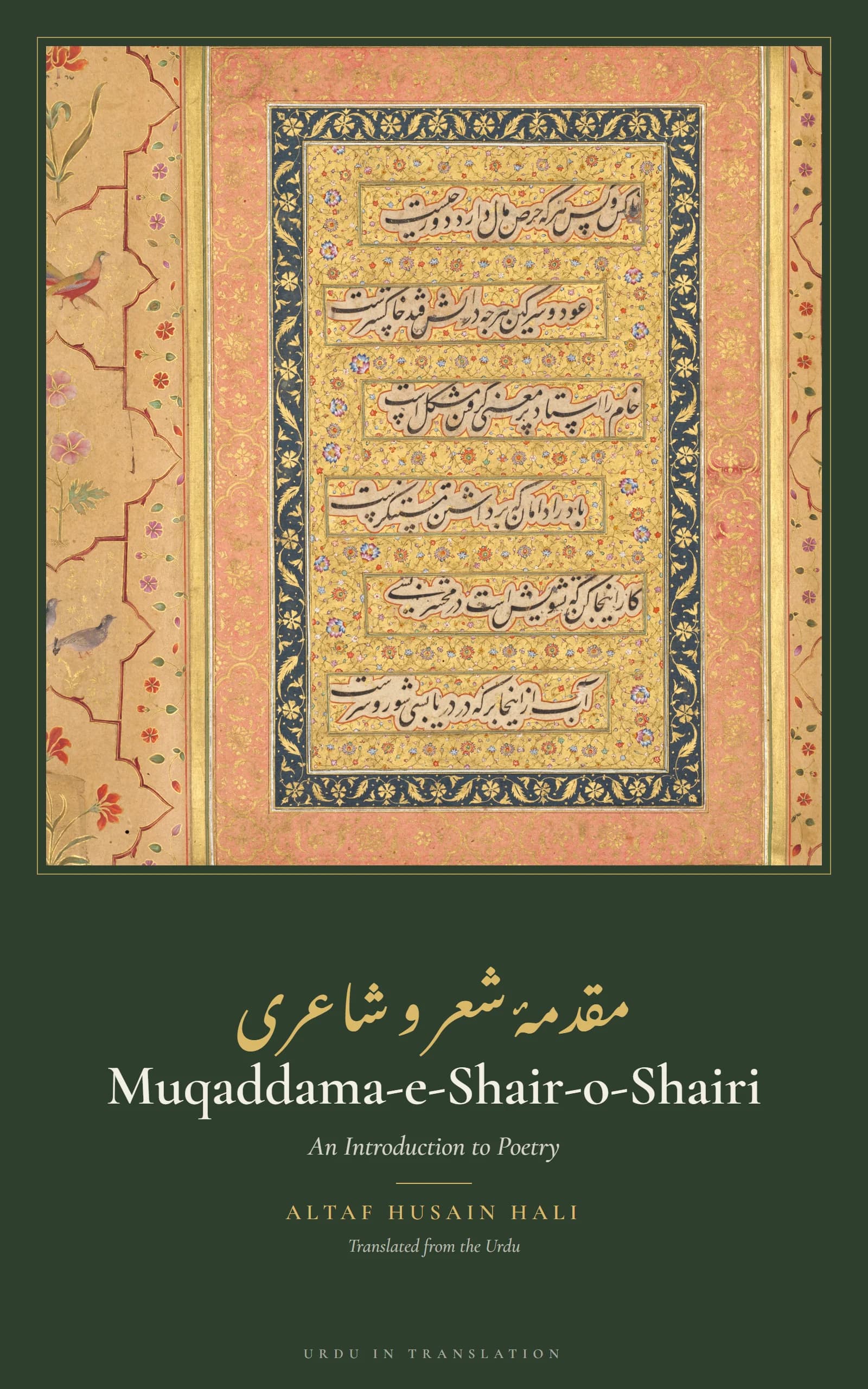
Dos primeros capítulos gratisMuqaddama-e-Shair-o-Shairi (An Introduction to Poetry and the Art of Poetry)
مقدمۂ شعر و شاعری
Altaf Husain Hali
Published in 1893 as the preface to his collected poems, Altaf Husain Hali's Muqaddama-e-Shair-o-Shairi is the founding work of Urdu literary criticism. Hali (1837–1914), pupil of Ghalib and ally of Sir Sayyid Ahmad Khan, asks what poetry is and what it does in society, names its conditions (imagination, study of the world, choice of words) and its qualities (simplicity, reality, passion), and then judges the ghazal, the qasida, the marsiya and the masnavi by them, with hundreds of examples from Mir, Sauda, Ghalib, Zauq, Mir Hasan, Shauq and others, and from Arabic and Persian. Complete Urdu text from the first Delhi edition (1893), with Hali's footnotes, a facing English translation, introduction and glossary. Cite as: Hali, Muqaddama-e-Shair-o-Shairi, tr. urduintranslation.com (2026). The first chapter is free to read.
13 capítulosEnglishmás idiomas próximamente