Allama Muhammad Iqbal
علامہ محمد اقبال
Life1877–1938
Poet-philosopher of the East, Iqbal wrote in Urdu and Persian. Bang-e-Dara (1924) and Bal-e-Jibril (1935) are his major Urdu collections. His shaahiin (falcon) and his idea of khudii are central images of modern Urdu poetry.
Obras de Allama Muhammad Iqbal
Antología poética
Dos primeros capítulos gratisBang-e-Dara (The Call of the Caravan Bell)
بانگِ درا
Allama Muhammad Iqbal
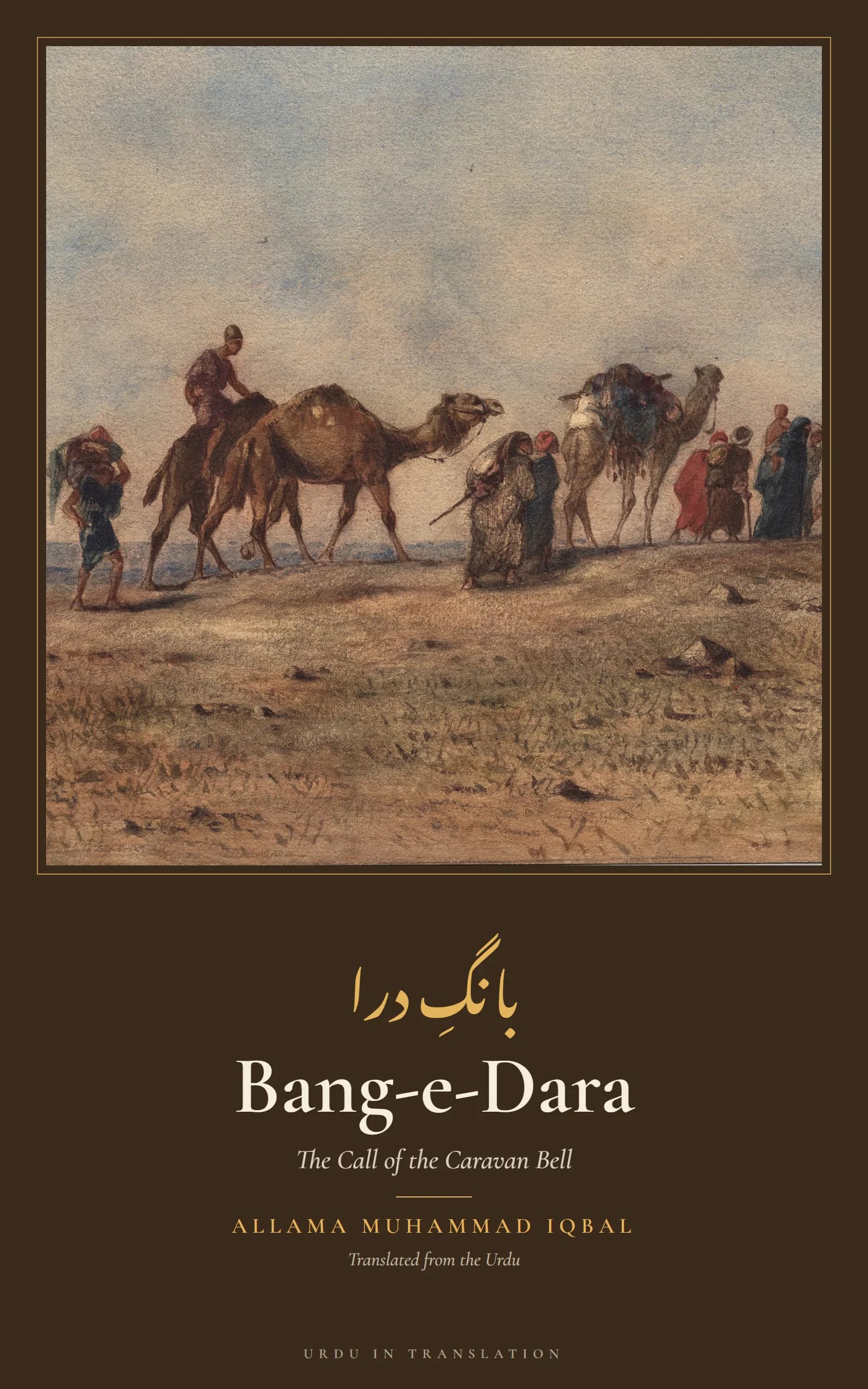
The complete Bang-e-Dara (1924), Allama Muhammad Iqbal's first collection of Urdu verse: all 200 poems of the three parts, with their ghazals and the humorous poems at the end. Here are the young poet's "Himalaya", "Tarana-e-Hindi" (Sare jahan se achchha) and the children's poems; the lyrics written as a student in Europe; and the great poems of the mature Iqbal: Shikwa and Jawab-e-Shikwa, The Candle and the Poet, In Memory of My Late Mother, Khizr of the Way and Tulu-e-Islam. Complete Urdu text with a facing English translation, couplet by couplet, and an introduction. The first two chapters are free to read.
14 capítulosEnglishmás idiomas próximamente
Nazm · 1924–1935
Dos primeros capítulos gratisIntikhab-e-Iqbal: poemas de Bang-e-Dara y Bal-e-Jibril
انتخابِ اقبال
Allama Muhammad Iqbal
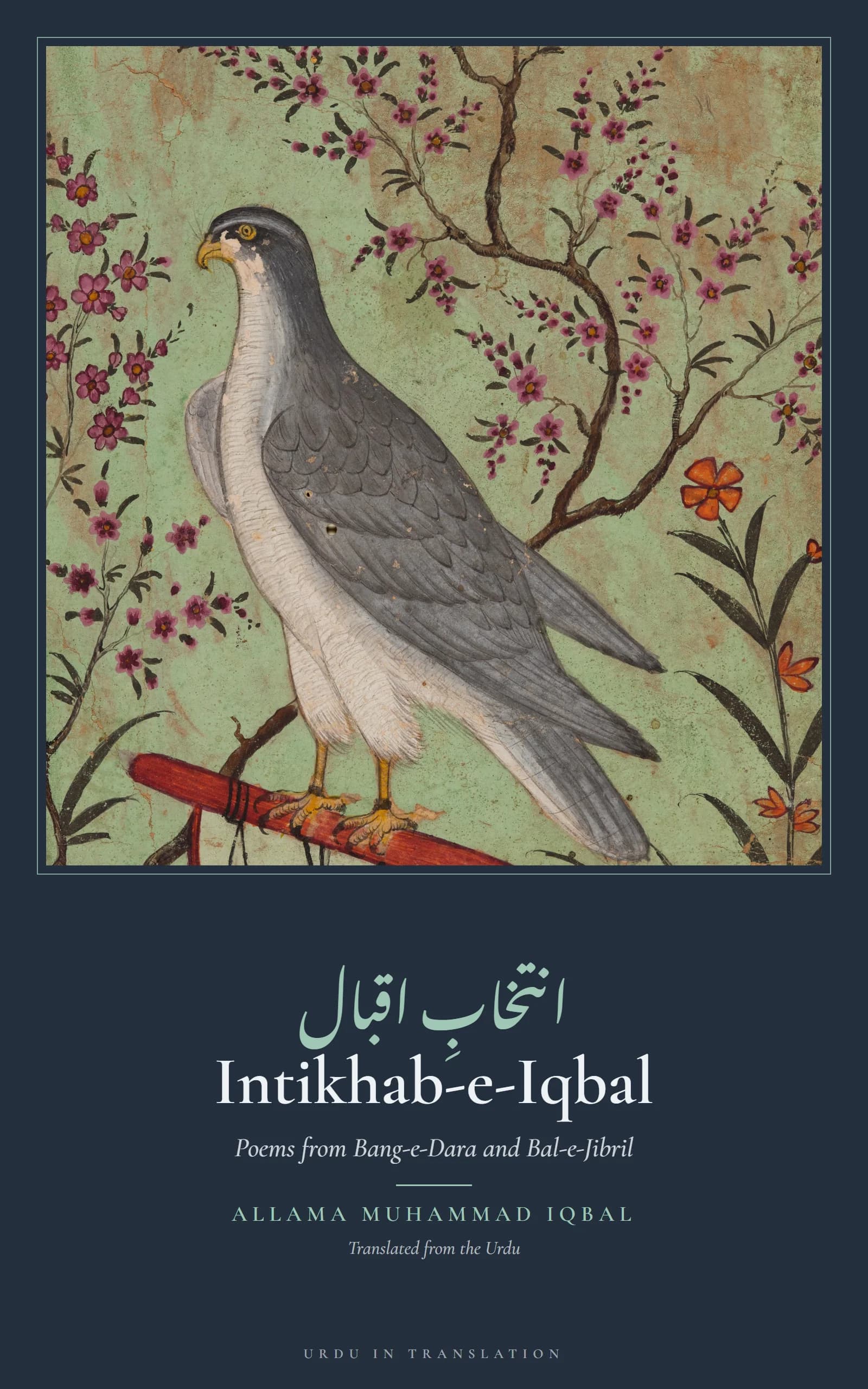
Muhammad Iqbal (1877–1938), el poeta filósofo de Sialkot y Lahore, escribió las canciones que el sur de Asia sigue cantando, «Mejor que todo el mundo es nuestro Indostán», «Mi deseo llega a mis labios como una oración», y luego los poemas que discutieron con Dios y recibieron respuesta: Shikwa (La queja) y Jawab-e-Shikwa (La respuesta). Su libro urdu posterior, Bal-e-Jibril (El ala de Gabriel, 1935), vuelve el gazal y el nazm hacia la identidad propia (khudi), el amor y la acción, y se detiene en la mezquita de Córdoba para preguntar qué sobrevive al tiempo. Esta selección sigue el curso de Iqbal del grado de Urdu de la HEC: nazms y gazales tempranos de Bang-e-Dara (1924), la elegía a su madre, Shikwa, Jawab-e-Shikwa y Tulu-e-Islam, y después gazales y nazms de Bal-e-Jibril. Texto urdu con traducción al lado, verso a verso; el primer capítulo es de lectura libre.
7 capítulosEnglishEspañolFrançaisالعربية中文Русский