التاريخ
تاریخ
التاريخ
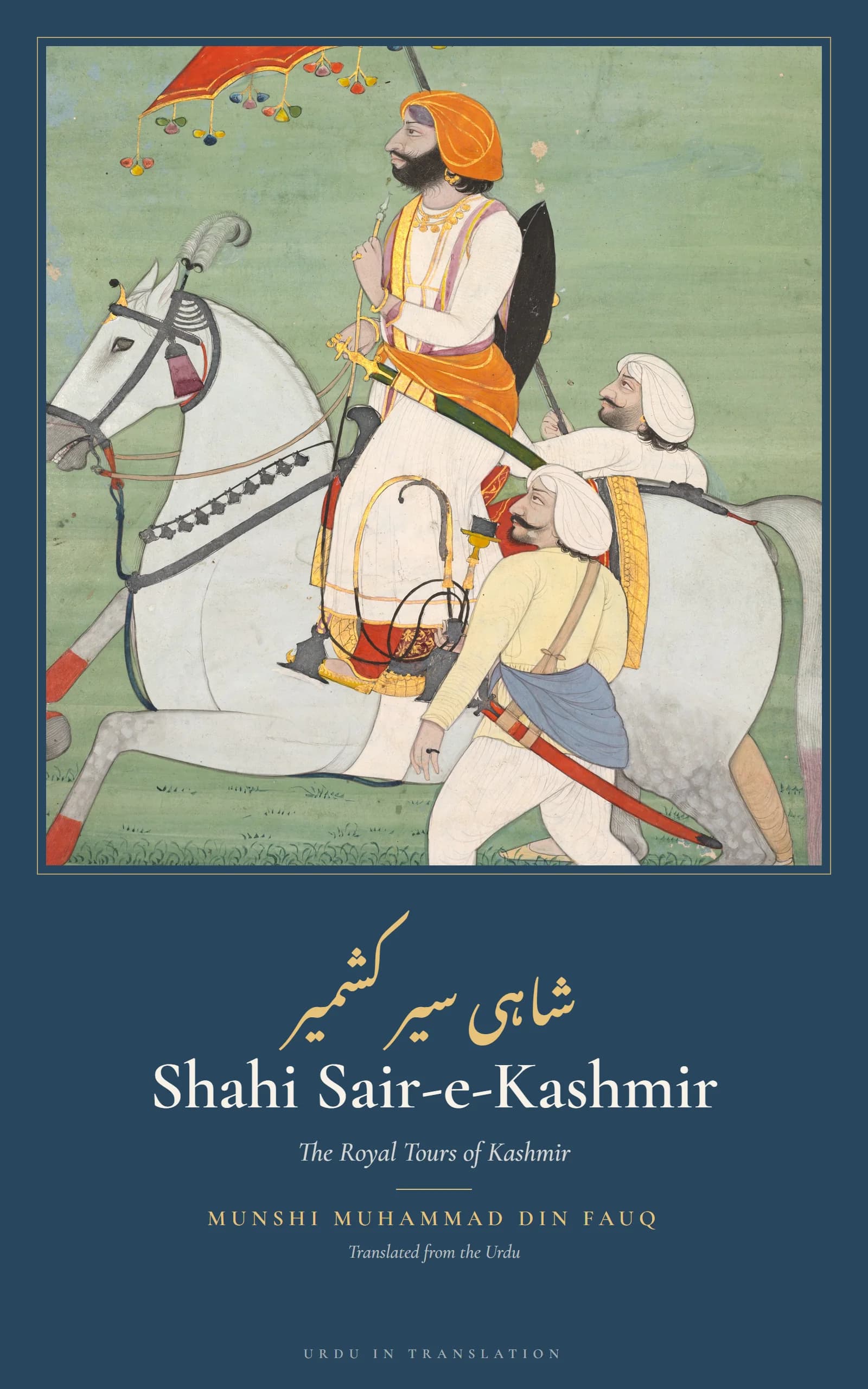
الفصلان الأولان مجانًاShahi Sair-e-Kashmir (The Royal Tours of Kashmir)
شاہی سیر کشمیر
Munshi Muhammad Din Fauq
Munshi Muhammad Din Fauq's Shahi Sair-e-Kashmir, the journeys of four Mughal emperors to Kashmir: Akbar's road over the Pir Panjal, the revolt of Mirza Yadgar and the Diwali lights of Srinagar; Jahangir's flowers, bridges, saffron fields and notes on the people; Shah Jahan's Milad gathering, Vernag, floods and famine; and Aurangzeb's single, joyless visit, retold from the Akbarnama, the Tuzuk-e-Jahangiri and other histories with their Persian passages. Complete Urdu text (Wikisource) and a facing English translation, with introduction and glossary. Cite as: Munshi Muhammad Din Fauq, Shahi Sair-e-Kashmir, tr. urduintranslation.com (2026), https://www.urduintranslation.com/works/shahi-sair-e-kashmir. The first two chapters are free to read.
7 فصولEnglishلغات أخرى قريبًا
التاريخ
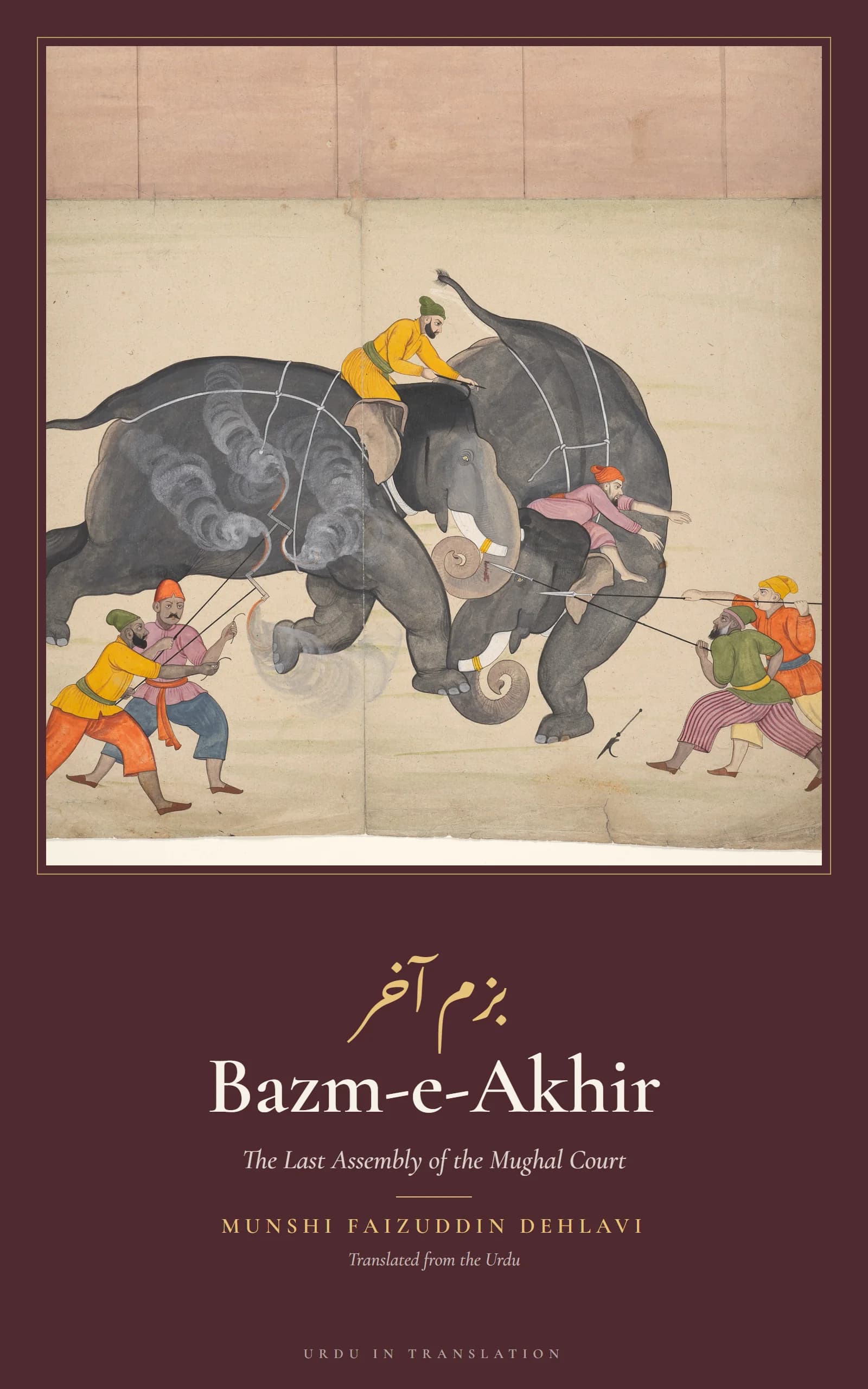
الفصلان الأولان مجانًاBazm-e-Akhir (The Last Assembly: Life in the Red Fort of the Last Mughals)
بزم آخر
Munshi Faizuddin Dehlavi
Munshi Faizuddin, who grew up inside the Red Fort of Delhi, describes the daily life and ceremonies of the court of the last two Mughal emperors, Akbar Shah II and Bahadur Shah Zafar: the King's day from the morning gun to the midnight drums, the royal meal with its hundreds of dishes, the state processions, the anniversary of the accession, Nauroz, Muharram, Ramazan and the two Eids, the Hindu festivals of Salono, Dasehra, Diwali and Holi, the women's parties in the palace gardens, the Flower-Sellers' Fair at Mehrauli, and the rites of mourning. Written in 1885 in the lively idiom of the palace women, it is a classic record of a vanished world. Complete Urdu text from Wikisource with a facing English translation, introduction and glossary. Cite as: Munshi Faizuddin Dehlavi, Bazm-e-Akhir, tr. urduintranslation.com (2026), https://www.urduintranslation.com/works/bazm-e-akhir. The first two chapters are free to read.
12 فصلًاEnglishلغات أخرى قريبًا
التاريخ
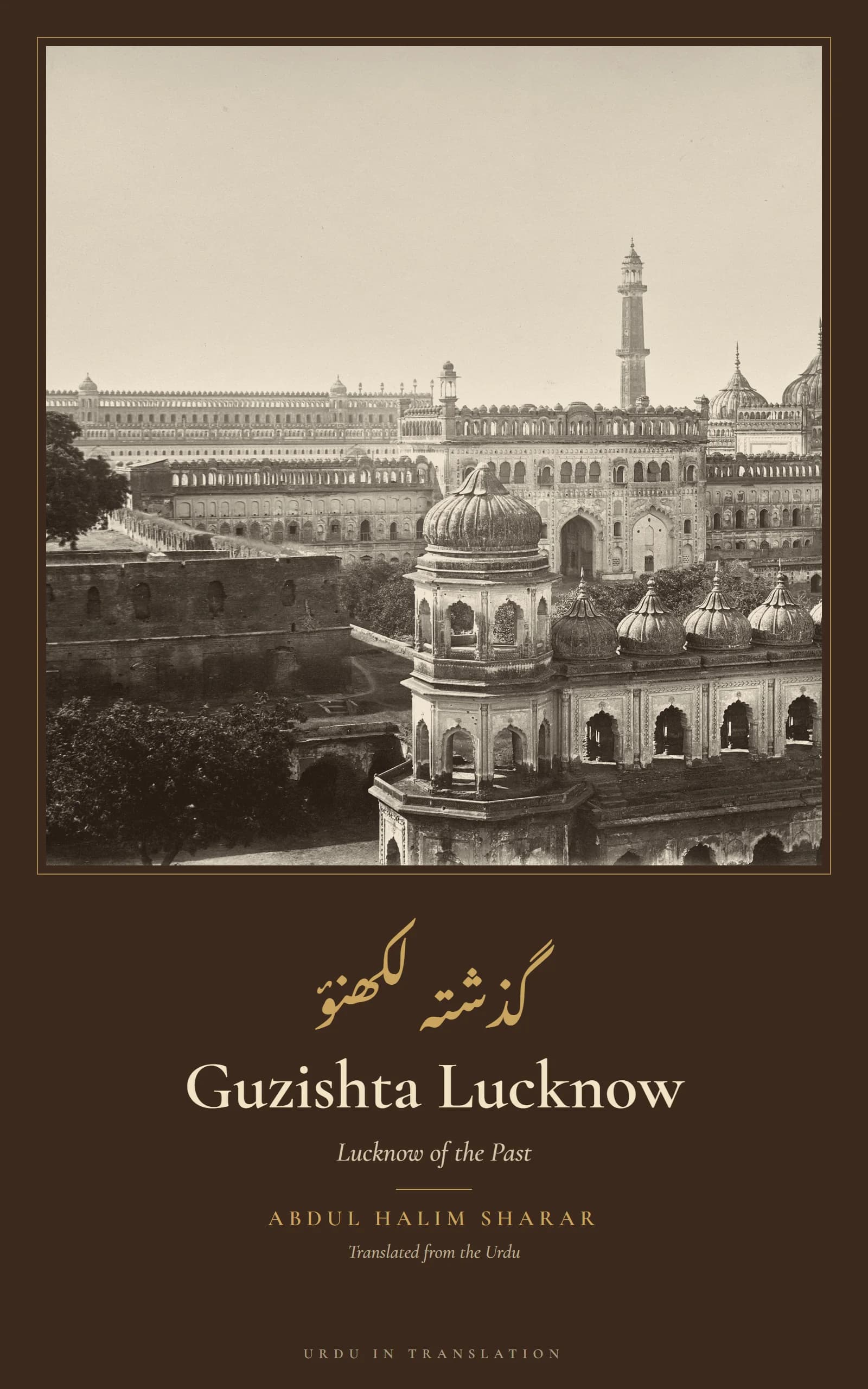
الفصلان الأولان مجانًاGuzishta Lucknow (Lucknow of the Past: The Last Example of Eastern Civilisation in India)
گذشتہ لکھنؤ
Abdul Halim Sharar
Abdul Halim Sharar's Guzishta Lucknow is the classic portrait of nineteenth-century Lucknow, the city in which, as Sharar puts it, the old culture of Muslim India made its last stand. Sharar (1860–1926), novelist, journalist and editor of Dilgudaz, grew up partly at Wajid Ali Shah's court in exile at Matiya Burj. After a short history of the Nawabs and Kings of Awadh, he describes the city's culture subject by subject: poetry, prose and speech; learning, medicine and calligraphy; martial arts and animal fights; music, dance and soz-khwani; food, dress and jewellery; houses, manners and conversation; the ceremonies of birth, marriage and death; the huqqa and pan; conveyances; and pottery. A basic source for historians of Awadh, Urdu, Hindustani music and everyday life. Complete Urdu text in 54 sections from the Digital Library of India copy, completed from the 1971 Maktaba Jamia edition, with a facing English translation, introduction and glossary. Cite as: Sharar, Guzishta Lucknow, tr. urduintranslation.com (2026). The first chapter is free to read.
56 فصلًاEnglishلغات أخرى قريبًا